












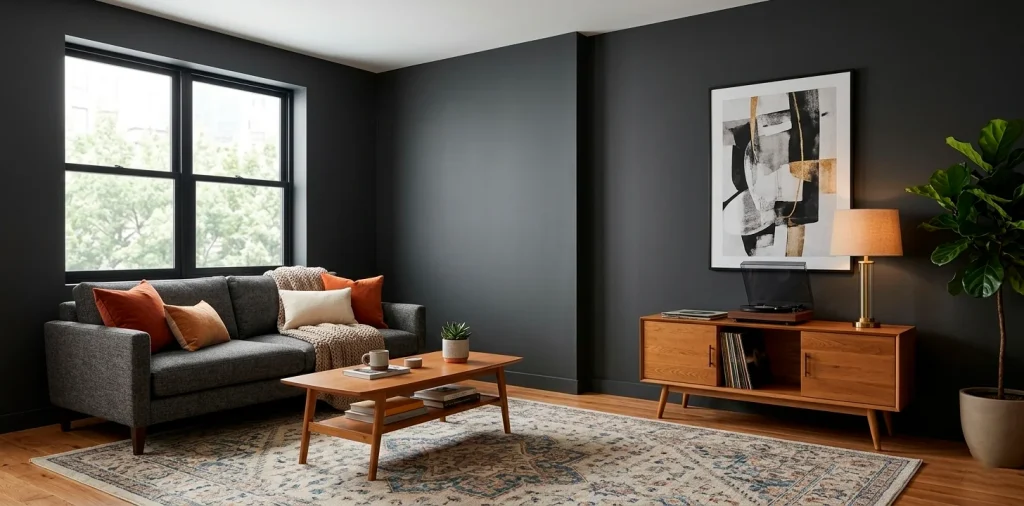

Who told you small rooms must be white? Honestly, that “rule” is as outdated as low-rise jeans. I once feared painting my tiny office navy, thinking I’d end up living in a shoebox. Spoiler alert: I didn’t. Dark colors actually blur the corners, creating an infinite, cozy vibe that white just can’t touch. Ready to embrace the dark side?
The Magic of the Infinite Illusion
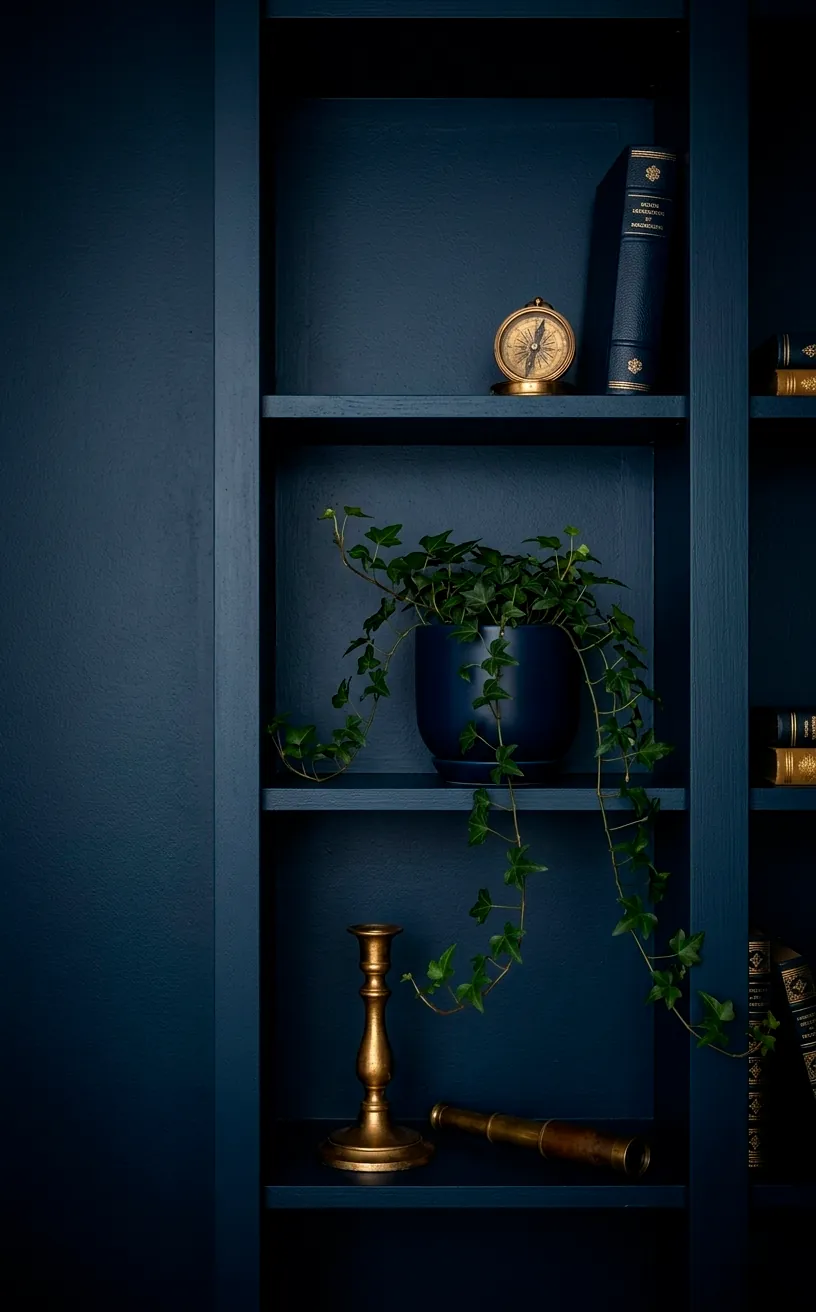
Deep colors like charcoal or midnight blue don’t actually shrink a room; they make the walls recede. Think about the night sky—does it feel cramped? Nope. Dark shades absorb light, which hides the transition between walls and corners. This trick makes the boundaries of your space disappear. Ever noticed how a dark ceiling suddenly feels like it’s ten feet higher? It’s basically magic, but with paint.
I’m currently obsessed with “inky” tones. If you go for a monochrome look where the trim matches the walls, you eliminate visual stutters. This keeps the eye moving without distraction. IMO, it’s the easiest way to look like you hired an expensive designer. 🎨
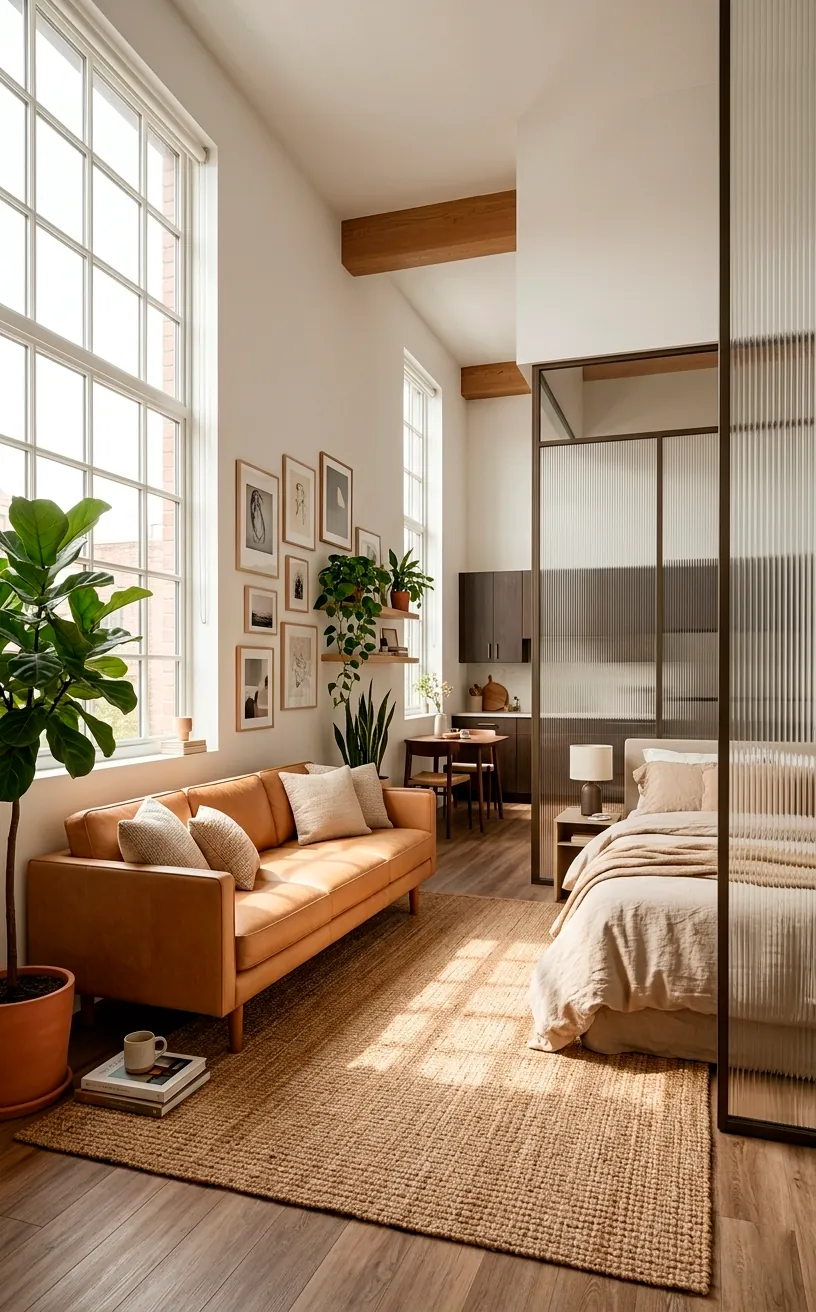
Layer Your Light Like a Pro
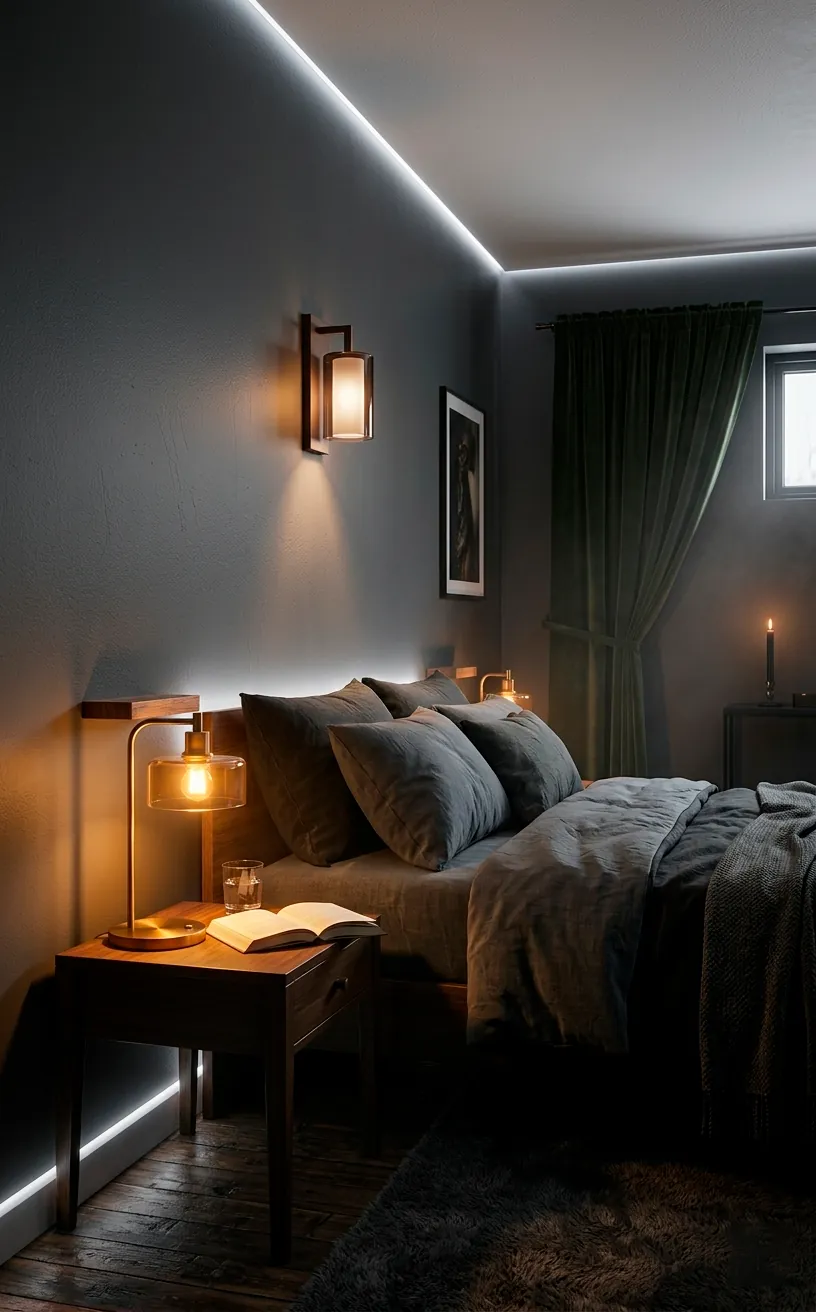
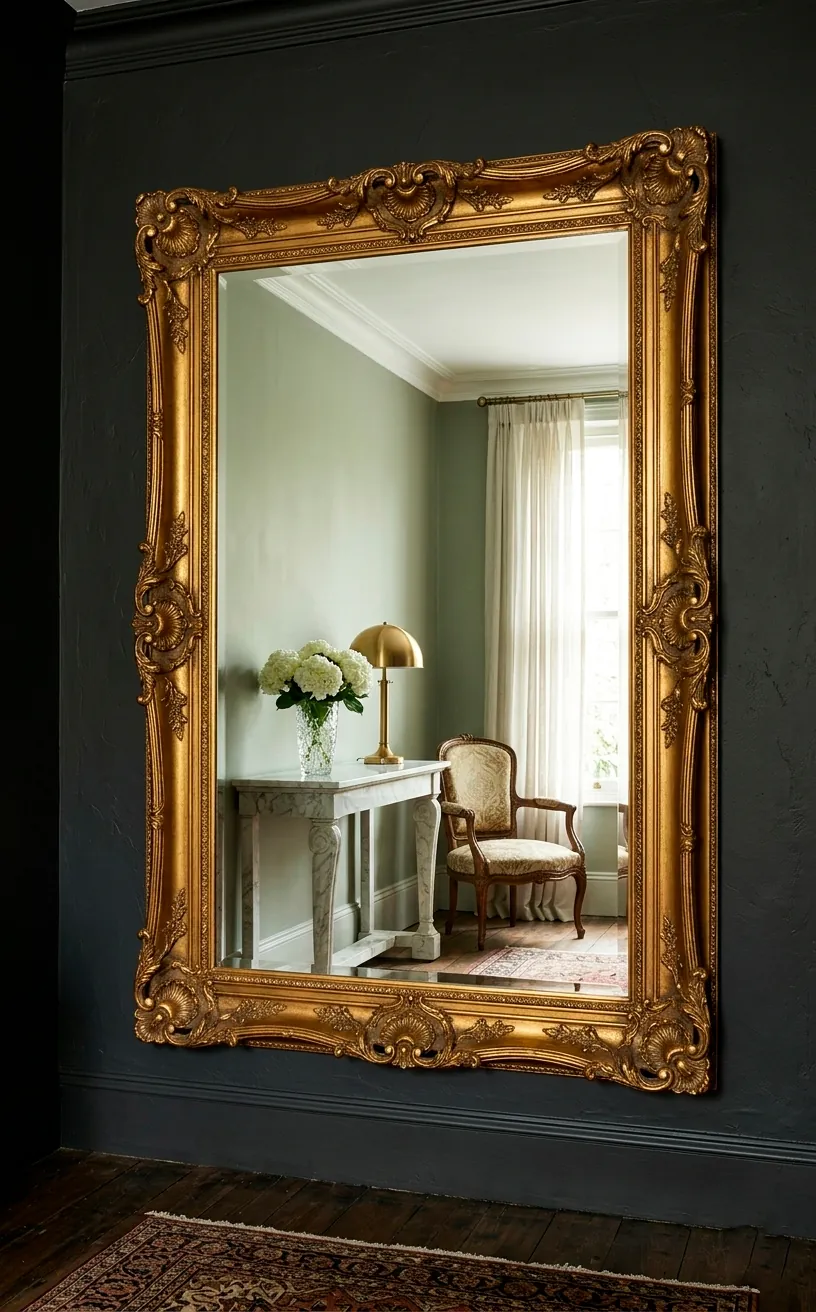
You can’t just slap on some obsidian paint and call it a day unless you want to live in a literal dungeon. Layered lighting is the secret sauce here. You need a mix of ambient, task, and accent lights to make those dark walls pop. Why settle for one sad overhead light? Throw in some warm LEDs or a brass sconce to create contrast. Reflective surfaces—like a huge gold-framed mirror—will bounce that light around, ensuring the room feels moody, not gloomy. A little sparkle goes a long way when you’re flirting with the dark side.
Texture is Your Secret Weapon
Flat dark walls can look a bit… dead.
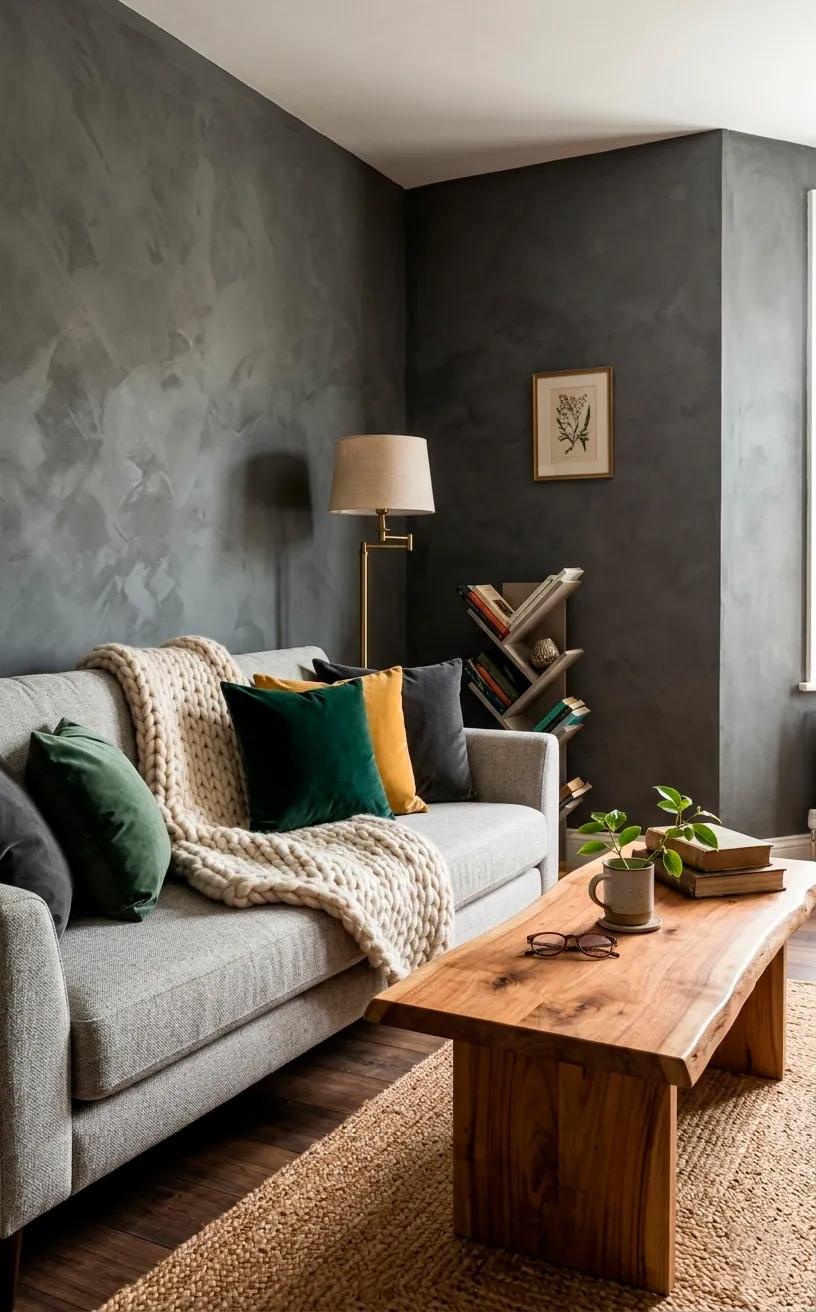
You need texture to bring the drama. Think velvet sofas, chunky knit throws, or even a leather chair. These materials catch the light differently, adding depth that prevents the room from feeling one-dimensional.
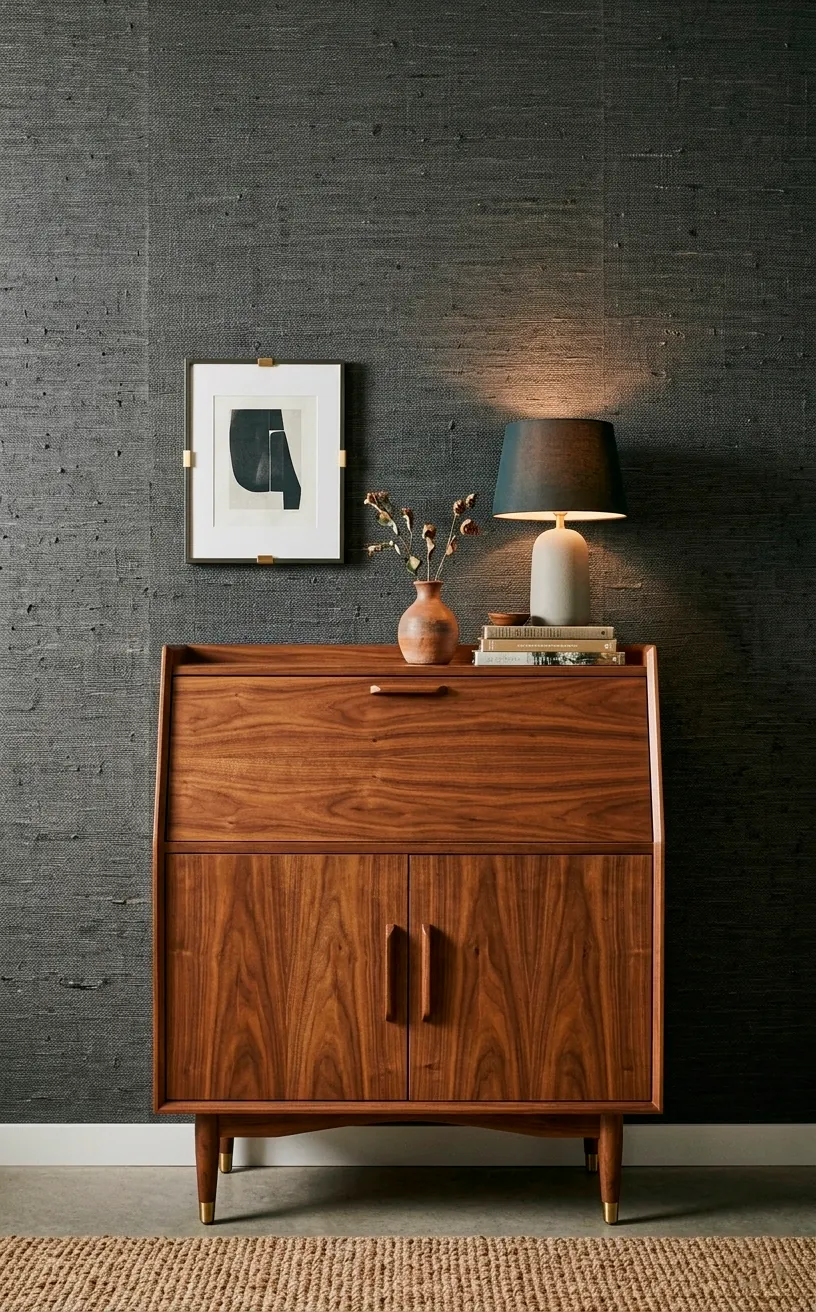
Ever touched a wall and felt inspired? Me neither, but textured wallpaper or a lime wash finish can change that.
Keep the palette tight but the materials varied. Mixing wood tones with dark paint creates a grounded, high-end feel that screams “I have my life together.”
The Critical Power of Contrast
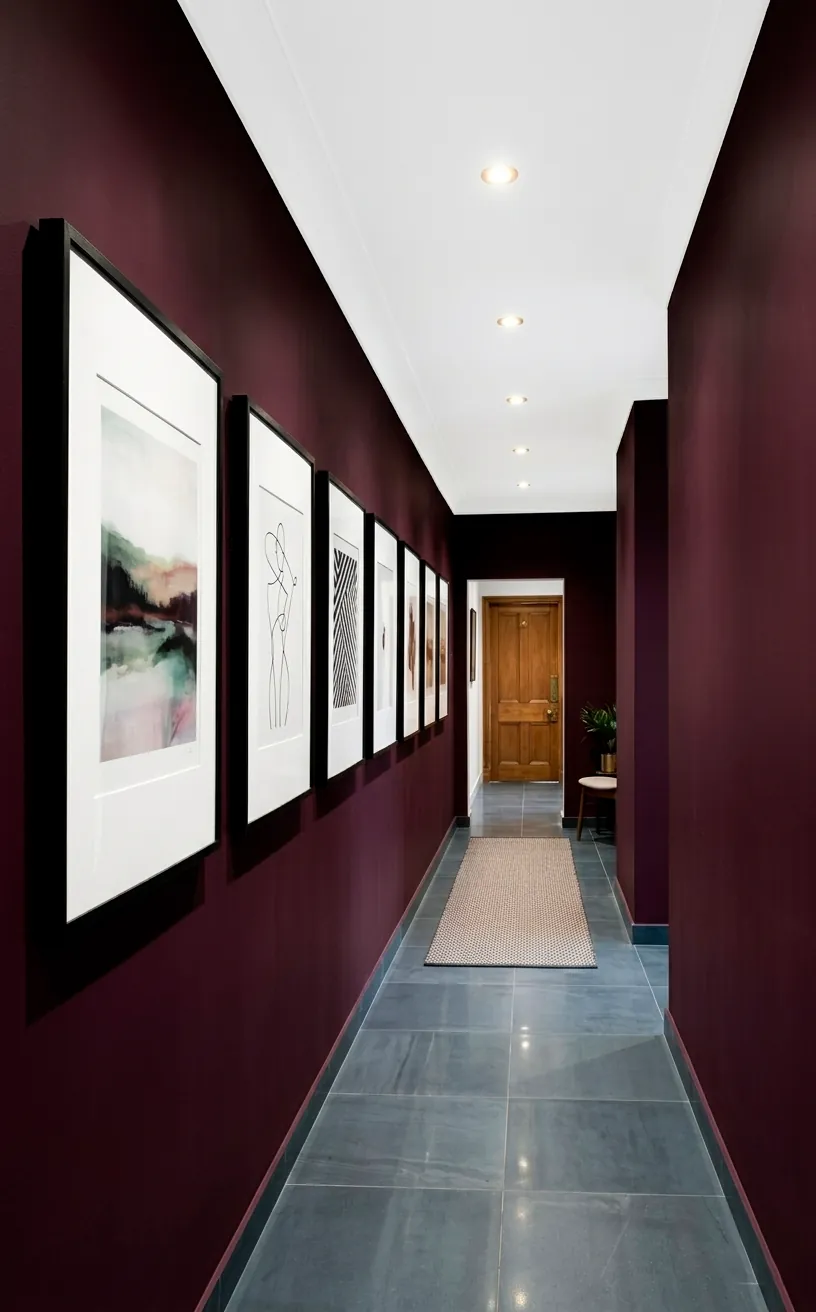
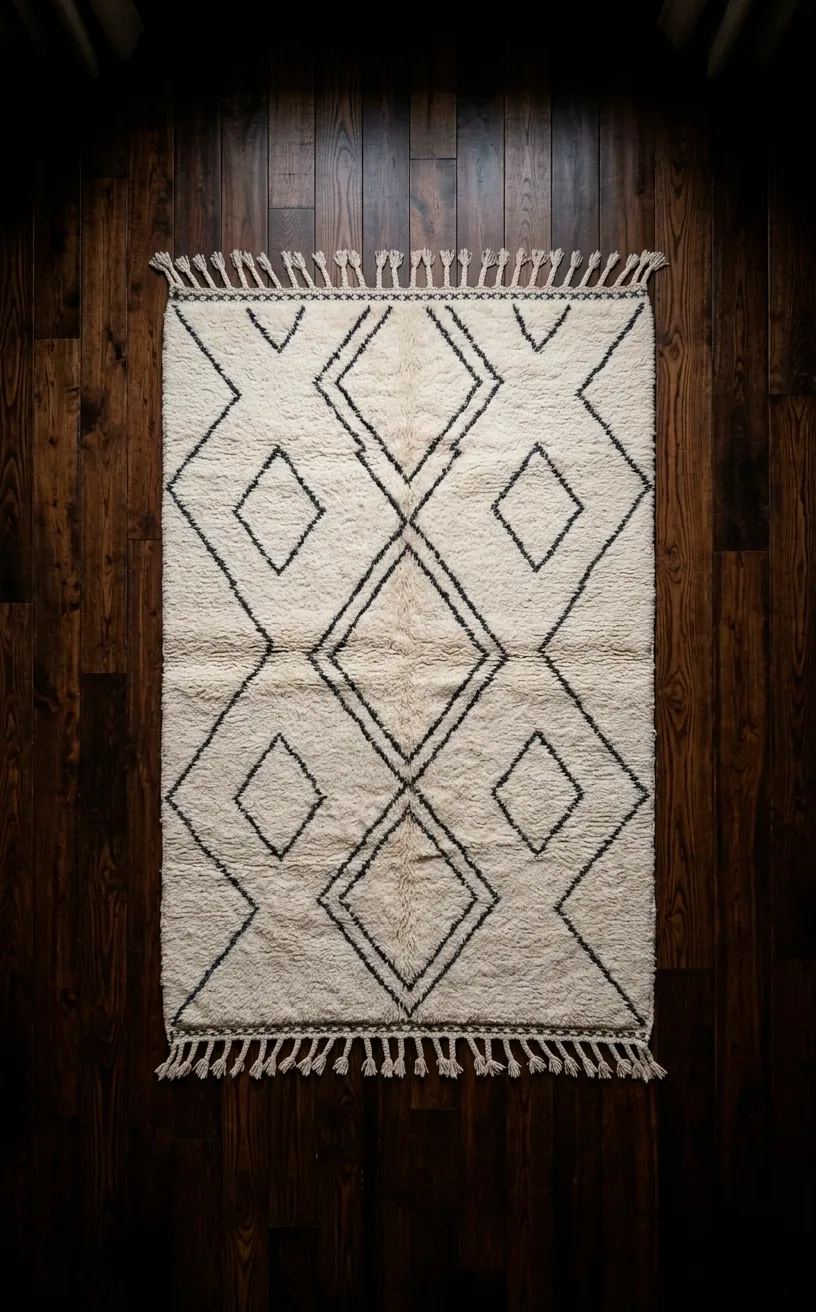
Don’t be afraid to break up the darkness with bright accents. A crisp white ceiling or a light oak floor provides a necessary visual “break” for your eyes. If everything is dark, nothing stands out. Use bold artwork with white matting to create “windows” on your walls. It’s all about balance, FYI. Want to make a statement? A light-colored rug against a dark floor creates an instant focal point that anchors the entire room. Contrast isn’t just a design choice; it’s a necessity for survival in a small, moody space. ✌️
Furniture That Actually Breathes
In a small, dark room, you want to see as much floor as possible.
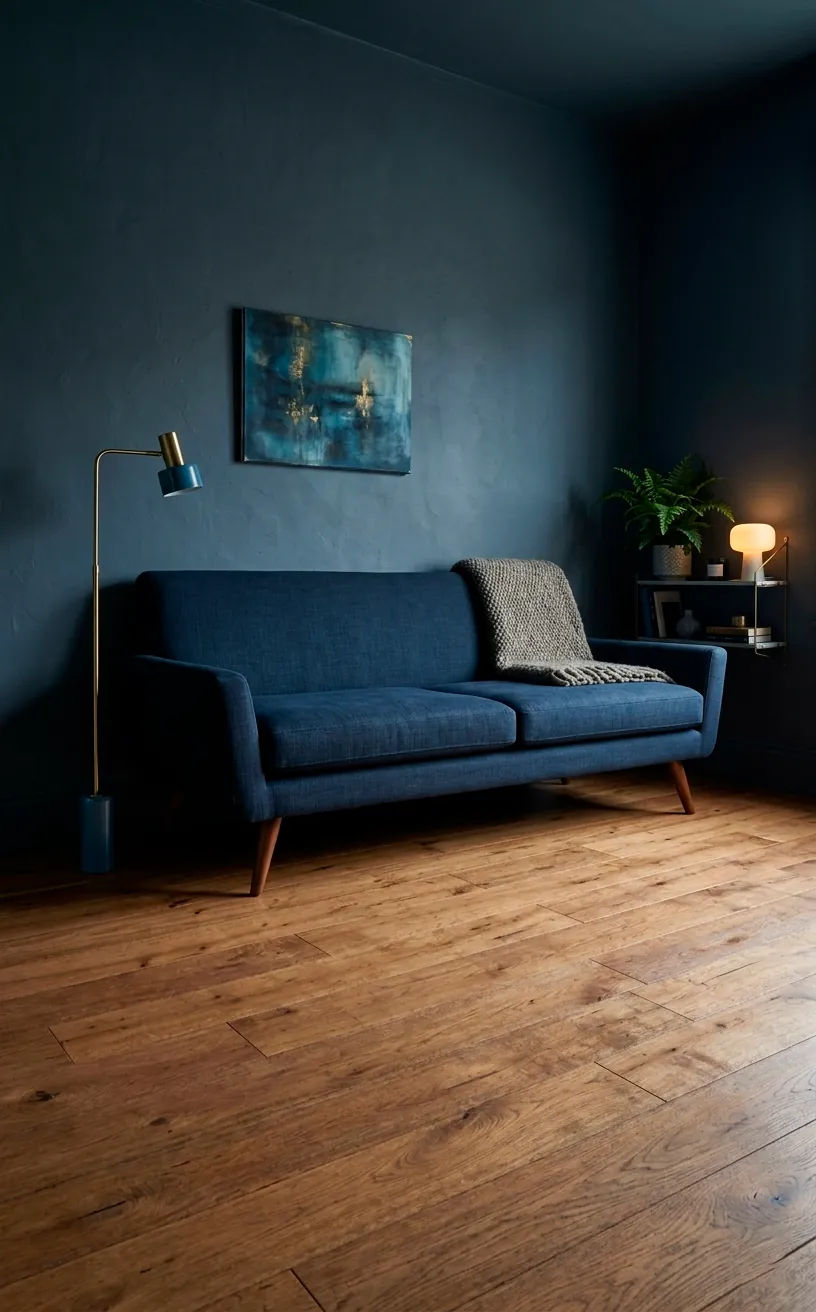
Heavy, boxy furniture will make the space feel like a Tetris game gone wrong. Instead, opt for “leggy” furniture—pieces that sit high off the ground. This allows light and air to flow under the sofa or bed, keeping the “heavy” colors from feeling suffocating.
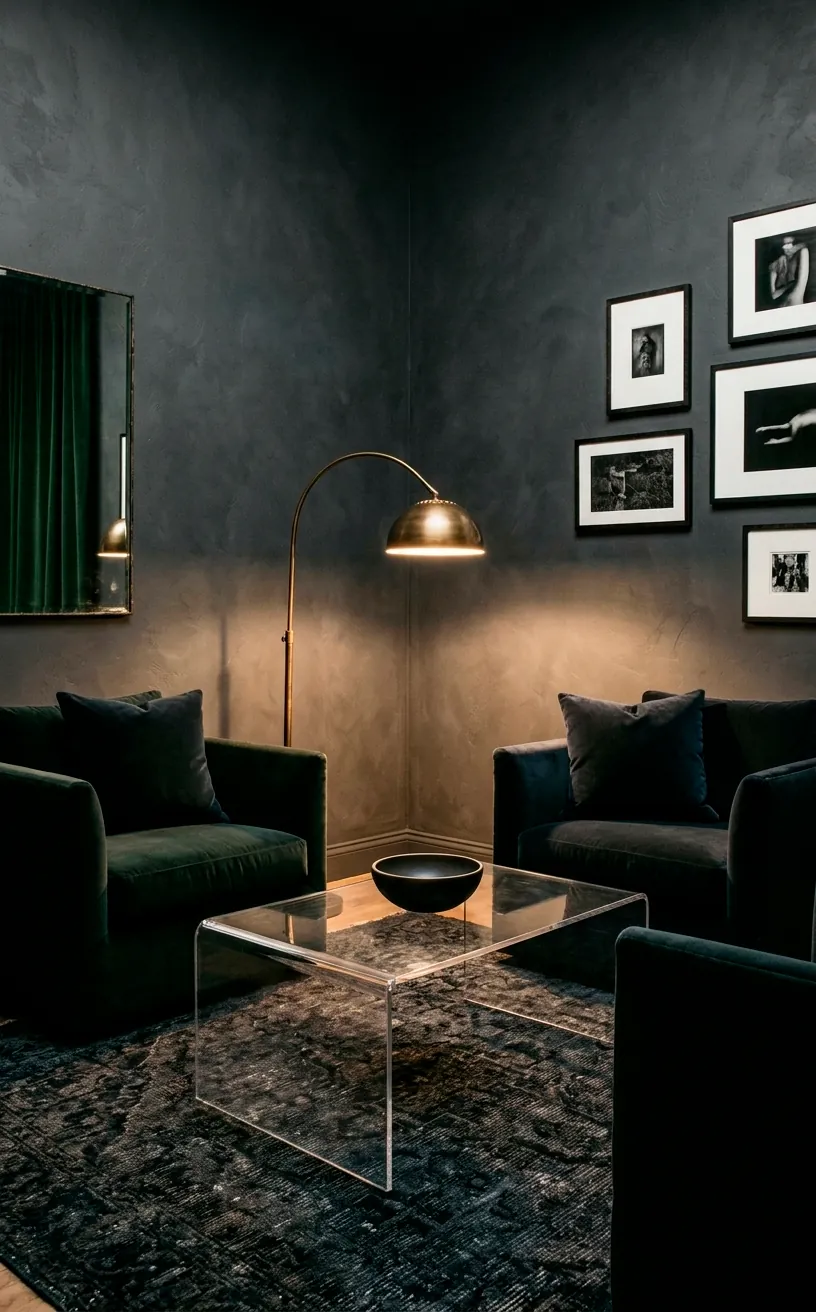
Choosing transparent materials like acrylic or glass for coffee tables is another pro move. They provide function without taking up visual real estate. It’s like the furniture isn’t even there, which is exactly the kind of ghosting we actually like.
Conclusion
Mastering dark colors in small spaces isn’t about being brave; it’s about being smart with light and texture. You don’t need a mansion to pull off a moody, sophisticated look—just a can of paint and some decent lamps. So, are you finally ready to paint that bathroom emerald green? Let me know in the comments if you’re taking the plunge!
Related posts
See All15 Vintage Circus Inspired Details for Playful Kids Bedroom Decor
Bring the magic of the big top home! Discover 15 playful, vintage circus-inspired decor details that will transform your kid's …
Read moreThe Complete Guide to Styling a Dining Room Credenza for Everyday Elegance
Give your dining room credenza the ultimate glow-up. Discover easy, elegant styling tips that balance everyday function with show-stopping design.
Read more15 Dried Citrus and Cinnamon Garlands for a Naturally Cozy Kitchen
Forget mass-produced decorations. Transform your kitchen into a naturally cozy, aromatic sanctuary with these 15 beautiful dried citrus and cinnamon …
Read moreThe Dog-Friendly Camper: Designing a Van Interior for Your Pets
Transform your camper van into the ultimate dog-friendly adventure mobile! Discover clever interior design hacks, durable materials, and cozy setups …
Read more