












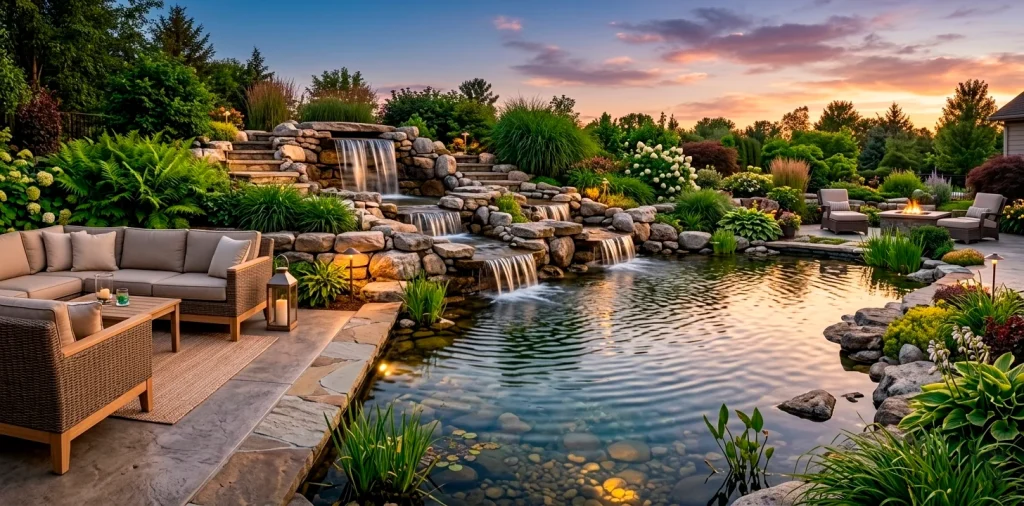

Your patio pond currently sits there, quiet and perhaps a bit stagnant. It looks okay, but it lacks that rhythmic pulse that makes a garden truly feel alive. Adding a waterfall changes everything by introducing oxygen and a soothing soundtrack to your morning coffee. I remember my first DIY spillway; it was messy but totally worth the effort! 🌊
Planning Your Vertical Flow Upgrade
Before you start hauling heavy rocks around like a medieval mason, you need a solid plan. A waterfall shouldn’t look like a random pile of stones that fell off a truck. Instead, I suggest you aim for a design that mimics nature or fits your patio’s modern lines. Have you thought about where the water will actually start? I always look for a natural high point or build one using the soil I excavated for the pond.
You also need to consider the height. A massive five-foot drop in a tiny three-foot pond will splash water everywhere and leave your pond empty by lunch. IMO, keeping the height proportional to the pond’s surface area keeps things looking classy and functioning properly. I prefer a subtle two-tier drop for most backyard setups because it provides enough sound without turning your patio into a localized rainstorm.

Selecting the Right Spillway Style
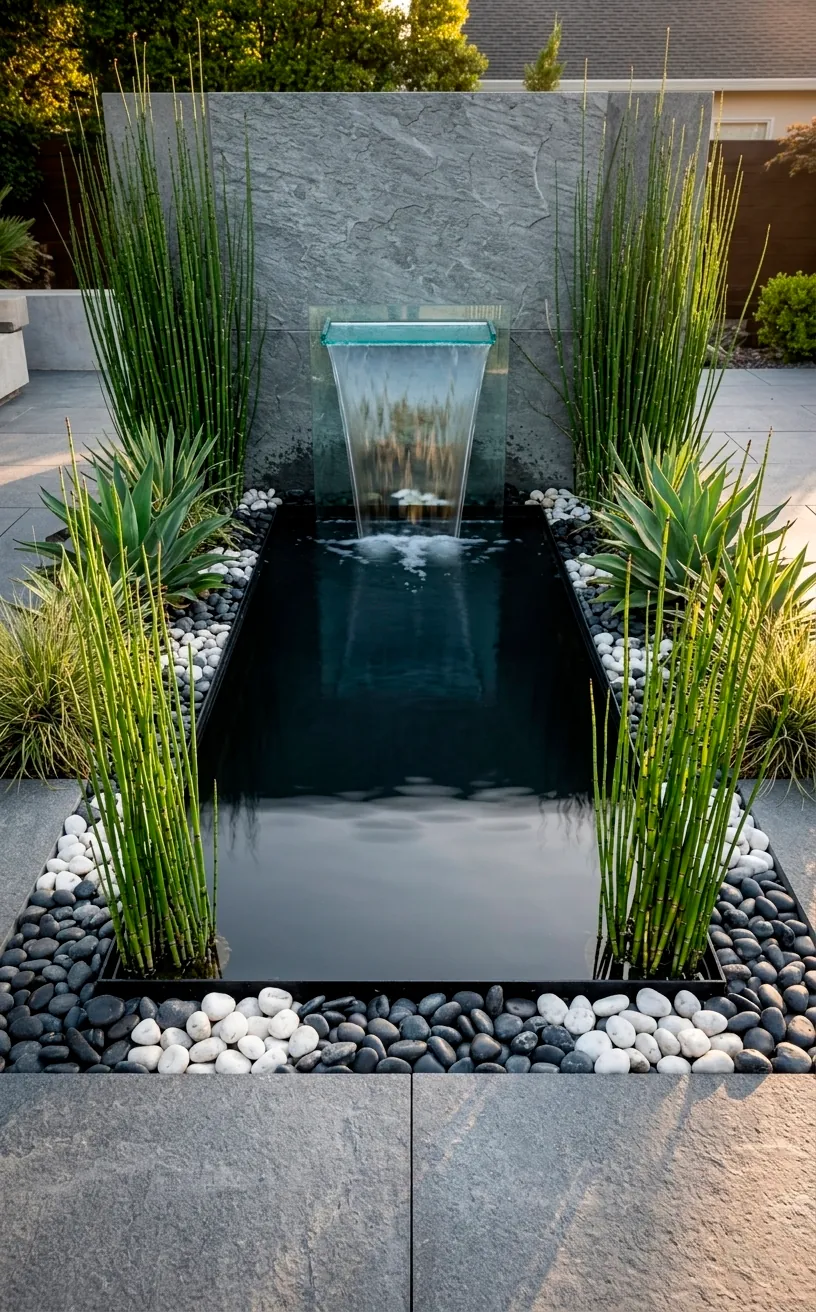
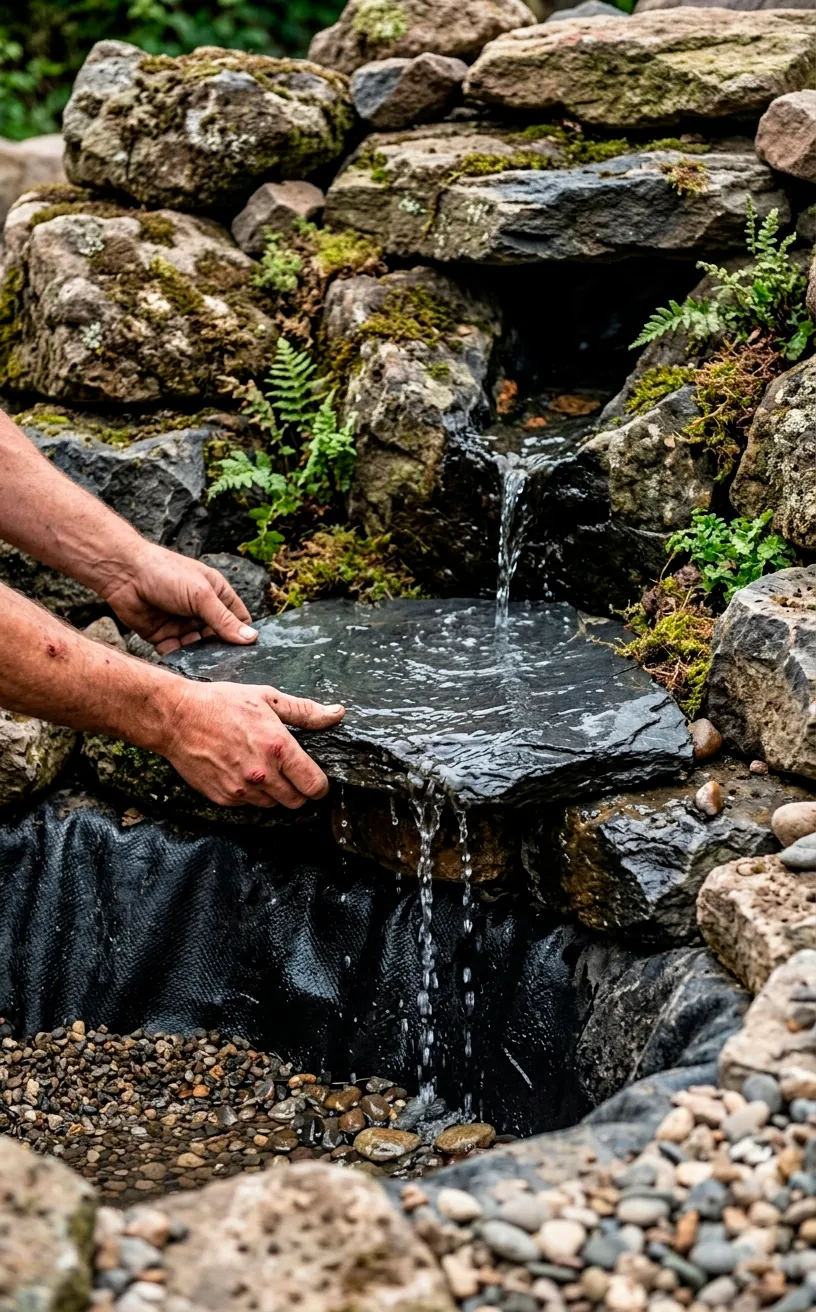
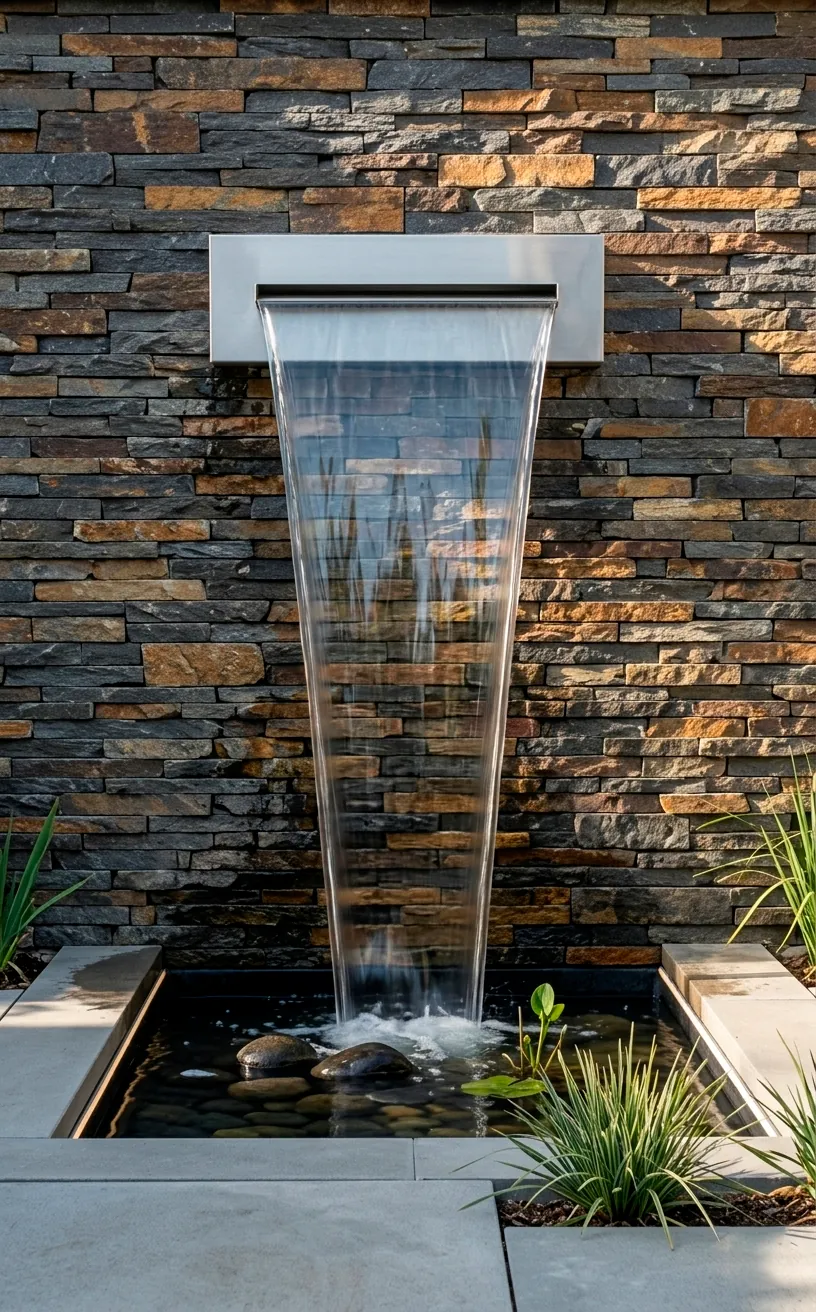
The spillway acts as the ‘mouth’ of your waterfall, and you have two main choices here: the natural stone look or the sleek ‘sheer descent’ style. If you love the mountain stream vibe, you should use flat flagstones or slate to create different ledges. For a more ‘metropolitan chic’ look, a pre-made stainless steel spillway creates a perfect, unbroken sheet of water. FYI, these pre-made units are much easier to level than a pile of slippery rocks! Which one matches your patio furniture better? I think the stainless steel ones look incredible against a dark brick wall.
Hardware essentials:
- Stainless steel waterfall weir
- Natural slate flagstone pieces
- Pond foam sealant
- Heavy-duty pond liner remnants
Calculating the Pump Power You Need
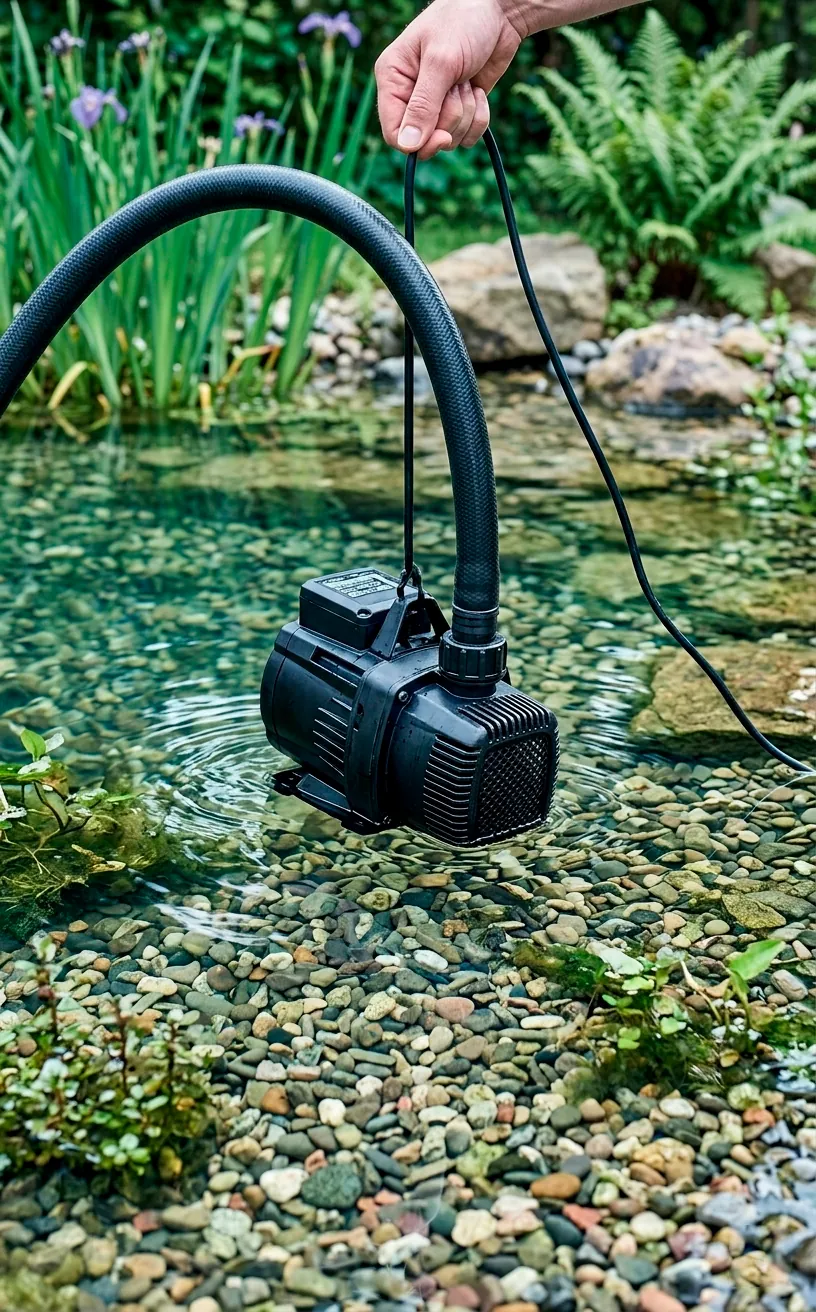
Don’t buy the cheapest pump you find at the hardware store. You’ll regret it the moment the water barely trickles over your expensive rocks. I recommend calculating your ‘Head Pressure’ first, which is basically the vertical height the pump must push the water.
For every inch of waterfall width, you typically want about 100 gallons per hour (GPH) of flow. If your spillway is 12 inches wide, you need a pump that delivers at least 1,200 GPH at your specific height.
I prefer using a submersible pump because it stays hidden and runs much quieter. Ever heard a loud, buzzing pump ruin a quiet evening? It’s the worst.
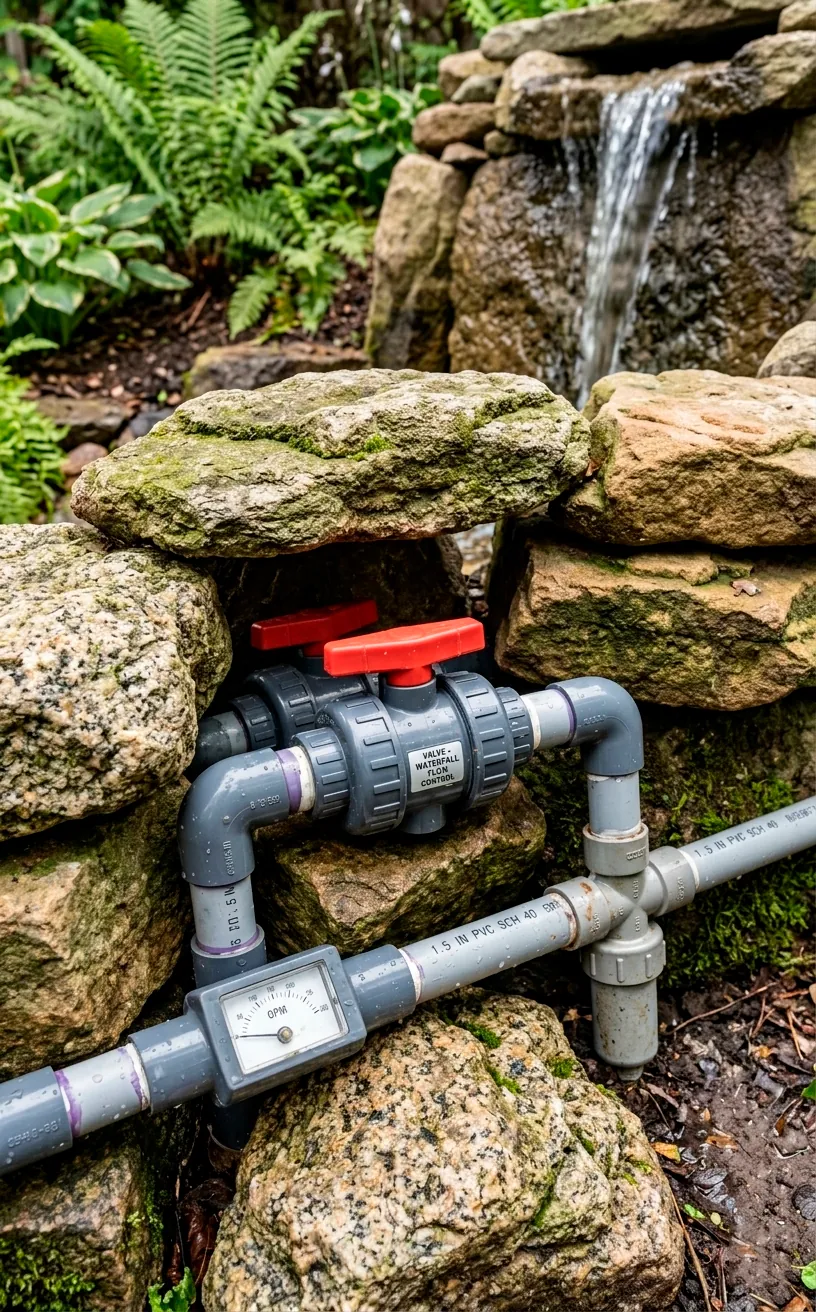
Always choose a pump with a slightly higher rating than you think you need. You can always dial back the flow with a ball valve, but you can’t magically make a weak pump stronger. If you want to spruce up the rest of your space, check out this guide to painting bold patterns on your concrete patio.
Sealing the Deal with Liner and Foam
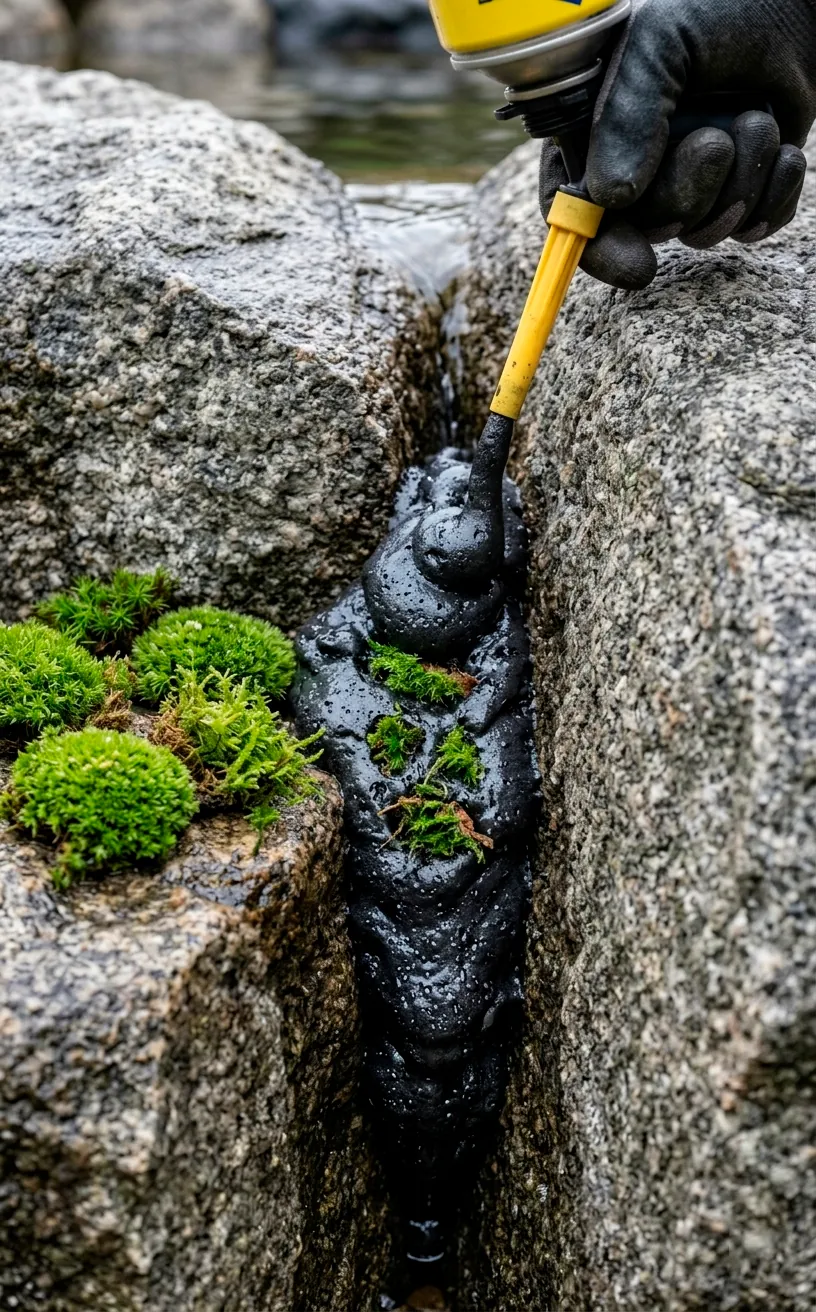
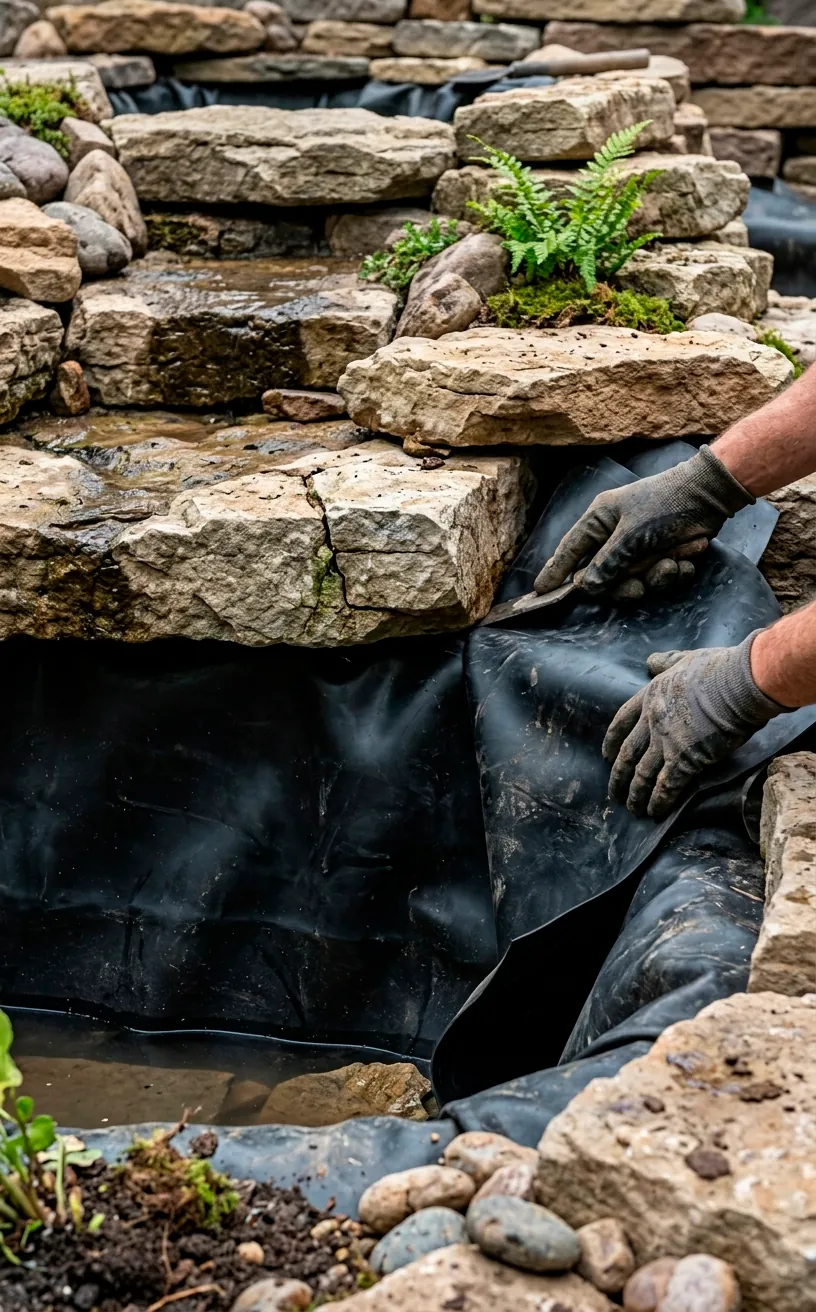
Water is a sneaky little escape artist. If you don’t seal your rocks correctly, half your pond water will end up behind the waterfall instead of in the pond. I always use black waterfall foam to fill the gaps between the rocks and the spillway. This foam forces the water to go over the stones rather than under them. It looks a bit like expanding black popcorn at first, but you can hide it with gravel while it’s still tacky. I once forgot this step and my pond turned into a mud pit in three hours. Trust me, the foam is your best friend! 🛠️
Naturalizing with Rocks and Plants
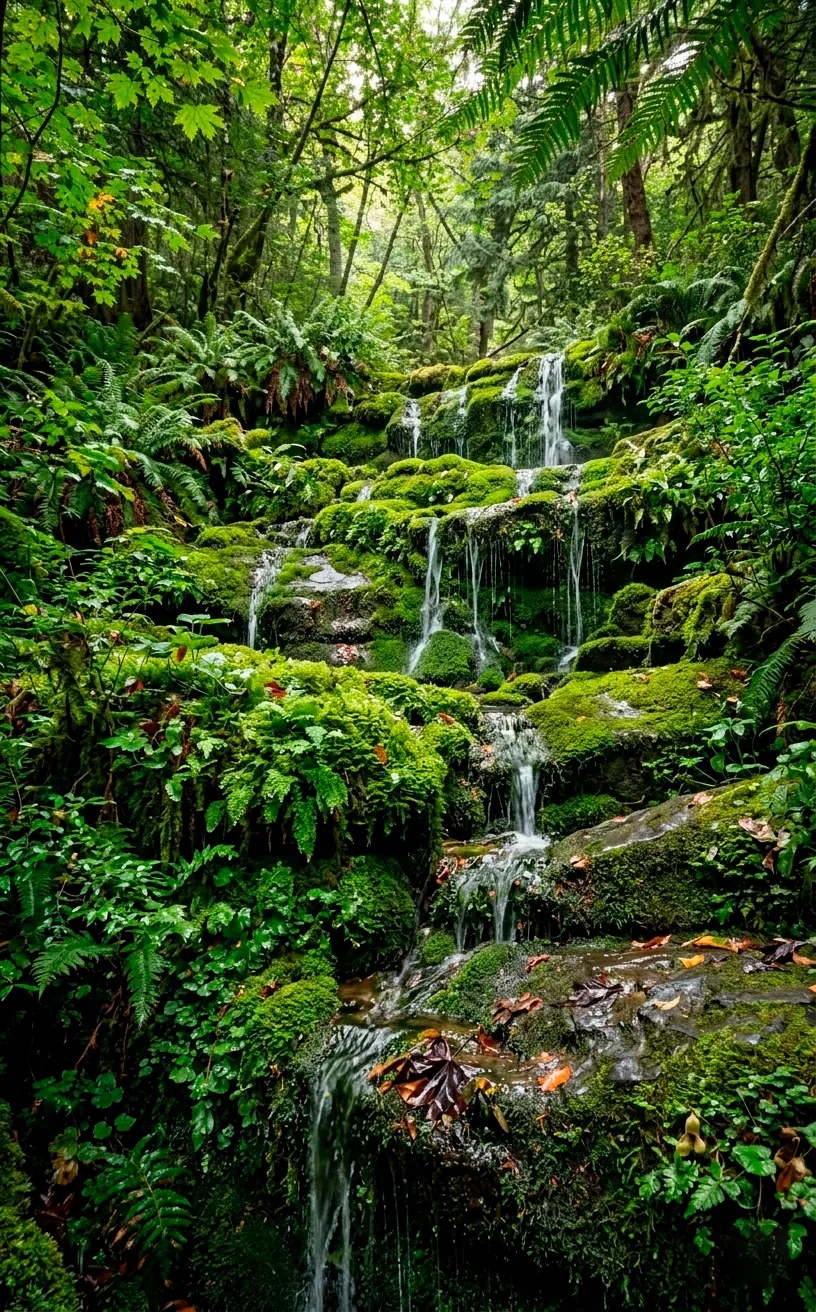
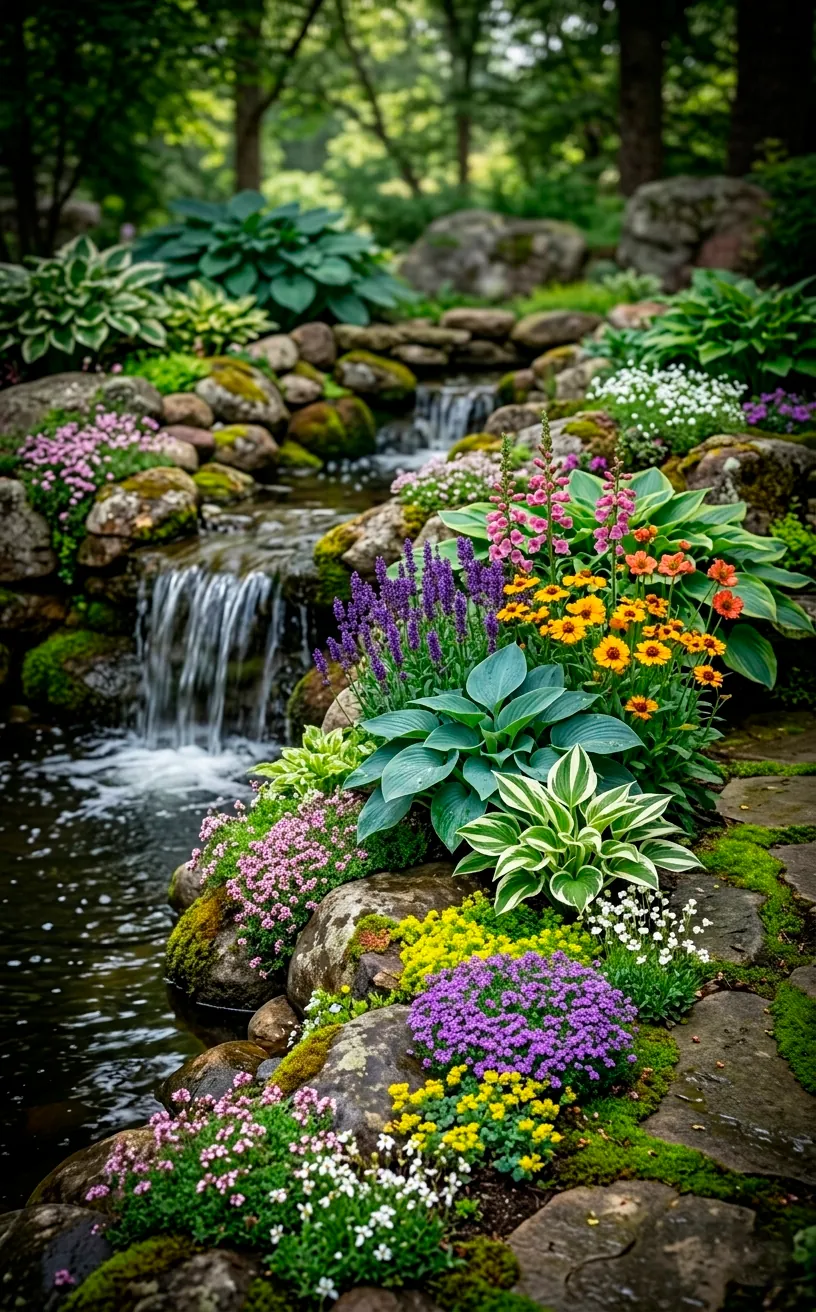
Now comes the fun part: making it look like it’s been there for decades. I suggest mixing different sizes of rocks—large boulders for the structure, medium stones for the edges, and fine gravel to fill the cracks. This ‘rule of three’ creates a visual rhythm that looks incredibly realistic.
Don’t forget the greenery! I love tucking creeping Jenny or small ferns into the damp crevices near the splash zone. These plants thrive on the mist and quickly hide any visible liner or foam.
Planting ideas:
- Creeping Jenny for trailing vines
- Japanese Forest Grass for soft texture
- Dwarf Mondo Grass for tight gaps
- Maidenhair Ferns for shady corners
The Science of Better Bio-Filtration
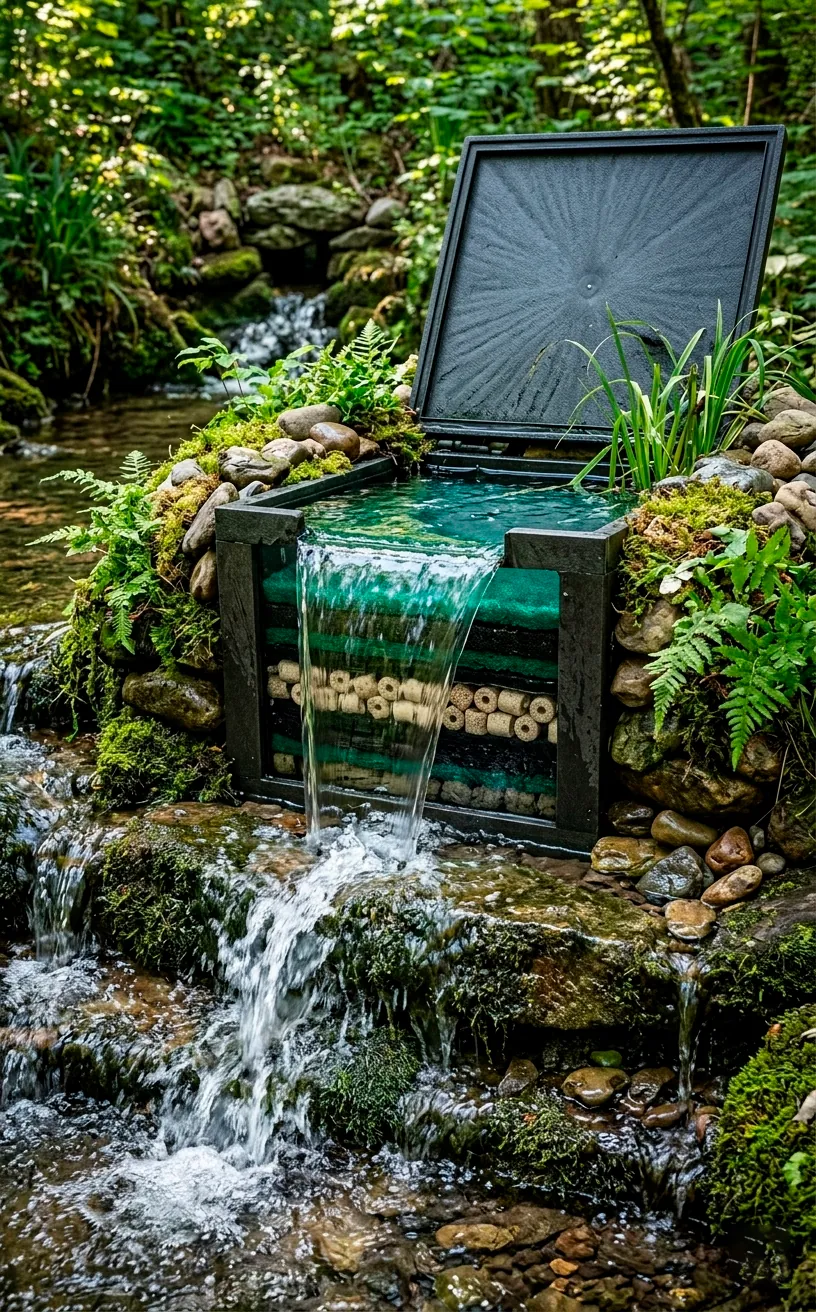
Aside from looking cool, your new waterfall actually acts as a massive filter. As the water crashes over the rocks, it picks up oxygen, which helps the ‘good’ bacteria in your pond thrive. These bacteria eat the nasty stuff that turns your pond into pea soup. I often hide a ‘bio-falls’ box at the very top of my waterfall. This box holds filter mats and lava rocks that scrub the water before it even begins its descent.
You’ll notice your water stays much clearer once the waterfall starts running 24/7. It’s a total game-changer for fish health and maintenance. Plus, who doesn’t love a feature that cleans itself? IMO, it’s the smartest upgrade you can make.

Conclusion
Incorporating a waterfall into your patio pond isn’t just about aesthetics; it’s about creating a thriving, melodic sanctuary. By choosing the right pump and sealing your rocks properly, you can enjoy a leak-free paradise for years. So, are you ready to finally turn that quiet pond into a backyard masterpiece? I certainly think your fish will appreciate the extra oxygen! Let me know in the comments how your project turns out. ✨
Related posts
See AllStyling Macramé and Rattan for an Authentic Boho Balcony
Transform your boring balcony into an authentic bohemian oasis using the magic of macramé and rattan. Get practical styling tips, …
Read moreCapturing the Coastal Grandmother Essence: 10 Wedding Ideas
Ready to channel your inner Nancy Meyers for your big day? Discover 10 breezy, elegant Coastal Grandmother wedding ideas that …
Read more15 Matte Black and Cedar Porch Ideas for a Striking Modern Farmhouse Facade
Give your modern farmhouse facade a serious upgrade. Discover 15 striking matte black and warm cedar porch ideas to instantly …
Read more15 Sleek Concrete Mini Pond Ideas for an Industrial Chic Patio
Upgrade your patio with these edgy, modern concrete mini pond ideas. From fire-and-water bowls to brutalist troughs, discover how to …
Read more