












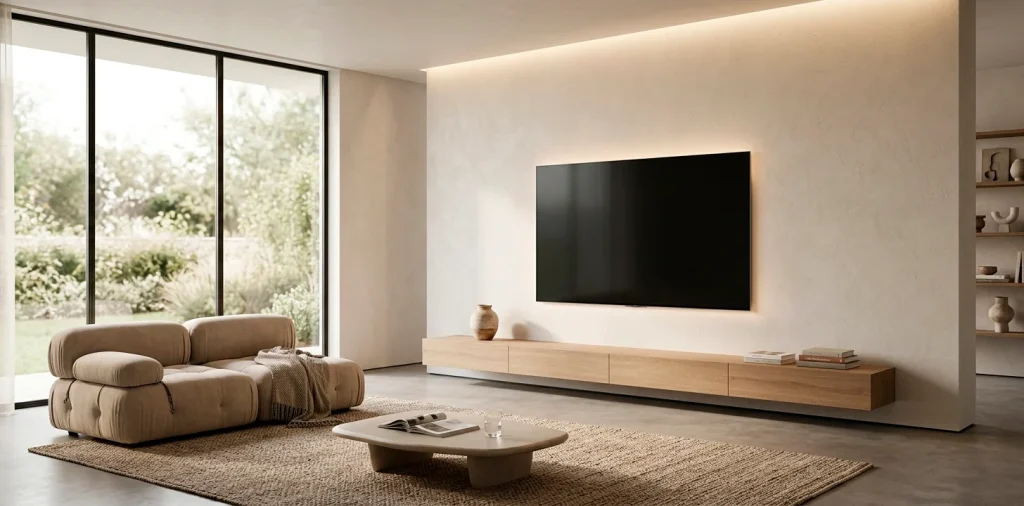

Let’s be honest: most TV setups look like a tangled nest of black snakes escaped from a tech nightmare. You spend thousands on a stunning 4K screen, only to have it ruin your interior vibe with dangling cords and awkward placement. I’ve been there, staring at a plastic mess, wishing for that sleek, ‘Pinterest-perfect’ look. Ready to fix it? This guide helps you design a TV wall so seamless your guests might actually think it’s part of the architecture. We’re ditching the clutter and embracing high-end design, because your living room deserves better than a basic stand and a prayer. 🧐
The Magic of Invisible Cable Management
Cable management is the thin line between a professional-looking lounge and a frat house basement. I’ve learned the hard way that hiding wires after you mount the TV is a recipe for frustration. You need a plan before the first hole hits the drywall. IMO, in-wall cable routing kits are the absolute gold standard here. They allow you to feed those ugly HDMI and power cords directly through the wall, popping them out right behind your console.
Ever wondered why some setups look so effortless? It’s because the owners hid the ‘guts’ of the tech. If cutting into the wall feels too much like a DIY disaster waiting to happen, high-quality paintable raceways offer a solid backup plan. Just match them to your wall color and watch the visual noise vanish instantly. You want people looking at the screen, not the spaghetti monster living behind it. ✨
Finding the Golden Eye Level
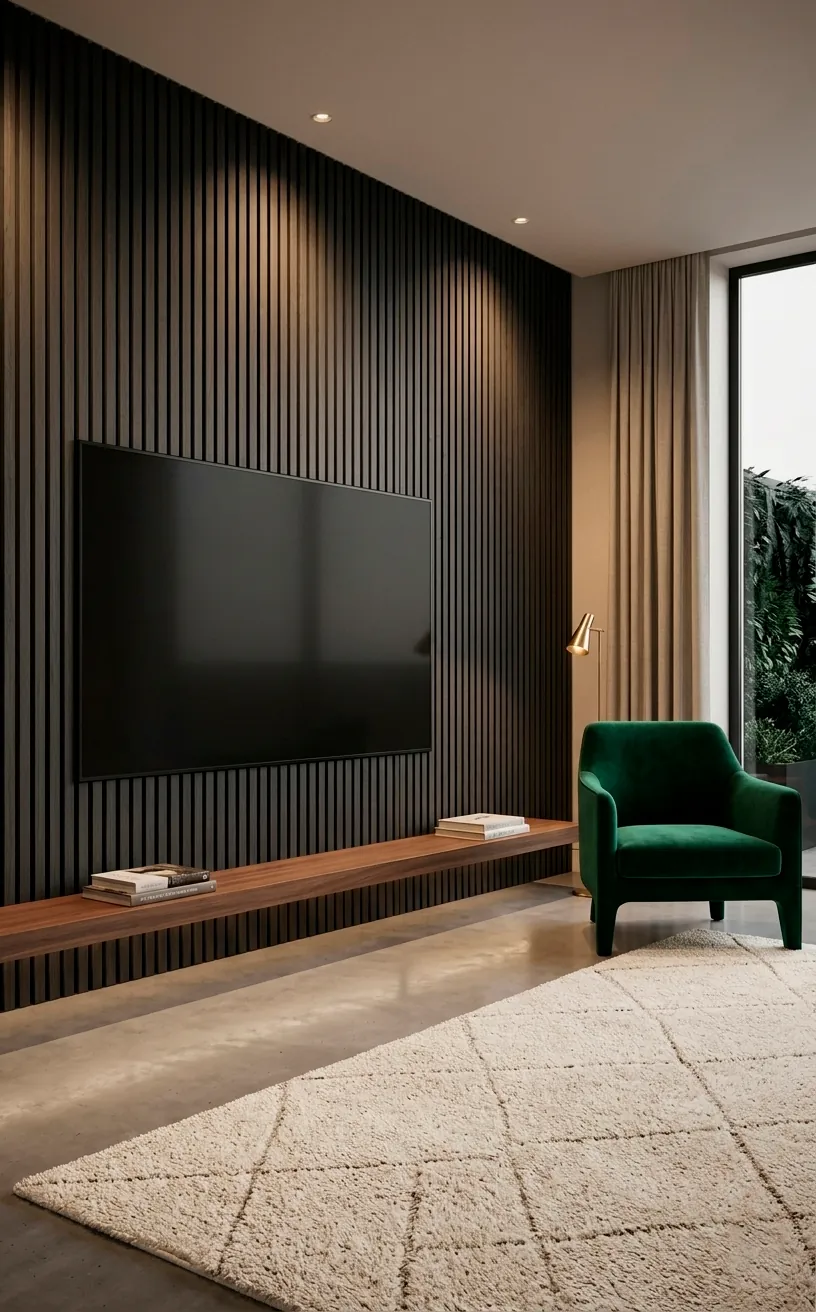
Stop mounting your TV near the ceiling! Unless you’re running a sports bar or a dentist’s waiting room, ‘TV-Too-High’ syndrome is a serious design crime. Your neck will thank you if you keep the center of the screen at eye level when seated. For most of us, that’s about 42 inches from the floor. I once visited a friend who mounted his TV above a high fireplace; we all left with literal neck cramps. If you absolutely must go high, please buy a tilting mount to save your vertebrae. Does your current height force you to look up? If so, grab a screwdriver and fix it today. Your living room’s flow depends on this ergonomic sweet spot, making the screen feel integrated rather than like an uninvited billboard looming over your sofa.
Texture and Backdrops that Pop
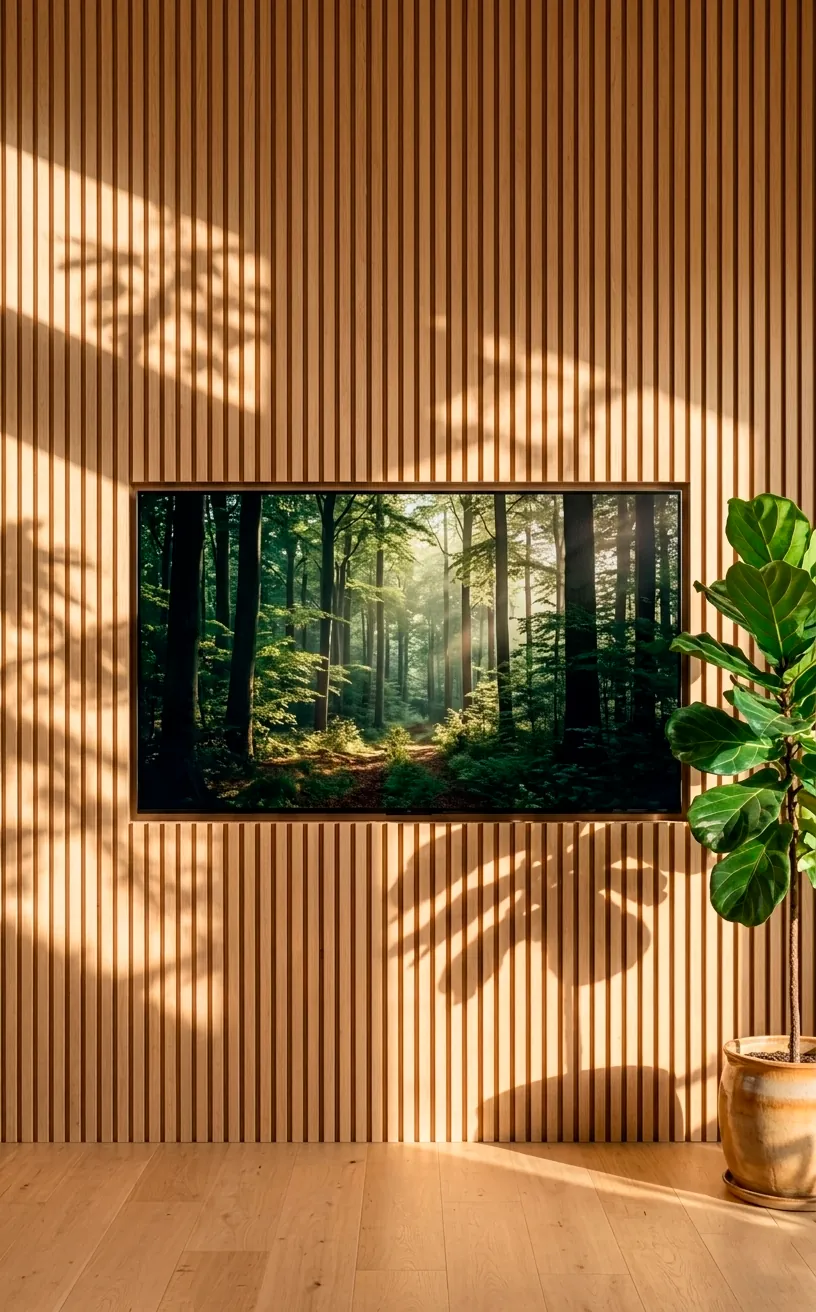
A plain white wall behind a TV is basically a blank canvas for boredom. I love using texture to create a ‘zone’ for the entertainment area. Think about vertical wood slats, 3D wall panels, or even a moody, dark accent paint. Darker colors, like navy or charcoal, actually help the TV frame disappear when it’s turned off, which is a total pro move.
I’ve seen people use peel-and-stick stone veneer for a rugged look, and honestly, it looks incredible under the right lighting.
If you’re feeling adventurous, try a subtle concrete plaster finish. It gives that industrial-chic vibe without the weight of actual cement.
Whatever you choose, ensure the texture complements the rest of your furniture rather than fighting it for attention. For more inspiration on how to balance these elements, check out this guide to Scandi style TV wall design.
Lighting: The Secret Ingredient
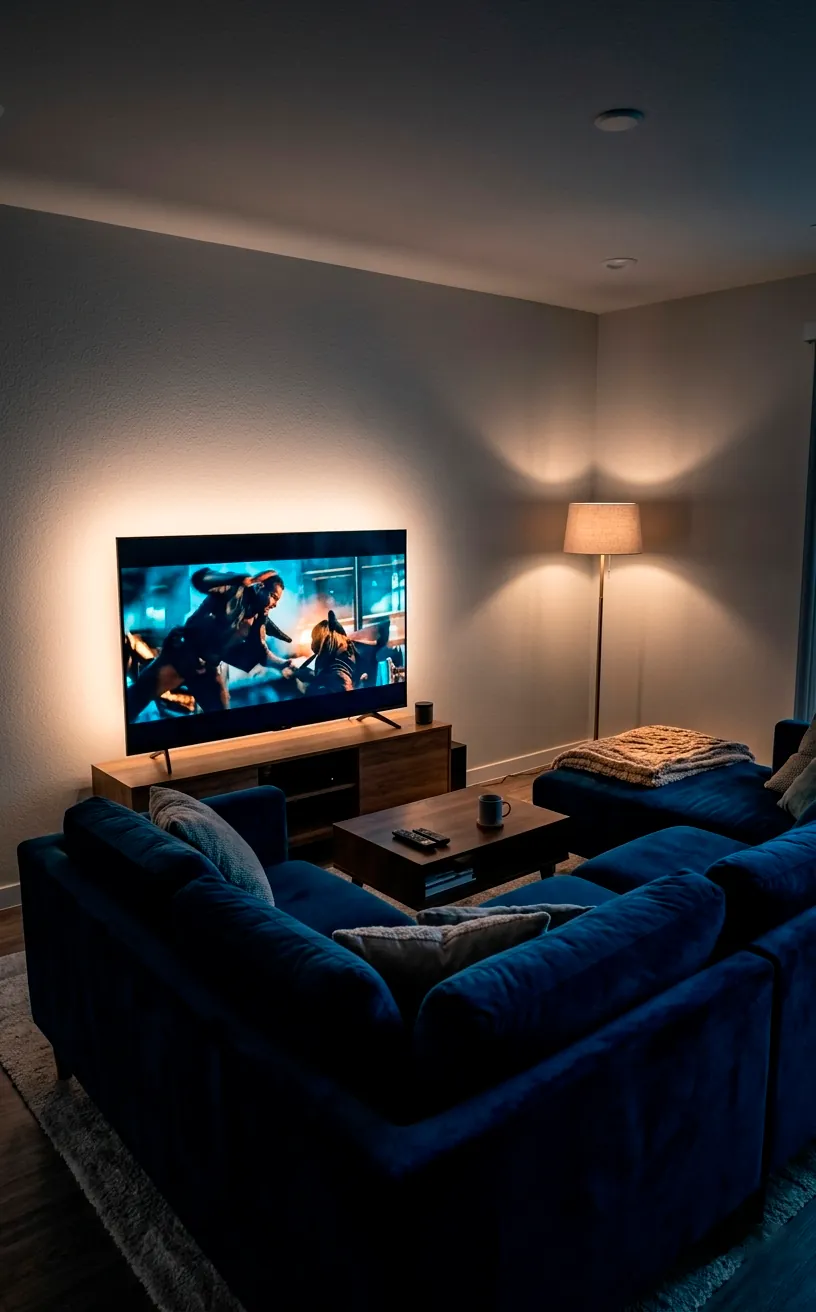
Most people ignore lighting until they’re squinting at the screen in a pitch-black room. Total amateur move. You need ‘bias lighting’—which is just a fancy term for LED strips stuck to the back of your TV. It reduces eye strain and makes the colors on the screen look deeper. Plus, it makes your setup look like a high-end cinema. I prefer warm white tones over the ‘gamer-purple’ look, but hey, you do you. Just ensure the glow is soft and indirect. Avoid any lights that point directly at the screen, or you’ll deal with those annoying glare spots all night. Ready to glow up?
Integrating Shelves and Storage
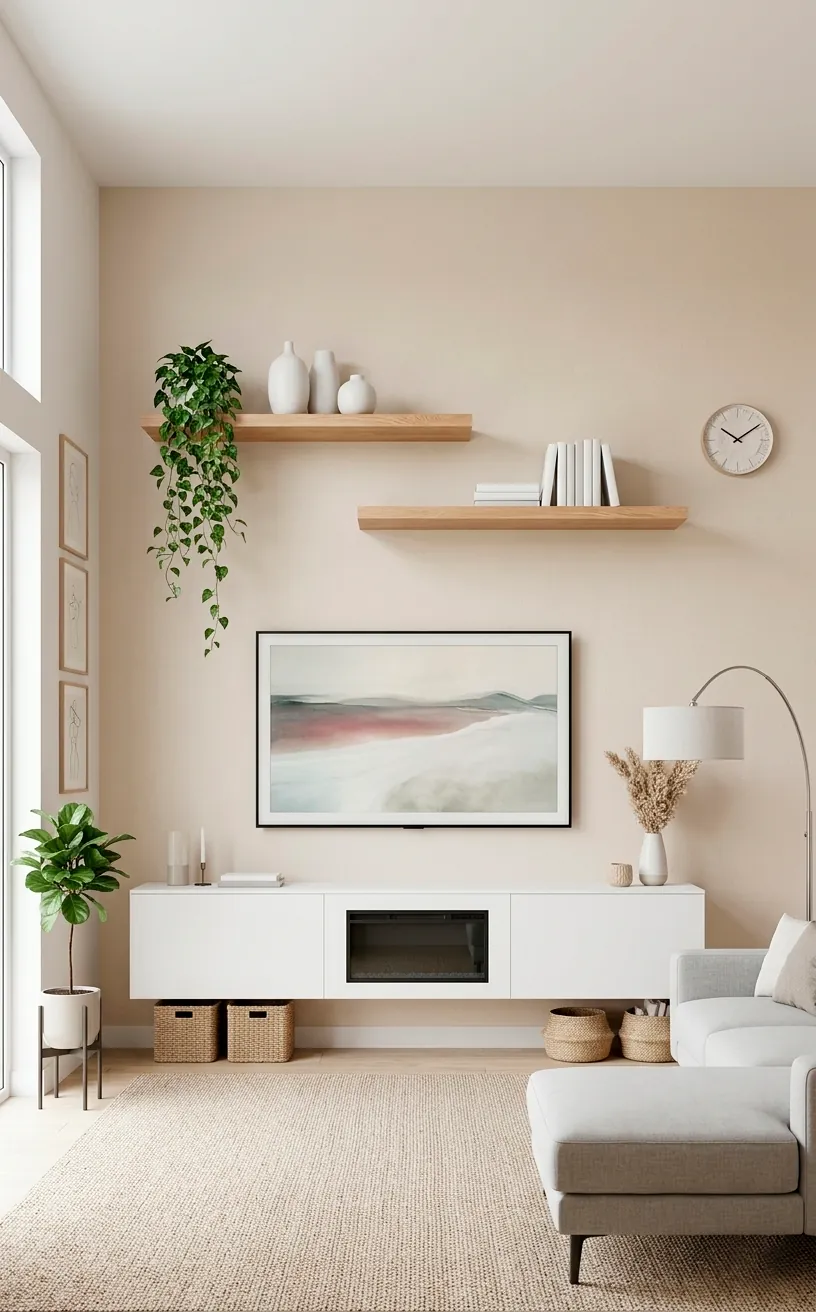
A TV floating alone on a big wall can look a bit lost, like a lonely island in a sea of drywall. I always suggest flanking it with floating shelves or a long console to anchor the space. This isn’t just about storage; it’s about visual balance.
You can use these shelves to display your favorite books, a few small plants, or some quirky ceramics. Just don’t overdo it—you want the TV wall to feel curated, not like a cluttered antique shop.
I personally love a ‘staggered’ shelf look. It breaks up the rigid lines of the TV and adds a bit of personality to the room. If you have bulky media players or game consoles, hide them inside a ventilated cabinet so they don’t ruin the view. Keeping the floor clear with a floating unit also makes the whole room feel much larger, which is a win-win for smaller spaces.
Soundbar Solutions for Audiophiles
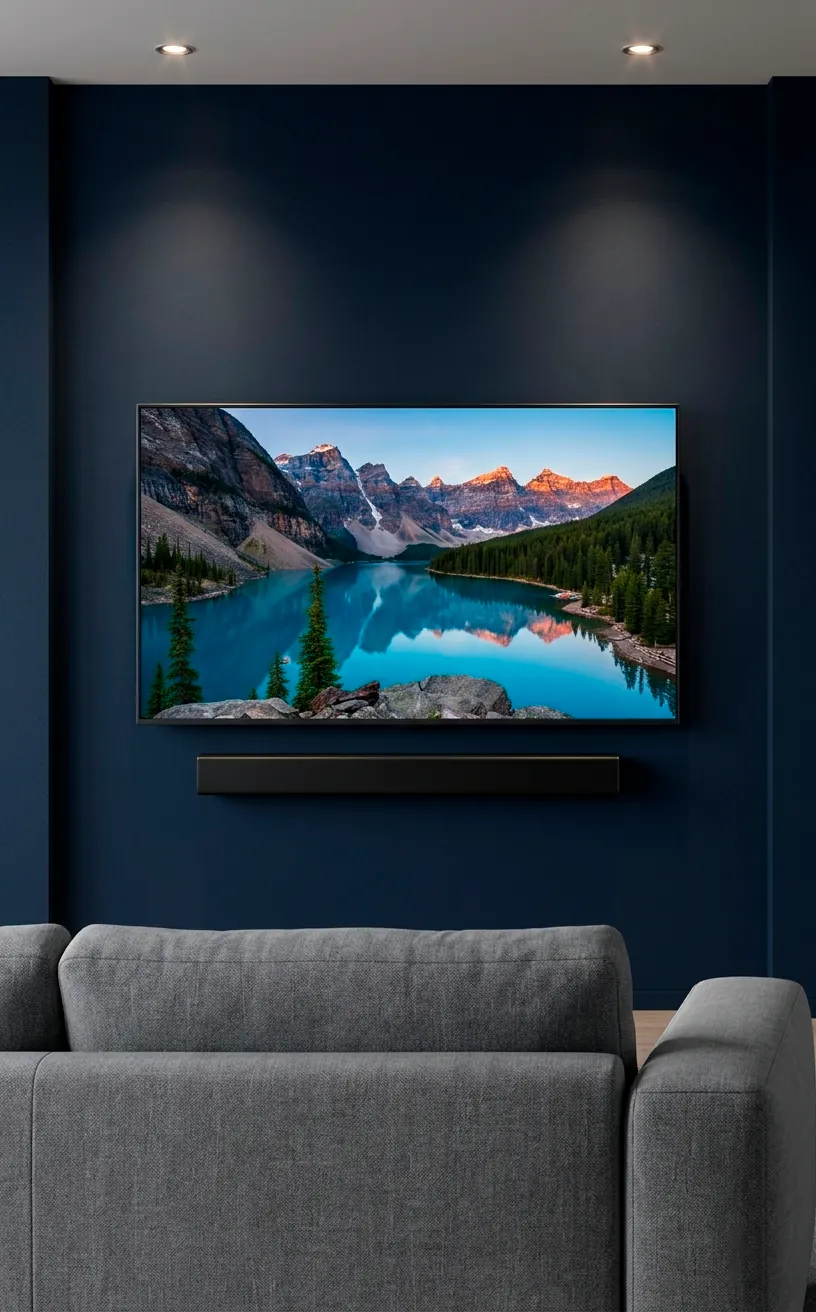
Great visuals deserve great sound, but massive floor speakers can be a total eyesore. Soundbars are the hero of the seamless TV wall. To keep things looking tight, I recommend mounting the soundbar directly to the wall just a few inches below the TV.
Some mounts even attach the soundbar to the TV itself, so they move together if you have a swivel arm. This creates a single, cohesive unit that looks incredibly professional. If you’re a true sound nerd, look into in-wall speakers that sit flush with the surface. They’re basically invisible once you paint the grilles to match your wall. It’s a bit more work, but the ‘stealth’ audio experience is totally worth the effort for that ultra-clean look.
The Art of the Gallery Wall Blend
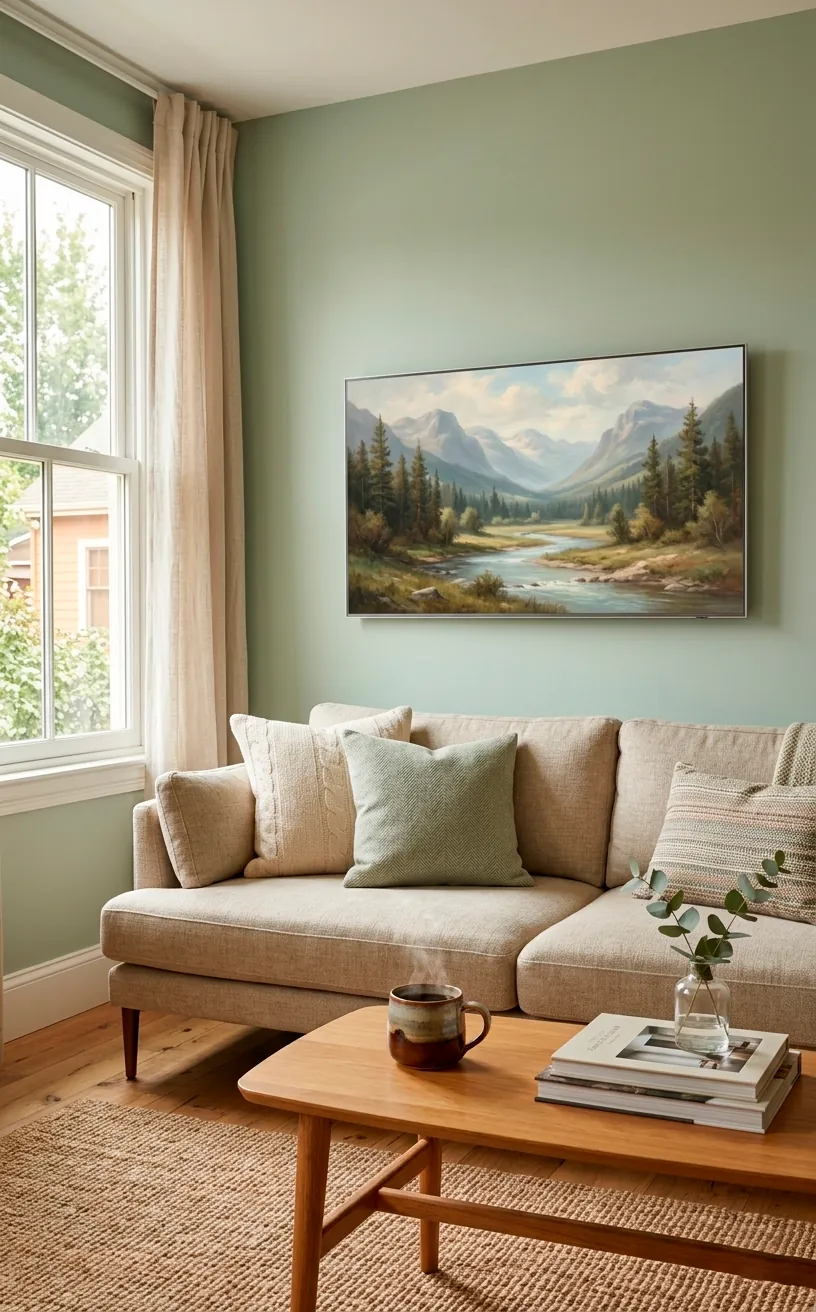
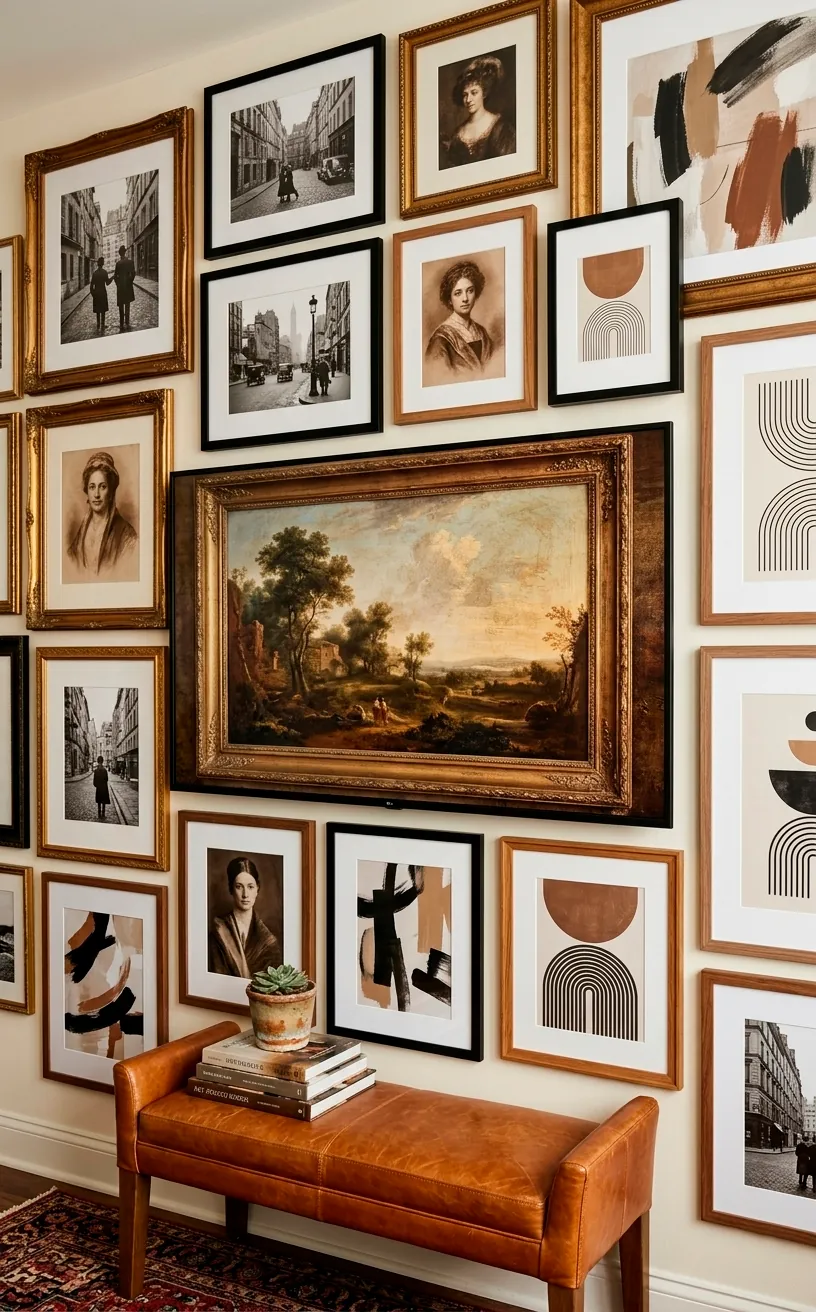
What if your TV didn’t look like a TV when it was off? The ‘Gallery Wall’ approach is a game-changer. By surrounding your screen with framed art and photos, you turn that giant black rectangle into just another piece of the puzzle.
I’ve seen this done with ‘The Frame’ style TVs that actually display art, but you can do it with any screen.
- Start by placing the TV as the center point.
- Mix in different frame sizes and orientations.
- Keep the spacing consistent—about 2-3 inches between everything.
- Use a mix of photography, abstract prints, and even small mirrors.
This technique is perfect for anyone who hates the look of technology dominating their living space. It’s witty, it’s stylish, and it completely masks the ‘black hole’ effect. Ever tried mixing vintage frames with a modern screen? It’s a vibe.
Floating Consoles and Floor Space
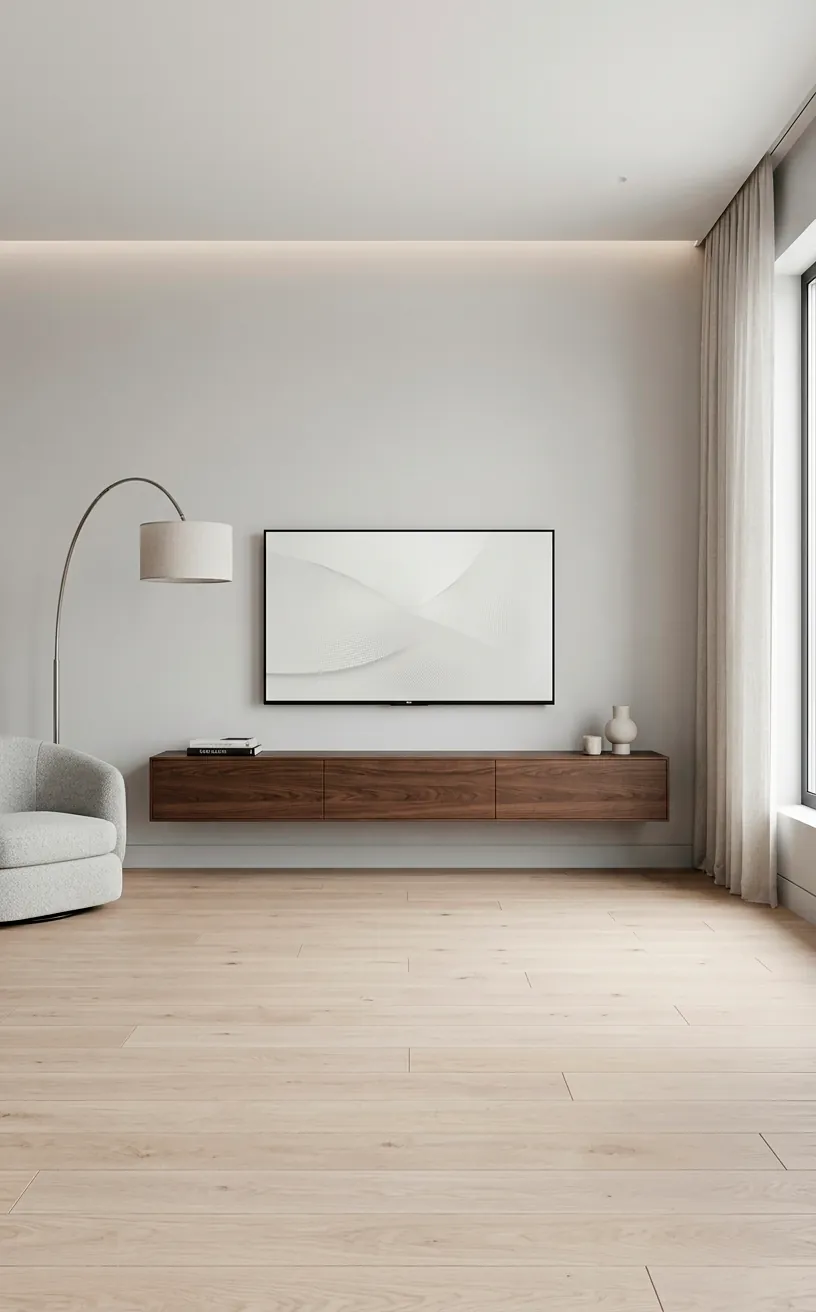
If you want your living room to feel like a high-end hotel, get your furniture off the floor. Floating consoles are my favorite way to finish a TV wall. They create an unbroken line of flooring that tricks the eye into thinking the room is much bigger than it actually is.
Plus, it makes vacuuming a breeze—no more chasing dust bunnies under a heavy wooden cabinet. I usually go for a unit that’s at least 10-20 inches wider than the TV itself. This prevents the setup from looking ‘top-heavy.’ Choose a finish that contrasts with your wall color for a bold look, or match it exactly for a minimalist, built-in appearance. It’s a simple change that makes a massive impact on the overall flow of the room.
Mastering Scale and Proportion
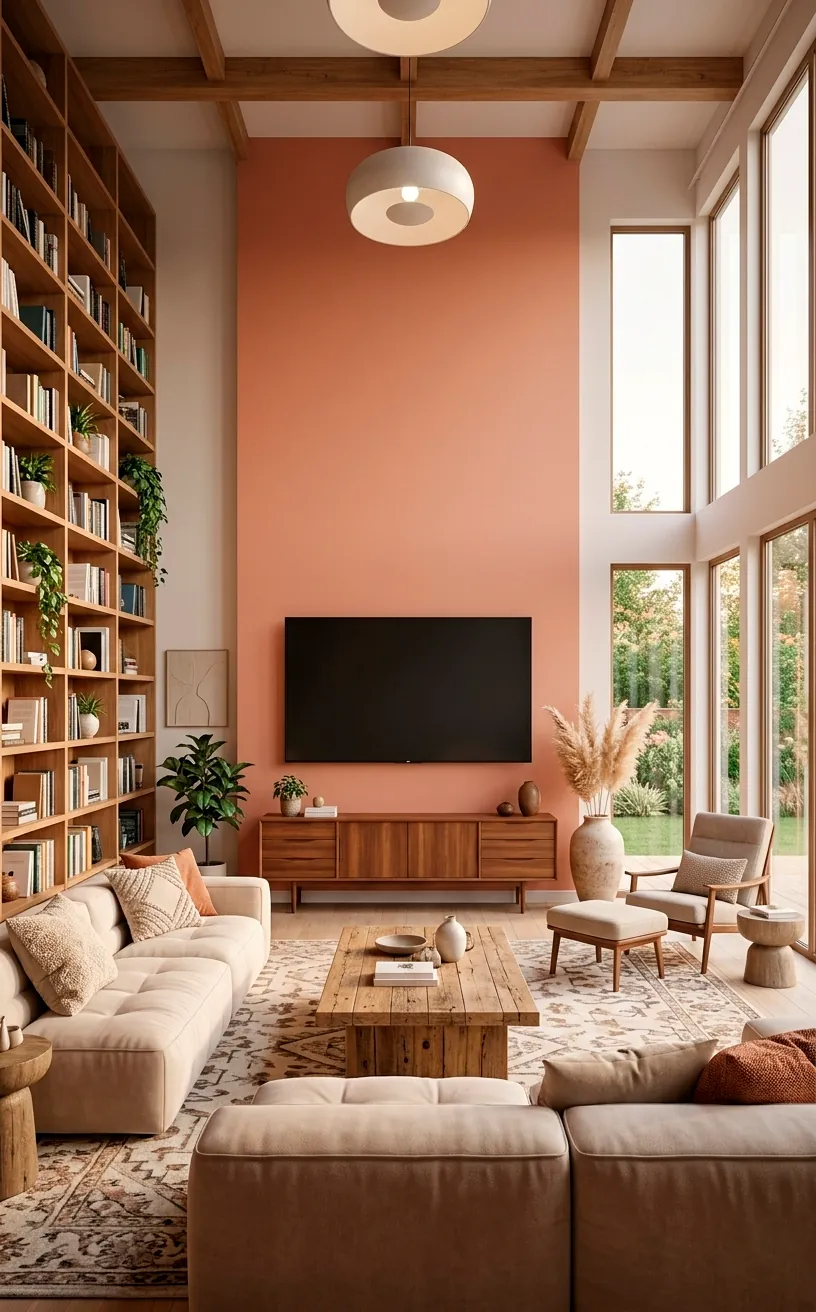
Size matters, but bigger isn’t always better. I’ve seen 85-inch TVs crammed onto tiny walls, and it looks like the screen is trying to swallow the room. Ideally, your TV should take up about 60-70% of the wall’s width if it’s the main feature. If the wall is massive, don’t leave the TV hanging there like a lonely postage stamp. Use paint, panels, or larger furniture to ‘fill’ the negative space around it. Think of the wall as a composition; every piece needs to hold its own weight. If you’re struggling with color choices to make the scale work, you might find some great ideas in these neutral paint colors for a Japandi living room. Getting the proportions right makes the difference between a room that feels ‘off’ and one that feels professionally designed.
The Final Styling Touches
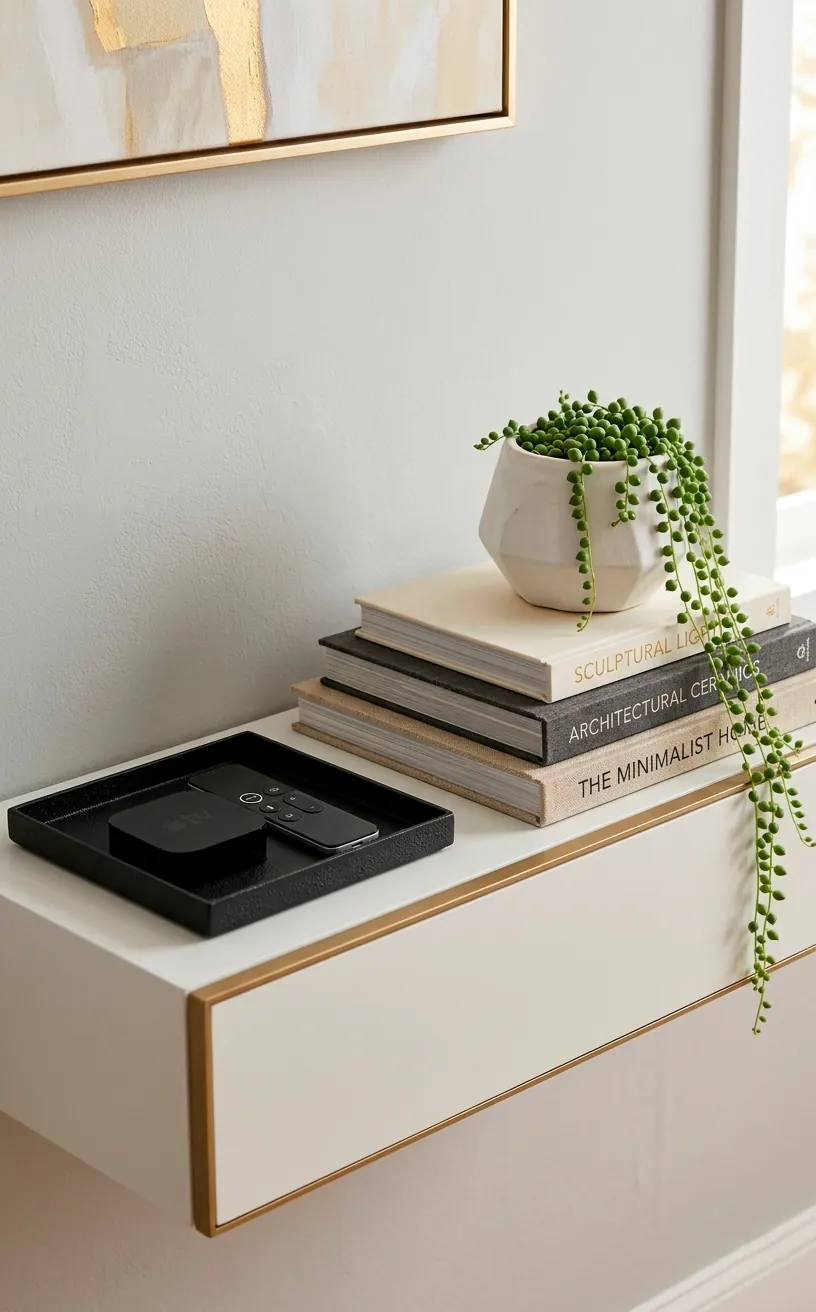
Once the tech is hidden and the furniture is mounted, it’s time for the fun part: styling. This is where you breathe life into the design. I always start with something organic—a small potted plant or a vase of dried eucalyptus. It softens the hard edges of the electronics.
Add a few items that reflect your personality, like a vintage camera or a tray for your remotes.
- Use ‘The Rule of Three’ for decor: group items in odd numbers for a natural look.
- Vary the heights of your objects to keep the eye moving.
- Don’t block the screen! Keep tall items to the side.
You want the wall to feel ‘lived in’ but tidy. If you can’t decide what to put on that console, less is usually more. A few high-quality pieces always beat a pile of random trinkets. Now, step back, grab a drink, and enjoy your new seamless view! FYI, your TV wall is now officially cooler than mine. 😉
Conclusion
Creating a seamless TV wall isn’t just about the screen; it’s about the harmony between technology and your home’s soul. By hiding those pesky cables, finding the perfect eye-level height, and adding intentional textures, you’ve turned a functional necessity into a design masterpiece. Remember, a little bias lighting and a well-placed floating shelf go a long way in making your living room feel like a high-end retreat. So, which of these tricks are you going to try first to kill that ‘black hole’ on your wall? Let me know in the comments! Now, go forth and mount that TV like a pro—your neck (and your interior designer heart) will thank you. Cheers to a clutter-free life! 🥂
Related posts
See All15 Vintage Circus Inspired Details for Playful Kids Bedroom Decor
Bring the magic of the big top home! Discover 15 playful, vintage circus-inspired decor details that will transform your kid's …
Read moreThe Complete Guide to Styling a Dining Room Credenza for Everyday Elegance
Give your dining room credenza the ultimate glow-up. Discover easy, elegant styling tips that balance everyday function with show-stopping design.
Read more15 Dried Citrus and Cinnamon Garlands for a Naturally Cozy Kitchen
Forget mass-produced decorations. Transform your kitchen into a naturally cozy, aromatic sanctuary with these 15 beautiful dried citrus and cinnamon …
Read moreThe Dog-Friendly Camper: Designing a Van Interior for Your Pets
Transform your camper van into the ultimate dog-friendly adventure mobile! Discover clever interior design hacks, durable materials, and cozy setups …
Read more