












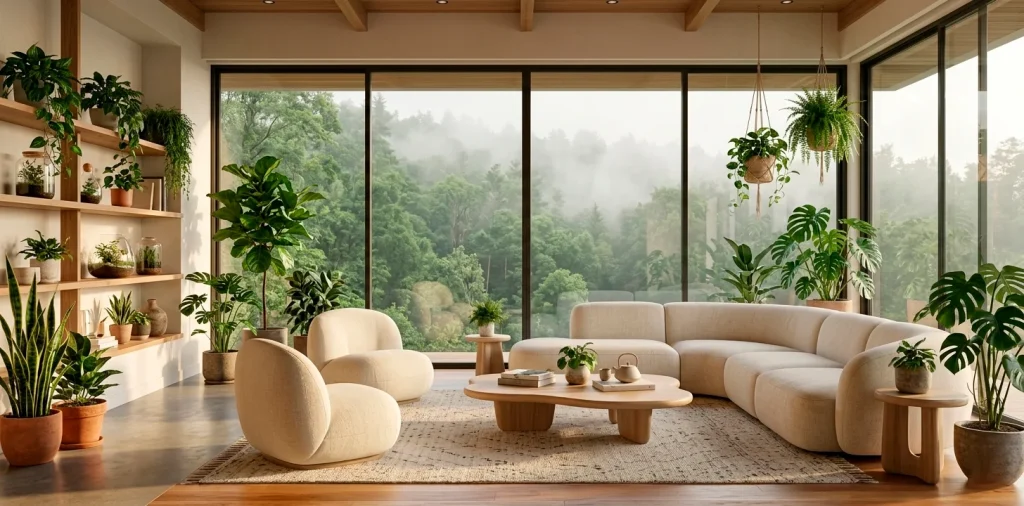

Forget stale air and boring beige walls; your living room deserves a pulse. I’m obsessed with bringing the outside in because, honestly, who wants to live in a windowless cube? Biophilic design isn’t just a trendy buzzword; it’s a lifeline for your mental health. Let’s turn your space into a lush sanctuary that actually makes you want to hang out there.
The Immersive Indoor Jungle
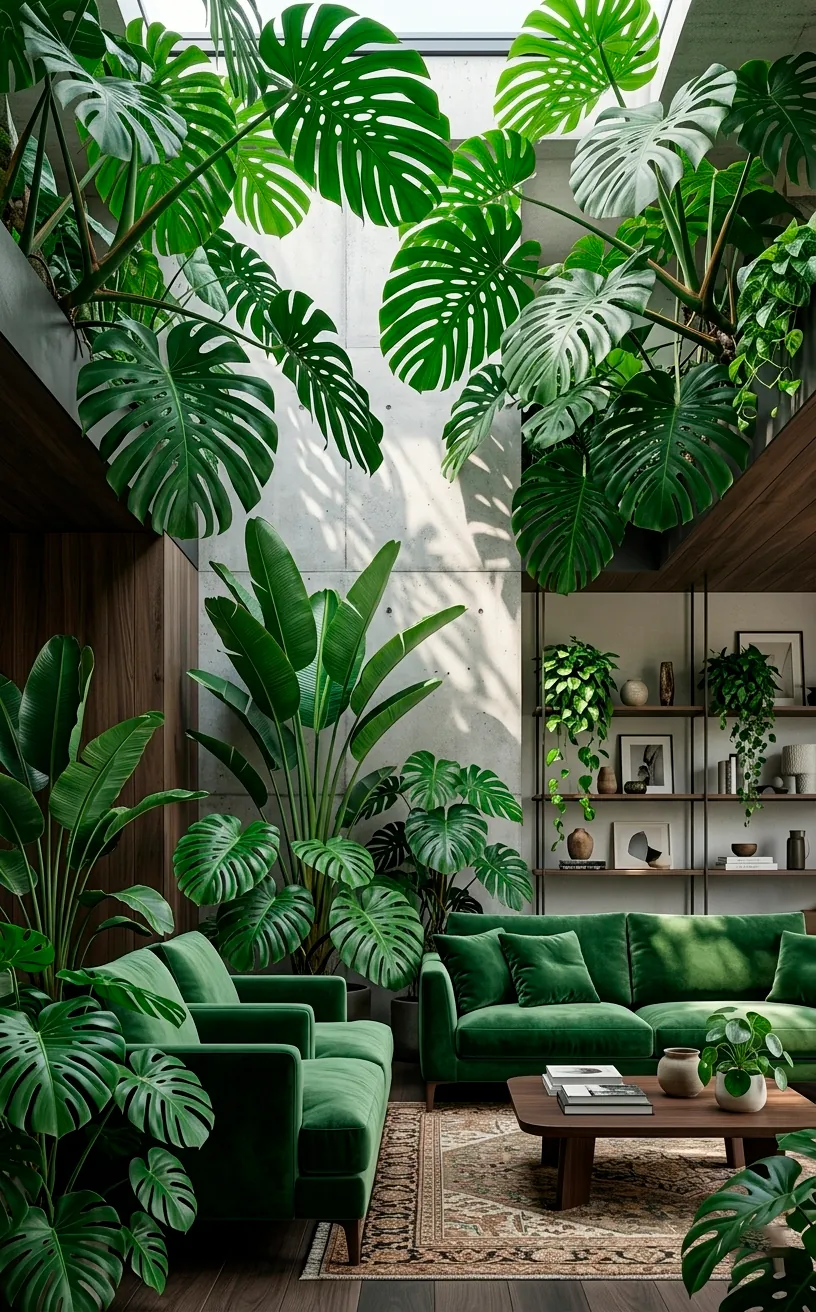
Imagine stepping into a space where the air feels crisp and every corner bursts with vibrant green life. I honestly think nothing beats the raw energy of a full-scale indoor jungle, where floor-to-ceiling Monstera leaves replace those dusty old curtains. Who needs a white wall when you can have a literal oxygen factory in your lounge? This design centers on layering different leaf textures and heights to create a sense of deep immersion. Just make sure you actually remember to water them, or your sanctuary turns into a crunchy graveyard pretty fast. IMO, this is the ultimate way to reclaim your sanity after a long day at the office.
Sunlight as a Design Catalyst
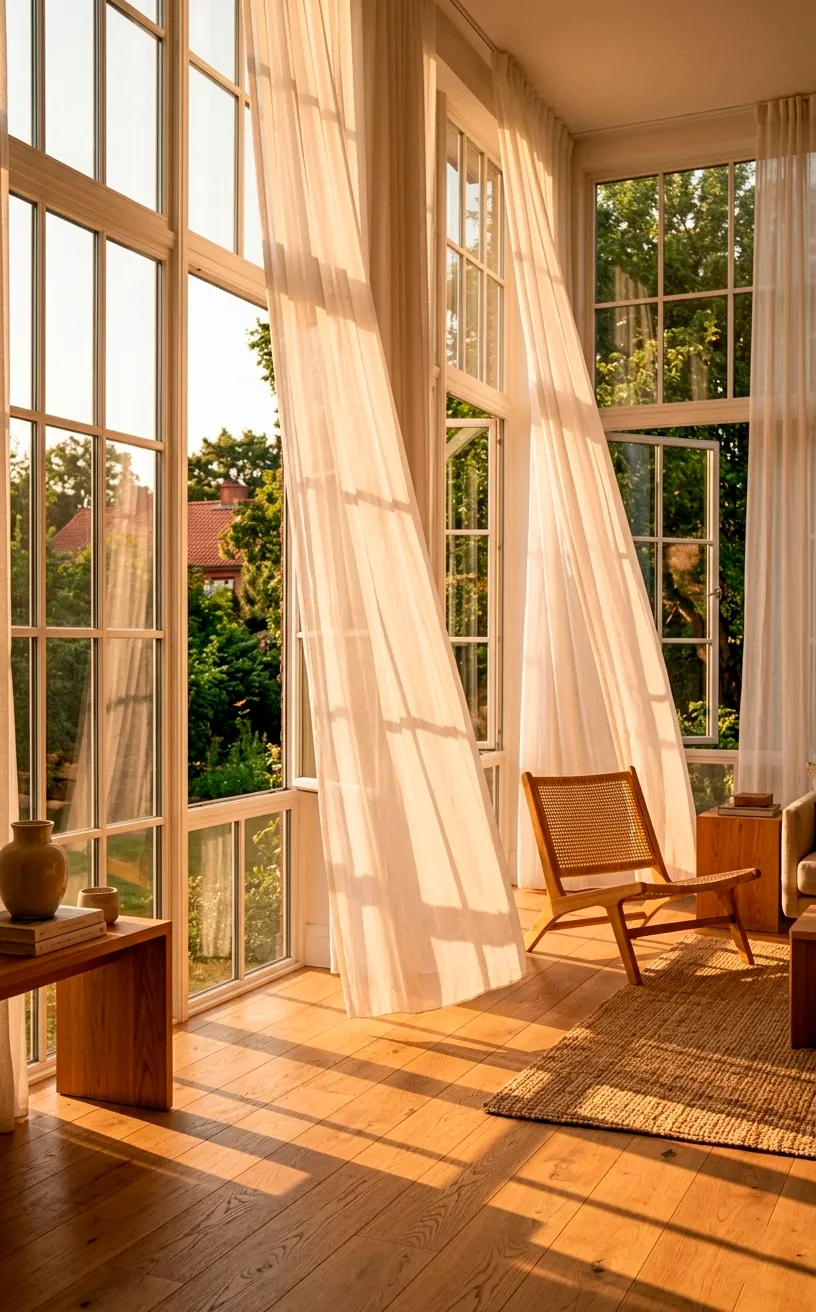
Sunlight does more than just show you where you missed a spot while dusting. It acts as the lifeblood of biophilic design, dancing across surfaces and making your plants look like they’re in a high-fashion photoshoot. Why hide from the sun when you can harness it?
Ever noticed how your mood shifts when you sit in a bright, sun-drenched corner? I always prioritize sheer window treatments that invite the sun in rather than shutting it out. Thick drapes are the enemy of a breathing room.
Maximize this effect by placing reflective surfaces or mirrors opposite windows. It bounces natural light deep into the room, making even a tiny apartment feel like a sprawling conservatory. It’s basically free interior lighting that also keeps your Fiddle Leaf Fig from throwing a tantrum.
Raw Timber and Earthy Textures
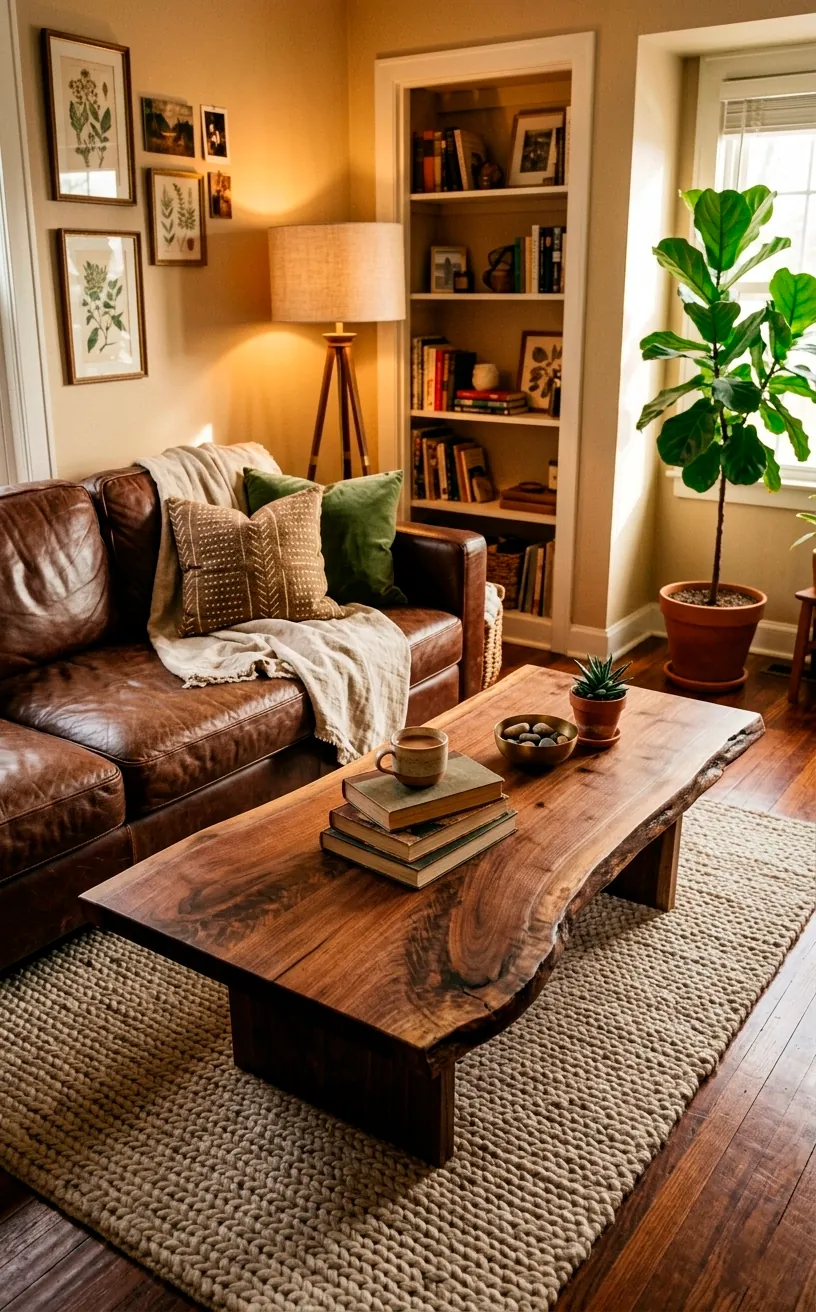
Plastic is out, and raw, tactile wood is very much in. I love the way a solid timber coffee table grounds a room, providing a physical connection to the forest. When you touch a grainy wood surface, you feel a sense of permanence that flat, synthetic materials just can’t replicate.
Mix your wood tones for a more organic, ‘collected over time’ vibe. I usually pair a dark walnut shelf with lighter oak flooring to keep things interesting. You can also dive into the beauty of teak wood accents for a sophisticated, durable finish.
The Living Wall Masterpiece
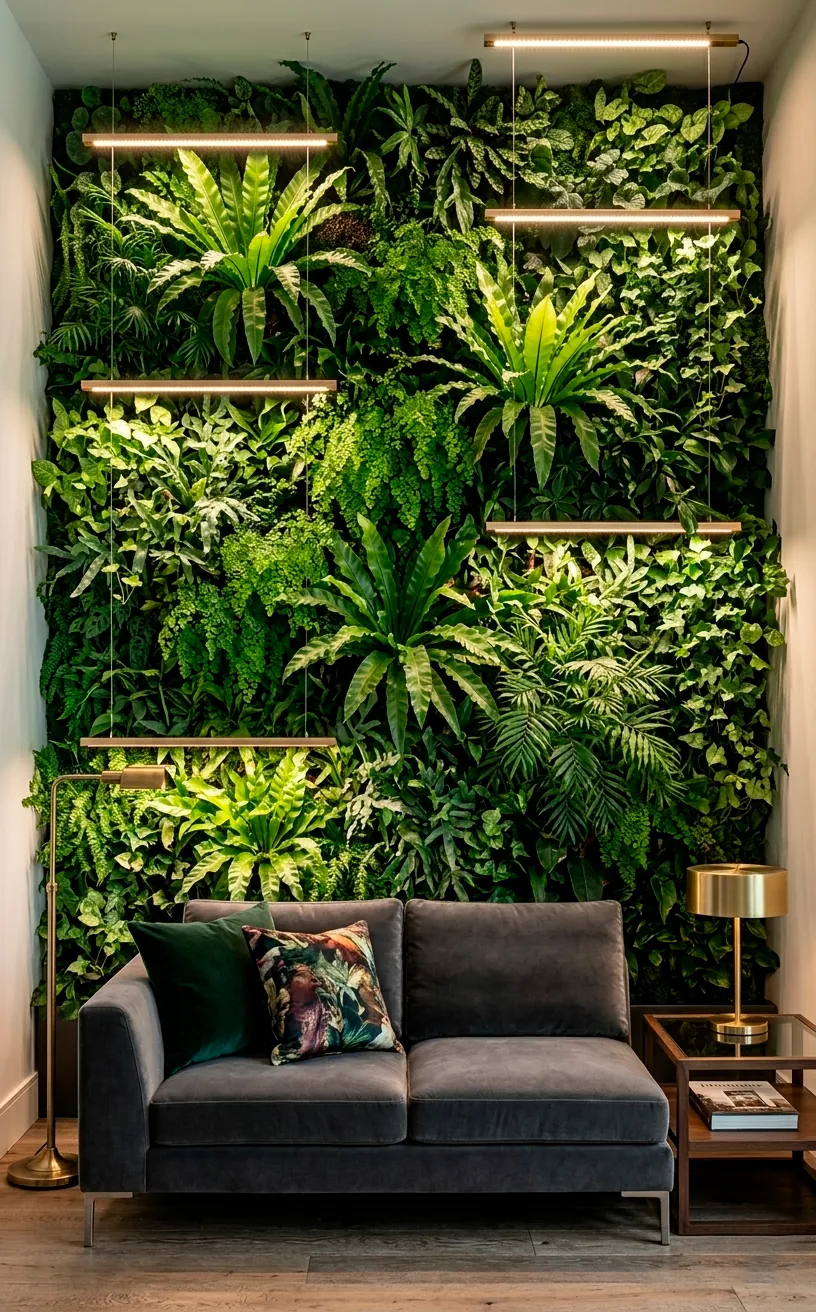
If you really want to go big, a vertical living wall is the ultimate flex. It turns a boring vertical surface into a breathing, growing tapestry of moss, ferns, and vines.
Is it high maintenance? Sometimes. Is it worth the bragging rights? Absolutely.
I recommend starting with a modular system if you’re worried about leaks or dead patches. These setups allow you to swap out individual plants without tearing the whole thing down.
FYI, these walls also act as incredible acoustic buffers, soaking up the echoes from your TV or that neighbor who insists on practicing the tuba at midnight.
Calming Water Features
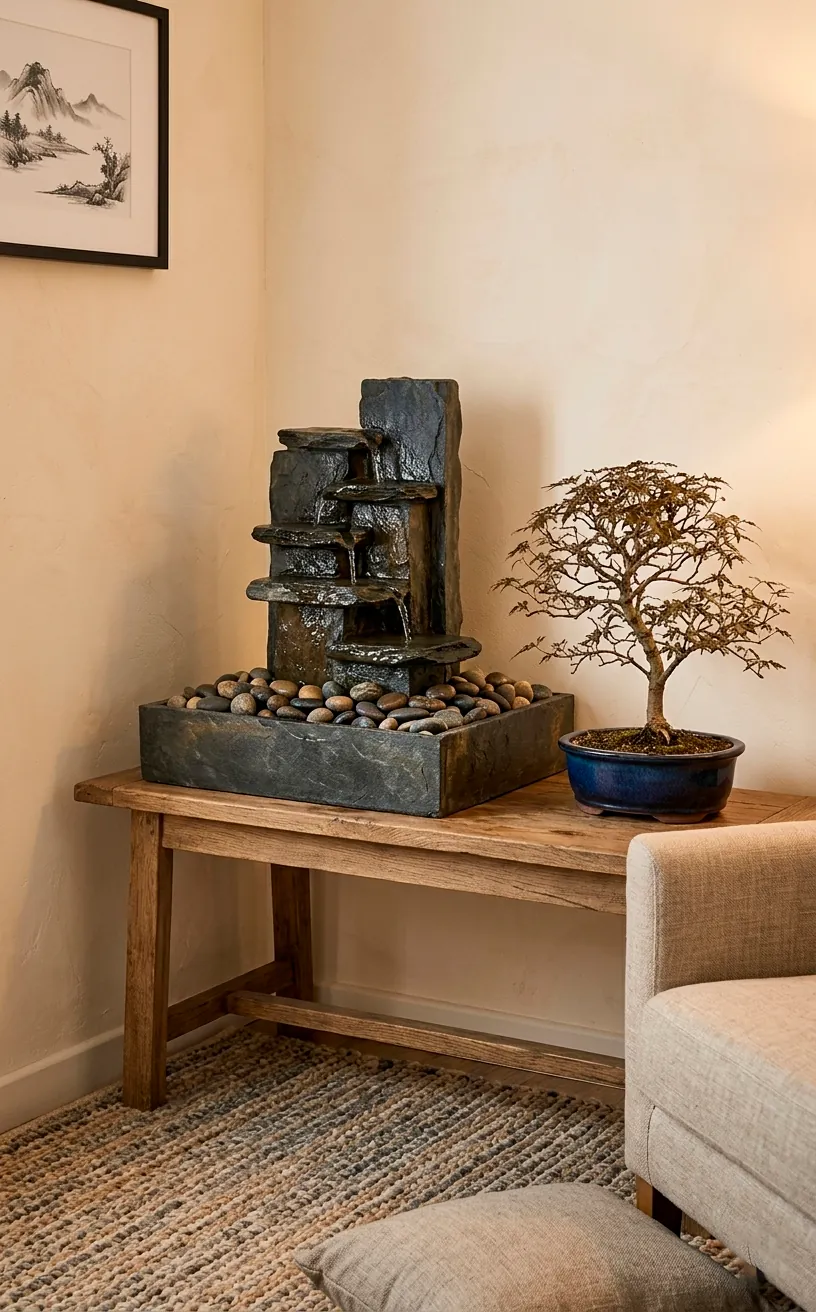
There is something primal about the sound of flowing water that instantly lowers my heart rate. You don’t need a full-blown moat in your foyer to get the benefits. A minimalist stone fountain on a side table can provide that gentle, rhythmic white noise that masks city traffic.
Water also adds humidity to the air, which your tropical plants will thank you for. I suggest choosing a fountain with a submerged pump to avoid that annoying mechanical hum. Nobody wants a peaceful sanctuary that sounds like a broken refrigerator.
An Earthy Color Palette
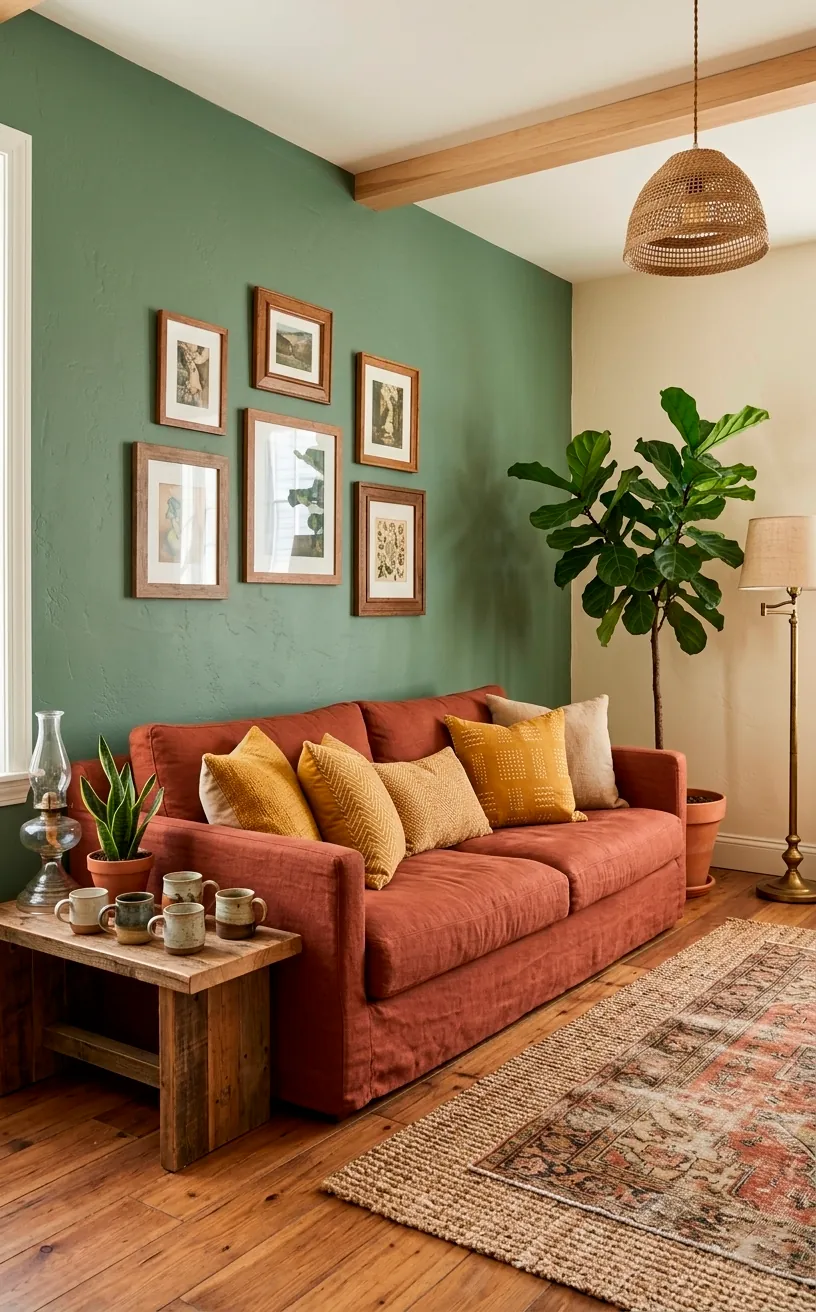
Stop painting everything clinical white and embrace the hues of the forest floor. I’m talking deep moss greens, terracotta oranges, and sandy beiges that make a room feel like a warm hug. These colors work because they reflect the natural world, tricking your brain into thinking you’re outside even when you’re binge-watching Netflix. A single accent wall in a moody sage can completely transform the depth of your living space without requiring a full renovation. It’s the easiest way to inject life into a dull room.
Curves and Organic Shapes
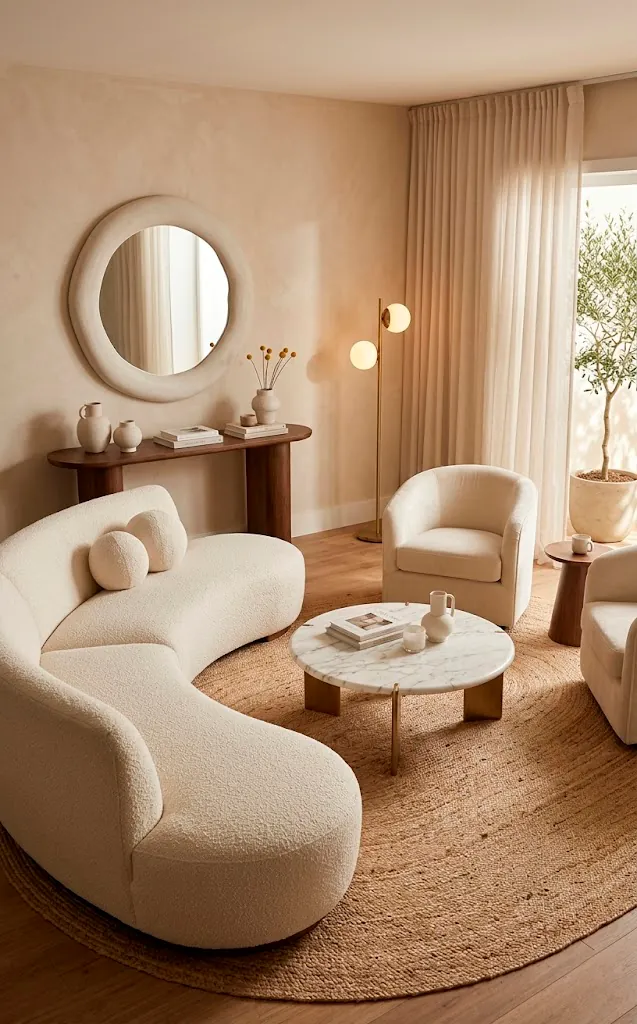
Nature rarely produces a perfect 90-degree angle, so why should your furniture be so rigid? I find that curved sofas and round coffee tables create a much more fluid, natural flow in a living room.
Rounded edges invite movement and feel significantly more ‘human’ than sharp, aggressive corners. Ever bumped your shin on a rectangular glass table? Yeah, curves are safer too.
Look for pieces that mimic biological forms, like a kidney-shaped rug or a pebble-like ottoman. These shapes soften the architecture of a room and make it feel far less like a box.
Tactile Stone Elements
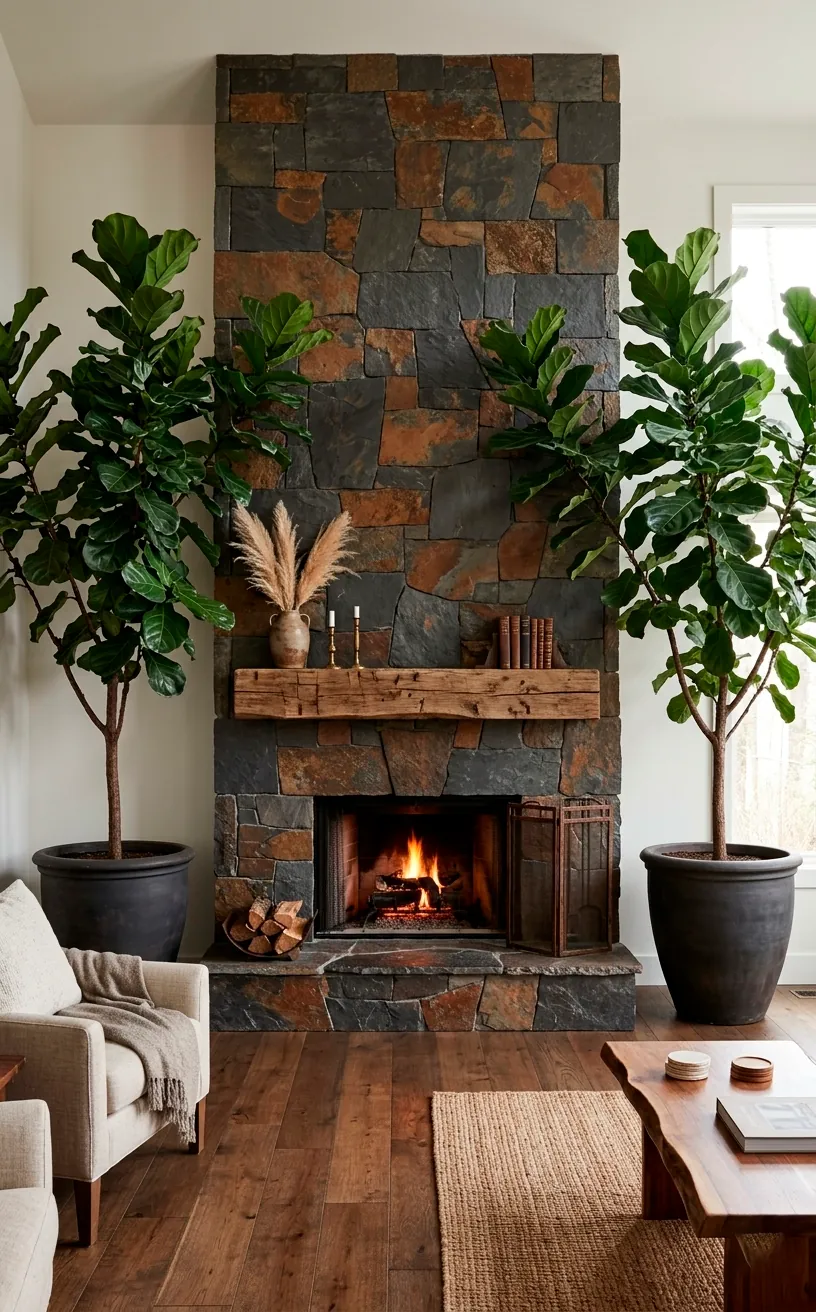
Stone isn’t just for kitchen counters or gravestones; it’s a powerhouse for living room texture. I love incorporating travertine or slate to add a cool, heavy contrast to all the soft greenery.
A stone-clad fireplace or even a simple set of marble coasters brings a sense of the earth’s crust right into your lap. It’s about that sensory contrast—the cold, hard surface of stone against the soft, fluttering leaves of a fern. It creates balance that feels grounded and expensive.
Airy Rattan and Woven Accents
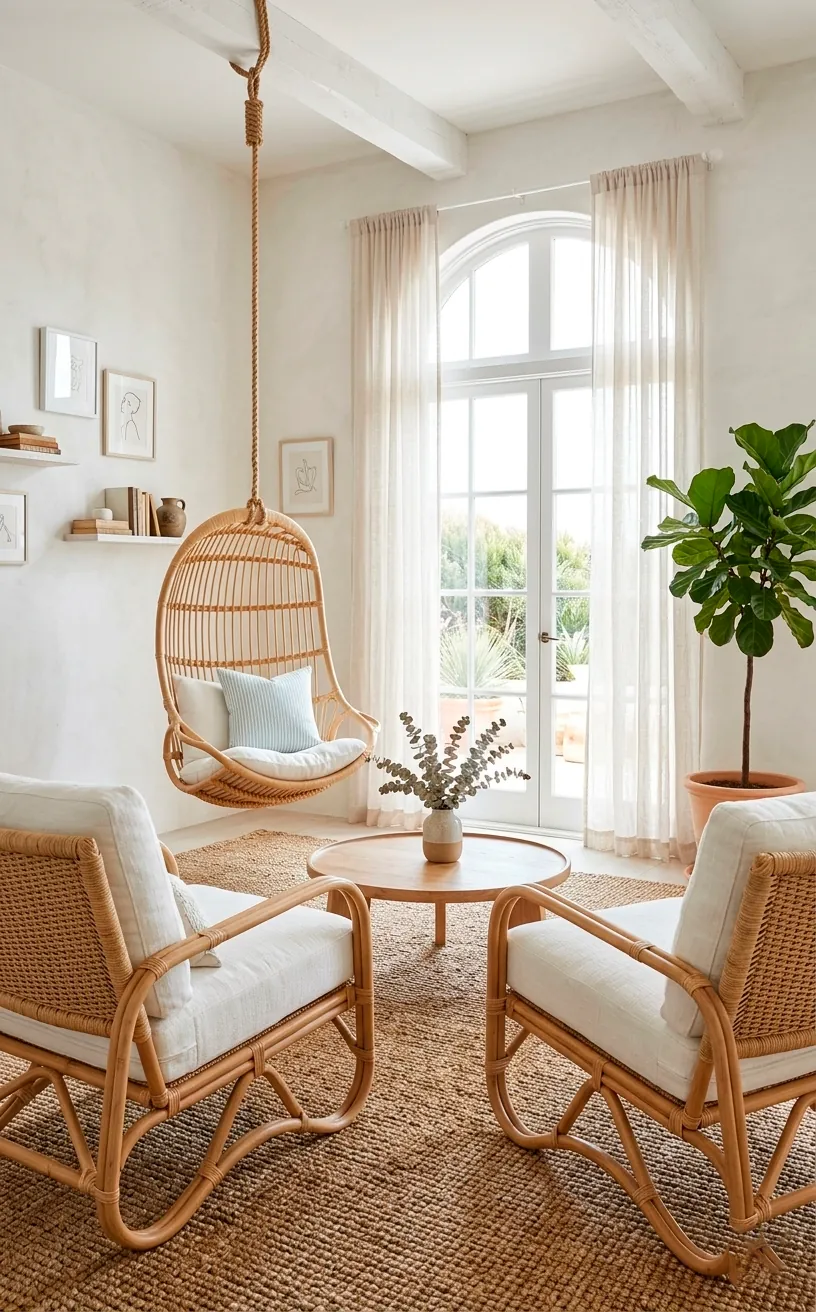
Rattan is the MVP of biophilic design because it’s literally made of vines. It’s lightweight, it’s breathable, and it looks fantastic when paired with white linens.
I think people underestimate how much a simple woven pendant light can change the vibe of a room. It casts these incredible, leafy shadows across the walls at night that feel like a campfire in the woods.
You can easily incorporate these elements through small furniture pieces or storage. Check out these woven rattan ideas for more inspiration.
It’s the perfect material for anyone who wants that ‘vacation in Bali’ feeling without the 15-hour flight.
Sensory Garden Nooks
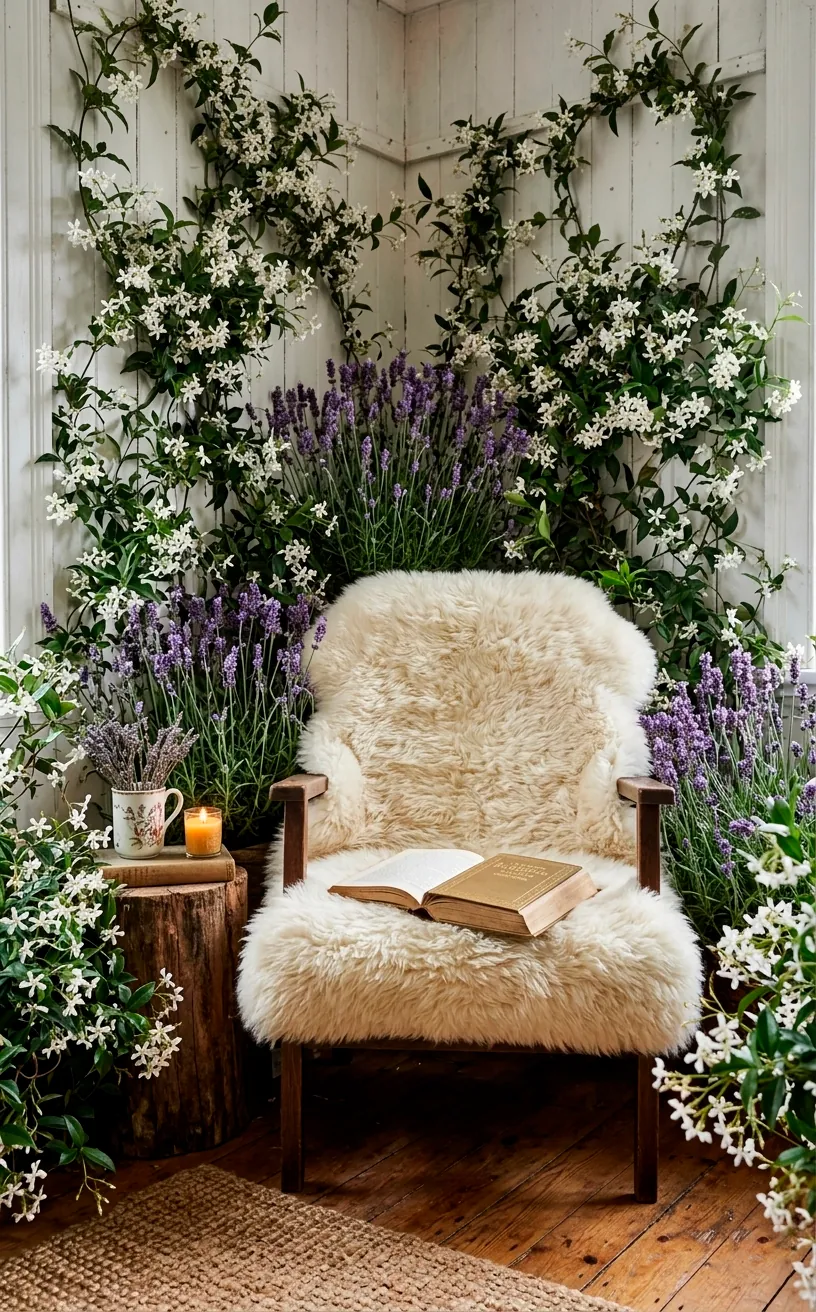
Why have a regular reading chair when you can have a private sensory sanctuary? I suggest carving out a corner specifically for relaxation, surrounded by fragrant plants like lavender or jasmine.
It’s not just about what you see; it’s about what you smell and feel. A plush, moss-like rug under your feet and the scent of damp earth after watering can turn a simple corner into a daily retreat. It’s my favorite place to hide when the rest of the world gets a bit too loud.
Let Nature Take the Lead
Biophilic design is more than just buying a few plants and hoping they don’t die on you. It’s about building a space that actually breathes with you and restores your energy. From raw stone to sunlight, these elements turn a house into a living, thriving home. Which of these designs are you grabbing first? Let me know in the comments and start your own indoor jungle today!
Related posts
See All15 Vintage Circus Inspired Details for Playful Kids Bedroom Decor
Bring the magic of the big top home! Discover 15 playful, vintage circus-inspired decor details that will transform your kid's …
Read moreThe Complete Guide to Styling a Dining Room Credenza for Everyday Elegance
Give your dining room credenza the ultimate glow-up. Discover easy, elegant styling tips that balance everyday function with show-stopping design.
Read more15 Dried Citrus and Cinnamon Garlands for a Naturally Cozy Kitchen
Forget mass-produced decorations. Transform your kitchen into a naturally cozy, aromatic sanctuary with these 15 beautiful dried citrus and cinnamon …
Read moreThe Dog-Friendly Camper: Designing a Van Interior for Your Pets
Transform your camper van into the ultimate dog-friendly adventure mobile! Discover clever interior design hacks, durable materials, and cozy setups …
Read more