














Tossing and turning on a squeaky, overpriced bed gets old fast. Why not take control by building your own platform bed? It sounds intimidating, but you can easily build a rock-solid, gorgeous frame without a massive workshop. Let’s walk through the structural essentials together to give your mattress the perfect, wobble-free home.
The Magic of Material Selection
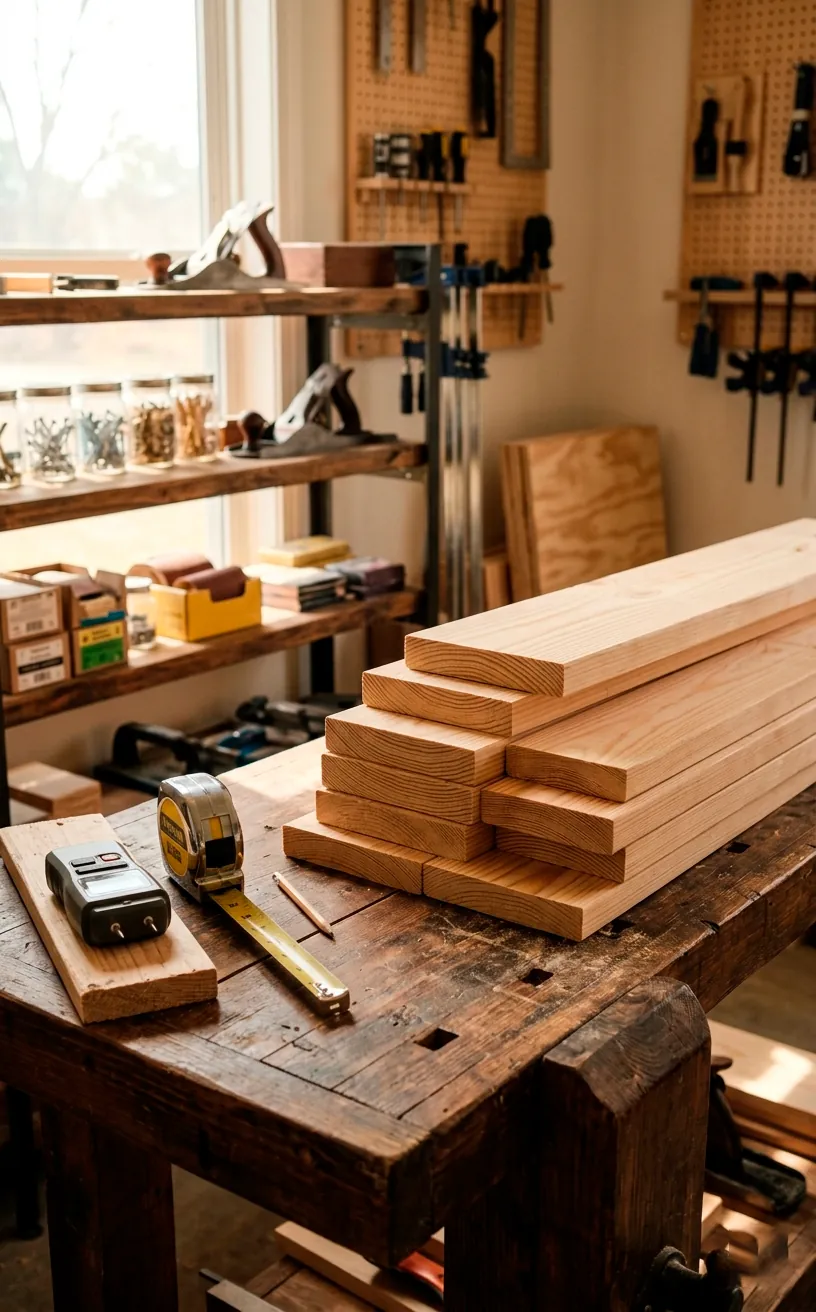
Selecting the right lumber saves you from major headaches down the road. You don’t need exotic hardwoods to build something beautiful; standard construction-grade pine works wonders if you pick straight boards. Walk past the warped pieces at the home center and hunt for the gems.
Want a premium look without the premium price tag? Opt for select pine or poplar for the visible outer frame. Trust me, spending an extra ten minutes sorting through the lumber pile prevents your bed from looking like a high school shop class mistake.
Demystifying the Base Structure
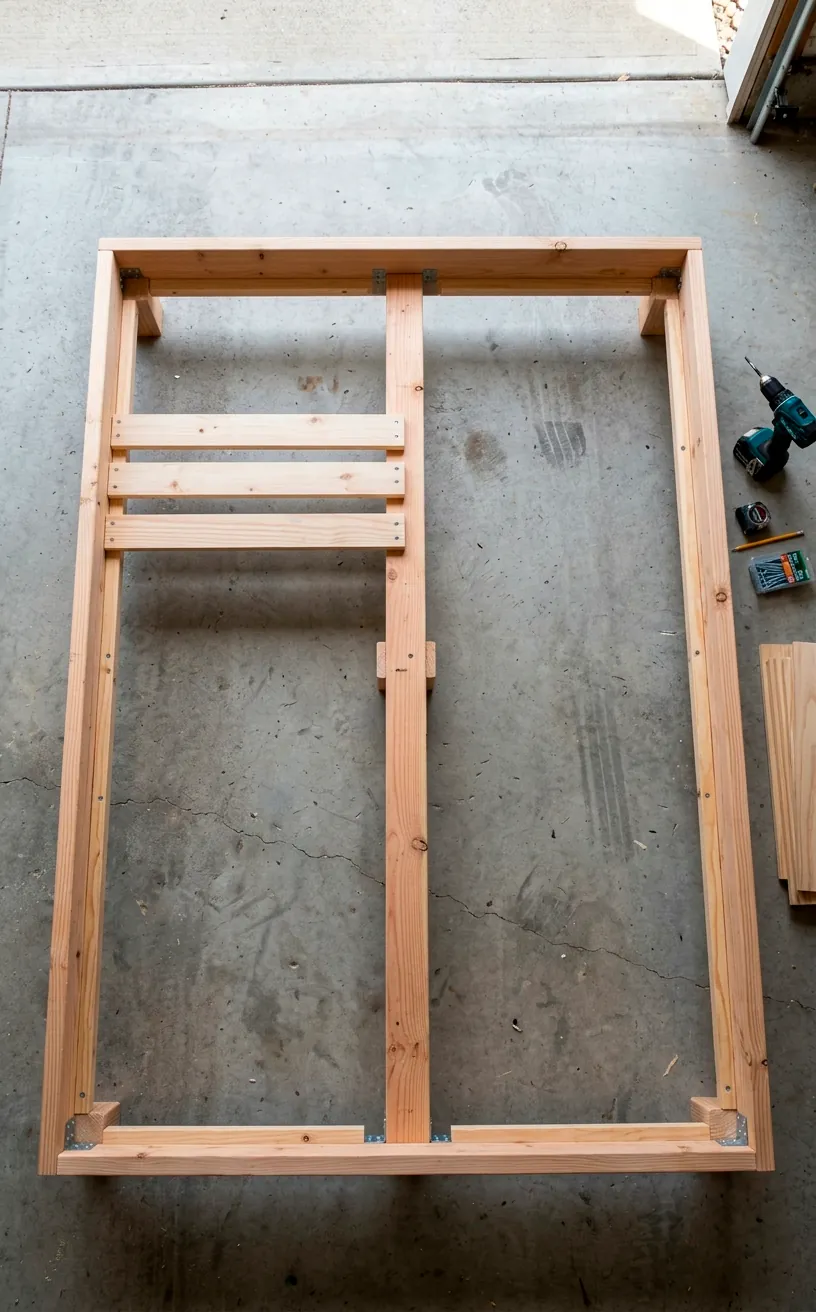
Let’s talk about the skeleton of your bed. The core secret to a wobble-free platform bed lies in a rigid perimeter box reinforced by a central support beam. Think of it as the foundation of a house; if this flexes, your mattress sags, and your back pays the price. For king and queen sizes, that middle beam isn’t optional unless you enjoy rolling into a taco shape every night. Ever wondered why cheap frames squeak? It always comes down to weak joints and zero center support.
The Slat Layout Strategy
Slats are the unsung heroes of mattress longevity. What happens if you space them too far? Your expensive foam mattress will bulge, warp, and lose its warranty faster than you can say “bad back.”
I highly recommend choosing the right materials for your slats to ensure structural integrity.
Essential slat guidelines:
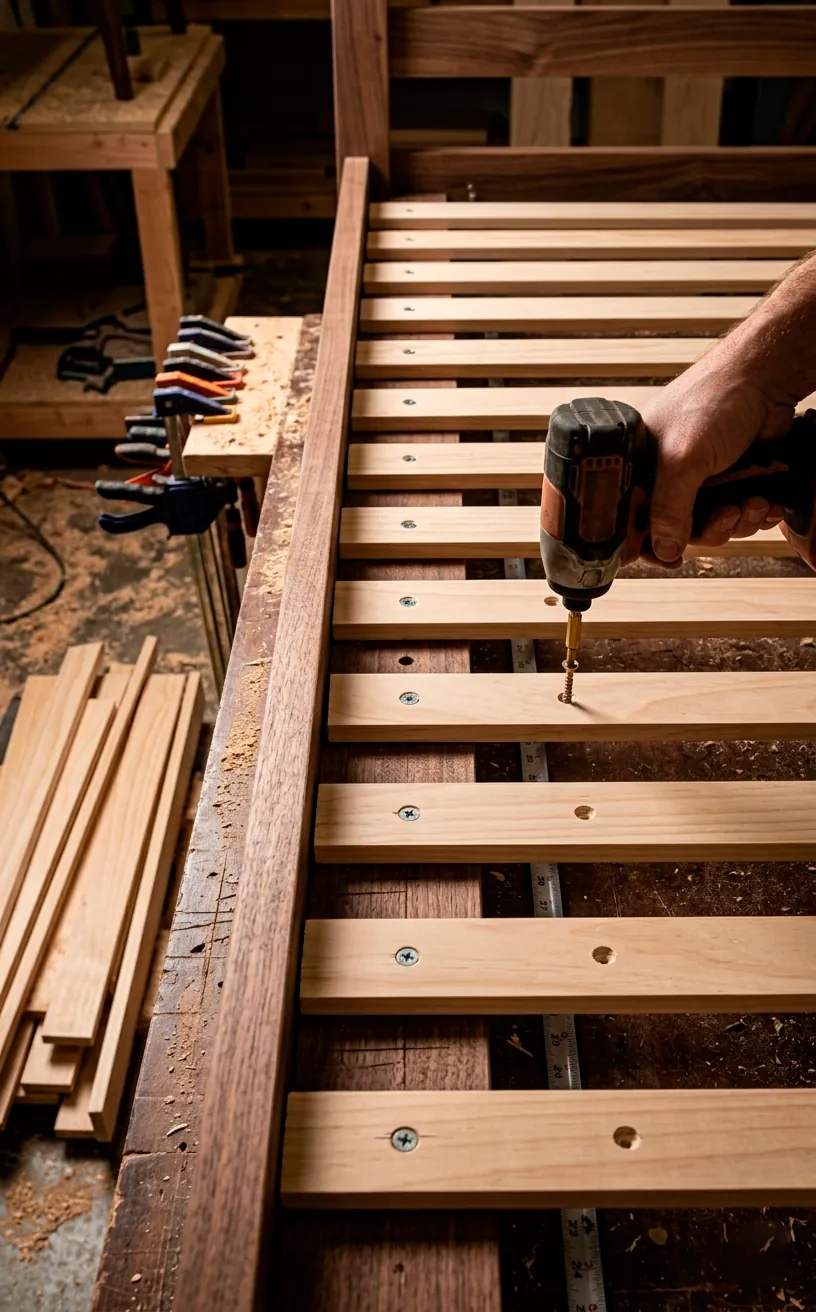
- Use 1×4 pine boards for the perfect balance of flexibility and strength.
- Space slats no more than three inches apart to prevent mattress sagging.
- Screw down every third slat to lock the entire frame together tightly.
Conquering the Creak Factor
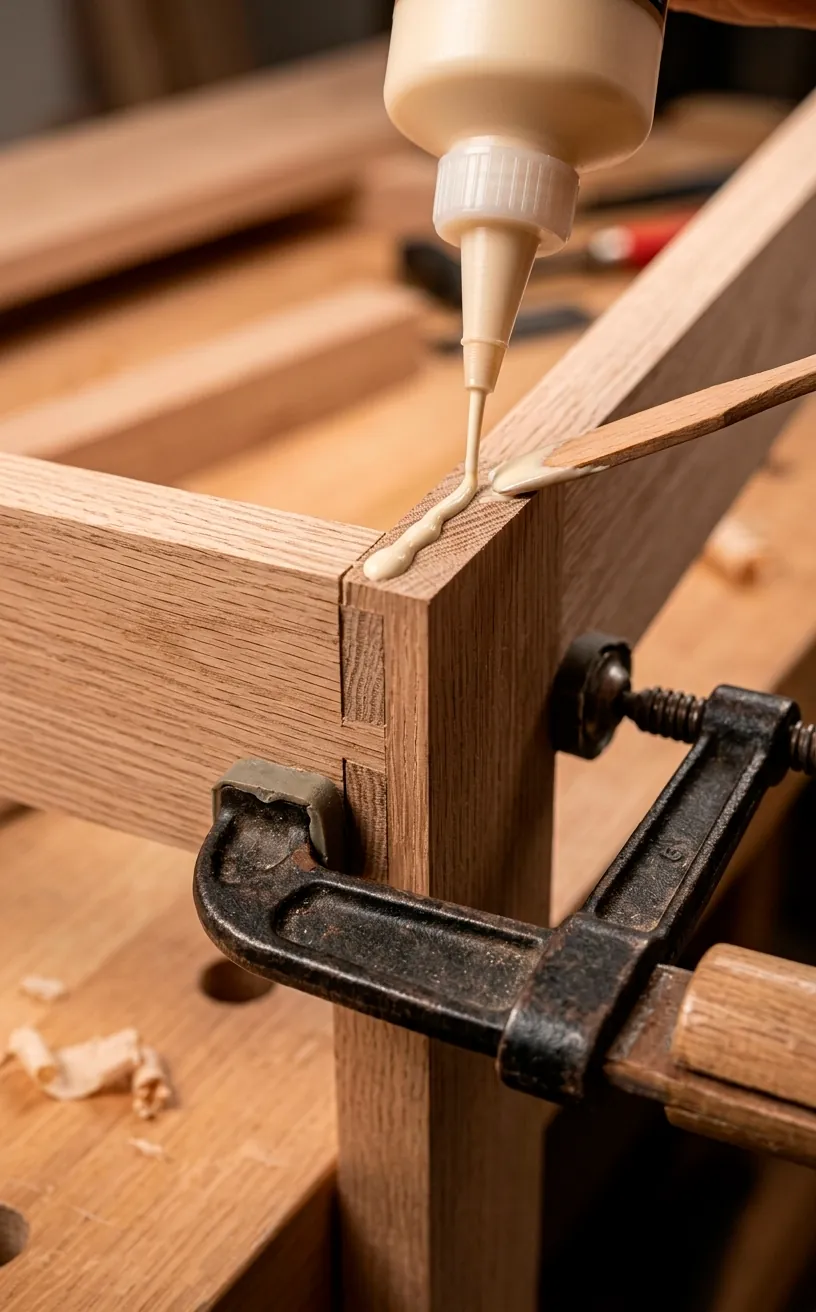
Wood rubbing against wood creates a symphony of annoying squeaks every time you move. IMO, nothing ruins the vibe faster than a noisy bed frame. Prevent this nightmare by applying heavy-duty wood glue at every single joint before driving your screws home. For an extra layer of defense, place thin felt padding or specialized joist tape along the ledges where your slats rest. This tiny extra step ensures whisper-quiet performance for decades, making you feel like a master craftsman.
Designing for Small Spaces
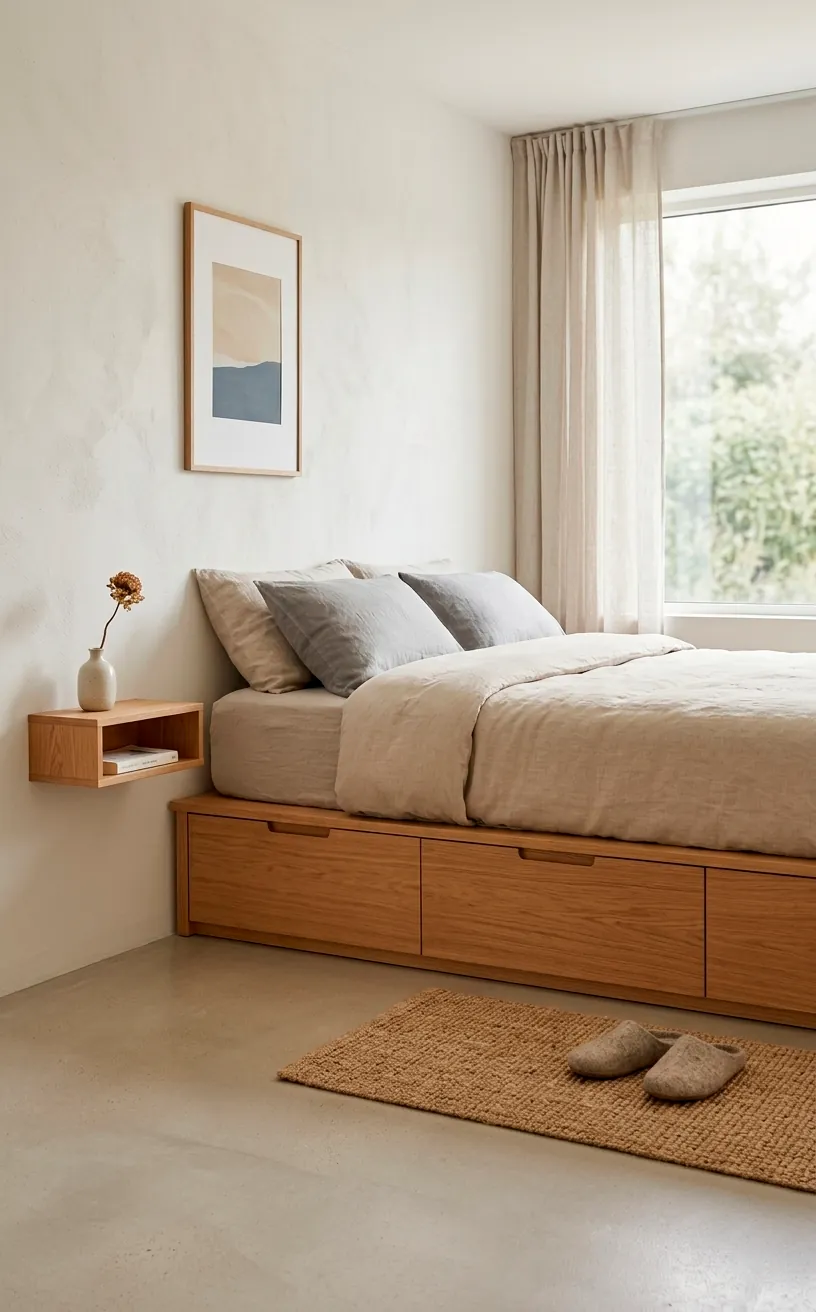
If your bedroom feels tight, your platform bed can actually pull double duty. Why waste the massive footprint underneath?
By lifting the platform slightly, you create the ultimate secret storage zone. You can build rolling under-bed drawers or leave it open for sleek storage baskets.
Keep the outer frame flush with the mattress to save precious inches of walkway space. For more inspiration on optimizing your tight sleeping quarters, check out these clever small bedroom bed placement layout ideas to maximize your floor plan.
The Importance of Solid Legs
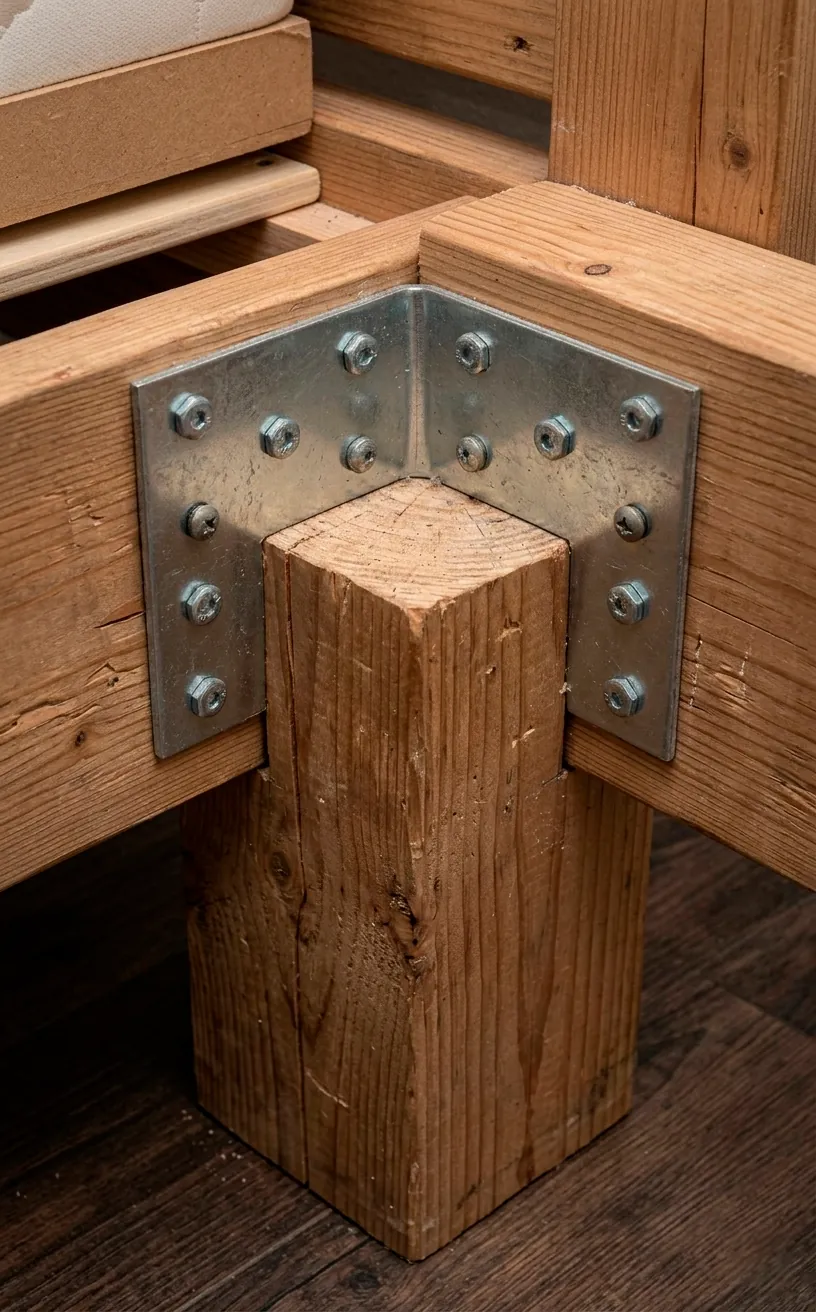
Let’s face it: weak legs ruin great beds. You want chunky, solid wood blocks or heavy-duty metal legs to ground your masterpiece securely.
I love using 4×4 posts cut to a modest six inches because they give a gorgeous, low-profile look while offering absolute stability. Secure them with heavy-duty corner brackets and long lag bolts so your bed never rocks, sways, or shifts when you jump into it.
Perfecting the Finish
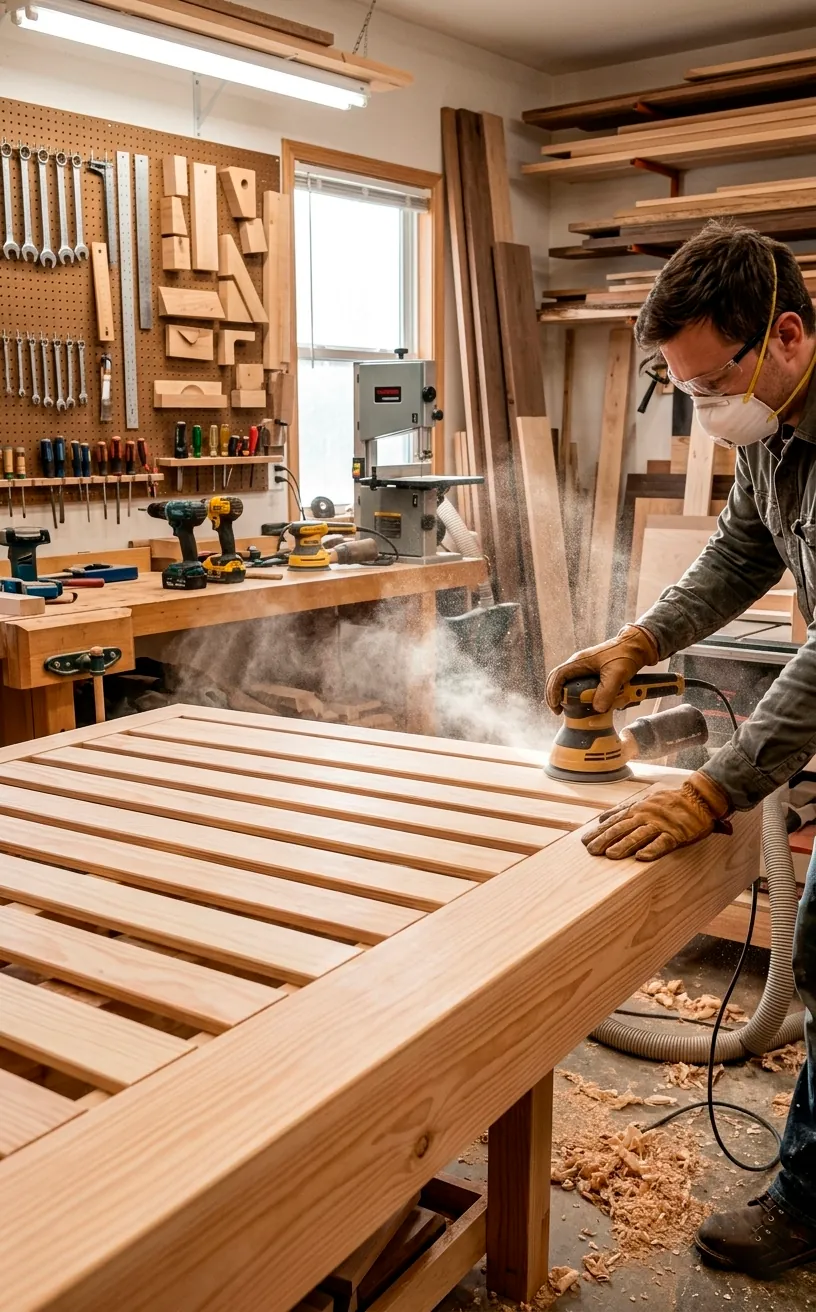
Raw wood looks great in a lumber yard, but not in your bedroom. Sanding is the key to a professional look.
Start with a gritty 80-grit sandpaper to level out uneven joints, then transition smoothly to 120-grit, and finish with 220-grit.
Skipping grits will leave ugly swirl marks that look terrible once you apply stain or clear coat.
Wipe down the dust and apply a durable polyurethane or a rich natural wood oil to protect your hard work. This shields the wood from accidental spills and everyday scuffs, giving it a soft, irresistible satin glow.
Choosing the Right Hardware
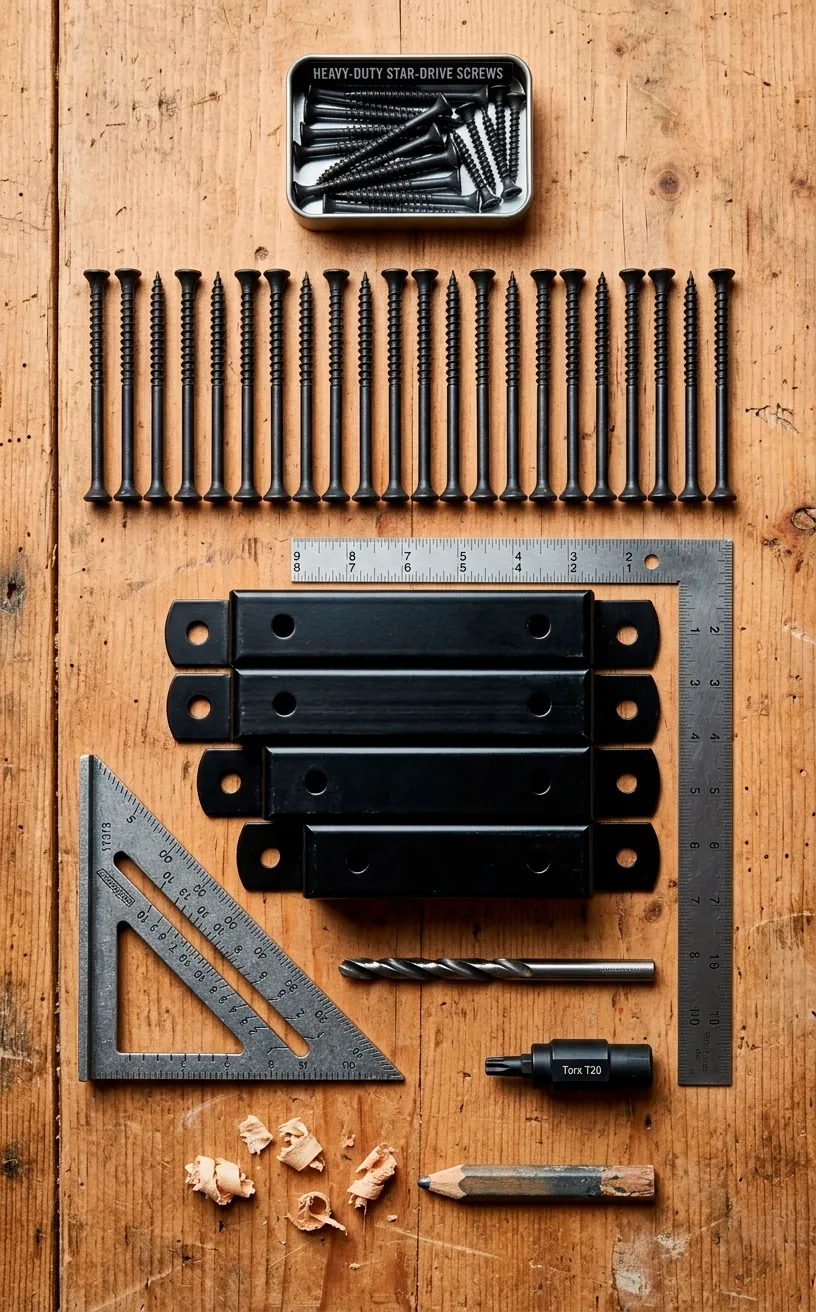
Don’t ruin your build by using cheap drywall screws that snap under pressure. Always grab premium star-drive wood screws because they resist stripping and provide incredible clamping force. If you want to move your bed easily in the future, invest in bed rail brackets. These clever hardware pieces allow you to disassemble the entire frame into flat pieces in under five minutes flat. FYI, your future self will thank you immensely during your next apartment move.
The Perfect Mattress Lip
Ever seen a mattress slowly slide off its base like a melting ice cream cone? It’s annoying and entirely preventable.
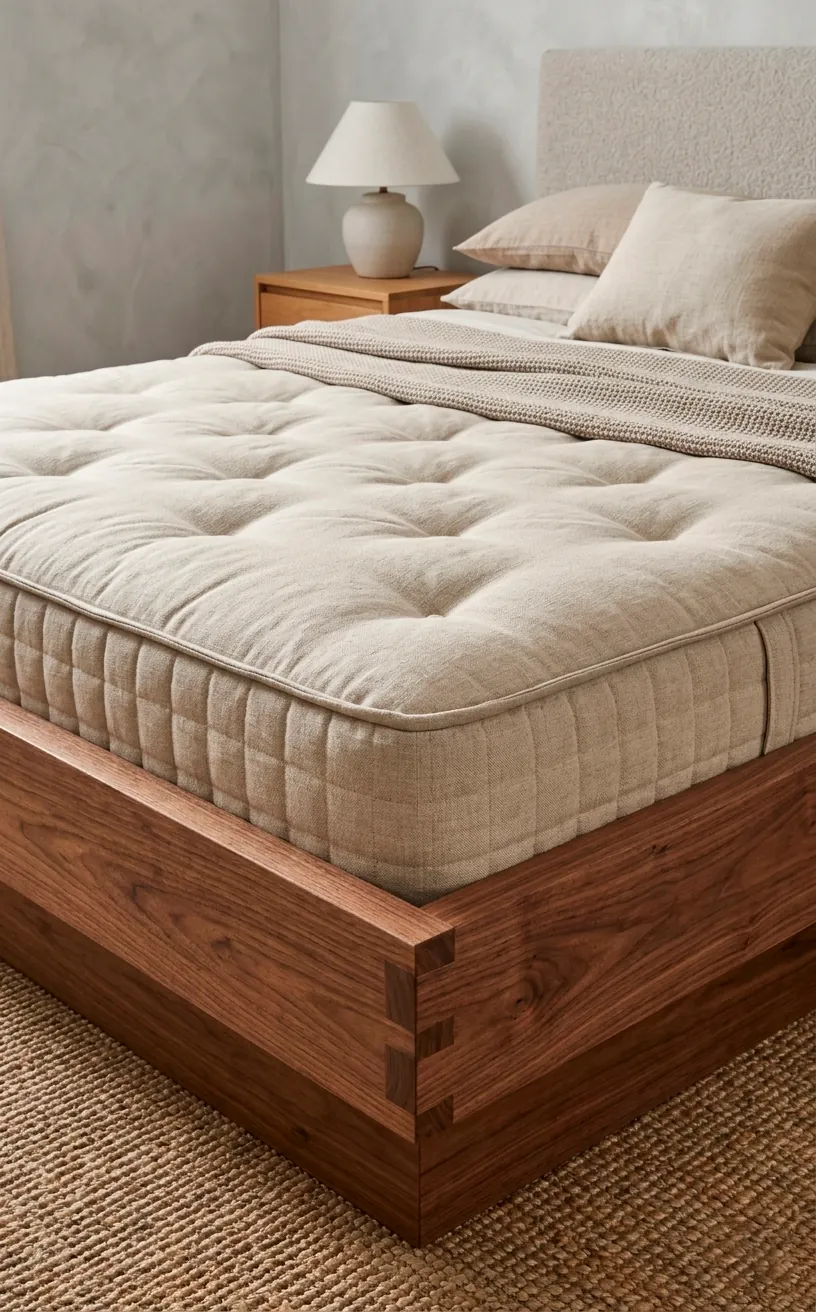
Create a one-inch deep recessed lip along the outer frame to securely nestle your mattress in place.
This subtle design choice prevents frustrating shifts without making it impossible to change your fitted sheets. If you prefer a completely flat, floating look, you can add a layer of non-slip rug padding underneath the mattress to keep it firmly planted instead. Enhance the overall cozy aesthetic by blending this setup with stunning cozy nook textiles attic bedroom design choices.
Headboard Integration Tips
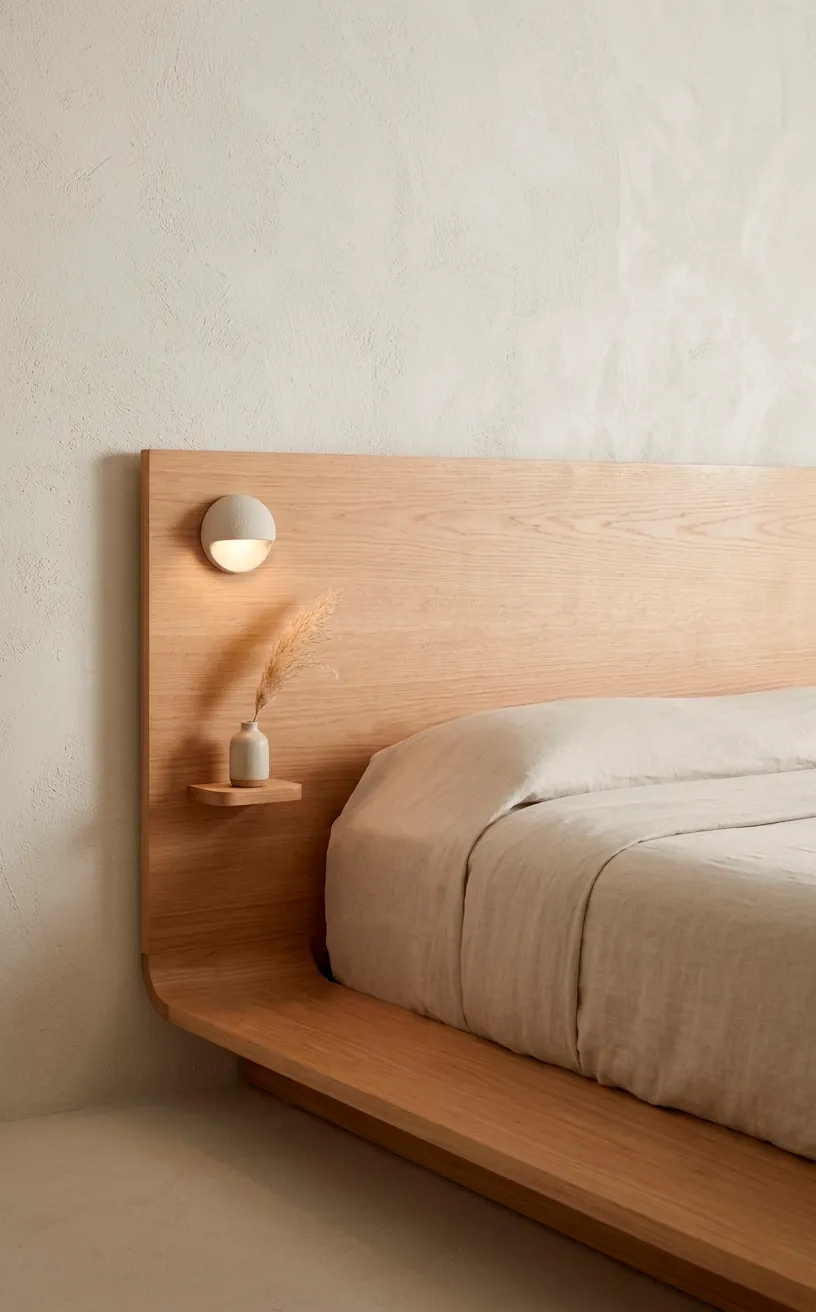
To headboard or not to headboard? That is the ultimate design question. If you choose to add one later, ensure your base frame has structural backing.
Simply extend the rear legs upward or bolt a separate headboard directly into the main frame perimeter using heavy-duty carriage bolts. This keeps the headboard from banging against your wall every time you lean back to read.
Conclusion
Building your own platform bed is one of the most rewarding weekend projects you can tackle. By focusing on a sturdy center support, proper slat spacing, and quiet joints, you create a piece of furniture that outperforms anything from a big-box store. Ready to build your own? Let me know in the comments which wood finish you are choosing!
Related posts
See All15 Vintage Circus Inspired Details for Playful Kids Bedroom Decor
Bring the magic of the big top home! Discover 15 playful, vintage circus-inspired decor details that will transform your kid's …
Read moreThe Complete Guide to Styling a Dining Room Credenza for Everyday Elegance
Give your dining room credenza the ultimate glow-up. Discover easy, elegant styling tips that balance everyday function with show-stopping design.
Read more15 Dried Citrus and Cinnamon Garlands for a Naturally Cozy Kitchen
Forget mass-produced decorations. Transform your kitchen into a naturally cozy, aromatic sanctuary with these 15 beautiful dried citrus and cinnamon …
Read moreThe Dog-Friendly Camper: Designing a Van Interior for Your Pets
Transform your camper van into the ultimate dog-friendly adventure mobile! Discover clever interior design hacks, durable materials, and cozy setups …
Read more