












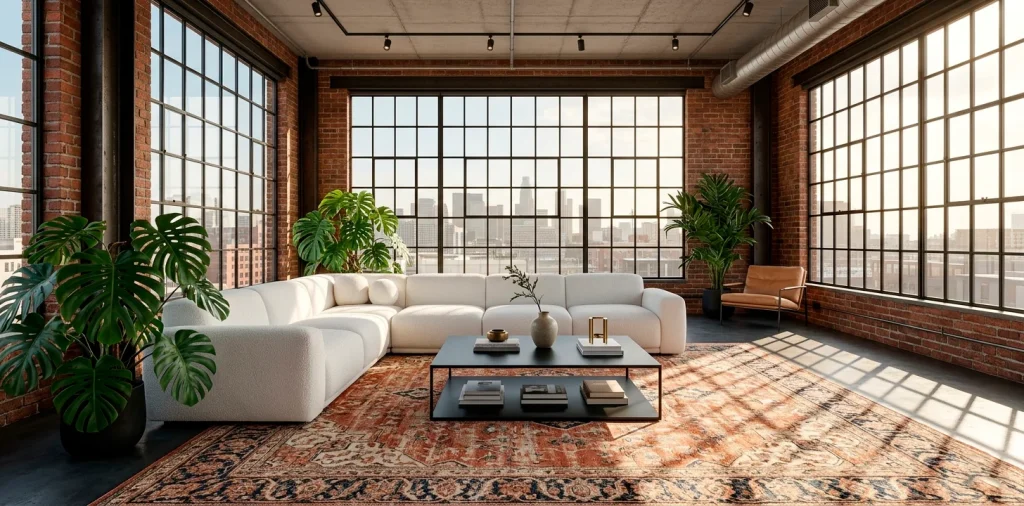

Welcome to the sweet spot where rugged warehouse vibes meet Sunday morning comfort. We all drool over those edgy, exposed-brick lofts, but living in a space that feels like a chilly sterile factory? Hard pass. I want my home to look cool, but I still need it to hug me after a long day. Let’s figure out how to nail that perfect balance.
The Magic of Contrast
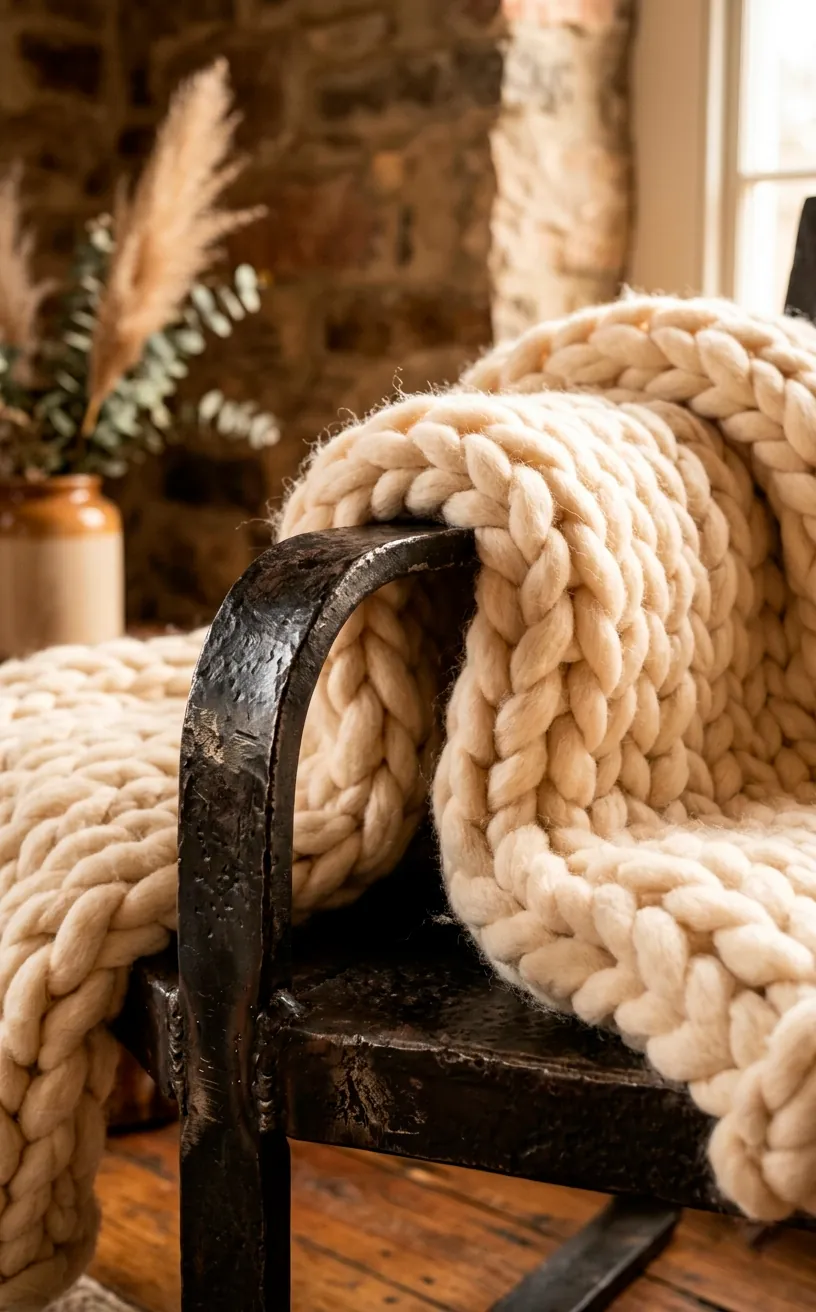
Ever wondered why a chunky knit blanket looks so ridiculously good draped over a rigid welded steel chair? The magic lies entirely in the contrast. When you put polar opposites together, they highlight each other’s best features instead of competing for the spotlight.
Think about it like salted caramel—you need the sharp bite of the salt to make the sugar sing. In interior design, cold raw steel practically begs for a soft, tactile companion to keep the room from feeling hostile. I constantly remind my friends that an industrial aesthetic thrives on tension. You anchor the room with heavy, unforgiving materials, and then you layer in comfort until the space actually invites you to sit down.
Start with the Heavy Lifters
You build an industrial room from the ground up, starting with the heavy hitters. I always look for statement pieces featuring blackened steel or cast iron to establish that gritty baseline.
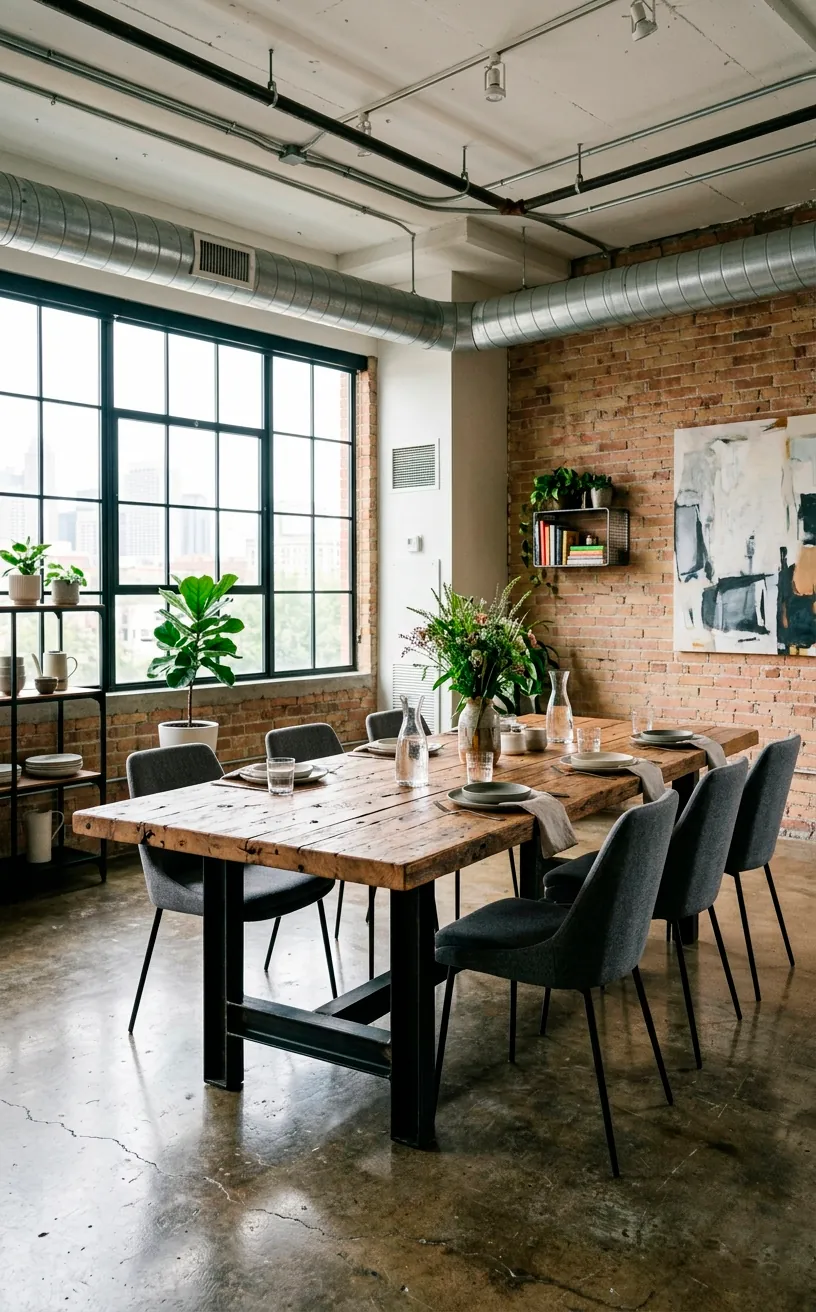
A massive metal-framed bed or an iron-legged dining table instantly tells everyone exactly what style you claim. These pieces powerfully anchor your space.
But please, practice some restraint. If you buy a metal desk, pair it with an upholstered chair. You do not need to construct a literal submarine to achieve the look.
It’s all about creating a strong foundation. Once you lock in those cold materials, you give yourself the freedom to go absolutely wild with cozy elements without losing that warehouse edge.
Softening the Blow
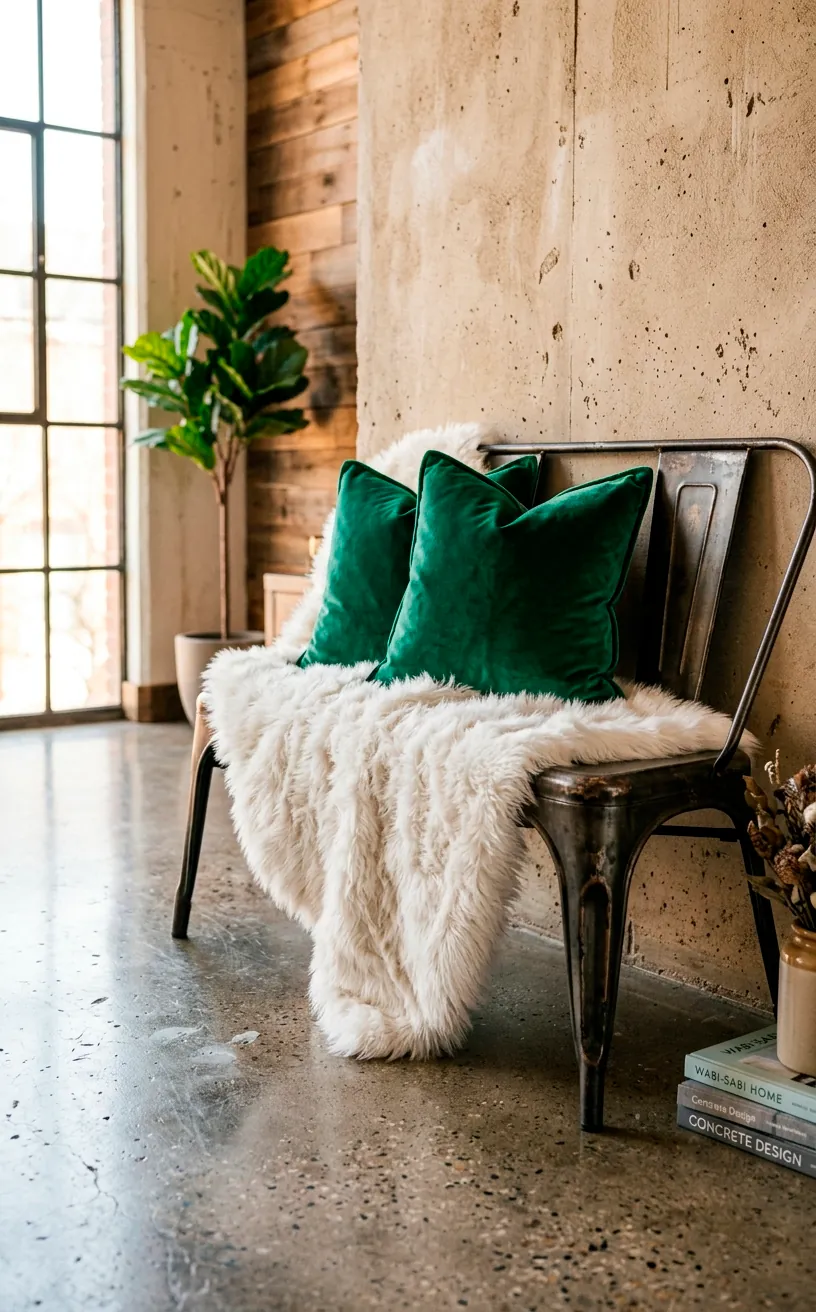
Now we bring in the cavalry. Soft textures practically save your industrial design from looking like a neglected auto garage. I am completely obsessed with tossing a faux fur throw over a rigid metal bench, or layering plush rugs over a polished concrete floor. You literally feel the room warm up as you add these layers. Natural fibers like linen and wool absorb sound and physically soften the sharp edges of your furniture. FYI, a well-placed velvet cushion instantly rescues an overly harsh metal accent chair. Speaking of velvet, if you want a deeper dive into making this fabric work, check out this 15 velvet statement chairs opulence guide.
Lighting: The Mood Setter
Harsh overhead lighting absolutely destroys an industrial vibe. You already have enough cold, reflective surfaces reflecting every stray beam of light.
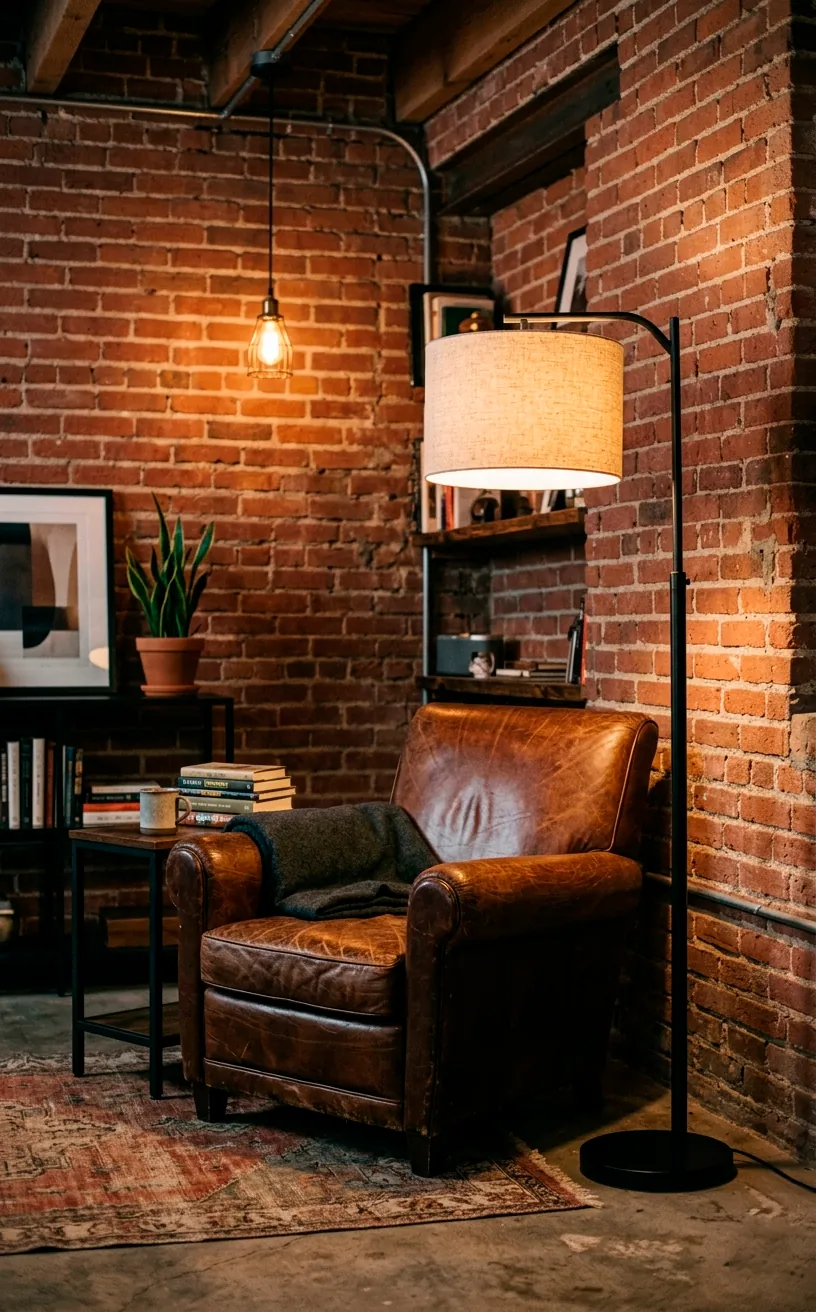
Instead, you must rely on warm, amber-toned lighting to cast a cozy glow across all that raw steel and exposed piping. I highly recommend using vintage Edison bulbs; they emit a gorgeous, soft warmth that practically melts the harshness right out of the metal.
Use floor lamps with heavy iron bases but pair them with soft linen drum shades. This perfectly executes our balancing act in one single object, effortlessly tying the room together.
Wood as the Perfect Mediator
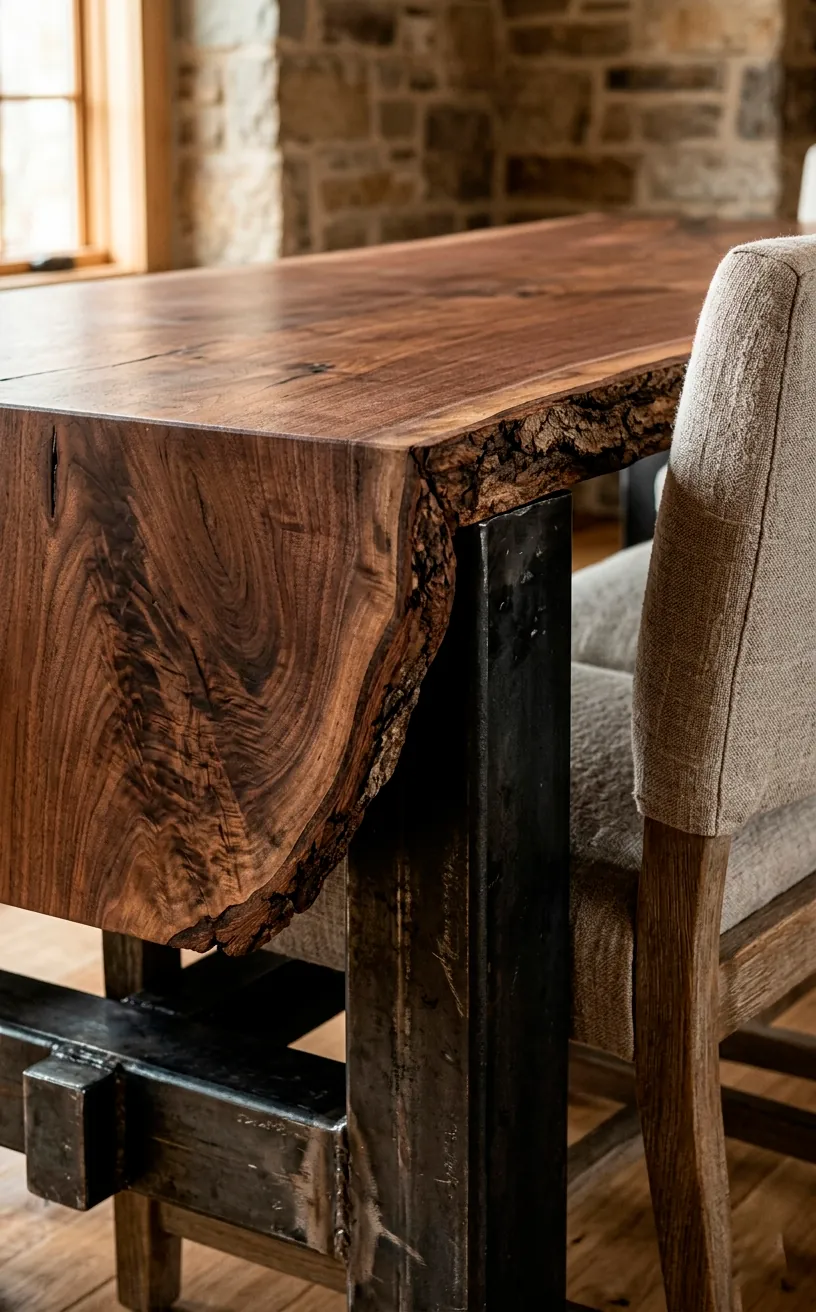
Sometimes, metal and fabric just stare at each other awkwardly from across the room. They need a mediator to break the ice, and reclaimed wood does this job flawlessly. Wood brings organic warmth and physical texture that bridges the gap between cold iron and soft wool.
Top wood choices for industrial spaces:
- Reclaimed barn wood for rustic charm
- Live-edge walnut for sophisticated depth
- Whitewashed oak for an airy contrast
These options flawlessly ground the metal while playing incredibly nice with your upholstered dining chairs.
Embracing Flaws and Patina
Perfection is incredibly boring, IMO. Industrial style actually celebrates the flawed, the worn, and the slightly battered.
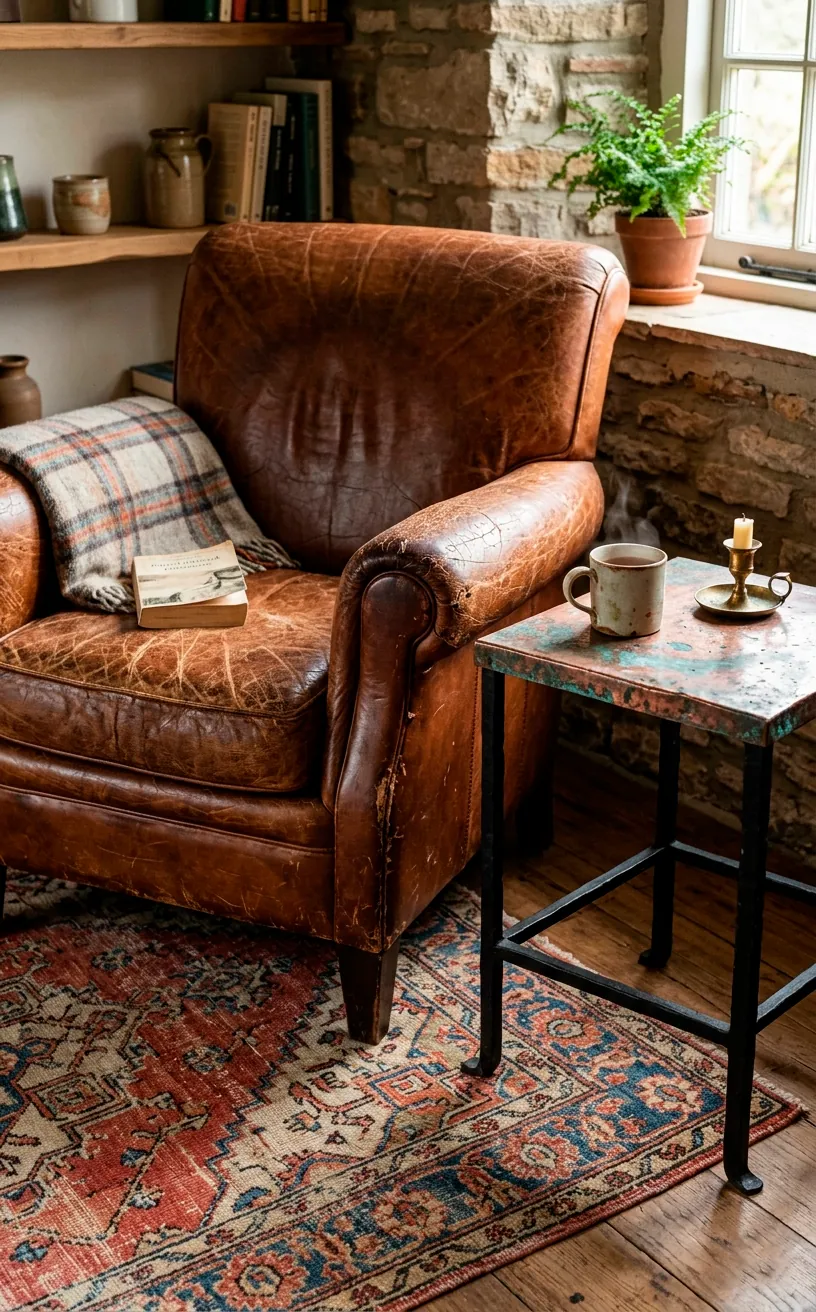
You want your metal to show a little rust, a few scratches, or a dull patina. Shiny, flawless chrome belongs in an 80s diner, not a cozy modern loft.
The same rule applies to your soft textures. Distressed leather armchairs look infinitely better than pristine, untouched seating.
When you embrace materials that age gracefully, your space feels authentically lived-in. Your home tells a rich story rather than just displaying a sterile showroom catalog.
Plants: The Ultimate Softener
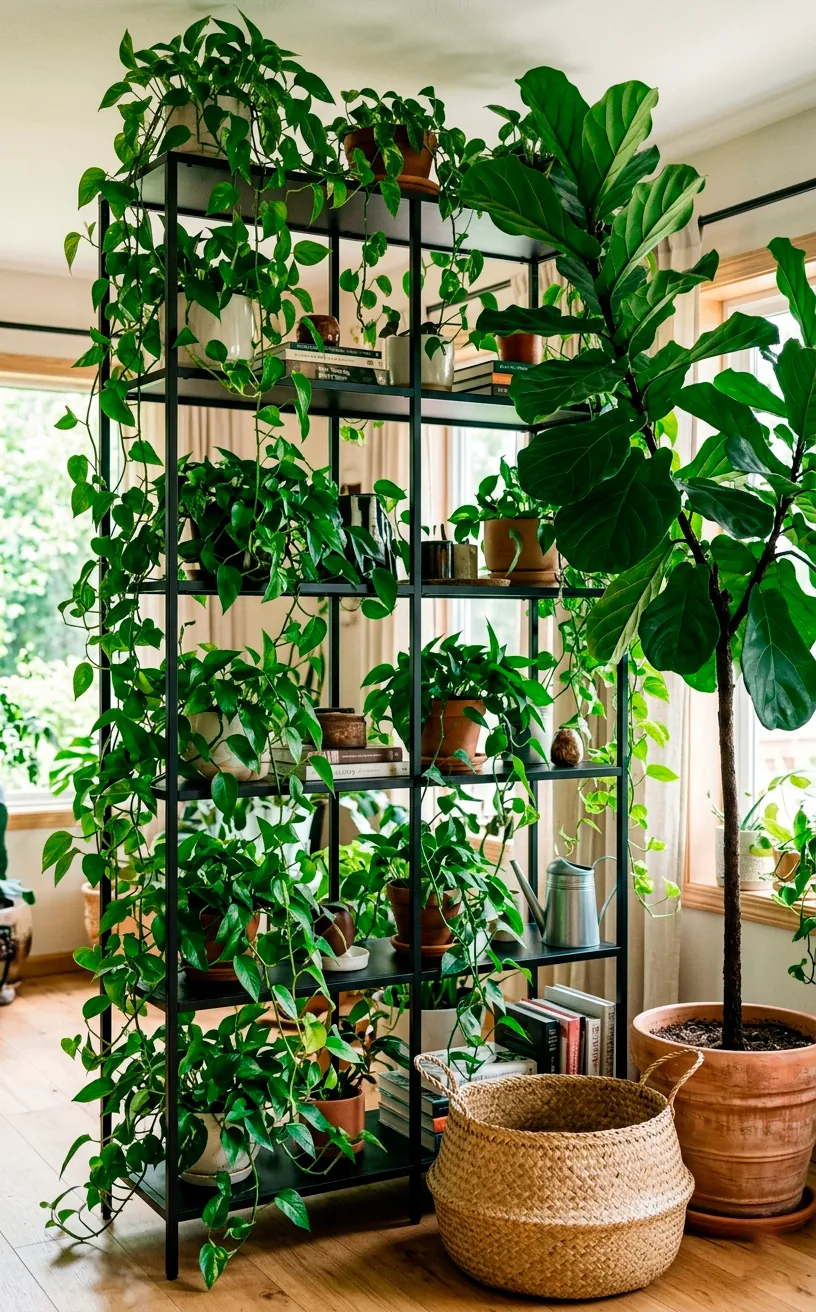
Plants act as the ultimate cheat code for softening rigid architecture. You simply cannot ignore the power of organic, chaotic greenery spilling over a sharp, matte-black metal shelf. A massive fiddle leaf fig or a trailing pothos instantly breaks up straight lines and injects literal life into a room full of manufactured materials. I always tuck a plant next to my heaviest iron pieces because the vibrant green totally neutralizes the visual weight of the metal. If you don’t have a green thumb, high-quality faux plants brilliantly pull off this exact same trick.
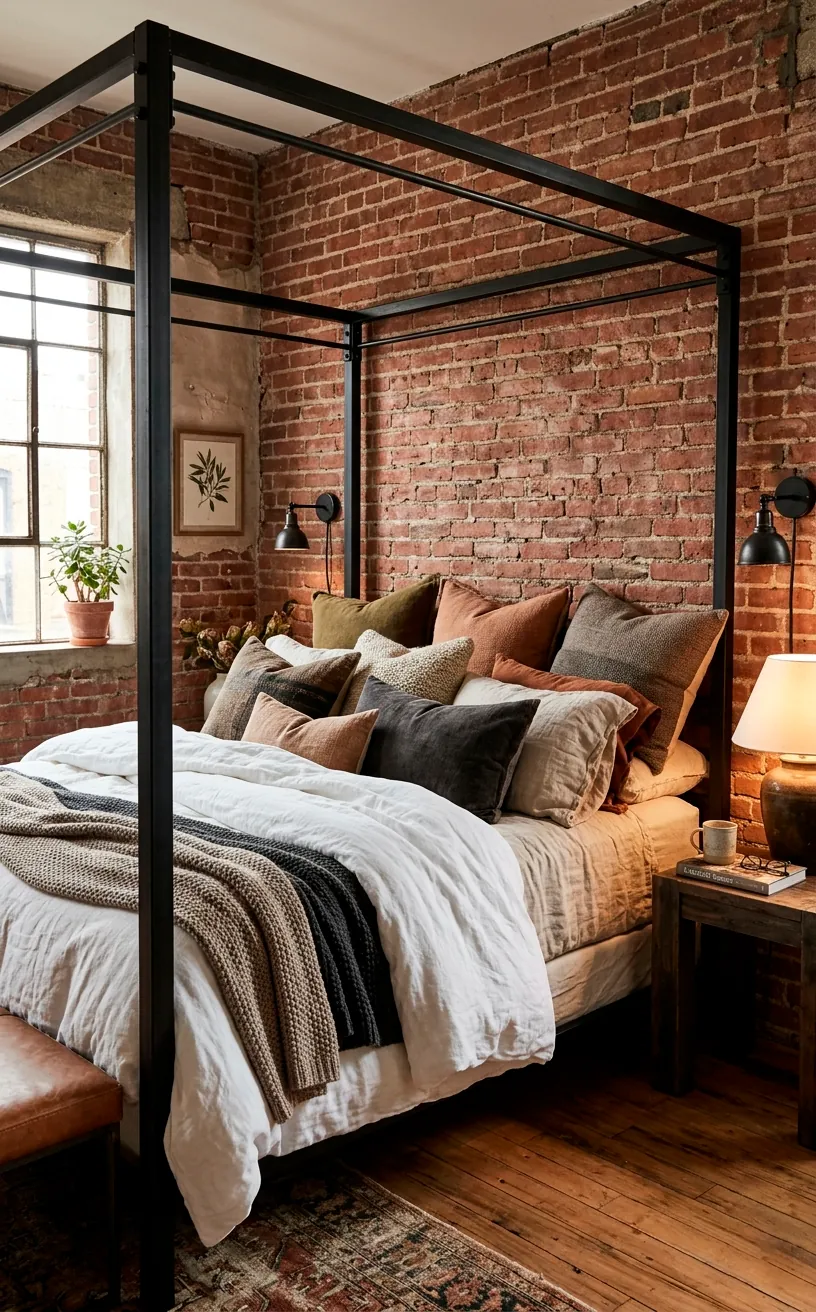
The Bedroom: A Case Study
Let’s look at the bedroom, because nobody wants to sleep in a space that feels like a factory floor. 😅
Start with an imposing iron canopy bed frame, but immediately drown it in soft, oversized linen duvets and an absurd number of pillows. The contrast here creates an incredibly romantic, safe feeling.
You get the protective, solid enclosure of the metal frame, contrasted directly against the plush comfort of the bedding. It perfectly demonstrates how these opposing forces work together. For more textile inspiration in sleep spaces, take a peek at this cozy nook textiles attic bedroom guide.
Kitchens That Don’t Look Like Autoshops
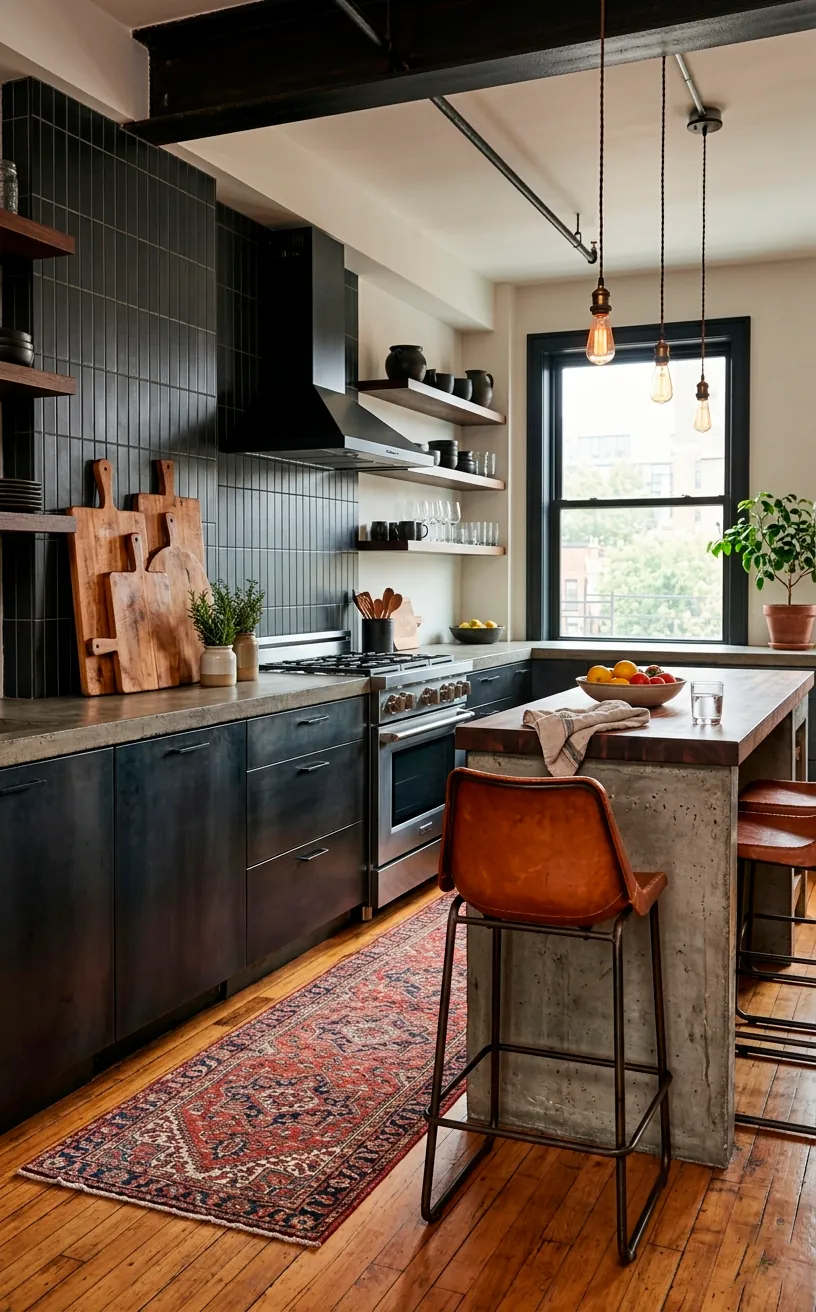
Industrial kitchens easily fall into the trap of looking like a sterile commercial prep station. Stainless steel appliances and iron barstools quickly dominate the visual landscape if you don’t actively intervene.
You must fight back with texture! Toss a beautifully woven runner over the hardwood floor, display wooden cutting boards against your backsplash, and swap out stiff metal chairs for plush leather-upholstered barstools. I always tell people to leave their pretty cloth napkins out on the counter in a woven basket. These small, intentional touches instantly transform your kitchen from a cold workspace into a warm gathering hub.
Conclusion
Balancing the heavy hit of industrial metal with the soft embrace of cozy textiles completely transforms how you experience your home. You don’t have to choose between looking effortlessly cool and feeling incredibly comfortable. By mixing those raw, gritty elements with lush, inviting fabrics, you craft a space that truly feels alive. Which contrasting element are you grabbing first for your living room makeover? Let me know in the comments!
Related posts
See All15 Vintage Circus Inspired Details for Playful Kids Bedroom Decor
Bring the magic of the big top home! Discover 15 playful, vintage circus-inspired decor details that will transform your kid's …
Read moreThe Complete Guide to Styling a Dining Room Credenza for Everyday Elegance
Give your dining room credenza the ultimate glow-up. Discover easy, elegant styling tips that balance everyday function with show-stopping design.
Read more15 Dried Citrus and Cinnamon Garlands for a Naturally Cozy Kitchen
Forget mass-produced decorations. Transform your kitchen into a naturally cozy, aromatic sanctuary with these 15 beautiful dried citrus and cinnamon …
Read moreThe Dog-Friendly Camper: Designing a Van Interior for Your Pets
Transform your camper van into the ultimate dog-friendly adventure mobile! Discover clever interior design hacks, durable materials, and cozy setups …
Read more