












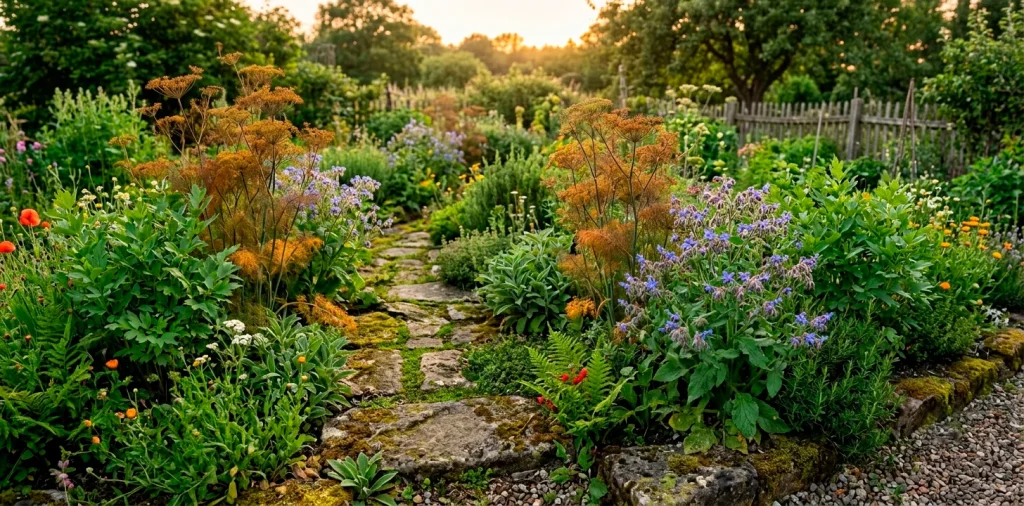

Have you ever looked at a perfectly uniform supermarket basil leaf and thought it lacked a little soul? You aren’t alone. Heirloom herbs bring intense flavors, gorgeous quirks, and centuries of wild history straight to your garden bed. I started growing these heritage varieties last spring, and honestly, my cooking will never be the same. Ready to dig in?
The Magic of Heirloom Herbs
Heritage herbs are the true survivors of the gardening world. Unlike modern hybrids bred strictly for shipping and a long shelf life, these vintage varieties passed from hand to hand over generations. They carry the exact same genetic blueprint that your ancestors probably planted in their kitchen gardens centuries ago. 🌿
Think about it: why settle for basic when you can literally grow history? They boast significantly stronger aromas and higher essential oil content than their commercial cousins. Plus, cultivating them actually feels like keeping a tiny, fragrant piece of the past alive right on your patio. IMO, that is totally worth the dirt under your fingernails.

Borage: The Starflower of Courage
Did you know Roman soldiers supposedly ate borage to boost their bravery before battle? This heirloom stunner produces vibrant, star-shaped blue flowers that taste surprisingly like cool cucumber. I absolutely love tossing these brilliant blossoms into summer salads or freezing them into ice cubes for fancy lemonades. Borage grows incredibly fast, vigorously reseeding itself year after year. It totally transforms a dull garden corner into a buzzing haven for local pollinators. Honestly, if you want a zero-effort showpiece that comes with a killer backstory, you need this plant.

Lovage: The Forgotten Celery Cousin
Lovage is that intense, overachieving garden friend we all desperately need.
This towering perennial tastes like celery on steroids. Just one leaf packs enough punch to flavor an entire pot of chicken soup.
Historically, medieval travelers chewed the savory seeds to soothe tired stomachs during long journeys. It thrives in cooler climates and demands almost zero pampering from you.
I highly recommend giving this giant plenty of vertical space. It easily shoots up to six feet tall! If you love surrounding your space with aromatic greenery, consider reading our guide on 15 fragrant balcony plants to naturally freshen your outdoor oasis.

Sweet Cicely: The Anise-Scented Sweetener
Sweet Cicely holds a major secret weapon for anyone with a serious sweet tooth. The lacy, fern-like leaves release a powerful anise or licorice scent when crushed. Centuries ago, clever cooks used it to sweeten tart fruits like rhubarb long before cheap sugar hit the markets. The plant produces gorgeous white umbel flowers that completely brighten up shady garden spots. I use the chopped leaves in fruit salads, and it blows my mind every single time. Why buy expensive artificial syrups when nature literally provides this sugary, herbaceous magic for free?

Lemon Verbena: The Victorian Obsession
Lemon verbena delivers the purest, most intense citrus fragrance of any plant on earth. The Victorians went absolutely crazy for it, stuffing the dried leaves into pillows, perfumes, and finger bowls. 🍋
I keep a pot of this right by my back door just so I can brush past it every morning. The scent instantly wakes up my brain.
Growing this woody shrub requires lots of bright sunshine and excellent drainage. You definitely must bring it indoors if your winters get freezing cold. Trust me, losing this fragrant powerhouse to an unexpected frost truly breaks the heart. Keep it cozy, and it rewards you with legendary leaves.

Bronze Fennel: The Dramatic Showstopper
Want to add some moody, gothic drama to your herb spiral? Bronze fennel brings serious dark-academia vibes with its feathery, deep purple-bronze fronds. Ancient Romans associated fennel with strength and longevity, while medieval folks hung it over doorways to ward off evil spirits.
Today, it serves as a spectacular host plant for swallowtail butterfly caterpillars. You get a striking visual contrast against standard green herbs, plus a licorice-flavored crunch for your roasted vegetable dishes. FYI, it grows aggressively, so just snip the seed heads early if you want to control its spread.

Hyssop: The Holy Cleanser
Hyssop carries immense historical weight as an ancient purifying herb. Monks heavily utilized this aromatic powerhouse to clean sacred spaces and flavor potent medicinal liqueurs. The intensely minty, slightly bitter foliage completely elevates heavy meat dishes and rich stews. Beautiful spikes of purple-blue flowers appear in late summer, drawing in clouds of bees and butterflies. I find that planting hyssop near cabbages naturally deters pesky insects. This rugged little shrub tolerates drought like a champion, making it the ultimate low-maintenance addition to your heritage plot.

Costmary: The Bible Leaf
You probably never heard of Costmary, but early American colonists considered it an absolute household essential.
People called it the ‘Bible Leaf’ because they used the long, sweet-smelling leaves as aromatic bookmarks. Churchgoers would discreetly sniff the minty-balsam foliage to stay awake during agonizingly long sermons. Sarcastic, right?
The leaves impart a fascinating, complex flavor to homemade beers and traditional savory stuffings. It spreads vigorously via underground rhizomes, so giving it a dedicated container keeps this historical gem nicely contained and prevents it from overtaking your yard.

Salad Burnet: The Cucumber Imposter
Ever craved the refreshing taste of cucumber in the middle of winter? Salad burnet completely hacks the gardening system. 🥒 This exceptionally cold-hardy perennial produces charming, ruffled leaves that taste exactly like fresh cucumbers. It survives freezing temperatures like an absolute champion.
Sir Francis Bacon famously loved this herb, insisting that gardeners plant it along pathways just to release its crisp scent when stepped on. I constantly toss the tender young leaves into vinaigrettes and creamy dips for an instant flavor upgrade. It forms a neat, evergreen mound that looks brilliant edging a raised bed.

Keeping the Heritage Alive
Growing these heirloom varieties means you actively participate in living history.
Every time you save the seeds from these plants, you preserve crucial genetic diversity. We lose countless vintage plant varieties every single year to commercial agriculture consolidation.
You can easily start your own seed-saving tradition using these quick steps:
- Let a few of your absolute healthiest plants bolt and flower fully.
- Dry the resulting seed heads carefully in brown paper bags.
- Store the gathered magic in airtight glass jars until next spring.
It costs almost nothing, but delivers immense satisfaction. Start small, pick a weird historical herb, and watch your garden transform! For great aesthetic pairings to house your new collection, check out our piece on 15 mid-century modern patio furniture ideas.

Conclusion
Heritage herbs offer us so much more than basic culinary seasoning; they give us a direct, fragrant connection to the past. Whether you plant hyssop for its hardiness or lemon verbena for that intoxicating scent, you guarantee your garden stands out from the crowd. Which heirloom variety are you grabbing first? Let me know in the comments!
Related posts
See AllStyling Macramé and Rattan for an Authentic Boho Balcony
Transform your boring balcony into an authentic bohemian oasis using the magic of macramé and rattan. Get practical styling tips, …
Read moreCapturing the Coastal Grandmother Essence: 10 Wedding Ideas
Ready to channel your inner Nancy Meyers for your big day? Discover 10 breezy, elegant Coastal Grandmother wedding ideas that …
Read more15 Matte Black and Cedar Porch Ideas for a Striking Modern Farmhouse Facade
Give your modern farmhouse facade a serious upgrade. Discover 15 striking matte black and warm cedar porch ideas to instantly …
Read more15 Sleek Concrete Mini Pond Ideas for an Industrial Chic Patio
Upgrade your patio with these edgy, modern concrete mini pond ideas. From fire-and-water bowls to brutalist troughs, discover how to …
Read more