












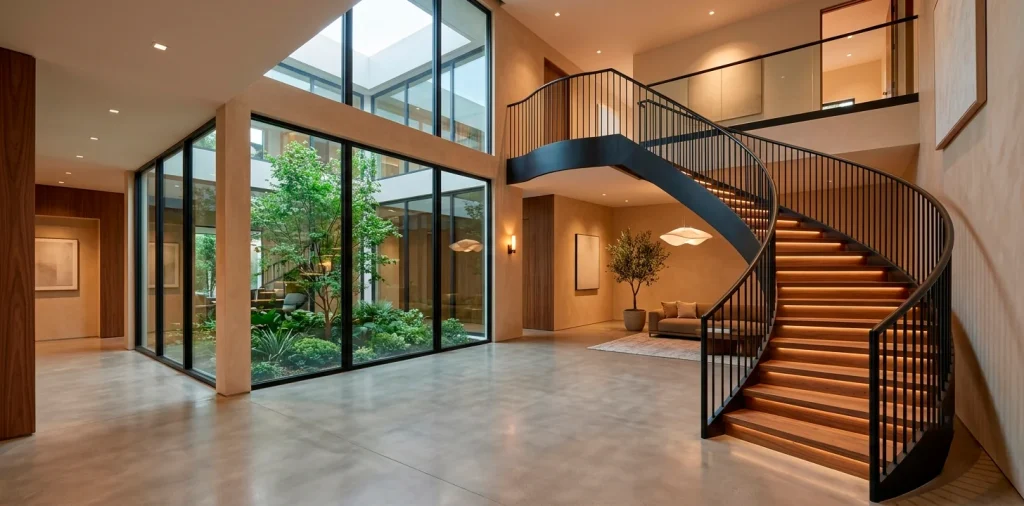

Tired of staring at a dingy, chipped metal handrail every time you walk up your steps? Mild steel staircase railings add incredible character, but only when they look fresh. I totally get it; maintaining metal sounds like a massive headache. Stick around, because keeping that steel flawless is surprisingly simple. Let me walk you through my foolproof prep and paint routine!
The Initial Assessment
Before you grab a brush, take a serious look at what you actually have in front of you. Mild steel oxidizes rapidly if moisture creeps through the finish.
Inspect every inch of your railing from the baseplates to the handrails. You need to identify every tiny patch of rust, bubbling paint, or loose flakes. I once ignored a tiny rust bubble on my basement railing, and it spread like wildfire within months.
Grab a flashlight and hunt down those weak spots. Knowing exactly where the damage lives dictates how much elbow grease you need for the next step.

Degreasing and Cleaning
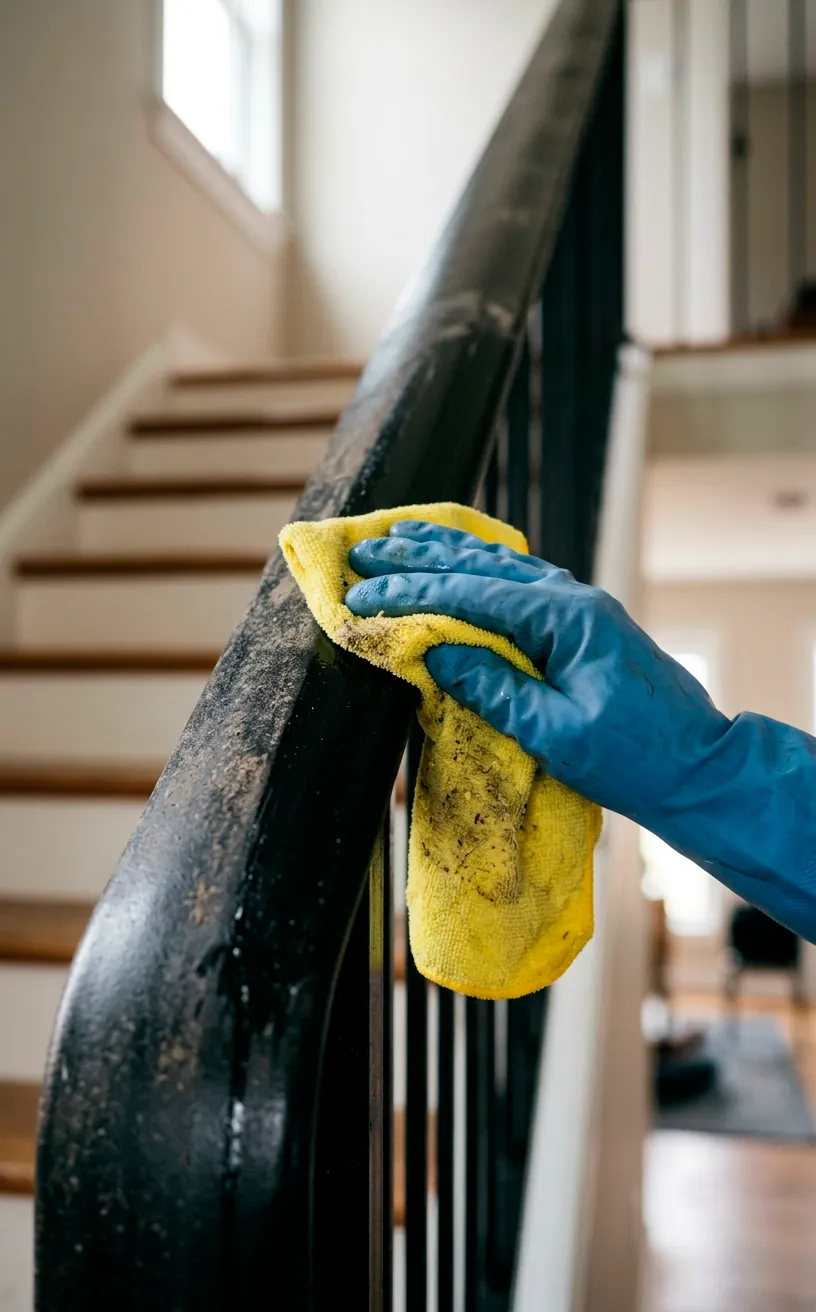
You absolutely cannot paint over a layer of grimy handprints and expect a smooth finish. Mild steel accumulates hand oils, dust, and random household grime faster than you realize. I always start my railing projects with a heavy-duty degreaser or a TSP substitute. Spray the entire structure down and scrub it with a coarse sponge. Your paint needs a pristine surface to grip properly. Rinse the metal thoroughly with clean water and dry it completely with microfiber towels. If you skip this washing phase, your fresh paint will literally peel off in sheets by next week.
Eradicating the Rust
Now we enter the battlefield. Rust is the ultimate enemy of mild steel.
Grab a stiff wire brush or a drill attachment to aggressively knock off any loose rust flakes. You want to expose the bare, shiny metal underneath.
Ever tried painting over rust? Spoiler alert: it looks terrible and continues corroding the steel beneath your fresh topcoat.
For stubborn spots, I highly recommend a chemical rust converter. It chemically transforms the residual oxidation into a hard, paintable surface. This extra step ensures those pesky orange spots never return to haunt your beautiful staircase.

The Mandatory Sanding Phase
Sanding smooths out the transitions between the bare metal and the old paint layer. You must scuff up the existing finish so the new primer has something to bite into. I typically run a medium-grit sanding sponge over the entire railing, paying close attention to the intricate spindles. Smooth steel is simply too slick for paint adhesion.
A 120-grit sandpaper works wonders for this exact job. Spend extra time smoothing out the edges where chipped paint meets bare steel. Once you finish scuffing everything, wipe the dust off completely with a tack cloth or a damp rag.

Taping Off Your Work Area
Do not underestimate the sheer destructive power of rogue paint splatters. Masking off your work zone saves your beautiful flooring from permanent ruin. Tape down heavy canvas drop cloths beneath the entire staircase. Secure the edges with high-quality painters tape, making sure to wrap the tape tightly around the bottom brackets where the steel meets your floor. IMO, taking twenty minutes to properly protect your surrounding walls and stairs beats spending hours scrubbing dried enamel off your hardwood floors. Protect your space like an absolute pro.

Applying a Rust-Inhibitive Primer
Primer seals the deal. Mild steel absolutely requires a rust-inhibitive primer to lock out moisture permanently.
Spray primer works brilliantly for getting into tight decorative corners, but a brush-on primer offers thicker protection for the main handrail. Apply a solid, even coat across all the bare metal spots you exposed during sanding.
You usually do not need to prime the old paint if it still firmly attaches to the rail. Just focus your primer efforts on the bare steel zones and let it dry fully. Your primer acts as the ultimate shield against future corrosion.

Choosing the Ultimate Topcoat
Choosing the right paint dictates how well your railing survives daily wear and tear. Oil-based enamels or Direct-to-Metal (DTM) acrylics provide the most durable, rock-hard finishes. I personally prefer DTM acrylics because they dry faster, emit fewer toxic fumes, and resist yellowing over time.
Think about your sheen carefully. A high-gloss finish highlights every single flaw and dent in the metal, whereas a satin or semi-gloss finish hides imperfections beautifully while remaining easy to wipe clean. Pick a color that elevates your hallway aesthetic and buy a premium product.

The Application Process
Application technique separates a messy DIY job from a professional masterpiece.
Start by tackling the tricky brackets, spindles, and tight corners with a small angled brush. You want to push the paint into every crevice before addressing the long, flat sections.
Switch to a mini foam roller for the main handrail to achieve a flawless, brush-stroke-free finish.
Apply multiple thin coats rather than one thick, drippy layer. Thick paint sags, drips, and takes weeks to harden completely. Two thin coats deliver a much stronger, more resilient shell for your mild steel.

Respecting the Curing Time
Patience is your greatest virtue right now. Dry to the touch does not mean the paint is fully cured and ready for heavy traffic. Most metal paints need at least several days to harden off completely. Warn your family to keep their hands off the railing immediately! 😅 If someone grabs the handrail forcefully on day two, they might leave a permanent indent or peel the fresh coating right off the steel. Give your beautiful new finish the respect and time it deserves to bond permanently. Proper curing prevents annoying chips down the road.

Long-Term Maintenance Strategy
Once your railing looks showroom fresh, you definitely want to keep it that way. Routine maintenance requires nothing more than a damp microfiber cloth and a drop of mild dish soap.
Never use harsh abrasive cleaners, scouring pads, or bleach on painted mild steel. These aggressive chemicals strip the protective sheen and leave the metal vulnerable to moisture. Simply wipe down the handrail every few weeks to remove acidic hand oils. A well-maintained steel railing seamlessly compliments those bold copper exposed brick industrial design trends you might feature in your home.

Quick Touch-Up Protocol
Life happens, and eventually, someone will smack a heavy piece of furniture against your pristine staircase railing. Do not panic when a chip exposes the bare steel underneath.
Address scratches immediately before ambient moisture turns them into rust pockets. Lightly dab a tiny amount of your leftover DTM paint directly onto the chip using a fine artist’s brush.
This quick localized touch-up blends seamlessly into the existing finish and seals the protective barrier. Keeping a small jar of leftover paint in your utility room saves you from repainting the entire structure later.

Conclusion
Wrapping up your mild steel railing project feels incredibly rewarding. You tackled the rust, prepped the surface like a champion, and applied a flawless finish that will easily last for years. Consistent maintenance and quick touch-ups ensure your handrail stays stunning through daily family life. Which paint color are you choosing for your staircase upgrade? Let me know in the comments!
Related posts
See All15 Vintage Circus Inspired Details for Playful Kids Bedroom Decor
Bring the magic of the big top home! Discover 15 playful, vintage circus-inspired decor details that will transform your kid's …
Read moreThe Complete Guide to Styling a Dining Room Credenza for Everyday Elegance
Give your dining room credenza the ultimate glow-up. Discover easy, elegant styling tips that balance everyday function with show-stopping design.
Read more15 Dried Citrus and Cinnamon Garlands for a Naturally Cozy Kitchen
Forget mass-produced decorations. Transform your kitchen into a naturally cozy, aromatic sanctuary with these 15 beautiful dried citrus and cinnamon …
Read moreThe Dog-Friendly Camper: Designing a Van Interior for Your Pets
Transform your camper van into the ultimate dog-friendly adventure mobile! Discover clever interior design hacks, durable materials, and cozy setups …
Read more