












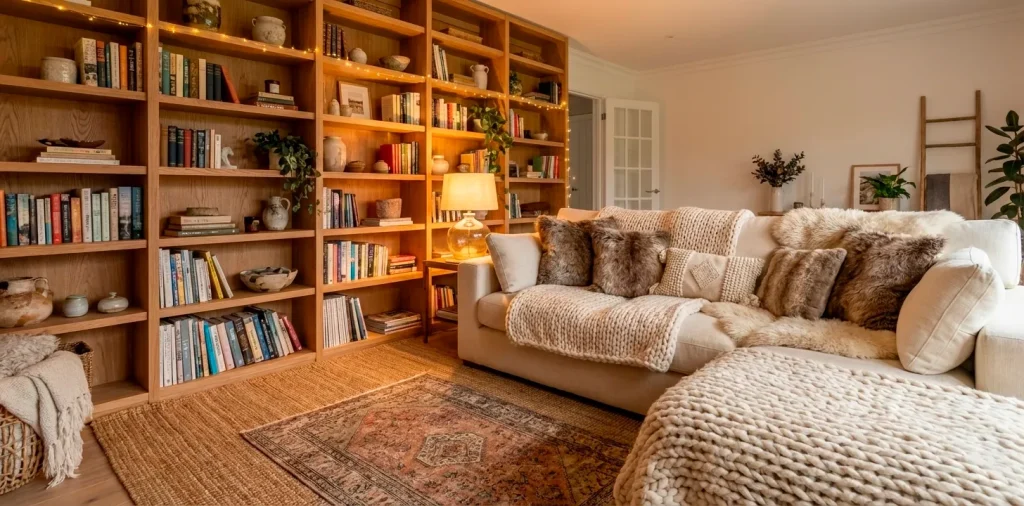

Walking into a room that feels like a cold doctor’s waiting room actually hurts my soul. You know the vibe—everything is flat, grey, and suspiciously shiny. I once spent an entire weekend at my cousin’s new apartment where the only “texture” was a leather sofa that made a squeaking sound every time I moved. We deserve better than squeaky leather and echoing walls, don’t you think?
I’ve spent years obsessing over how to make small, awkward spaces feel like a warm hug. The secret isn’t a massive renovation or a million-dollar budget; it’s all about the layers. Adding texture changes the way light hits a room and, more importantly, how you feel when you flop down after a long day. If you’re ready to ditch the “sterile hospital” look for something that feels lived-in and loved, you’re in the right place.
1. The Magic of Built-in Bookshelves and Paper Backs
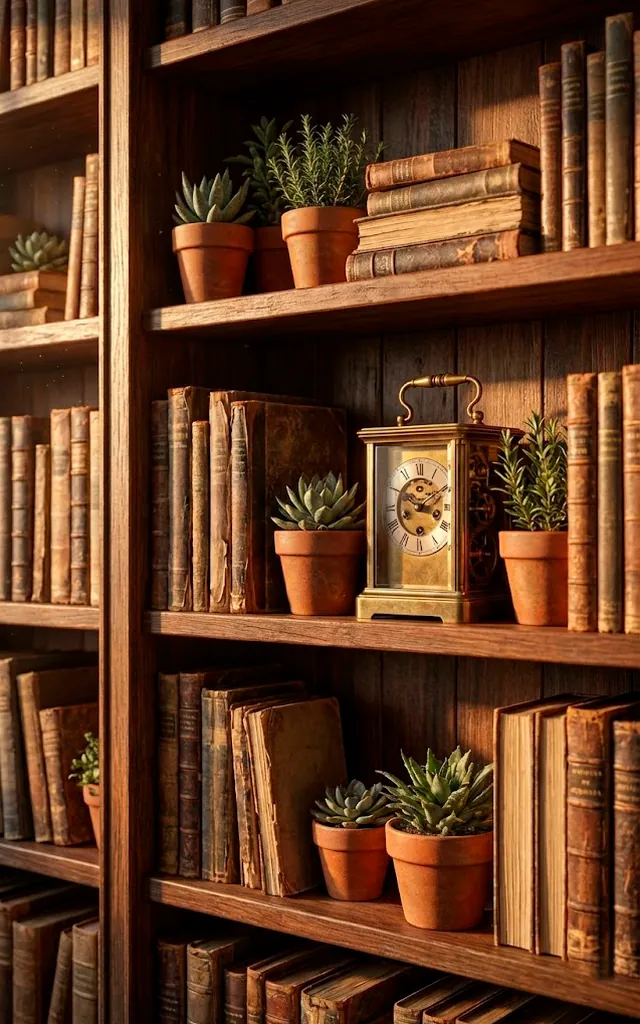
I truly believe a wall of books acts as the ultimate acoustic and visual insulator. There is something about the uneven spines of vintage books that softens a room instantly. I remember building my first set of “faux” built-ins in a tiny attic apartment, and the transformation felt like magic. Do you ever just stare at a bookshelf and feel your heart rate drop?
When you fill shelves with a mix of old paperbacks, textured ceramics, and small plants, you create a focal point that breathes. I always mix vertical and horizontal stacks to keep the eye moving. Adding a string of warm fairy lights across the top shelf provides that “ethereal glow” that makes a rainy Tuesday feel like a scene from a movie. It’s the easiest way to add depth without cluttering your floor space.

2. Chunky Knits and the “Double Blanket” Rule
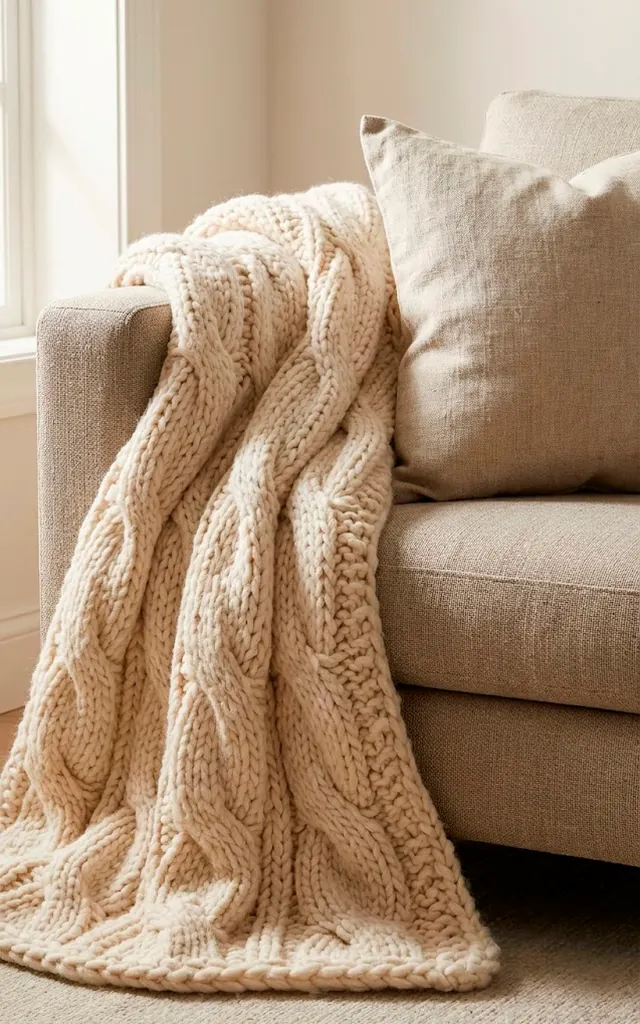
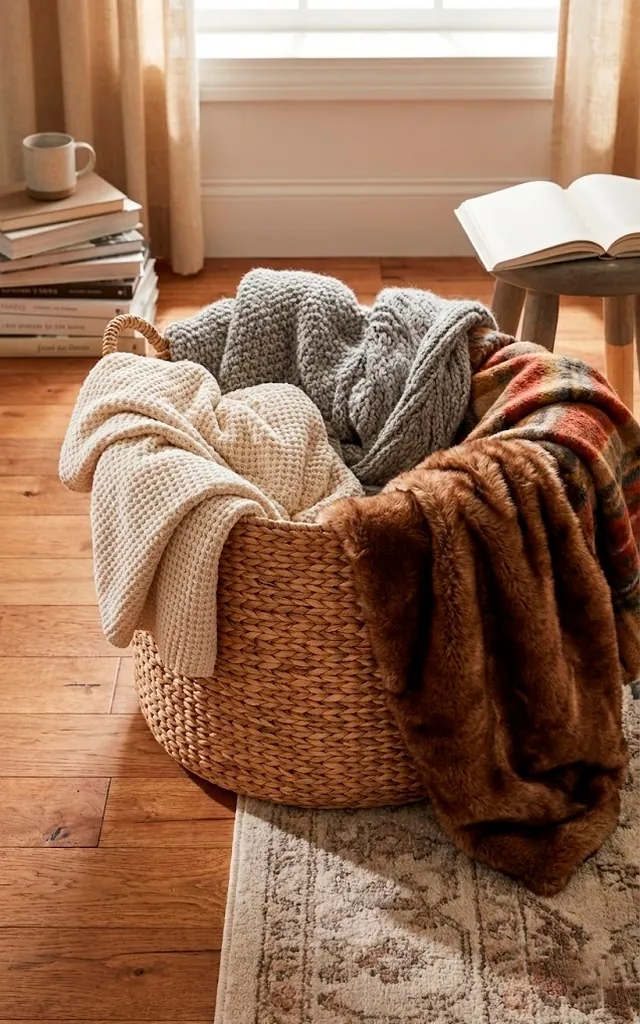
If your sofa looks a bit lonely, it probably needs a heavy-duty knit. I’m not talking about those thin, scratchy throws that offer zero warmth. I mean the oversized, chunky cable-knit blankets that weigh enough to make you feel secure. Why settle for one blanket when you can layer two different textures?
I always throw a smooth cotton blanket down first and then layer a heavy knit on top at an angle. This creates a “rumpled but intentional” look that screams comfort. Heavily textured blankets break up the flat surface of a sofa and hide the fact that you haven’t vacuumed the cushions in a week. Sarcasm aside, it really is the most functional decor choice you can make.
3. Natural Wood Elements to Ground the Space
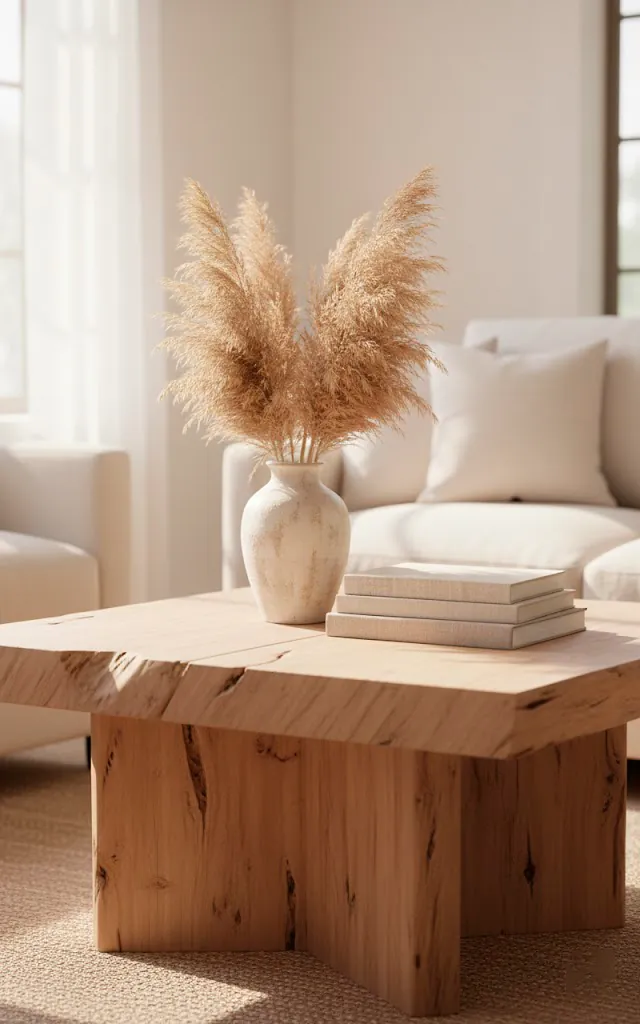
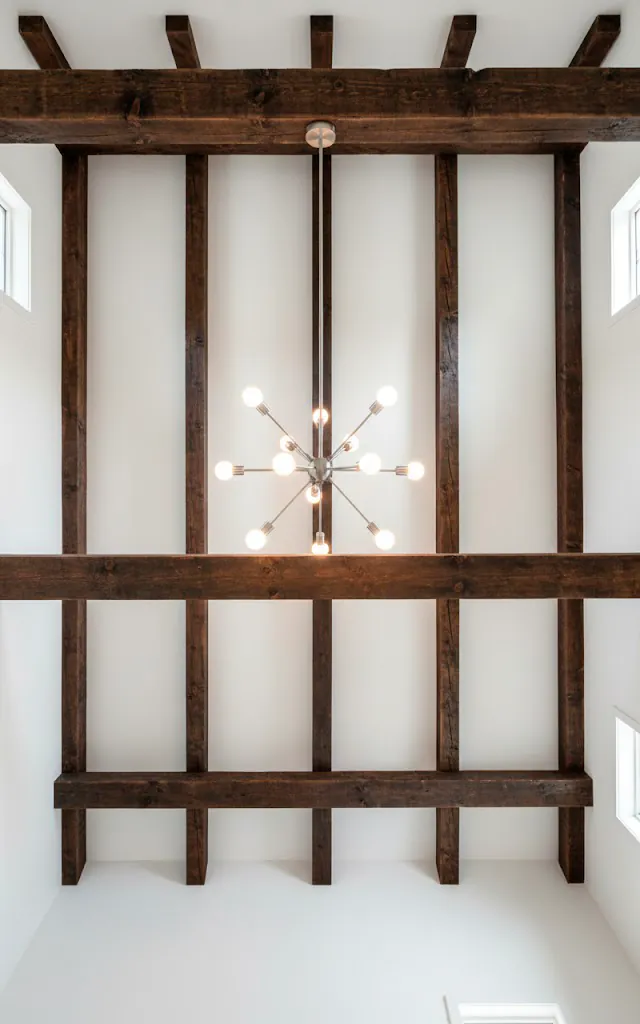
Flat, laminated surfaces are the enemy of a cozy home. I always try to bring in raw or reclaimed wood whenever I can. Whether it’s a rustic coffee table or just a few wooden beams on the ceiling, wood adds an organic “grain” that plastic or metal just can’t mimic. Have you noticed how much warmer a room feels when there’s a bit of oak or pine involved?
In my own living room, I replaced a glass coffee table with a thick, reclaimed wood slab, and the “echo” in the room literally disappeared. Wood brings an earthy scent and a tactile roughness that balances out soft fabrics like velvet or silk. It’s the “yin” to your blanket’s “yang.” Plus, wood ages beautifully, gaining more character while your flat-pack furniture just falls apart. 🙂
4. Woven Wall Hangings Instead of Flat Art
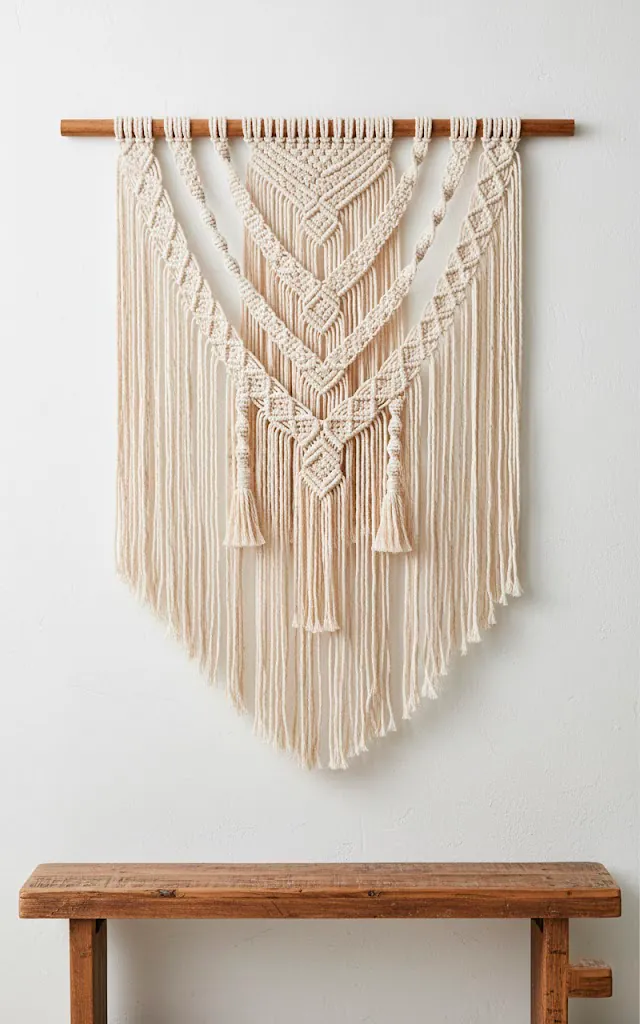
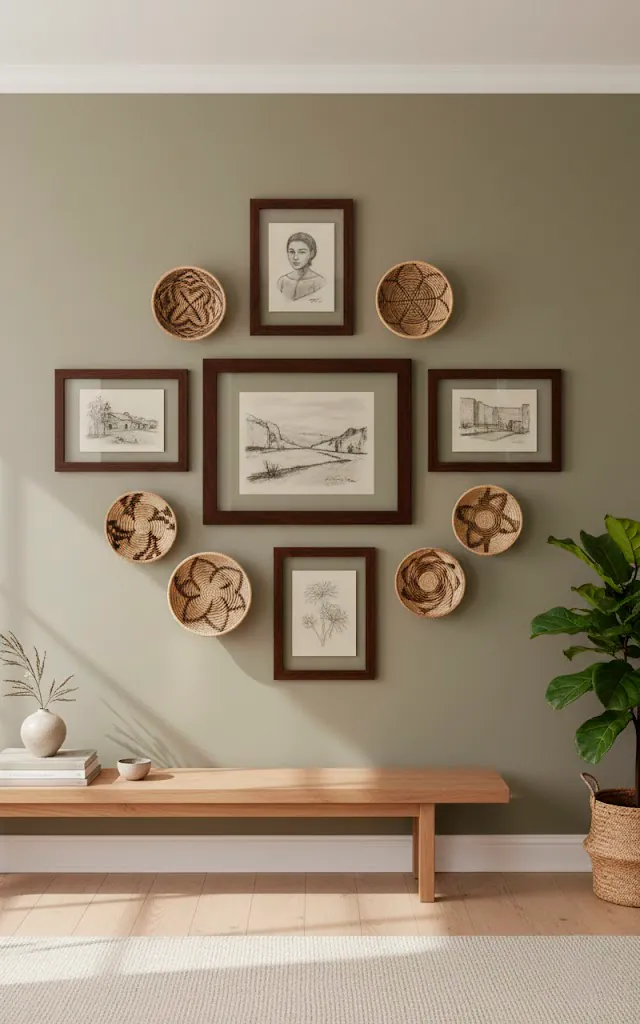
Don’t get me wrong, I love a good framed print, but sometimes walls need more than just 2D images. I’m a huge fan of macramé or woven tapestries to add soft volume to a vertical space. Woven wall art absorbs sound and adds a physical layer of “fuzziness” that makes a room feel wrapped in fabric. I once hung a large, textured fiber piece over my bed, and it felt like the room’s temperature went up five degrees. It’s a great way to fill a large empty wall without spending a fortune on “fine art.” IMO, a handmade-looking textile is way more interesting to look at than a generic sunset poster from a big-box store.
5. Faux Fur and the Luxury of “Softness”
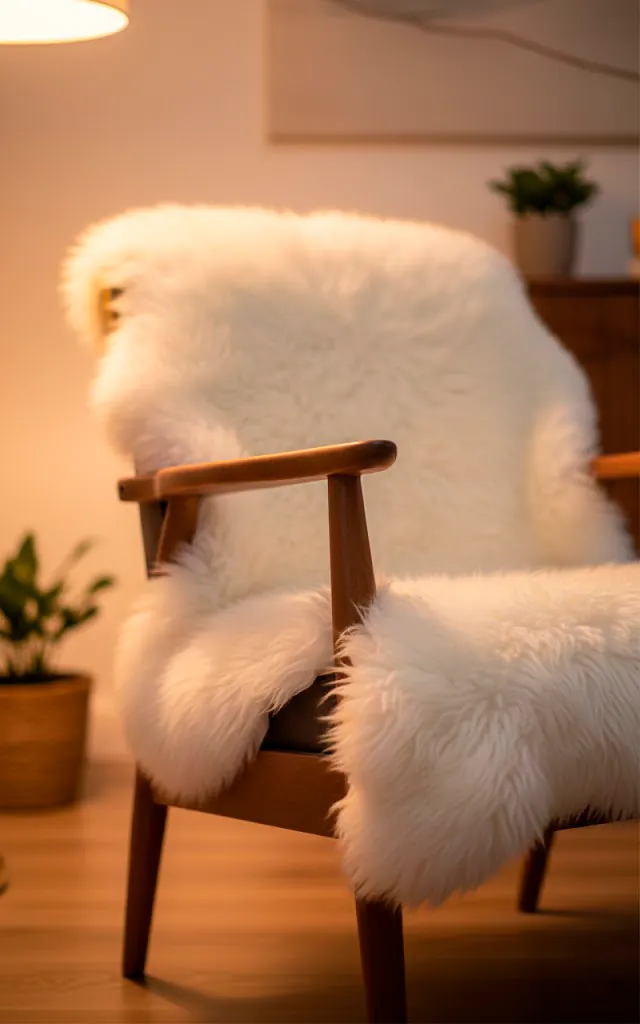
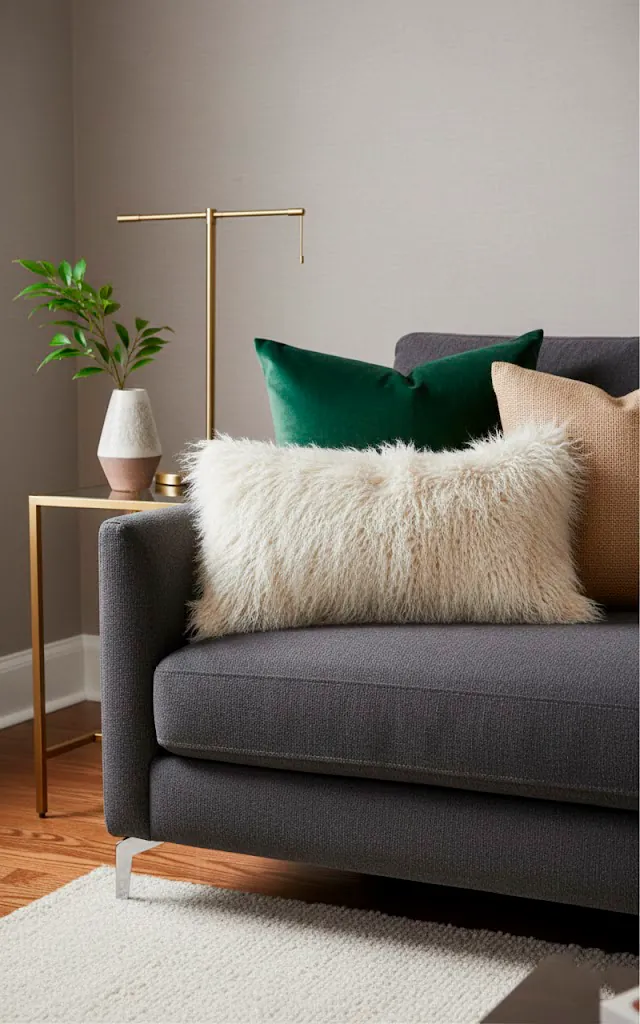
Let’s talk about faux fur without making it look like a 1970s bachelor pad. The key is subtlety. A single sheepskin (faux, of course) tossed over a wooden chair or a couple of high-quality fur pillows on the bed can change everything. Faux fur provides a high-contrast texture that looks expensive and feels incredibly indulgent against your skin.
I have a white faux fur rug that my cat has basically claimed as his throne, and I can’t even be mad because it looks so good. Just make sure you choose pieces with a varied pile height so they look more like the real deal and less like a Muppet. FYI, these are also amazing for hiding “less than perfect” upholstery on older furniture.
6. Jute and Sisal: The Foundation of Texture
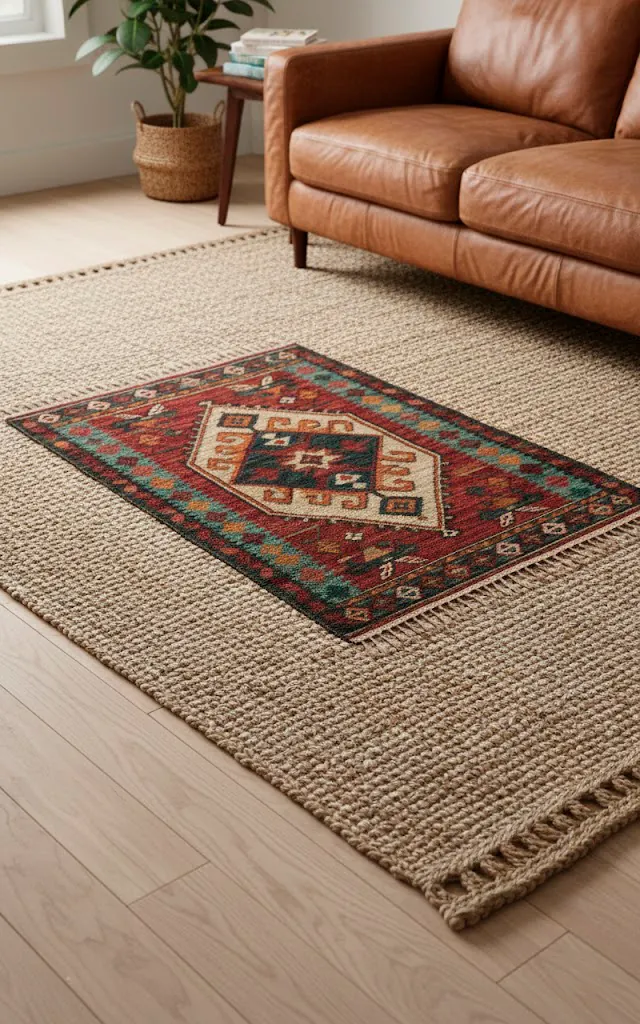
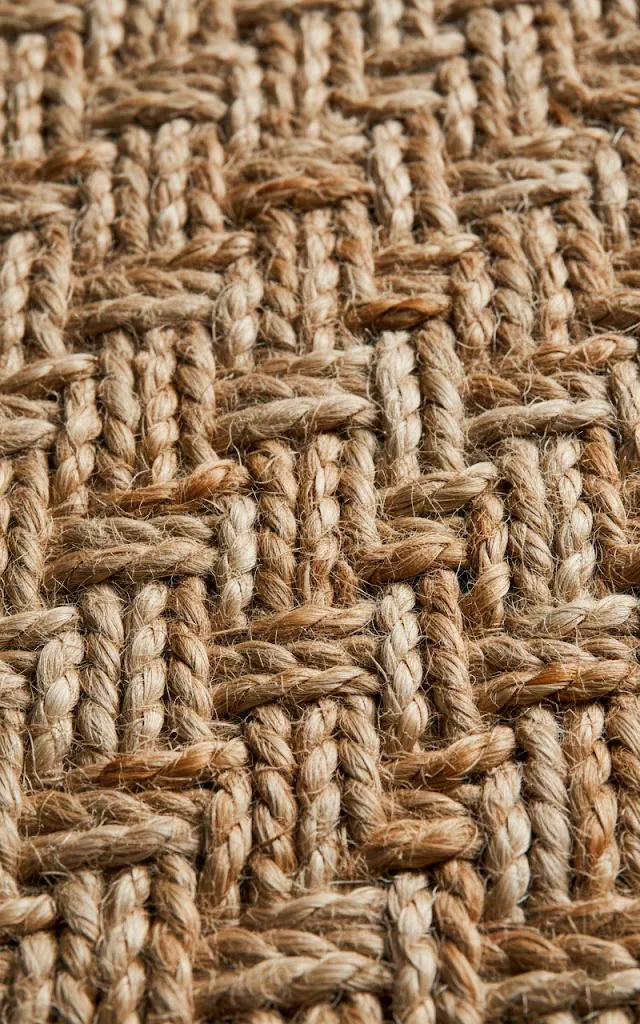
If you want that “organic” look, you have to start from the floor up. Natural fiber rugs like jute or sisal are the workhorses of interior design. They are durable, relatively cheap, and provide a fantastic scratchy-meets-soft texture that grounds the furniture. Ever tried layering a smaller, soft patterned rug over a large jute one?
It’s the oldest trick in the book, and it works every single time. The chunky weave of a jute rug provides a massive amount of visual interest that a flat-weave rug just can’t provide. It’s like adding a giant woven basket to your floor. Just be prepared: your bare feet will get a mini-massage every time you walk across the room.
7. Potted Greenery and Clay Textures
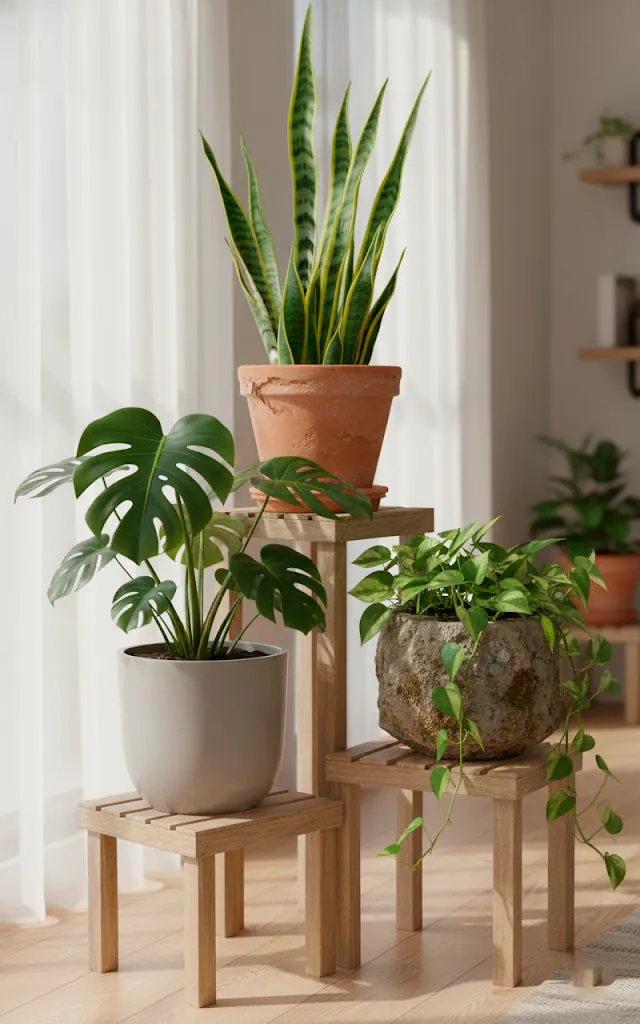
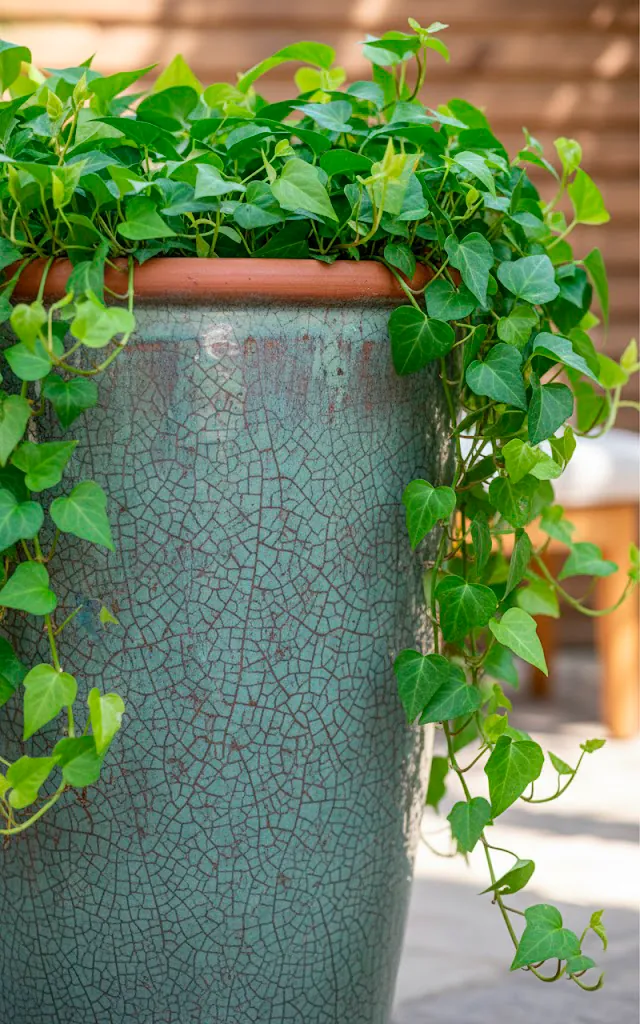
Plants are technically “living texture,” and no room is complete without them. But it’s not just the leaves—it’s the pots! I avoid plastic pots like the plague. Instead, I go for matte ceramics, pitted stone, or porous terracotta. The rough, sandy surface of a clay pot provides a beautiful earthy contrast to the waxy leaves of a Monstera or a Fiddle Leaf Fig.
I once went overboard and turned my living room into a literal jungle, but hey, at least the air was clean. Using pots of different heights and materials creates a “mini-landscape” inside your home. Don’t you think a room feels more “alive” when there’s something actually growing in the corner?
8. Ambient Lighting and Textured Glass
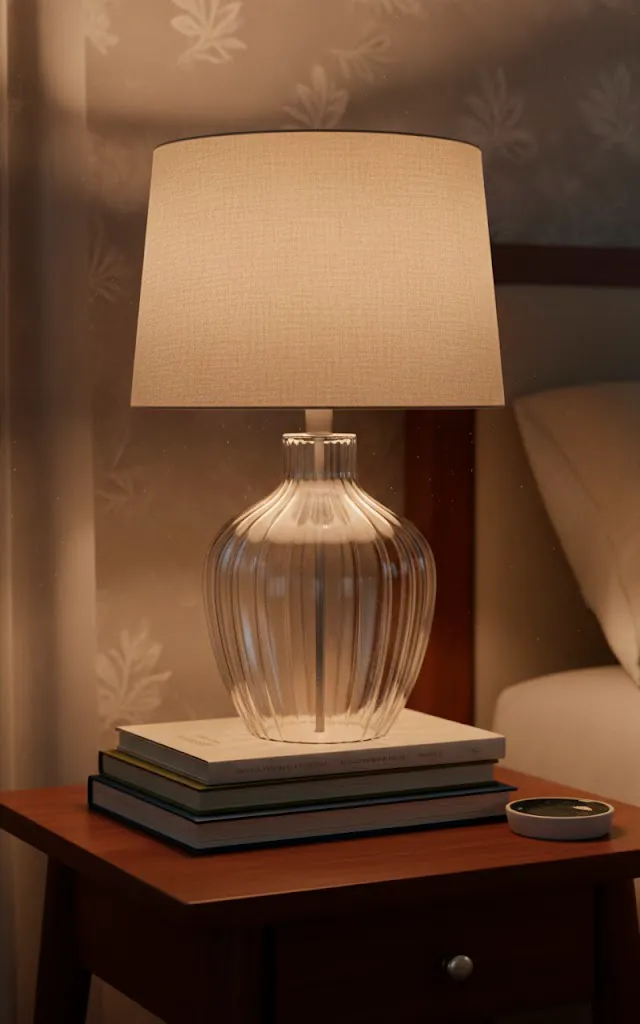
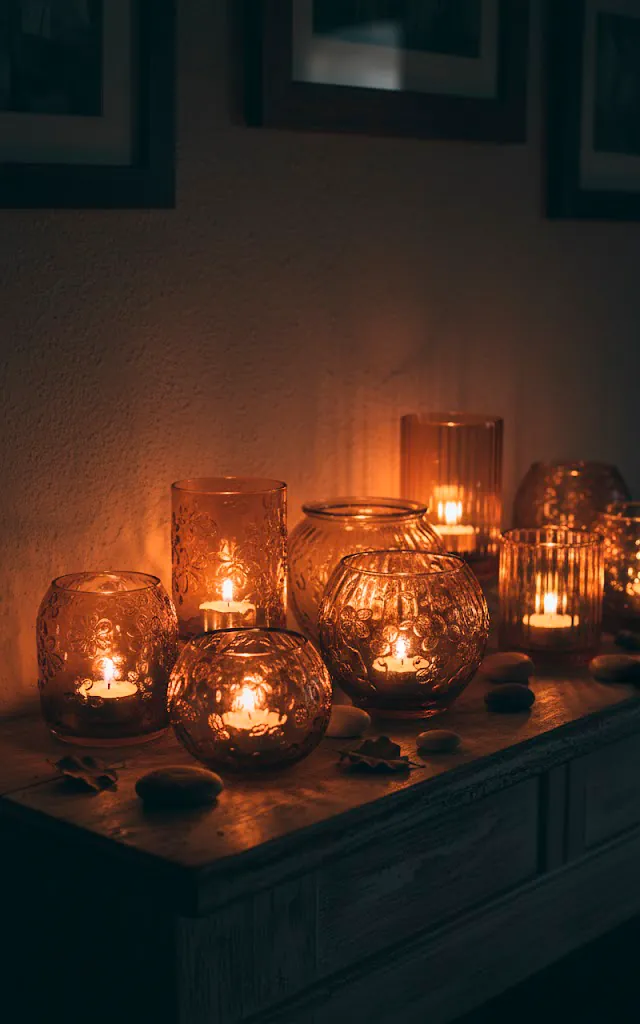
Finally, let’s talk about light. Hard, overhead lighting is the quickest way to kill a “cozy” vibe. You need layers of light, just like you need layers of blankets. I love using textured glass lamps—think seeded glass, ribbed glass, or frosted finishes. When light passes through textured glass, it scatters in a way that creates soft patterns on your walls, adding a final “unseen” layer of texture.
I switched all my bulbs to “warm white” (around 2700K) and added a couple of dimmers. It changed everything. Pairing a ribbed glass lamp with a linen lampshade creates a sophisticated mix of hard and soft textures. It’s the finishing touch that ties the whole “warm” look together. :/ (That’s me realizing I should have done this years ago).
Conclusion: Your Home, Just Crazier (and Cozier)
At the end of the day, making a space feel “warm” is just a fancy way of saying you’re making it feel like you. Texture is the tool that moves a room from “furniture showroom” to “human habitat.” By mixing your wood, your knits, your books, and your plants, you create a space that actually welcomes you back at the end of a long day.
Why live in a flat, boring world when you can live in a soft, textured one? Start with one chunky blanket or a few clay pots and see how it feels. I bet you’ll be hooked on the “hygge” life faster than you can say “where’s my tea?”
Related posts
See All15 Vintage Circus Inspired Details for Playful Kids Bedroom Decor
Bring the magic of the big top home! Discover 15 playful, vintage circus-inspired decor details that will transform your kid's …
Read moreThe Complete Guide to Styling a Dining Room Credenza for Everyday Elegance
Give your dining room credenza the ultimate glow-up. Discover easy, elegant styling tips that balance everyday function with show-stopping design.
Read more15 Dried Citrus and Cinnamon Garlands for a Naturally Cozy Kitchen
Forget mass-produced decorations. Transform your kitchen into a naturally cozy, aromatic sanctuary with these 15 beautiful dried citrus and cinnamon …
Read moreThe Dog-Friendly Camper: Designing a Van Interior for Your Pets
Transform your camper van into the ultimate dog-friendly adventure mobile! Discover clever interior design hacks, durable materials, and cozy setups …
Read more