












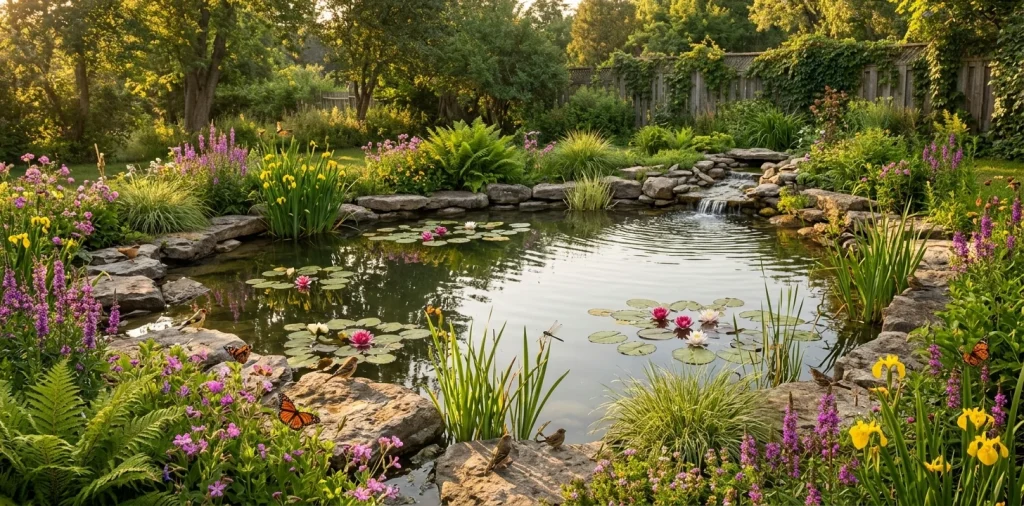

So, you want to turn that boring patch of grass into a buzzing wildlife haven? Building a wildlife pond is hands down the most rewarding backyard project I’ve ever tackled. It is not just about digging a hole; it is about rolling out the red carpet for birds, frogs, and butterflies. Let’s get our hands dirty and build a miniature oasis your local critters will absolutely love. 🐸
Picking the Perfect Spot
Location is everything, folks. You need a spot that gets a decent mix of sunlight and shade so your plants thrive without turning the water into green pea soup. I originally put my first pond right under a massive oak tree, which meant I spent half my life fishing out dead leaves and cursing at the wind. Learn from my mistakes! Find a lovely, level area that gets about four to six hours of sunlight daily, positioned far away from overhanging deciduous trees. This simple planning step saves you hours of exhausting maintenance later.

Digging In
Ready for a serious workout? Grab your favorite spade and some gloves because it is officially time to start digging.
You do not need an Olympic-sized swimming pool to attract wildlife. Even a tiny, three-foot puddle works wonders, but aiming for varying depths is the real secret sauce. Dig a deeper central zone (about two feet down) to keep water cool in summer and prevent it from freezing solid in winter.
Then, carve out wide, shallow shelves along the edges. These shelves are prime real estate for aquatic plants and provide essential stepping stones for thirsty critters. Honestly, just visualizing the frogs sunbathing here makes the temporary backache totally worth it.

Choosing the Right Liner
Unless your soil is pure clay, you need something to keep the water from draining away. Pre-formed tubs are okay, but they are incredibly stubborn if your hole isn’t shaped perfectly. Flexible EPDM rubber liners are the undisputed champions here.
They bend beautifully, stretch easily, and forgive all those weird bumps you forgot to dig out. I highly recommend grabbing an underlayment too—or just use old carpet scraps. You do not want a sneaky root poking a hole in your brand-new liner! If you want to skip digging, check out how to create a stunning stock tank water lily garden instead.

Adding Rocks and Pebbles
Now we have to cover up that ugly black liner.
I love using a wild, natural mix of large boulders and small river stones to create an authentic look.
Start by placing your biggest rocks strategically around the edges to anchor the liner down securely. Make sure you hide every single inch of plastic because harsh UV rays will eventually degrade the material, and honestly, bare liner just looks tacky.
Fill all the remaining gaps with smaller pea gravel. This creates tiny crevices where beneficial bacteria can live, keeping your water crystal clear without chemicals. Plus, frogs absolutely love squeezing into these rocky hideouts to cool off.

Essential Pond Plants
Plants are the actual lungs of your aquatic ecosystem. You need a solid variety to keep the water healthy and the wildlife happy.
Essential plant categories for your pond:
- Submerged oxygenators: Keep the water clear and breathable.
- Floating plants: Lilies provide crucial shade for frogs.
- Marginal plants: Tall grasses for dragonflies to climb.
Do not skip the marginals! Dragonflies rely on tall, stiff stems to crawl out of the water when hatching. I tossed in creeping jenny last spring, and the butterflies swarmed it instantly.

Creating a Sloped Beach
Ever wondered how hedgehogs, squirrels, or birds drink without falling in? They desperately need a gently sloped beach! A steep, sudden drop-off is basically a dangerous trap for clumsy wildlife. You must build a sloping entry point using smooth pebbles and very shallow water. This creates a safe bathing zone for songbirds and an easy exit route for mammals that take an accidental dip. I usually scatter flat, submerged slate stones right at the waterline. Watching a chubby robin splash on its private stone patio is the best part of having a pond, IMO.

No Fish Allowed?
Here is a controversial take that surprises many beginners: keep fish out of your wildlife pond entirely. I know those brightly colored koi are gorgeous, but they basically treat frogspawn and dragonfly nymphs like a free, unlimited buffet.
If your ultimate goal is to attract a diverse, thriving local ecosystem, fish will absolutely ruin the party. Stick to native amphibians and aquatic insects instead. You will be completely amazed at how quickly water boatmen, frogs, and newts show up on their own when there are no hungry fish patrolling the waters.

Moving Water Features
Still water is great, but moving water is a literal magnet for thirsty birds.
The delightful sound of a gentle trickle carries across the yard and basically screams ‘free drinks!’ to every flying creature in the neighborhood.
You definitely do not need a massive, power-hungry waterfall to achieve this. A simple solar-powered bubbler or a tiny, discreet spitter feature works perfectly.
Just ensure the flow is gentle and relaxing. Water lilies absolutely hate being splashed, and a raging torrent will just stress out your peaceful frog friends. Keep it subtle, keep it soothing, and watch the wildlife flock.

Letting Nature Take Over
Once your beautiful pond is filled and planted, you have to do the absolute hardest thing ever: leave it alone. The water will probably turn a murky green for a few weeks—FYI, do not panic! This is just the natural algae bloom that happens before the larger aquatic plants establish themselves and starve out the floating algae. Resist the sudden urge to dump harsh clarifier chemicals into it. Just give it a month, let the tiny ecosystem balance itself out, and mother nature will gladly do all the heavy lifting for you.

Dealing with Mosquitoes
Everyone panics about mosquitoes when they hear the word ‘pond’. I completely get it, nobody wants a buzzing mosquito breeding factory in their backyard!
But here is the reassuring secret: a healthy, balanced wildlife pond actually controls mosquito populations naturally. Once the predators arrive—like dragonflies, frogs, and hungry water beetles—they will greedily feast on mosquito larvae before they ever hatch into bloodsuckers.
If you are really worried during the first few weeks, just drop a Mosquito Dunk in. They use a natural bacteria that targets only mosquitoes and is totally harmless to birds.

Nighttime Pond Magic
Your backyard oasis does not just shut down when the sun goes down. Frogs sing louder, fascinating nocturnal insects visit, and it transforms into a completely different, mysterious world.
I absolutely love sitting by the water at night, but you need the right subtle ambiance so you don’t blind or spook the tiny residents. Use very dim, warm-toned solar lights tucked carefully into the surrounding rocks. If you want to take your twilight garden aesthetics to the next level, I highly recommend checking out these magical pond lighting ideas for night.

Conclusion
Building a wildlife pond is truly a gift that keeps on giving. You are not just upgrading your garden’s aesthetic; you are actively supporting your local ecosystem and providing a vital sanctuary for nature. So, grab a shovel, get a little muddy, and start digging your own backyard oasis! 🌿 What kind of critters are you hoping to attract first? Let me know in the comments!
Related posts
See AllStyling Macramé and Rattan for an Authentic Boho Balcony
Transform your boring balcony into an authentic bohemian oasis using the magic of macramé and rattan. Get practical styling tips, …
Read moreCapturing the Coastal Grandmother Essence: 10 Wedding Ideas
Ready to channel your inner Nancy Meyers for your big day? Discover 10 breezy, elegant Coastal Grandmother wedding ideas that …
Read more15 Matte Black and Cedar Porch Ideas for a Striking Modern Farmhouse Facade
Give your modern farmhouse facade a serious upgrade. Discover 15 striking matte black and warm cedar porch ideas to instantly …
Read more15 Sleek Concrete Mini Pond Ideas for an Industrial Chic Patio
Upgrade your patio with these edgy, modern concrete mini pond ideas. From fire-and-water bowls to brutalist troughs, discover how to …
Read more