












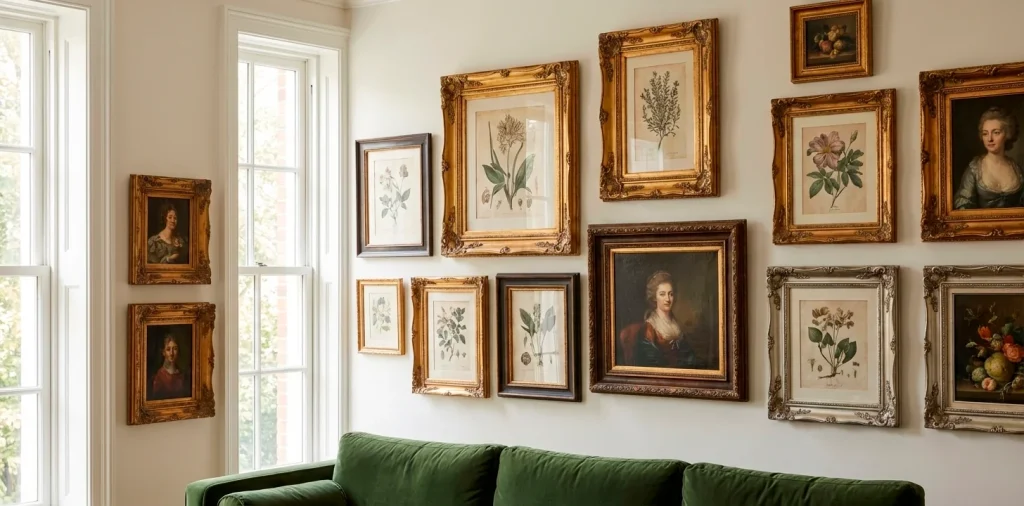

Forget those mass-produced plastic frames that everyone and their mother bought from the big-box store last Tuesday. You want a home that feels like a lived-in story, not a showroom floor. I still remember the first time I dragged home a soot-covered, ornate Victorian frame from a rainy flea market; my partner thought I had lost my mind. After a little scrubbing and a fresh print, that ‘trash’ became the most talked-about piece in our house. Antique frames bring a weight, a history, and a level of craftsmanship that modern replicas just cannot touch. If you want to transform a boring hallway into a museum-worthy experience, you are in the right place. Let’s get your walls looking expensive without the designer price tag.
Hunting for Hidden Treasures
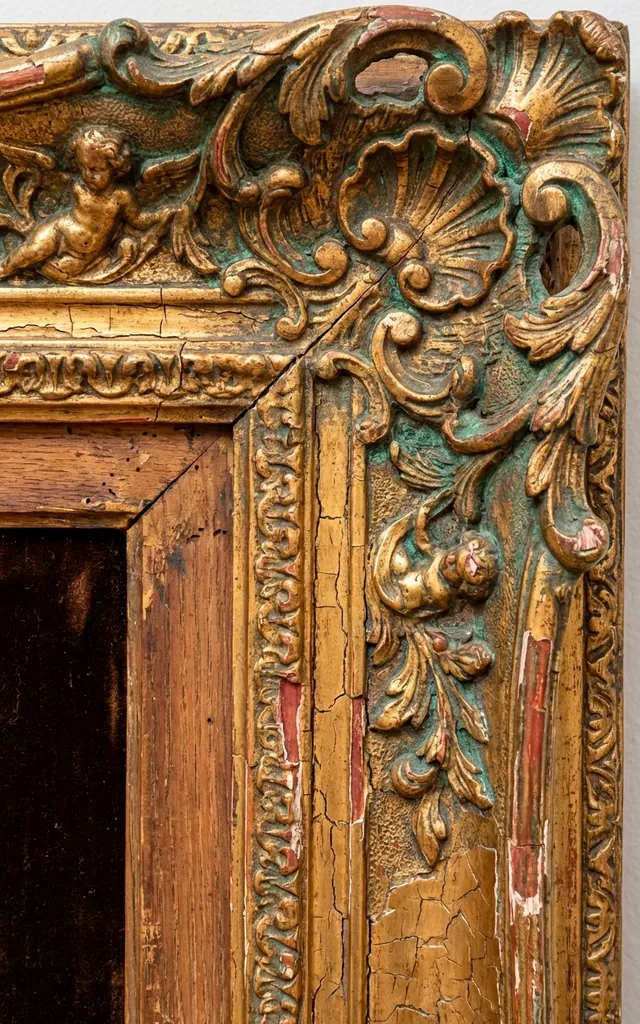
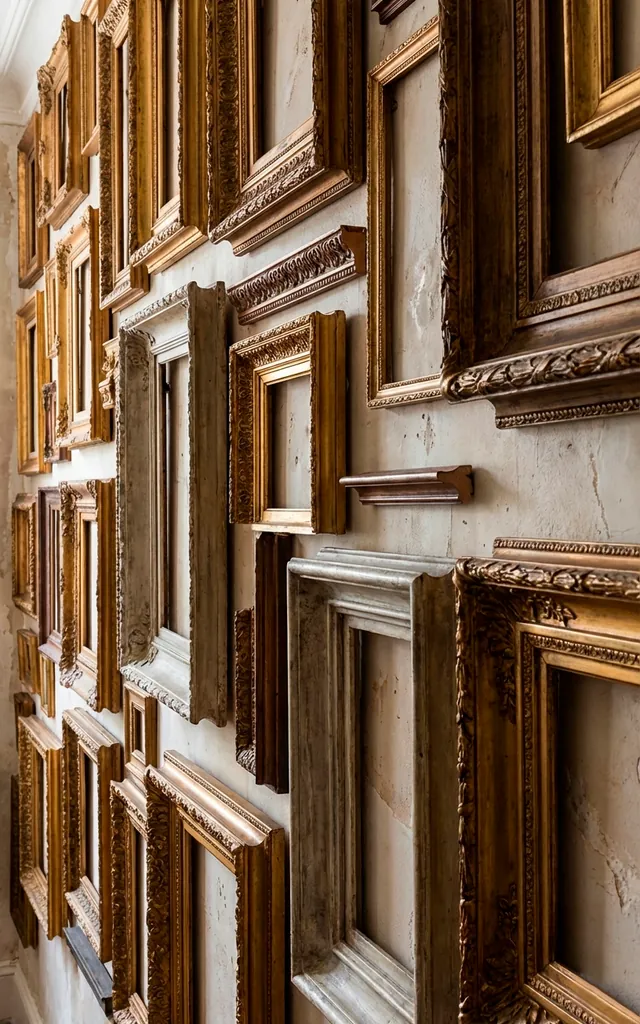
The hunt for the perfect frame starts in the dustiest corners of your local thrift stores and estate sales. Look for solid wood or plaster-on-wood constructions rather than cheap modern composites. I always carry a small magnet to check if any ‘metal’ frames are actually brass or just painted tin. Don’t worry about chipped paint or a little grime; we call that ‘character’ in the trade. However, you should avoid frames with structural rot or active pest holes unless you want a literal bug problem. Focus on the shape and the intricate carvings. Can you see the potential under that hideous 1970s velvet matting? I promise it’s there. Finding a $5 masterpiece feels better than winning the lottery, or at least it feels better than paying full price at a boutique.
Mastering the Art of the Mismatch
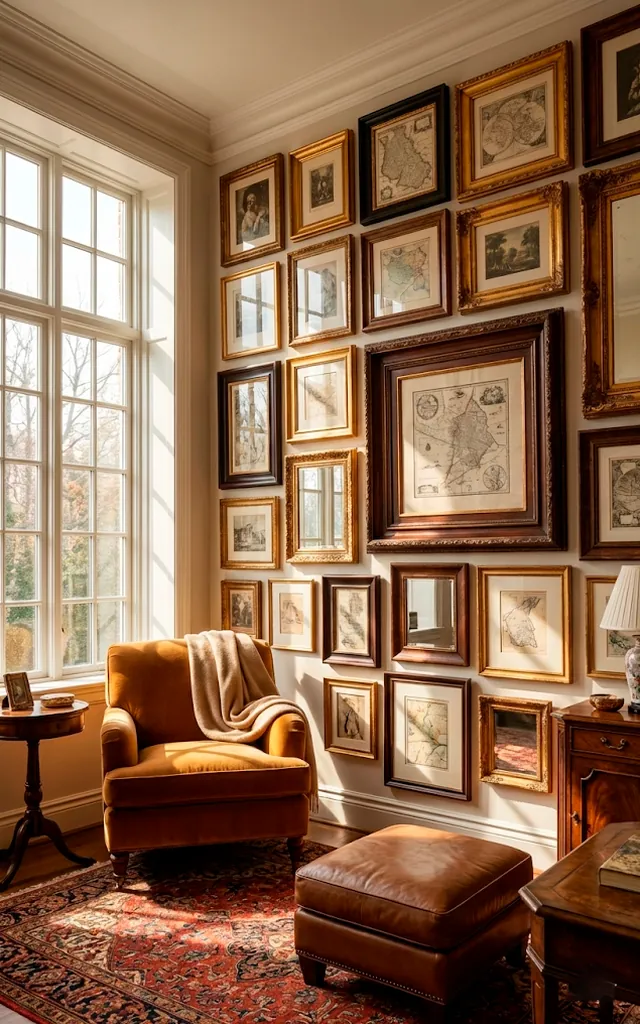
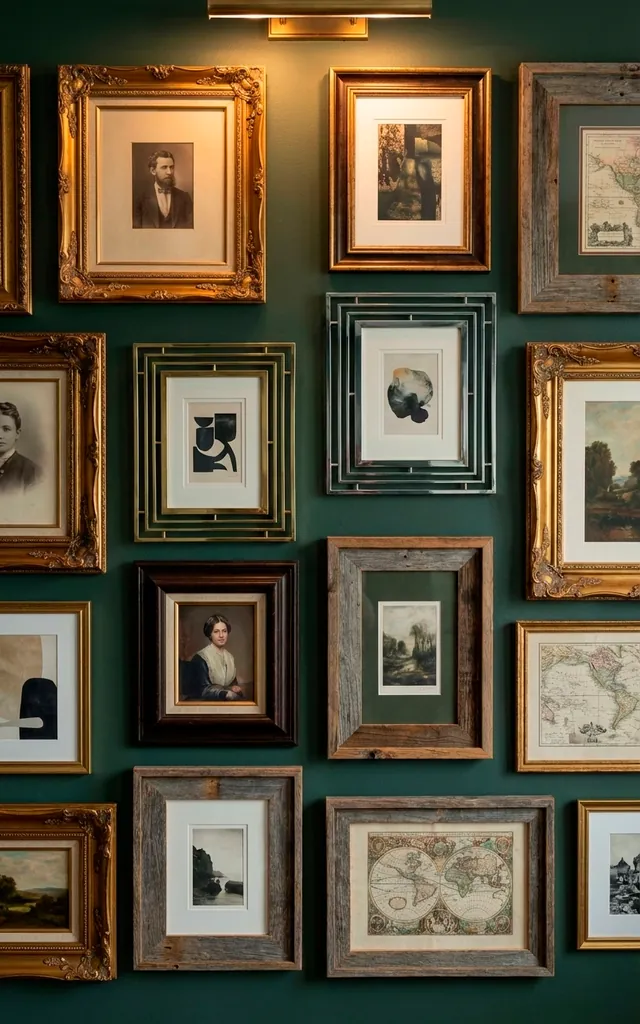
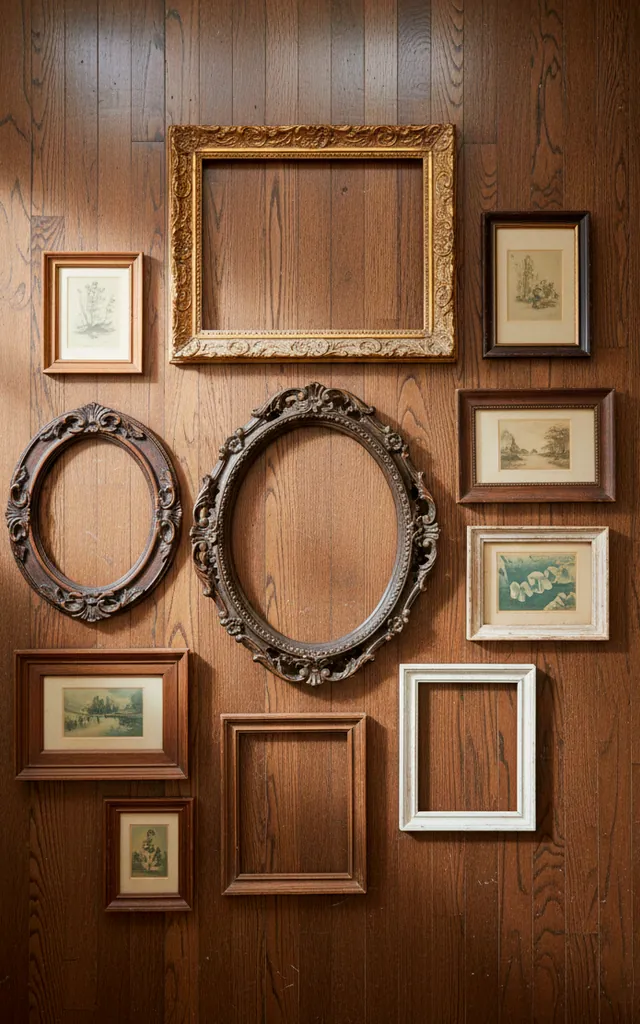
You might think every frame needs to match, but that’s a one-way ticket to Boredom Town. Mixing different finishes like tarnished silver, warm walnut, and bright gold creates a dynamic visual rhythm. IMO, the most successful gallery walls thrive on a shared element, like a consistent color palette in the art itself or a similar ‘weight’ in the frame styles. If you have one massive, chunky frame, balance it with three or four smaller, daintier ones nearby. Vary the depths and textures to give the wall a 3D effect that catches the light from different angles. Do not fear the eclectic vibe. If everything looks too perfect, your guests might think you live in a furniture catalog, and nobody wants that :/.
Restoring Your Finds Without Ruining Them
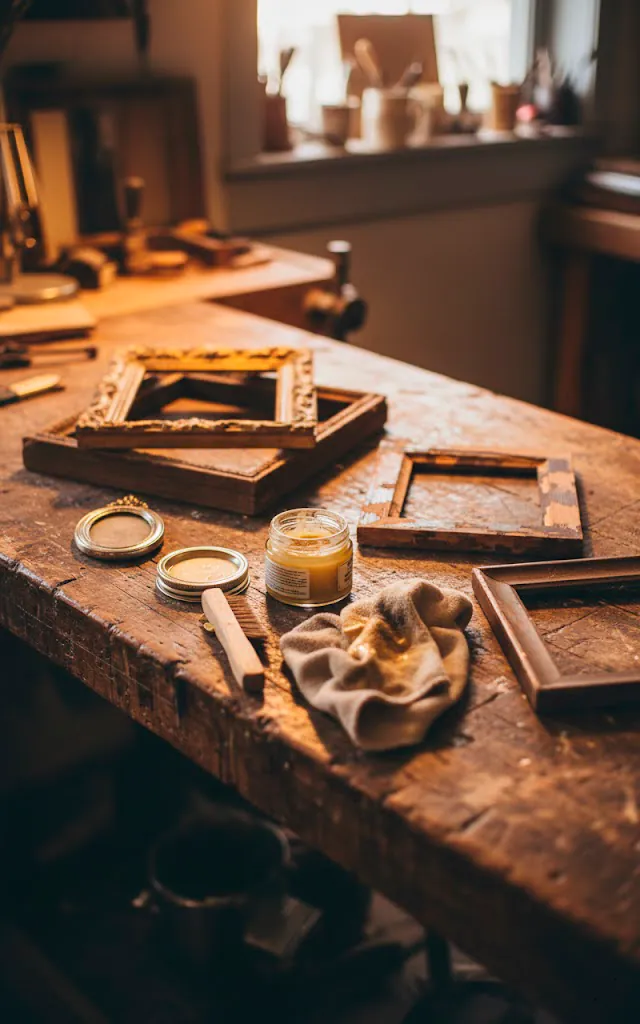
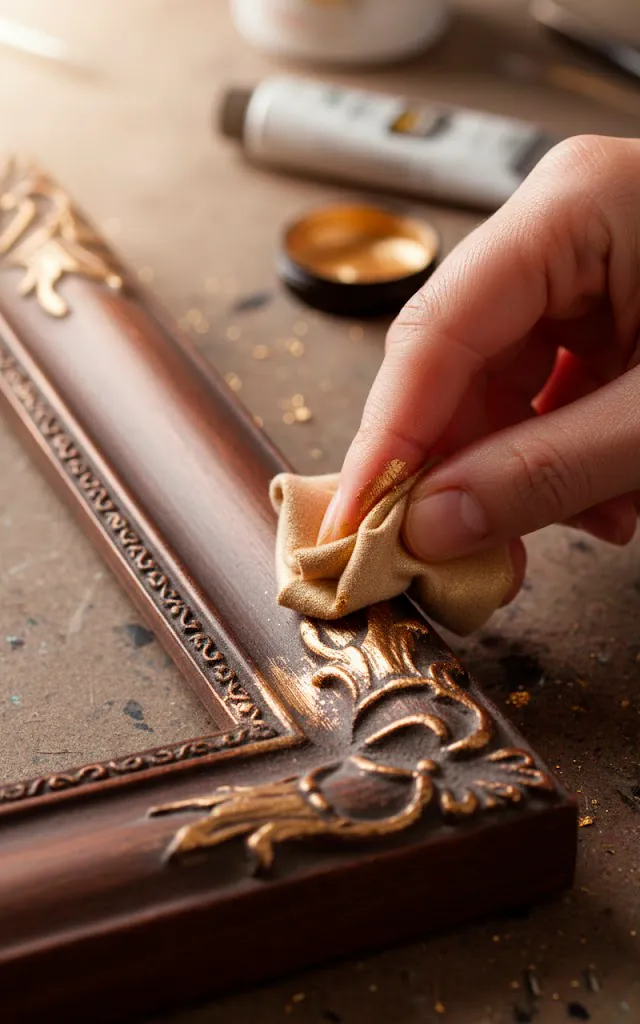
Please, I beg you, put down the industrial-strength bleach. You want to clean your frames, not erase their history. I use a soft-bristled toothbrush and a tiny bit of Murphy’s Oil Soap to lift decades of cigarette smoke and dust from those tiny crevices. If the gold leaf looks a bit sad, a touch of gold wax or ‘rub ‘n buff’ works wonders to restore the shine without making it look fake. Never soak an antique frame in water, as old hide glue dissolves faster than my New Year’s resolutions. If the glass is missing, don’t sweat it. Many local hardware stores cut glass to size for pennies, or you can go glass-free for a more tactile, moody look. Your frames should look cared for, not brand new.
Planning Your Layout Like a Pro
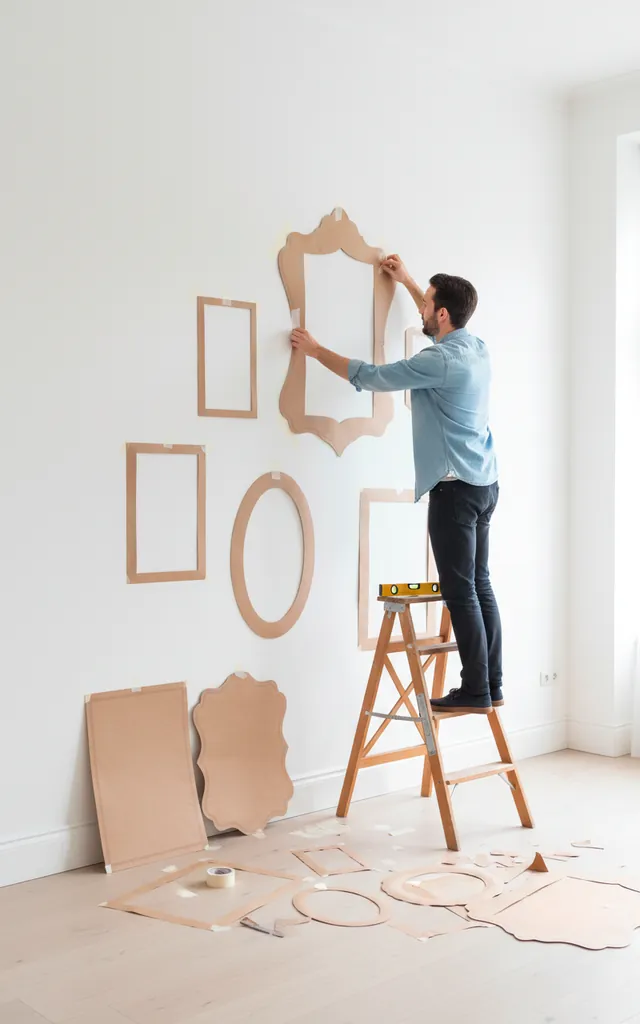
Stop! Don’t you dare hammer a single nail into that wall yet. I always trace my frames onto brown craft paper and tape those cutouts to the wall first. This allows you to move things around without turning your drywall into a block of Swiss cheese. Aim for a spacing of 2 to 3 inches between frames to keep the collection feeling cohesive rather than cluttered. Start with your largest ‘anchor’ piece slightly off-center and build your way out. Ever wondered why some walls feel ‘off’? It is usually because the center point sits too high. Aim for eye level, roughly 57 inches from the floor to the center of the display. Trust me, your neck and your nerves will thank you later :).
Filling the Frames with Soul
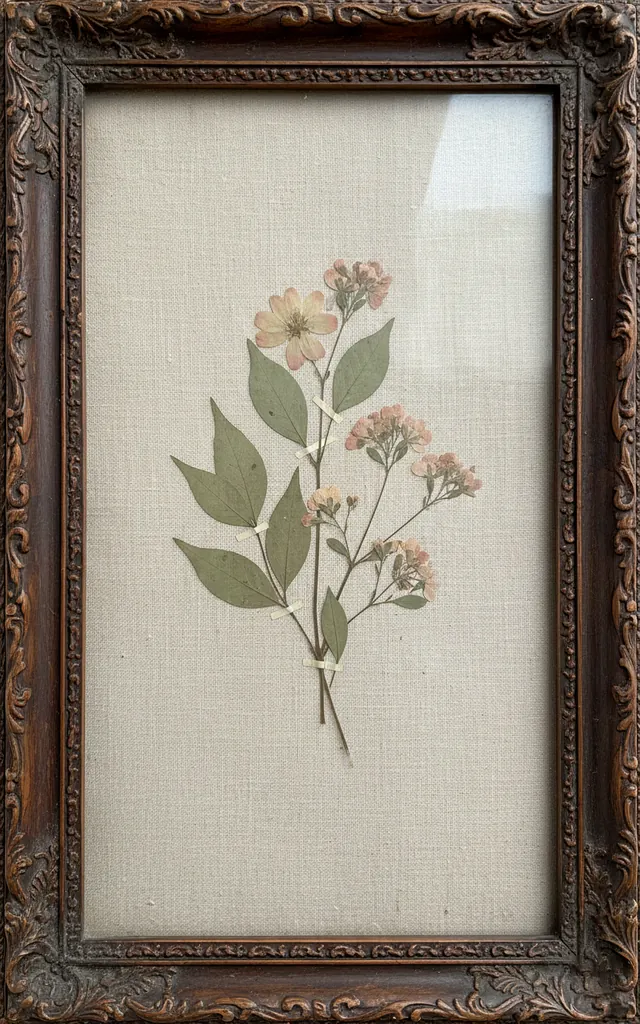
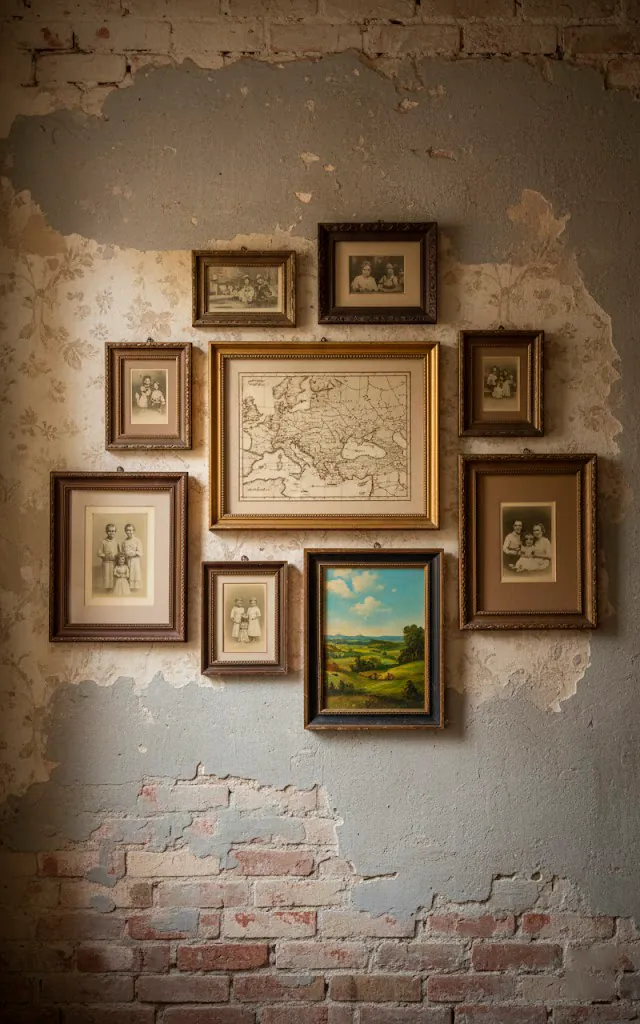
What goes inside the frame matters just as much as the frame itself. I love mixing traditional oil paintings with unexpected items like vintage postcards, pressed ferns, or even a piece of an old silk scarf. You don’t need expensive original art to make an impact. High-quality digital downloads of public domain art offer a budget-friendly way to get that ‘Old World’ look. Experiment with matting; sometimes a wide, dramatic mat can make a tiny 4×6 sketch look like a million bucks. Just make sure you use acid-free backing materials so your precious finds don’t yellow over time. Is that old map from your grandfather’s attic calling your name? Frame it! Personalized pieces turn a house into a home.
Securing Your Masterpiece Safely
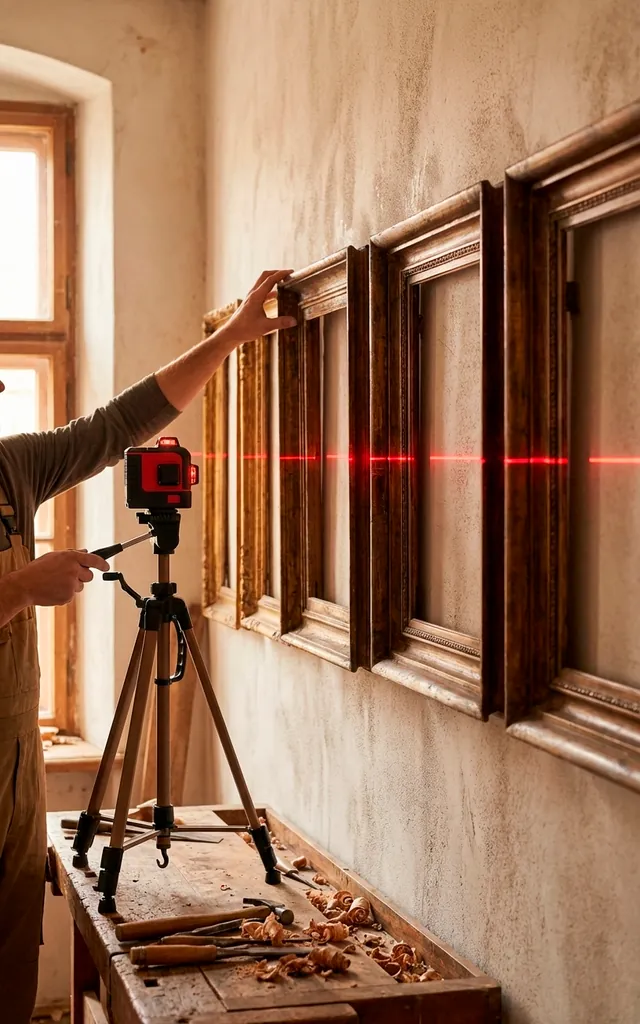
Antique frames are heavy, and gravity is a cruel mistress. I never trust a single tiny nail for anything larger than a postcard. Use proper wall anchors or heavy-duty picture hangers rated for the weight of your specific frame. FYI, those adhesive strips are great for light stuff, but they might fail on a 10-pound plaster frame from 1920. If you live in an old house with plaster walls, pre-drill your holes to avoid cracking the surface. Use a bubble level or a laser level to ensure everything is straight. Nothing ruins the vibe faster than a crooked frame that makes you feel like you’re on a sinking ship. Double-check every hook twice so you can sleep soundly at night.

Elevating the Look with Lighting
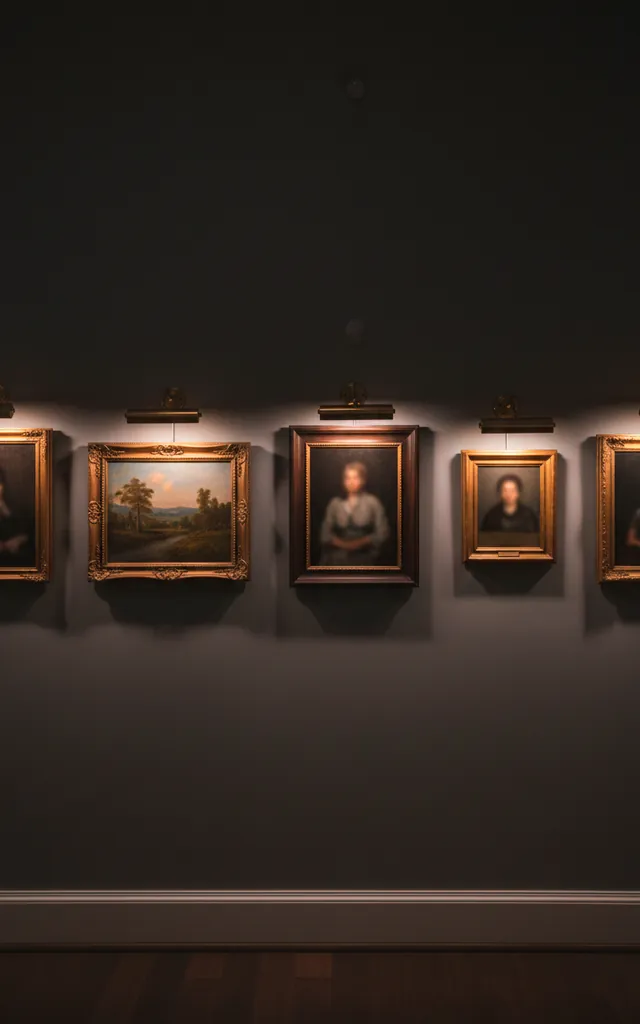
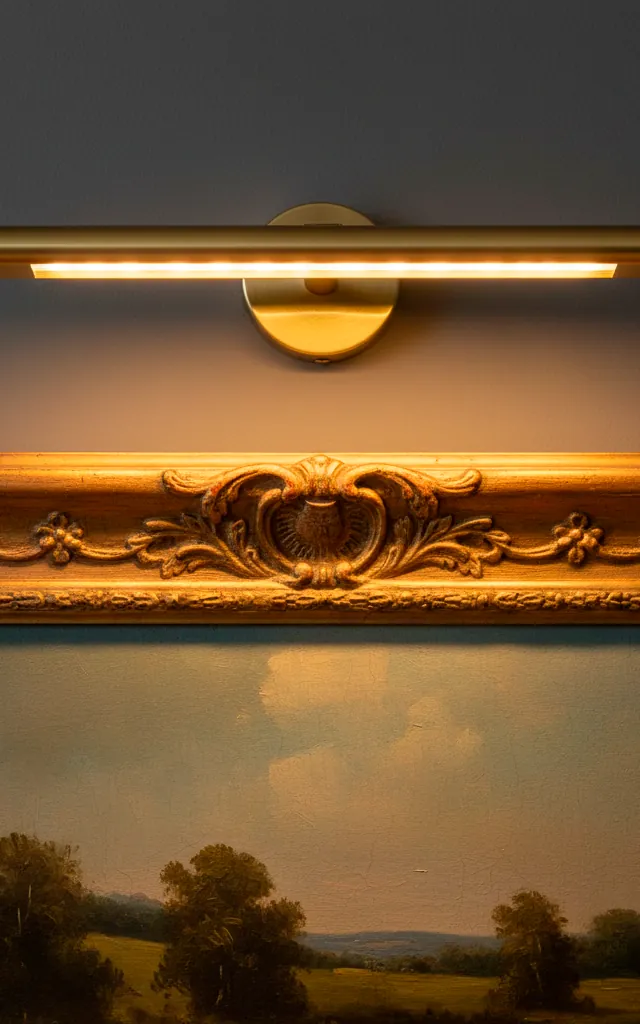
If you want that ‘London National Gallery’ energy, you need to light your wall properly. Battery-operated LED picture lights are a total game-changer for renters or anyone who hates dealing with electrical wires. Position a few lights above your favorite pieces to create a dramatic focal point. You can also flank the gallery wall with vintage brass sconces to frame the entire collection. This adds another layer of texture and makes the wall look like a deliberate architectural feature rather than an afterthought. Soft, warm light brings out the gold tones in your frames and makes the whole room feel cozy. It is the final ‘chef’s kiss’ for your hard work. Now, grab a drink and admire your masterpiece!
Conclusion
Creating a curated gallery wall with antique frames isn’t just about decorating; it’s about preserving a bit of the past and making it your own. You have learned how to hunt for quality, restore the finish, and hang your collection like a seasoned curator. Remember, there are no real ‘rules’ in your own home—if you love how it looks, it’s perfect. Don’t be afraid to swap things out as you find new treasures at the local swap meet. Your wall should grow and change right along with you. So, stop staring at that blank wall and start your collection today!
Related posts
See All15 Vintage Circus Inspired Details for Playful Kids Bedroom Decor
Bring the magic of the big top home! Discover 15 playful, vintage circus-inspired decor details that will transform your kid's …
Read moreThe Complete Guide to Styling a Dining Room Credenza for Everyday Elegance
Give your dining room credenza the ultimate glow-up. Discover easy, elegant styling tips that balance everyday function with show-stopping design.
Read more15 Dried Citrus and Cinnamon Garlands for a Naturally Cozy Kitchen
Forget mass-produced decorations. Transform your kitchen into a naturally cozy, aromatic sanctuary with these 15 beautiful dried citrus and cinnamon …
Read moreThe Dog-Friendly Camper: Designing a Van Interior for Your Pets
Transform your camper van into the ultimate dog-friendly adventure mobile! Discover clever interior design hacks, durable materials, and cozy setups …
Read more