











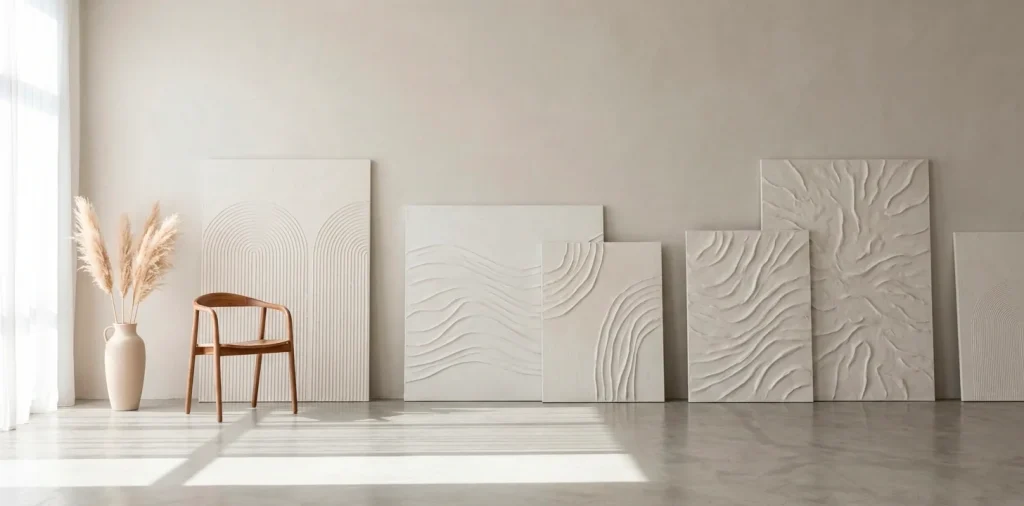

My white walls used to look like a hospital ward until I discovered the magic of joint compound. You don’t need a fine arts degree to make something stunning; you just need a bucket of goop and some courage. I’ve spent way too many Saturdays covered in white dust, so I’ve narrowed down the best projects for that ‘expensive gallery’ look. Ready to get messy? 🙂
The Classic Sculpted Arches
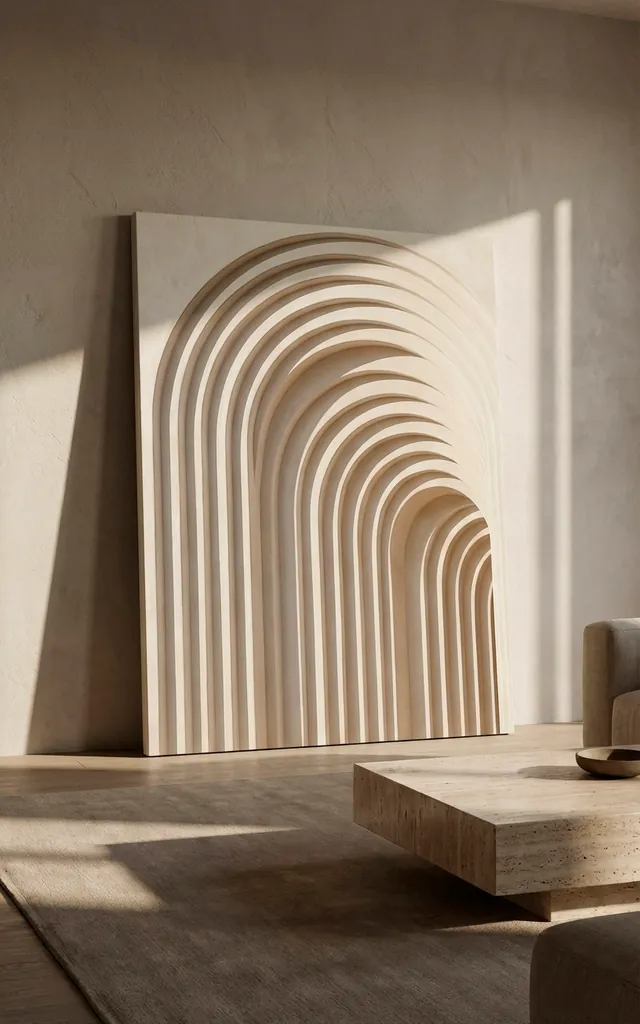
I started my plaster journey with this project, and I still think it's the ultimate 'cheat code' for chic decor. You simply apply a thick layer of all-purpose joint compound and use a notched trowel to drag perfect semi-circles across the canvas. My first attempt looked like a child's rainbow, but I quickly learned that steady pressure is the secret. I suggest practicing your 'swing' on a piece of cardboard before hitting a high-quality stretched canvas.
- Use a professional V-notch trowel for thin, delicate lines.
- Maintain a 45-degree angle for the smoothest texture.
- Layer your arches for a 3D overlapping effect.

Sheetrock All Purpose Joint Compound Ready-Mixed 1 Qt
View on Amazon
KINGART Stretched White Canvas Set – Rectangle, 24x36 Inch, 2-Pack – 100% Cotton, Triple Gesso Primed – 5/8" Profile Back-Stapled Artist Boards for Acrylic, Oil, Pouring, & Mixed Media Painting
View on AmazonCERTAIN CONTENT THAT APPEARS ON THIS SITE COMES FROM AMAZON. THIS CONTENT IS PROVIDED “AS IS” AND IS SUBJECT TO CHANGE OR REMOVAL AT ANY TIME.
The Organic Moonscape
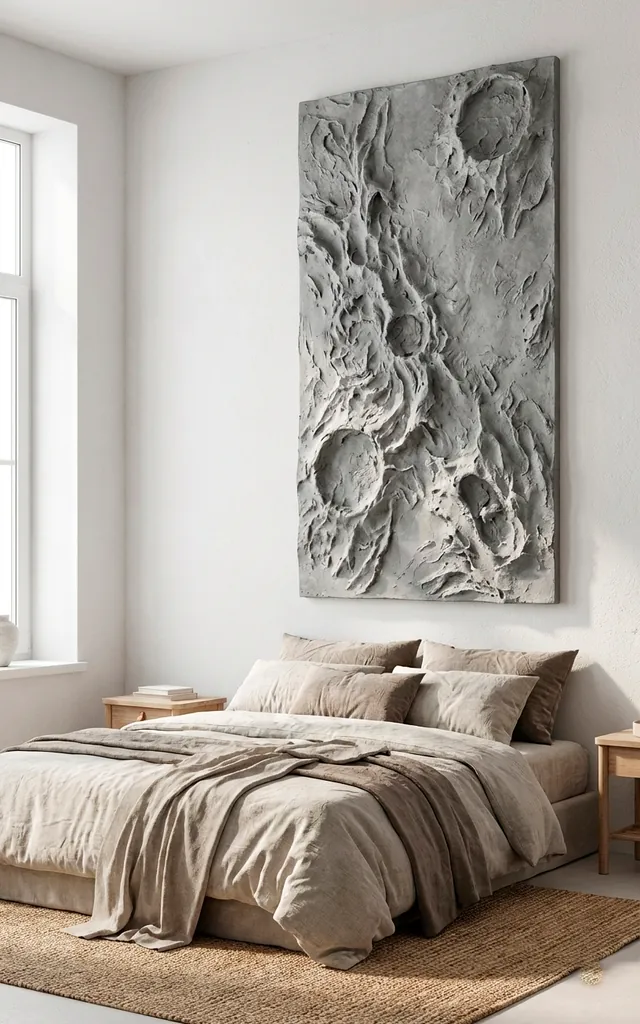
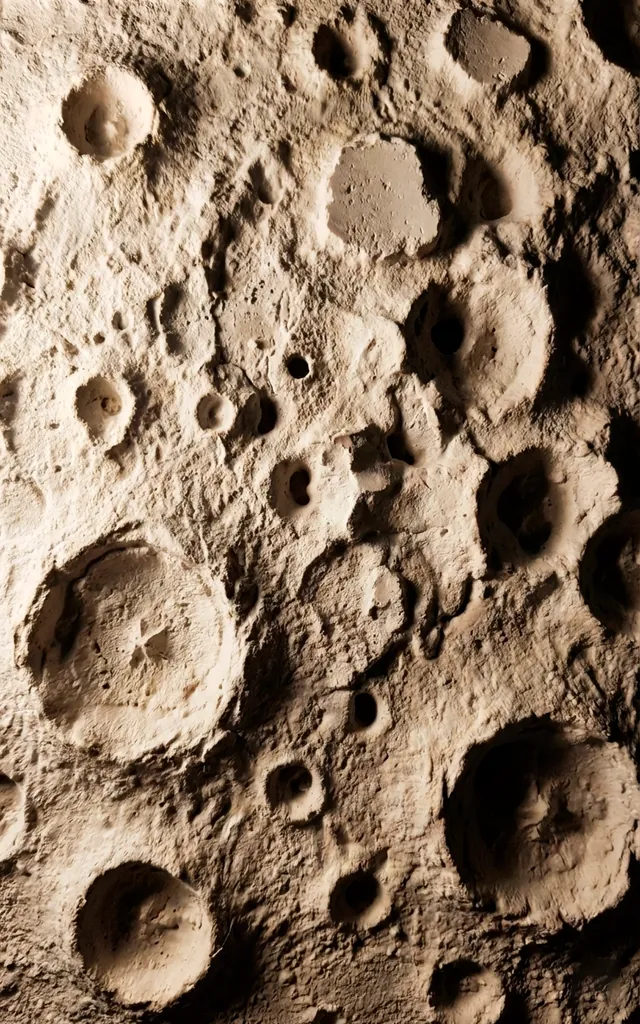
If you hate straight lines, this moon-crater style will be your new best friend. I love this technique because mistakes actually make it look better. You dab a sea sponge into the wet plaster and pull upwards to create peaks, then gently knock them down with a flat trowel. I once tried using a kitchen sponge, but it lacked the 'cratery' vibe I wanted. Stick to a natural sea sponge for those authentic, irregular textures that mimic a lunar surface.
- Dab randomly to avoid predictable patterns.
- Use heavy-duty plaster for taller peaks.
- Sand the edges lightly with a fine-grit sanding sponge after the piece dries.
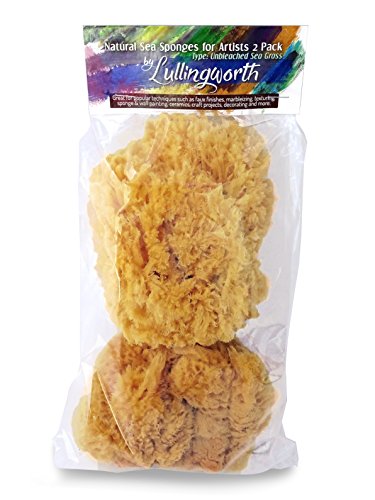
Unbleached Natural Sea Sponges for Artists 2pk, 5"-5.5", Painting & Crafts
View on Amazon
3M Drywall Sanding Sponge, Fine/Medium Grits, 2.63 x 3.75 in
View on AmazonCERTAIN CONTENT THAT APPEARS ON THIS SITE COMES FROM AMAZON. THIS CONTENT IS PROVIDED “AS IS” AND IS SUBJECT TO CHANGE OR REMOVAL AT ANY TIME.
The Minimalist Vertical Wave
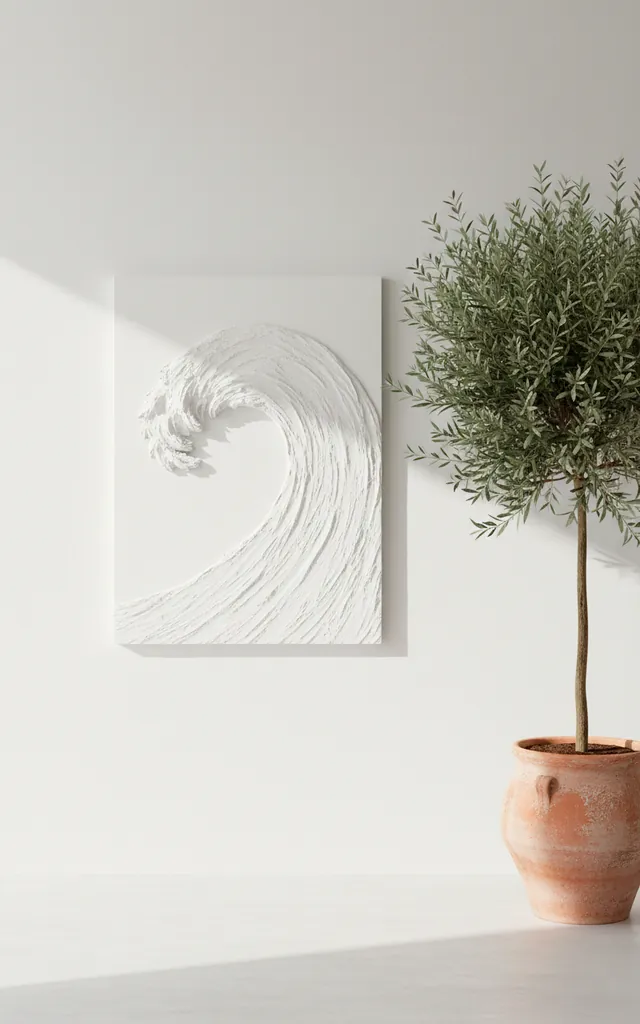
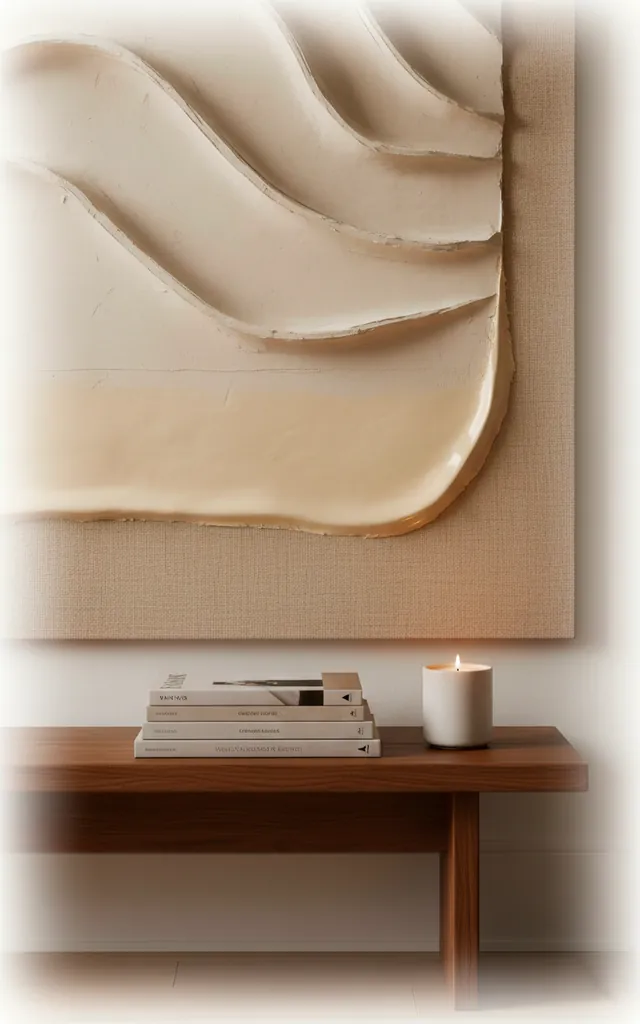
Ever felt like your room lacks movement? FYI, a single, sweeping wave across a large stretched canvas fixes that instantly. I recommend using a wide putty knife and one continuous motion from top to bottom. I messed this up three times before I realized I was overthinking it. Just let your arm follow a natural curve. The beauty lies in the slight imperfections of the 'wake' left behind by the knife. It’s simple, bold, and incredibly soothing to look at.
- Keep the joint compound about 1/4 inch thick.
- Wipe your knife clean between every single stroke.
- Try a matte sealant to keep it looking fresh.

FIXSMITH Stretched Canvas for Painting 24x36 Inch, 2 Pack, Large Canvas
View on Amazon
Goldblatt 6" Putty Knife, Stainless Steel Scraping Paint, Putty Knife Scraper with Hammer End, Soft Grip, Perfect for Drywall Repairing and Finishing
View on AmazonCERTAIN CONTENT THAT APPEARS ON THIS SITE COMES FROM AMAZON. THIS CONTENT IS PROVIDED “AS IS” AND IS SUBJECT TO CHANGE OR REMOVAL AT ANY TIME.
The Brutalist Block
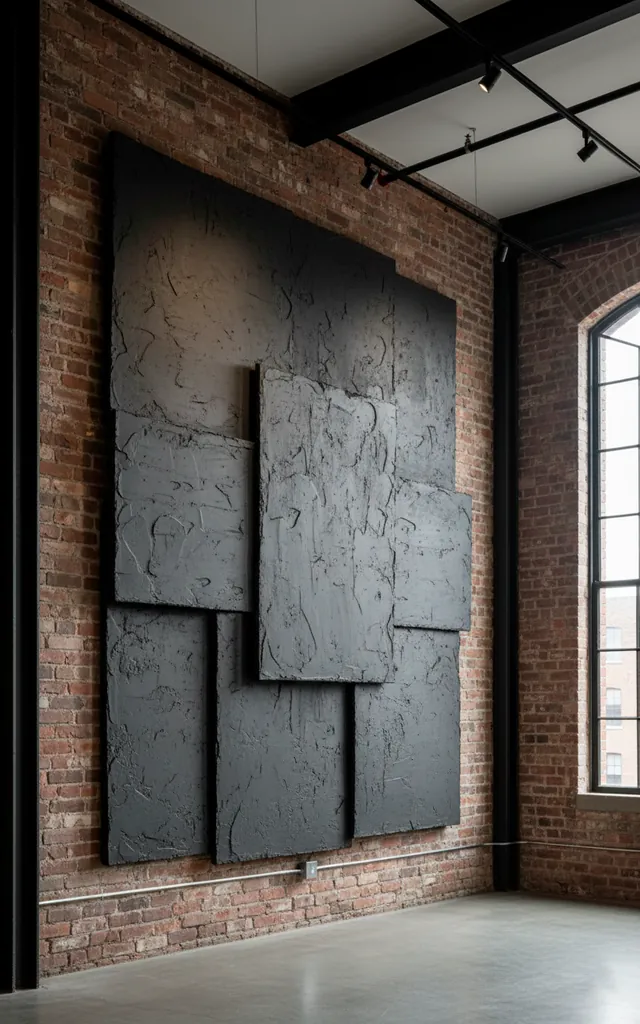
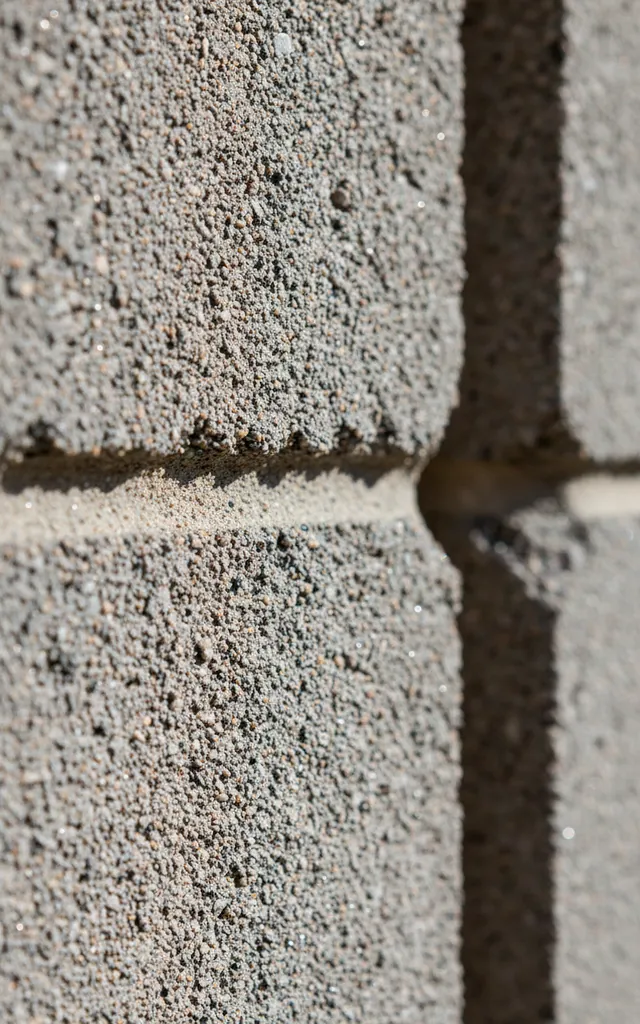
I’ve always loved industrial vibes, and this project brings that 'concrete bunker' aesthetic into a cozy home. You use a flat finishing trowel to create harsh, overlapping rectangles of varying thickness. I intentionally leave the edges raw and unfinished because 'perfect' is boring in this context. Use a gray-tinted plaster or mix in some black acrylic paint to get that moody, cement-like finish. It looks like a slab of the Berlin Wall, but, you know, way more decorative.
- Mix a sand texture additive into the plaster for extra grit.
- Overlap blocks at 90-degree angles.
- Use a metal scraper for sharp, industrial edges.

11" x 4" Stainless Steel Concrete Tools Flat Finishing Trowel, Soft Handle
View on Amazon
Apple Barrel Black Paint 32 Fl Oz (Pack of 1)
View on AmazonCERTAIN CONTENT THAT APPEARS ON THIS SITE COMES FROM AMAZON. THIS CONTENT IS PROVIDED “AS IS” AND IS SUBJECT TO CHANGE OR REMOVAL AT ANY TIME.
The Pitted Concrete Technique
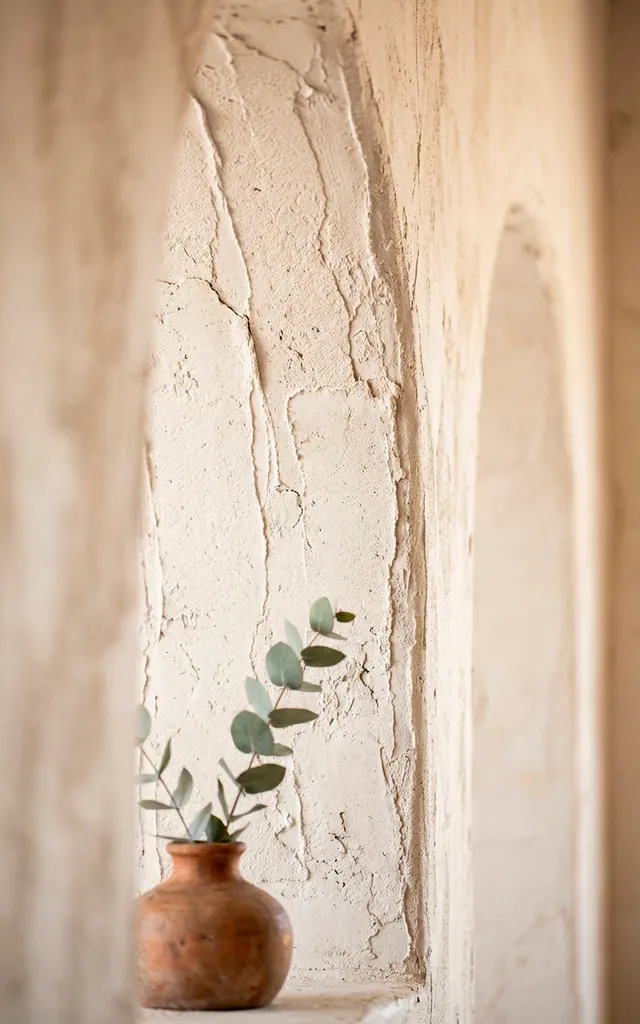
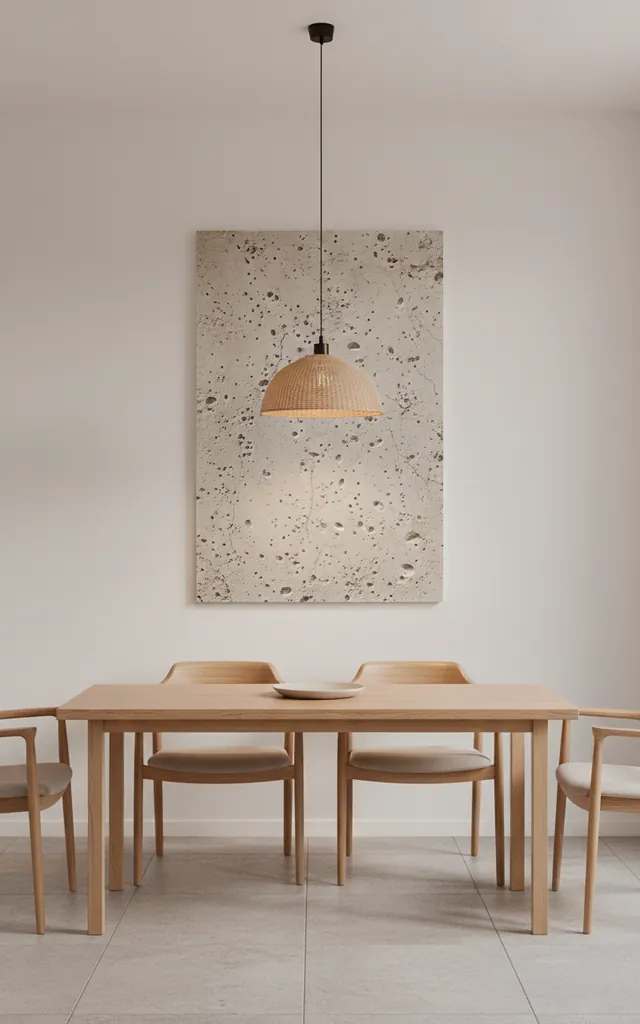
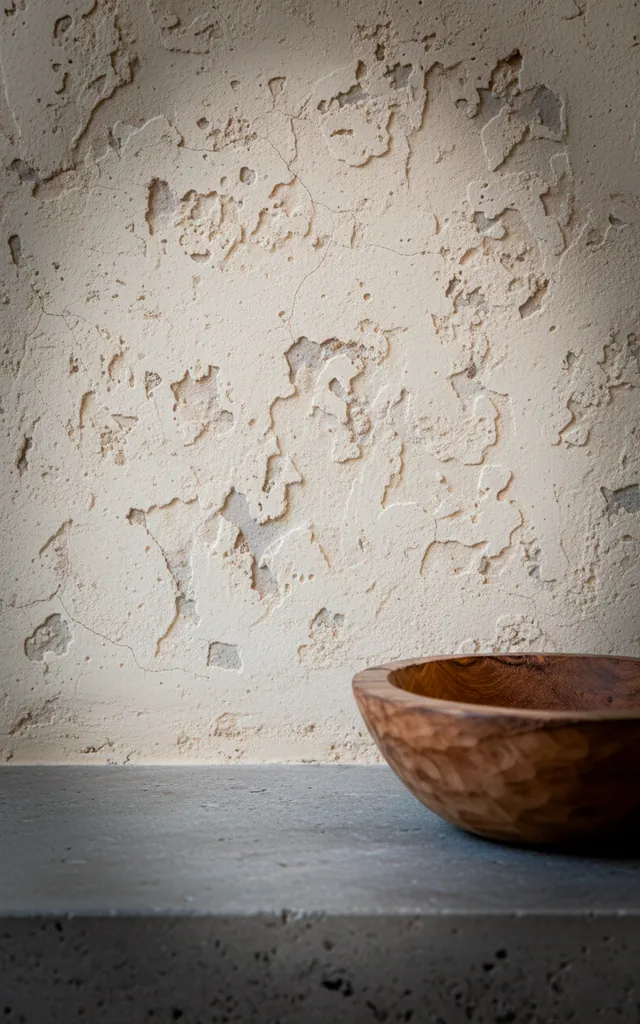
IMO, the 'pitted' look is the most sophisticated of the bunch. I achieve this by mixing a little water into the compound and 'slapping' it onto the canvas with a flat brush. You then wait five minutes and lightly drag a stainless steel trowel over it to trap tiny air bubbles. This creates those small, natural-looking pits you see in high-end cast concrete. It’s subtle, elegant, and looks like you spent a fortune at a boutique furniture store.
- Use a large chip brush for the initial application.
- Don’t over-trowel; you’ll lose the air pockets.
- Apply a satin finish to mimic polished stone.

OX Plaster Finishing Trowel - Stainless Steel Blade - 3 x 8 in
View on Amazon
Bates- Chip Paint Brushes, 4 Inch, 12 Pack, Chip Brush, Brushes for Painting, Paint Brushes, Stain Brushes for Wood, Natural Bristle Paint Brush, 4 Inch Paint Brush, Chip Paint Brushes for Paint
View on AmazonCERTAIN CONTENT THAT APPEARS ON THIS SITE COMES FROM AMAZON. THIS CONTENT IS PROVIDED “AS IS” AND IS SUBJECT TO CHANGE OR REMOVAL AT ANY TIME.
The Sand-Infused Horizon
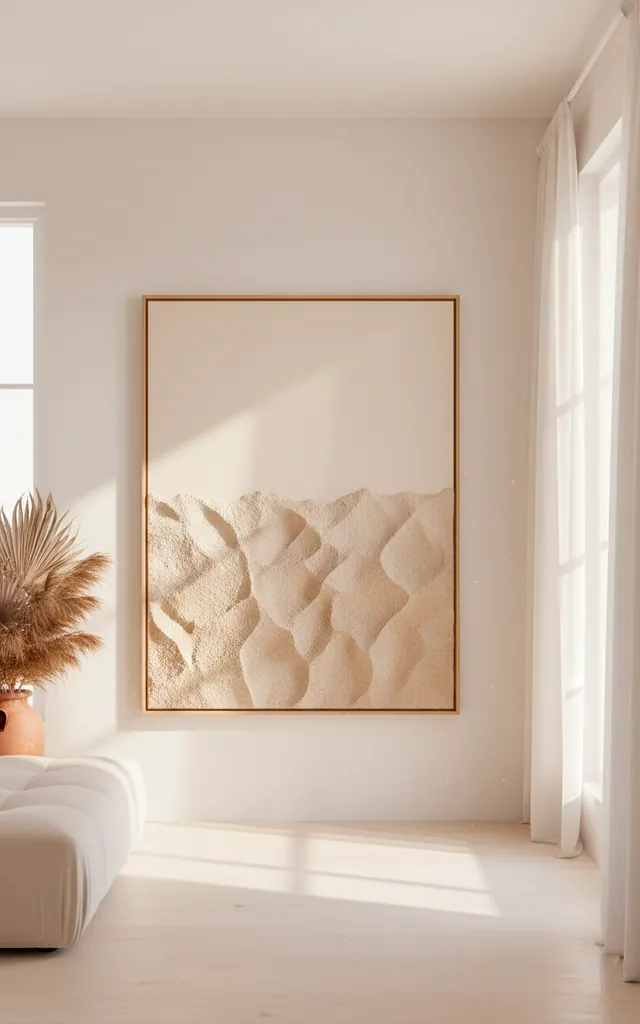
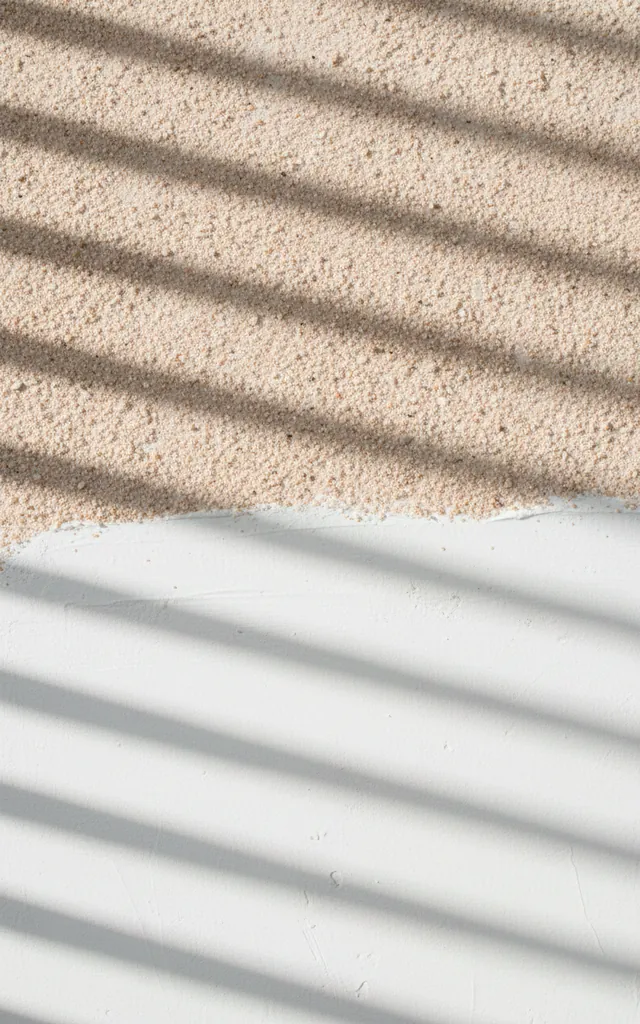
I wanted a piece that felt like a minimalist beach landscape without the cheesy seashells. You split the canvas into two sections and use a sand-infused plaster for the bottom half. Use a palette knife to create horizontal ridges that look like wind-swept dunes. I keep the top half smooth to represent the sky. It’s a great way to experiment with two different textures on a single piece of art. This one always gets the most compliments from my guests.
- Use painter's tape to get a crisp horizon line.
- Vary the grit of the sand for a more natural look.
- Stick to earthy tones like beige or soft terracotta.

CONDA Palette Knife Painting Stainless Steel Spatula Palette Knife Oil Paint Metal Knives Wood Handle (Red 5 Piece)
View on Amazon
Duck Clean Release Blue Painters Tape, Masking Tape For Paint Projects, 2 in (1.88 in x 60 yd) Single Roll, 240195
View on AmazonCERTAIN CONTENT THAT APPEARS ON THIS SITE COMES FROM AMAZON. THIS CONTENT IS PROVIDED “AS IS” AND IS SUBJECT TO CHANGE OR REMOVAL AT ANY TIME.
The Linen Texture Overlay
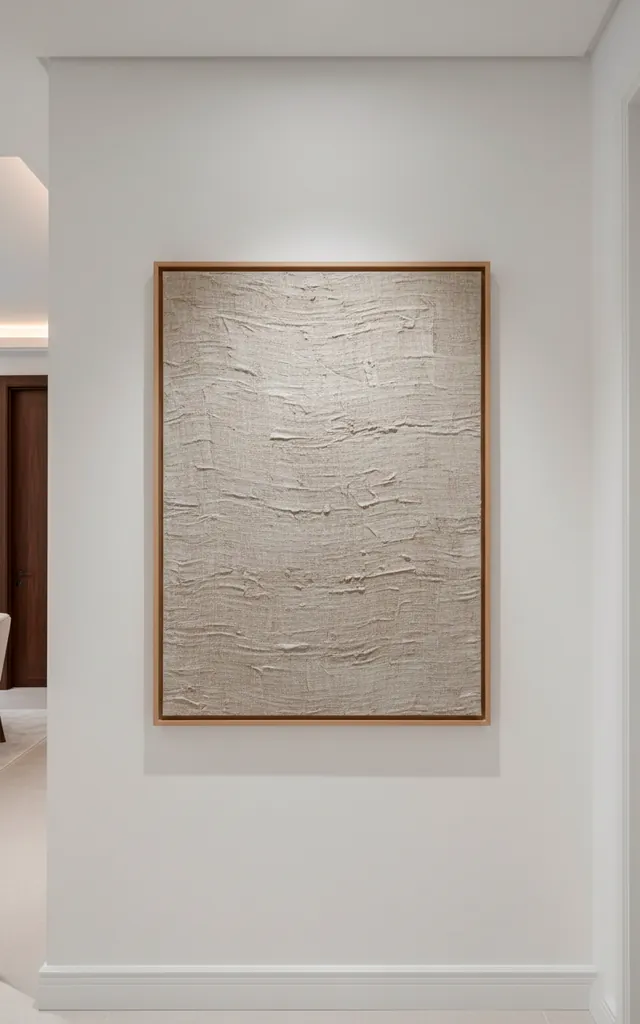
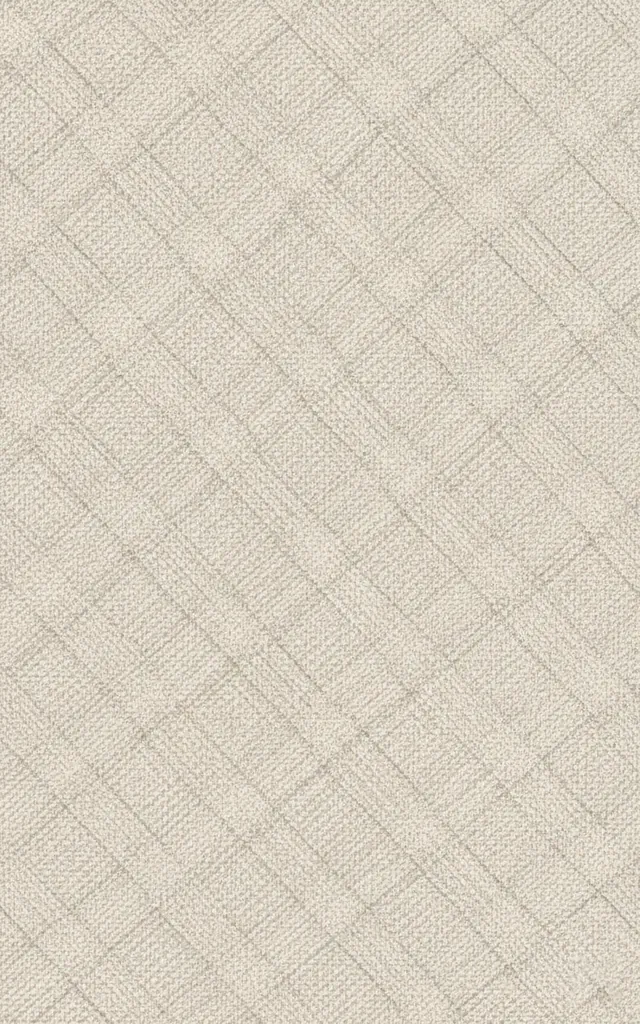
For the ultimate 'quiet luxury' vibe, I turn to the linen texture. You apply a very thin layer of plaster and drag a stiff-bristled brush vertically, then horizontally. This creates a cross-hatch pattern that looks exactly like expensive wallpaper or raw linen fabric. I’ll be honest: my arm was screaming after the second stretched canvas, but the result is worth the workout. It’s the perfect subtle backdrop for a gallery wall or a lonely hallway.
- Use a wide wallpaper smoothing brush for consistent lines.
- Work in small sections so the plaster doesn’t dry too fast.
- Keep your lines as straight as possible.
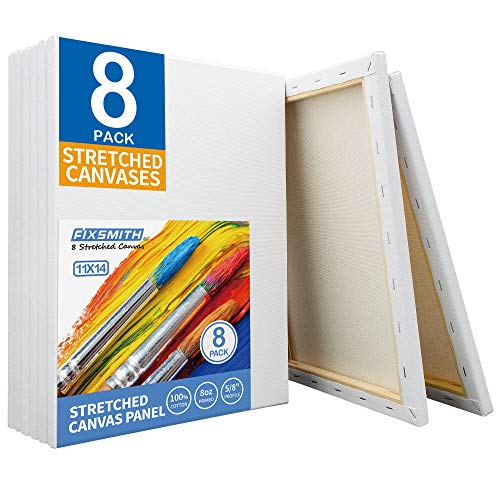
FIXSMITH Stretched White Blank Canvas - 11x14 Inch, 8 Pack, Primed,100% Cotton,5/8 Inch Profile of Super Value Pack for Acrylics,Oils & Other Painting Media
View on Amazon
1pc Excellent Quality 12'' Wallcover Hanging Dragging Mural Wallpaper Smoothing Brush - Also Great for Tile Grout Cleaning Scrubbing
View on AmazonCERTAIN CONTENT THAT APPEARS ON THIS SITE COMES FROM AMAZON. THIS CONTENT IS PROVIDED “AS IS” AND IS SUBJECT TO CHANGE OR REMOVAL AT ANY TIME.
The Abstract Drip and Flow
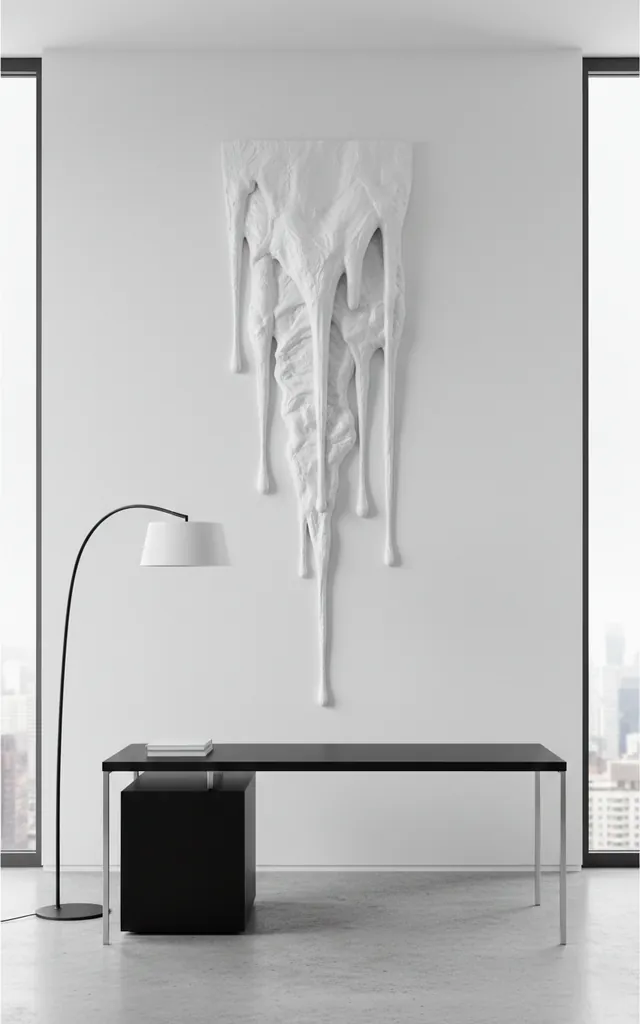
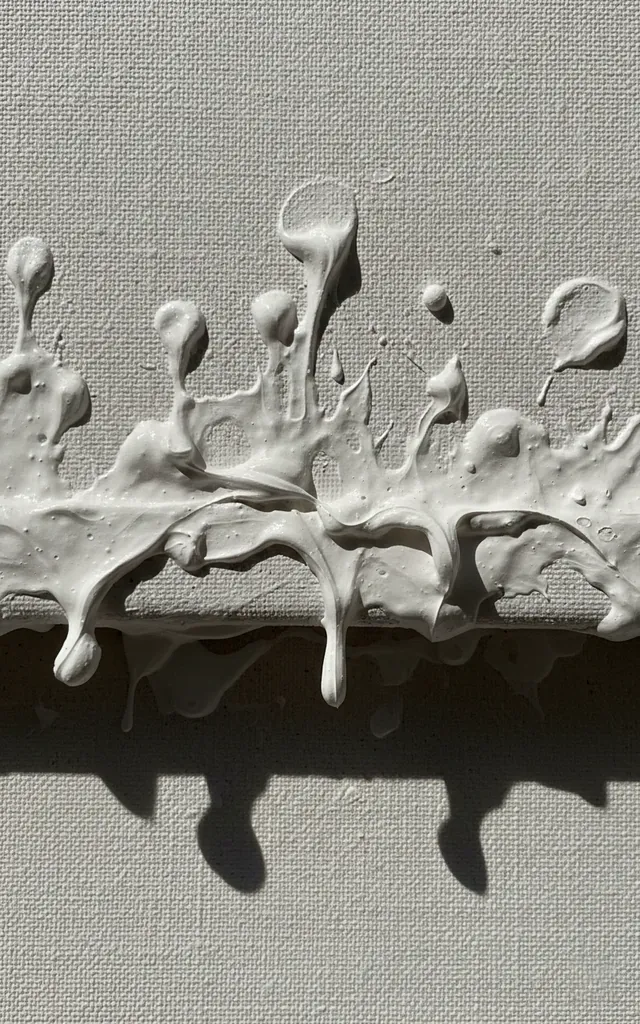
This is for the rebels who want to let gravity do the work. I mix my compound with a bit of water until it’s the consistency of thick pancake batter. You pour it at the top of a tilted canvas and let it run down. I love how the drips create these thick, sculptural 'veins' that look like melting wax or flowing lava. It’s messy, it’s unpredictable, and it’s a total blast to make. Just make sure you have plenty of canvas drop cloth protection!
- Prop the canvas at a 30-degree angle.
- Use a plastic squeeze bottle for more control over the drips.
- Let it dry for at least 48 hours.
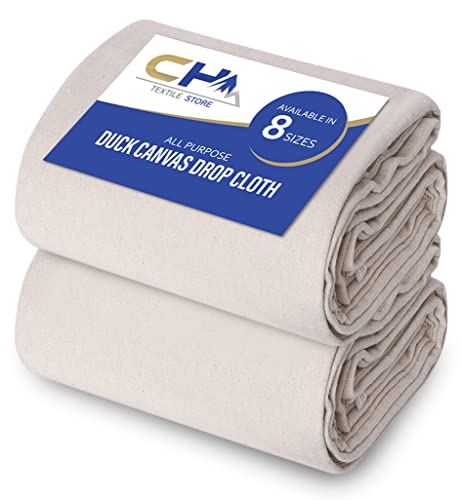
Canvas Painters Drop Cloth (Size 6 x 9 Feet - Pack of 2) - Pure Cotton Paint Drop Cloth for Painting, Curtains, Furniture & Floor Protection - All Purpose Thick Canvas tarp with Double Stitched Edges
View on Amazon
Uyuxxu 20 Pack 4oz Boston Squeeze Bottles,Clear Dispensing Bottles with Twist Top Cap,Plastic Squeeze Bottle for Crafts,Kitchen,Household
View on AmazonCERTAIN CONTENT THAT APPEARS ON THIS SITE COMES FROM AMAZON. THIS CONTENT IS PROVIDED “AS IS” AND IS SUBJECT TO CHANGE OR REMOVAL AT ANY TIME.
Conclusion
You don’t need to spend thousands of dollars to have a home that looks like a magazine spread. These plaster projects prove that a little joint compound and a weekend of effort can completely transform a space. I hope you feel inspired to grab a trowel and make your own mess. Which texture are you going to try first? Tag me when you finish your masterpiece!
Related posts
See All15 Vintage Circus Inspired Details for Playful Kids Bedroom Decor
Bring the magic of the big top home! Discover 15 playful, vintage circus-inspired decor details that will transform your kid's …
Read moreThe Complete Guide to Styling a Dining Room Credenza for Everyday Elegance
Give your dining room credenza the ultimate glow-up. Discover easy, elegant styling tips that balance everyday function with show-stopping design.
Read more15 Dried Citrus and Cinnamon Garlands for a Naturally Cozy Kitchen
Forget mass-produced decorations. Transform your kitchen into a naturally cozy, aromatic sanctuary with these 15 beautiful dried citrus and cinnamon …
Read moreThe Dog-Friendly Camper: Designing a Van Interior for Your Pets
Transform your camper van into the ultimate dog-friendly adventure mobile! Discover clever interior design hacks, durable materials, and cozy setups …
Read more