












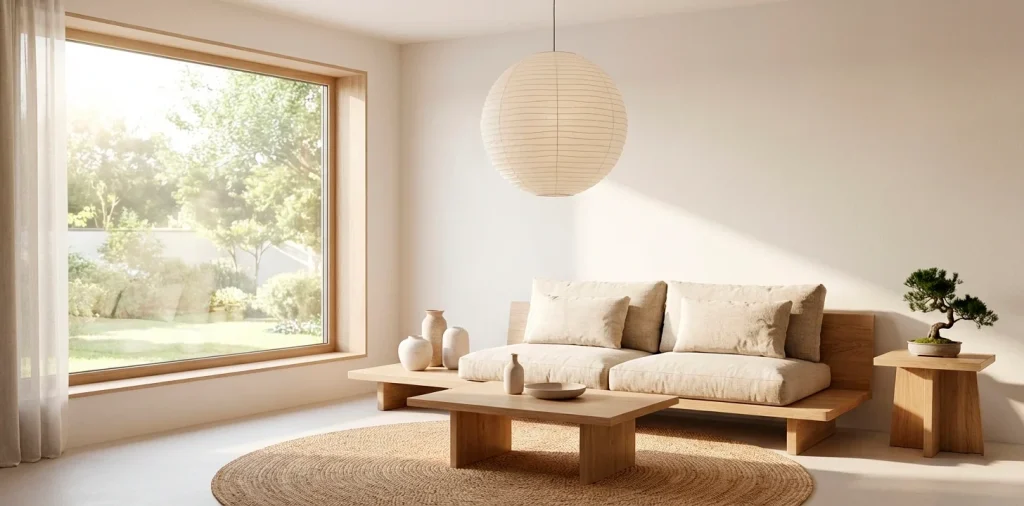

Forget the cluttered chaos of modern living. I stumbled into Japandi design when I realized my living room looked like a warehouse accident. Japandi isn’t just a trend; it’s a lifestyle that marries Scandi hygge with Japanese wabi-sabi. Ready to turn your home into a sanctuary that actually lets you breathe? Let’s clear the noise and find your Zen.
The Soul of Japandi: Muted Palettes
Most people think neutral means boring, but they couldn’t be more wrong. In a Japandi space, your walls act as a canvas for natural light to play on. I personally opted for a warm oat shade instead of clinical white, and the difference is night and day. Why settle for a cold hospital vibe when you can have a soft, sandy embrace? Stick to muted earth tones and subtle textures like lime wash or matte paint to keep things grounded. This creates a base that feels intentional and calm rather than just ’empty.’ Your home should feel like a deep breath, right?
Furniture with a Purpose
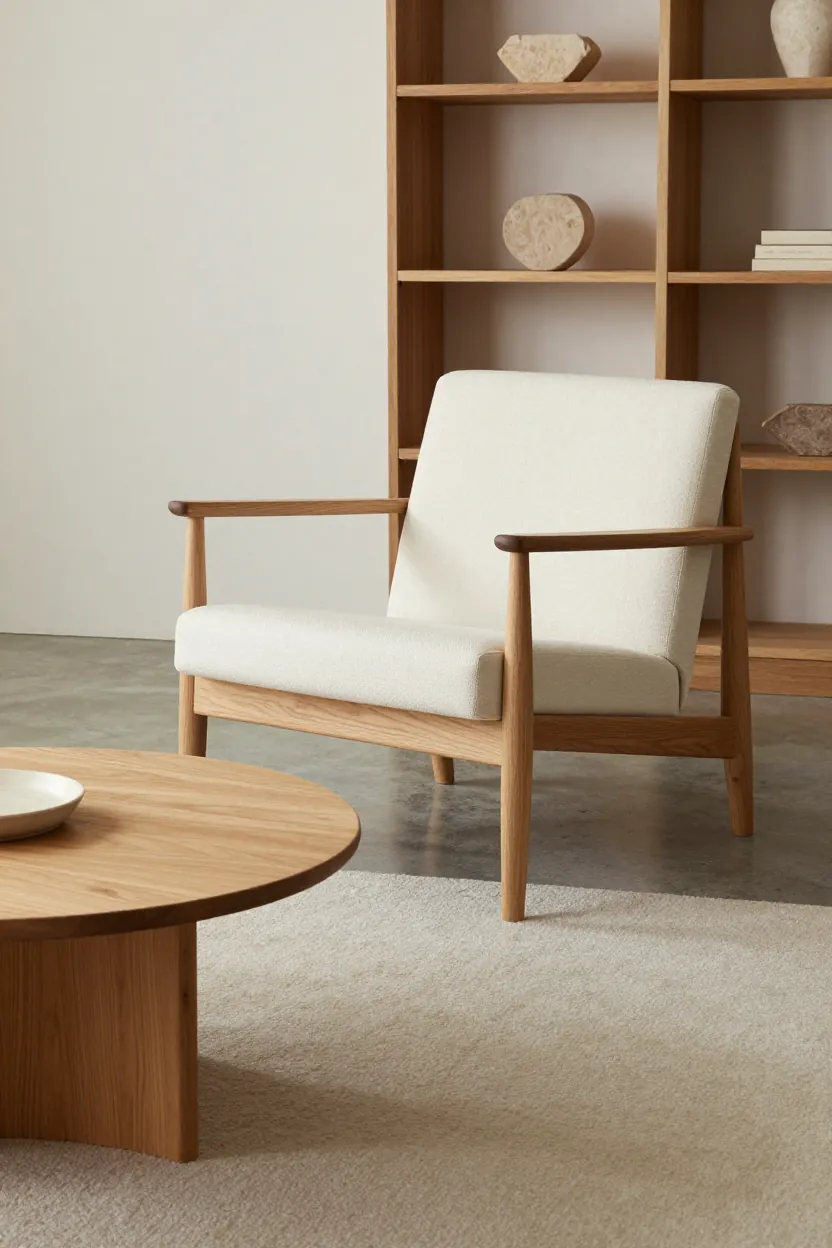
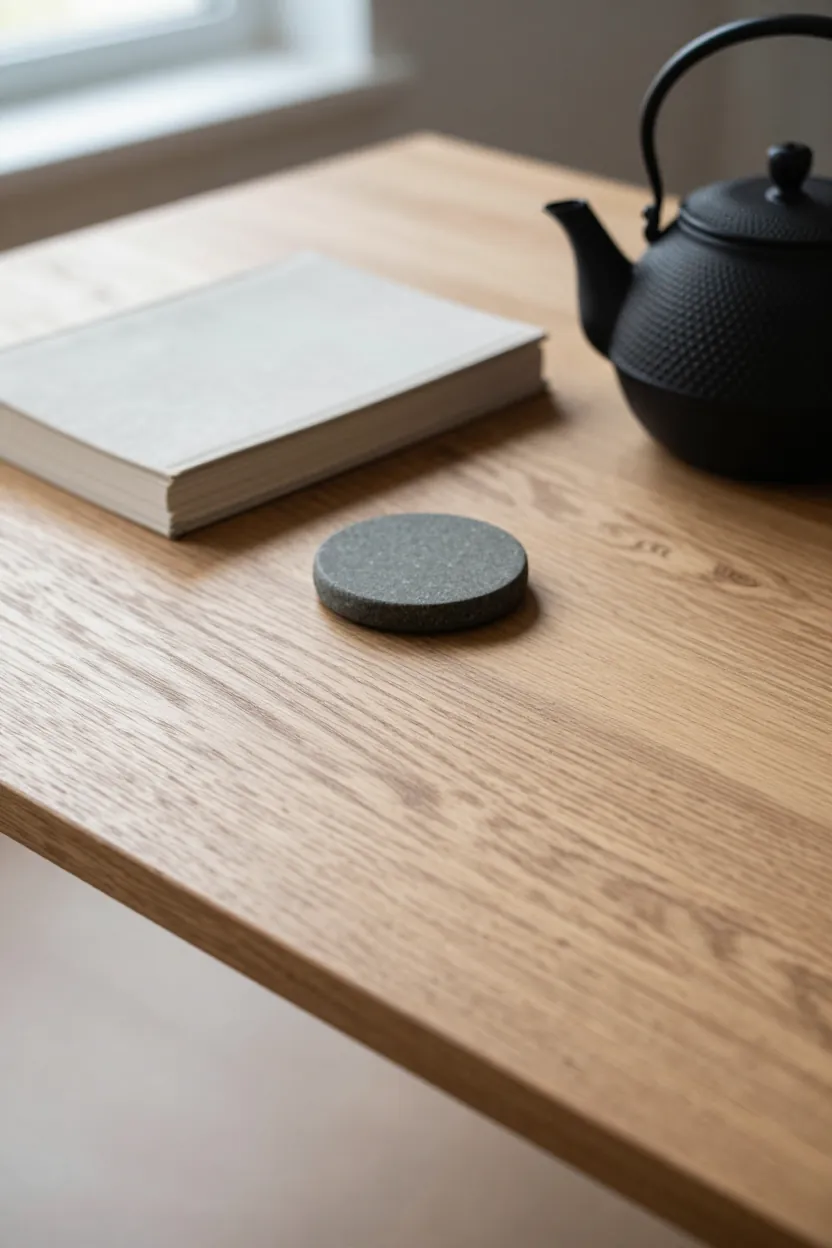
Ever noticed how high-backed sofas feel like they’re shouting at you? Japandi furniture keeps a low profile to maintain an open flow of energy. I swapped my bulky recliner for a sleek, low-slung oak lounge chair and suddenly the room felt twice as big. Look for clean lines and natural wood grains like ash, walnut, or bamboo. If a piece doesn’t serve a purpose or look stunningly simple, does it really belong in your sanctuary? Focus on functional minimalism to ensure every chair and table earns its spot without crowding your peace of mind.
Texture Over Color
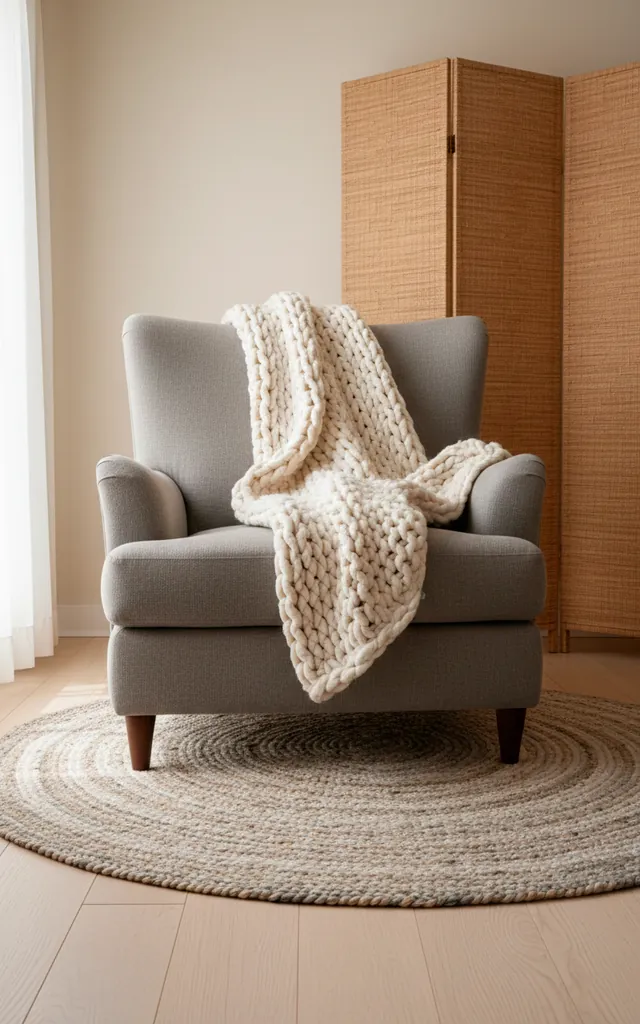
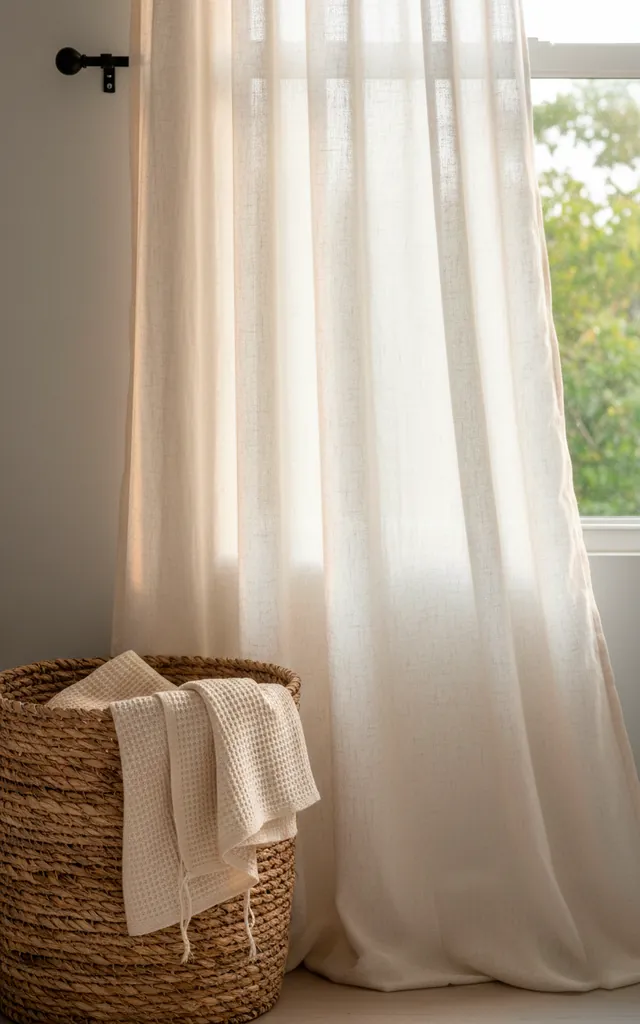
Since we’re ditching bright colors, we need texture to do the heavy lifting. Think raw linen curtains, chunky wool throws, and braided jute rugs. I once bought a synthetic rug that looked great but felt like sandpaper—big mistake! Trust me, your feet will thank you for investing in natural fibers. Doesn’t a soft, woven texture feel more like a hug than a stiff polyester blend? Mixing these organic materials adds depth and warmth without visual noise. FYI, the secret to a cozy room is layering different fabrics that share the same color family.
The Art of Curated Decluttering
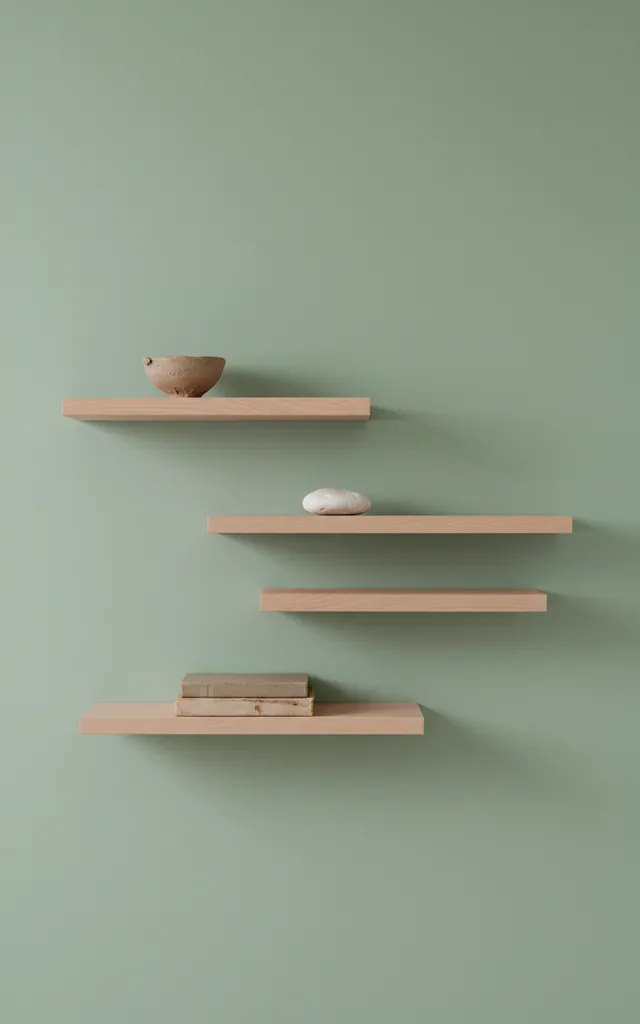
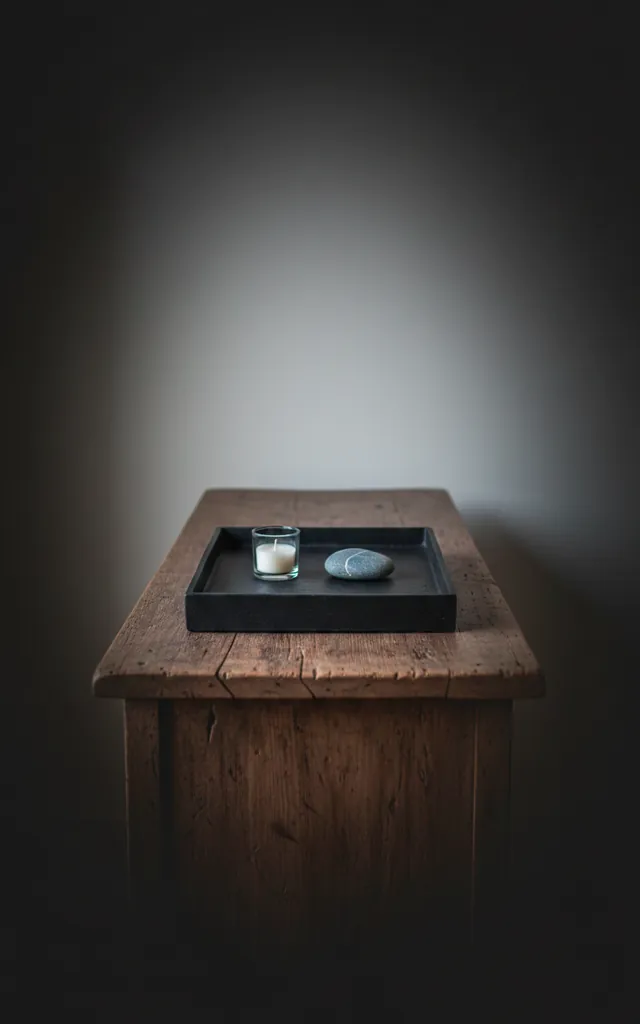
Here is where the Zen part kicks in: stop hoarding knick-knacks! The Japandi philosophy celebrates the beauty of imperfection, or wabi-sabi, but that doesn’t mean keeping junk. I keep only three items on my coffee table, and one of them is usually a ceramic bowl with a slight crack. Why hide the lived-in feel when it adds character? Focus on curated decor and intentional negative space. Every empty corner gives your eyes a place to rest. IMO, a room that breathes helps you think clearly, so let’s ditch the plastic clutter and keep the soul.
Bringing the Outdoors In
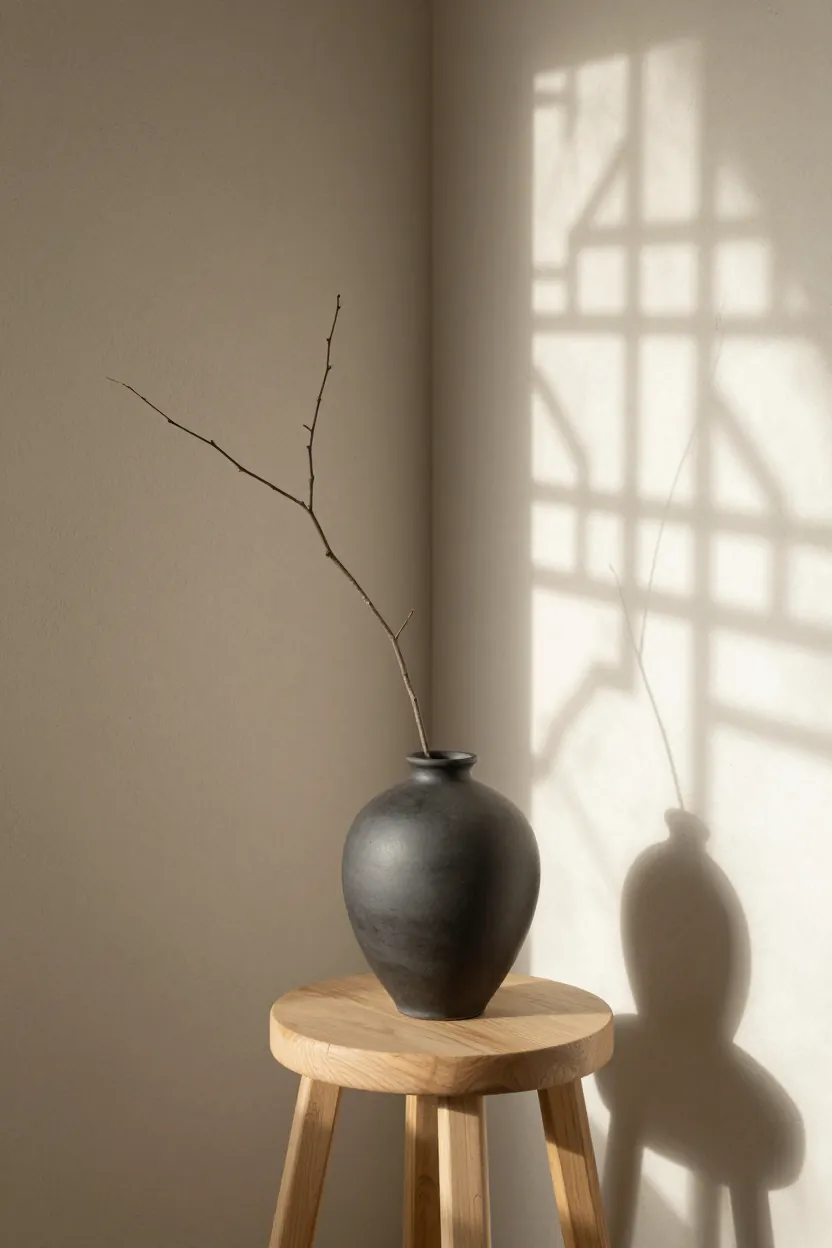
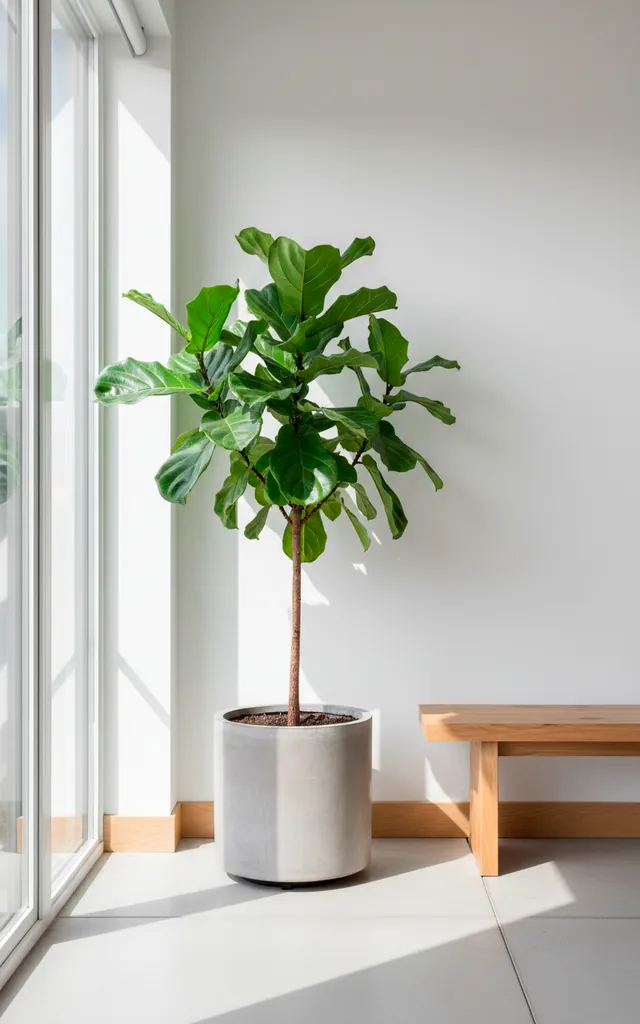
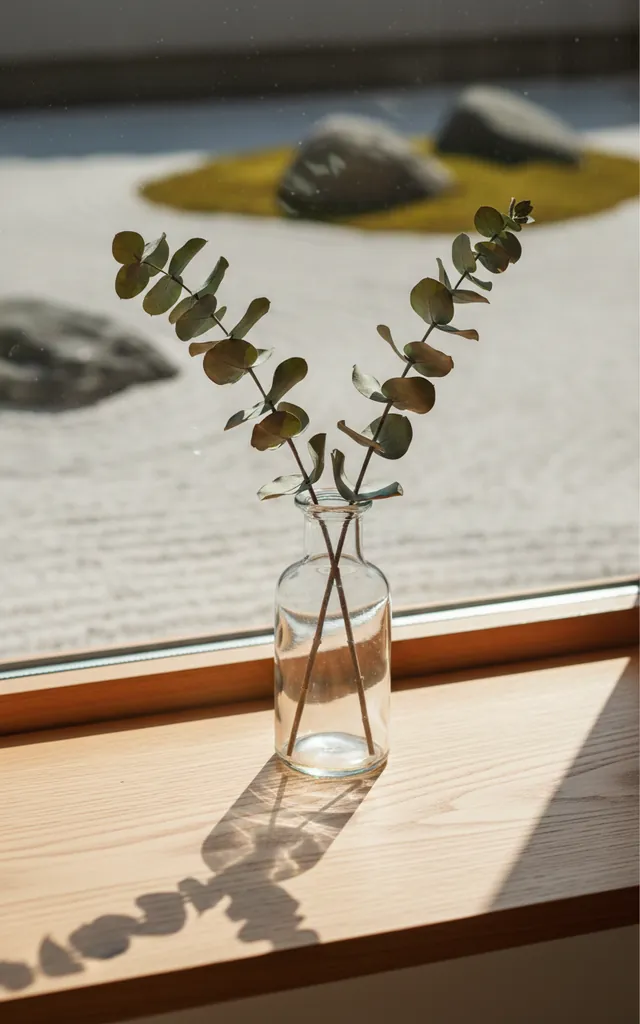
You don’t need a forest in your living room, just a few well-placed green friends. A single tall floor plant like a Ficus or a simple branch in a vase works wonders. I used to kill every plant I touched until I realized Japandi loves low-maintenance greenery. A touch of green breathes life into those wood tones and neutral walls. Ready to swap that plastic ivy for something that actually produces oxygen? 🙂 Use organic shapes and natural life to soften the straight lines of your furniture. It’s the easiest way to make a room feel connected to nature.
Layered Lighting for Mood
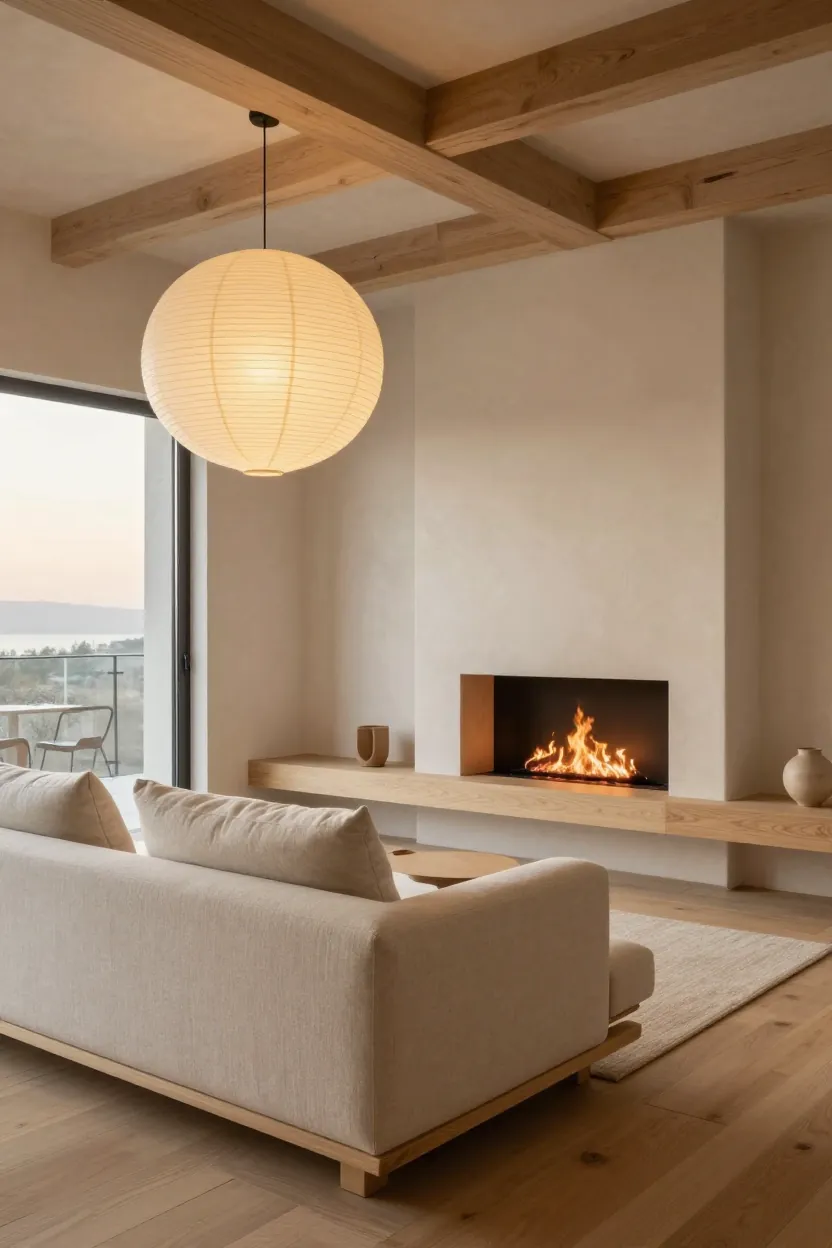
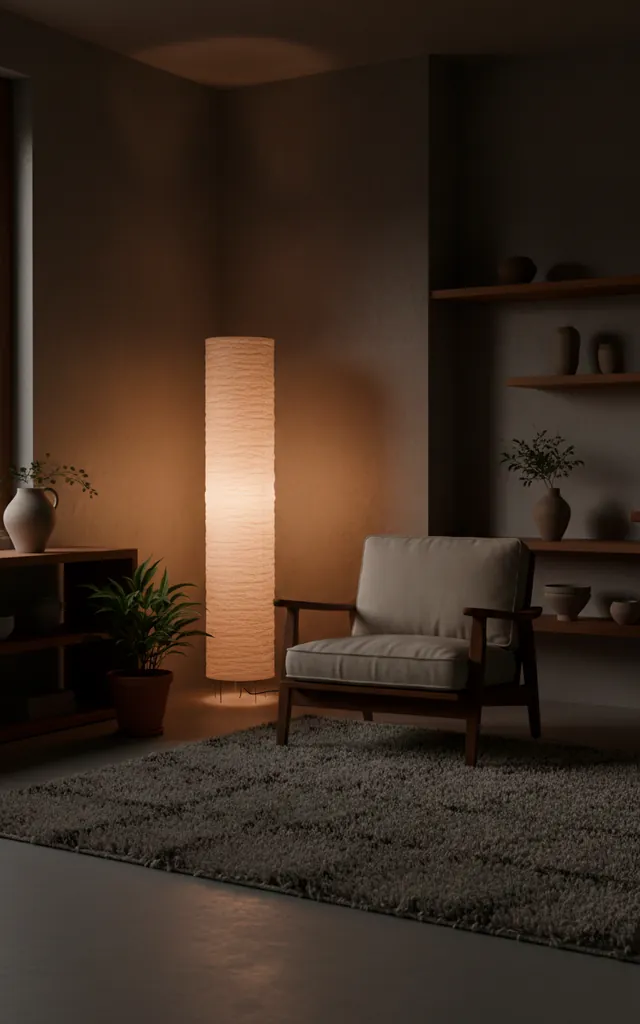
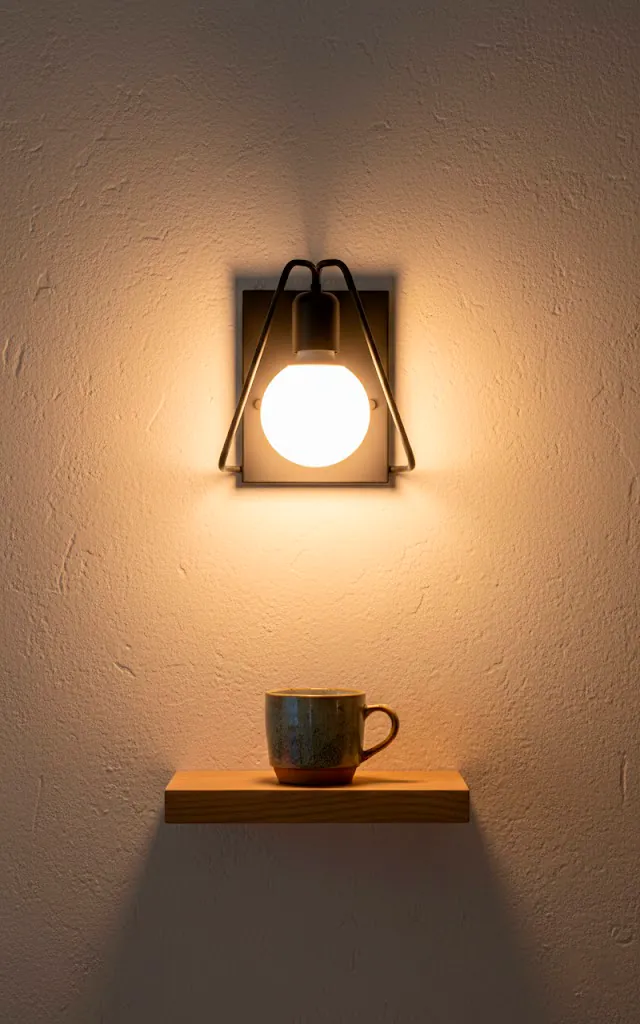
Harsh overhead lights kill the relaxation vibe instantly. I strictly use warm-toned bulbs and washi paper lamps to create a soft, diffused glow. It creates the difference between an interrogation room and a high-end spa. Aim for layered lighting by adding a slim floor lamp next to your reading nook. Who wants to relax under a flickering fluorescent tube anyway? By spreading light sources at different heights, you create a cozy atmosphere that makes the transition from day to night feel seamless. Good lighting is the ultimate mood-setter in any Zen home.
Creating Functional Flow
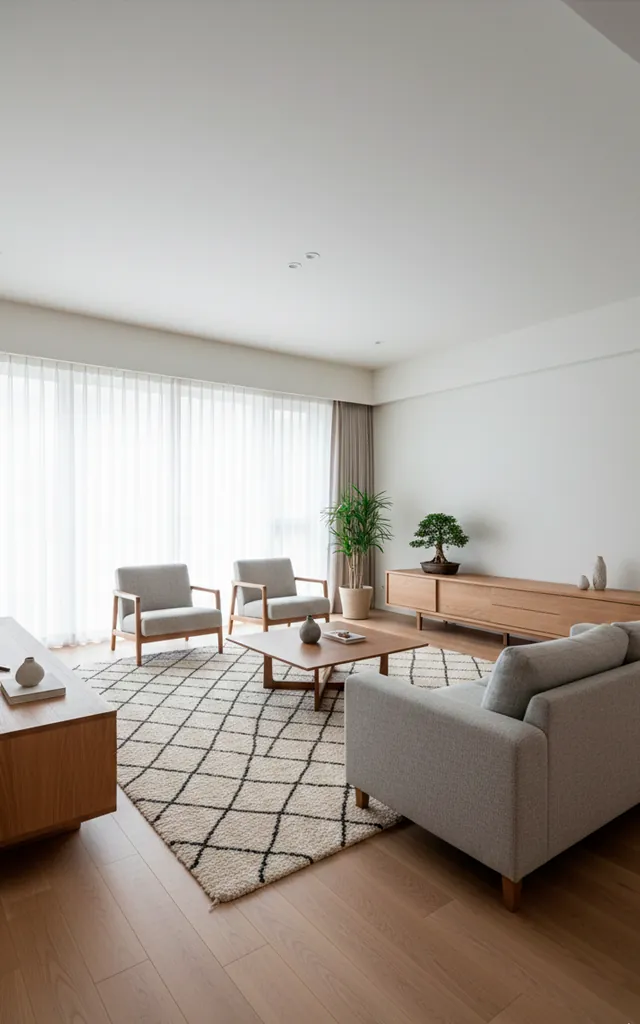
A Japandi room should feel like it has a rhythm. I moved my coffee table six inches to the left, and suddenly, the path through the room felt effortless. Avoid blocking windows or walkways; you want the air and light to move freely. Use low-profile storage to hide the ugly tech stuff and keep the visual noise down. IMO, a clear floor leads to a clear mind. :/ Think about how you move through the space daily and arrange your furniture to support that flow. When your environment is organized, your daily routine becomes a lot more graceful.
Conclusion
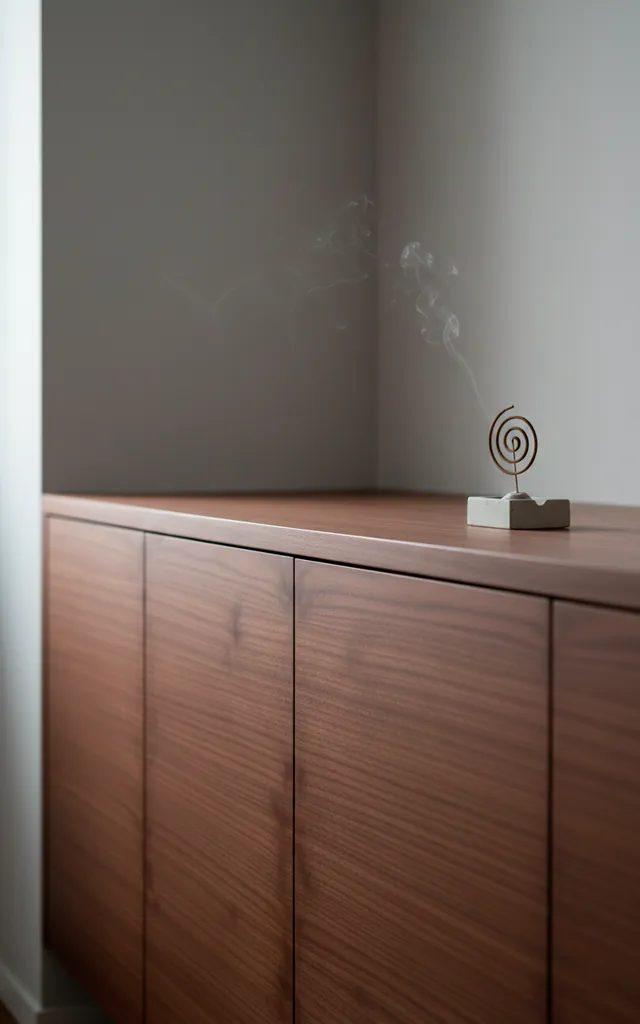
Mastering Japandi isn’t about spending a fortune; it’s about choosing quality over quantity and embracing simplicity. Your living room should be a place where the world slows down the moment you step inside. So, are you going to keep that cluttered shelf, or is today the day you finally embrace the Zen? Let’s start clearing the decks and bringing in the calm. Trust me, your future relaxed self will thank you for the upgrade!
Related posts
See All15 Vintage Circus Inspired Details for Playful Kids Bedroom Decor
Bring the magic of the big top home! Discover 15 playful, vintage circus-inspired decor details that will transform your kid's …
Read moreThe Complete Guide to Styling a Dining Room Credenza for Everyday Elegance
Give your dining room credenza the ultimate glow-up. Discover easy, elegant styling tips that balance everyday function with show-stopping design.
Read more15 Dried Citrus and Cinnamon Garlands for a Naturally Cozy Kitchen
Forget mass-produced decorations. Transform your kitchen into a naturally cozy, aromatic sanctuary with these 15 beautiful dried citrus and cinnamon …
Read moreThe Dog-Friendly Camper: Designing a Van Interior for Your Pets
Transform your camper van into the ultimate dog-friendly adventure mobile! Discover clever interior design hacks, durable materials, and cozy setups …
Read more