












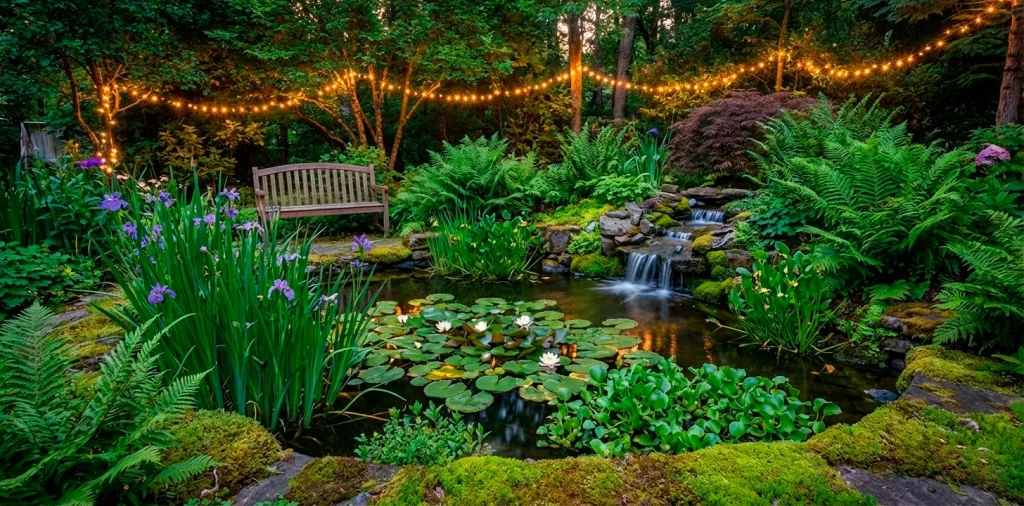

I once thought I needed a massive lake to attract wildlife, but I quickly realized a tiny pond does the job perfectly. You don’t need a sprawling estate to support your local ecosystem. A small, well-designed water feature provides a vital drinking station and home for garden visitors. Ready to transform your yard into a critter paradise?
Choosing the Right Basin for Your Micro-Pond
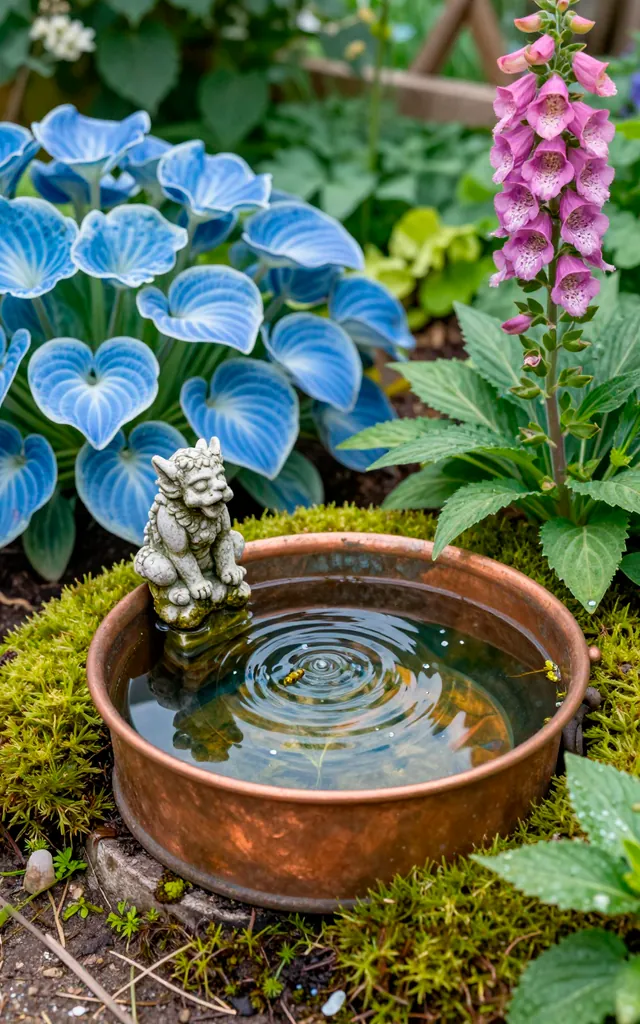
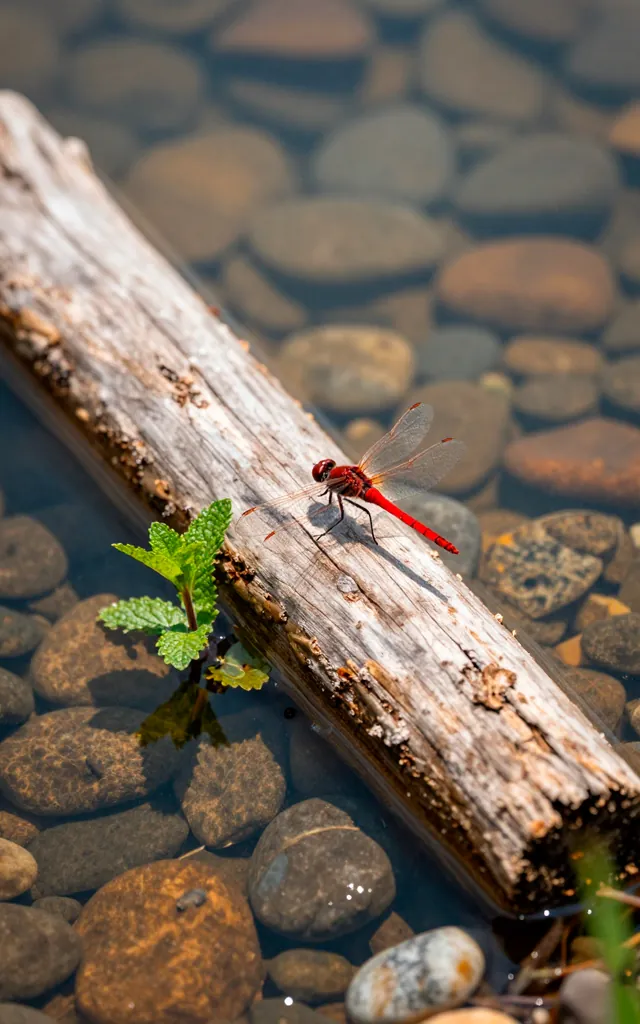
You don’t need a bulldozer to start your wildlife sanctuary. I used a repurposed vintage copper basin for my first micro-pond, and the dragonflies didn’t mind the rustic aesthetic one bit. Whether you choose a flexible liner or a pre-formed basin, ensure it has at least one deep spot. Why struggle with massive excavations when a simple sunken washbowl works? You should consider these materials:
- Galvanized steel tubs for a rustic look.
- Flexible EPDM liners for custom shapes.
- Pre-formed plastic basins for quick installation.
IMO, the smaller the pond, the more charming the details. 🙂
Creating Safe Passage with Slopes and Ramps
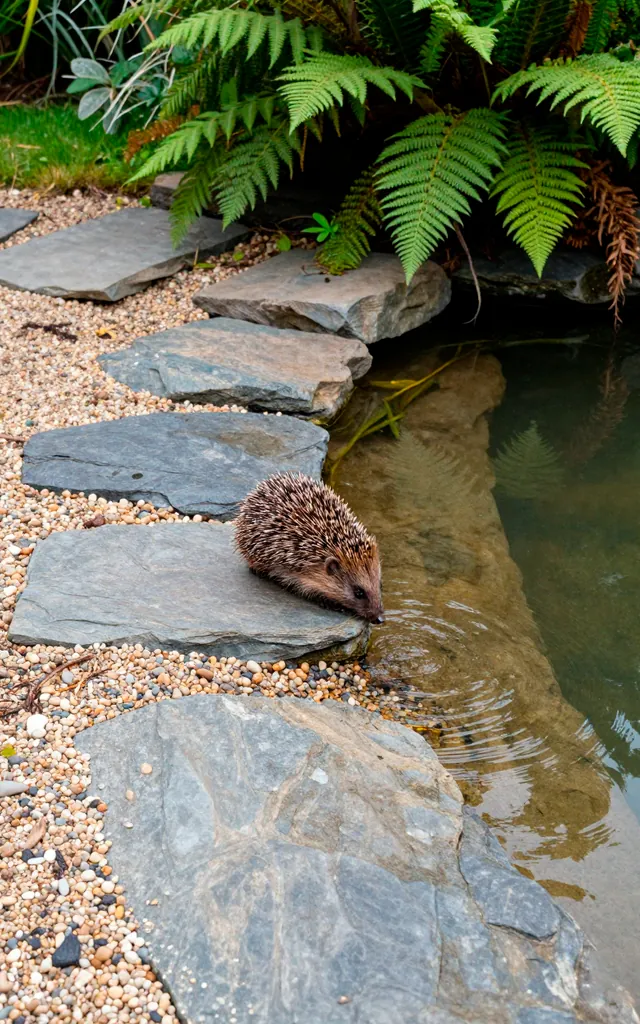
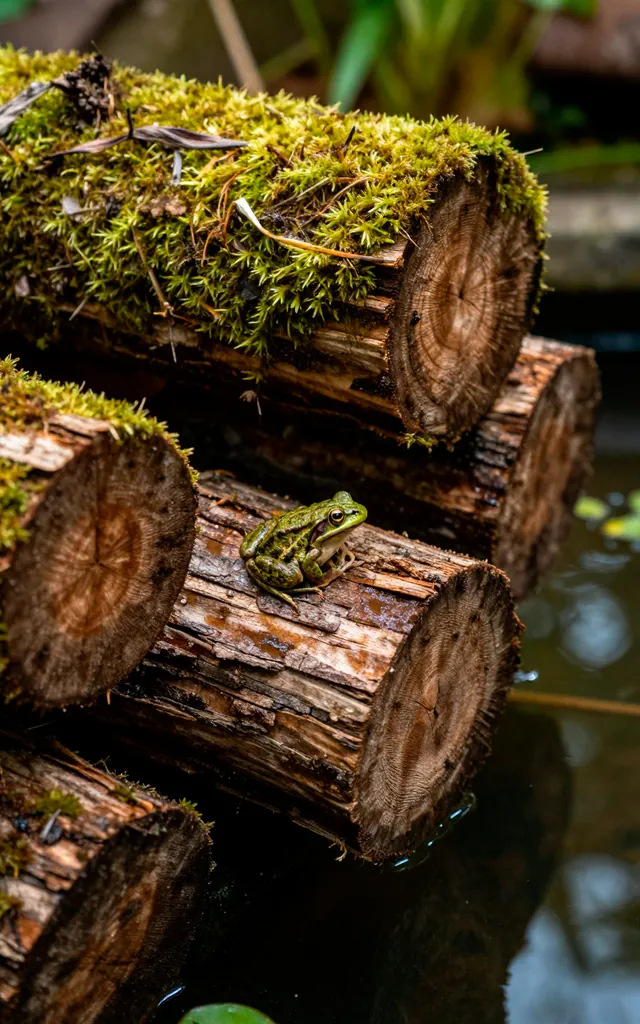
Imagine being a thirsty hedgehog and falling into a steep-sided bucket. Not fun, right? You must provide safety ramps or shallow beaches so critters climb out easily. I use flat stones and pebbles to create a gentle slope. This isn’t just a safety feature; it’s a VIP lounge for birds to bathe. Have you checked if your pond edges remain accessible from every angle? A pile of logs nearby also helps terrestrial friends find their way home safely. Smooth river rocks work best to prevent scratches on delicate visitors.
Nature’s Own Filter: Essential Oxygenating Plants
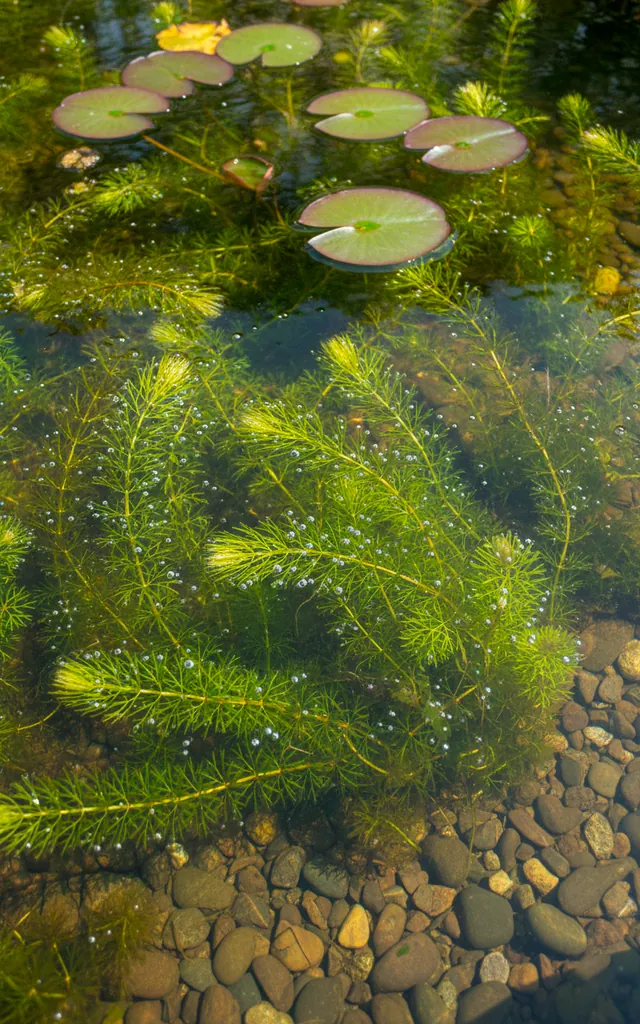
Forget those noisy, expensive filters. Nature provides its own filtration system: plants! I rely on a mix of oxygenators and floaters to keep the water crystal clear. Submerged plants like Hornwort do the heavy lifting by soaking up excess nutrients. Don’t you love it when a solution looks beautiful and works perfectly? You should aim for about 50% surface coverage to keep the water cool. Use these plants for clarity:
- Hornwort for submerged oxygenation.
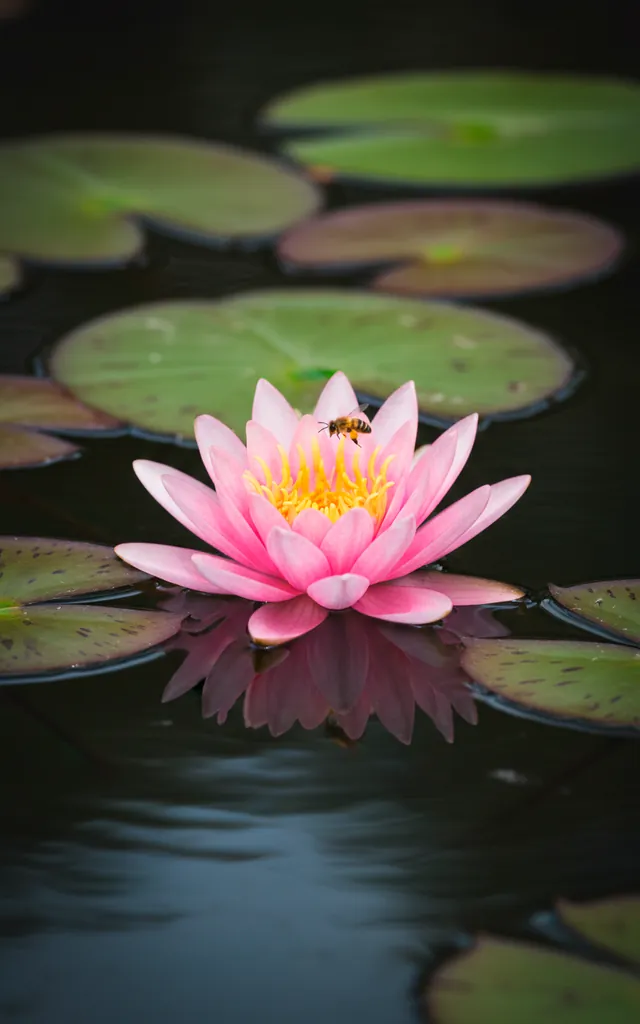
- Water Lilies for shade and beauty.
- Frogbit for surface coverage.
It’s basically a self-cleaning soup for your backyard guests!
The Art of Floating Cover
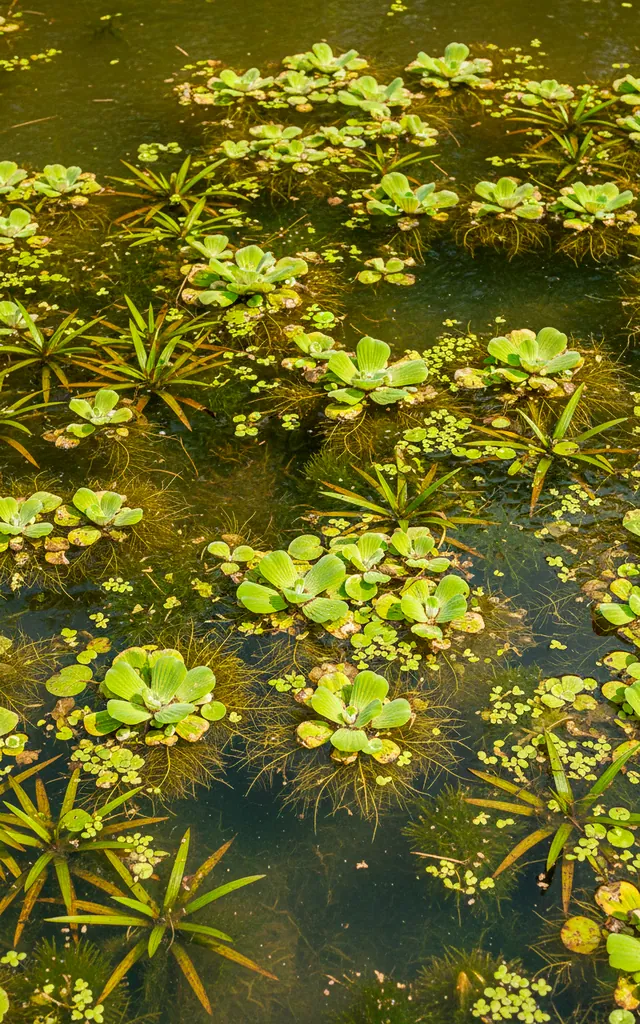
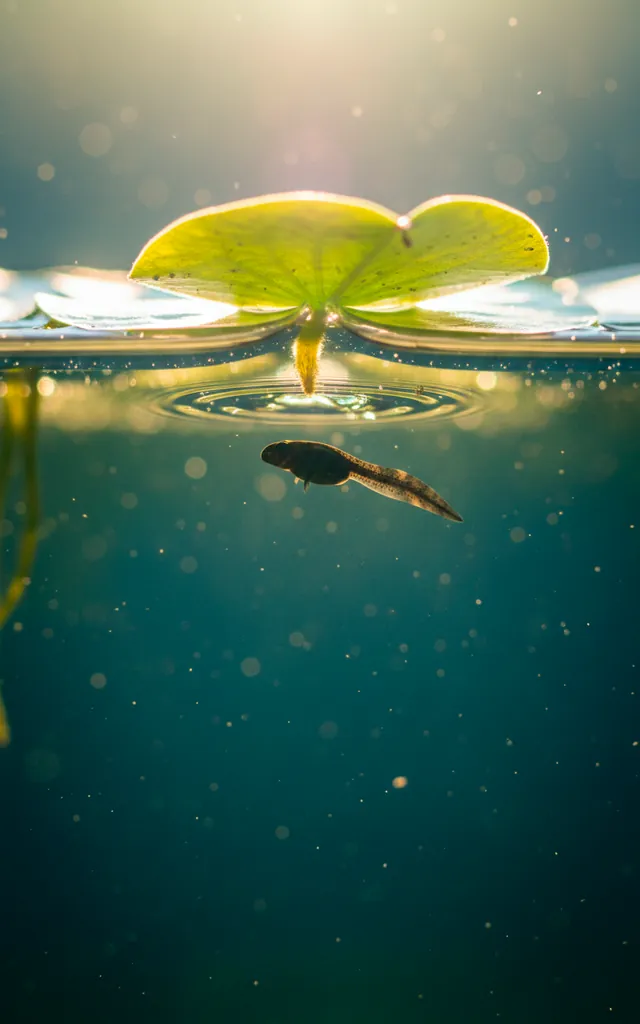
Floating plants act as the pond’s umbrella. I love how Frogbit and Water Soldiers provide instant shade for shy inhabitants. Do you enjoy watching light dance through green leaves? These floaters block out the sun, which prevents those annoying algae blooms from taking over. You just toss them in and watch them multiply! They offer the perfect hiding spots for tadpoles escaping hungry birds. Plus, they look incredibly classy sitting on the surface. I suggest mixing different leaf shapes to create visual interest for your garden viewers.
Marginal Planting for a Natural Look
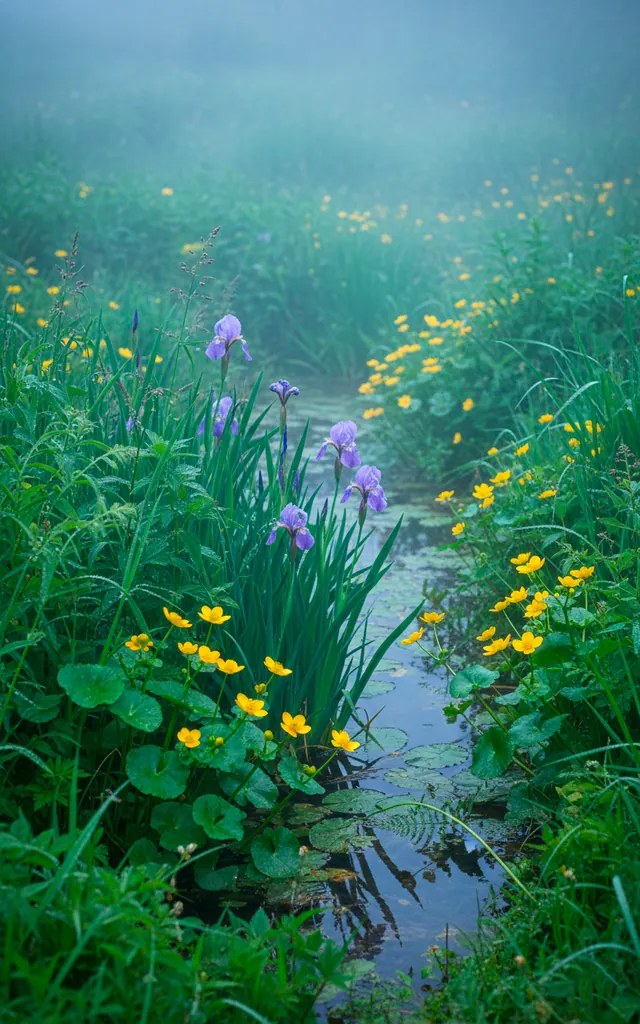
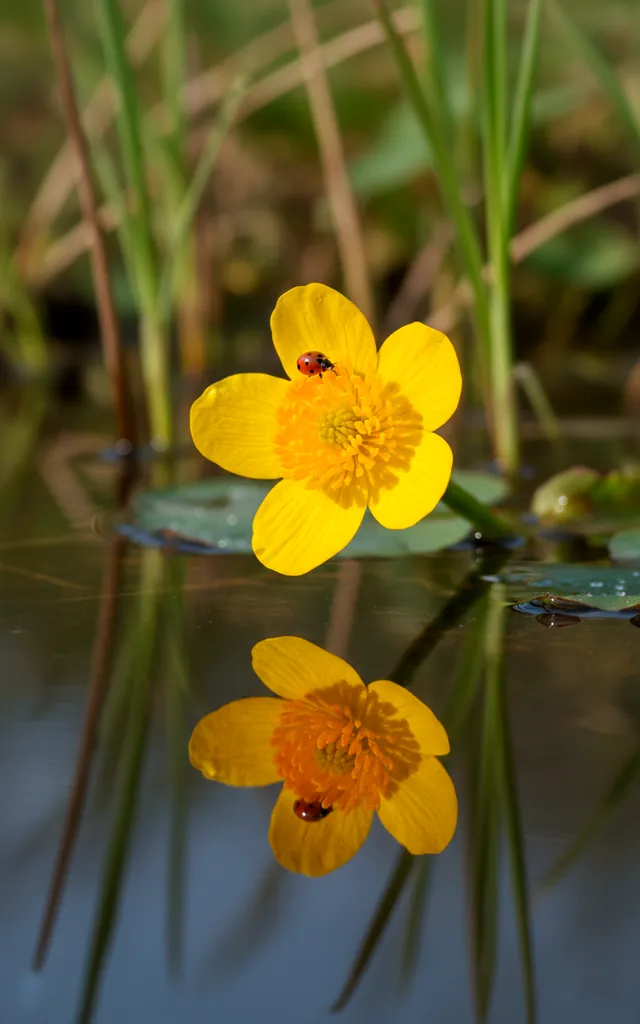
The pond edge serves as the transition zone for wildlife. I always plant Marsh Marigolds and Water Irises in the shallow margins to soften the look. These ‘marginals’ provide essential cover for frogs entering and exiting the water. Does your pond look a bit too naked around the rim? Lush foliage hides the liner and makes the whole setup look natural. You should choose plants with varying heights to create a dynamic, tiered ecosystem. I prefer using perforated planting bags to keep the soil from washing away and clouding the water.
Finding the Perfect Location
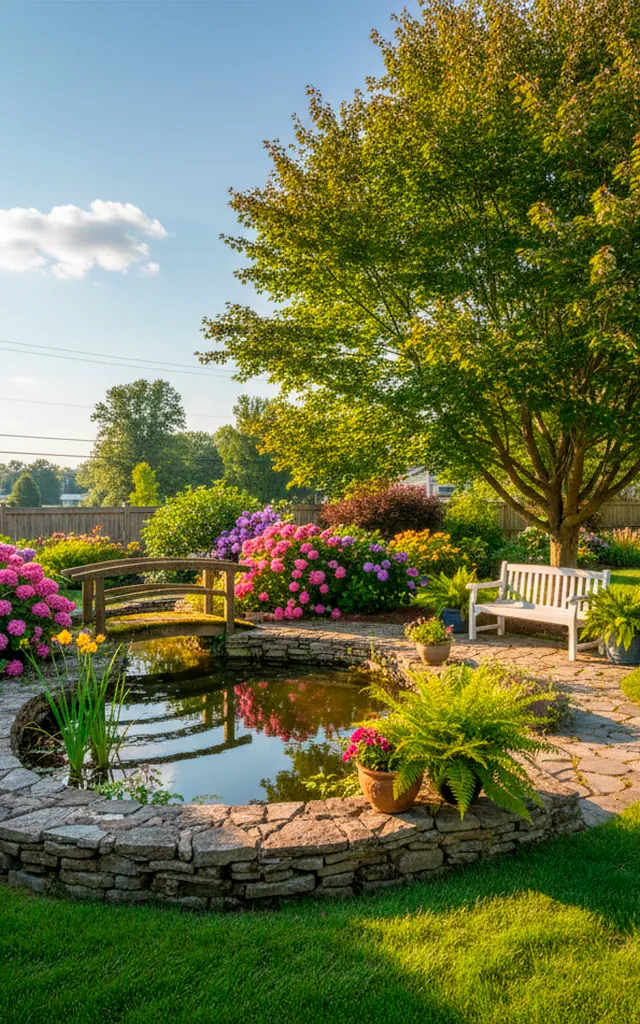
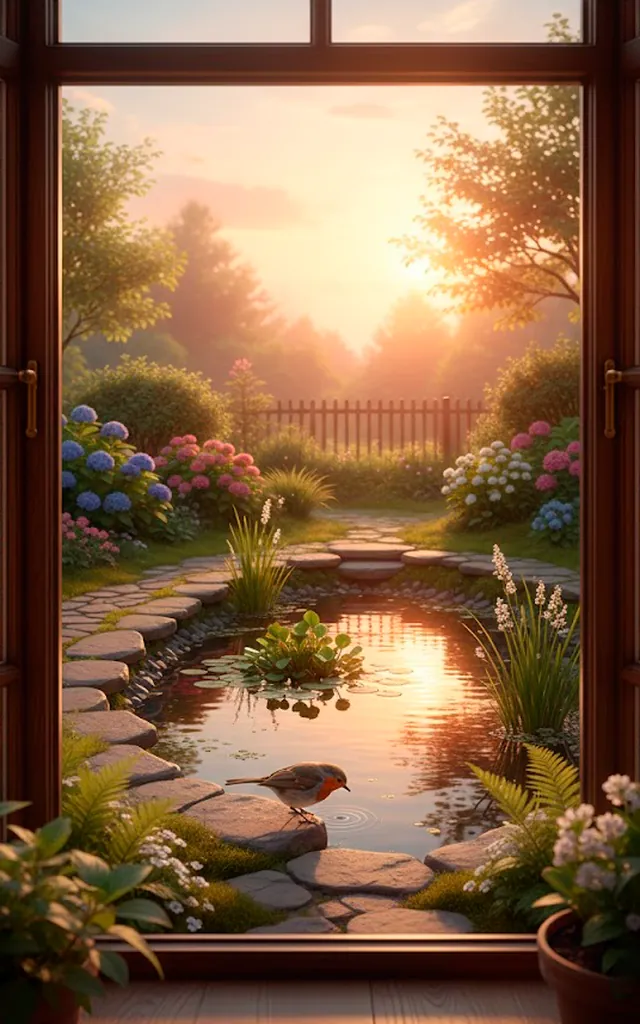
Location determines the success of your tiny ecosystem. I suggest finding a spot that receives about 4 to 6 hours of sunlight daily. Too much sun turns your pond into a pea-soup-colored mess, while too little stunts plant growth. Have you checked for overhanging trees? Falling leaves rot and ruin water quality, so avoid placing your pond directly under a willow. You want a site that stays visible from your window so you can enjoy the show! :/
Low-Stress Maintenance Tips
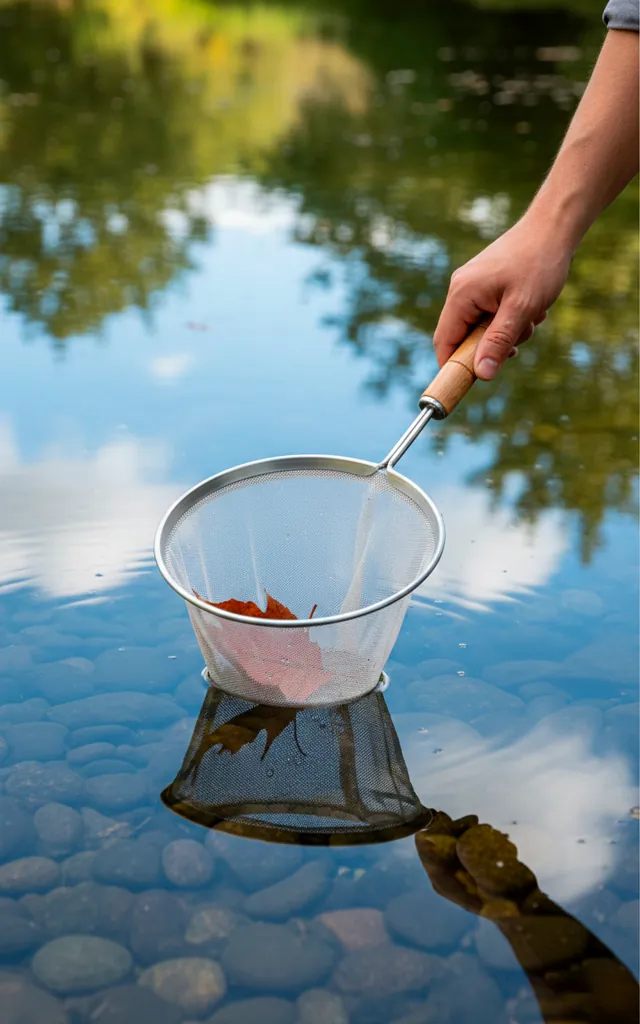
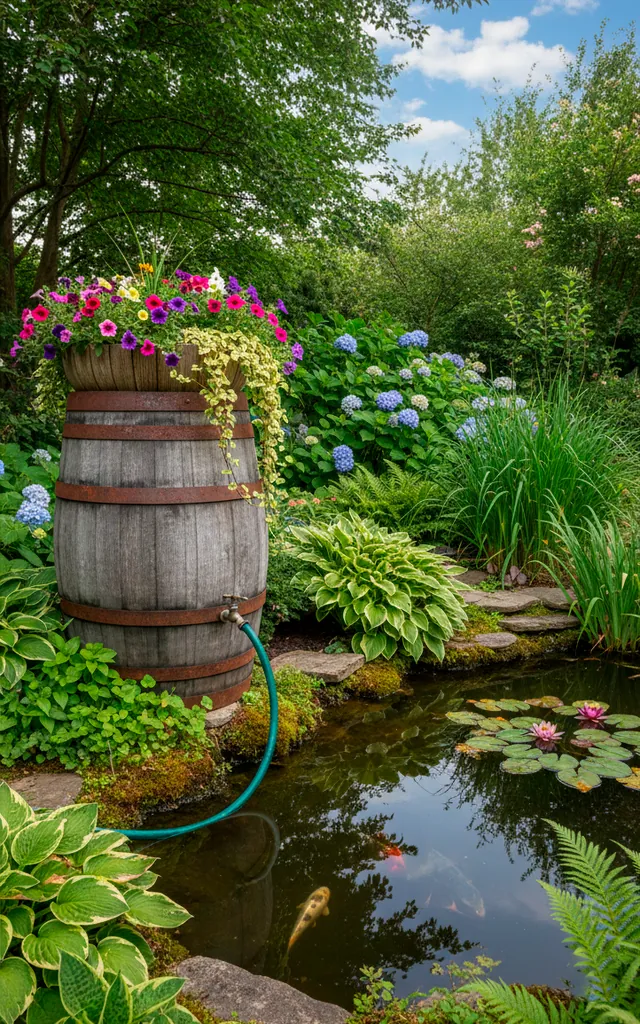
Maintenance keeps your mini-oasis from turning into a swamp. I spend about ten minutes a week removing fallen debris with a small net. FYI, you should leave any scooped-out vegetation by the side for 24 hours so tiny bugs can crawl back in. Does that sound like too much work? It actually saves you time in the long run. Keeping the water clear ensures your local frogs remain healthy and happy all year round. I also top up the water with dechlorinated rainwater during dry spells to keep levels consistent.
Conclusion
Building a tiny pond is the single best thing I’ve done for my garden. It turns a quiet corner into a bustling hub of life and activity. Remember to keep those edges sloped and those plants happy! Why wait for a bigger yard when you can start today? I can’t wait to hear about the first frog that moves into your new micro-oasis. Happy pond building!
Related posts
See AllMinimalist Living Room Design: 15 Rules for Intentional Decor
Looking to declutter your space? I share 15 intentional decor rules for a minimalist living room that feels cozy, curated, …
Read more7 Pastel Painted Closet Ideas to Refresh Kids Bedroom Design
Ready to ditch the boring white doors? Explore these 7 stunning pastel closet ideas that transform messy kids' rooms into …
Read moreGuide to Selecting the Most Comfortable Treatment Beds for Clients
Ditch the stiff tables and squeaky hinges. Your clients deserve a cloud-like experience, and I'm here to help you find …
Read more