












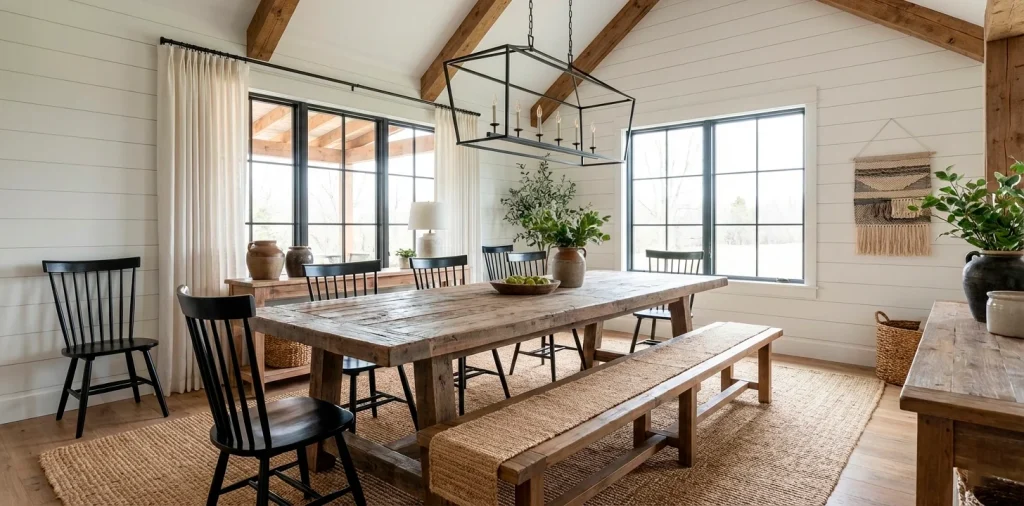

Most people think ‘farmhouse’ means buying a matching set from a big-box store and calling it a day. I learned the hard way that true soul comes from pieces that actually lived a life before they met your dinner plates. I spent months hunting for a table with enough scars to tell a story. Ready to ditch the cookie-cutter vibe for something with real grit and character?
Invest in a Statement Reclaimed Table
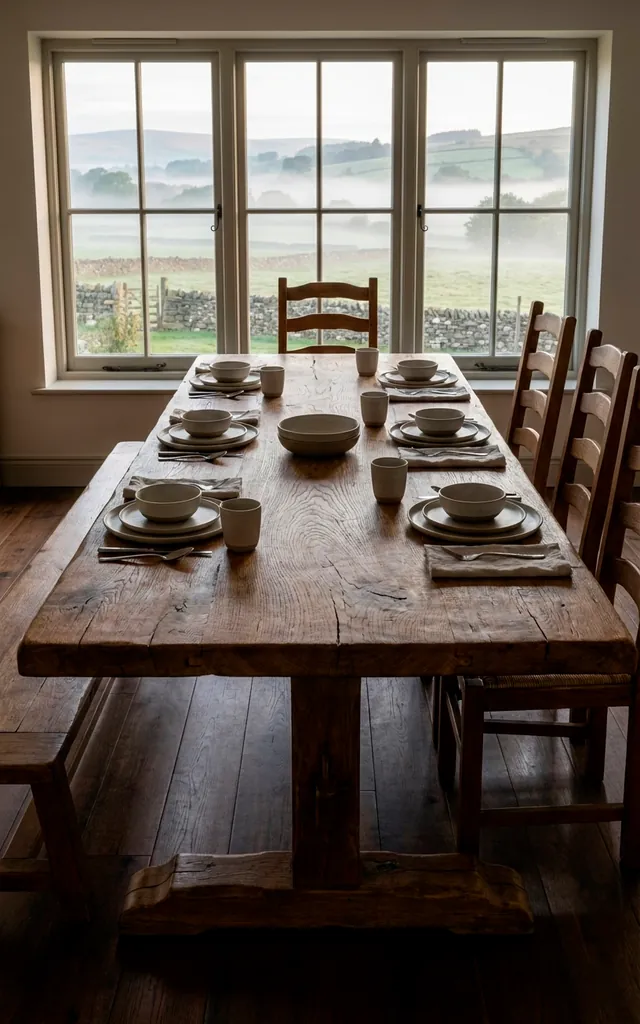
The table acts as the heartbeat of your entire room. I recommend choosing a piece with visible nail holes and deep grain patterns that demand attention. These imperfections aren’t flaws; they are the history of the wood. A thick trestle base provides the visual weight needed to ground a large room. Does your current table feel a bit too ‘perfect’ for a rustic space? Look for salvaged oak or pine that retains its original saw marks for maximum authenticity.
Mix and Match Your Seating
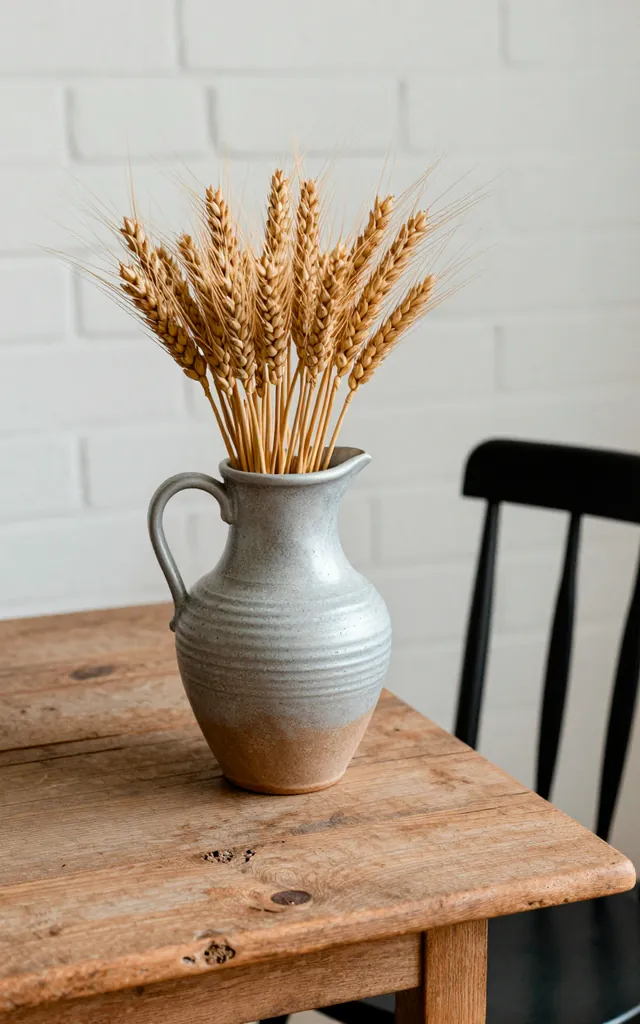
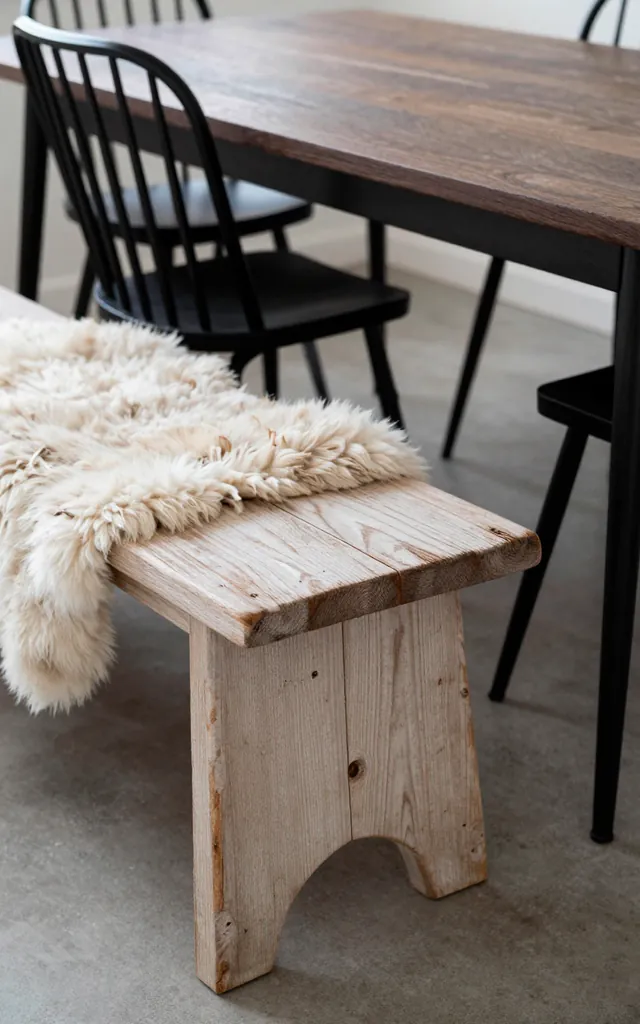
Matching chair sets feel a little too much like a furniture showroom for my taste. I love pairing a heavy, rustic bench on one side with a set of sleek, black metal chairs on the other. This creates a visual tension that keeps the eye moving. It also makes the room feel like you collected it over time rather than buying it in one afternoon. Why settle for boring symmetry when you can have personality? FYI, benches are also great for squeezing in extra kids during the holidays. 🙂
Switch to Industrial Lighting
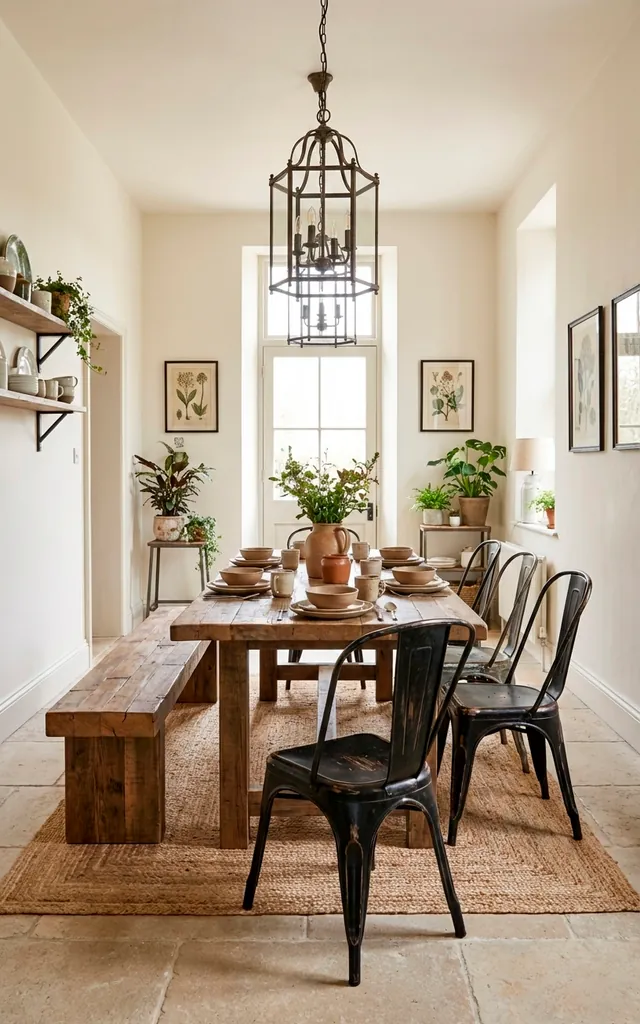
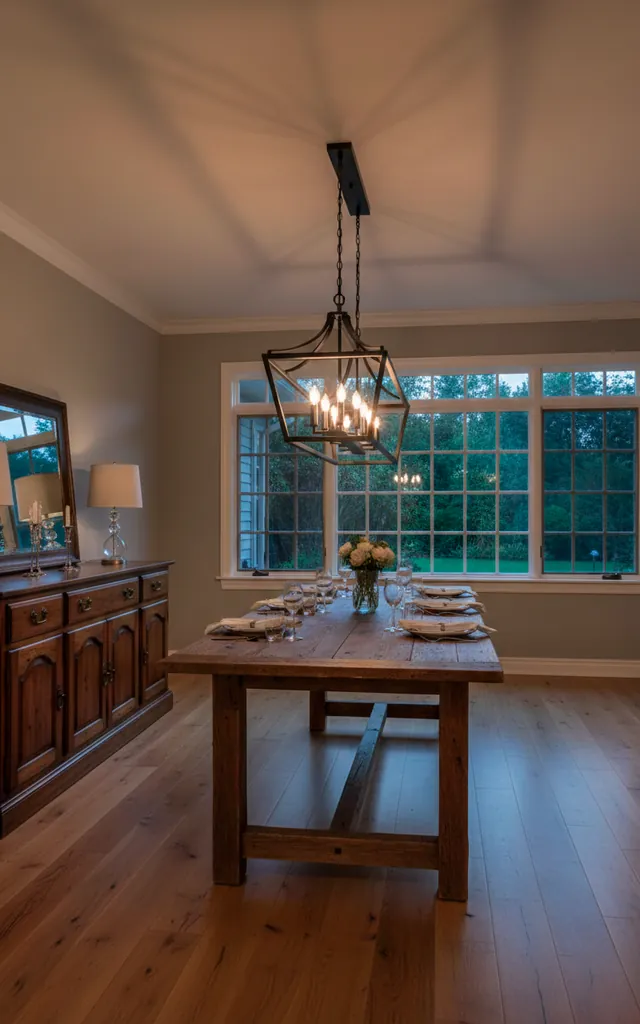
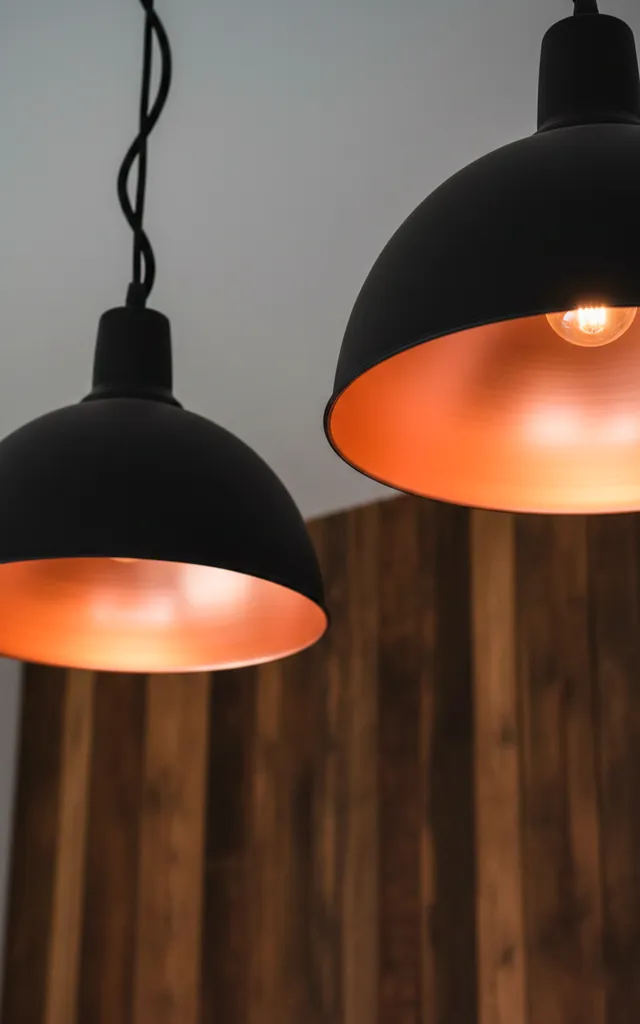
Standard dome lights don’t do justice to a reclaimed aesthetic. I suggest an oversized linear chandelier or a pair of large metal pendants to hang over the table. The dark iron or copper finish provides a necessary contrast to the warm tones of the wood. Ensure the bottom of the light sits about 30 to 36 inches above the tabletop. This creates an intimate ‘room within a room’ feel during dinner. Ever noticed how the right light makes even a simple bowl of soup look gourmet?
Add Texture with Shiplap or Brick
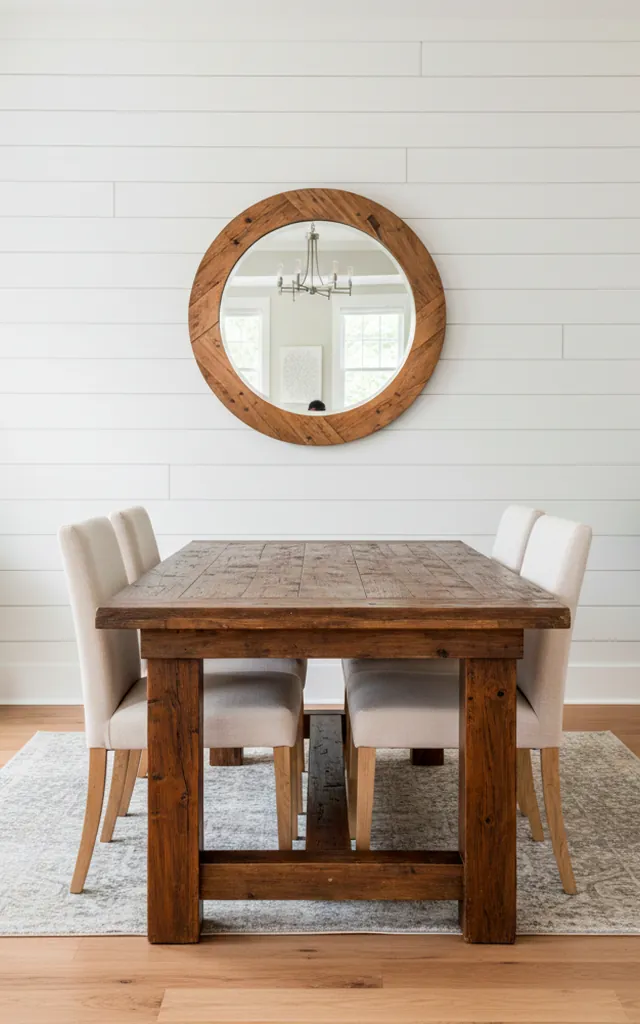
Flat drywall kills the farmhouse vibe faster than anything else. I recommend adding a reclaimed wood accent wall or a white-washed brick backsplash. These elements provide a tactile backdrop that makes your furniture pop. I once helped a friend install vertical shiplap, and it instantly made her low ceilings feel like a cathedral. Keep the colors neutral so the textures do the heavy lifting. Does your room feel a bit two-dimensional? Texture is almost always the missing ingredient.
Utilize Open Shelving for Character
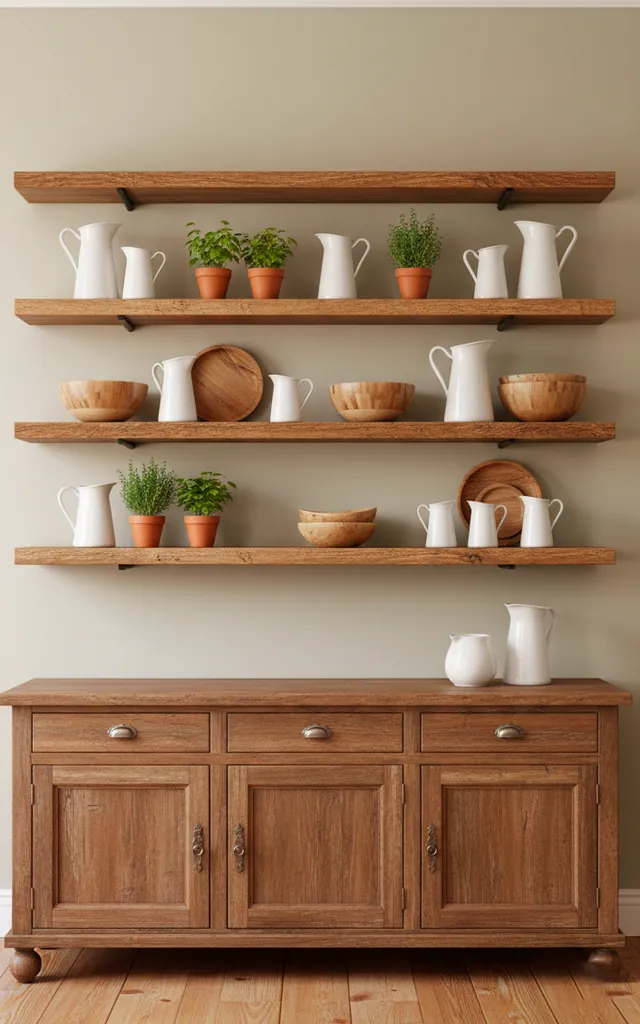
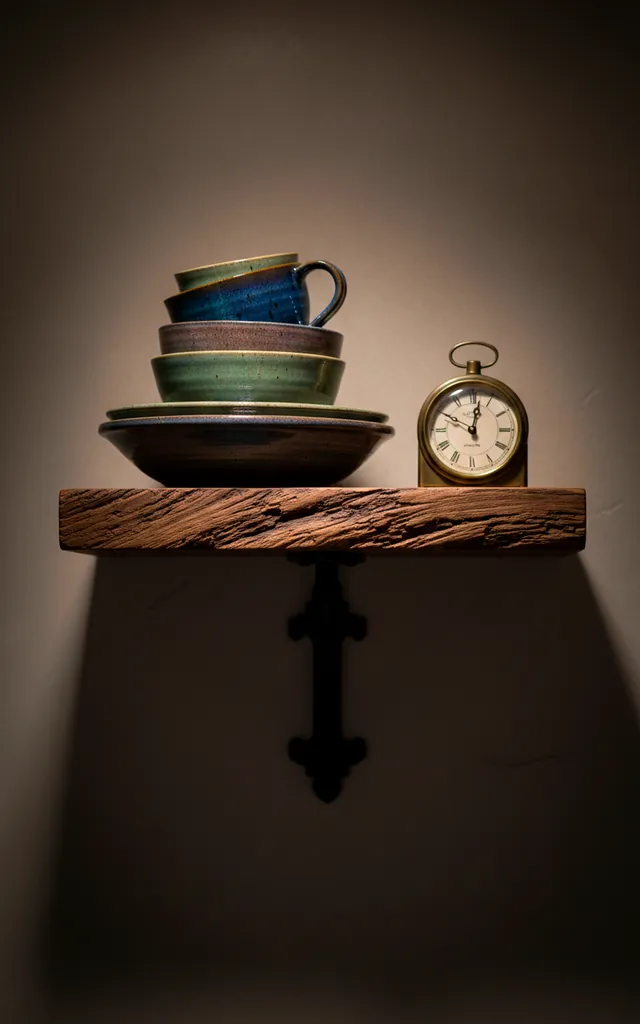
Closed cabinets hide the very things that give a kitchen or dining area soul. I prefer thick, raw-edge wooden shelves held up by heavy iron brackets. Use these to display your favorite stoneware or those antique crocks you found at the flea market. It forces you to stay organized while showing off your personal style. IMO, a stack of white plates against a dark wood shelf is a design classic that never fails. Just make sure you actually use the items so they don’t collect dust.
Layer with Natural Textiles
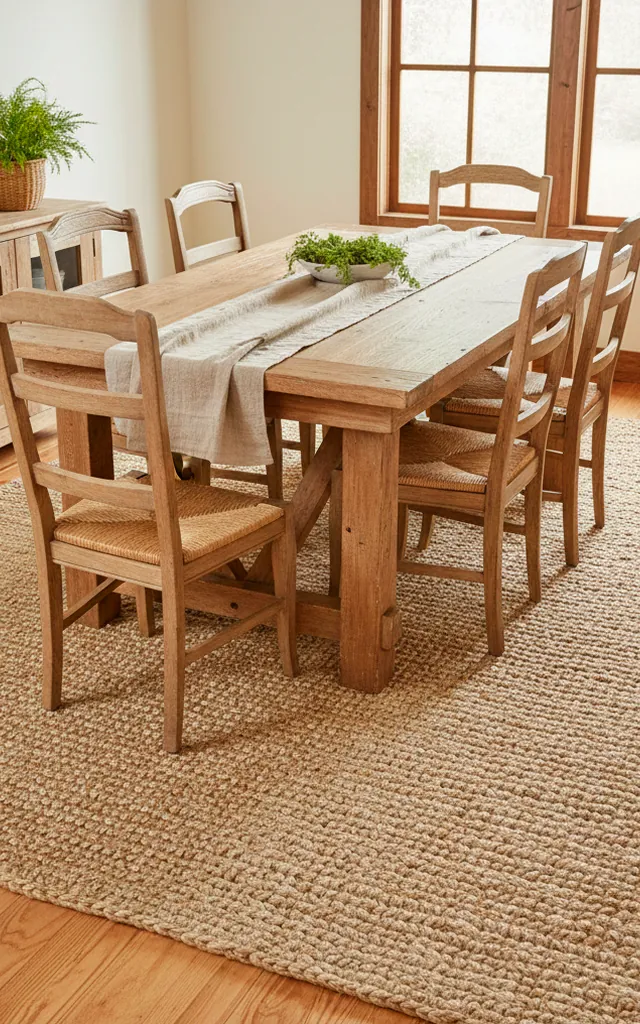
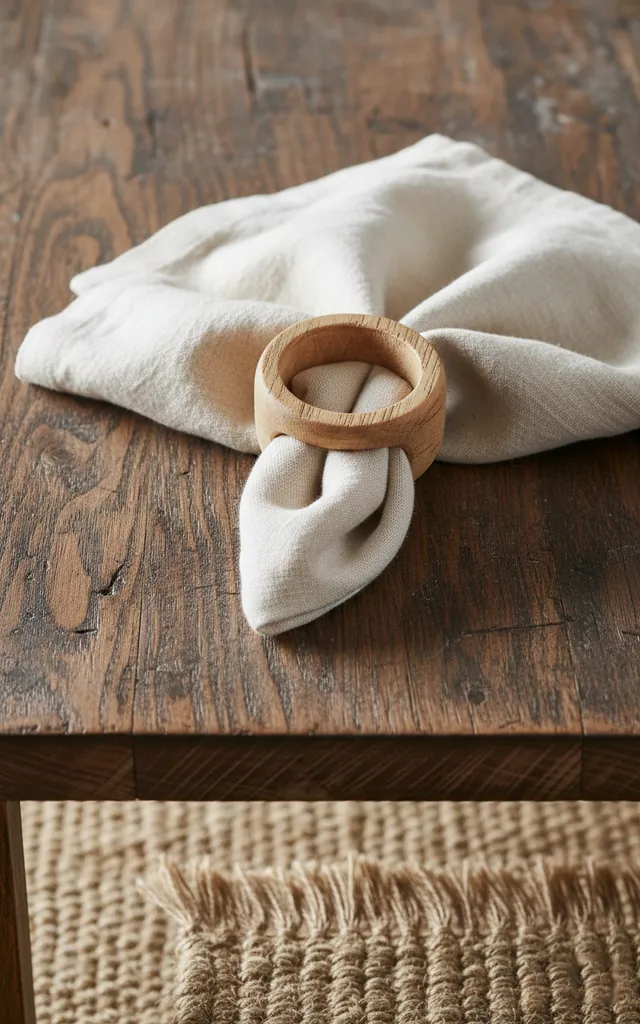
Hardwood floors and wooden tables need soft friends to balance the room. I always choose a chunky jute or sisal rug to ground the space. For the table, skip the formal tablecloth and go with a long linen runner that pools slightly on the floor. These natural fibers add a layer of organic warmth that prevents the room from feeling too sterile. Have you ever walked barefoot on a jute rug? It’s basically a spa day for your feet, minus the cucumber water.
Incorporate Salvaged Decor
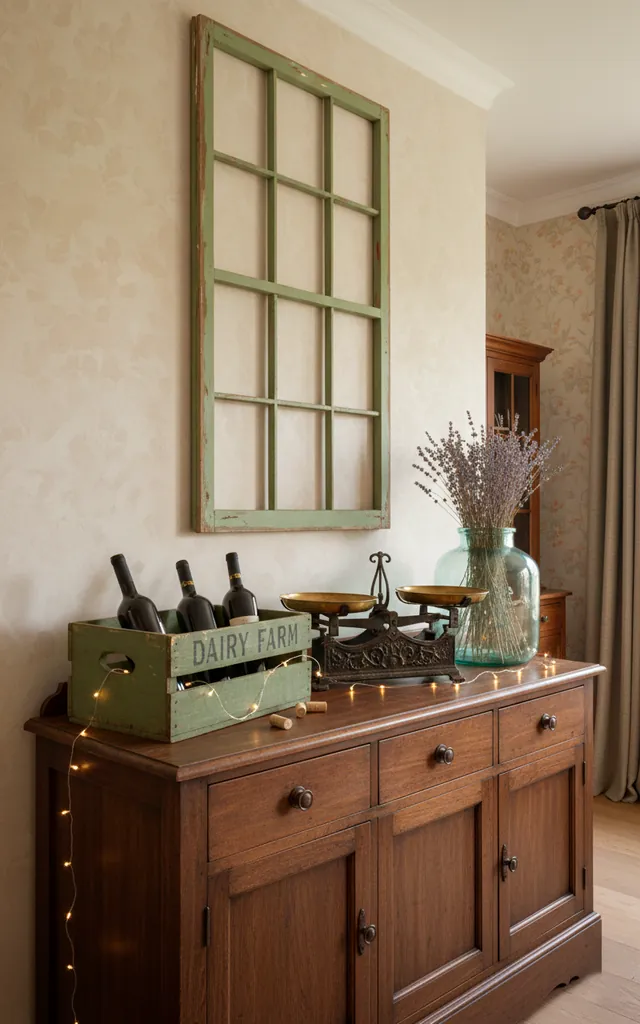
Avoid the aisle of mass-produced ‘farmhouse’ signs at the craft store. Instead, look for genuine antiques like old milk crates, scales, or even a salvaged window frame. These pieces bring an air of authenticity that a replica simply cannot mimic. I once used an old galvanized wash tub as a drink cooler for a dinner party, and people talked about it for weeks. Small touches of authentic rust and chippy paint make the space feel real. Quality over quantity is the golden rule here.
Repurpose a Vintage Sideboard
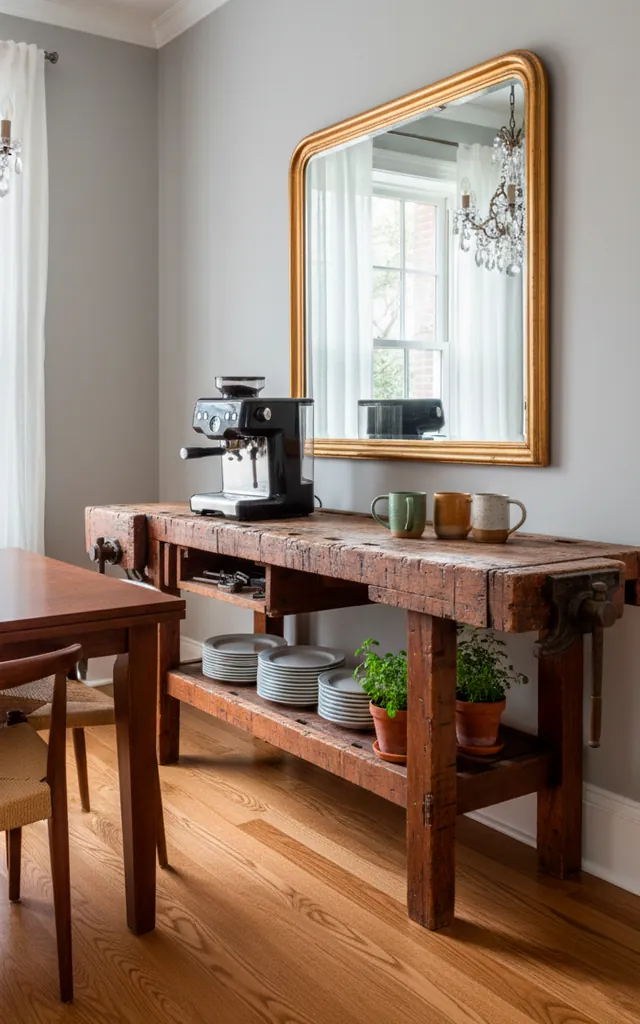
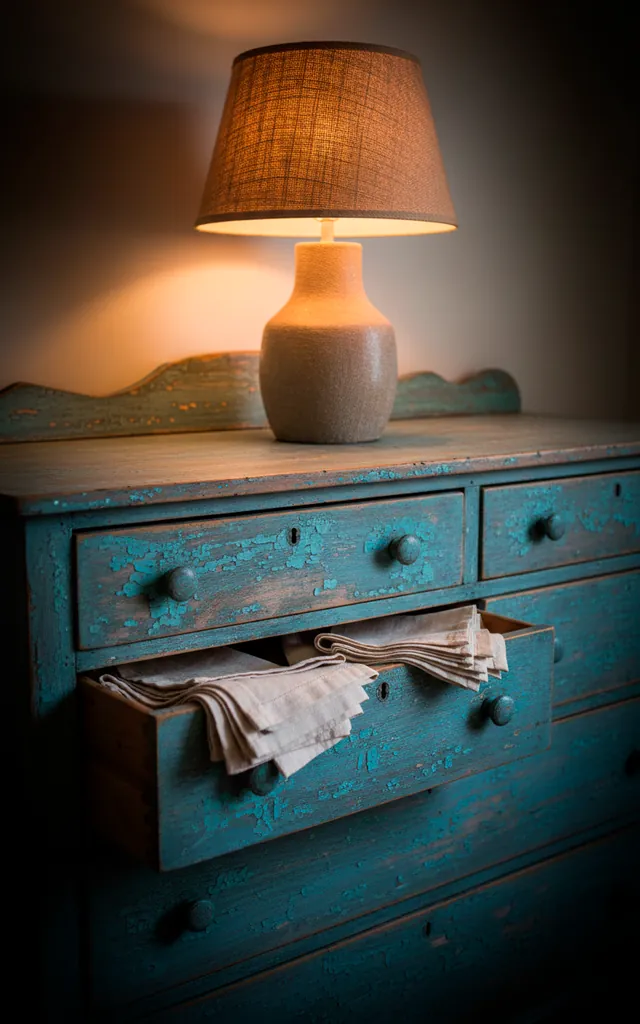
A dining room needs a workhorse for storage. I suggest hunting for an old workbench or a dresser and converting it into a sideboard. Sand the top down but leave the original base paint for a ‘found’ look. It provides a perfect surface for a coffee station or a buffet-style spread. I find that these repurposed pieces often have better bones than anything new. Plus, you get the satisfaction of knowing you saved a piece of history from the landfill. Isn’t that better than a flat-pack cabinet?
Bring in Life with Greenery
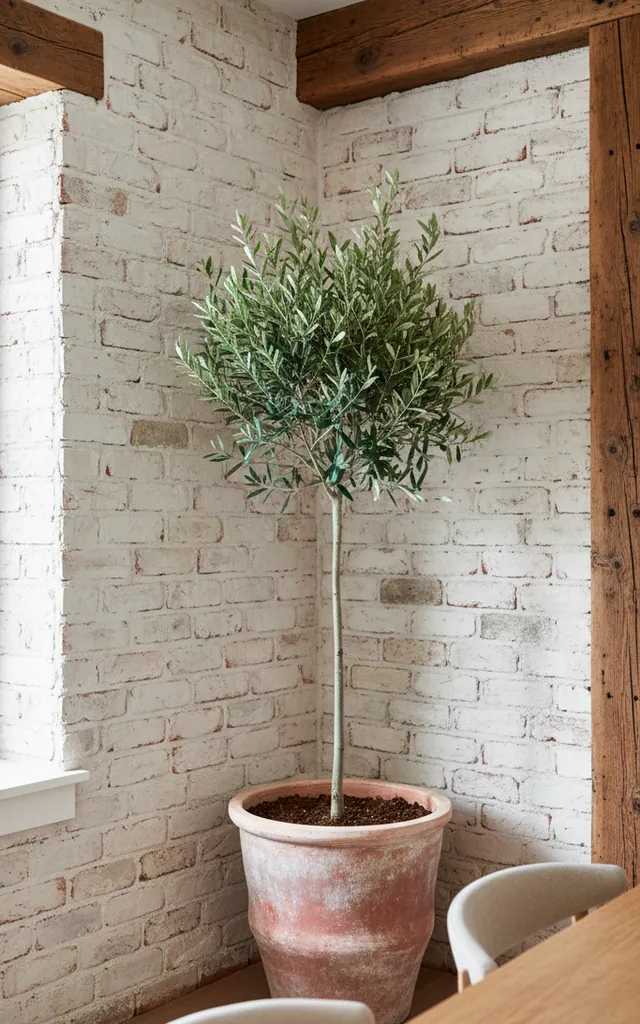
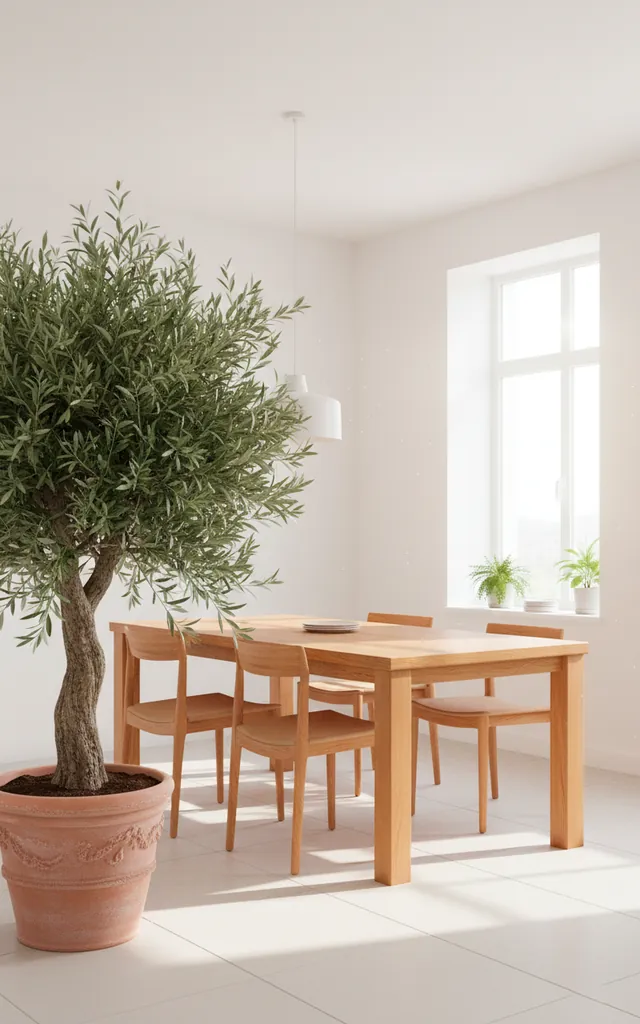
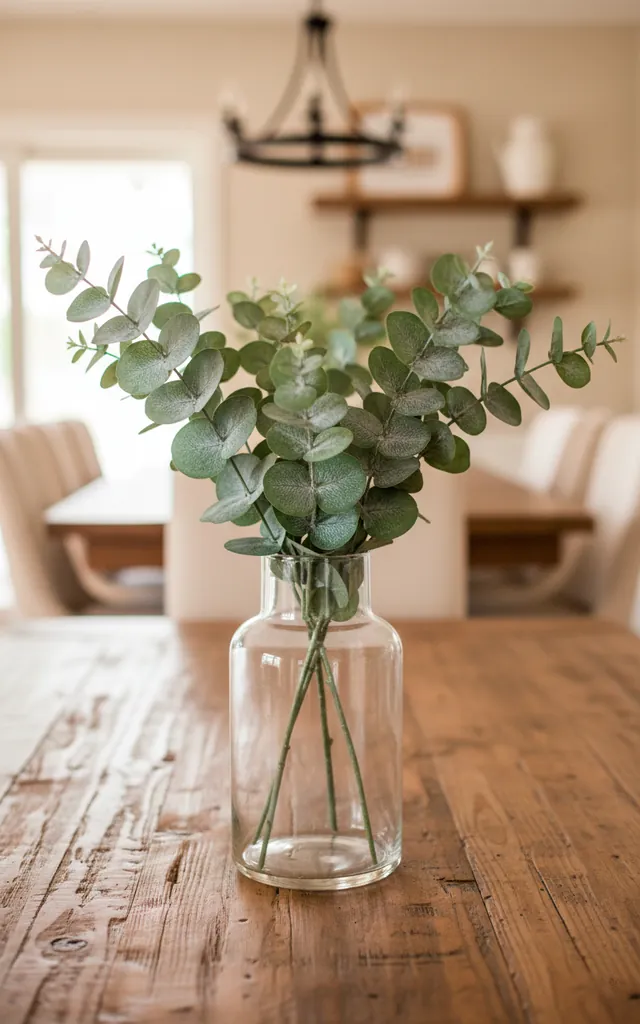
Wood and metal can feel a bit heavy without something living in the mix. I like to place a large olive tree in a corner or a simple eucalyptus branch in a glass jar. The green pops beautifully against the neutral palette of a farmhouse room. It softens the hard lines of the reclaimed wood and makes the air feel fresher. Don’t worry if you don’t have a green thumb; even high-quality faux plants do the trick these days. It’s all about that splash of organic color.
Ground the Space with Wide-Plank Floors
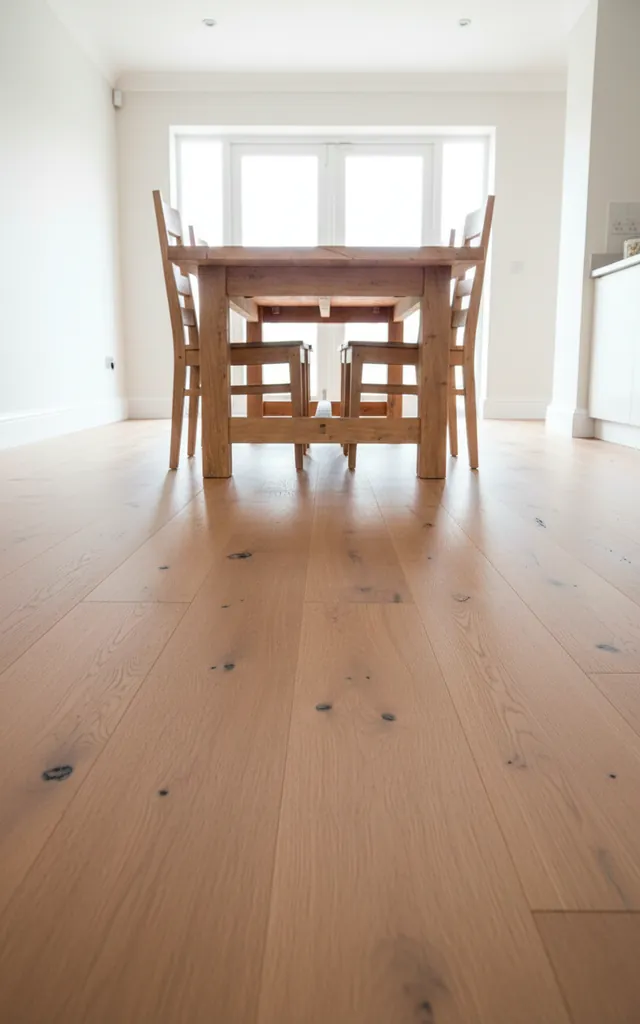
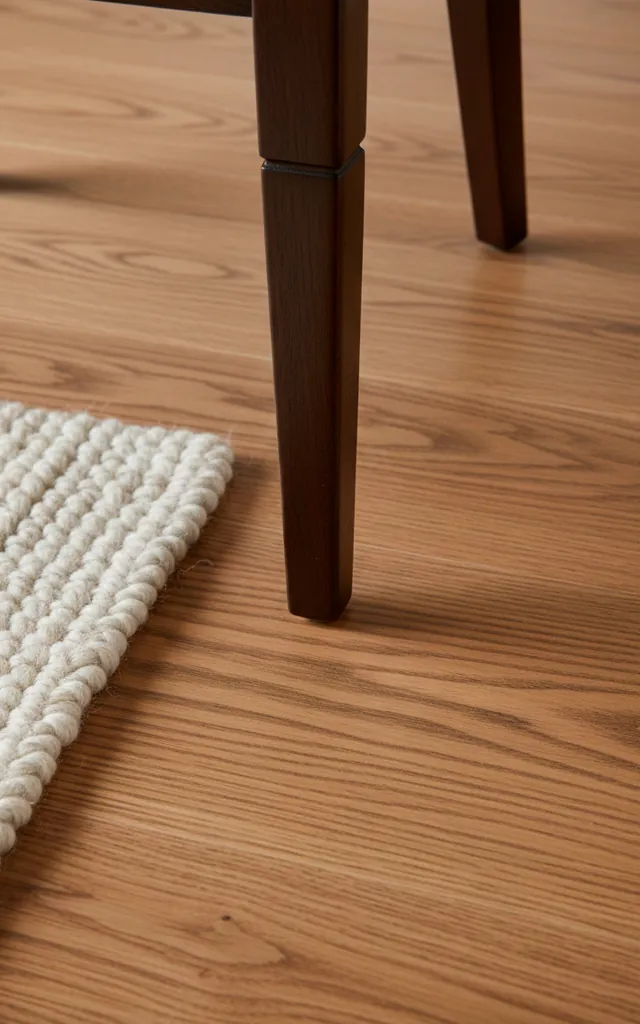
The floor is the largest surface in the room, so don’t ignore it. If you can’t have original 100-year-old hardwoods, choose wide-plank flooring with a matte finish. Avoid high-gloss coats that look like plastic. A distressed finish is a lifesaver because it hides scratches from chair legs and pet claws perfectly. I recommend a medium-toned oak that isn’t too red or too gray. It provides a timeless foundation that allows your reclaimed furniture to shine. Ready to give your room a solid place to stand?
Conclusion
Mastering the reclaimed farmhouse look isn’t about perfection; it’s about celebrating the history of your materials. Start with one ‘hero’ piece, like a great table, and layer in textures and antiques over time. Your dining room should feel like a warm hug, not a cold museum. Ready to go hunt down that perfect, beat-up sideboard and start your transformation? You’ve got this! 🙂
Related posts
See All15 Vintage Circus Inspired Details for Playful Kids Bedroom Decor
Bring the magic of the big top home! Discover 15 playful, vintage circus-inspired decor details that will transform your kid's …
Read moreThe Complete Guide to Styling a Dining Room Credenza for Everyday Elegance
Give your dining room credenza the ultimate glow-up. Discover easy, elegant styling tips that balance everyday function with show-stopping design.
Read more15 Dried Citrus and Cinnamon Garlands for a Naturally Cozy Kitchen
Forget mass-produced decorations. Transform your kitchen into a naturally cozy, aromatic sanctuary with these 15 beautiful dried citrus and cinnamon …
Read moreThe Dog-Friendly Camper: Designing a Van Interior for Your Pets
Transform your camper van into the ultimate dog-friendly adventure mobile! Discover clever interior design hacks, durable materials, and cozy setups …
Read more