












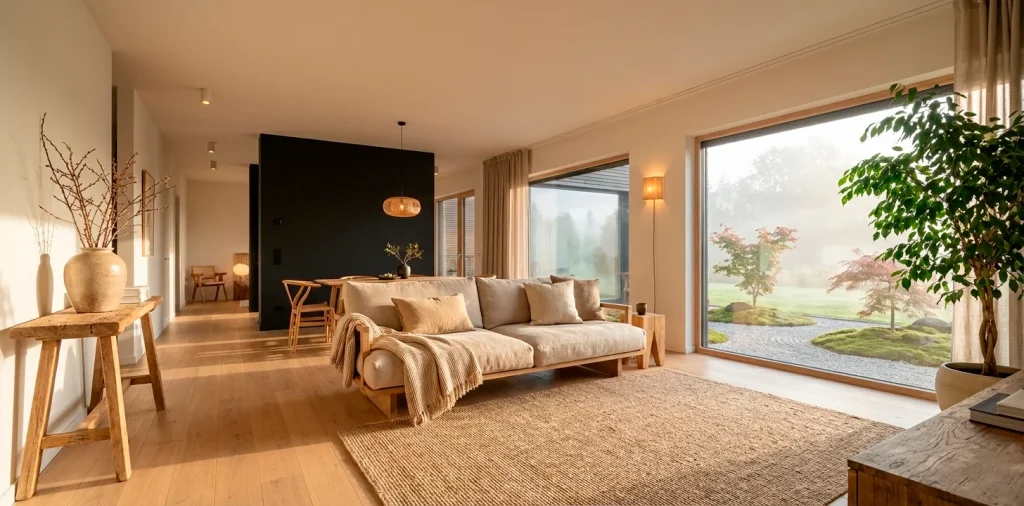

Your living room currently feels like a high-stakes game of Tetris where you’re losing, right? I spent years hoarding ‘cute’ knick-knacks until my apartment basically staged an intervention. Then I discovered Japandi. This style marries Japanese elegance with Scandinavian comfort to create a space that actually lets you breathe. IMO, it’s the ultimate antidote to our cluttered, noisy lives. Ready to ditch the chaos and embrace the calm?
Master the Art of High-Contrast Neutrals
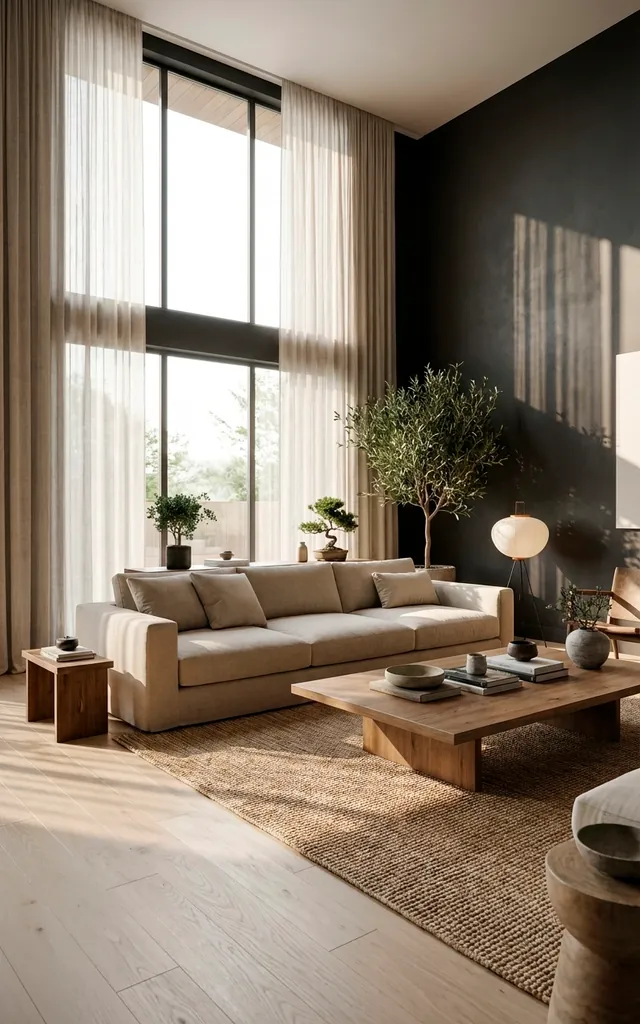
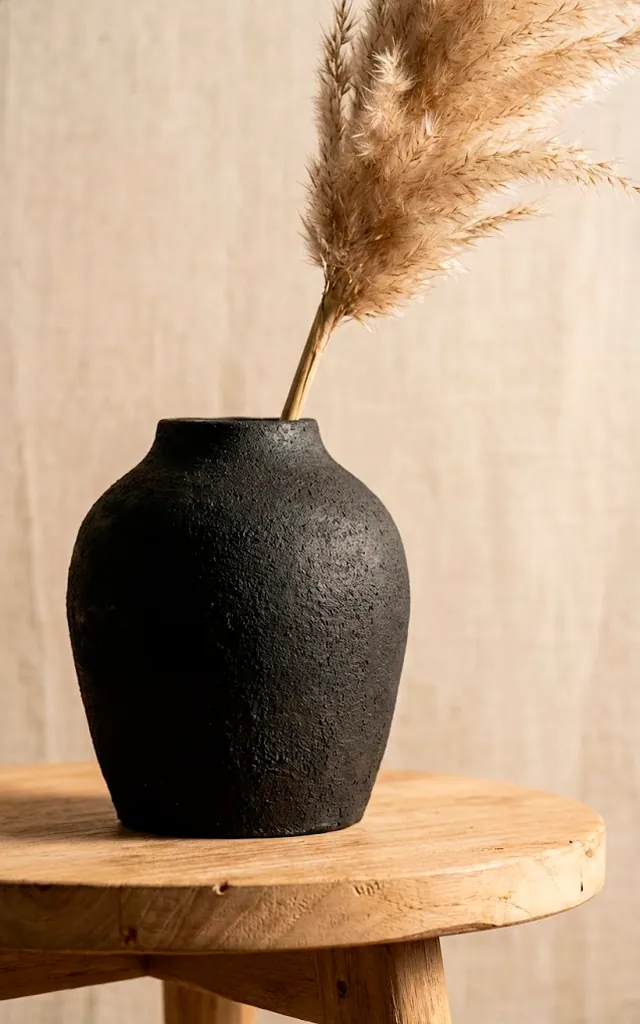
Forget those boring, all-beige rooms that look like a bowl of oatmeal. True Japandi style thrives on the tension between light and dark. I love pairing pale Scandi woods with bold, black Japanese accents. This contrast creates visual interest without overstimulating your brain. Have you ever noticed how a single black metal lamp makes a white room feel instantly grounded? Mix creamy whites, soft greys, and warm tan tones. Then, drop in some ‘ink’ or charcoal elements to provide depth. Use these darker pieces sparingly to maintain a sense of airiness.
Choose Low-Profile Furniture for Better Flow
Japanese design traditionally keeps things close to the floor to foster a connection with the earth. You don’t need to ditch your bed frame entirely, but choosing lower furniture opens up the top half of your room. This trick makes even tiny apartments feel like sprawling mansions. I replaced my chunky dresser with a sleek, low-slung sideboard and felt the room expand instantly. Does your current furniture block your line of sight? Look for pieces with clean lines and zero unnecessary frills. Avoid heavy, ornate carvings that trap dust and visual energy.
Layer Natural Textures to Avoid Coldness
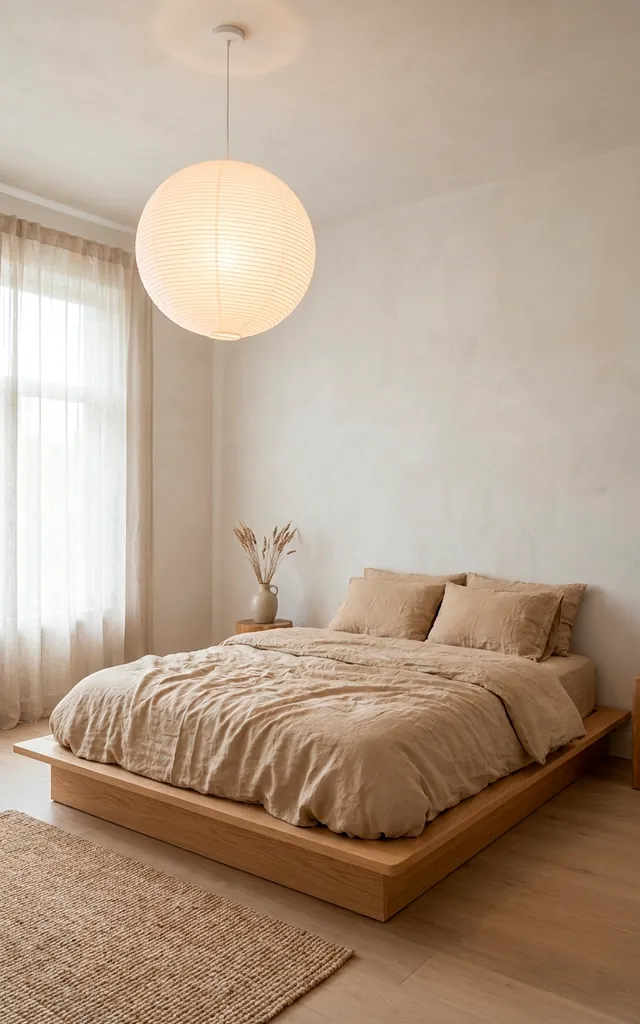
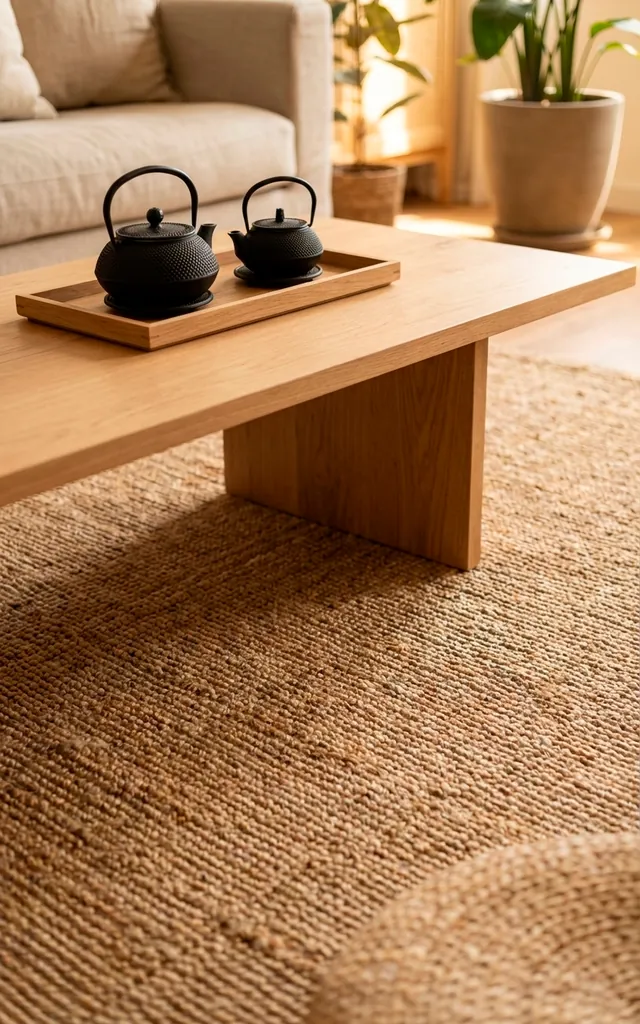
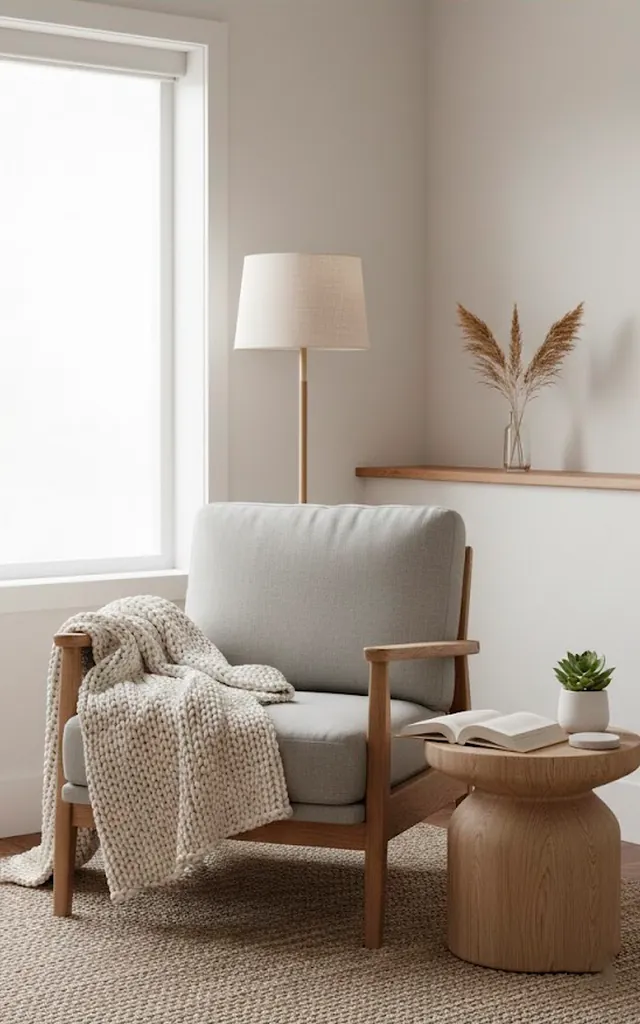
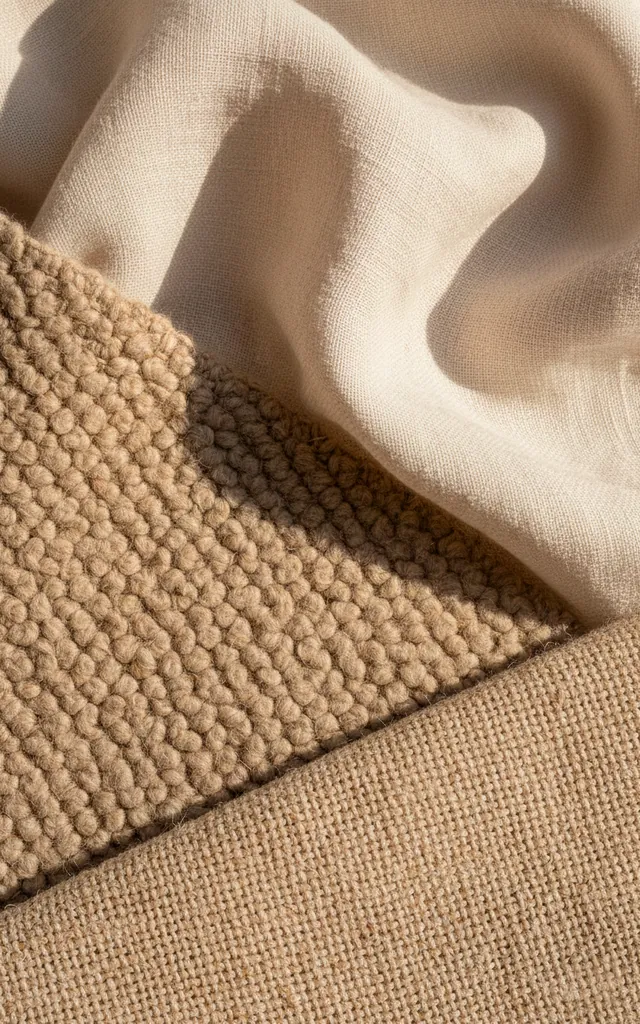
Minimalism often gets a bad rap for being ‘cold’ or ‘soulless.’ Japandi fixes this by inviting nature inside. I recommend layering different natural materials to add ‘hygge’ warmth to the functional Japanese layout. Think rough-hewn wood, soft wool, and breathable linen. Why settle for plastic when you can have materials that actually age beautifully? Mix a smooth bamboo tray with a chunky knit throw blanket. These tactile elements satisfy your senses and make the space feel lived-in. Always choose quality over quantity when picking your textiles.
Prioritize Negative Space Over Clutter
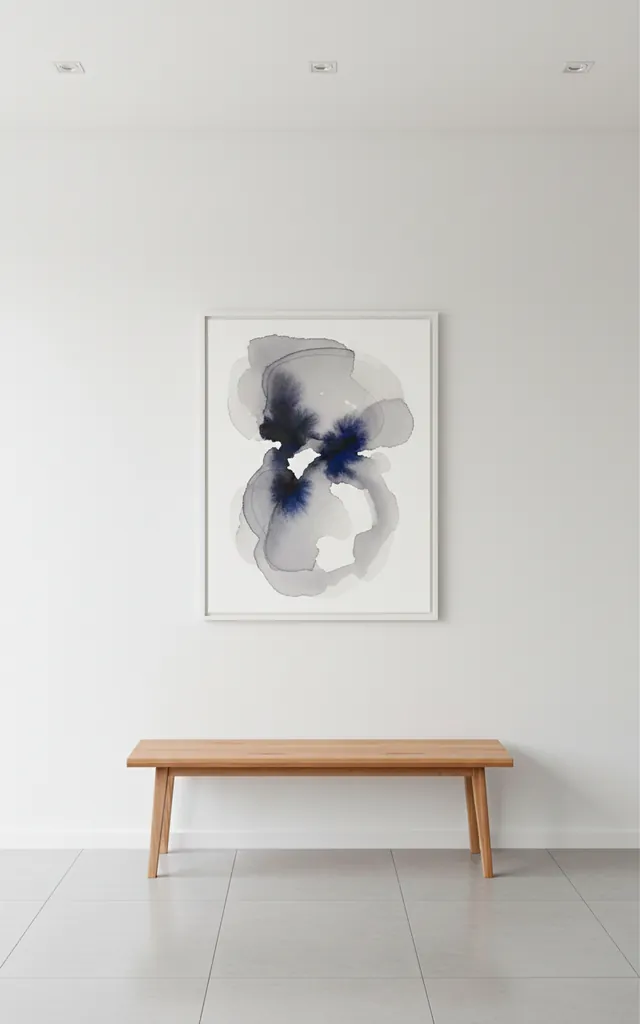
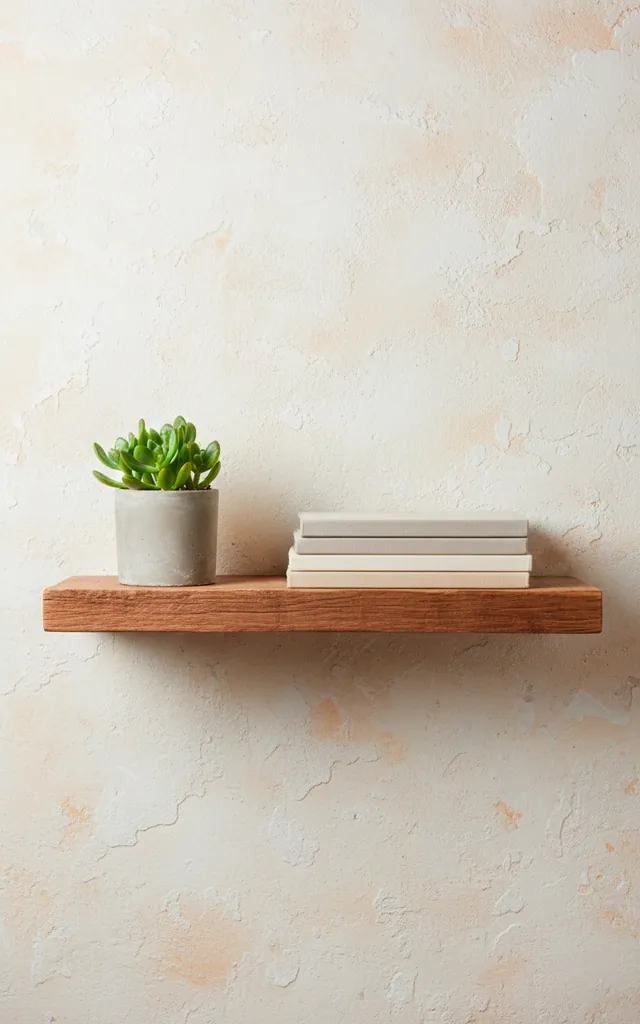
FYI, your walls don’t need to be covered in art to look ‘finished.’ Japandi relies heavily on the Japanese concept of ‘Ma,’ or the beauty of empty space. This doesn’t mean your home should look like an empty art gallery. Instead, give every object room to breathe. I find that removing one item from every shelf instantly lowers my stress levels. Ask yourself: does this object serve a purpose or bring me joy? If the answer is no, send it to the thrift store. Empty space isn’t ‘missing’ something; it is the something. It provides a visual resting place for your eyes.
Introduce Functional Greenery
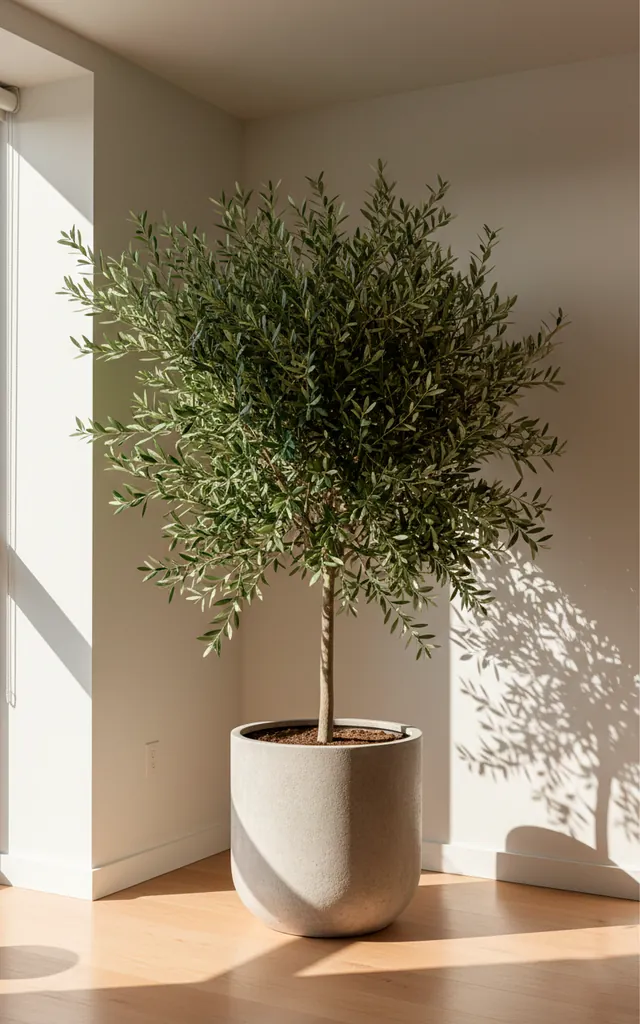
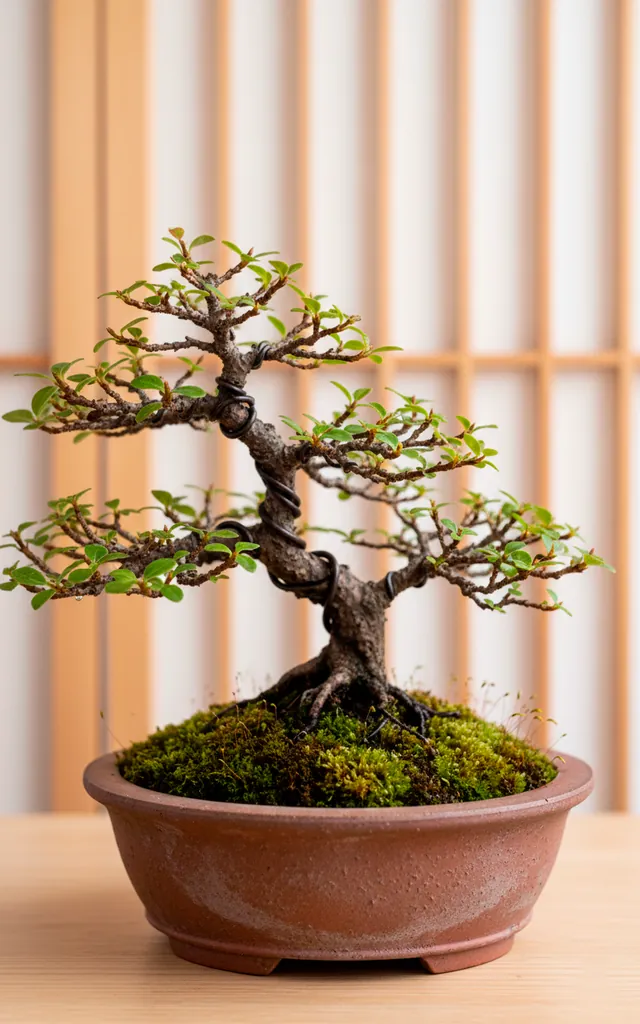
Forget the jungle-vibe with fifty hanging ferns. Japandi greenery is all about quality over quantity. I love using a single, structural plant to create a focal point. A tall Fiddle Leaf Fig or a delicate Bonsai tree adds life without the visual noise of a forest. Why buy fake plants when the real thing improves your air quality too? Stick to simple, earthy pots in terra cotta or stone. One healthy, large plant in the corner usually beats ten tiny ones scattered across the floor. It creates a sense of intentionality that keeps the room feeling organized.
Opt for Natural Light and Warm Glows
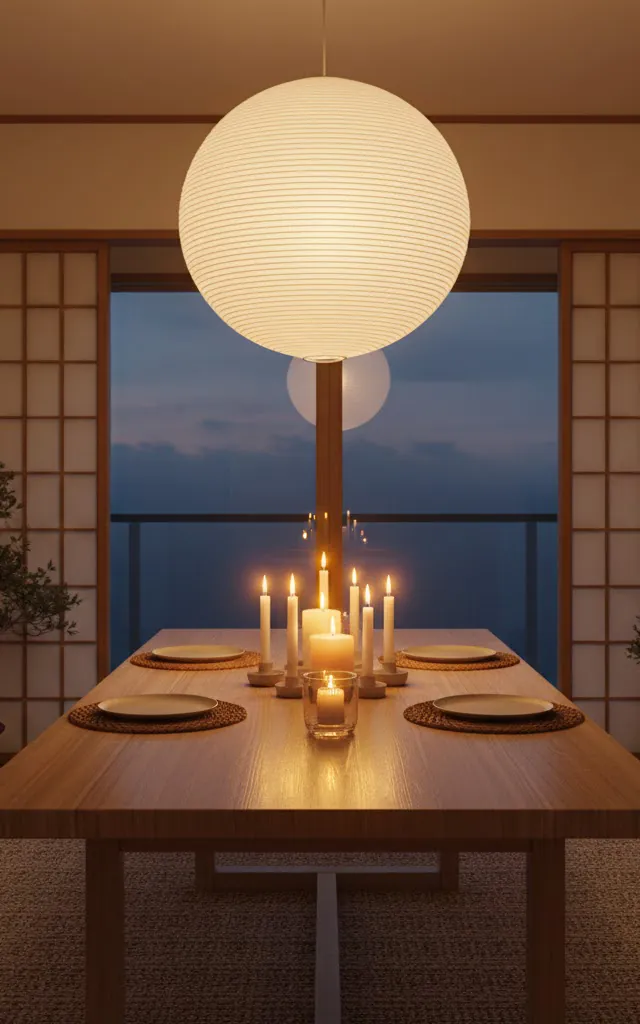
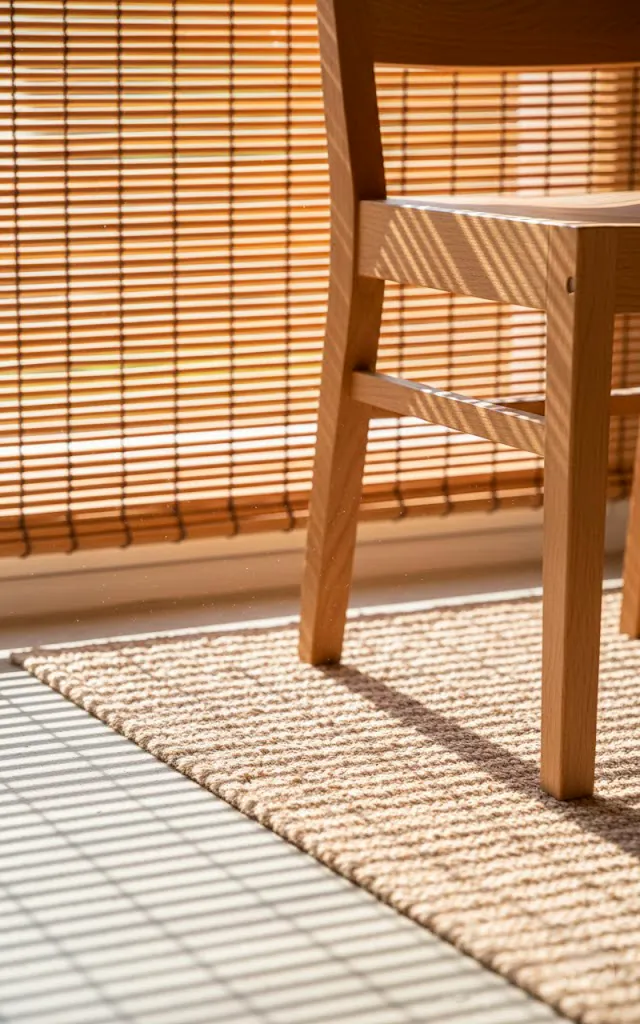
Harsh overhead lighting kills the mood faster than a loud alarm clock. I suggest using multiple light sources at different heights to create a soft, inviting atmosphere. Swap your bright white bulbs for warm, dimmable versions. Have you ever noticed how a paper lamp instantly changes the vibe of a room? Use translucent screens or sheer curtains to mimic the effect of Japanese shoji paper. This diffuses natural light and removes harsh glares. During the evening, rely on floor lamps and candles to create a cozy, safe-feeling cocoon.
Invest in Quality Craftsmanship
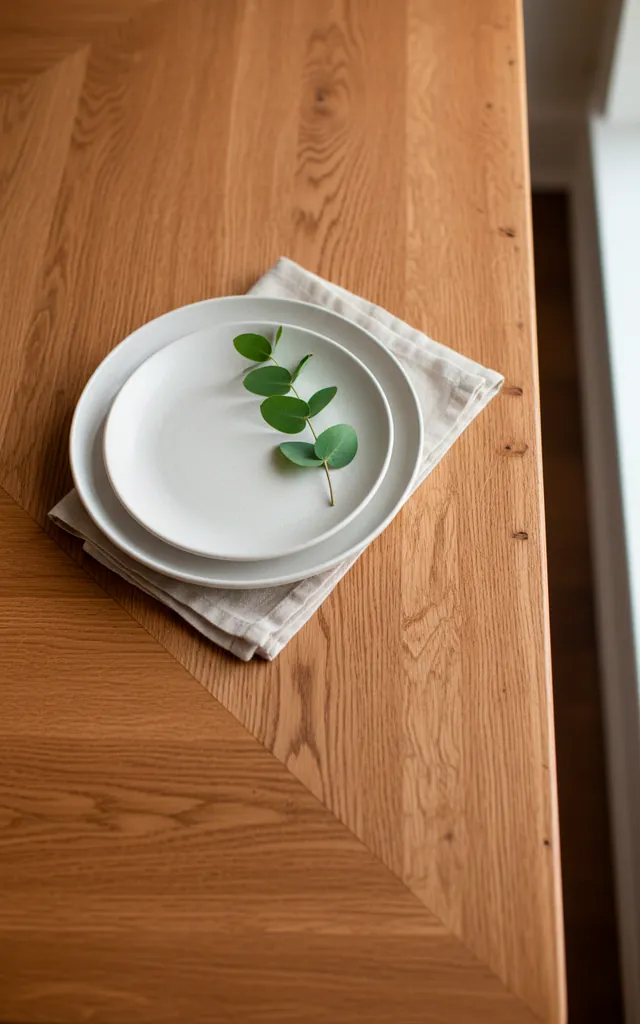
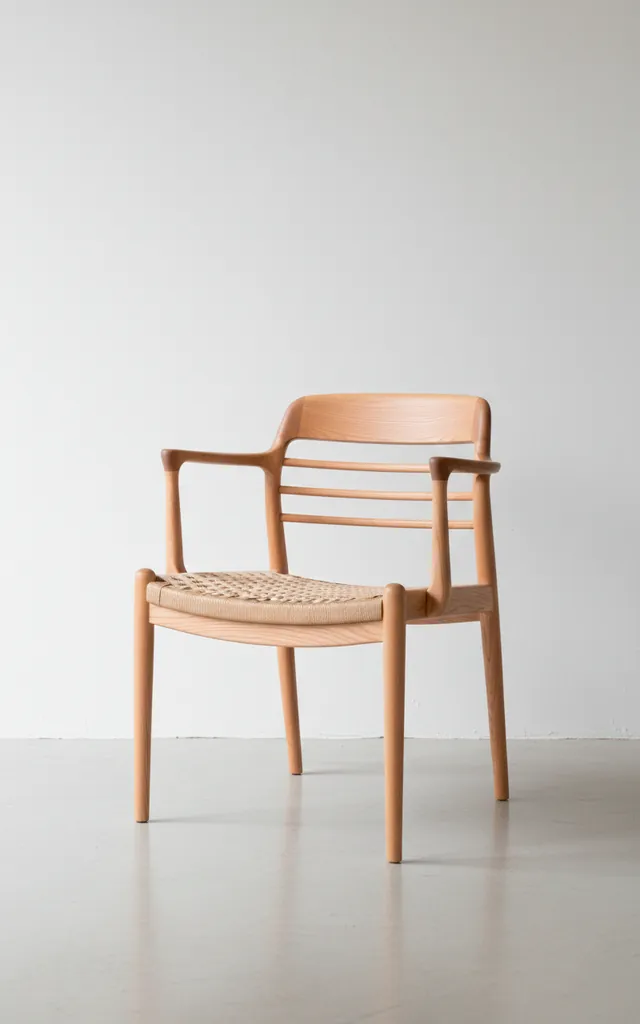
Stop buying ‘fast furniture’ that falls apart after one move. Japandi values the ‘wabi-sabi’ concept of finding beauty in imperfection and longevity. I prefer spending a bit more on a solid wood table that will last decades. These pieces develop a beautiful patina over time and tell a story. Do you really want to replace your coffee table every two years? Look for visible joinery and natural finishes rather than thick, shiny veneers. High-quality items feel better to the touch and provide a sense of stability. Your home should feel like a solid foundation, not a temporary set.
Conclusion
Mastering the Japandi aesthetic doesn’t require a total home renovation or a trip to Tokyo. Start small by clearing one shelf or swapping a bright bulb for something warmer. I found that as I simplified my space, my mind followed suit. You deserve a home that feels like a deep breath at the end of a long day. So, which of these tips will you try first? Drop a comment or just start moving that furniture around—you’ve got this! 🙂
Related posts
See All15 Vintage Circus Inspired Details for Playful Kids Bedroom Decor
Bring the magic of the big top home! Discover 15 playful, vintage circus-inspired decor details that will transform your kid's …
Read moreThe Complete Guide to Styling a Dining Room Credenza for Everyday Elegance
Give your dining room credenza the ultimate glow-up. Discover easy, elegant styling tips that balance everyday function with show-stopping design.
Read more15 Dried Citrus and Cinnamon Garlands for a Naturally Cozy Kitchen
Forget mass-produced decorations. Transform your kitchen into a naturally cozy, aromatic sanctuary with these 15 beautiful dried citrus and cinnamon …
Read moreThe Dog-Friendly Camper: Designing a Van Interior for Your Pets
Transform your camper van into the ultimate dog-friendly adventure mobile! Discover clever interior design hacks, durable materials, and cozy setups …
Read more