












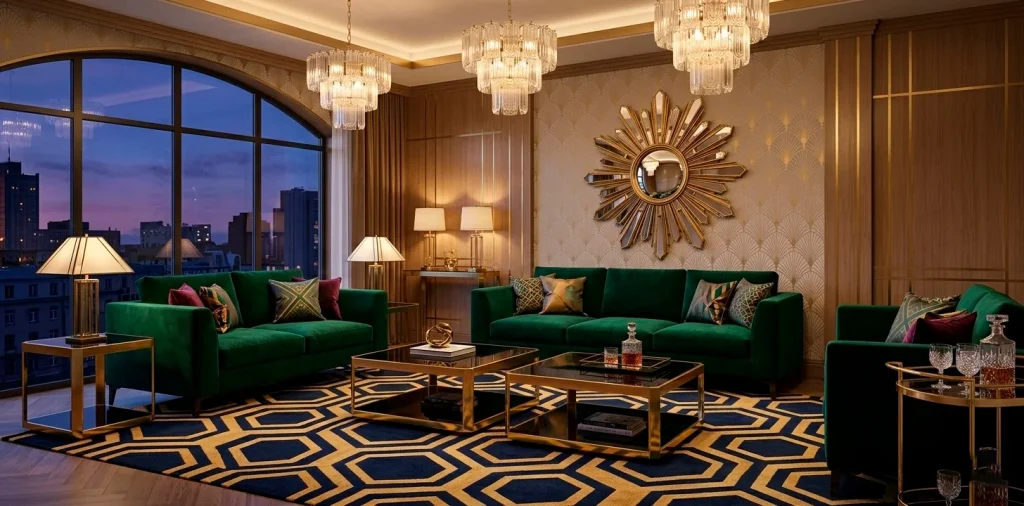

I’ve spent way too many hours staring at my living room floor, wondering why it felt more like a doctor’s office and less like the Great Gatsby’s lounge. Most people think furniture does the heavy lifting, but honestly? It’s the rug. If you’re chasing that iconic Art Deco vibe, you need a piece that screams confidence. Ready to stop playing it safe? Let’s find your floor’s soulmate.
The Classic Sunburst Power Move
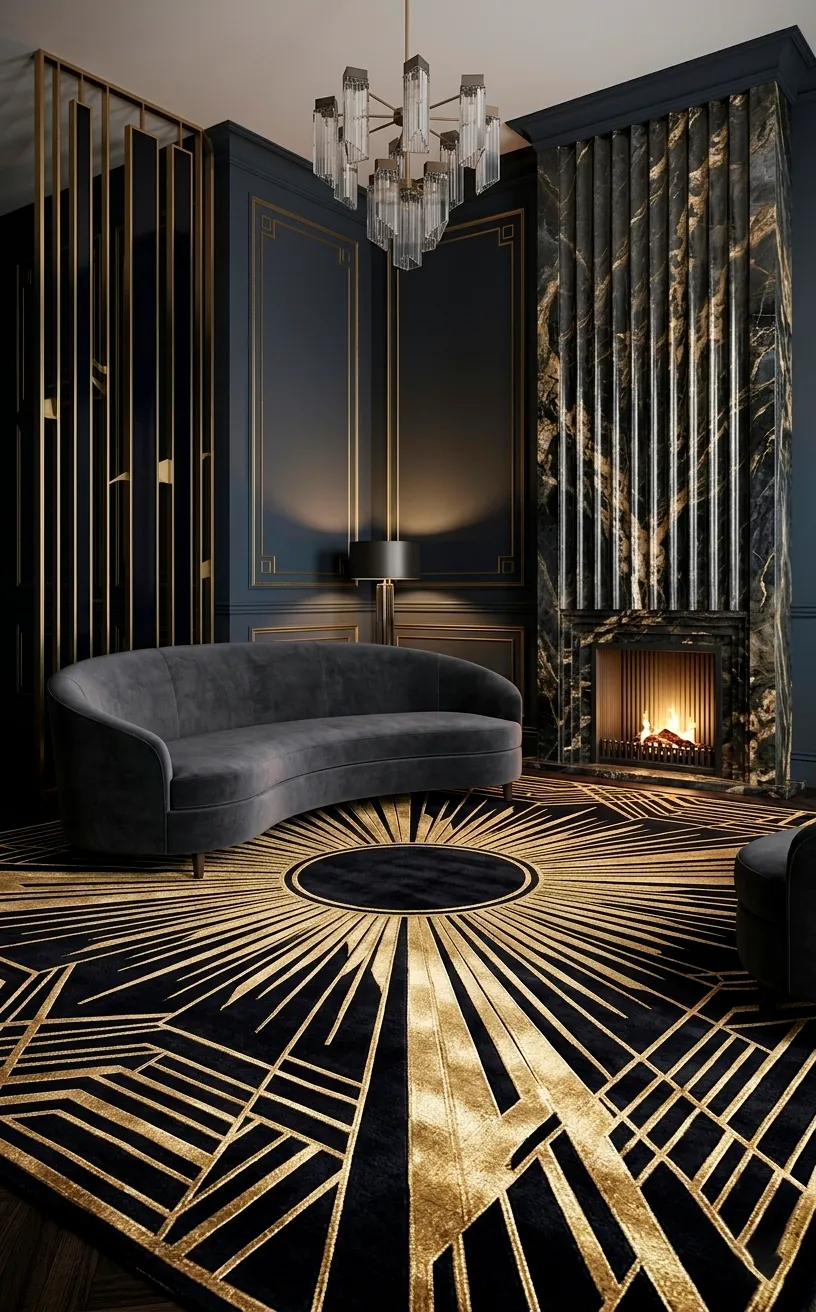
The sunburst is basically the mascot of the 1920s, and putting it on your floor is a total power move. I once tried a plain rug in my high-ceilinged flat, and it just looked… sad. Then I swapped it for a radiating gold and black geometric pattern, and suddenly, the room felt expensive. Do you really want a rug that blends into the shadows? This design creates a focal point that demands eyes stay down in a good way. It anchors your heavy velvet chairs perfectly and gives the entire room a sense of purpose. It’s bold, it’s brassy, and it’s undeniably cool.
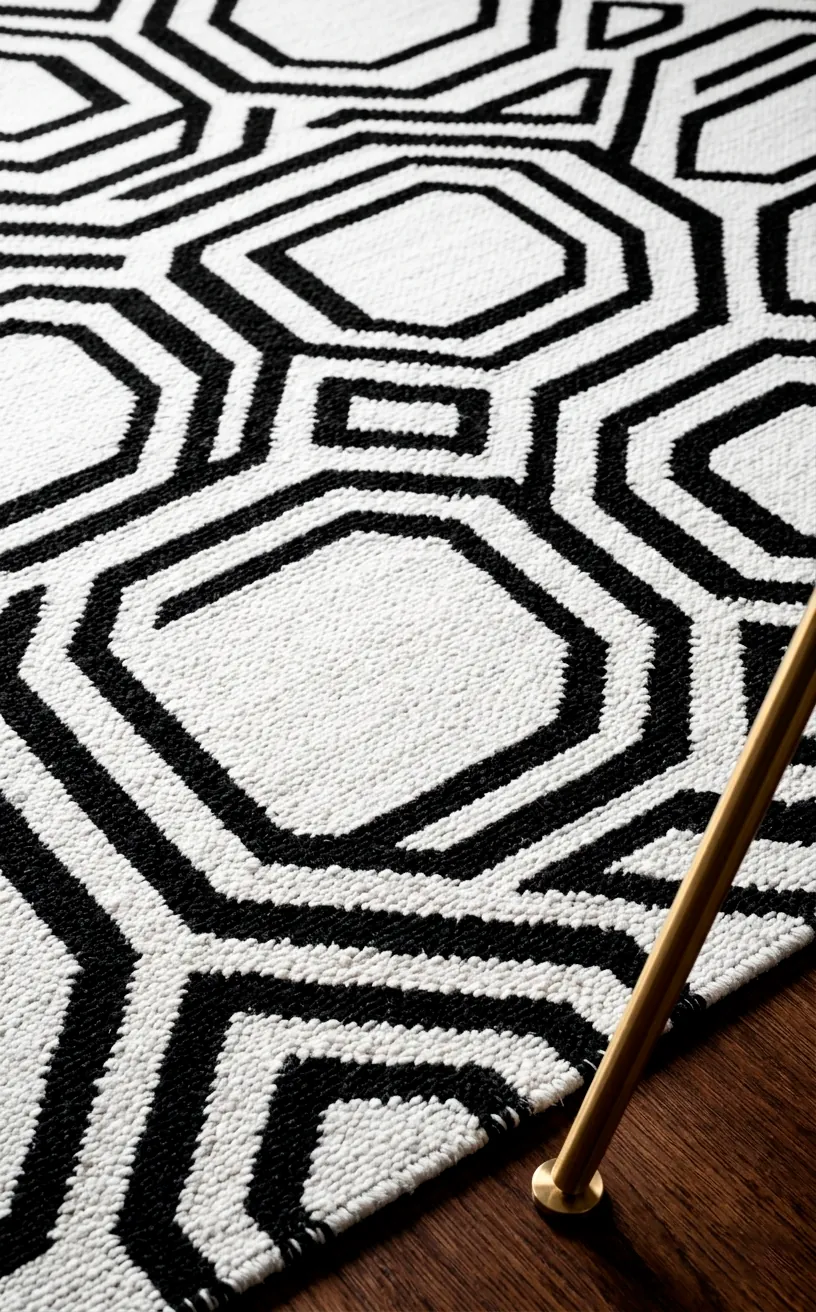
Monochromatic Hexagons for the Modern Soul
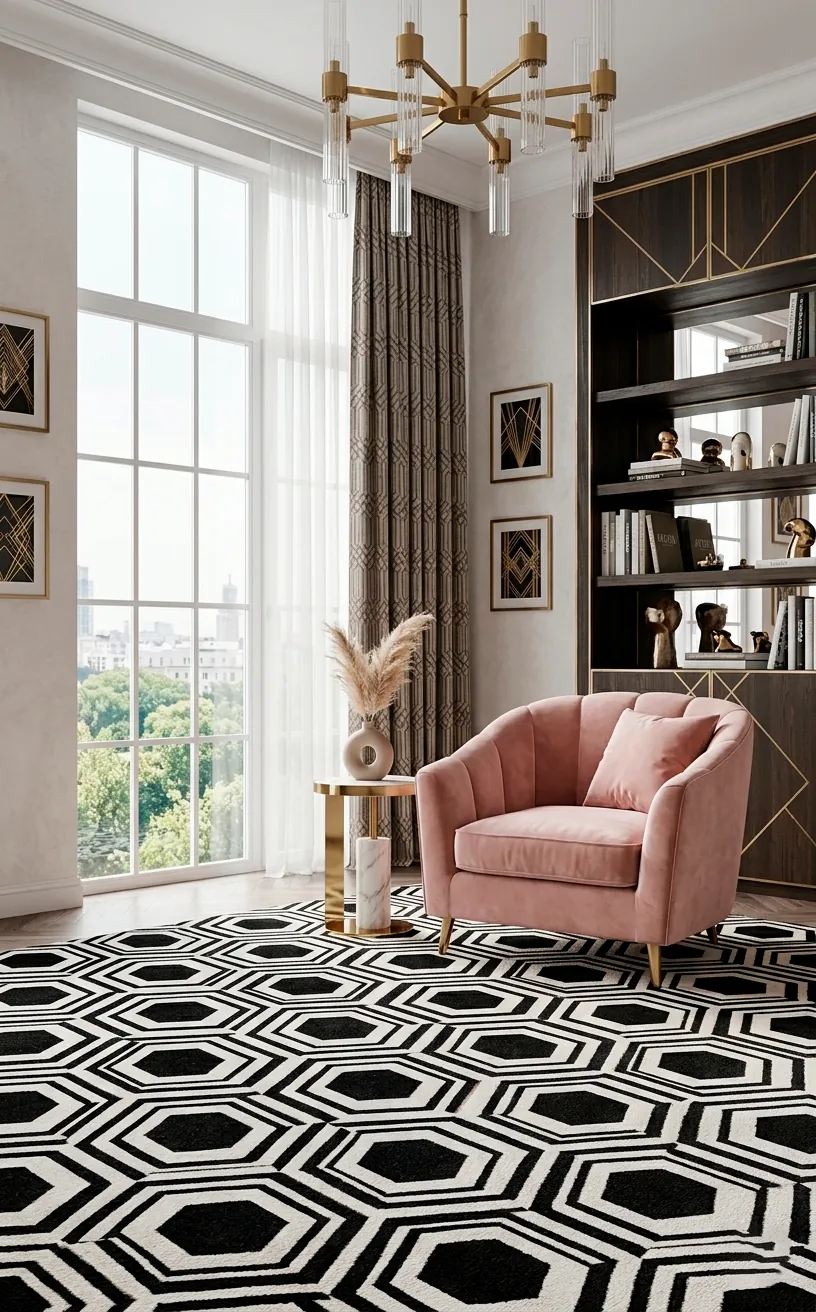
Some folks worry that black and white looks too clinical. But when you layer in a bold hexagonal honeycomb, you’re hitting that sweet spot between retro and futuristic. It’s the ultimate backdrop for those colorful throw pillows you bought on a whim.
Ever noticed how a sharp pattern makes a small space feel organized? My sister’s tiny apartment went from a cluttered mess to an architectural marvel just by adding a high-contrast mono rug. It tricks the brain into seeing structure where there’s usually just laundry piles.
Plus, spills are way easier to hide in a busy geometric grid than on a solid cream surface. Trust me, my morning espresso has tested this theory multiple times. 😉 It’s the perfect blend of style and survival.
Emerald and Gold Chevrons
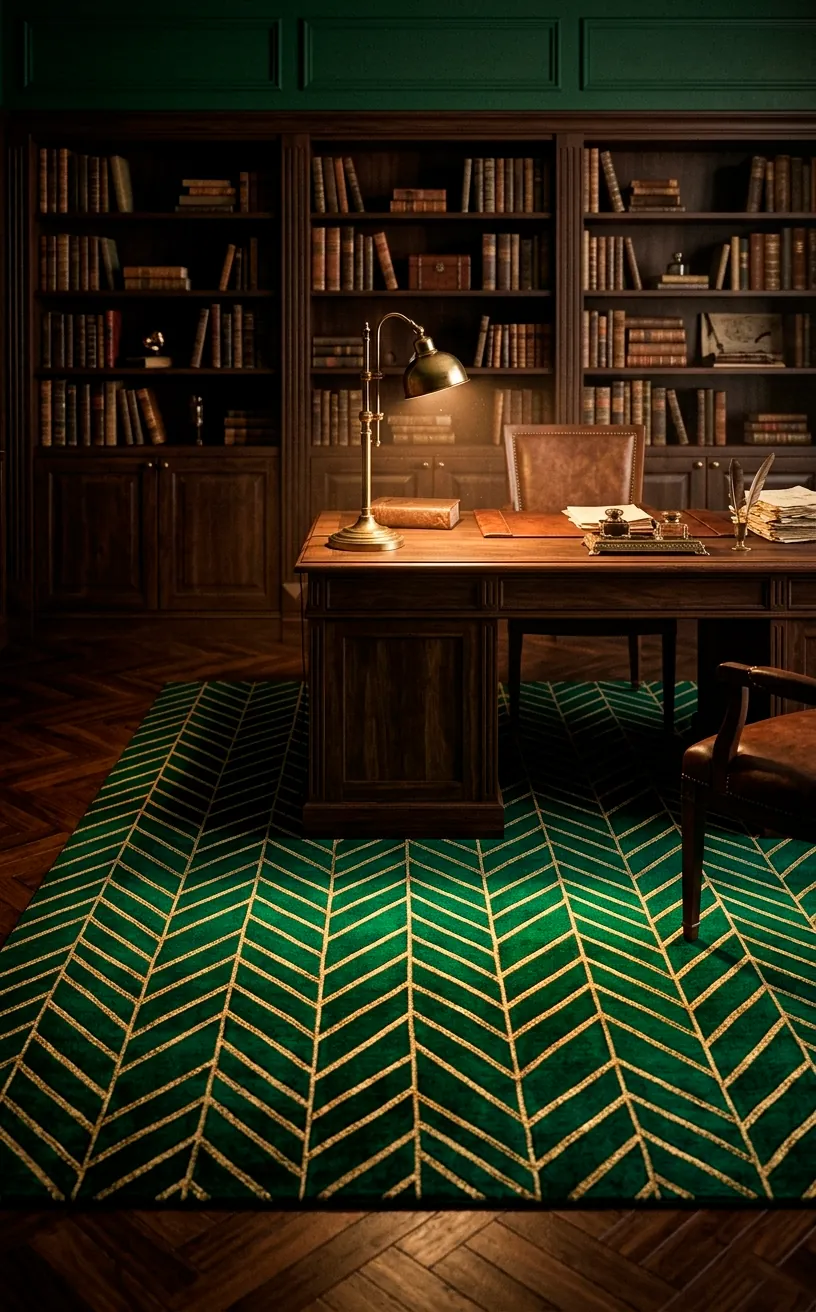
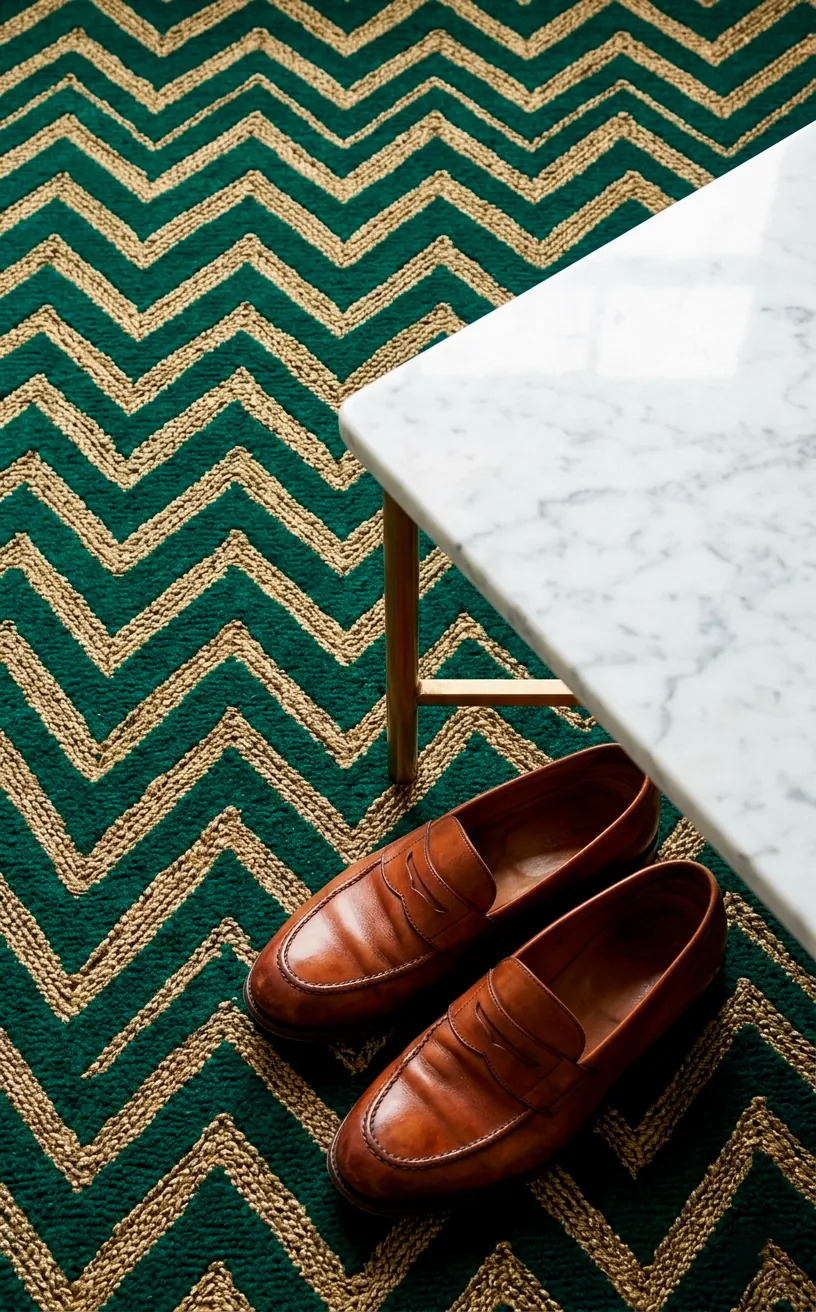
Emerald green is the undisputed king of Art Deco colors. When you pair it with gold-toned chevron stripes, you get a rug that looks like it belongs in a billionaire’s library. IMO, this is the easiest way to make cheap furniture look like custom pieces.
Why settle for a room that feels flat? The zig-zag motion of a chevron adds a sense of energy that keeps the eye moving. It’s sophisticated but has enough edge to keep things from feeling like a museum. It really brings the room to life without trying too hard.
Overlapping Circles and Arcs
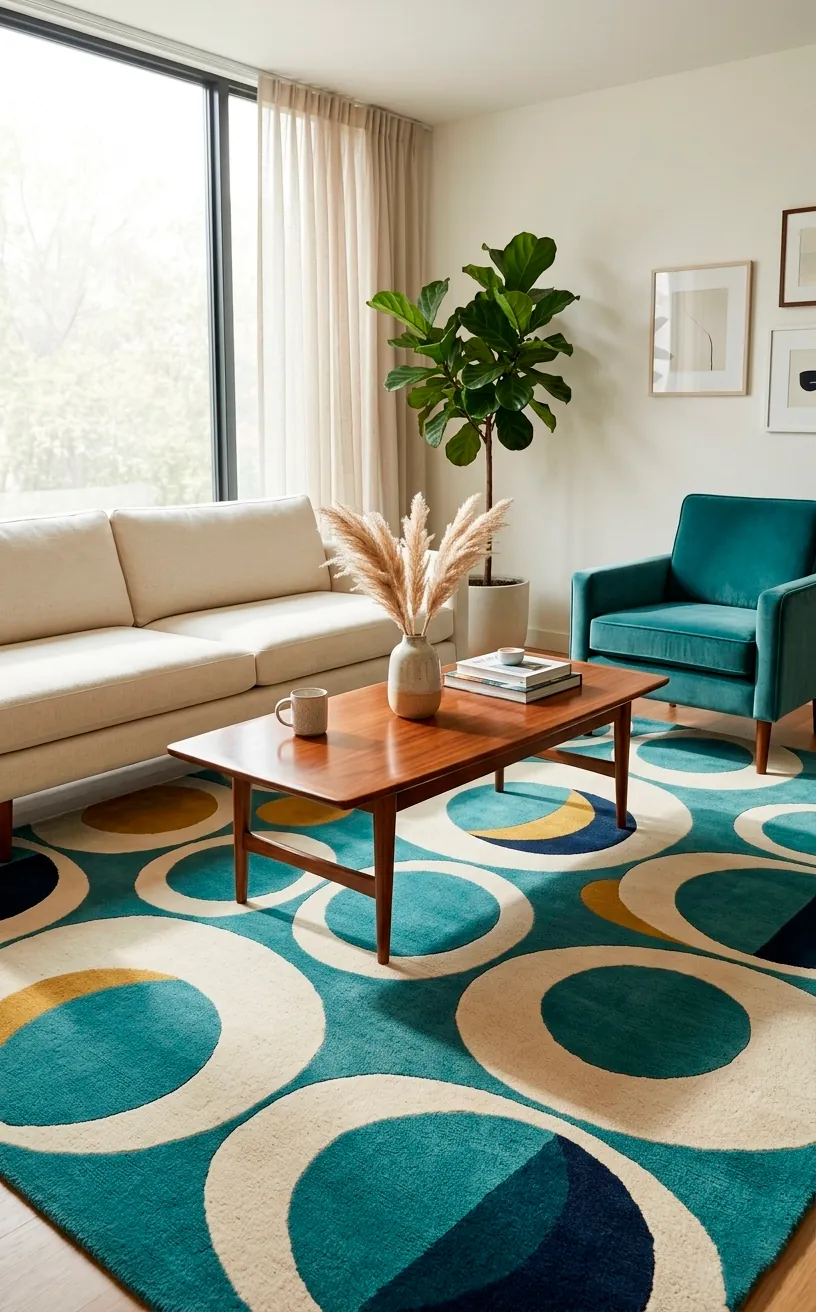
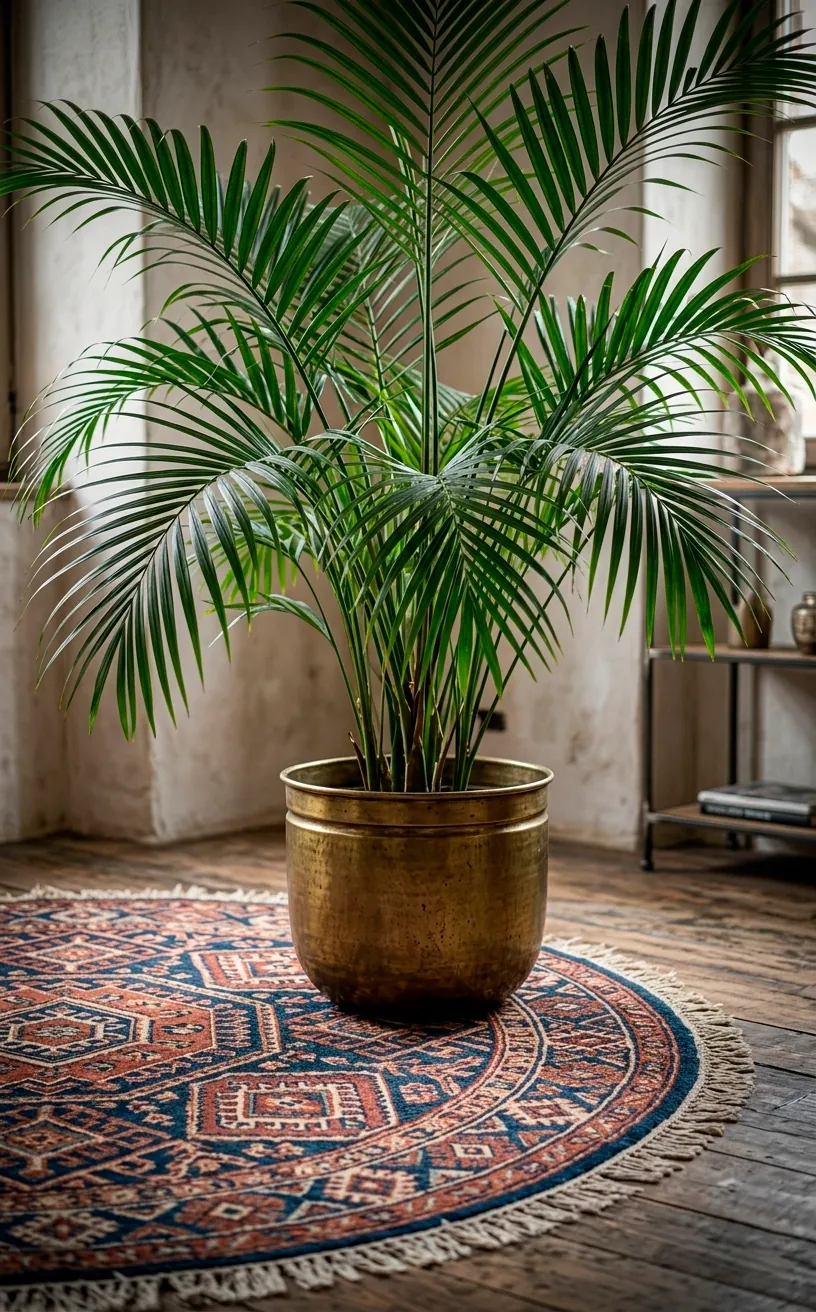
Geometry isn’t just about sharp corners. The Roaring Twenties loved a good curve, and overlapping circular patterns bring a much-needed softness to those boxy sofas we all own.
I love how these shapes mimic the arched doorways of old New York hotels. It’s a subtle nod to history without being a themed room nightmare.
Does your room feel a bit too rigid? Breaking up those straight lines with some rounded geometry works wonders for the flow.
It feels like an art gallery under your feet. Seriously, you might catch yourself staring at the floor instead of the TV. It’s basically functional art for your home.
Navy Blue Scallops
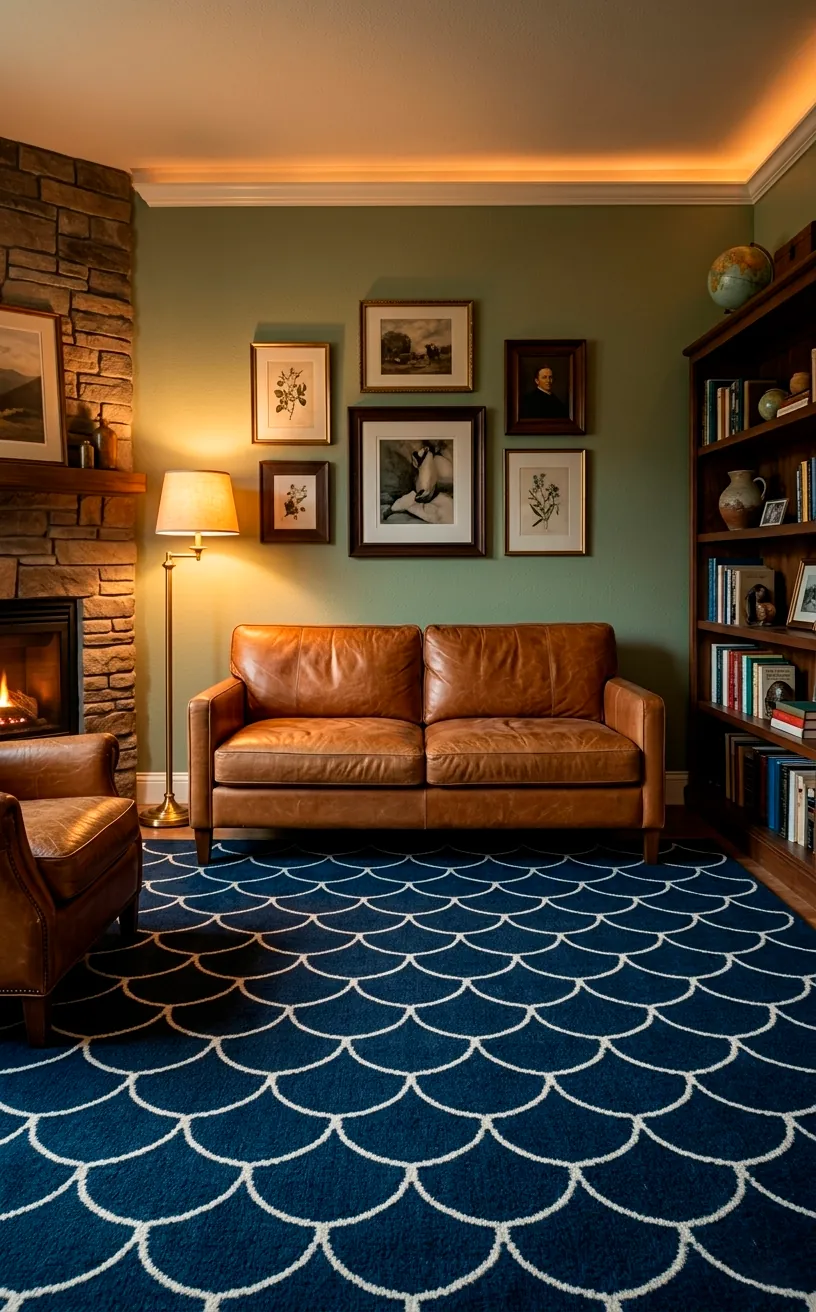
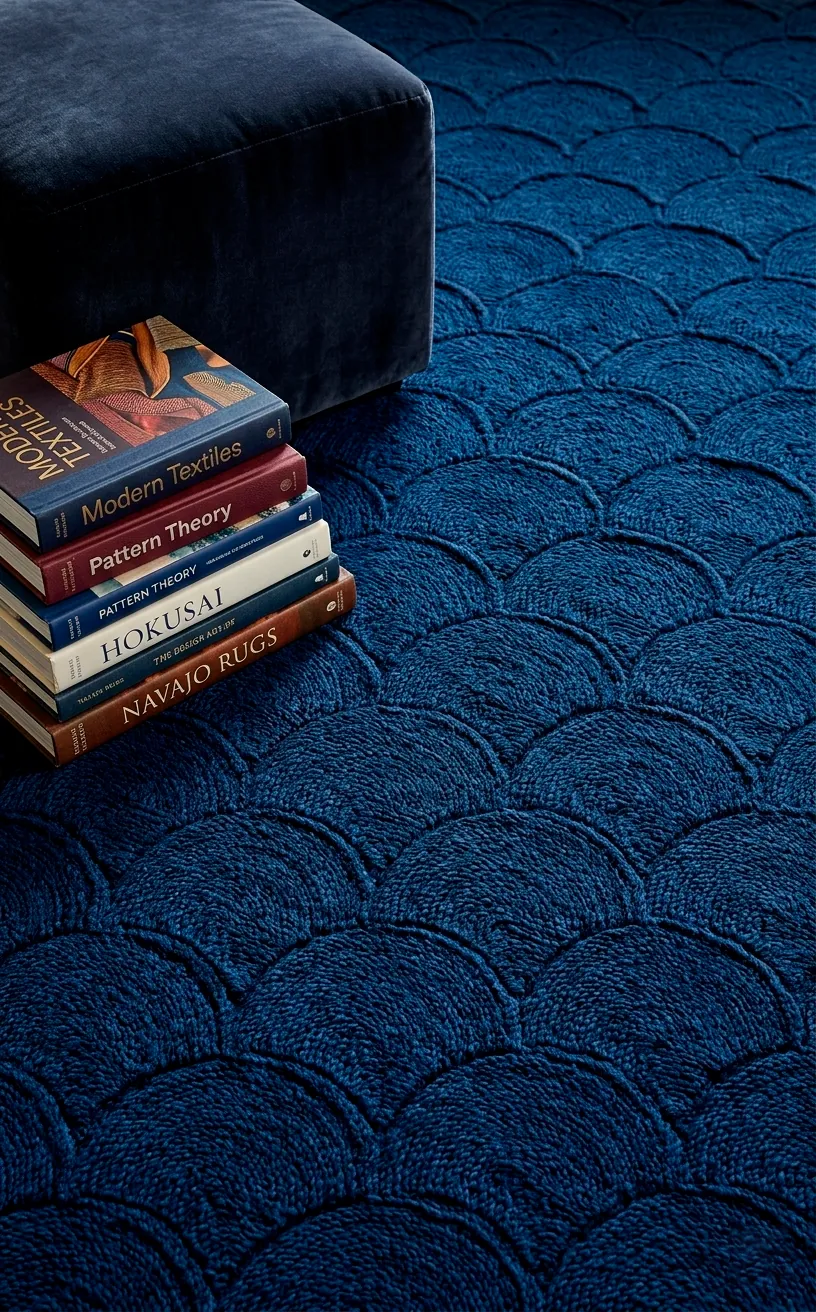
Scalloped patterns—or fish scales if you’re feeling casual—are an Art Deco staple that never goes out of style. In navy blue, they provide a deep, moody base that makes brass floor lamps pop like crazy. FYI, this is the color combo that never fails.
I’ve seen people try to pull this off with wallpaper, but that’s a huge commitment. A rug gives you that same rhythmic beauty without the glue-induced headache. It’s bold, it’s rhythmic, and it’s surprisingly versatile for any room size.
Multi-Colored Abstract Blocks
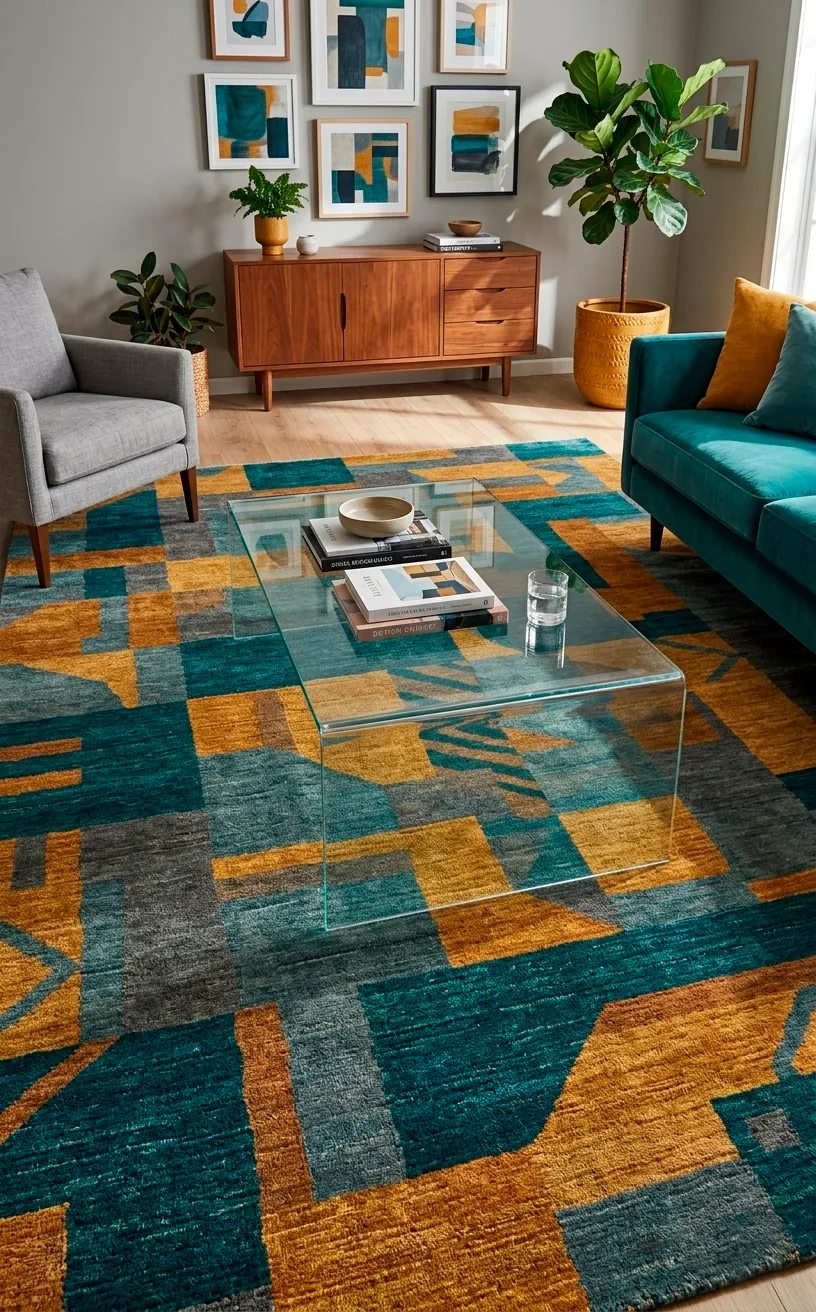
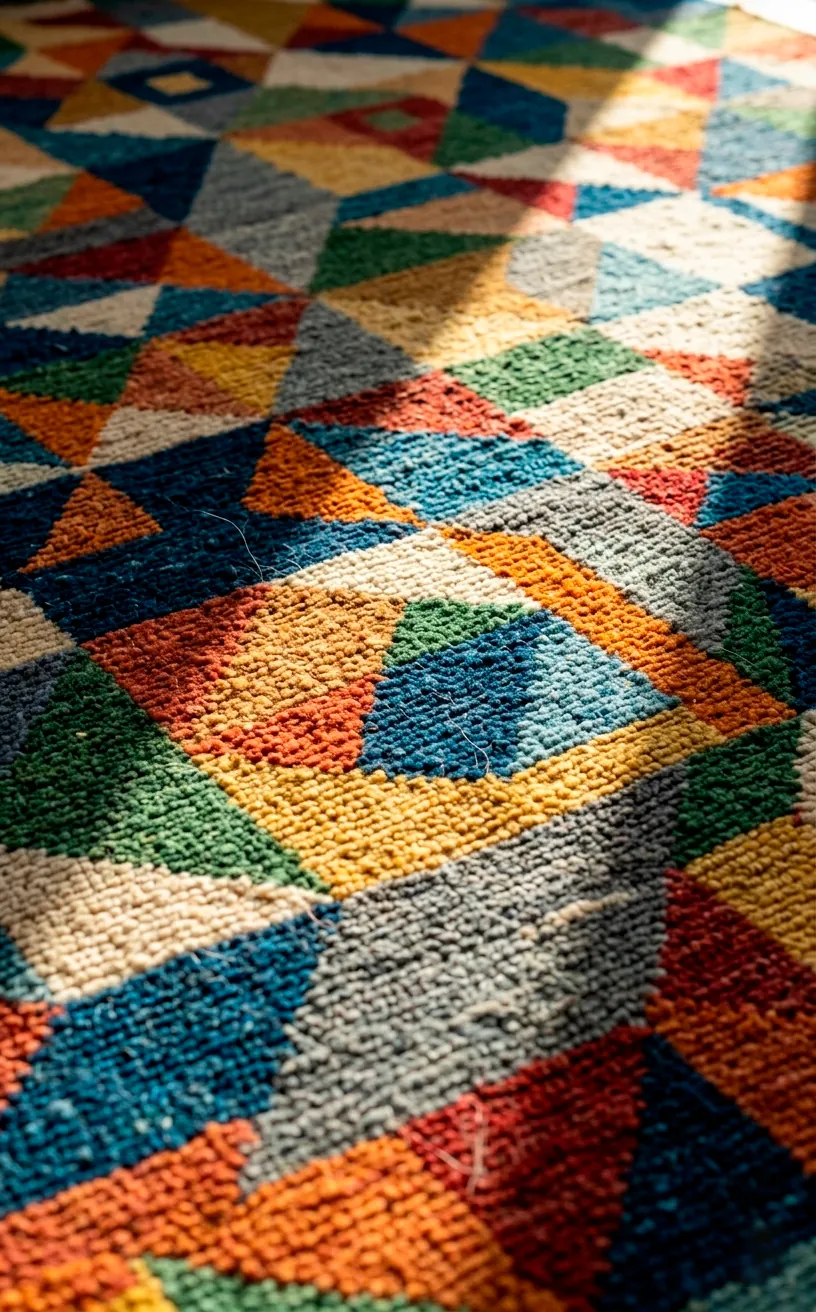
If you’re a bit of a maximalist, abstract geometric blocks are your best friend. We’re talking ochre, teal, and charcoal all living together in chaotic harmony. It sounds like a lot, but in a structured Art Deco layout, it totally works.
Why choose one accent color when you can have five? This rug style acts as a bridge, connecting your random decor items into one cohesive story.
It’s the visual equivalent of a jazz solo. Unexpected, rhythmic, and definitely not for the faint of heart. Are you brave enough to go full color? It’s a risk that always pays off in style points.
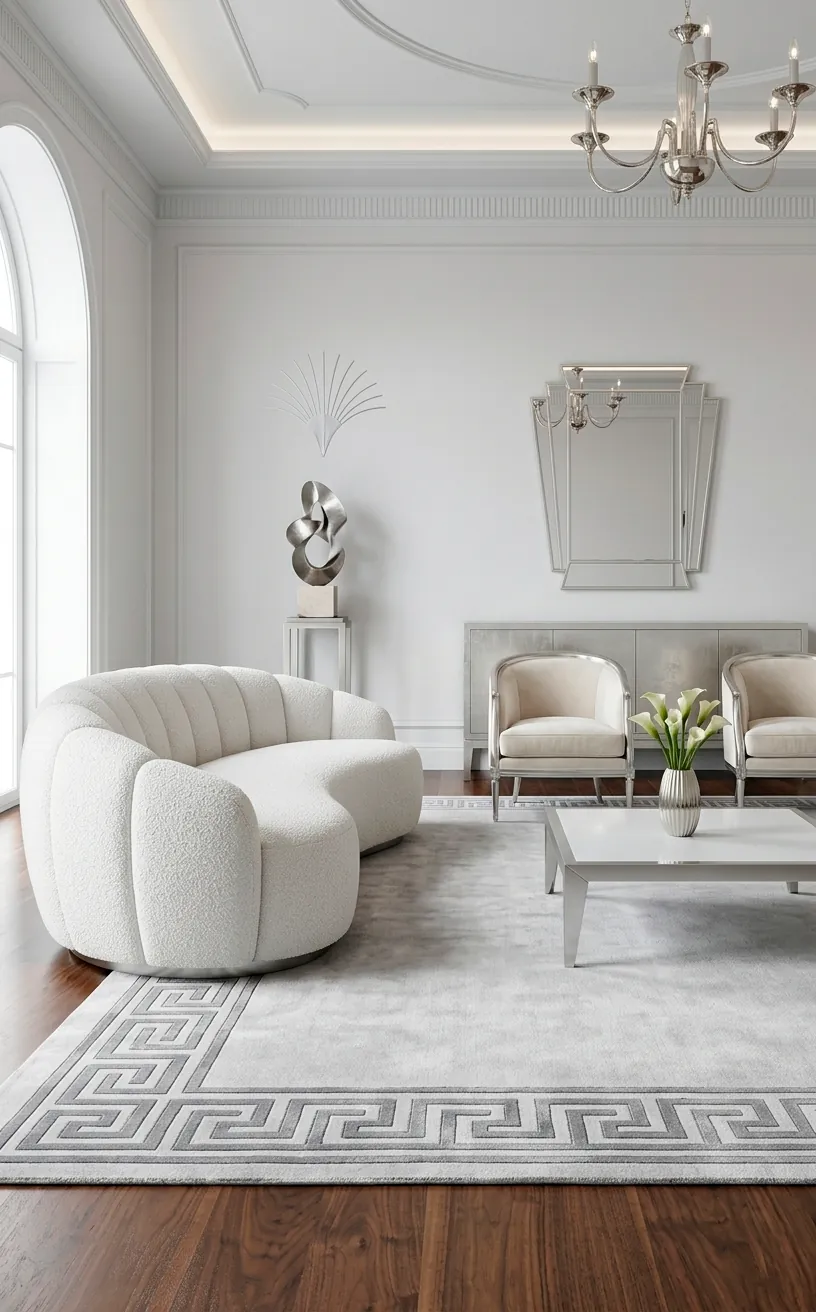
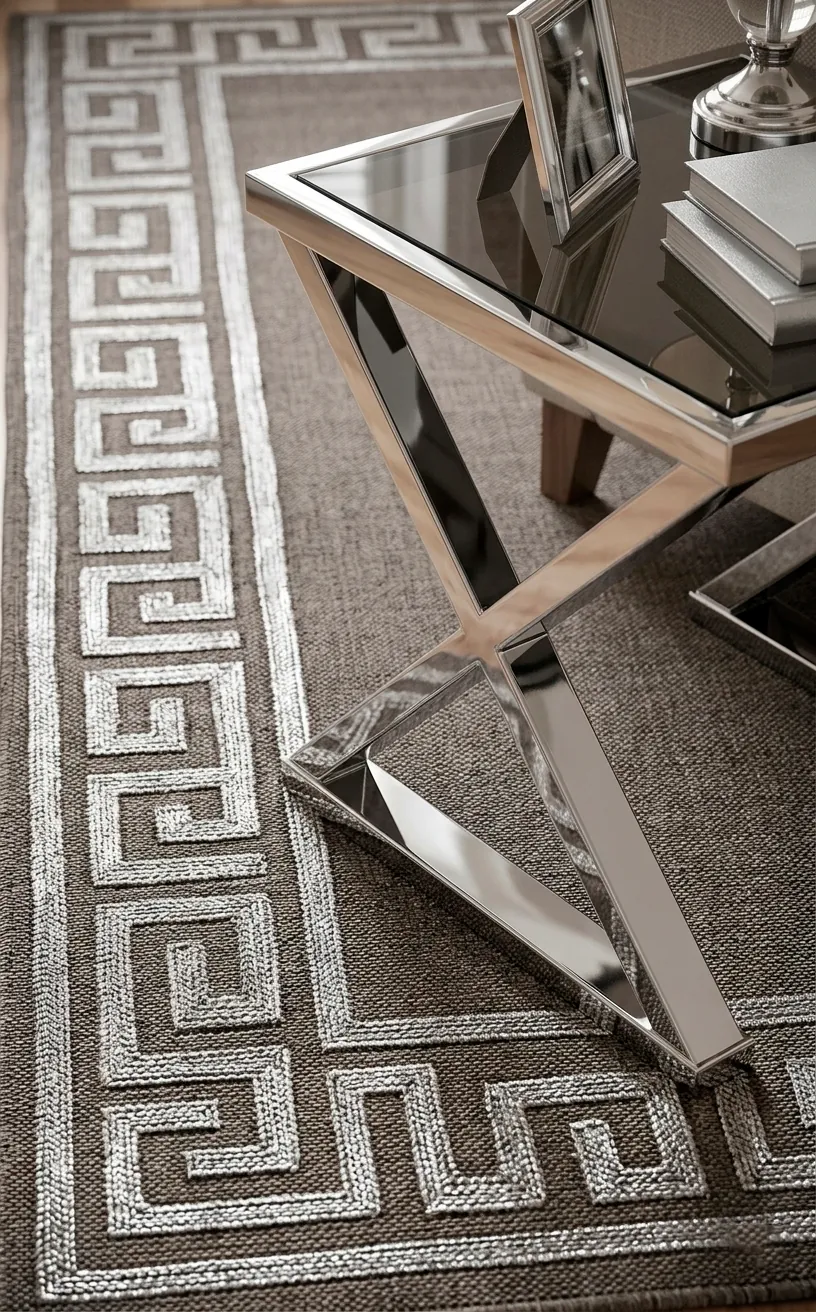
Silver and Grey Greek Keys
For the quiet luxury fans, a Greek key border in shimmering silver or cool grey is the way to go. It’s geometric but understated, giving your living room a grounded, architectural feel. I usually recommend this for rooms that already have a lot of busy wallpaper or ornate moldings. It’s like the perfect tailored suit for your floor—crisp, clean, and effortlessly cool. You get the Art Deco structure without the visual noise. It’s basically the grown-up version of a bold rug. Who says you can’t be sophisticated and geometric at the same time?
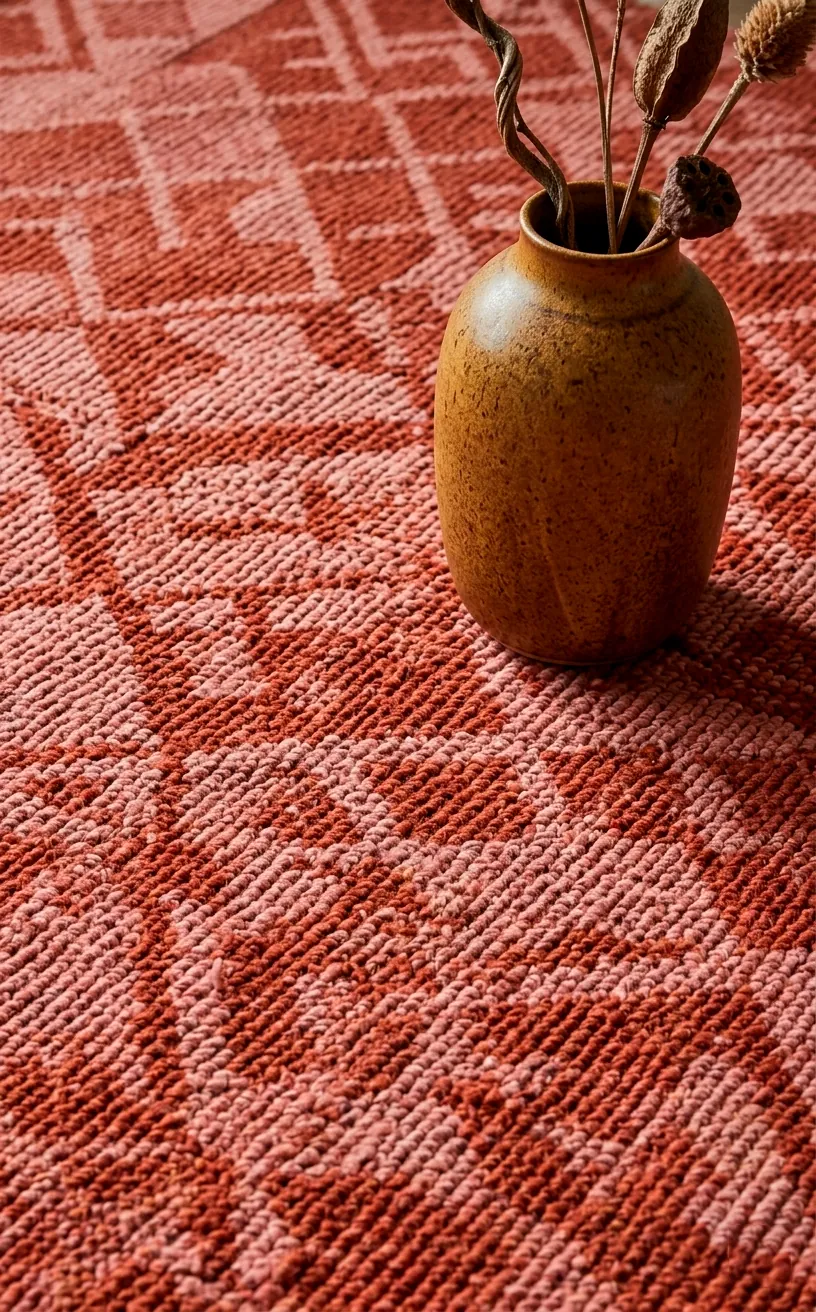
Terracotta and Pink Diamonds
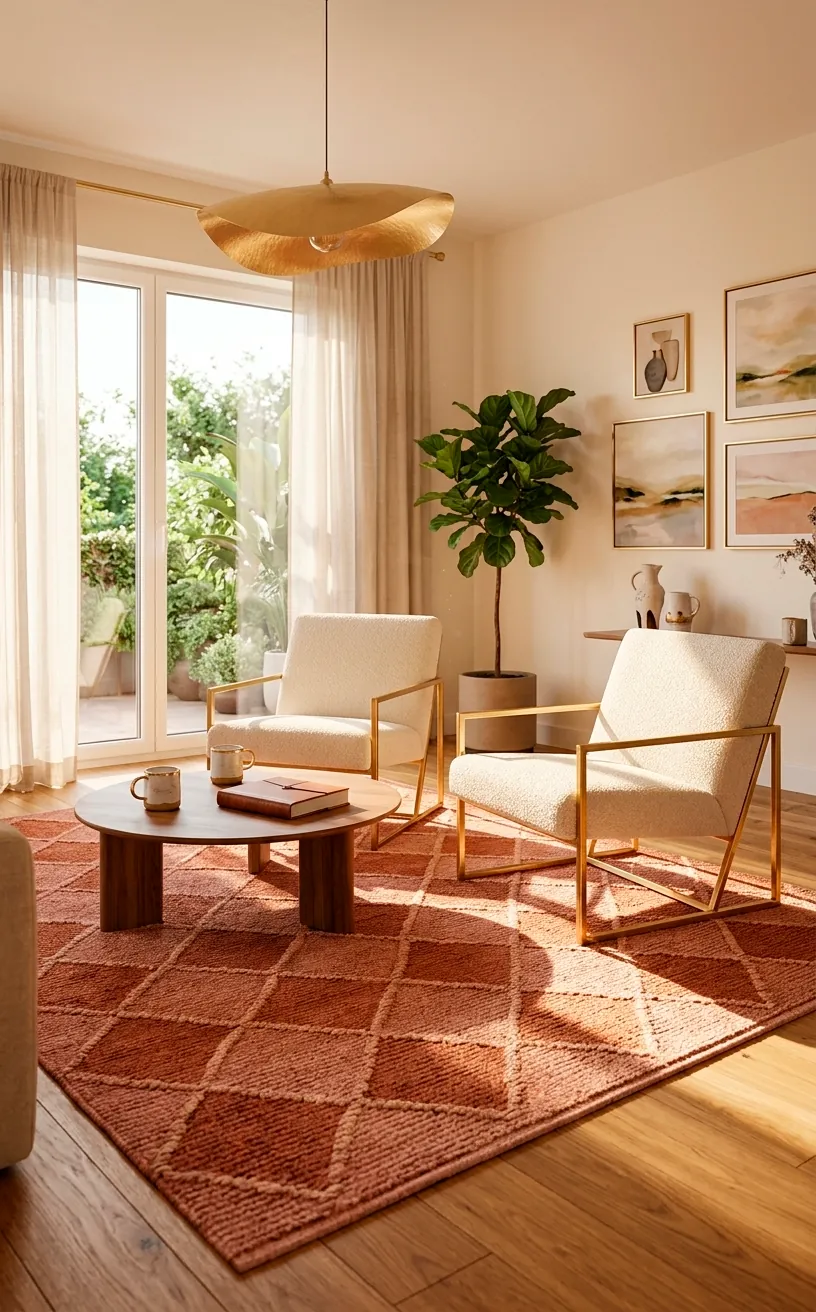
Who said Art Deco has to be dark and moody? Modern interpretations are bringing in warmer, earthier tones like terracotta and blush pink. A diamond-patterned rug in these shades feels fresh and surprisingly cozy.
It’s a great way to soften the coldness of glass and metal furniture. Does your space feel a little too icy? This palette adds instant warmth while keeping that geometric precision we all love. It’s the best of both worlds, really. It brings a desert-sunset vibe to the jazz age aesthetic.
Final Thoughts
Choosing a rug shouldn’t feel like a high-stakes math exam. Whether you go for the high-octane sunburst or a chilled-out silver Greek key, remember that your floor is just a big canvas waiting for some personality. So, which of these bold beauties is calling your name? Let me know in the comments—I’m dying to see which rug wins your heart!
Related posts
See All15 Vintage Circus Inspired Details for Playful Kids Bedroom Decor
Bring the magic of the big top home! Discover 15 playful, vintage circus-inspired decor details that will transform your kid's …
Read moreThe Complete Guide to Styling a Dining Room Credenza for Everyday Elegance
Give your dining room credenza the ultimate glow-up. Discover easy, elegant styling tips that balance everyday function with show-stopping design.
Read more15 Dried Citrus and Cinnamon Garlands for a Naturally Cozy Kitchen
Forget mass-produced decorations. Transform your kitchen into a naturally cozy, aromatic sanctuary with these 15 beautiful dried citrus and cinnamon …
Read moreThe Dog-Friendly Camper: Designing a Van Interior for Your Pets
Transform your camper van into the ultimate dog-friendly adventure mobile! Discover clever interior design hacks, durable materials, and cozy setups …
Read more