












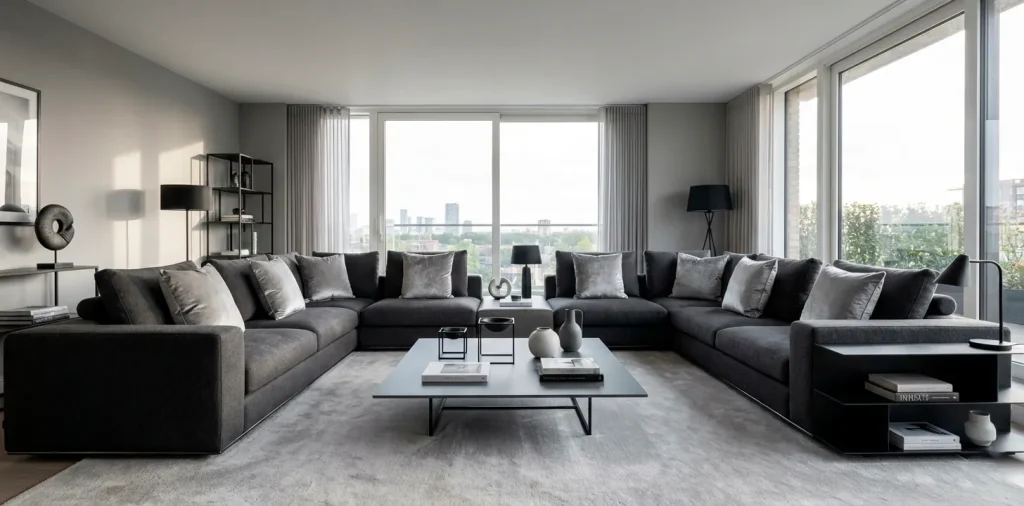

If you think a monochrome grey room looks like a depressing office park on a rainy Monday, I’m here to tell you that you’re doing it wrong. I used to think the same thing until I actually tried layering different shades in my own space. Now, my living room feels like a warm hug rather than a concrete bunker. Grey offers a sophisticated canvas that lets your furniture and personality actually shine. Ready to see how you can make ‘boring’ look brilliant? Let’s transform your space into something that looks like it belongs on a magazine cover. 🙂
Master the Tactile Texture Mix
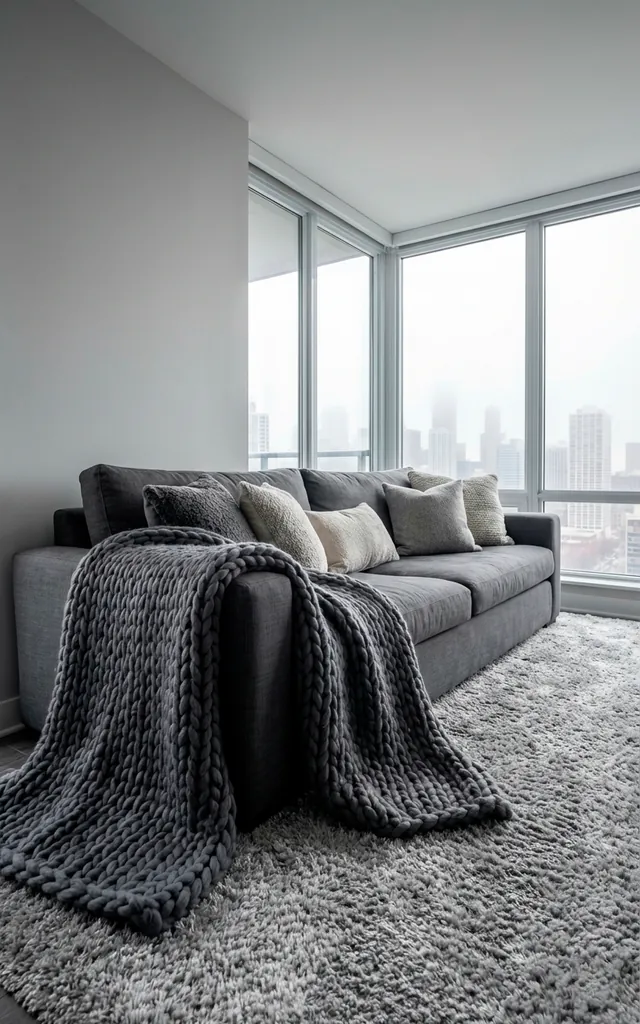
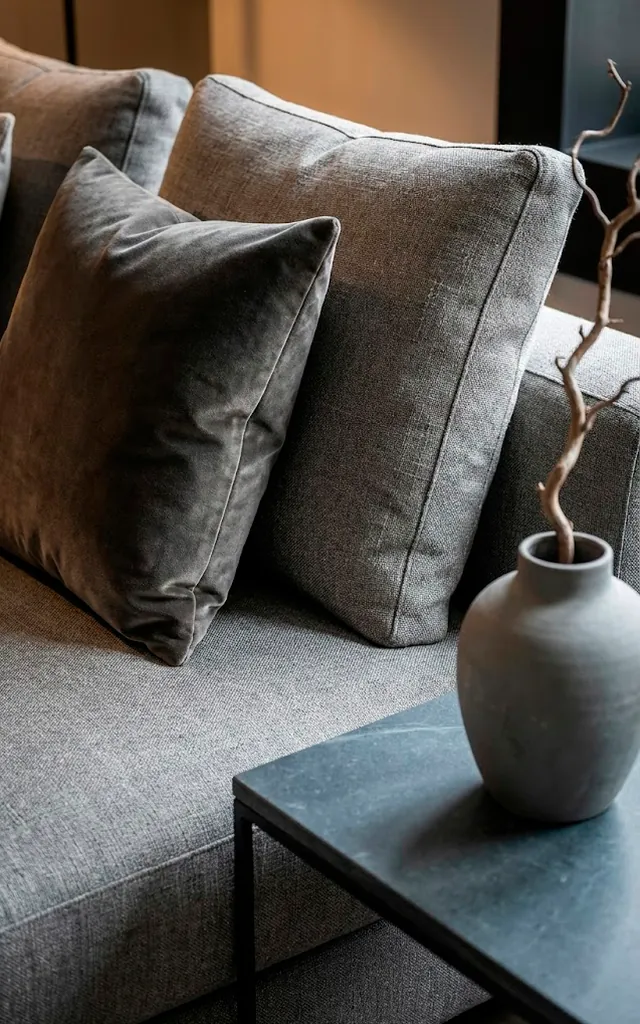
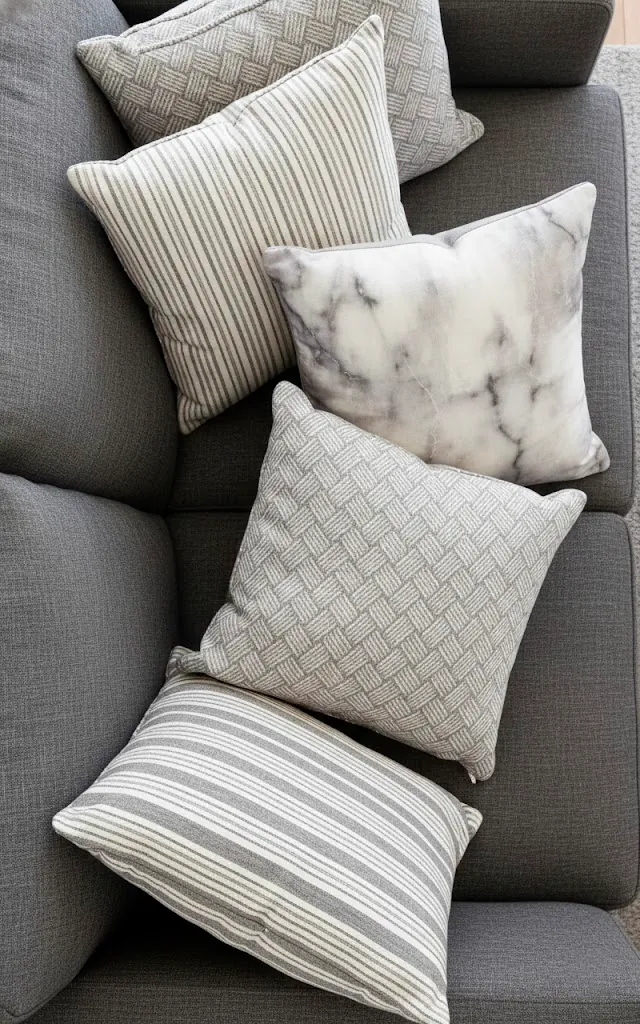
I always start with the soft stuff because flat surfaces kill the vibe. You need a chunky knit throw to break up the smooth surface of a modern sofa. I combine velvet pillows with linen curtains to create immediate visual contrast. Why settle for one texture when you can have five? This stops the room from looking like a flat 2D rendering. IMO, texture is the secret sauce that saves grey from being dull. Ever felt a room just by looking at it? That’s the goal here.
Play with Tonal Depth
I suggest you stop hunting for one perfect shade of grey. Instead, I mix everything from pale dove to deep charcoal. I place dark furniture against light walls to create a dramatic pop. This layering creates a sense of depth that makes the room feel larger. Does your room feel like a flat box? Probably because you used the same paint everywhere. I find that using at least three distinct shades keeps the eyes moving and the brain interested.
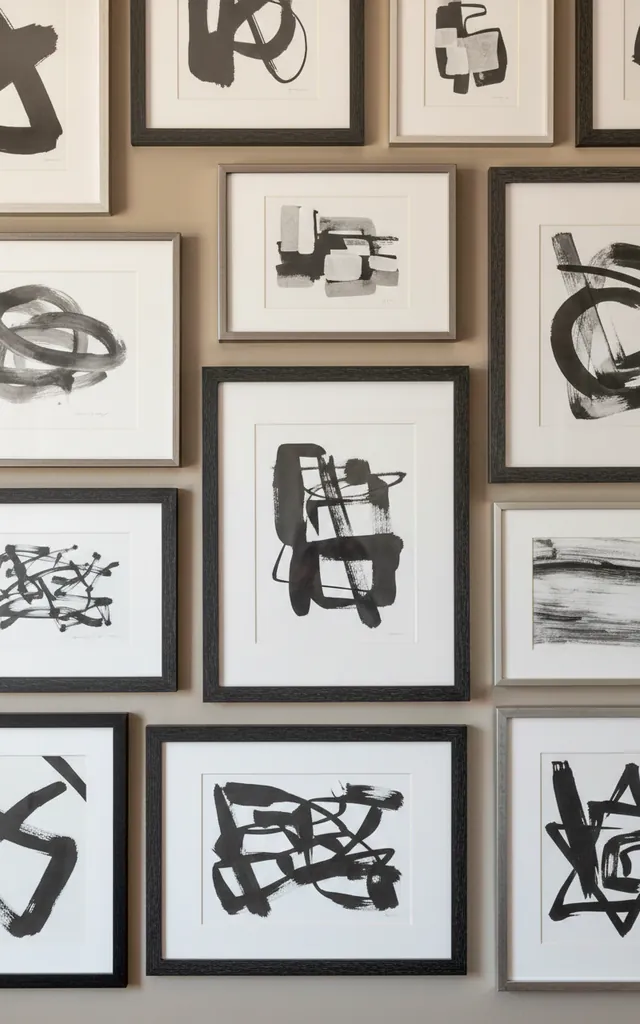
Incorporate Metallic Sheen
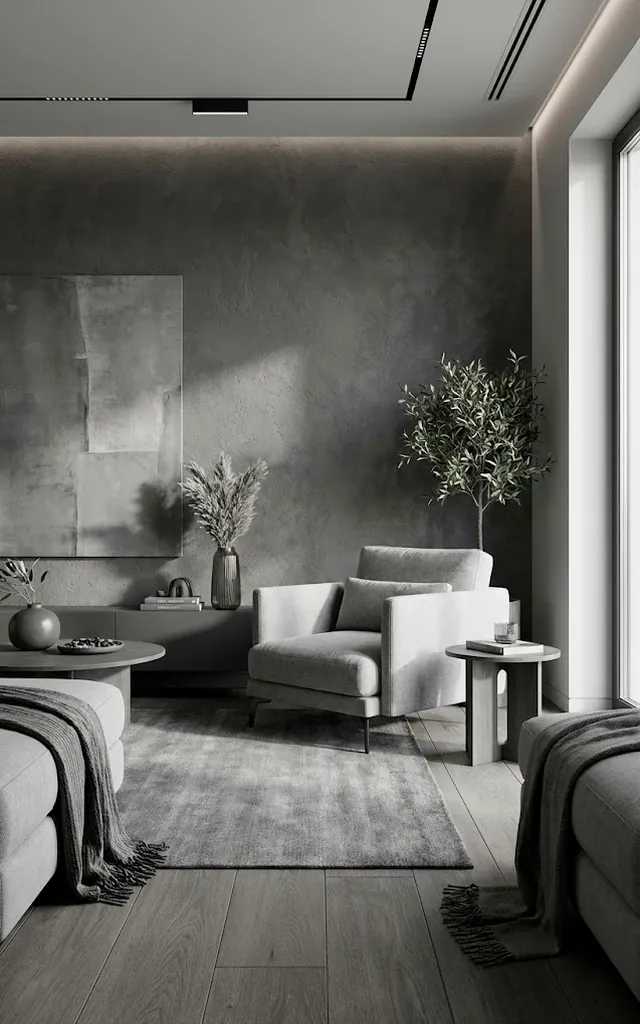
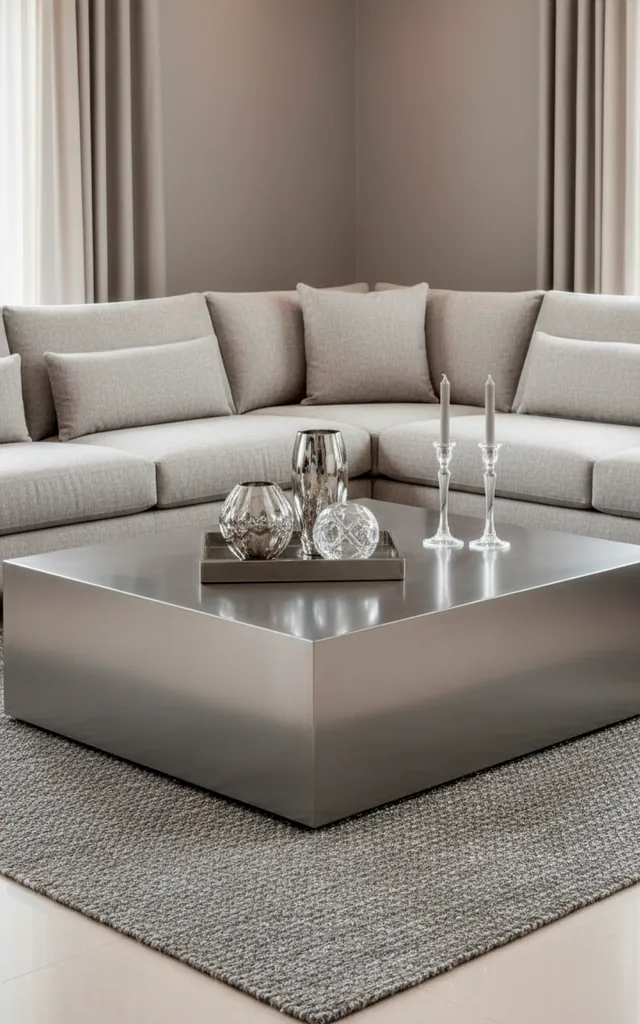
I love adding a bit of ‘blink’ to a grey room to prevent it from feeling heavy. I choose brushed silver or gunmetal accents to keep the monochrome theme consistent. These reflective surfaces bounce light around and add a touch of luxury. Have you noticed how a single silver tray can change the whole mood? I avoid gold here because I want to maintain that cool, sleek aesthetic. It’s like adding jewelry to a great outfit—it just finishes the look.
Ground the Space with Wood
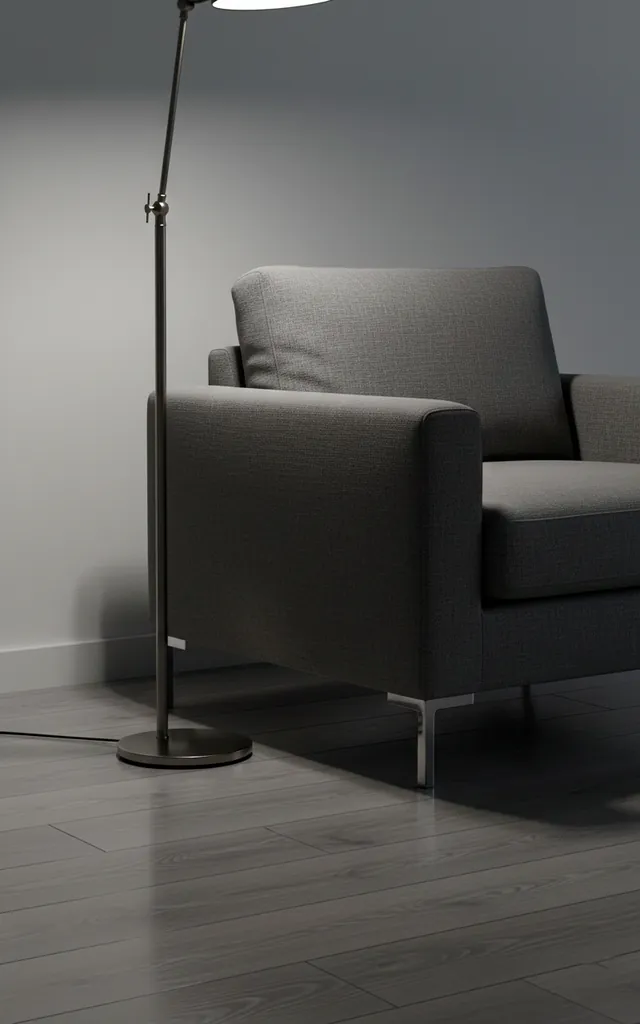
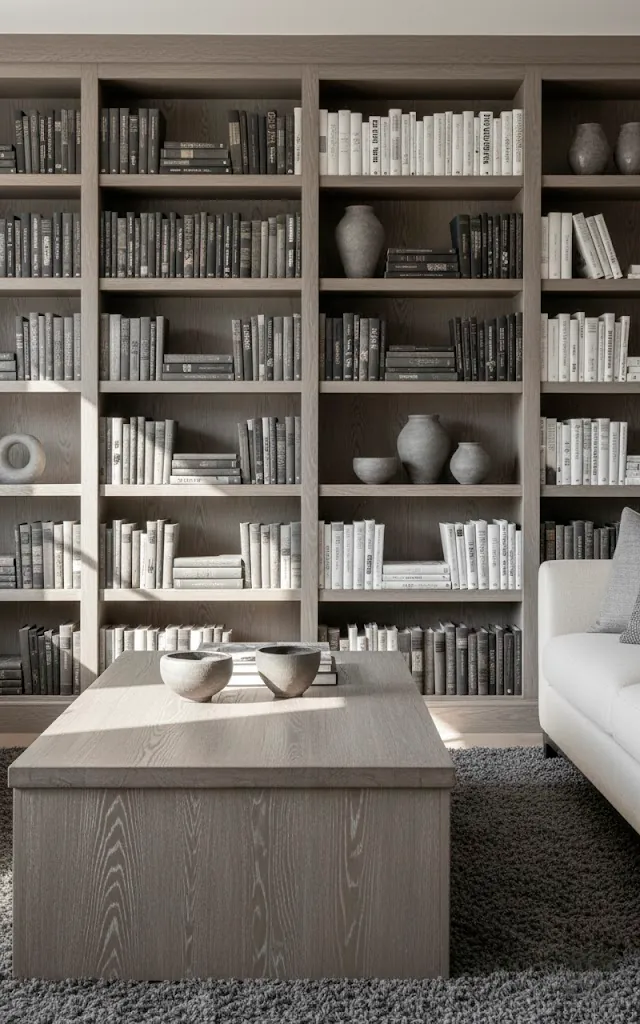
I find that grey wood finishes add a natural element without breaking the color palette. I use weathered oak or charcoal-stained timber for side tables and shelving. These organic grains provide a pattern that you just can’t get from paint. Why keep everything industrial when nature does it better? I personally prefer a matte finish on wood to keep things looking modern. It adds a layer of ‘old world’ soul to a contemporary space.

Layer with Lighting Layers
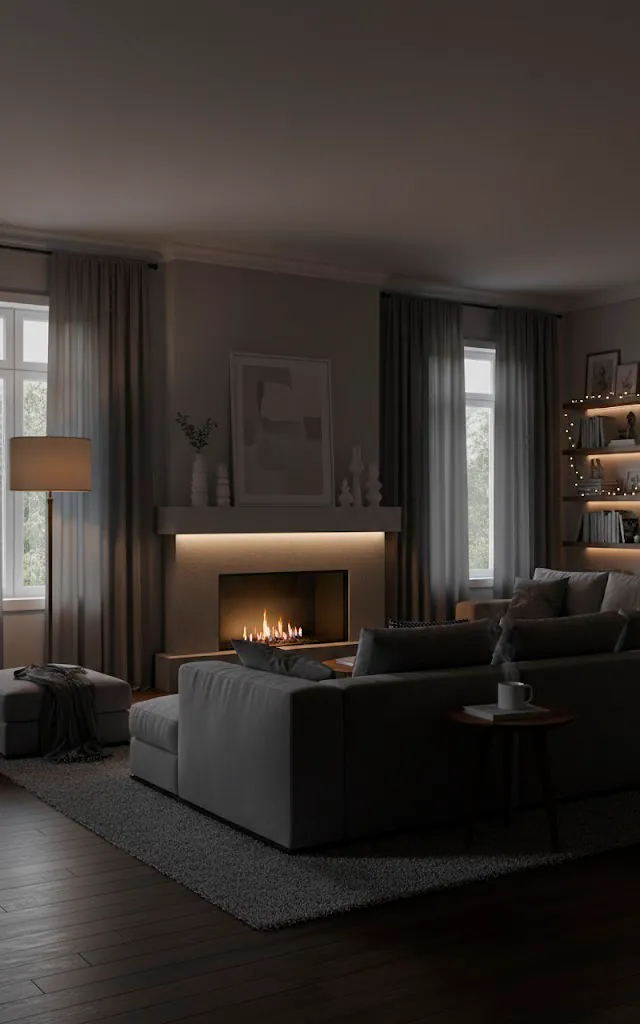
I never rely on the big ‘overhead’ light because it washes out all my beautiful greys. I layer floor lamps, table lamps, and even LED strips behind the TV. I choose warm-toned bulbs to balance the cool grey tones of the walls. Ever wondered why some grey rooms feel like a hospital? It’s usually the bad lighting. I create small pools of light that highlight specific textures like a stone wall or a velvet chair. This makes the room feel cozy after the sun goes down. 🙂

Introduce Subtle Patterns
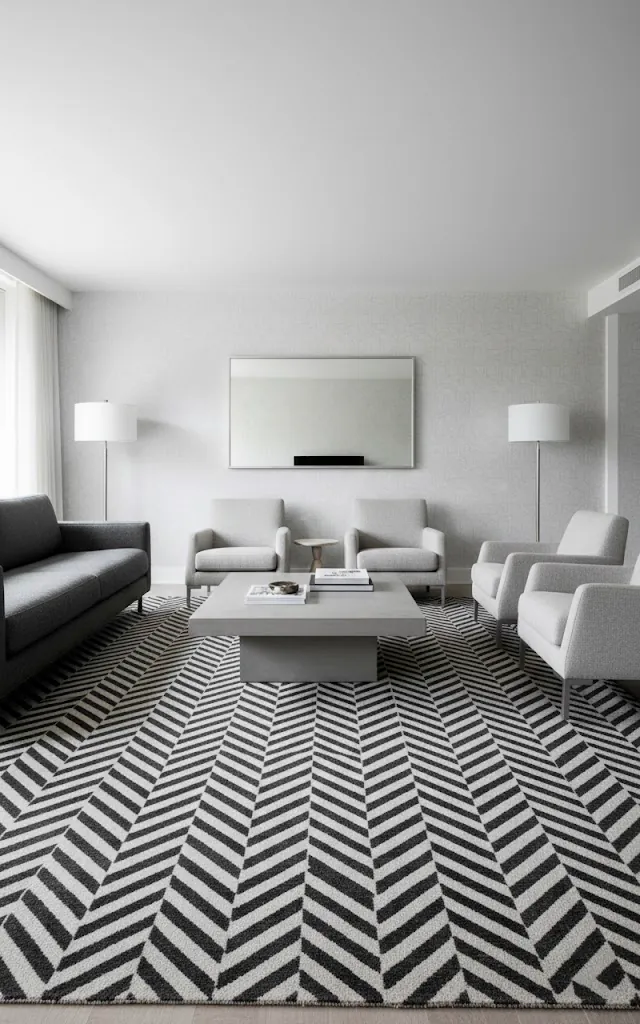
I break up the solid blocks of color by introducing subtle patterns. I look for herringbone rugs or pinstripe cushions in various shades of slate and ash. These patterns add visual movement without screaming for attention. Why keep it plain when you can add a little rhythm? I stay away from busy, colorful prints to keep the monochrome peace. A subtle geometric pattern on a rug can anchor the whole seating area perfectly. FYI, it hides pet hair much better than a solid rug too!
Use Soft Window Treatments
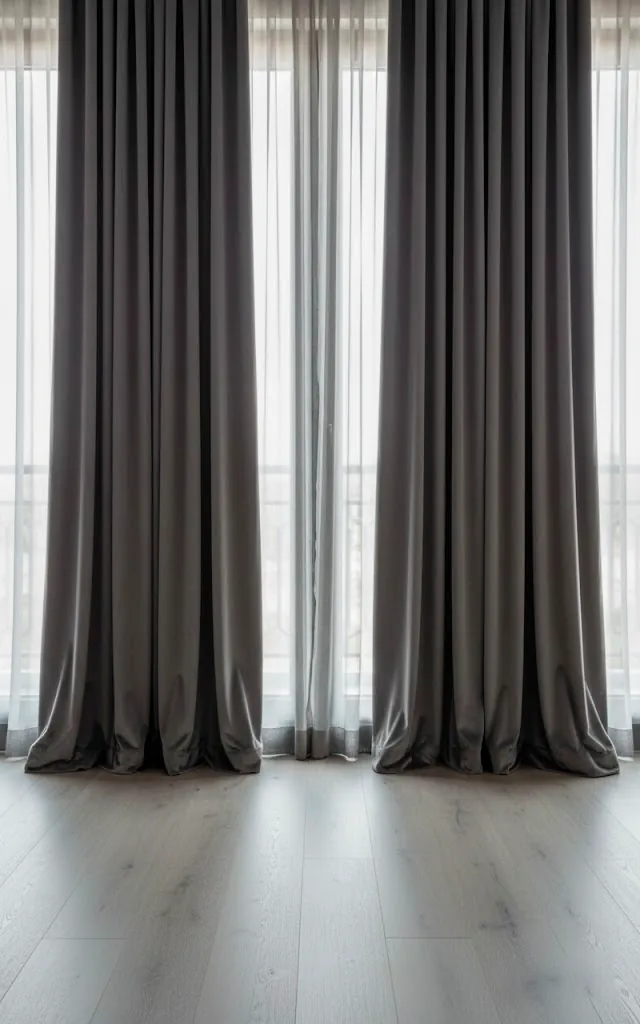
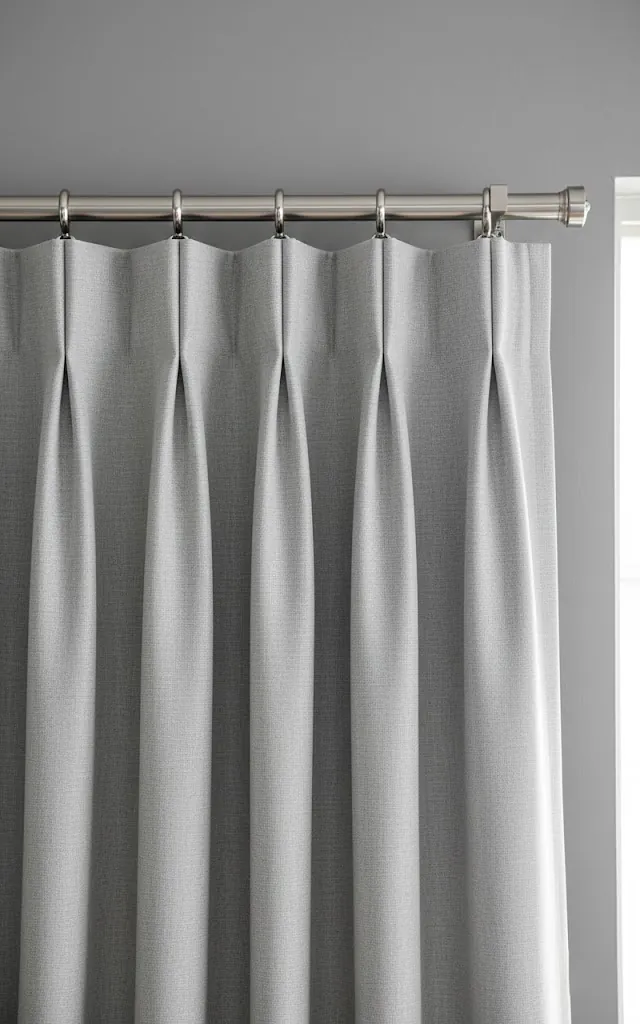
I use heavy drapes to soften the hard lines of a grey room. I hang dove-grey velvet curtains high and wide to make the ceilings feel taller. This adds a massive vertical layer of fabric that absorbs sound and adds warmth. Do your windows feel naked? Drapery fixes that instantly. I prefer floor-to-ceiling lengths because they look much more expensive. It’s a simple trick that turns a standard room into a high-end suite.
Add Living Greenery
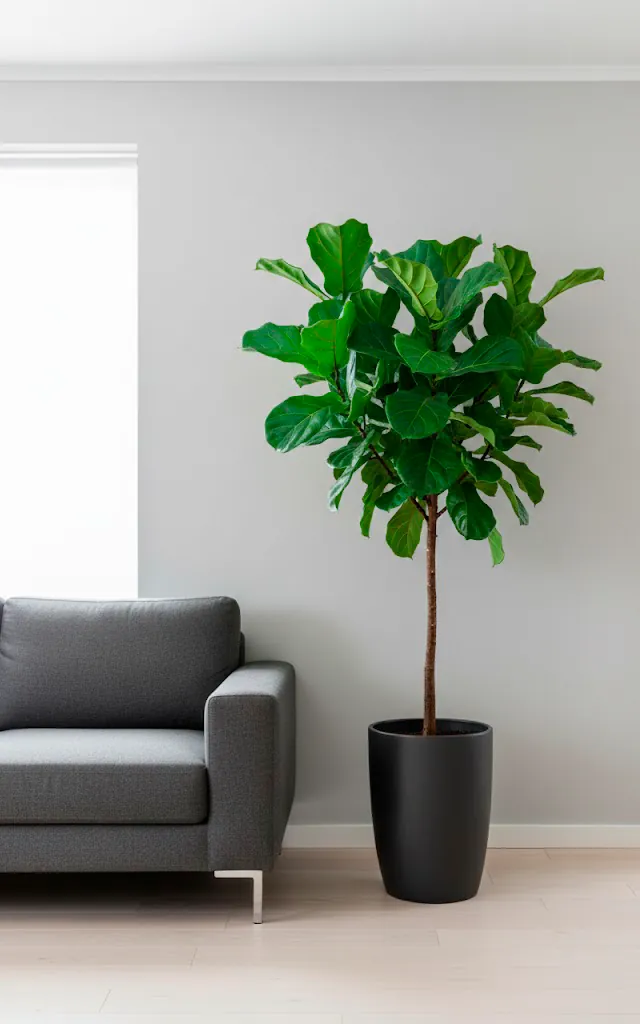
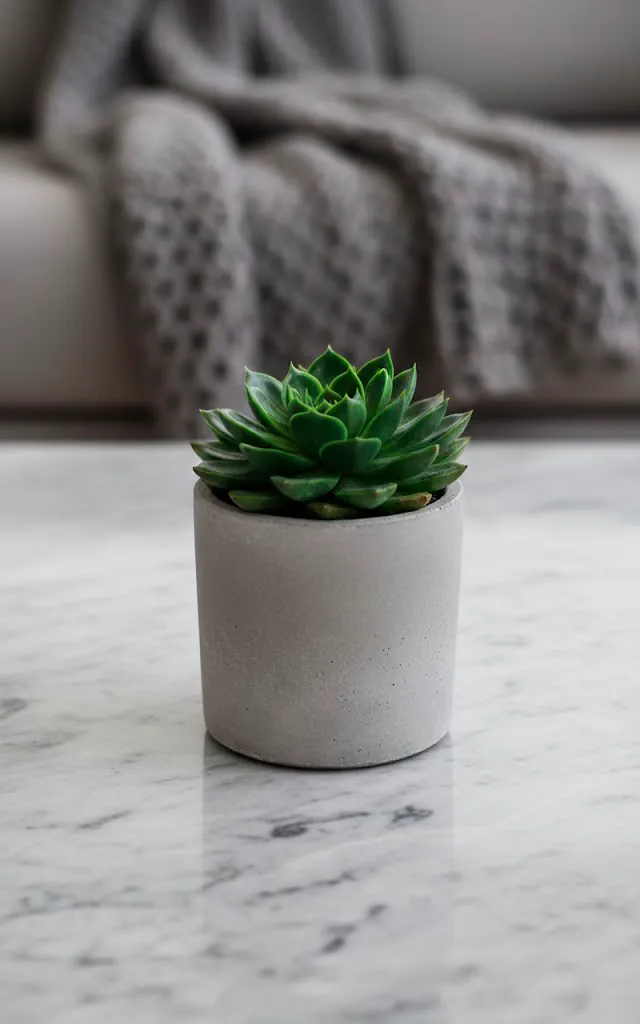
I know, I know—green isn’t grey. But I insist on a few plants to breathe life into a monochrome space. The vibrant green of a fiddle-leaf fig or a snake plant pops beautifully against a slate background. It prevents the room from feeling sterile or ‘undead.’ Is your room missing a soul? Add a plant. I use concrete or charcoal pots to keep the containers within the monochrome family. It’s the only ‘color’ I allow to break the rules, and it works every time.
Final Thoughts
So, there you have it. Layering a monochrome grey living room isn’t about finding one perfect item; it’s about building a story with different textures, tones, and light. I’ve found that when you stop worrying about ‘matching’ and start focusing on ‘layering,’ the magic actually happens. Don’t be afraid to mix that expensive velvet with a cheap chunky knit. Unless you want a room that feels like a cold museum, remember to keep it tactile and personal. Now, go grab some swatches and start building your own moody masterpiece!
Related posts
See All15 Vintage Circus Inspired Details for Playful Kids Bedroom Decor
Bring the magic of the big top home! Discover 15 playful, vintage circus-inspired decor details that will transform your kid's …
Read moreThe Complete Guide to Styling a Dining Room Credenza for Everyday Elegance
Give your dining room credenza the ultimate glow-up. Discover easy, elegant styling tips that balance everyday function with show-stopping design.
Read more15 Dried Citrus and Cinnamon Garlands for a Naturally Cozy Kitchen
Forget mass-produced decorations. Transform your kitchen into a naturally cozy, aromatic sanctuary with these 15 beautiful dried citrus and cinnamon …
Read moreThe Dog-Friendly Camper: Designing a Van Interior for Your Pets
Transform your camper van into the ultimate dog-friendly adventure mobile! Discover clever interior design hacks, durable materials, and cozy setups …
Read more