












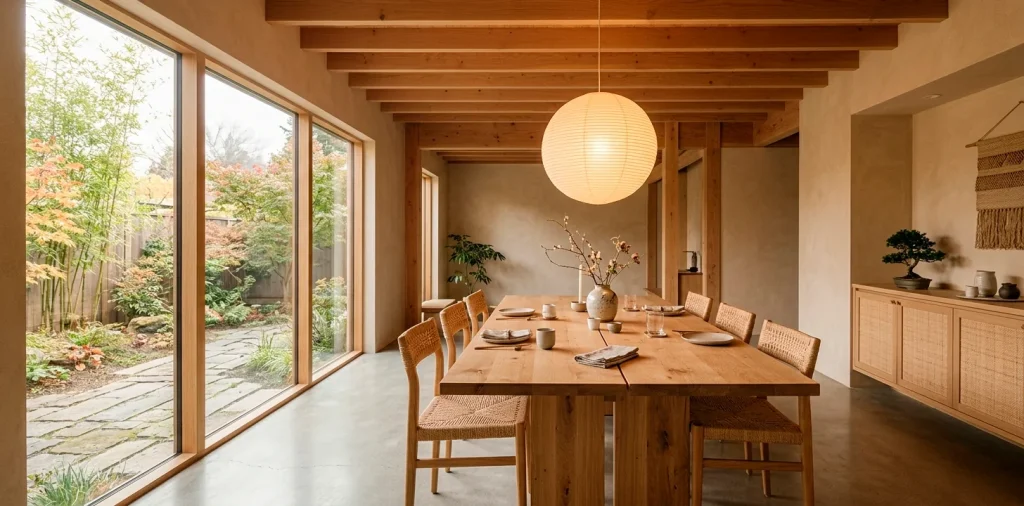

Ever sat at your dining table and felt completely overwhelmed by the visual chaos around you? Yeah, I’ve been there too. It’s time to fix that. Welcome to the world of Japandi design, where Japanese elegance seamlessly crashes into Scandinavian comfort. Trust me, blending these two styles will turn your dining space into the ultimate zen retreat.
Decoding the Japandi Vibe
So, what exactly is Japandi? Think of it as the ultimate design marriage between minimalist function and warm, inviting aesthetics. You get the sleek, purposeful lines of Japanese architecture paired beautifully with the cozy hygge factor of classic Scandi decor. It is honestly the best of both worlds, IMO.
The core rule here is pure intentionality. Every single item in your dining room needs a clear purpose. If that weird ceramic chicken aunt Linda gifted you doesn’t serve a function, donate it immediately. Less is always more. To expand this serene feeling beyond the table, check out our guide to an organic modern living room.
Anchoring with the Right Table
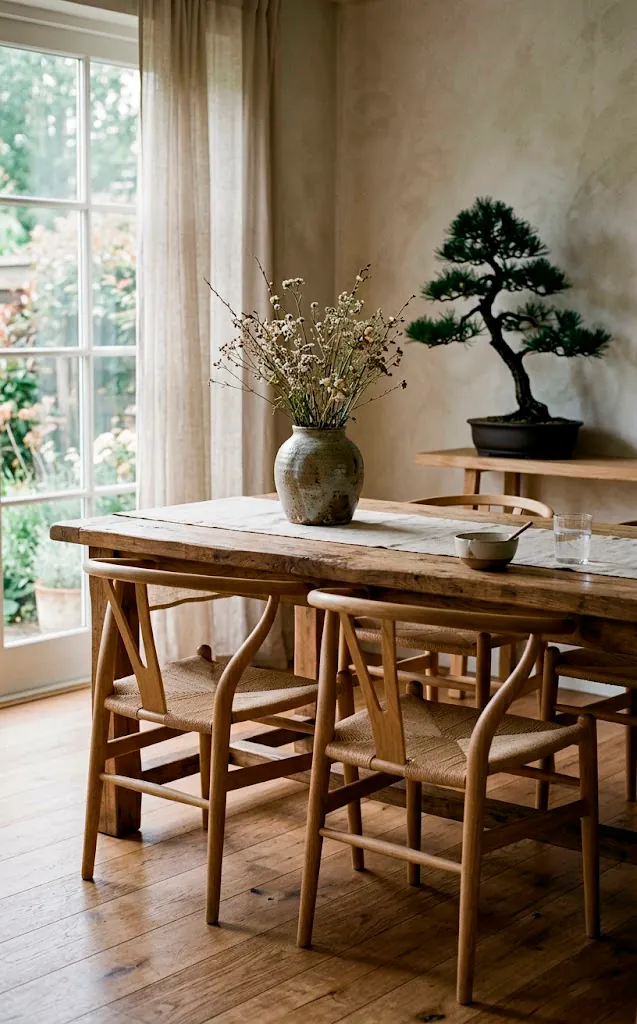
Your dining table dictates the entire energy of the room, so choose wisely. I highly recommend skipping glass or metal and going straight for solid, natural wood. Light oak or rich walnut works absolute wonders for creating that earthy foundation. Keep the shape incredibly simple—clean rectangles or smooth ovals fit the bill perfectly. I once bought a wildly complex geometric table and instantly regretted the visual noise it caused. Always prioritize raw, organic textures over glossy finishes. A matte wood surface practically begs your guests to sit down, relax, and stay for another round of drinks.
Seating That Actually Makes Sense
Let’s talk chairs, because nobody wants to eat dinner standing up.
You absolutely must blend physical comfort with crazy-good aesthetics. Stiff, purely decorative seating simply violates the hygge code.
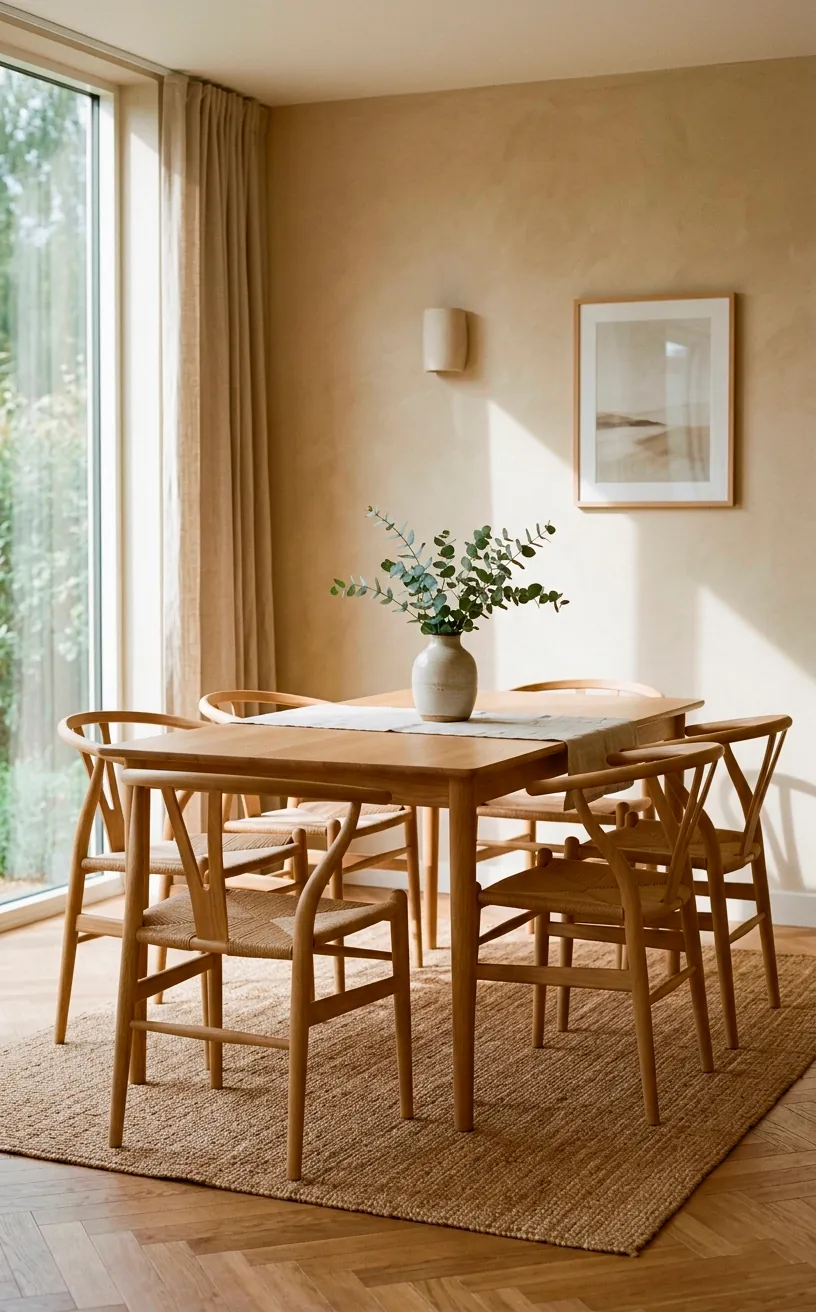
Iconic Wishbone chairs or simple wooden benches are my absolute favorites here. They keep the sightlines low and totally unobstructed, making your room feel twice as large. Seriously, low backrests are a massive game-changer for visual flow.
Seating essentials:
- Low-profile frames for an airy feel
- Woven paper cord or natural linen seats
- Curved wooden backs wrapping around you
Nailing the Color Palette
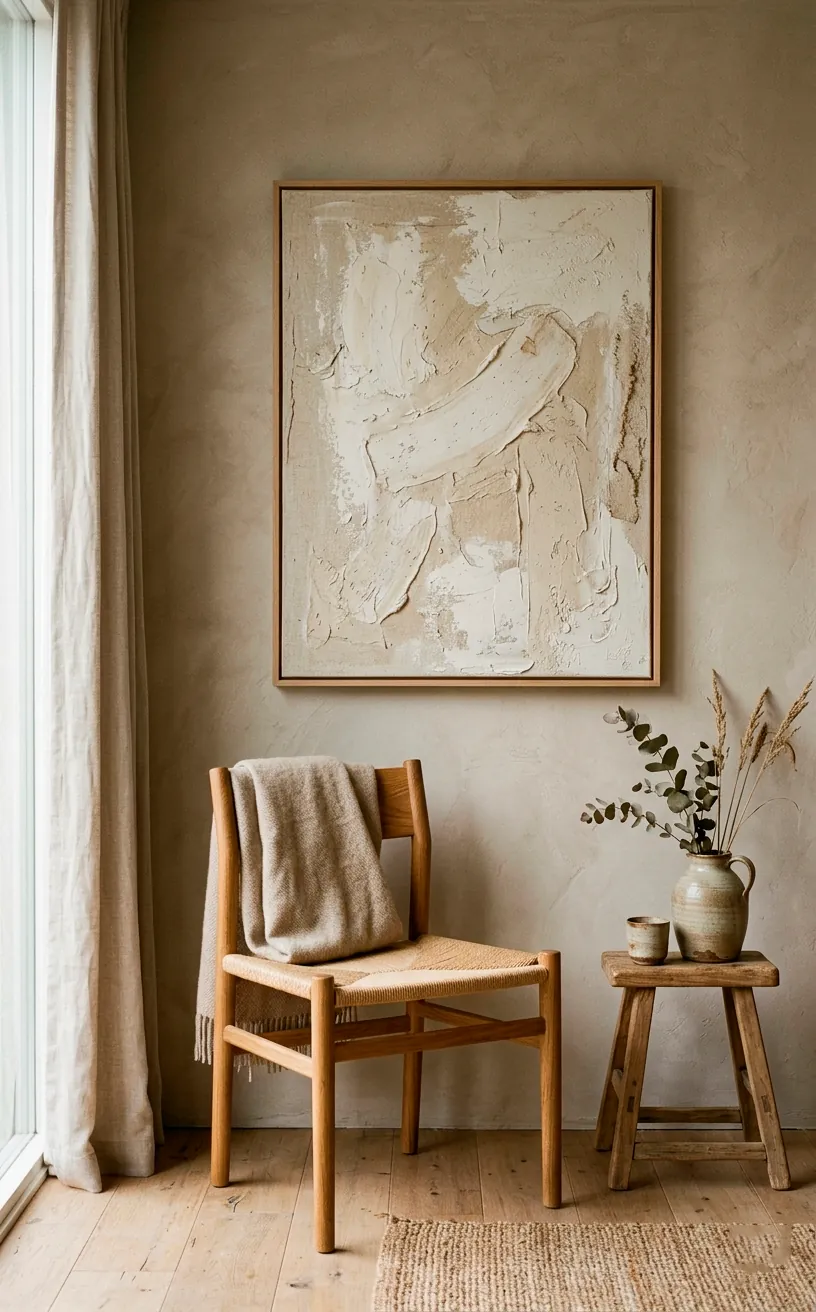
Have you ever noticed how a chaotic paint job totally ruins your appetite? Japandi relies heavily on a muted, soothing color palette to keep your heart rate down. Think warm whites, soft oatmeals, muted sages, and the occasional deep charcoal for high-impact contrast. Avoid harsh primary colors like the plague. Instead, layer different shades of neutral tones to build a space that feels rich and dimensional rather than flat or boring. I painted my dining walls a warm greige last year, and it completely revolutionized how relaxed I feel during my morning coffee.
Lighting the Sanctuary
Bad lighting completely ruins great food. I learned this the hard way after installing stark white LED bulbs that made my soup look literally radioactive. ☢️
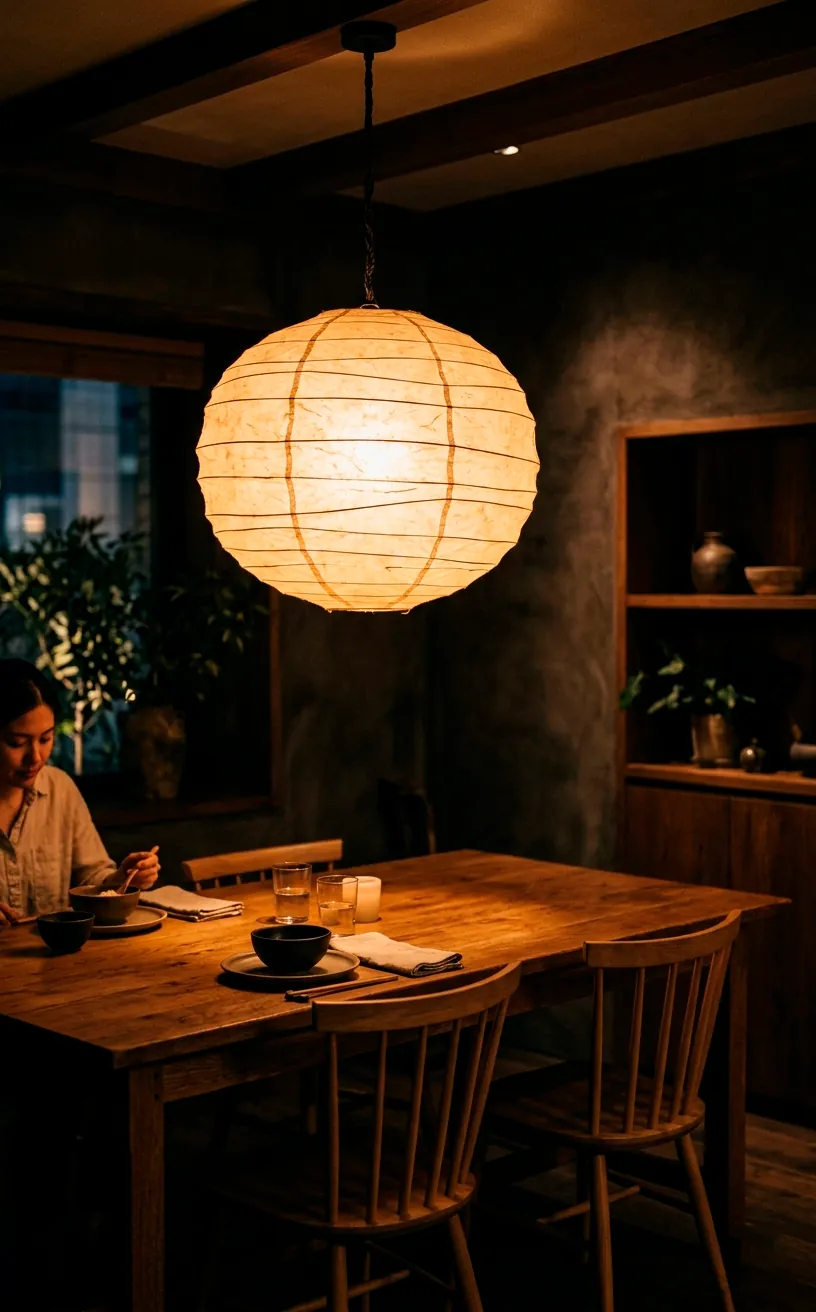
You need warm, diffused light to replicate the sun setting over a peaceful forest. Paper lanterns, bamboo pendants, or frosted glass globes hanging low over the table create an unbelievably cozy atmosphere. They soften the shadows and make everyone look instantly more attractive, which is always a bonus.
Always put your dining room lights on a dimmer switch. This simple tweak gives you absolute control over the mood, letting you transition smoothly from a bright Sunday brunch to an intimately dark dinner party.
Tactile Textures and Textiles
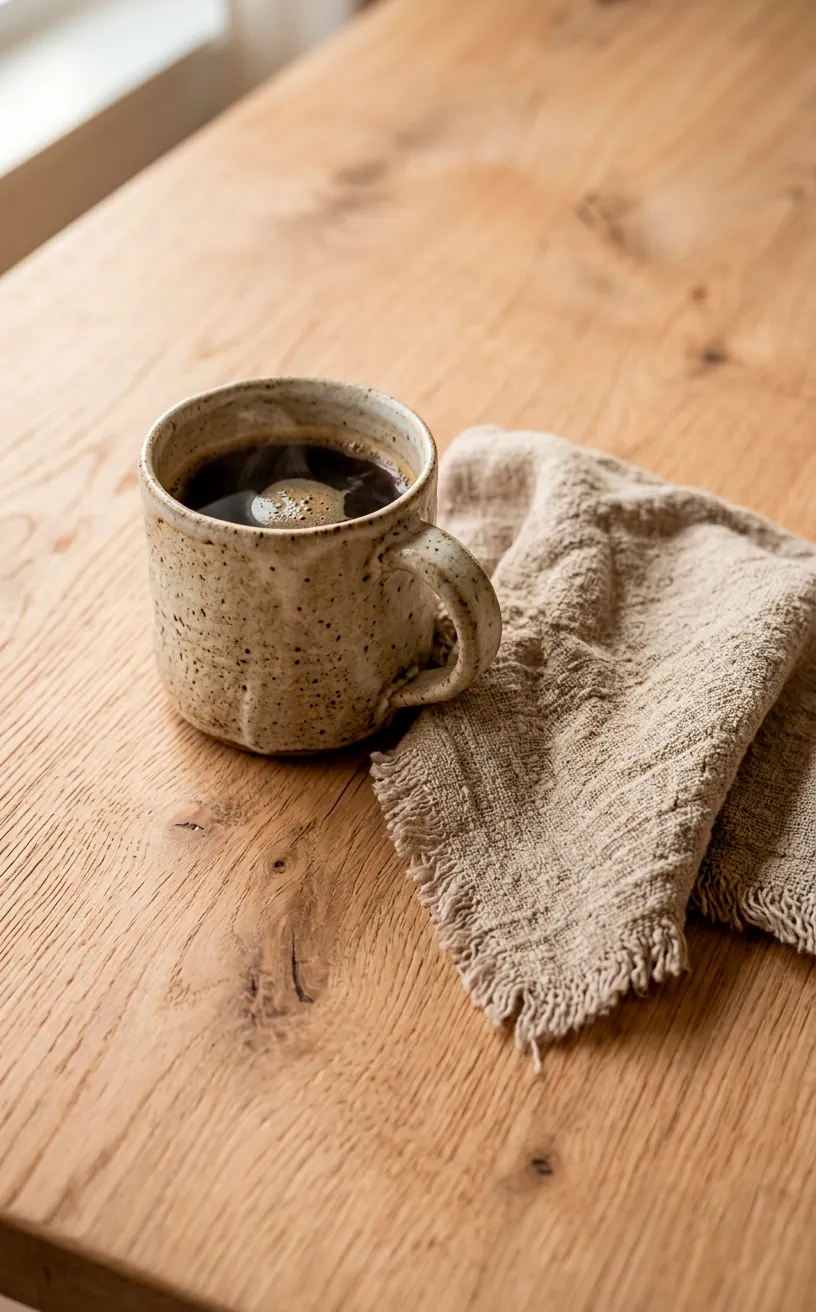
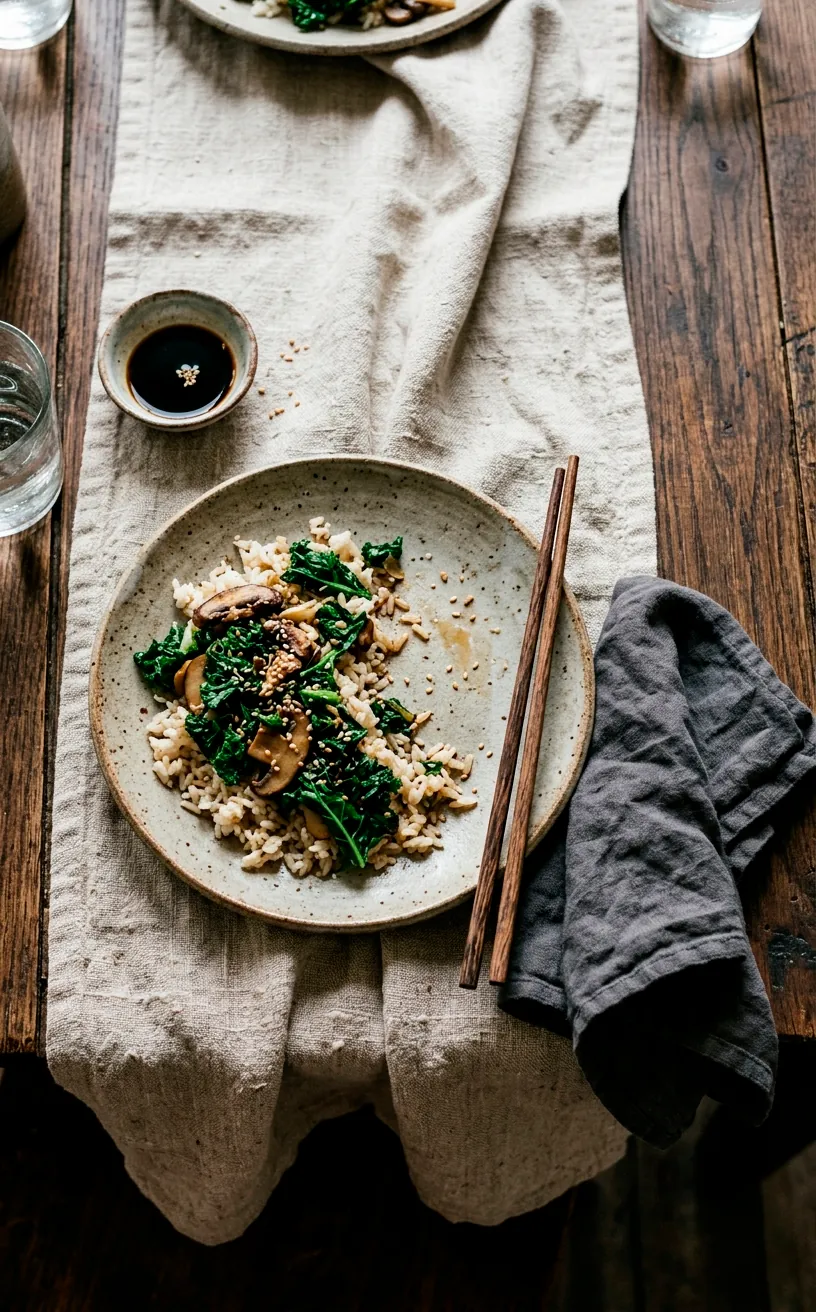
Visual warmth relies entirely on the textures you bring into the space. Since Japandi strips away excess decor, your materials must do all the heavy lifting. Incorporate rough ceramics, slubby linens, and soft cottons to heavily contrast against the smooth wood of your furniture.
A simple linen table runner or a set of handcrafted stoneware plates adds instant character without cluttering the view. You want your guests to literally feel the quality of the room when they touch their napkins. For more inspiration on weaving organic elements together, browse our guide on stone and silk Japandi entrance textures.
Embracing Negative Space
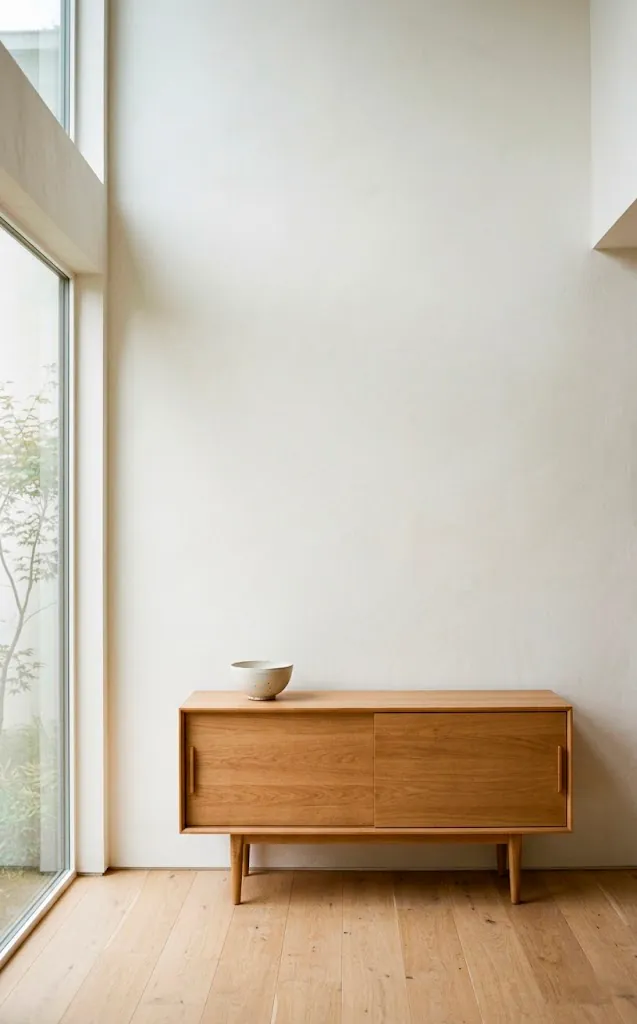
Silence is just as important as the notes played in a song. The same rule applies perfectly to Japandi spaces. You absolutely must leave empty space around your furniture to let the room breathe. Don’t shove a sideboard, a bar cart, and a massive plant into every available corner! Embrace the beautiful emptiness. Negative space highlights the gorgeous pieces you actually chose to keep. This minimalist restraint creates an unmistakable feeling of serenity the second you walk through the doorway. It feels weird at first, but you quickly learn to love the open air.
Bringing the Outdoors Inside
Nature plays a monumental role in this aesthetic.
You cannot have a true Japandi room without a touch of greenery or raw organic matter.
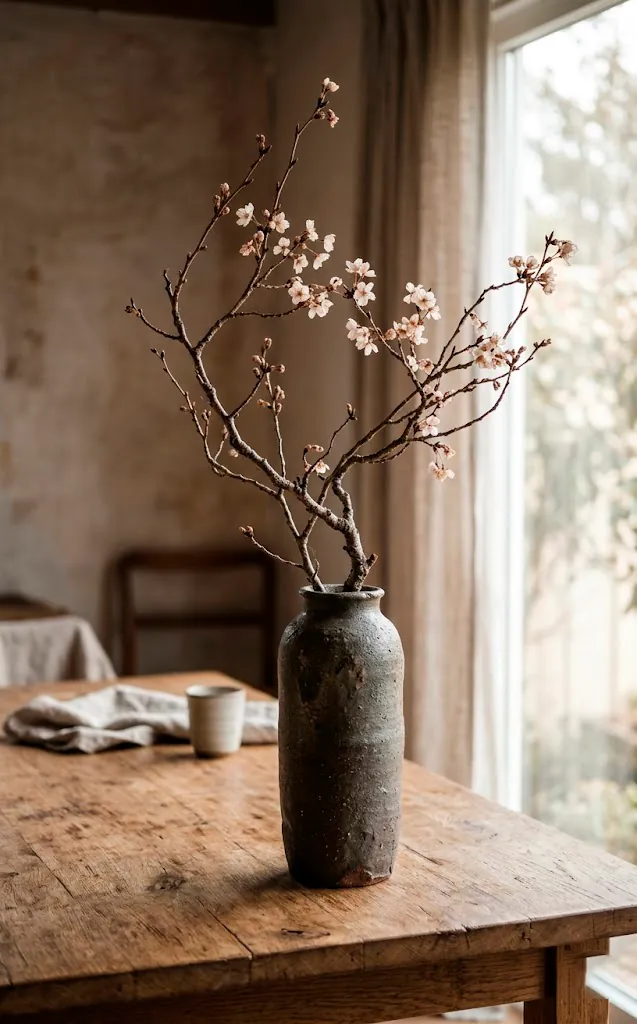
Ditch the massive, chaotic tropical ferns. Instead, opt for a single, sculptural branch in a tall ceramic vase or a meticulously pruned bonsai tree as your centerpiece. This targeted approach honors the Japanese art of Ikebana. It feels highly intentional and ridiculously elegant.
Top natural accents:
- Dried cherry blossom branches
- A single potted Ficus Audrey
- Smooth river stones set beautifully in a shallow wooden bowl
Mindful Tableware Choices
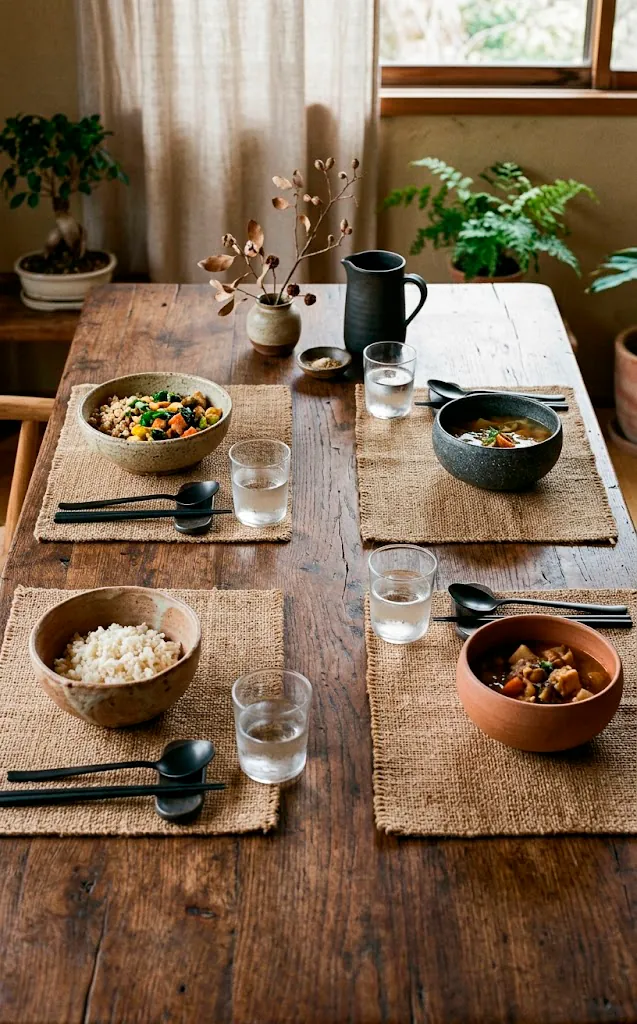
What you put on the table matters just as much as the table itself. Flimsy, mass-produced plates totally break the illusion of craftsmanship. Invest heavily in wabi-sabi inspired ceramics that celebrate tiny imperfections. A slightly asymmetrical bowl or a cup with an uneven glaze tells a gorgeous story of human creation.
Keep your cutlery incredibly sleek and unassuming. Matte black or brushed silver flatware pairs perfectly with chunky, earthy ceramics. Never underestimate the power of a perfectly set, minimalist table. It immediately signals to your brain that it is time to slow down and truly savor the meal in front of you.
The Grounding Power of Rugs
Let’s wrap this up from the ground down. A bare floor works, but a rug completely anchors the dining zone, especially in open-concept homes.
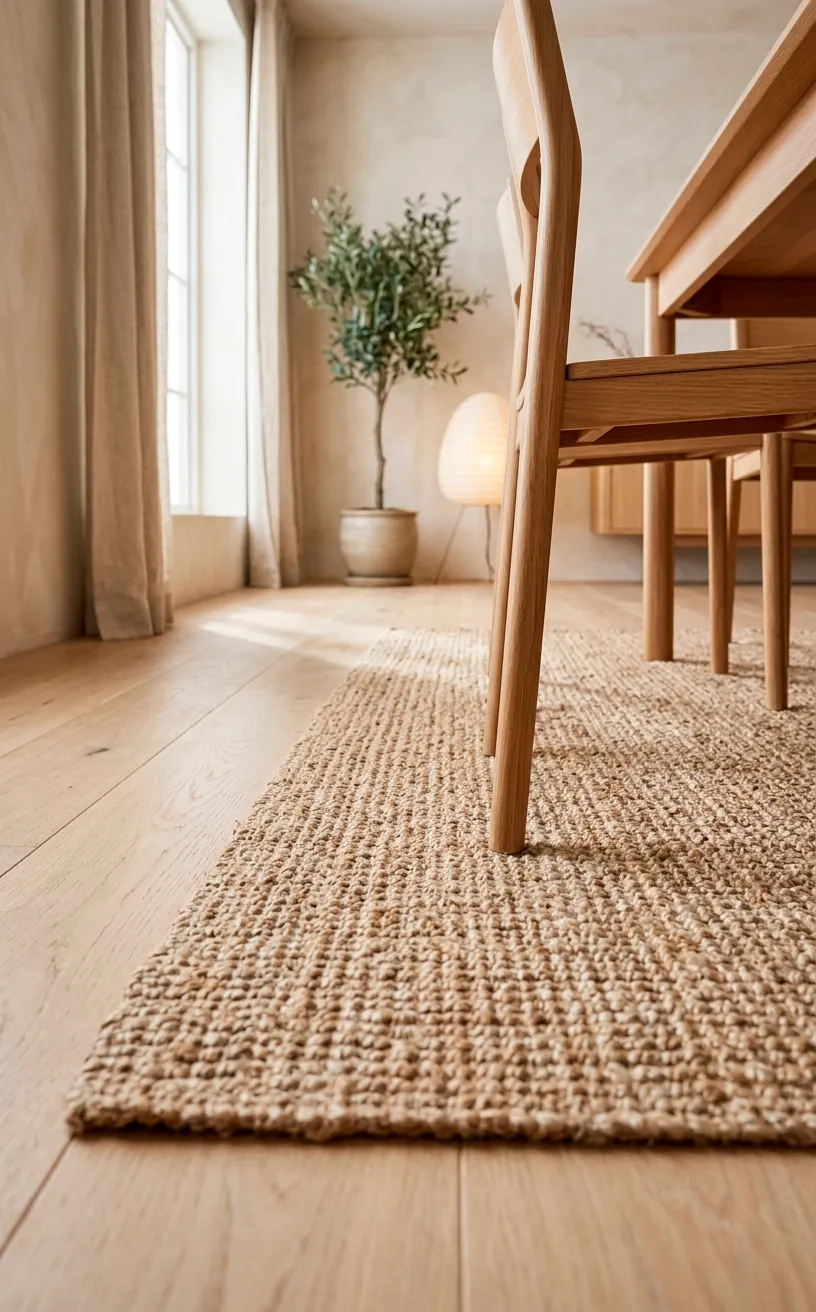
Avoid loud, busy Persian prints or highly distressed bohemian rugs. You want flatweave wool, natural jute, or incredibly subtle geometric patterns. The rug should hum softly in the background, not scream for attention. I swapped a bright, chaotic rug for a simple textured wool mat last year, and the entire room immediately exhaled.
Always ensure your rug is large enough so the chairs never catch the edge when someone pulls them out. It is a massive pet peeve of mine, and it totally disrupts the tranquil vibe we are trying so hard to cultivate!
Conclusion
Mastering the Japandi aesthetic isn’t about perfectly replicating a stiff furniture showroom; it’s about curating a space that genuinely brings you peace. By combining purposeful design with undeniably cozy textures, you create a dining room that practically hugs you after a long, chaotic day. Which minimalist element are you grabbing first? Let me know in the comments!
Related posts
See All15 Vintage Circus Inspired Details for Playful Kids Bedroom Decor
Bring the magic of the big top home! Discover 15 playful, vintage circus-inspired decor details that will transform your kid's …
Read moreThe Complete Guide to Styling a Dining Room Credenza for Everyday Elegance
Give your dining room credenza the ultimate glow-up. Discover easy, elegant styling tips that balance everyday function with show-stopping design.
Read more15 Dried Citrus and Cinnamon Garlands for a Naturally Cozy Kitchen
Forget mass-produced decorations. Transform your kitchen into a naturally cozy, aromatic sanctuary with these 15 beautiful dried citrus and cinnamon …
Read moreThe Dog-Friendly Camper: Designing a Van Interior for Your Pets
Transform your camper van into the ultimate dog-friendly adventure mobile! Discover clever interior design hacks, durable materials, and cozy setups …
Read more