












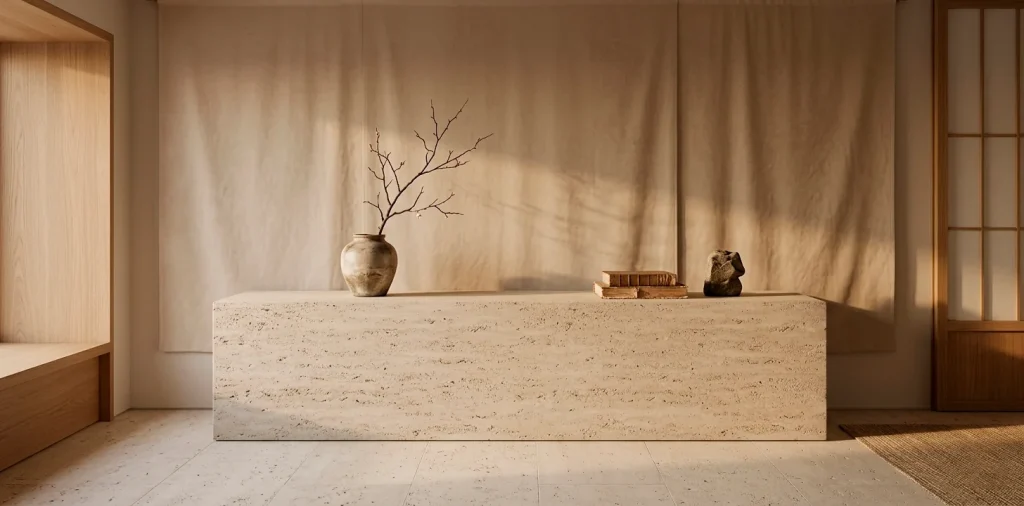

Stepping into a home should instantly drop your heart rate, right? Yet most entryways feel like chaotic dumping grounds for keys and mail. I totally transformed my own foyer last year by embracing the Japandi ethos, and it changed everything. You simply blend the raw, imperfect edge of rugged stone with the liquid elegance of silk. Ready to completely overhaul your space?
The Magic of Opposites
Ever wondered why some rooms just feel incredibly expensive? It usually comes down to texture tension.
When you pair something incredibly heavy and rough, like a natural stone console, with an airy silk tapestry, your brain immediately registers the brilliant contrast. This friction creates a visually striking environment without requiring loud colors or crazy patterns. I honestly obsessed over this exact balance for months, tbh. You get the wabi-sabi grit of Japanese design playing perfectly with clean Scandinavian warmth.
Choosing Your Perfect Stone Foundation
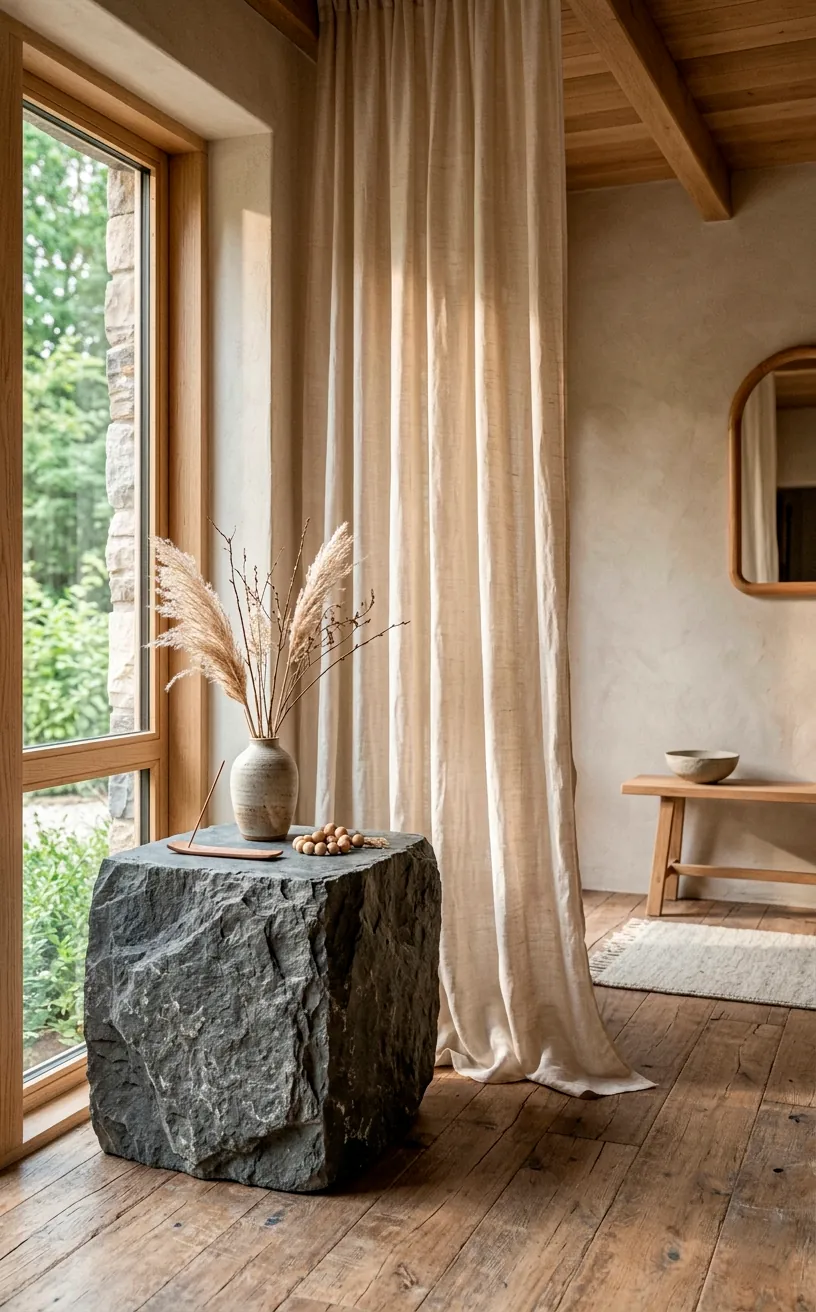
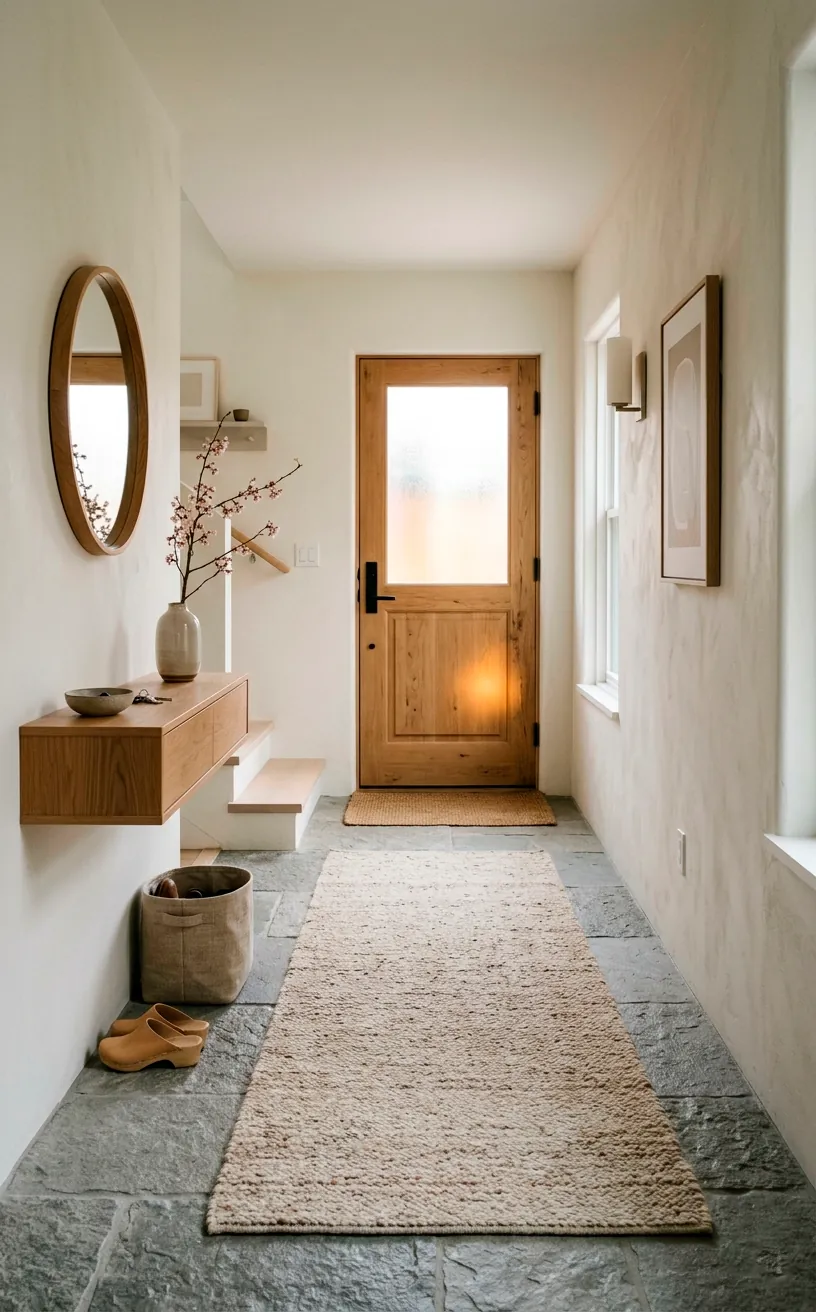
You must anchor the space first. I highly recommend starting with a bold stone element because it grounds the entire entryway. Think about a chunky travertine bench, a slate catch-all tray, or even a textured limestone wall panel. These pieces scream durability and timelessness. Forget perfectly polished marble; Japandi demands natural, matte, and slightly irregular surfaces. Embrace those raw edges and pitted textures. They give your entrance that earthy, grounded vibe we all desperately crave right now.
Softening the Space with Silk
Now, we need to completely shatter that heavy stone energy.
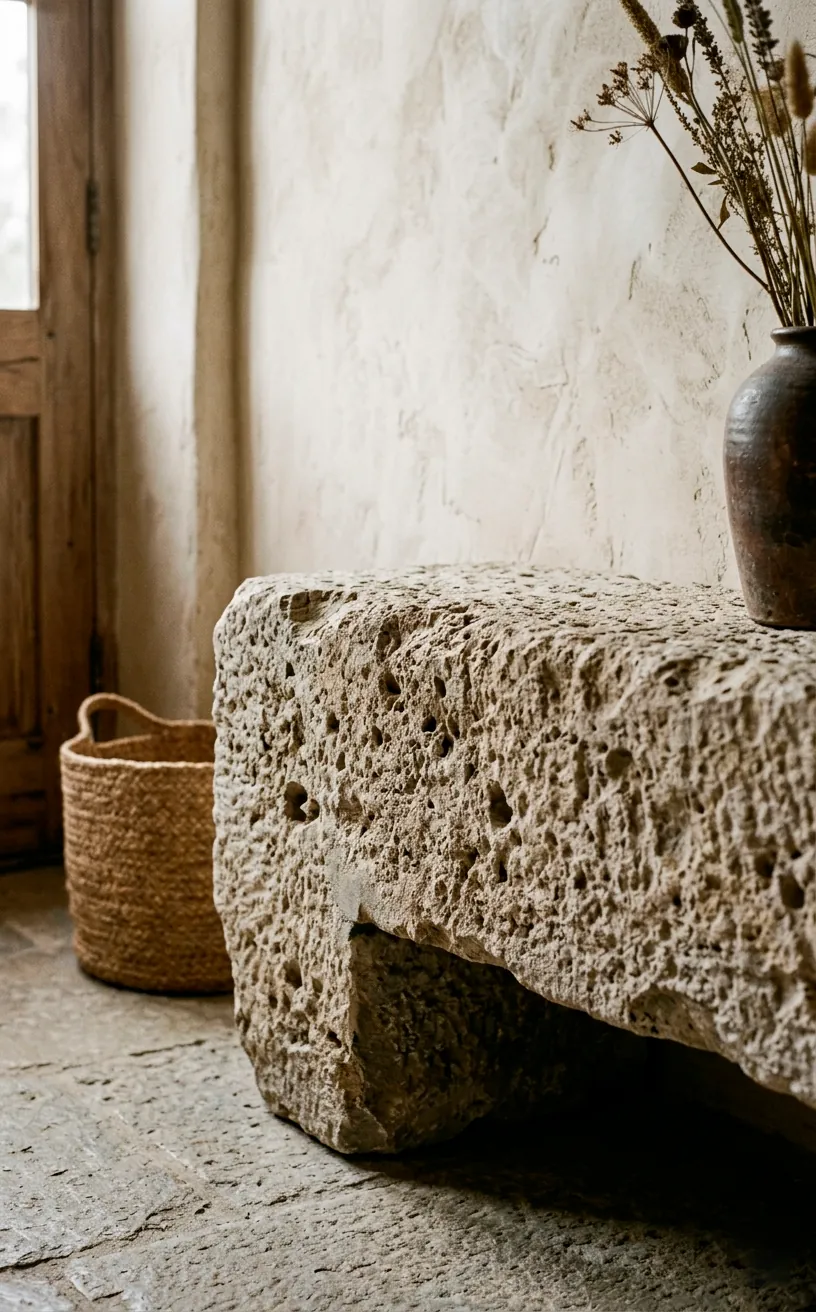
Enter silk. And no, I do not mean shiny 80s prom dress fabric. We want raw, slubby silk or a muted matte silk blend.
Hanging a simple silk fabric panel as art works absolute wonders. The material catches the slightest breeze when you open the front door, adding literal movement to a previously static room.
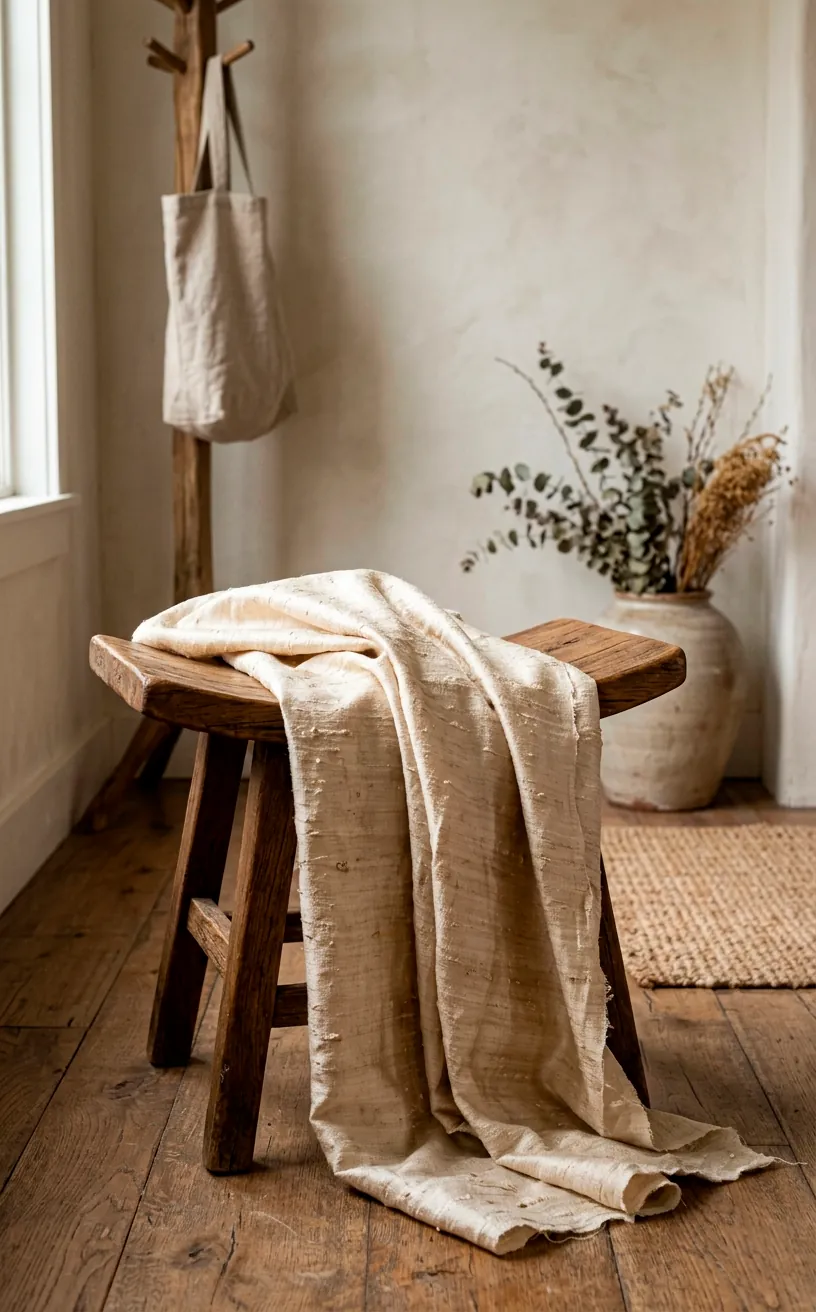
You can also drape a textured silk runner over your wooden stool or use a silk-covered lumbar pillow. The sheer delicacy of the fabric forces the rough stone to look even more rugged. It perfectly balances the yin and yang of your foyer.
The Crucial Lighting Play
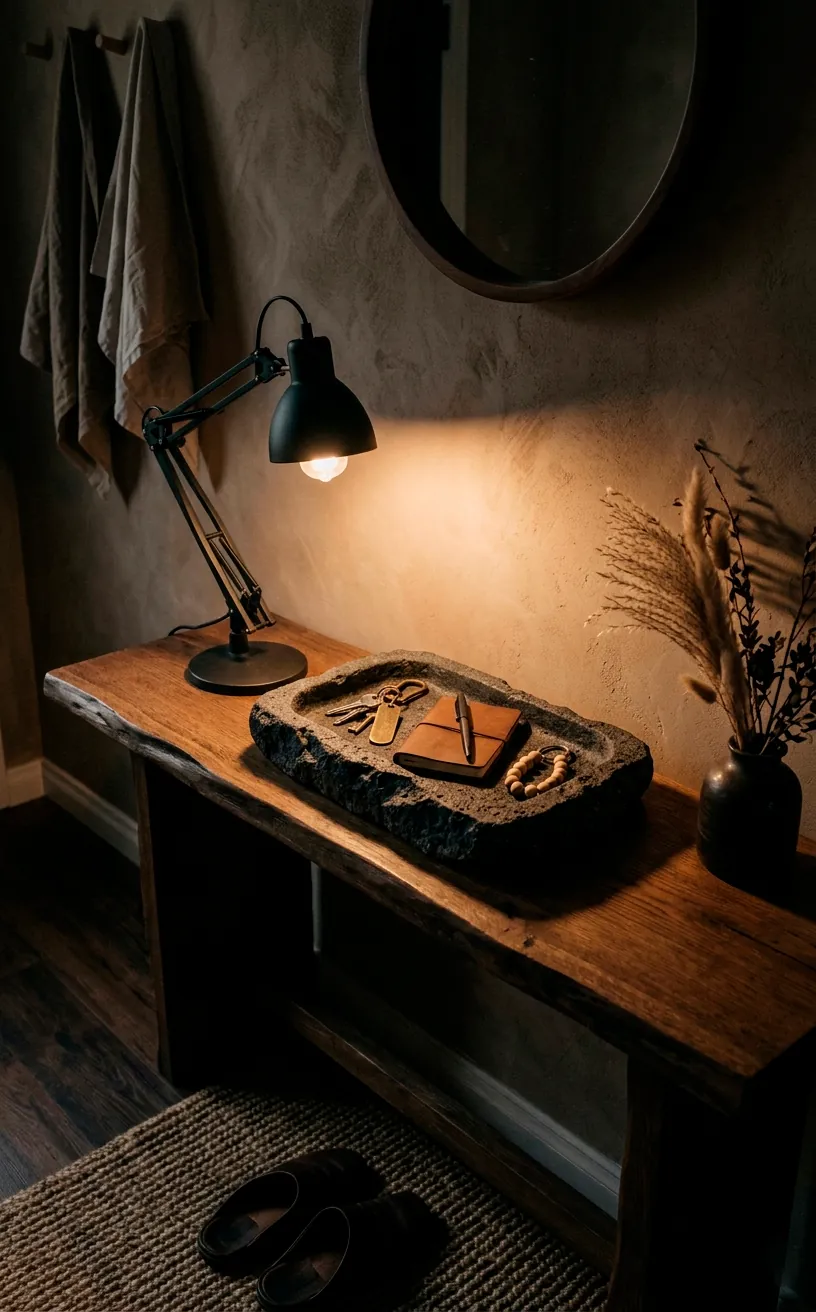
Lighting absolutely makes or breaks this textural illusion. If you blast the space with cool, harsh overheads, you kill the magic instantly. Instead, you need warm, directional light to highlight the specific textures. Place a small, minimalist table lamp directly on your stone console. The light will cast gorgeous, moody shadows across the natural crevices of the rock while gently illuminating the subtle sheen of your silk accents. A soft 2700K bulb provides the ultimate welcoming glow.
Wood Accents as the Bridge
Stone and silk sit at completely opposite ends of the texture spectrum. Sometimes, they need a mediator to stop them from clashing too aggressively.
Warm wood tones bridge this gap beautifully.
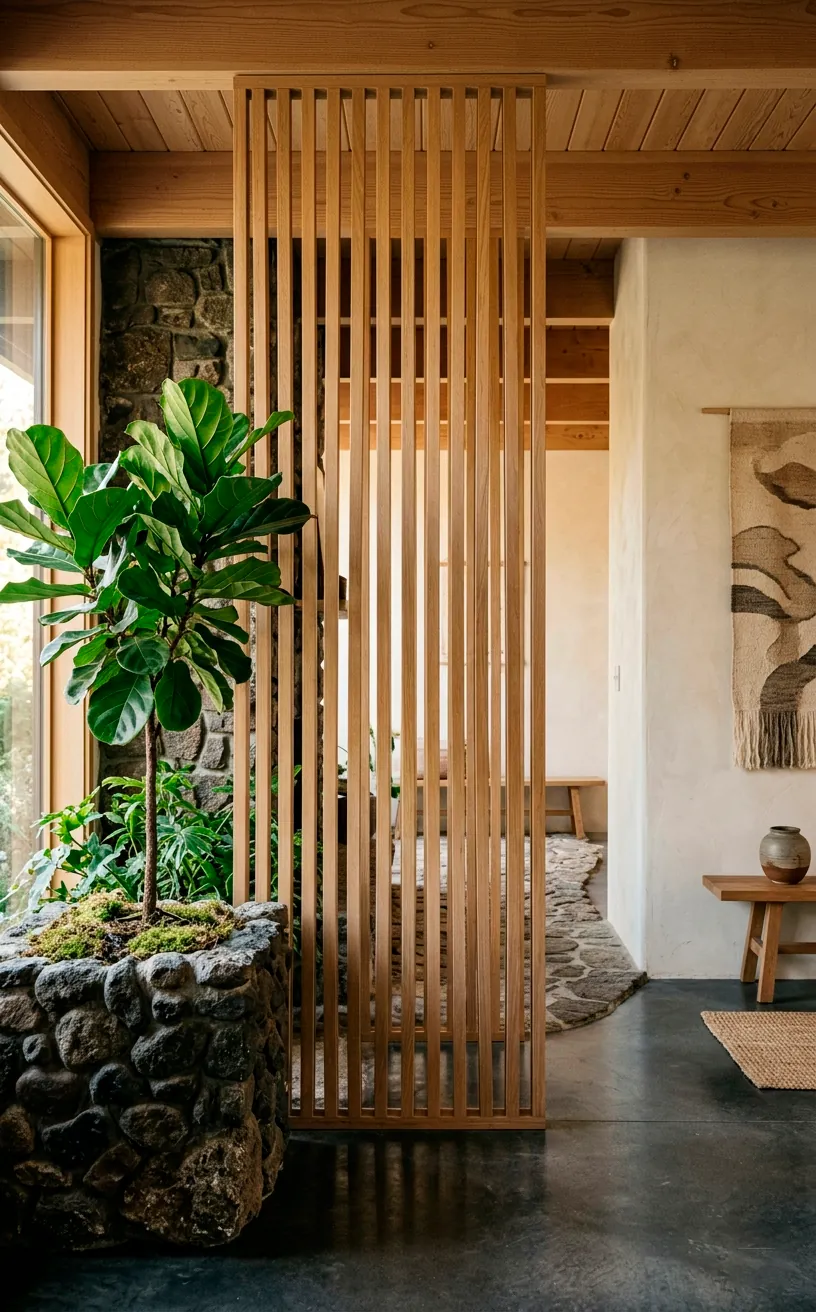
Introduce a slatted oak room divider or some simple walnut pegs on the wall. The organic grain of the wood warms up the cold stone and grounds the floating, airy silk. I added a low-profile ash wood shoe rack to my setup, and it immediately tied the two extreme textures together. FYI, keeping the wood finish matte ensures it respects the Japandi aesthetic without stealing the spotlight.
Furniture that Speaks Japandi
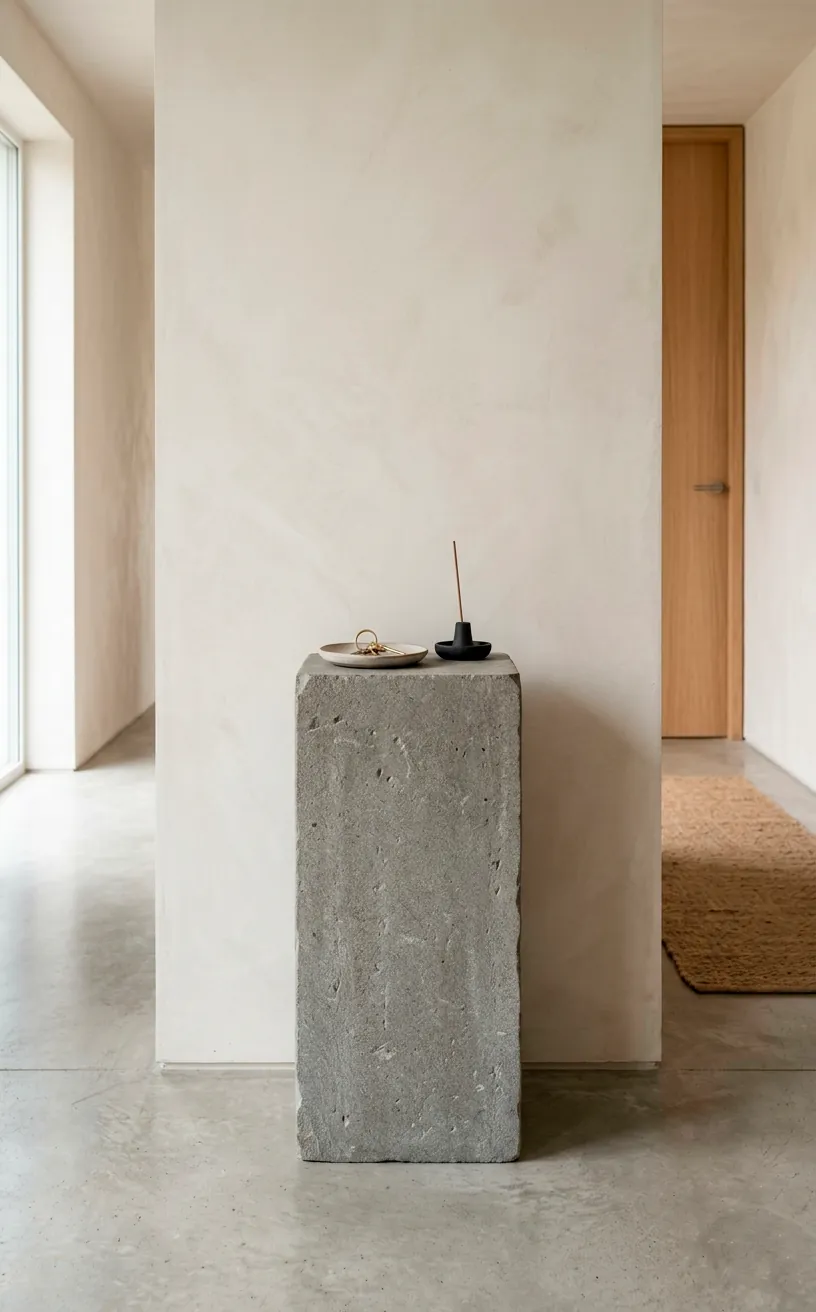
You cannot overstuff a Japandi entrance. The entire philosophy hinges on negative space giving your materials room to breathe. Pick one statement furniture piece—like a monolithic stone plinth or a low-slung timber bench. Keep the lines incredibly clean and geometric.
Avoid ornate carvings or busy hardware. The textures should do all the talking here. When your furniture keeps a low profile, the eye naturally drifts toward the gorgeous contrast between your rough stone catch-all and that delicate silk tapestry on the wall.
Styling the Wabi-Sabi Details
You must brutally edit your accessories in this design scheme.
Japandi styling elements:
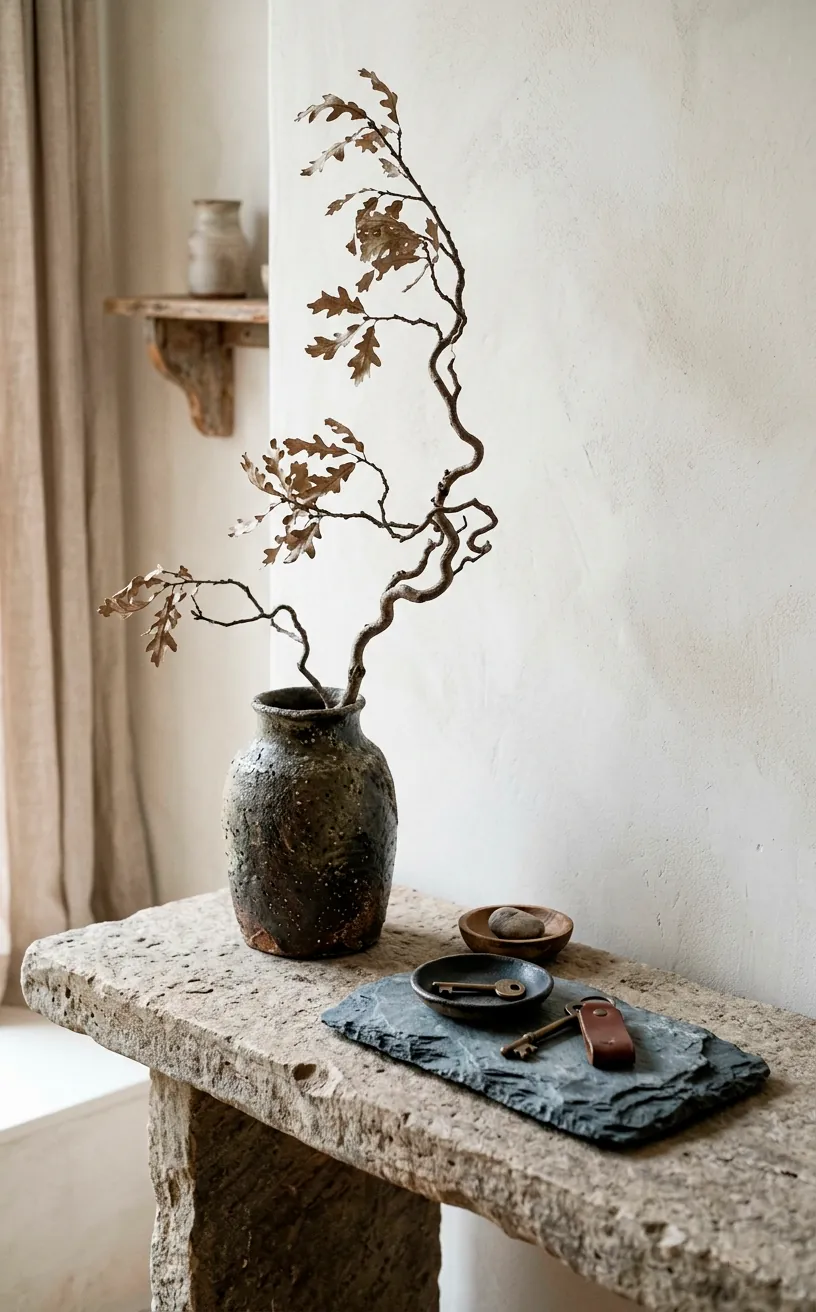
- A single, dramatic branch in a textured ceramic vase.
- A raw slate tray for your everyday keys.
- A muted, framed raw silk textile.
Notice how few items we actually need? Restraint is your best friend here.
I completely ruined my first attempt by adding too many decorative bowls and frames. It just looked cluttered. Strip it back until every single item serves a clear functional or textural purpose. This approach transforms a messy hallway into a true Zen sanctuary.
Keeping the Zen Balance
Finding the sweet spot takes a little trial and error, IMO. If the entryway feels too cold, you simply add more silk or introduce a soft wool rug. If it feels too delicate or formal, you bring in a chunkier piece of rough-hewn stone. Always trust your gut when you walk through the door. Does the space force you to exhale? If yes, you nailed it. Remember, we want an atmosphere that feels effortlessly intentional. If you want to carry this calming, intentional vibe into the rest of your home, explore these holistic studio apartment design rules.
Conclusion
Mastering the Japandi entrance relies entirely on embracing friction. By confidently slamming the rugged, unyielding nature of stone against the soft, whispering elegance of silk, you create an unforgettable first impression. Your foyer becomes a tactile experience rather than just a pass-through zone. Which texture are you adding to your entryway first? Let me know in the comments!
Related posts
See All15 Vintage Circus Inspired Details for Playful Kids Bedroom Decor
Bring the magic of the big top home! Discover 15 playful, vintage circus-inspired decor details that will transform your kid's …
Read moreThe Complete Guide to Styling a Dining Room Credenza for Everyday Elegance
Give your dining room credenza the ultimate glow-up. Discover easy, elegant styling tips that balance everyday function with show-stopping design.
Read more15 Dried Citrus and Cinnamon Garlands for a Naturally Cozy Kitchen
Forget mass-produced decorations. Transform your kitchen into a naturally cozy, aromatic sanctuary with these 15 beautiful dried citrus and cinnamon …
Read moreThe Dog-Friendly Camper: Designing a Van Interior for Your Pets
Transform your camper van into the ultimate dog-friendly adventure mobile! Discover clever interior design hacks, durable materials, and cozy setups …
Read more