












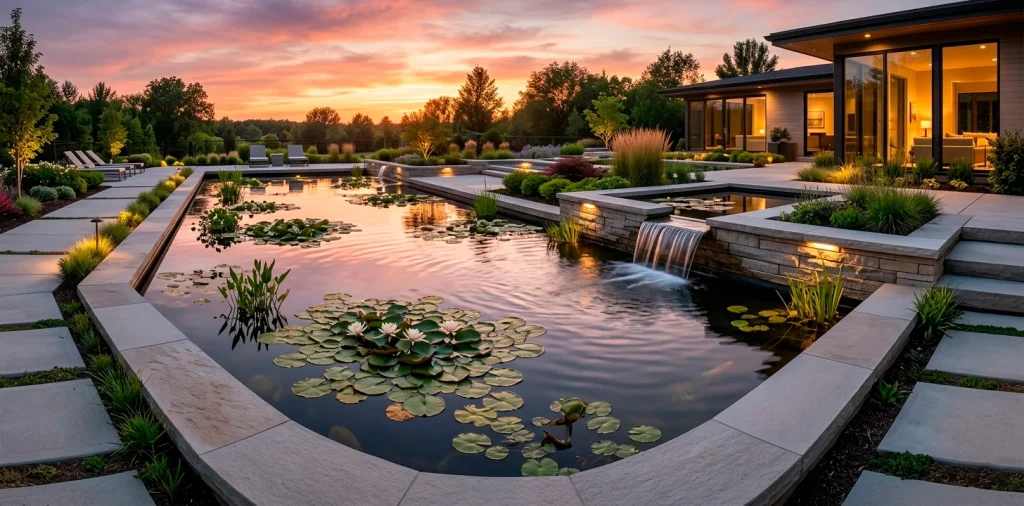

Ever stared at a blank patch of grass and thought, “You know what this needs? A massive body of water.” You aren’t alone. Building a permanent architectural pond entirely transforms your outdoor space from a basic yard into a personal sanctuary. Forget those flimsy plastic tubs; we are building a legit, lasting water feature today.
Location Is Everything
Sticking a pond under a giant oak tree sounds romantic until you spend every autumn weekend fishing out decaying leaves. Sunlight matters just exactly as much as avoiding messy trees. You want about four to six hours of daily sun to keep your aquatic plants happy without turning the water into green pea soup.
Run an extension cord out to your chosen spot to ensure you can actually power a pump before you start digging. Believe me, finding out you need an electrician after you dig a massive hole is a terrible headache. Plan your viewing angles from inside the house, too!

The Dirt on Excavation
Grab your favorite shovel and maybe some ibuprofen, because digging is a serious workout. You want terraced steps built directly into the soil walls. Plant shelves around the perimeter provide a secure spot for marginal plants and give wildlife an easy way out if they accidentally fall in. Make sure your edges sit perfectly level using a long board and a laser level. Water always finds true level. If one side sits lower than the rest, the water will spill out, and your brand-new pond will forever look half-empty.

Underlayment and Heavy-Duty Liners
Never skip the protective underlayment.
Roots and sharp rocks lie waiting in the dark soil to puncture your dreams.
Old carpet works in an absolute pinch, but a professional-grade geotextile fabric offers unmatched peace of mind. When picking a liner, EPDM rubber remains the undisputed king. It stays totally flexible even in freezing weather and resists UV degradation beautifully.
Drape the liner loosely over the hole and let the weight of the water pull it into all those intricate nooks and crannies. Do not stretch it tight!

Filtration Makes It Functional
Stagnant water breeds mosquitoes and funky smells. You need a robust filtration system to keep things crystal clear and moving. A biological filter handles the invisible ammonia, while a mechanical skimmer grabs fallen leaves before they sink to the bottom.
Size your pump to turn over the entire volume of your pond at least once an hour. Going slightly larger never hurts, IMO. You can always dial back the flow, but a weak pump leaves you with a murky mess.

Hardscaping Magic
Now comes the fun part: hiding all that ugly black liner with gorgeous stone.
Consider these essential hardscaping materials:
- Large granite anchor boulders
- Medium river rocks for borders
- Small washed gravel for the pond floor
A little black pond foam goes a long way. Use it to direct water flow exactly over your spillway stones instead of losing it underneath them. This trick instantly amplifies the soothing sound of rushing water.

Adding Aquatic Life
Plants do so much more than just look pretty; they actively consume the excess nutrients that algae thrive on. Water lilies shade the surface, keeping temperatures perfectly stable on blistering summer days. Floating hyacinths act as miniature water purifiers. Try mixing architectural reeds along the shallow edges for incredible height and movement. If you want a bit more inspiration on tying this flora into your specific setup, check out these 15 ways to landscape a stock tank pond with native plants.

To Fish or Not to Fish?
Introducing fish totally changes the dynamic of your water feature. They bring vivid color, constant movement, and a surprising amount of personality to the space.
Koi grow incredibly large and demand pristine water quality. They also need plenty of depth to survive harsh, freezing winters.
If you want something lower maintenance, shubunkin goldfish look rugged, flashy, and completely forgiving of beginner mistakes. Just wait a few weeks after filling the pond before adding any aquatic pets to let the ecosystem stabilize.

Nighttime Illumination
Why build a stunning architectural pond if it disappears entirely the second the sun sets? Submersible LED lights transform the dark space into a glowing, magical retreat. 🤩
Warm white lighting highlights the rough textures of your waterfall and casts dancing shadows against nearby walls. Place lights carefully beneath the falls to illuminate the moving water rather than blinding anyone sitting on the patio.

Managing Evaporation
Water evaporates quickly.
It sounds obvious, but you will definitely notice the dramatic drop during a sweltering heatwave.
An auto-fill valve connects directly to your irrigation system and tops off the water level automatically. It easily saves you from dragging a heavy hose across the yard every three days.
Always use a high-quality water conditioner if you top off manually with city water. Chlorine instantly wipes out your beneficial bacteria and severely harms your fish.

Seasonal Upkeep
Permanent ponds practically care for themselves once the ecosystem fully balances out, but you still need to tackle some minor seasonal chores. Netting the pond in the fall actively stops leaves from creating a sludge nightmare at the very bottom. In the spring, give the filter pads a thorough rinse with old pond water—never tap water! Keep up with these tiny tasks, FYI, and your architectural masterpiece will easily outlast the house itself.

Conclusion
Building a permanent architectural pond takes some sweat equity, but the payoff is an absolute game-changer for your backyard. You get a living, breathing ecosystem that adds unmatched tranquility to your daily life. Are you thinking about breaking ground on a water feature this weekend, or still sketching out ideas? Let me know in the comments!
Related posts
See AllStyling Macramé and Rattan for an Authentic Boho Balcony
Transform your boring balcony into an authentic bohemian oasis using the magic of macramé and rattan. Get practical styling tips, …
Read moreCapturing the Coastal Grandmother Essence: 10 Wedding Ideas
Ready to channel your inner Nancy Meyers for your big day? Discover 10 breezy, elegant Coastal Grandmother wedding ideas that …
Read more15 Matte Black and Cedar Porch Ideas for a Striking Modern Farmhouse Facade
Give your modern farmhouse facade a serious upgrade. Discover 15 striking matte black and warm cedar porch ideas to instantly …
Read more15 Sleek Concrete Mini Pond Ideas for an Industrial Chic Patio
Upgrade your patio with these edgy, modern concrete mini pond ideas. From fire-and-water bowls to brutalist troughs, discover how to …
Read more