












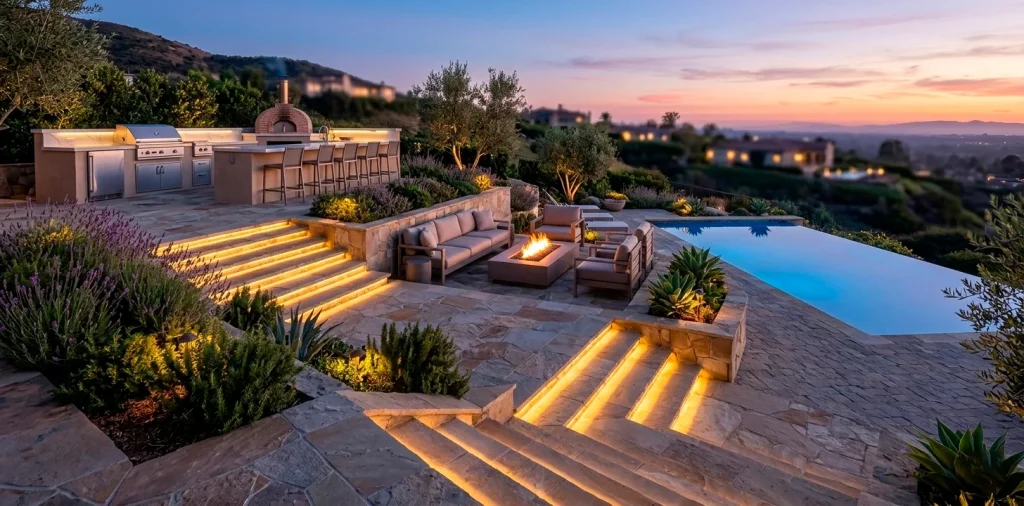

That awkward backyard slope currently looks like a giant’s staircase to nowhere, doesn’t it? I once spent a whole summer tripping over mismatched pavers because I ignored basic flow. Designing a multi-level patio isn’t just about stacking rocks; it’s about creating a journey. Ready to turn your vertical chaos into a backyard retreat? I thought so.
The Power of Clear Sightlines
Ever noticed how some backyards feel like a maze of concrete slabs? You want your eyes to glide, not stumble. I always place a ‘hero’ feature—like a roaring fire pit or a bubbling fountain—on the lowest level. This creates a visual destination that pulls guests downward. Why build a beautiful space if nobody knows where to look? Keep the middle levels open so you don’t block the view of the big prize at the bottom. It makes the whole space feel intentional rather than accidental. 🙂
Stick to a Consistent Material Palette
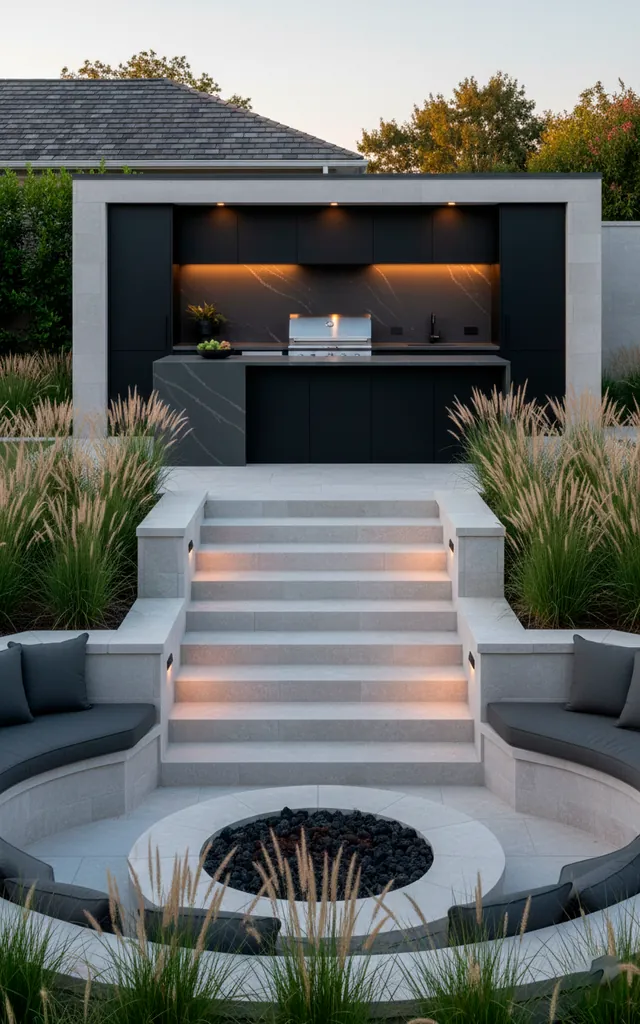
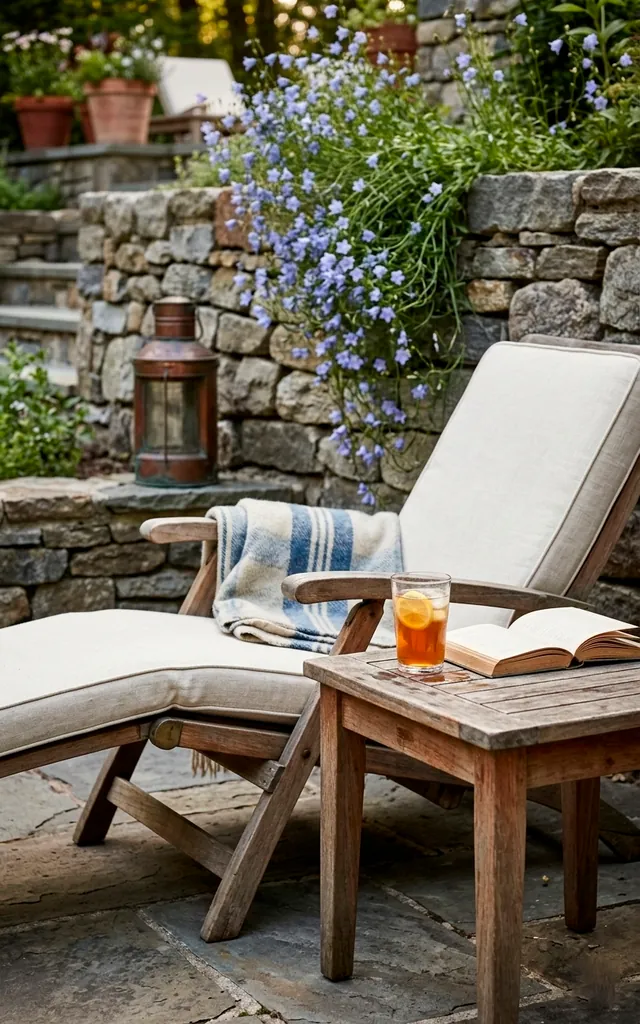
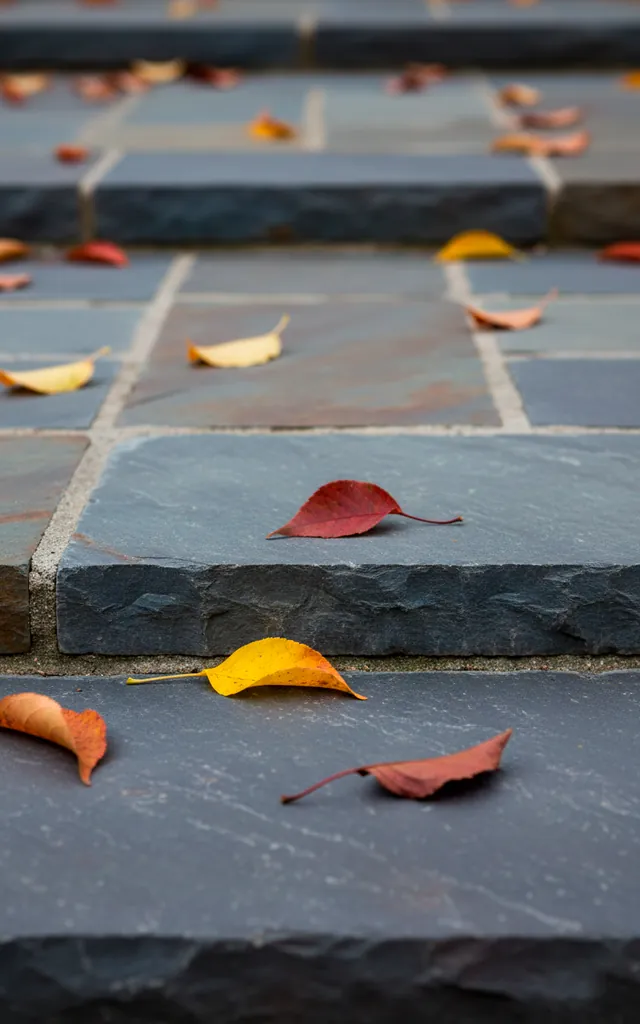
Nothing kills the vibe faster than three different types of stone competing for attention. IMO, consistency is your best friend here. I suggest using the same primary paver for every level to stitch the landscape together. You can play with textures or sizes, but keep the color family tight. Do you really want your patio to look like a hardware store clearance aisle? Using a single stone type makes the levels feel like one continuous thought rather than a series of afterthoughts.
Ditch the Narrow Staircases
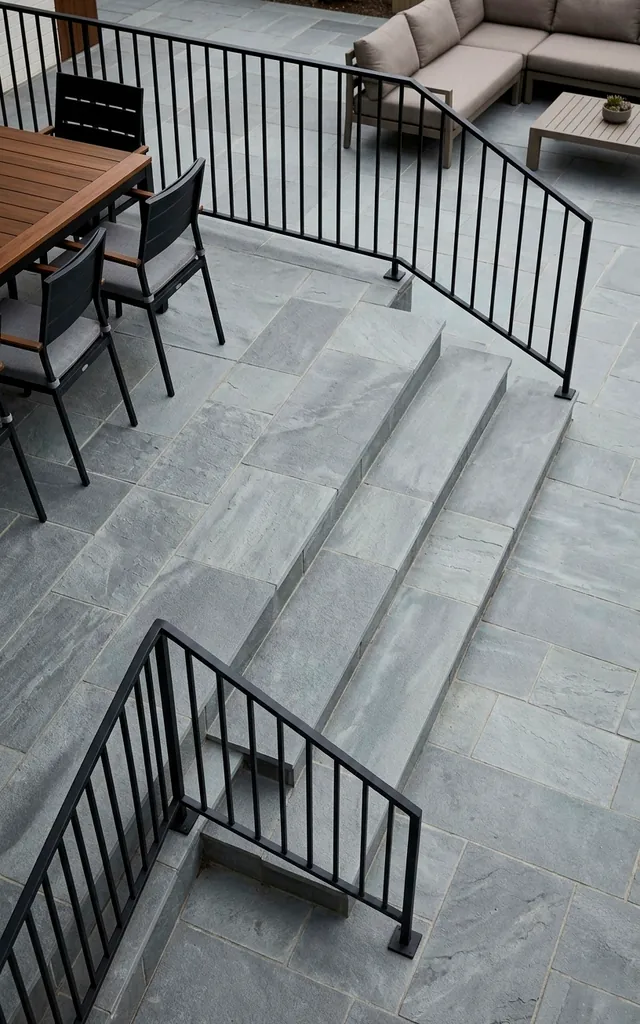
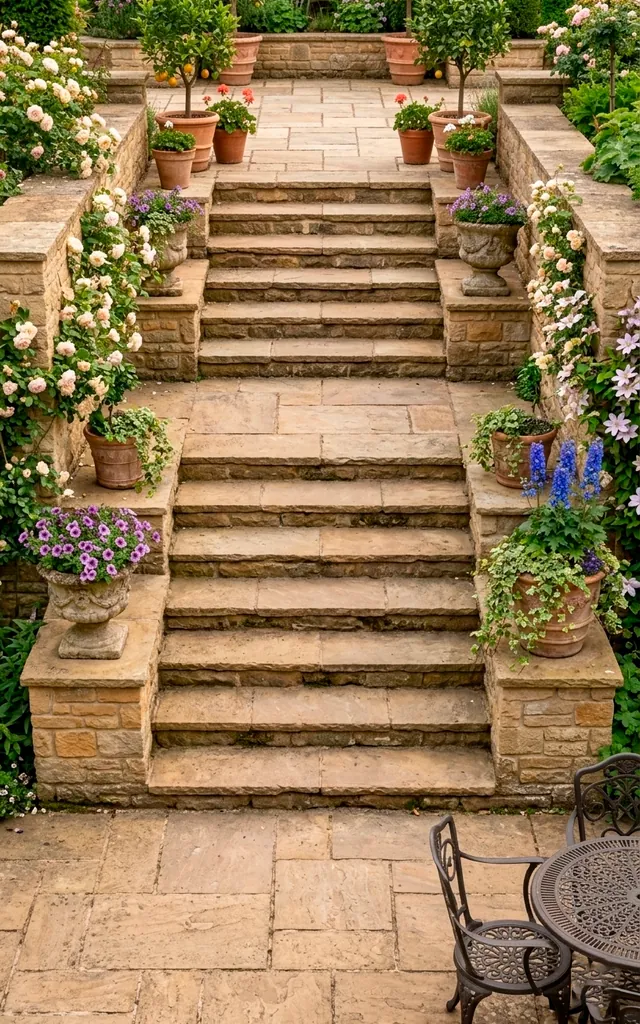
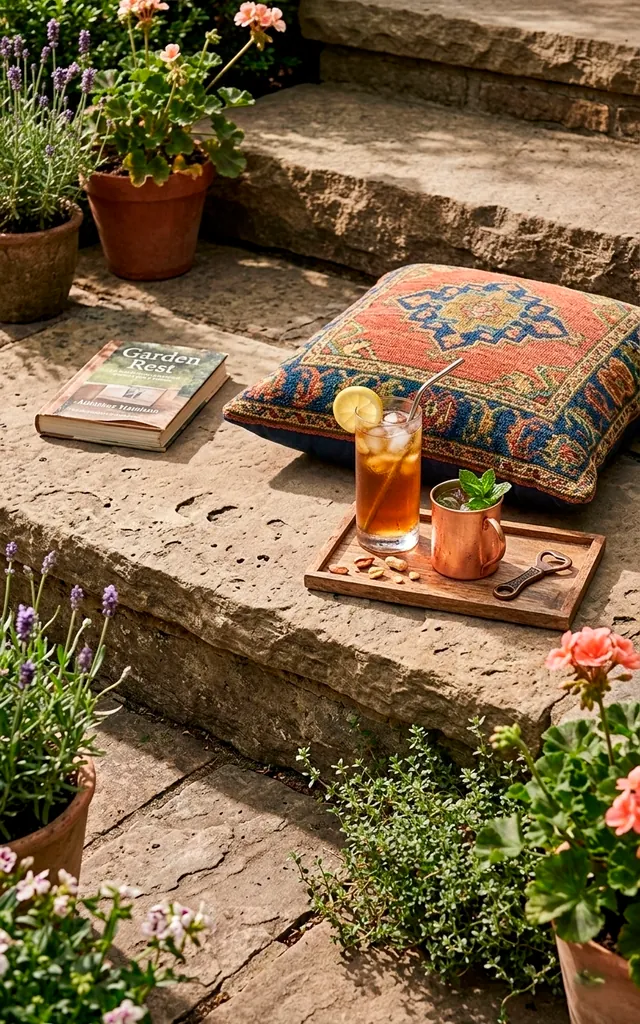
Narrow stairs feel like a fire escape, not an invitation. I love using wide, sweeping steps that double as extra seating during parties. If your stairs are at least four feet wide, the transition feels luxurious and easy. Why cramp your style with a skinny walkway? Wide treads also allow you to tuck in some potted plants or subtle lighting. This simple change transforms a functional path into a major design element that connects your levels with grace and style.
Soften the Edges with Living Borders
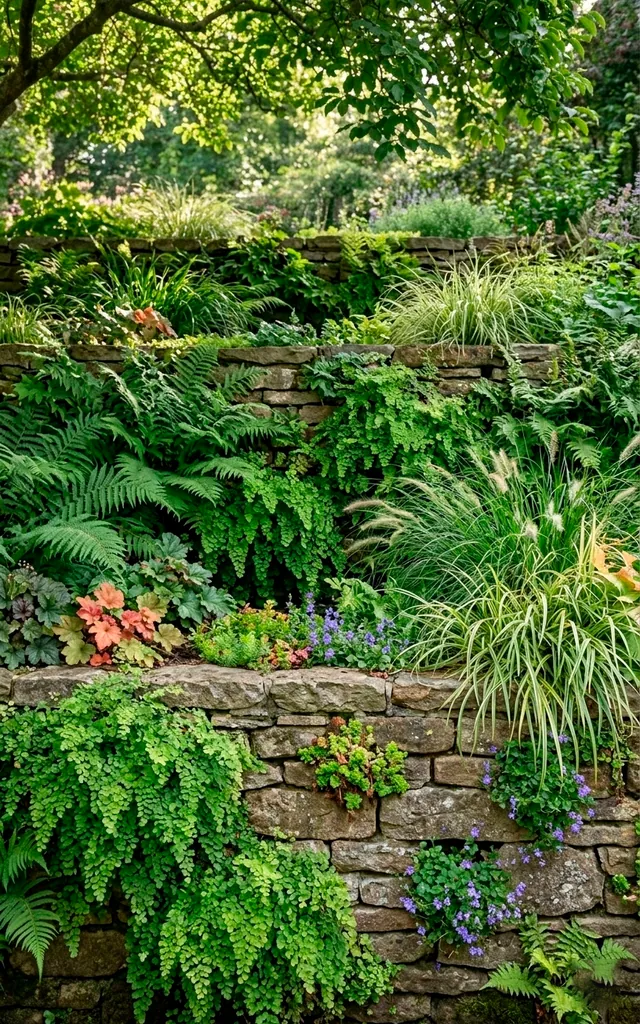
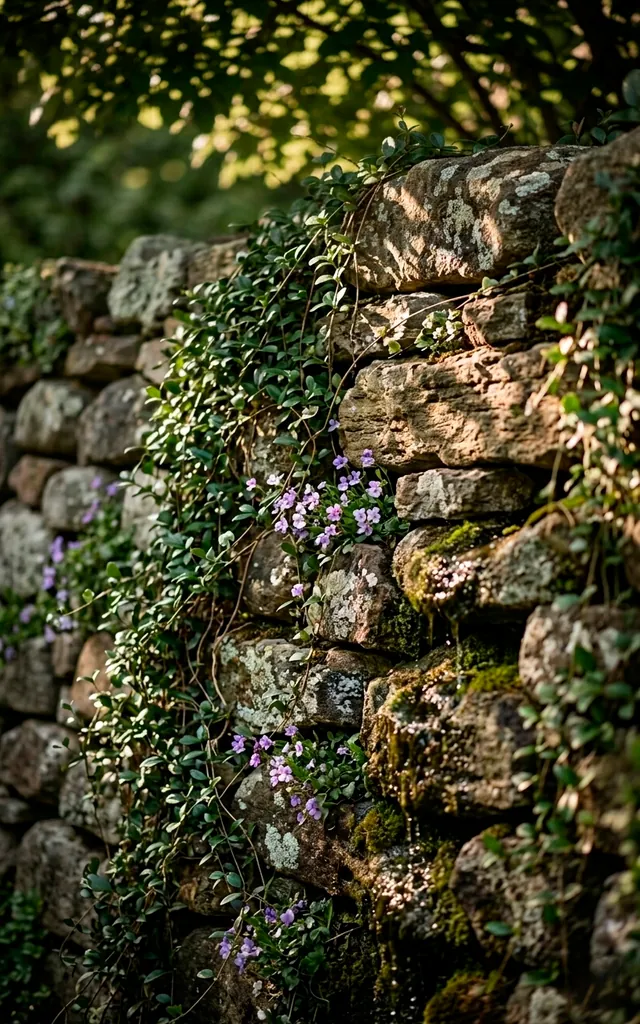
Multi-level patios involve a lot of hard surfaces, which can feel a bit cold. I use ‘softscaping’ to break up the concrete jungle. Plant cascading greenery like creeping jenny or rosemary along the retaining walls to let nature spill over the sides. Ever seen a wall that looks like it’s been there for centuries? That’s the power of plants. They blur the lines between the levels and make the transitions feel organic. It’s the easiest way to add life to your stone fortress.
Guide the Night with Hidden Lighting
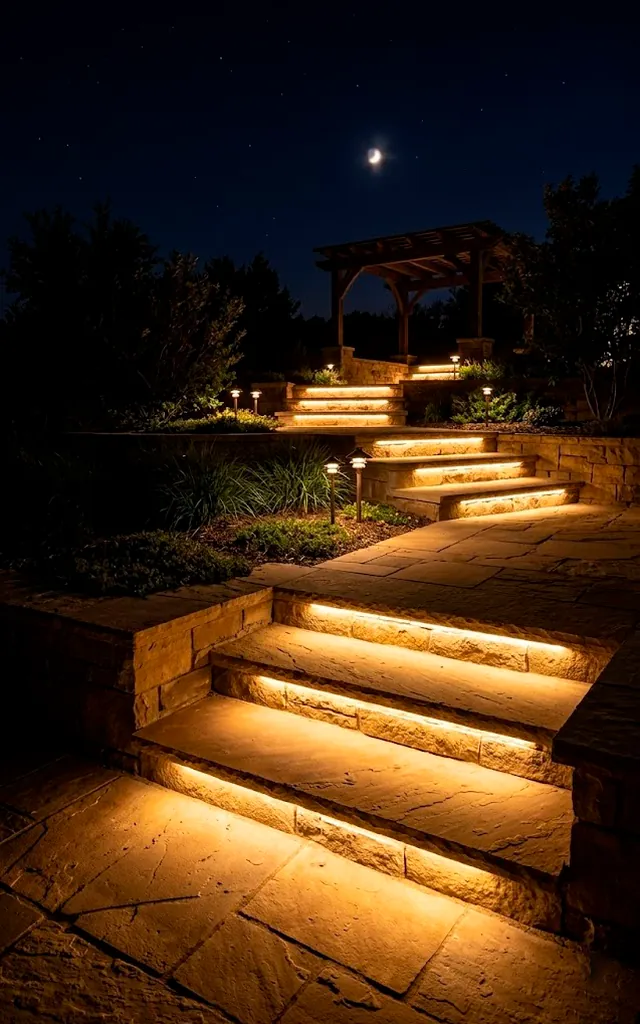
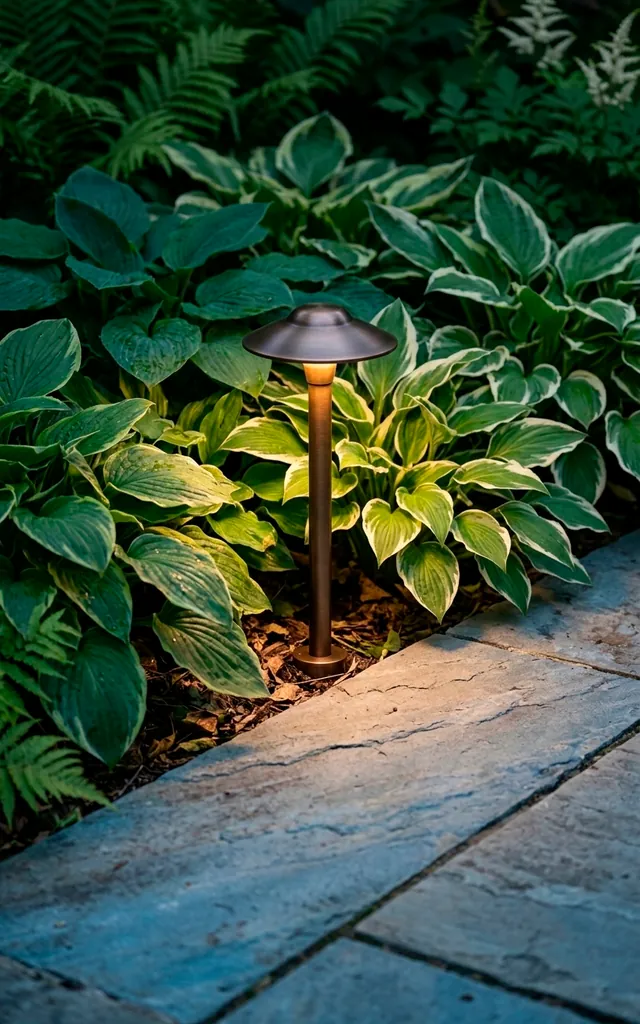
Nobody wants to tumble down three levels because they couldn’t see the stairs. I always install LED strips under the step ‘caps’ or small path lights tucked into the greenery. It creates a warm, high-end glow that highlights the depth of your patio. Plus, it’s a total safety win. Why risk a trip to the ER when you can have a backyard that looks like a five-star resort at night? Good lighting turns your multi-level masterpiece into a 24/7 destination.
Give Every Level a Specific Job
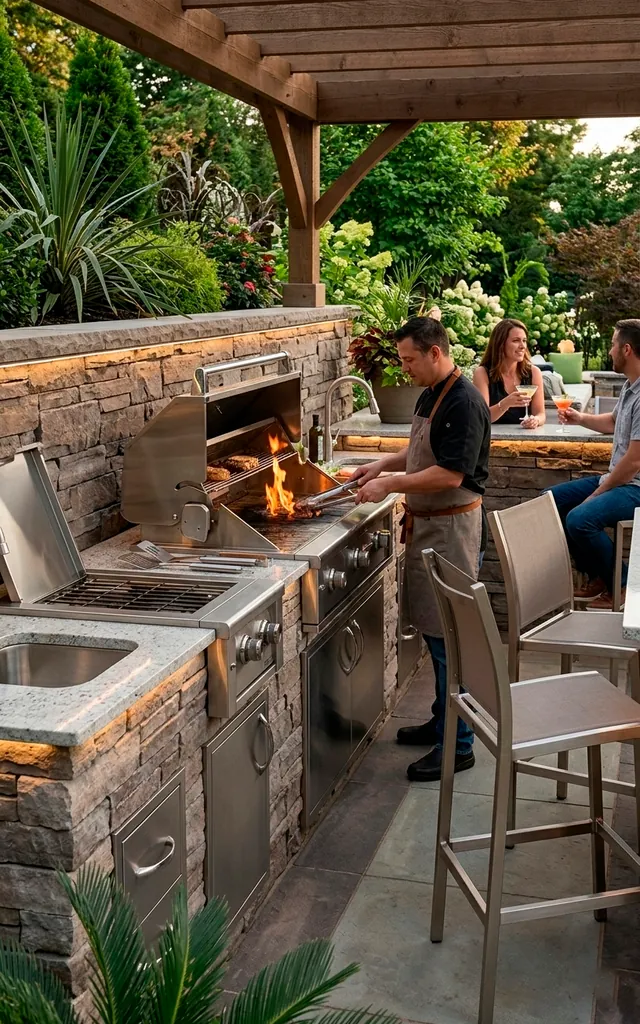
A level without a purpose is just a place to collect leaves. I assign a specific ‘vibe’ to each tier. Maybe the top level is for high-energy grilling, while the bottom is for quiet late-night chats. When each area has a job, the flow becomes intuitive. You wouldn’t put a stove in your bedroom, right? Treat your outdoor tiers like rooms in a house. This clarity of function makes the entire backyard feel larger and much more organized.
The Golden Thread of Furniture
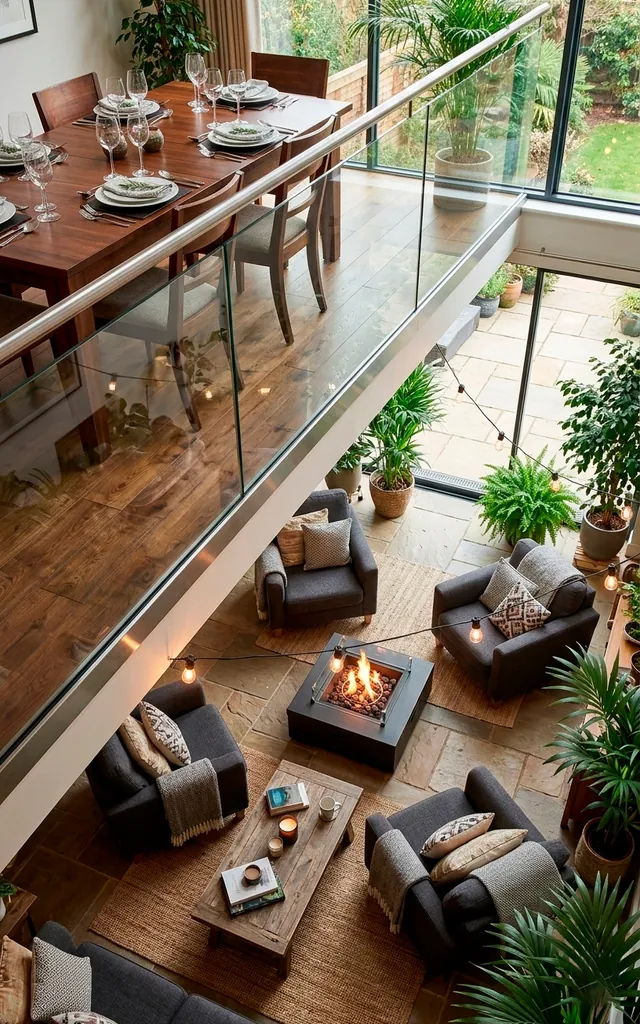
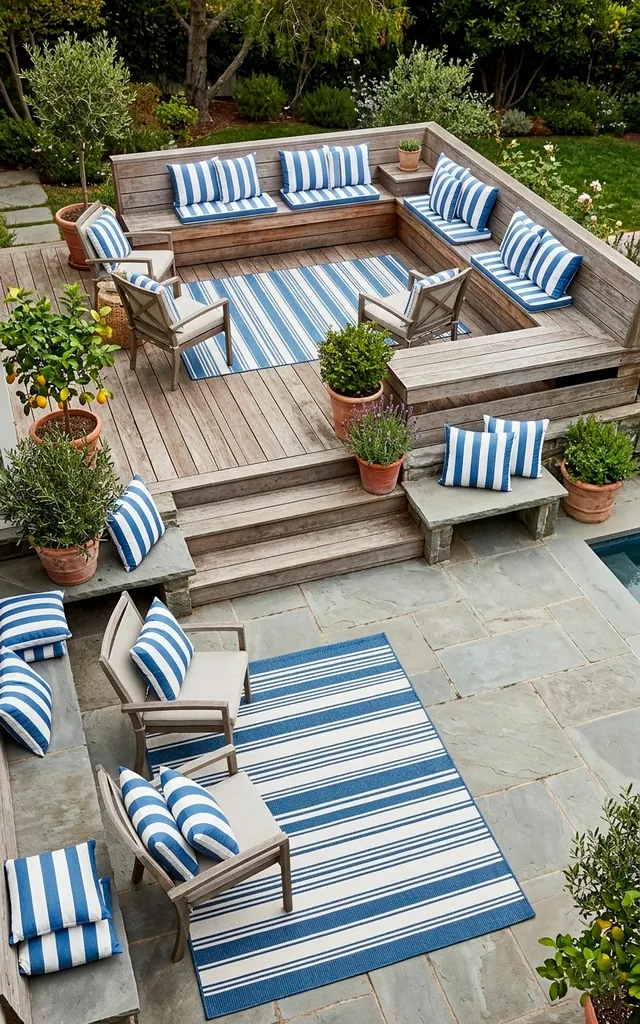
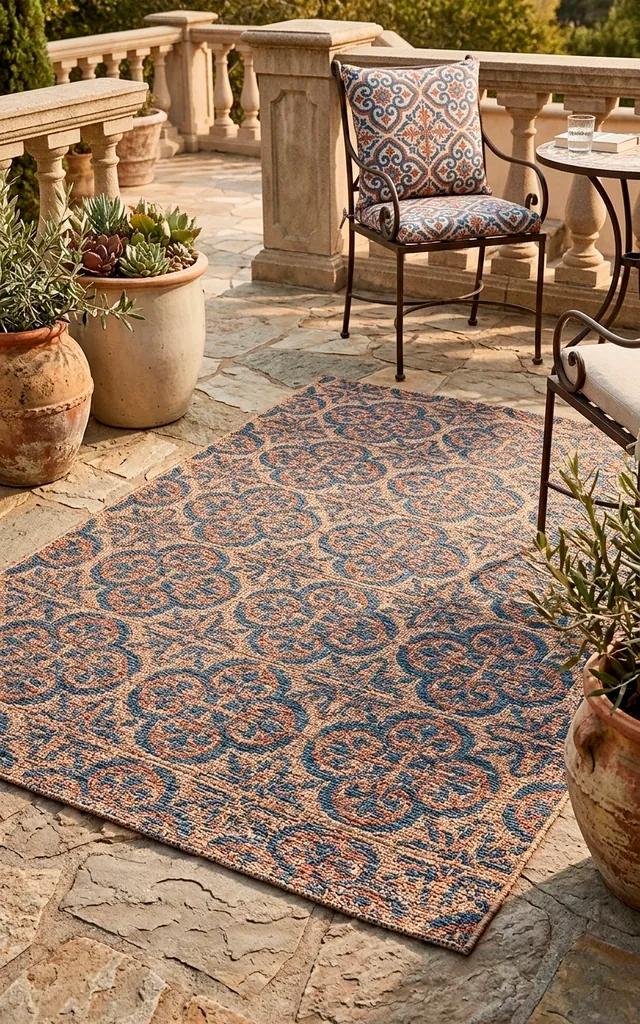
To really nail the visual flow, carry a design element through every level. I call this the ‘Golden Thread.’ If you have navy cushions on the upper deck, use navy accents or a similar rug on the lower patio. It’s like a visual breadcrumb trail that connects the spaces. Does a disjointed furniture style make your yard feel like a yard sale? Probably. Keeping a consistent style or color theme ensures that no matter where you sit, you feel like you’re in the same beautiful home.
The Final Flourish
Mastering patio flow takes a bit of planning, but the payoff is massive. You’ll finally have an outdoor space that feels like a cohesive home rather than a series of random concrete slabs. So, grab a tape measure and start sketching! Your future self—and your ankles—will definitely thank you for making the effort. Now, who’s ready for a backyard party? 🙂
Related posts
See AllStyling Macramé and Rattan for an Authentic Boho Balcony
Transform your boring balcony into an authentic bohemian oasis using the magic of macramé and rattan. Get practical styling tips, …
Read moreCapturing the Coastal Grandmother Essence: 10 Wedding Ideas
Ready to channel your inner Nancy Meyers for your big day? Discover 10 breezy, elegant Coastal Grandmother wedding ideas that …
Read more15 Matte Black and Cedar Porch Ideas for a Striking Modern Farmhouse Facade
Give your modern farmhouse facade a serious upgrade. Discover 15 striking matte black and warm cedar porch ideas to instantly …
Read more15 Sleek Concrete Mini Pond Ideas for an Industrial Chic Patio
Upgrade your patio with these edgy, modern concrete mini pond ideas. From fire-and-water bowls to brutalist troughs, discover how to …
Read more