












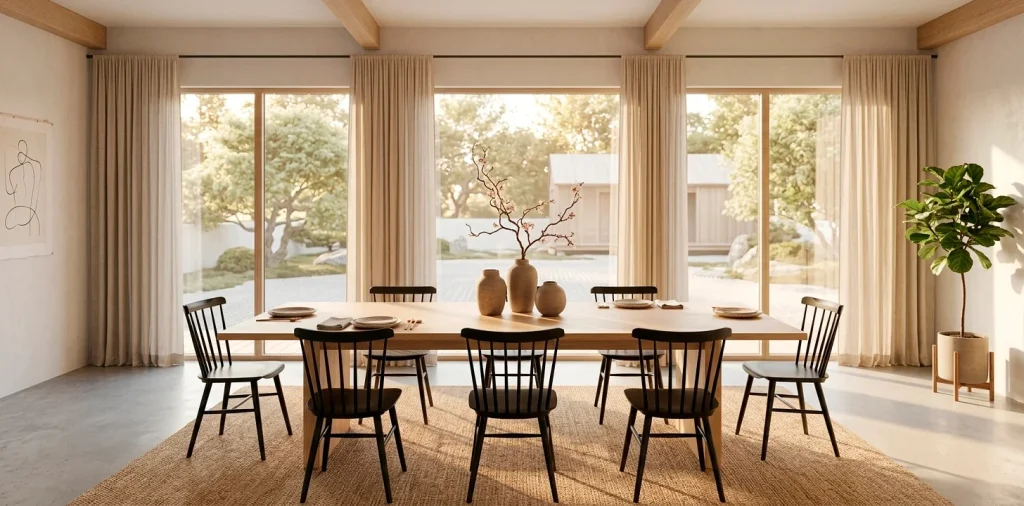

Imagine eating dinner in a space that actually lowers your blood pressure. That’s the magic of Japandi. It’s the love child of Scandi functionality and Japanese rustic minimalism. If you’re tired of “sad beige” but hate cluttered chaos, you’ve found your soulmate. I transformed my own dining nook last year, and honestly? Best decision ever. Ready to vibe?
The Philosophy of Less
Ever felt like your room was screaming at you? Japandi stops the noise. It blends Scandinavian hygge—that cozy, warm feeling—with Japanese wabi-sabi, which celebrates finding beauty in imperfection. This isn’t just a trend; it’s a lifestyle shift toward intentionality. I love how this style respects the actual space between objects.
Why fill a corner with a dusty fake plant when one striking, hand-crafted chair does the job better? It’s about quality over quantity, IMO. When you strip away the junk, the remaining pieces finally get to breathe. 🌿
Wood, Stone, and Soul
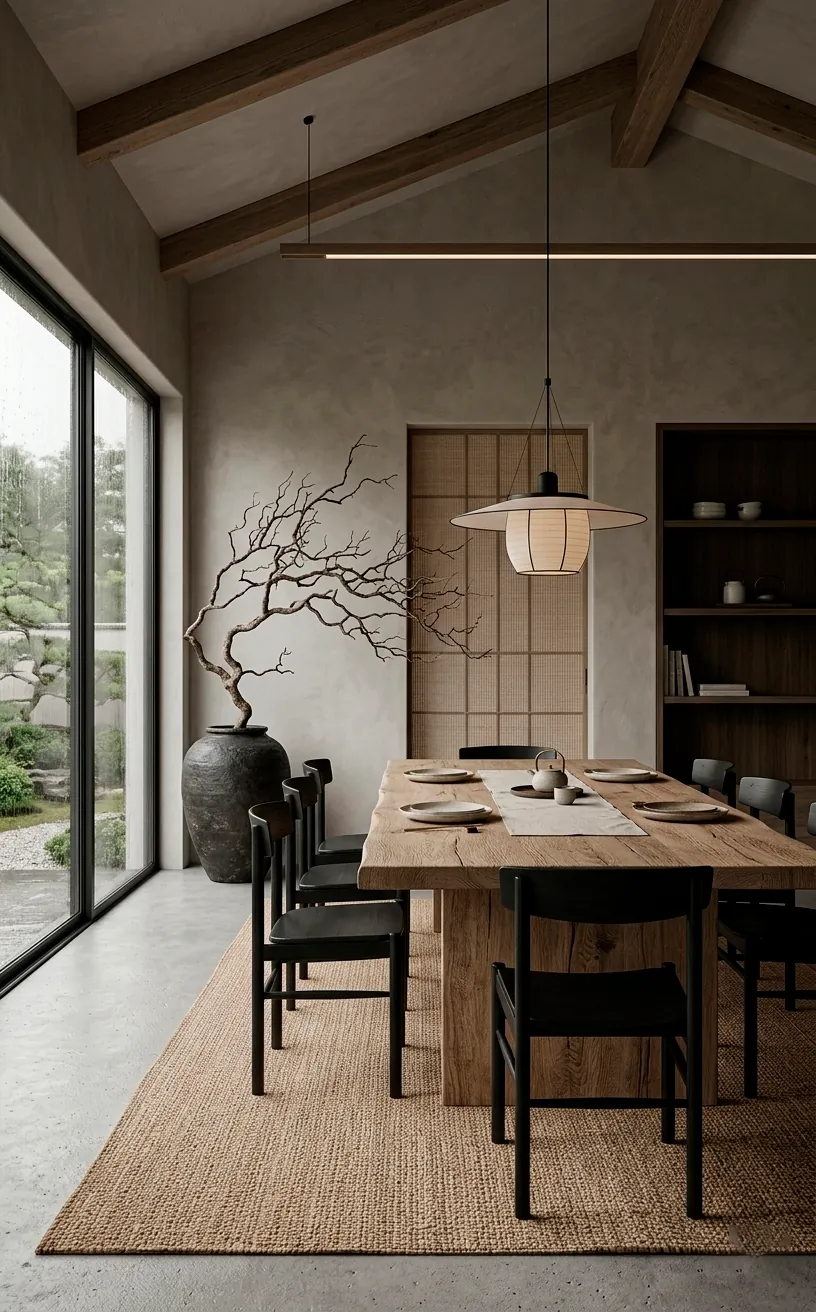
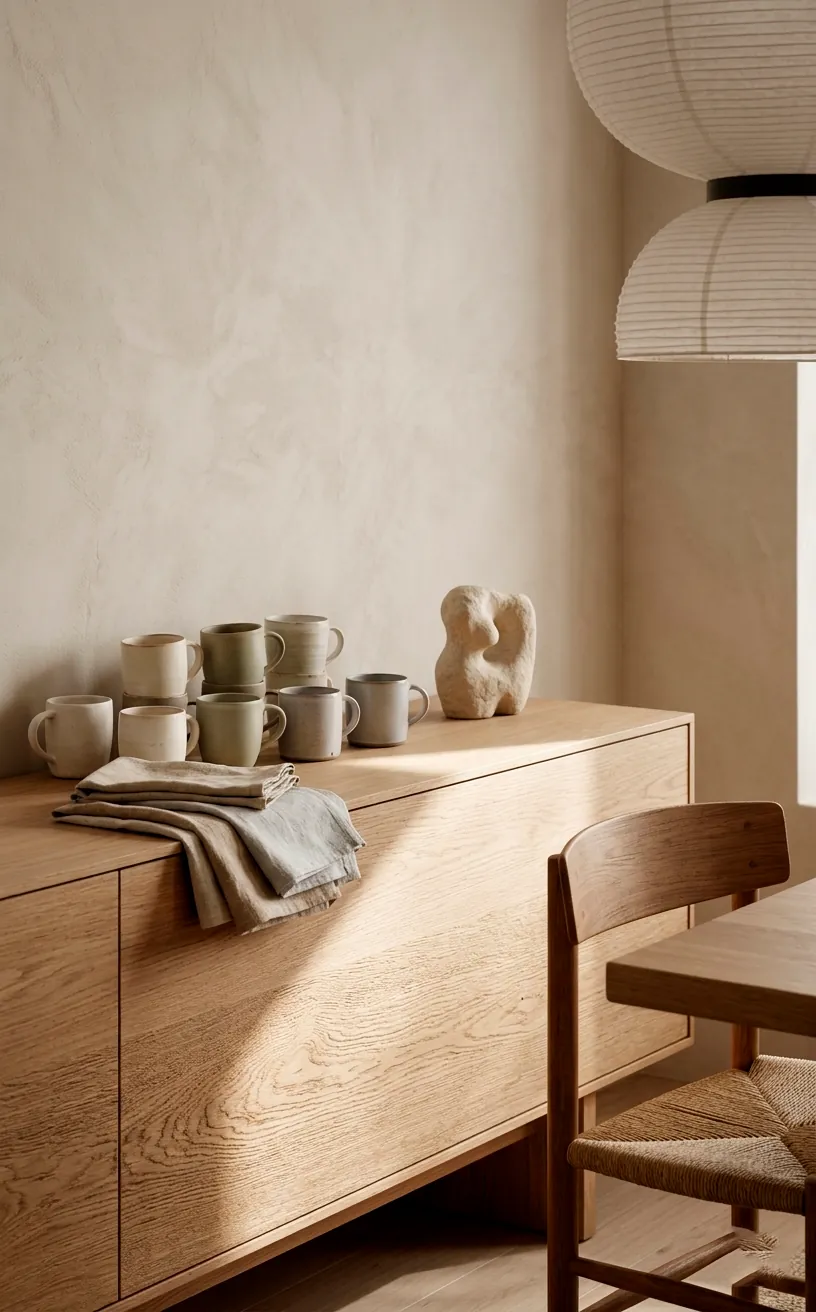
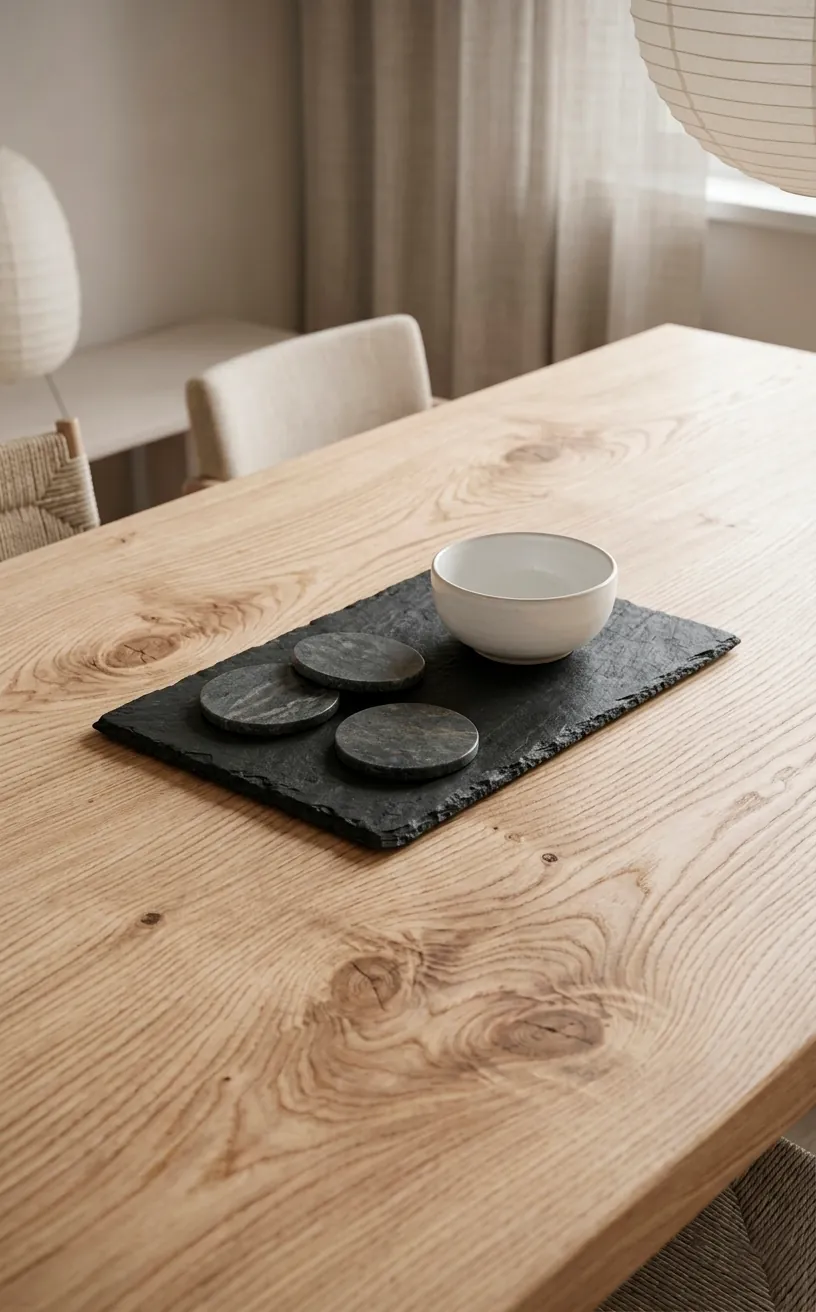
Texture is the secret sauce here. You want to mix light, airy Scandi woods like white oak with the darker, charred tones of Japanese cedar. Throw in some natural stone or a rough-hewn clay vase to keep things grounded. It’s all about that tactile experience.
Essential textures for the room:
- Light oak dining tables
- Matte black metal accents
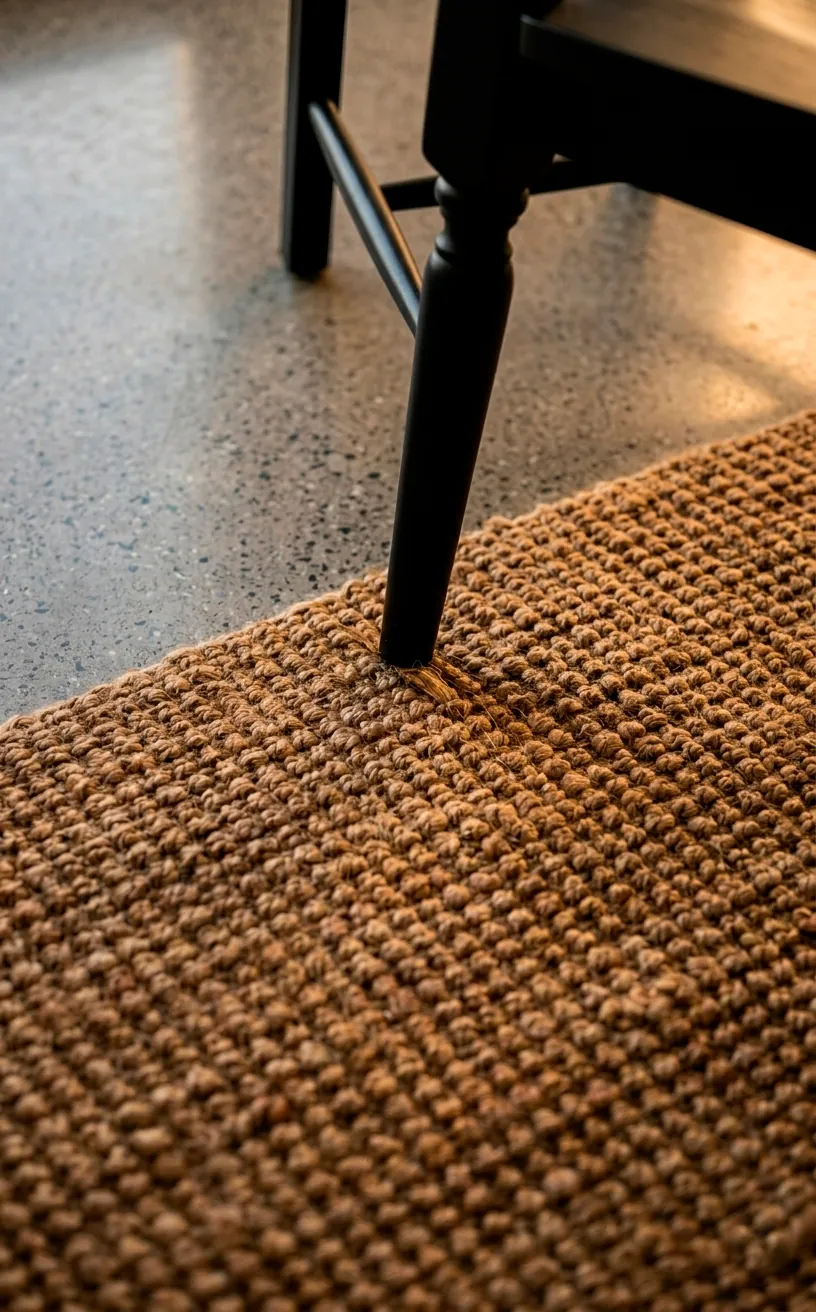
- Hand-woven jute rugs
- Textured organic linen napkins
Painting with Earth
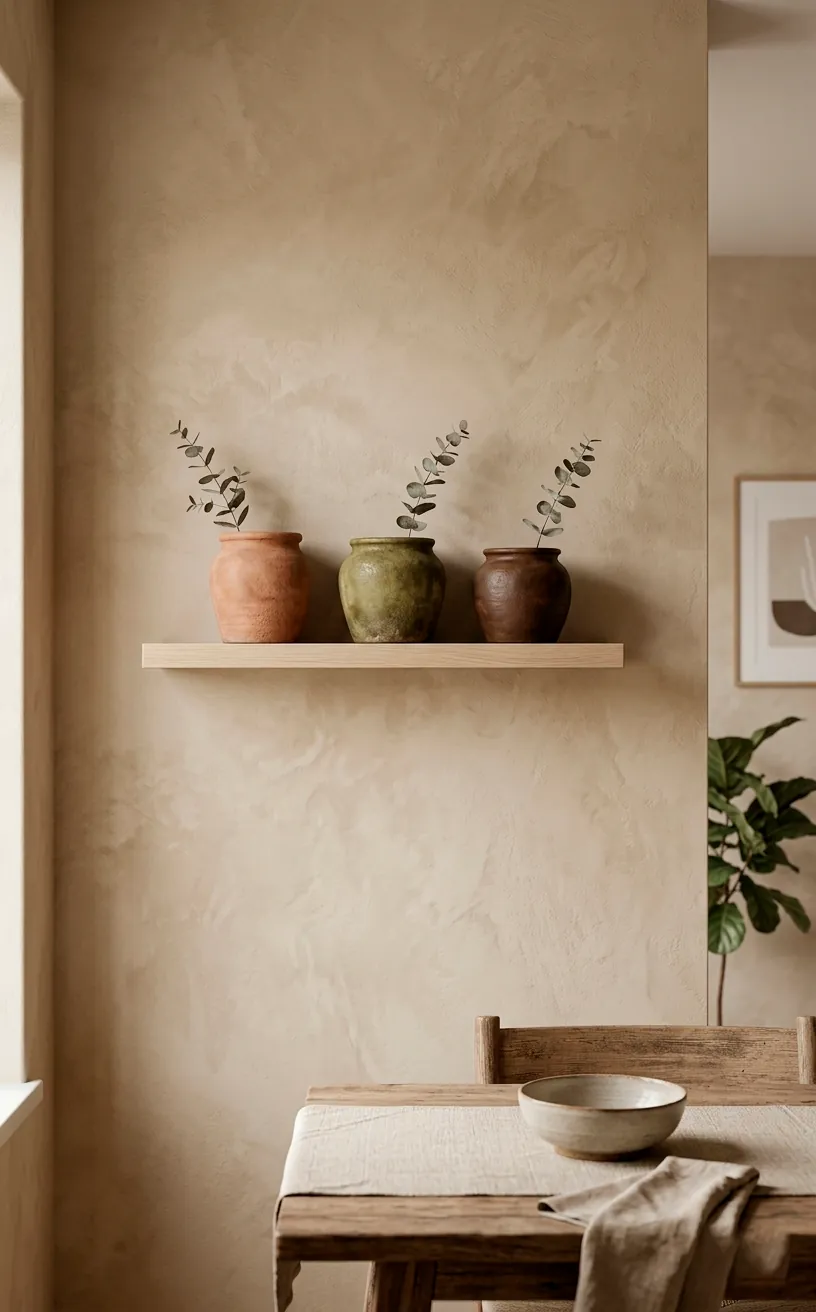
Forget those hospital-white walls. We’re going for “warm oat” and “muted terracotta.” Japandi relies on a neutral palette to create a sanctuary. I usually lean into soft greys and browns to bridge the gap between the two styles.
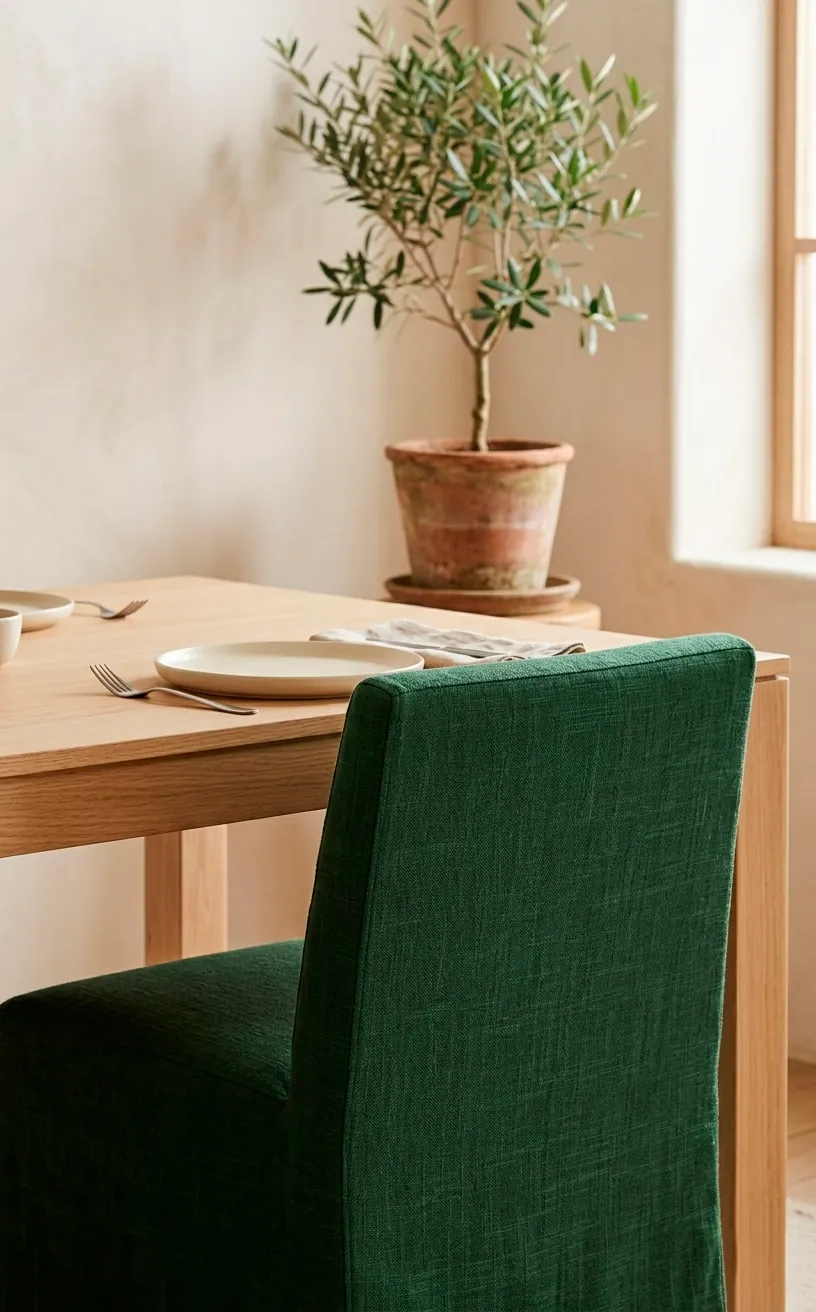
Does a room feel cold? Add a splash of deep forest green or charcoal. These colors provide a visual anchor without ruining the Zen vibe.
It’s all about balance, right? You want a space that feels like a warm hug, not a sterile lab. Stick to tones that you’d find on a mountain hike and you can’t go wrong.
Sit Down and Stay a While
Let’s talk chairs. Scandi chairs usually have those iconic tapered legs, while Japanese seating often sits a bit lower to the ground. Combining them creates a dynamic visual height that keeps the eye moving. I chose a low-profile table for my place because it makes the ceiling feel ten feet tall.
Plus, it’s much harder to lose your remote under a table that’s basically on the floor. Efficiency! 😉
Furniture must-haves:
- Low-profile wooden dining table
- Wishbone-style chairs
- Slatted wooden bench
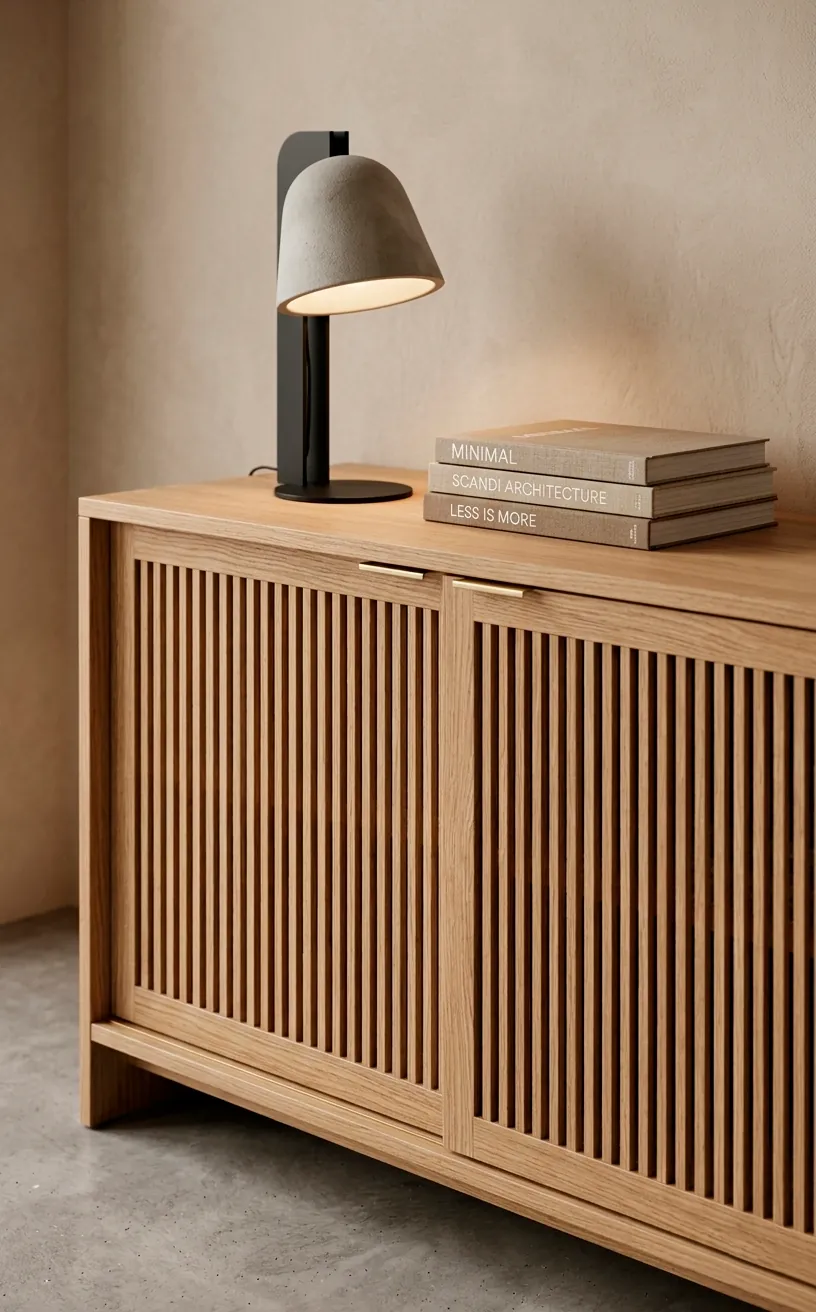
- Minimalist sideboard with sliding doors
Each piece should serve a purpose. If a chair isn’t comfortable or beautiful, why is it in your house?
Lighting the Mood
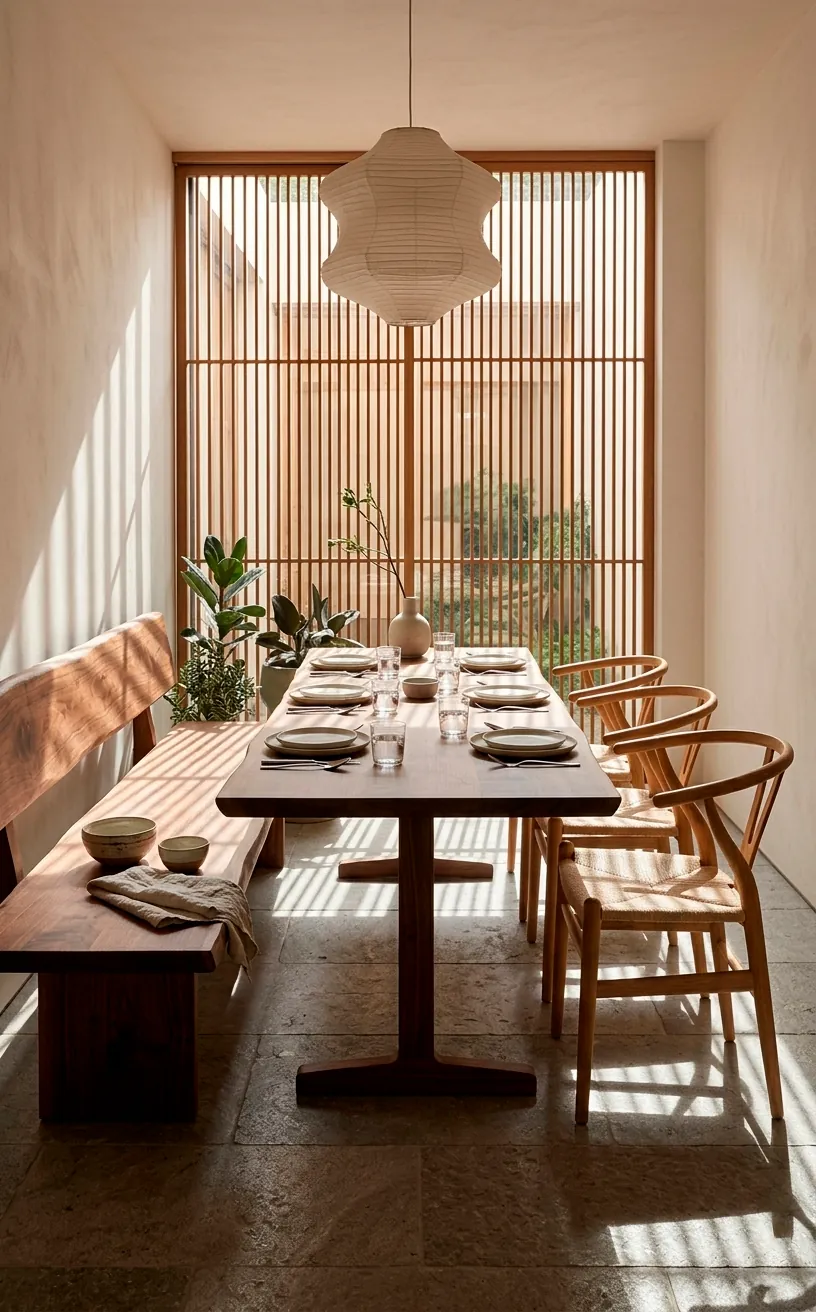
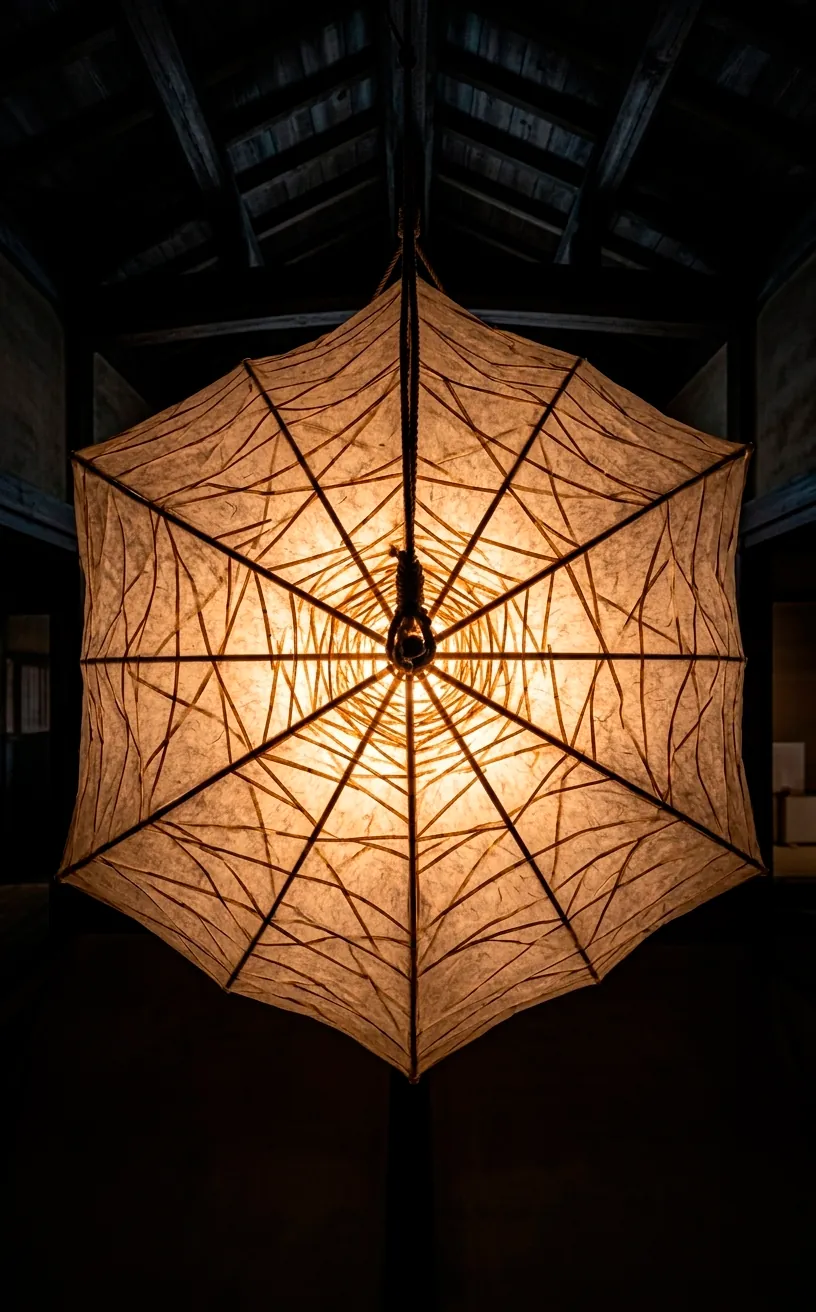
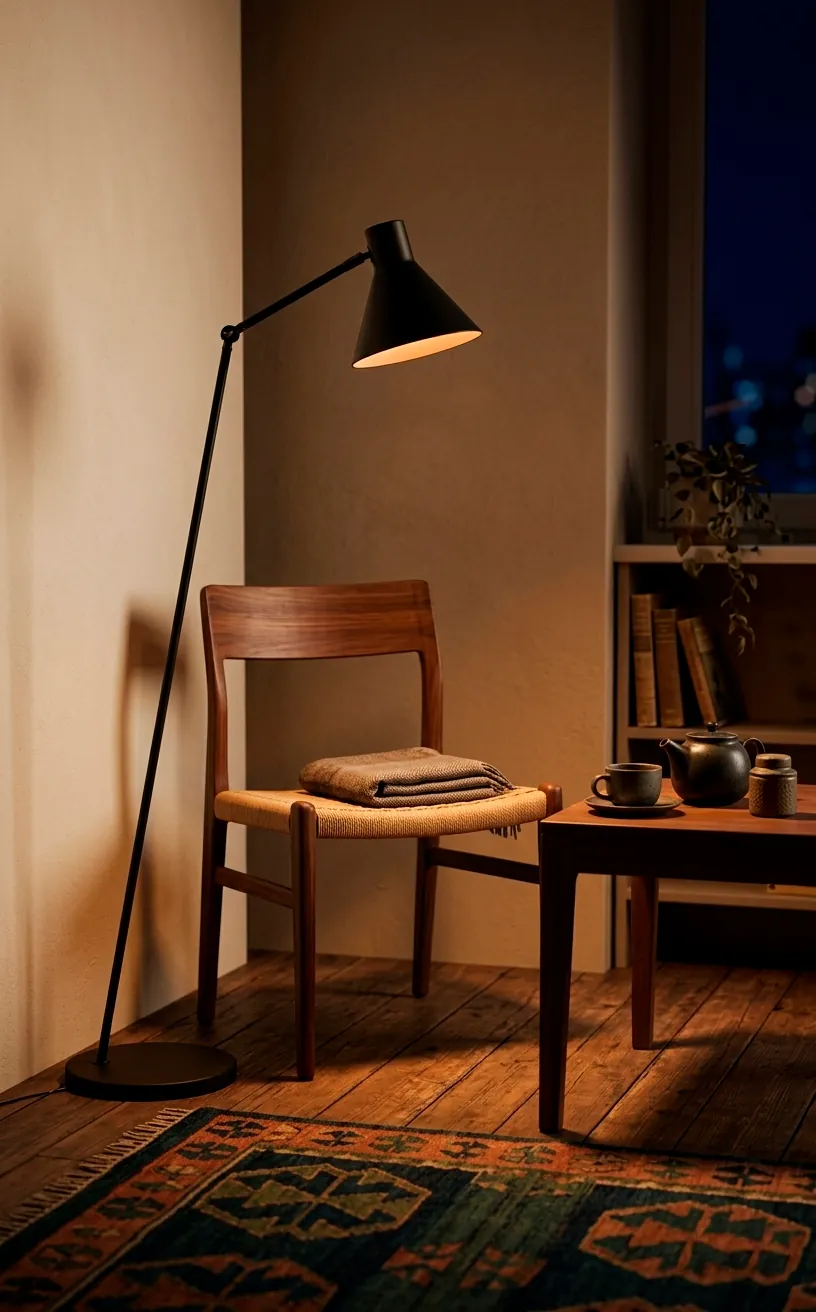
If you have a “big light” that feels like an interrogation lamp, please turn it off. Japandi thrives on diffused, soft lighting. Think oversized rice paper pendants or sleek, matte black floor lamps.
It’s about creating shadows just as much as light. A single, large Noguchi-style lamp over the table acts as a focal point. It’s functional art. FYI, dimmers are your best friend here. ☕
The Art of Doing Nothing
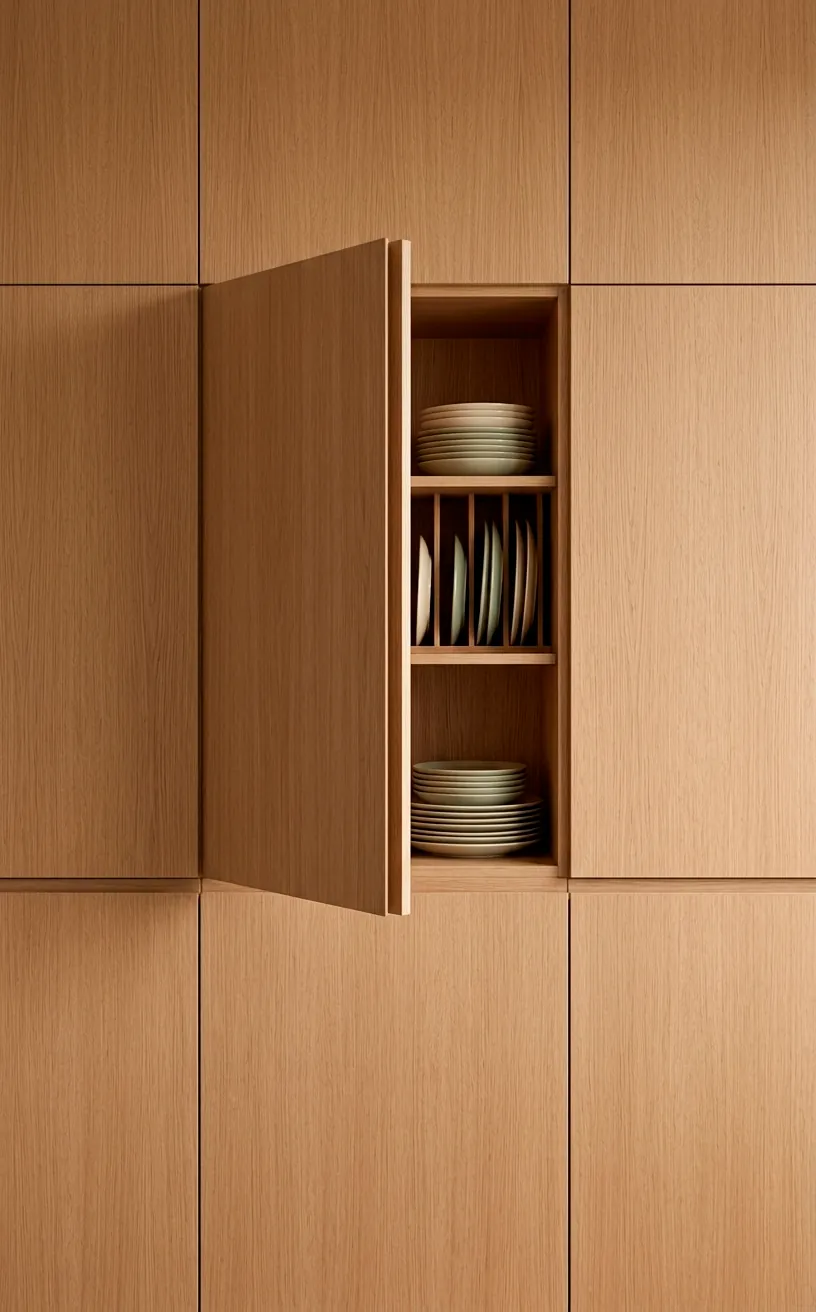
Minimalism is hard, I get it. We all have “the drawer” full of old batteries and menus. But in a Japandi dining room, hidden storage is king. Use a sleek sideboard to hide the mess so your eyes can rest on the clean surfaces. When the clutter vanishes, the Zen begins. You’ll find that a clear table actually leads to a clearer mind during dinner.
Greenery and Clay
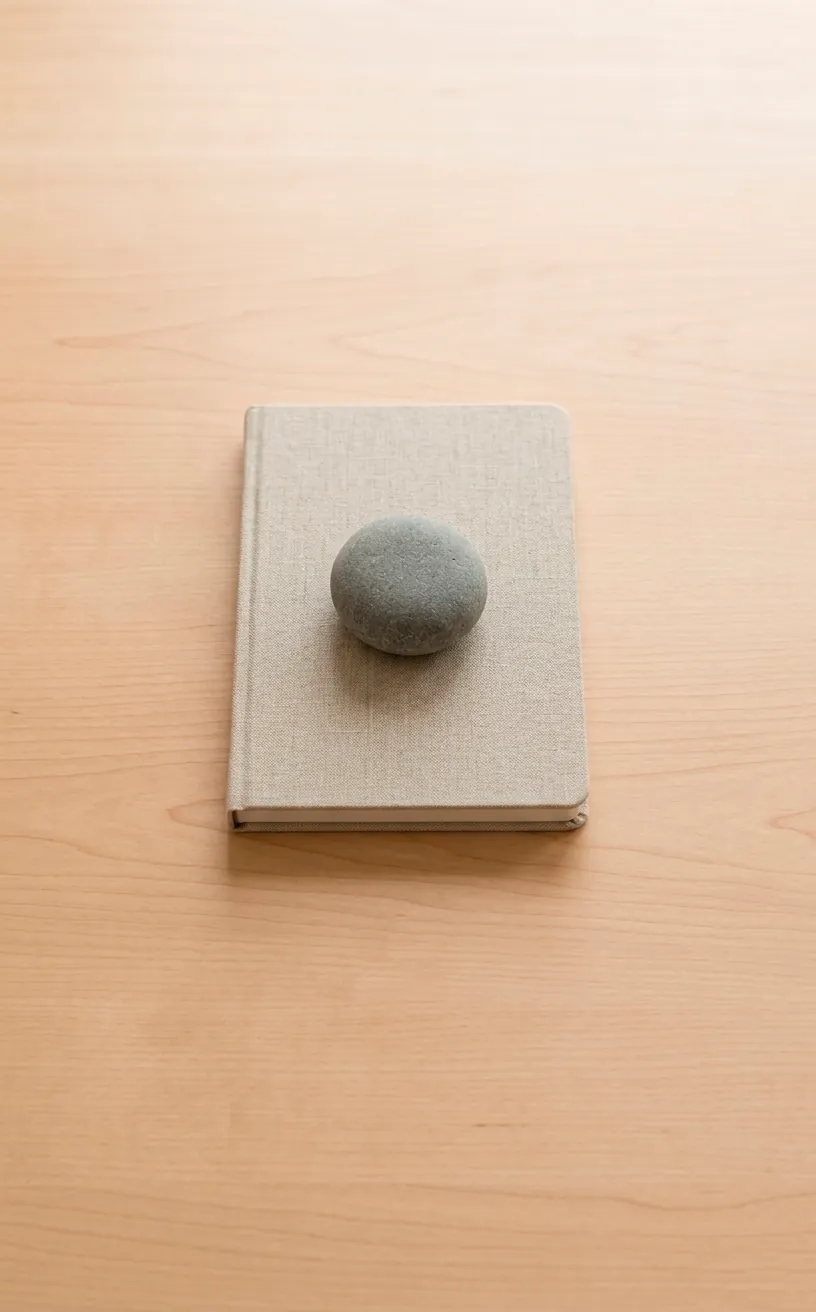
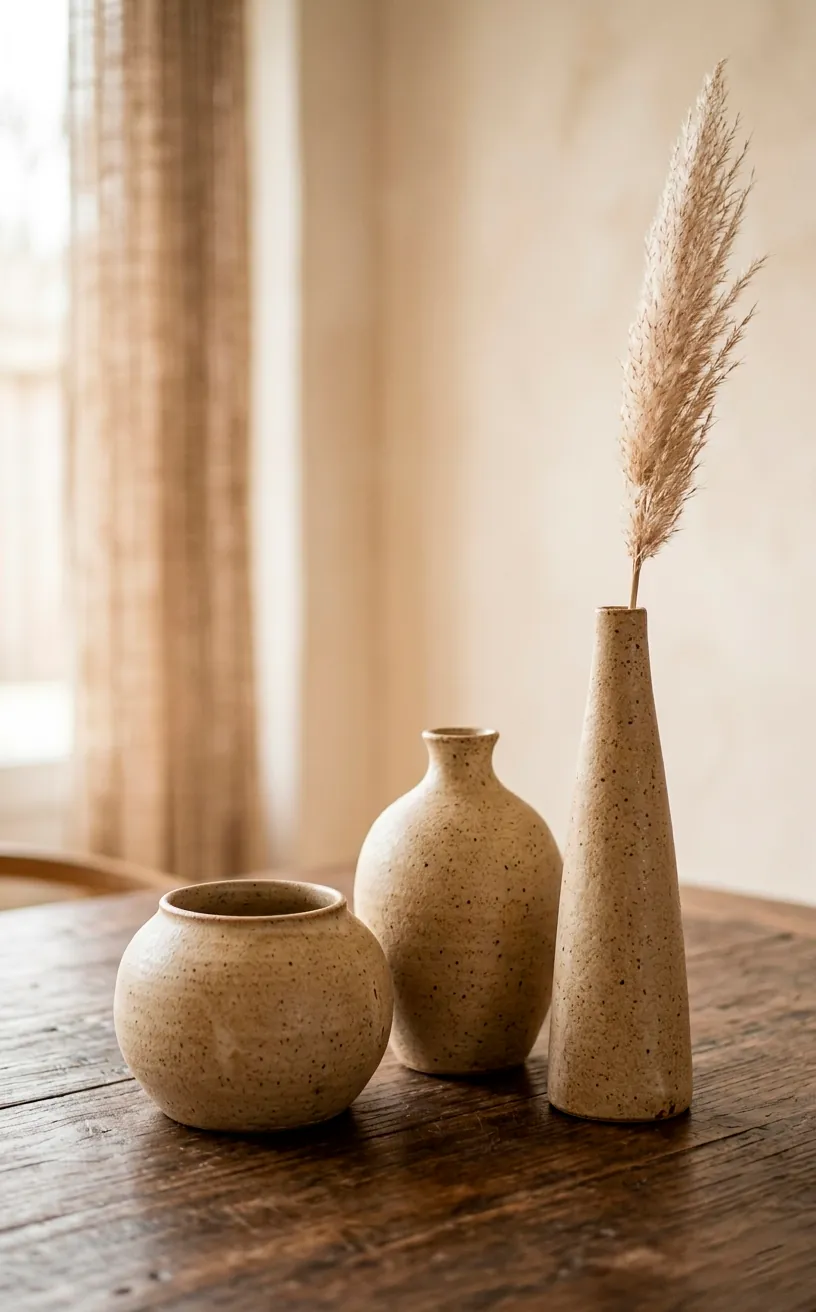
Final touches shouldn’t be an afterthought. A single branch of eucalyptus in a ceramic vase is often better than a dozen roses. It’s about the “line” and the silhouette of the plant.
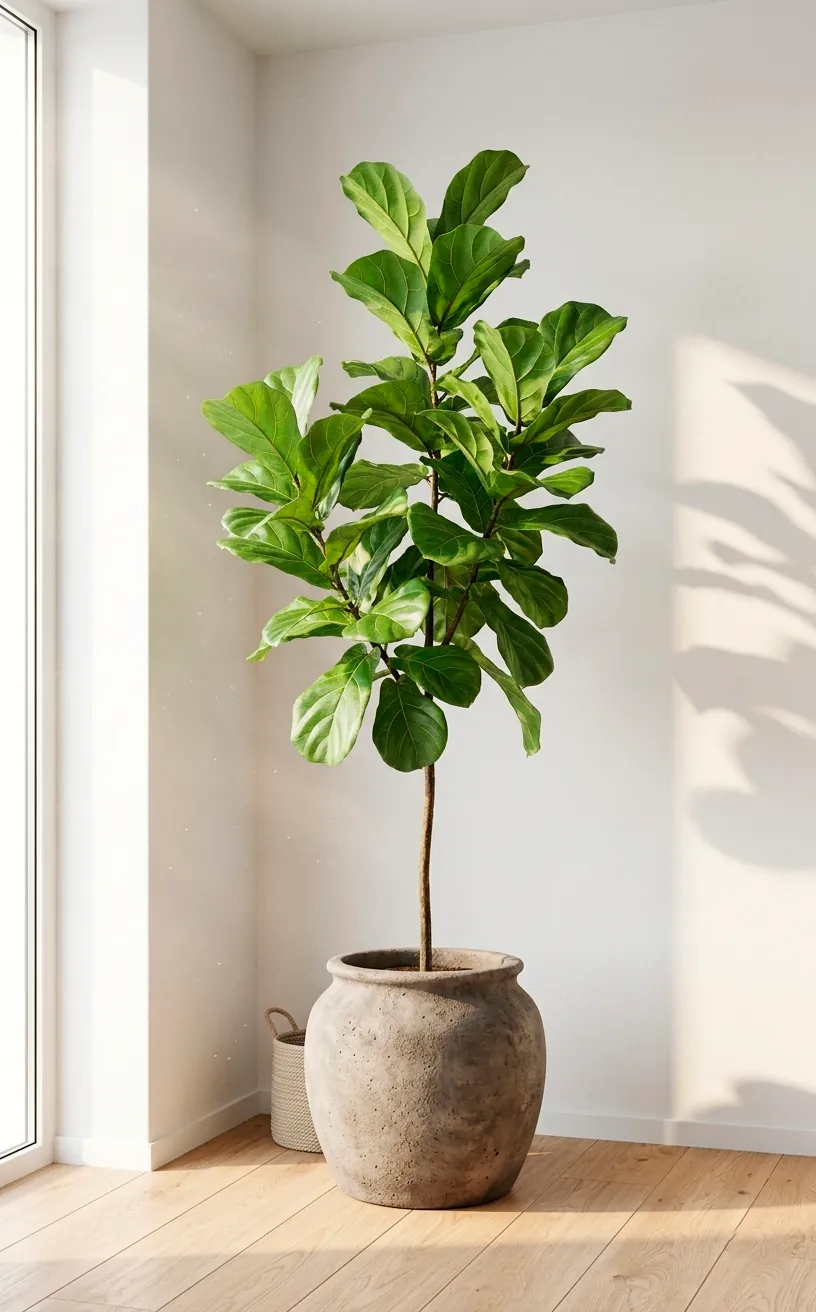
I personally adore a tall Fiddle Leaf Fig in the corner, but only if the pot is matte and neutral. Don’t overdo it. You’re building a sanctuary, not a botanical garden.
Unless you want to spend your entire weekend dusting leaves? No thanks. Keep it simple and let the natural shapes do the heavy lifting for your decor.
The Final Verdict
You don’t need a massive budget to nail this look. Just start with the basics—clean lines, natural materials, and a bit of soul. Your dining room will thank you for the breathing room. Japandi isn’t just a style; it’s a way to bring a little peace into your daily routine. Which piece are you grabbing first? Let me know in the comments!
Related posts
See All15 Vintage Circus Inspired Details for Playful Kids Bedroom Decor
Bring the magic of the big top home! Discover 15 playful, vintage circus-inspired decor details that will transform your kid's …
Read moreThe Complete Guide to Styling a Dining Room Credenza for Everyday Elegance
Give your dining room credenza the ultimate glow-up. Discover easy, elegant styling tips that balance everyday function with show-stopping design.
Read more15 Dried Citrus and Cinnamon Garlands for a Naturally Cozy Kitchen
Forget mass-produced decorations. Transform your kitchen into a naturally cozy, aromatic sanctuary with these 15 beautiful dried citrus and cinnamon …
Read moreThe Dog-Friendly Camper: Designing a Van Interior for Your Pets
Transform your camper van into the ultimate dog-friendly adventure mobile! Discover clever interior design hacks, durable materials, and cozy setups …
Read more