












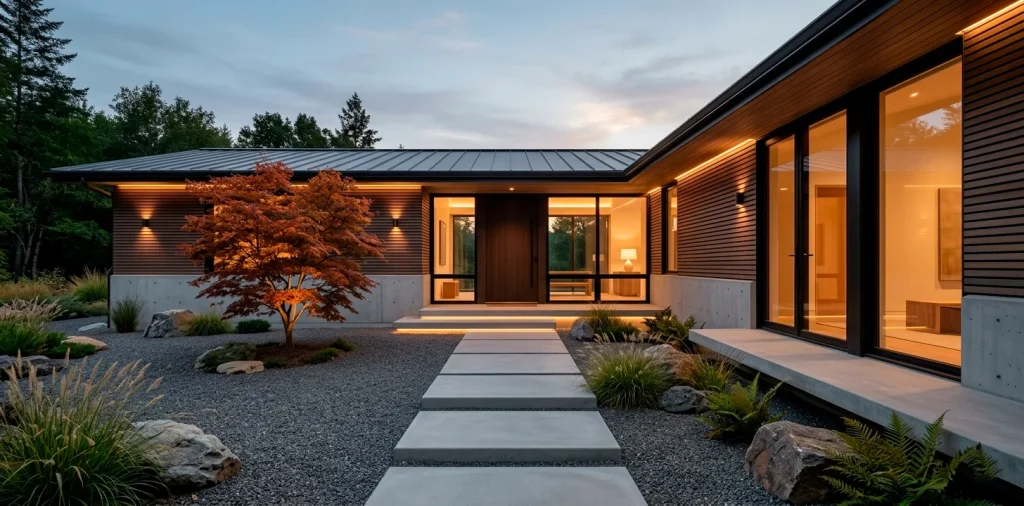

I constantly find myself staring at houses that look effortlessly peaceful. You know the ones—they just radiate calm. That is the magic of Japandi exterior design. It flawlessly marries Japanese minimalism with Scandinavian warmth. I recently revamped my own patio using this style, and trust me, it completely transforms how you experience your home. Ready to explore this gorgeous aesthetic?
The Basics of the Japandi Vibe
What happens when you mix cozy Scandi functionality with elegant Japanese Zen? You get an architectural masterpiece. Japandi exterior design strips away the unnecessary clutter. It focuses entirely on purpose, clean geometry using elements like slate-style planters, and a deep connection to nature. Ever wondered why this works so well? It forces you to appreciate the raw materials.
Honestly, I used to think minimalist meant cold, but I could not have been more wrong. The secret lies in the masterful contrast. You pair sleek, sharp angles with soft, organic textures like weather-resistant woven outdoor rugs to create visual harmony. This aesthetic makes your home look like a luxury retreat without trying too hard.


Tusco Products MSQ20SL Modern Square Garden Planter, 20-Inch, Slate
View on Amazon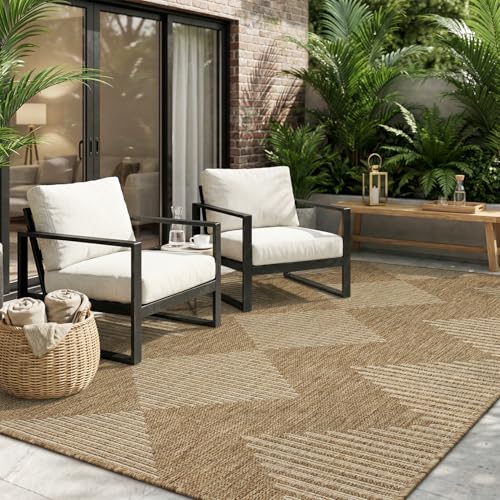
MontVoo-Outdoor Rug Carpet Patio Rug 5x7 ft Polypropylene Indoor Outdoor Rugs for Patio Deck Balcony Porch, Textured Weave, Durable for High Traffic, Fade-Resistant, Boho Geometric Neutral Brown
View on AmazonCERTAIN CONTENT THAT APPEARS ON THIS SITE COMES FROM AMAZON. THIS CONTENT IS PROVIDED “AS IS” AND IS SUBJECT TO CHANGE OR REMOVAL AT ANY TIME.
Nailing the Earthy Color Palette
Let us talk colors, because this is where the magic truly happens on your facade. You want to stick to a distinctly muted, nature-inspired palette that feels grounded. Think warm terracotta-style garden pots, soft sage green, pale sandstone, and deep charcoal. These earthy tones effortlessly anchor your home to its natural surroundings. You must avoid anything too bright or artificial; we want serene, not startling. IMO, a muted charcoal roof paired with wooden house numbers and warm oak accents completely steals the show. You get that striking modern edge while keeping the vibe incredibly warm and inviting.


Worth Large Outdoor Planter, Terracotta Plastic Round Big Plant Pot 1-Pack
View on Amazon
3.15inch House Numbers Mailbox Numbers Wood 3D 0-9 Waterproof Numbers for Outside Black Walnut Number for Door, Garbage Bins, Address Number (5)
View on AmazonCERTAIN CONTENT THAT APPEARS ON THIS SITE COMES FROM AMAZON. THIS CONTENT IS PROVIDED “AS IS” AND IS SUBJECT TO CHANGE OR REMOVAL AT ANY TIME.
The Obsession with Clean Lines
Japandi architecture thrives on straight, uncluttered lines. Forget about overly ornate trim or chaotic rooflines. You need a sleek silhouette that feels entirely intentional, perhaps complemented by modern black outdoor wall lights to frame the entrance.
This brilliant approach totally reshapes how your house interacts with natural sunlight. Crisp edges cast sharp, beautiful shadows throughout the day, turning your home into a dynamic piece of art.
I actually swapped out my fussy, curved porch railings for a heavy-duty cable railing kit last summer. The difference completely blew my mind and instantly modernized the whole facade.
You also see this precise geometry in the windows. Massive, unadorned glass panels beautifully blur the line between indoors and out. They invite the landscape right inside.

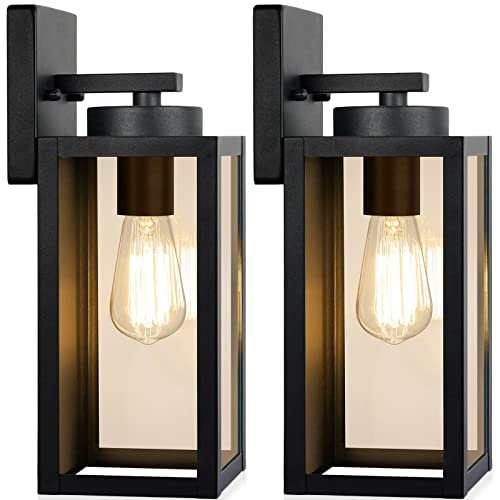
BesLowe Outdoor Wall Light Fixtures, Modern Black Exterior Wall Lanterns
View on Amazon
Challcrea Cable Railing Hardware, 30 Pairs Stainless Steel Cable Railing Kit, for 1/8 Cable Railing System, T316 Marine Grade, 180° Angle Adjustable
View on AmazonCERTAIN CONTENT THAT APPEARS ON THIS SITE COMES FROM AMAZON. THIS CONTENT IS PROVIDED “AS IS” AND IS SUBJECT TO CHANGE OR REMOVAL AT ANY TIME.
Wood Slats Are Your Best Friend
If I had to pick one defining feature of this architectural style, it is undoubtedly vertical wood cladding. Adding outdoor slatted privacy screens is an excellent way to introduce unbelievable texture without ever feeling visually heavy. They offer essential privacy while still letting golden sunlight filter through in mesmerizing, geometric patterns. I highly recommend using thermally modified ash or cedar for these exterior accents. Protecting them with a clear exterior wood sealer ensures they weather beautifully over time, eventually taking on a soft, silvery hue that perfectly complements the Japandi aesthetic. It honestly looks exactly like a high-end spa exterior, and who doesn't want that?


Enclo Charleston Privacy Screen, Cedar Wood, DIY No Dig Screen Kit
View on Amazon
Thompson's WaterSeal Clear Wood Sealer, Clear, 1 Gallon
View on AmazonCERTAIN CONTENT THAT APPEARS ON THIS SITE COMES FROM AMAZON. THIS CONTENT IS PROVIDED “AS IS” AND IS SUBJECT TO CHANGE OR REMOVAL AT ANY TIME.
Landscaping with Deep Intention
Your yard plays a massive role in tying this entire look together. Japandi landscaping actively rejects chaotic, overgrown gardens in favor of highly curated, deliberate plantings maintained with precision gardening shears. Every single plant must serve a specific structural purpose. 🌿
Think architectural foliage. Japanese maples, ornamental grasses, and manicured evergreens work wonders here. Placing them in large minimalist concrete planters helps maintain that clean aesthetic. You want to intentionally create quiet moments of stillness.
I replaced a messy flower bed with a simple pea gravel garden and three perfectly placed boulders. The maintenance dropped to zero, and it looks incredibly chic. It perfectly grounds the house in nature.


Felco F2 Pruning Shears – 9.25" Swiss-Made Garden Clippers for Professional Pruning | Hand Pruners for Gardening | Garden Tool Cutter with Precision Bypass Blade, Aluminum Body, Replaceable Parts
View on Amazon
Kante Large Round Bullet Charcoal Concrete Planter 21.7" Tall, Outdoor
View on AmazonCERTAIN CONTENT THAT APPEARS ON THIS SITE COMES FROM AMAZON. THIS CONTENT IS PROVIDED “AS IS” AND IS SUBJECT TO CHANGE OR REMOVAL AT ANY TIME.
Hardscaping and Natural Stone
Concrete and natural stone make up the undeniable backbone of modern Japandi exteriors. You want large, uninterrupted surfaces that feel solidly permanent and grounded, often achieved through slate stepping stones. Poured concrete pathways with crisp edges offer that essential Scandi minimalism we all crave.
You can beautifully soften these harsh materials by leaving slight gaps between your pavers. Sowing creeping thyme seeds or letting soft moss grow between them works like an absolute charm. This brilliant technique seamlessly merges the man-made structure with the organic earth, proving that raw materials do not have to feel cold.


2 Pc Natural Stone Stepping Stone Outdoor Decorative Flagstone Stone
View on Amazon
20000+ Creeping Thyme Seeds Ground Cover Plant - Thymus Serpyllum
View on AmazonCERTAIN CONTENT THAT APPEARS ON THIS SITE COMES FROM AMAZON. THIS CONTENT IS PROVIDED “AS IS” AND IS SUBJECT TO CHANGE OR REMOVAL AT ANY TIME.
Illuminating the Zen
Exterior lighting can easily make or break your entire Japandi design. You must completely avoid harsh, glaring floodlights. They instantly kill the relaxed vibe we are striving for.
Instead, focus entirely on warm, indirect illumination. Concealed LED strips under steps or floating benches create a magical, weightless effect.
I recently installed warm-toned uplighting beneath my favorite olive tree. At night, it casts the most spectacular, soft shadows against the siding. It feels totally cinematic.
Wall sconces should feature simple, geometric shapes. Think simple cylinders or minimalist matte black boxes that blend into the architecture rather than screaming for attention.

The Statement Front Door
Your front door acts as the welcoming handshake to your sanctuary. In this aesthetic, we joyfully ditch the ornate glass inserts and heavy raised panels. A solid, flat-panel door in natural oak or sleek matte black makes the absolute strongest statement. You pair it with oversized, minimalist hardware—like a long, vertical bar pull in brushed nickel or matte iron. This striking combination looks unbelievably elegant and sets the perfect serene tone before you even step inside. Plus, it is incredibly easy to keep clean.

Selecting the Right Outdoor Furniture
You absolutely need the right furniture to complete your exterior oasis. Scandi design demands ultimate comfort, while Japanese aesthetics require a low, grounded profile. Look for deep seating with low-to-the-ground, solid wood frames.
Teak and weather-resistant acacia are fantastic choices here. They naturally resist the harsh elements and offer that warm, earthy tone we love.
Keep your cushions beautifully neutral. Stick to oatmeals and muted sands. FYI, choosing all-weather fabrics saves you from massive headaches. For more tips on durable setups, check out this guide to all-weather front porch furniture.

Bringing the Vision Together
Blending all these elements might sound slightly intimidating, but it essentially comes down to practicing restraint. You have to constantly ask yourself: does this item serve a real purpose, and does it bring me peace? Embrace negative space and let your architectural materials breathe.
When you step back and look at your completed Japandi exterior, you will immediately feel a profound sense of calm. The clean lines gently guide your eyes, while the earthy tones ground your spirit. If you want to incorporate more greenery, you might love these organic porch ideas with living walls.

Conclusion
Transforming your home’s exterior into a Japandi paradise feels exactly like exhaling a long breath you didn’t know you were holding. By mixing those warm earthy tones with razor-sharp clean lines, you instantly craft a serene, timeless sanctuary. I cannot wait to hear which element you plan to tackle first. Are you grabbing wood slats or planning a gravel garden? Let me know in the comments! ✨
Related posts
See AllStyling Macramé and Rattan for an Authentic Boho Balcony
Transform your boring balcony into an authentic bohemian oasis using the magic of macramé and rattan. Get practical styling tips, …
Read moreCapturing the Coastal Grandmother Essence: 10 Wedding Ideas
Ready to channel your inner Nancy Meyers for your big day? Discover 10 breezy, elegant Coastal Grandmother wedding ideas that …
Read more15 Matte Black and Cedar Porch Ideas for a Striking Modern Farmhouse Facade
Give your modern farmhouse facade a serious upgrade. Discover 15 striking matte black and warm cedar porch ideas to instantly …
Read more15 Sleek Concrete Mini Pond Ideas for an Industrial Chic Patio
Upgrade your patio with these edgy, modern concrete mini pond ideas. From fire-and-water bowls to brutalist troughs, discover how to …
Read more