












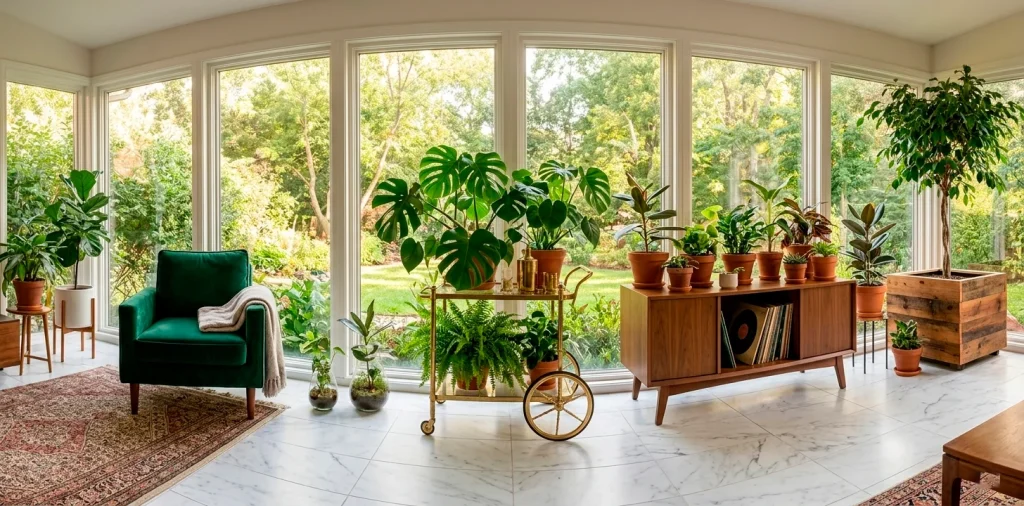

You probably have a corner in your home gathering dust, or worse, a pile of high-quality ‘junk’ you can’t quite toss. Why let that vintage aesthetic go to waste when you can flip it into a high-end plant sanctuary? I’ve spent way too much time staring at overpriced planters online only to realize my own attic was a goldmine. Let’s quit the boring plastic pots and start building a sustainable indoor garden that actually looks like a million bucks without the retail regret. Ready to grow your own jungle? 🌿
The Vintage Bar Cart Herb Garden
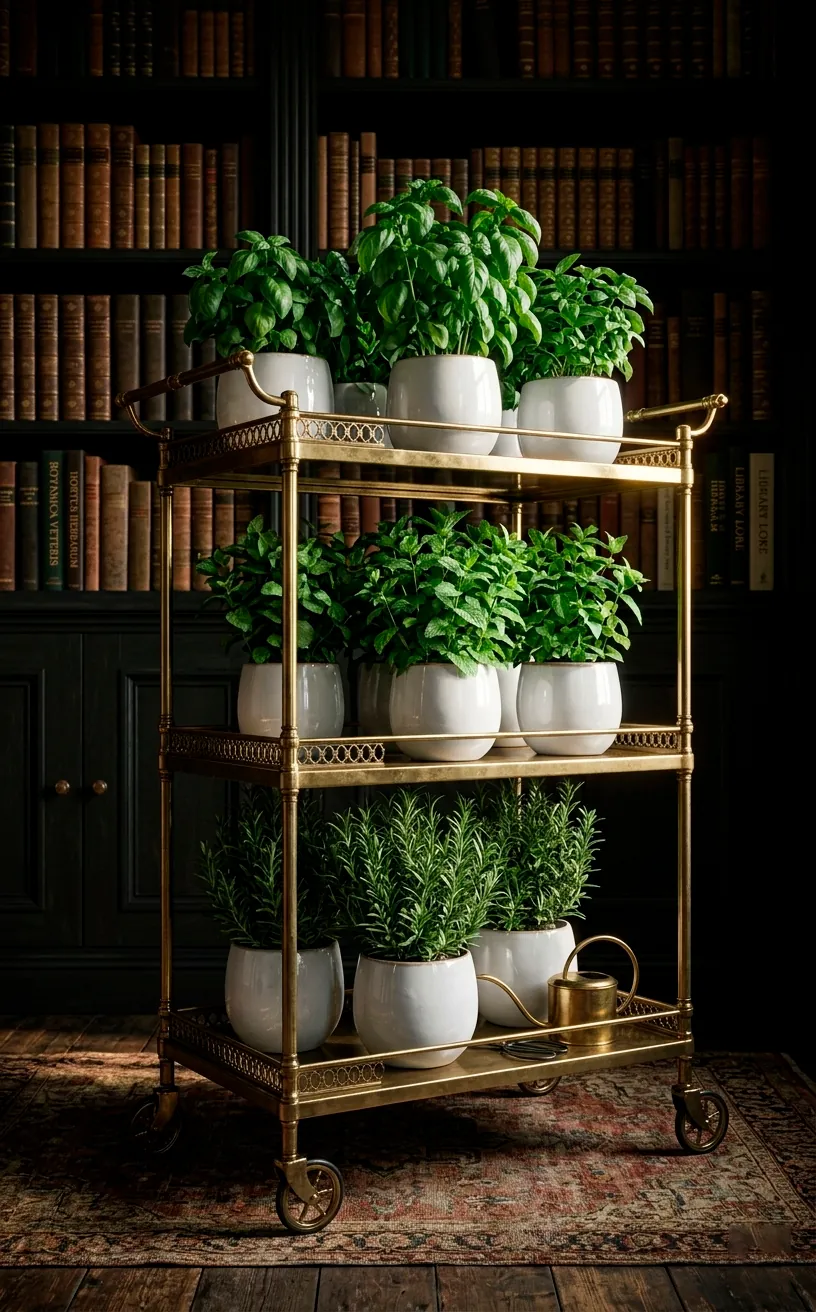
Ever noticed how bar carts either look incredibly chic or like a sad reminder of a party you never threw? Instead of letting it hold dusty gin bottles, I turned mine into a mobile herb station. The gold finish against the vibrant green of Thai basil and mint creates a high-contrast look that screams ‘luxury’ while providing fresh garnishes for your dinner parties. Plus, you can wheel it toward the window when the sun decides to show up for five minutes.
You should grab a few things to make this work:
- Brass or gold-toned tiered bar cart
- Ceramic self-watering herb pots
- Rechargeable LED clip-on grow lights
- Small organic fertilization kit
I honestly think this is the ultimate hack for small apartments where counter space is a myth. Why settle for a cluttered kitchen when you can have a rolling botanical display? If you want to dive deeper into styling greenery with your existing furniture, check out this guide on the botanical home library aesthetic.
Antique Chandelier Air Plant Mobile
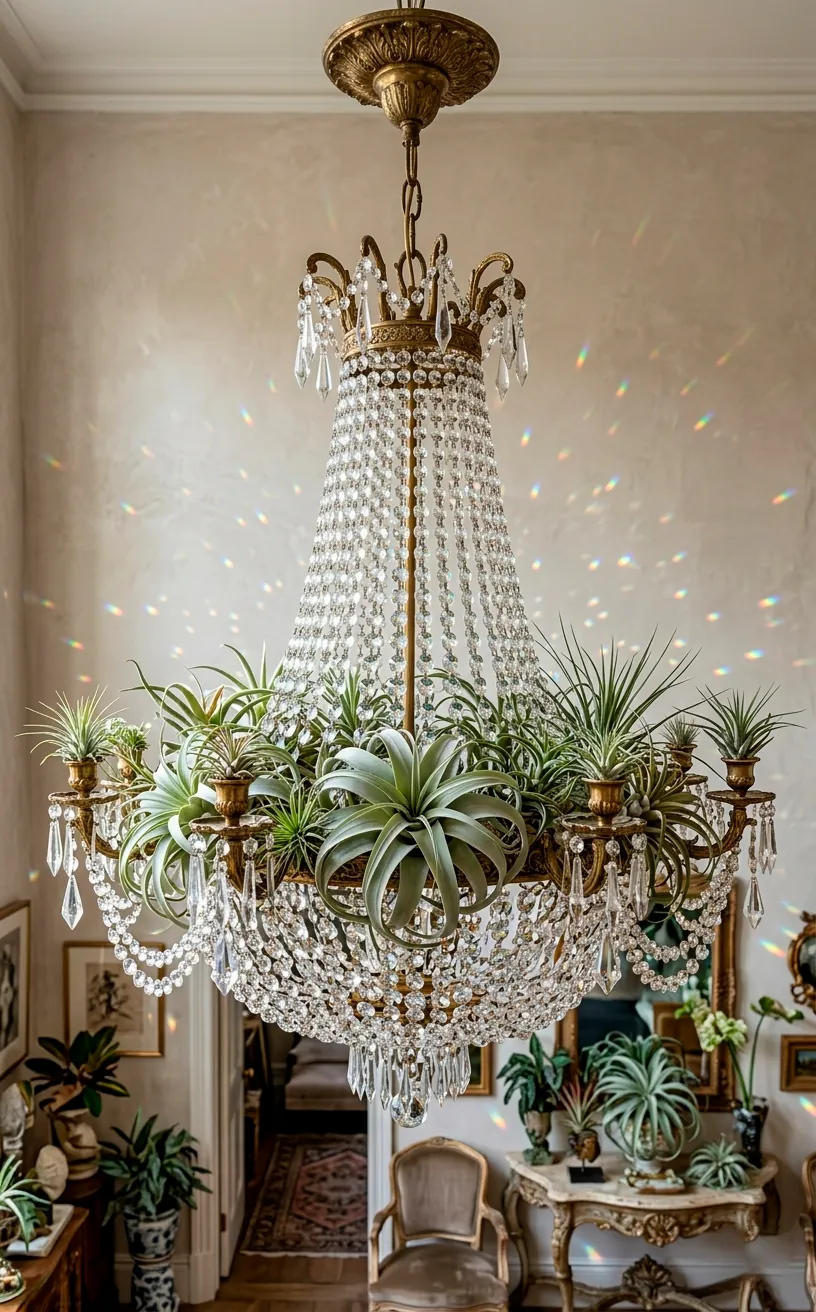
If you find an old crystal chandelier at a thrift store, don’t walk away just because the wiring is a nightmare. I stripped the guts out of a heavy brass fixture and swapped the bulbs for Tillandsia air plants. These little guys don’t even need soil, so you won’t have dirt raining down on your dining table. Ever wondered why people pay hundreds for ‘living art’ when you can just hang a botanical masterpiece from your ceiling? IMO, it’s the most dramatic way to use vertical space without drilling twenty holes in your drywall. 💡
Repurposed Glass Decanter Terrariums
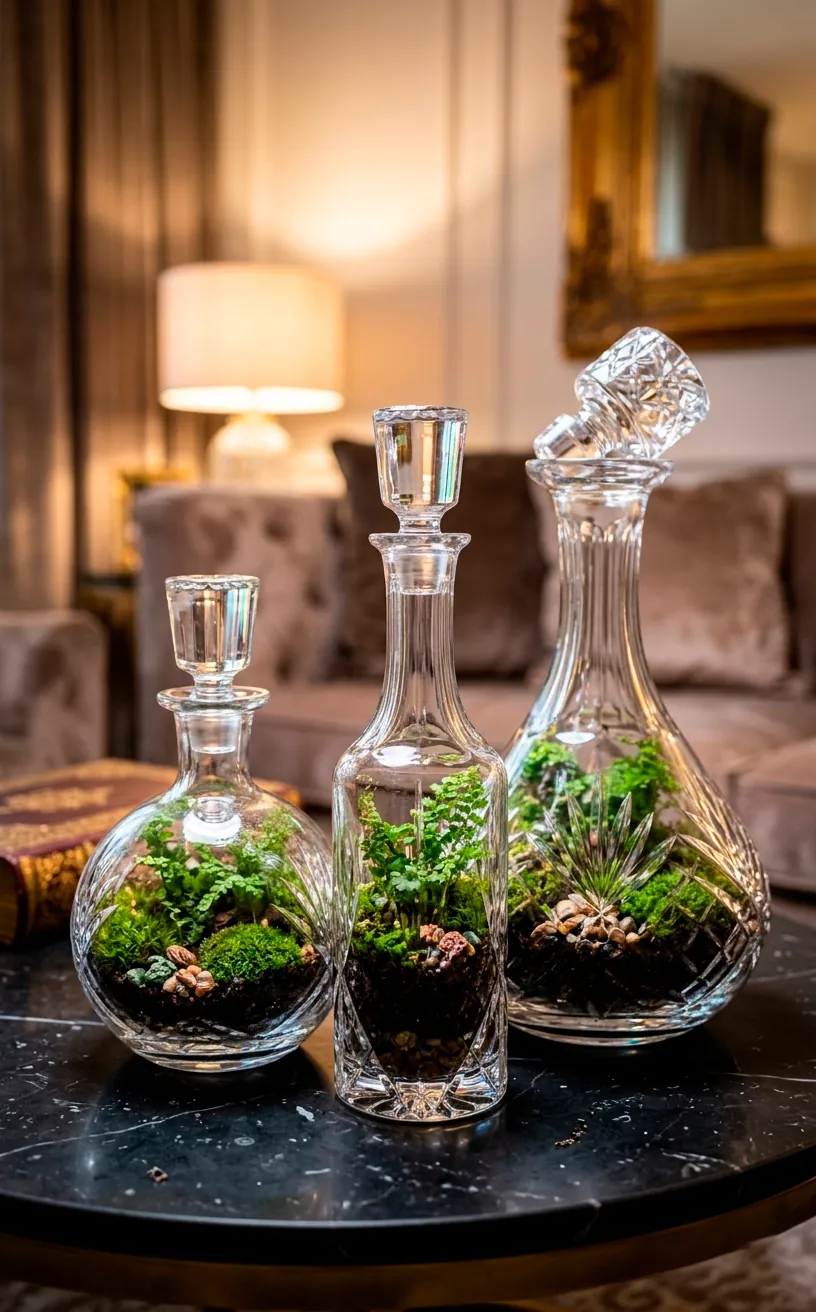
Glass decanters are basically just fancy jars that someone overcharged you for once upon a time. Since I stopped pretending I drink cognac every evening, I started filling these heavy glass vessels with moss and charcoal. They make the perfect humid environment for tiny ferns and fittonia.
Technically, you’re creating a closed ecosystem. It’s low-maintenance, which is great for those of us who forget to water things for weeks at a time.
Luxe decanter garden features:
- Heavy lead-free crystal vessels
- Horticultural charcoal layers
- Decorative river stones
- Long-handled terrarium tools
Does your coffee table look a bit naked? A cluster of these at different heights adds an architectural vibe that plastic pots just can’t touch. Trust me, the weight of the glass alone makes it feel expensive.
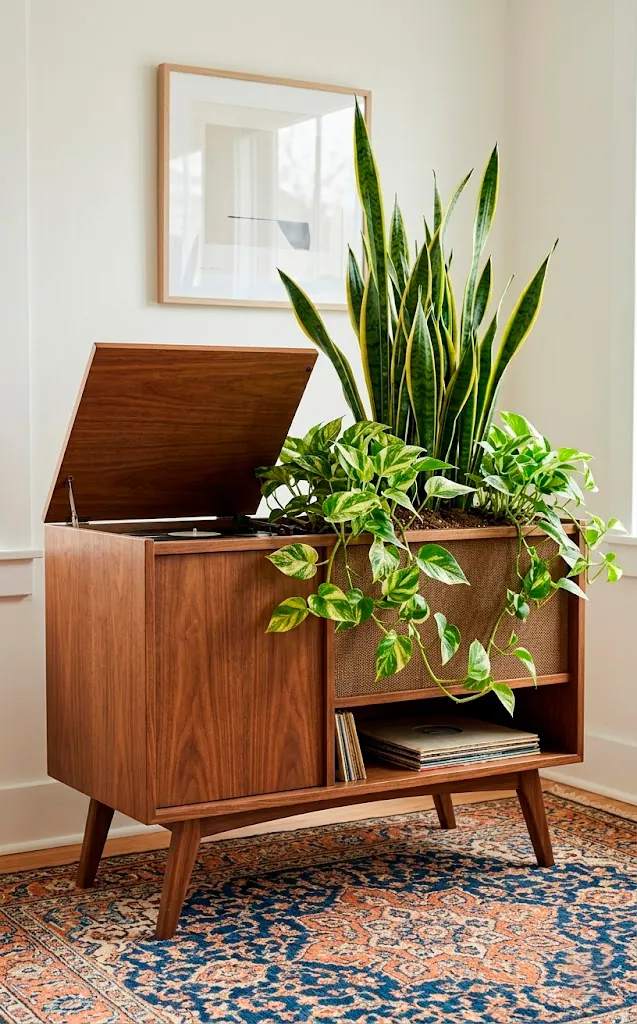
Mid-Century Modern Record Console Planter
Nothing breaks my heart like a beautiful MCM record console with a blown speaker. Instead of sending it to the landfill, I gutted the electronics and lined the interior with heavy-duty pond liner. Now, it’s a massive, built-in planter for a towering Snake Plant and some trailing Pothos. It keeps that iconic silhouette while giving your living room a massive dose of oxygen. Why buy a new ‘planter stand’ when you can have a piece of history that doubles as a conversation starter? Just make sure you seal the wood perfectly, or your sustainable dream will turn into a soggy nightmare pretty fast. 📻
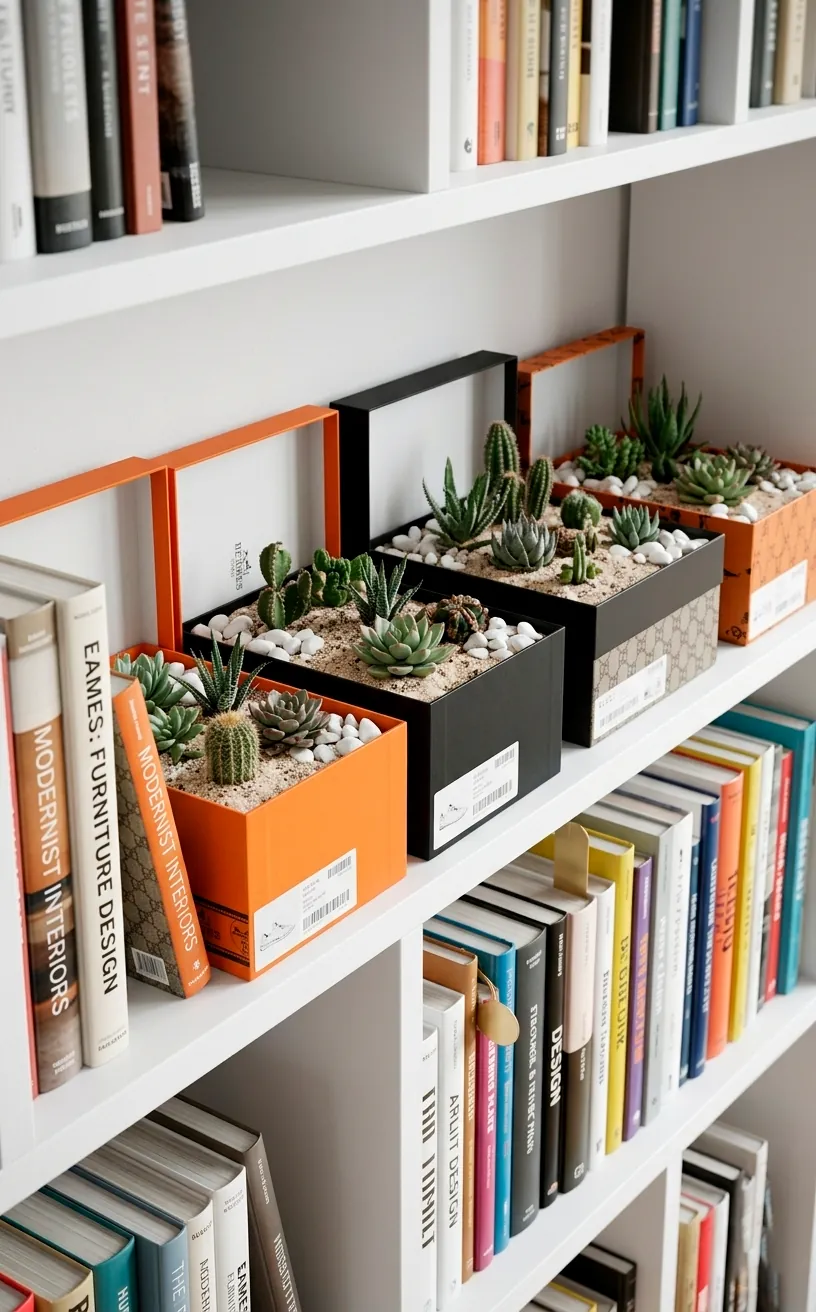
Designer Shoe Box Succulent Starters
I know you’re holding onto those orange or blue designer shoe boxes thinking they’ll be useful ‘one day.’ Today is that day. I line the bottoms with thick plastic and use them as shallow nursery trays for succulent propagation.
It sounds weird until you see a row of high-end boxes on a bookshelf filled with tiny, colorful rosettes. It turns a messy propagation habit into a curated collection. FYI, succulents hate wet feet, so don’t go overboard with the watering can here.
Essential succulent supplies:
- Well-draining cactus soil mix
- Decorative pea gravel
- Small succulent offsets
Is it a bit pretentious? Maybe. Does it look better than a plastic seed tray? Absolutely.
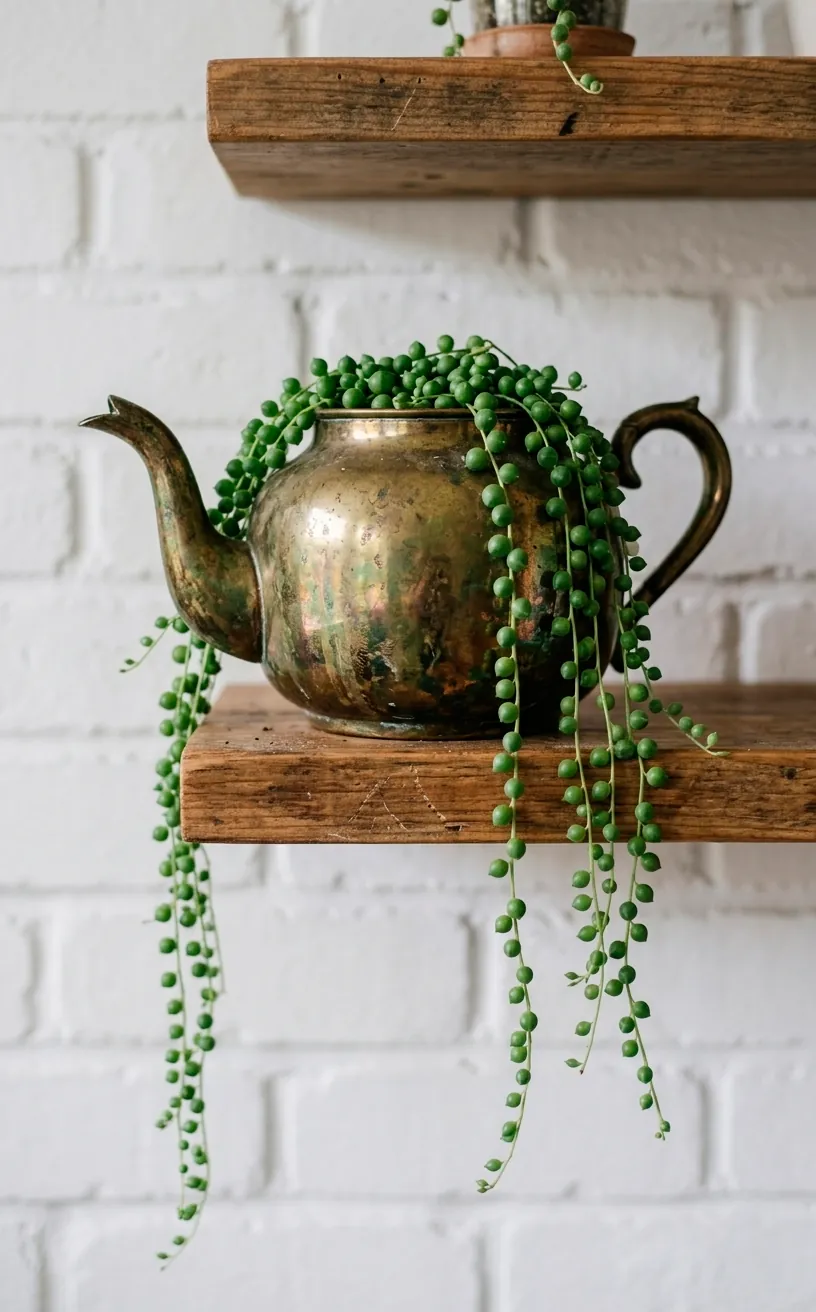
Brass Teapot Cascading Vines
Old brass teapots have a certain ‘grandma’s attic’ charm that I find irresistible when paired with a String of Pearls. I specifically look for ones with a long, elegant spout. As the plant grows, it spills out of the top and wraps around the handle, creating a living sculpture.
It’s a small detail, but these little metal accents break up the monotony of all-ceramic pots. I usually place these on higher shelves so the vines can do their thing without getting tangled in my hair.
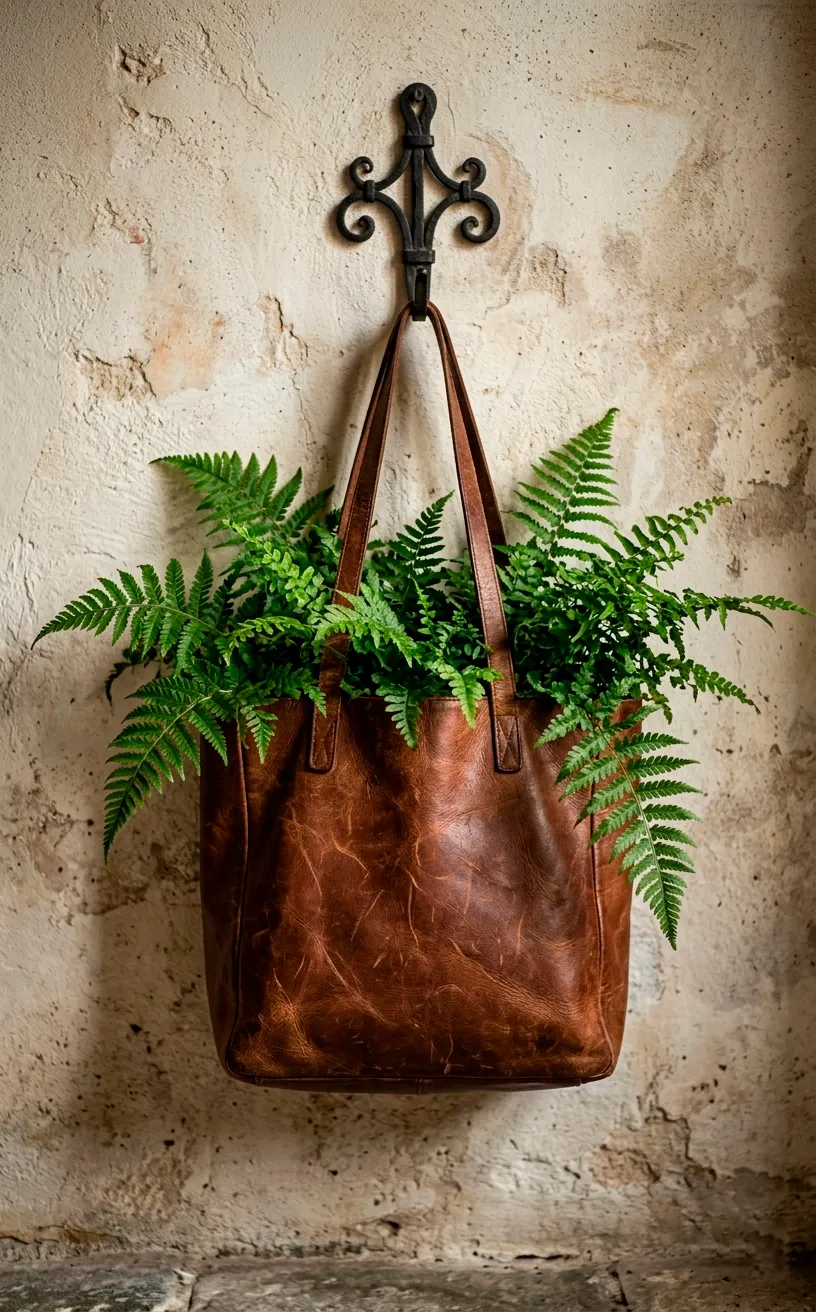
Leather Handbag Vertical Garden
Toss the plastic wall pockets and grab an old leather tote or a vintage briefcase. I once found a beat-up leather bag and realized it was the perfect vessel for a ‘wall pocket’ planter. I inserted a custom plastic liner to protect the leather and stuffed it with lush ferns.
The texture of the worn leather against the soft fronds of a Maidenhair fern is pure luxury. It brings an organic, masculine touch to a room that might feel a bit too ‘floral.’
Key elements for leather planters:
- Thick, high-quality leather bags
- Waterproof plastic inserts
- Sturdy wall hooks
- Moisture-loving indoor plants
You just need to make sure the hooks are anchored well because a wet plant in a leather bag is surprisingly heavy. Seriously, don’t skimp on the hardware unless you want a dirt explosion on your floor.
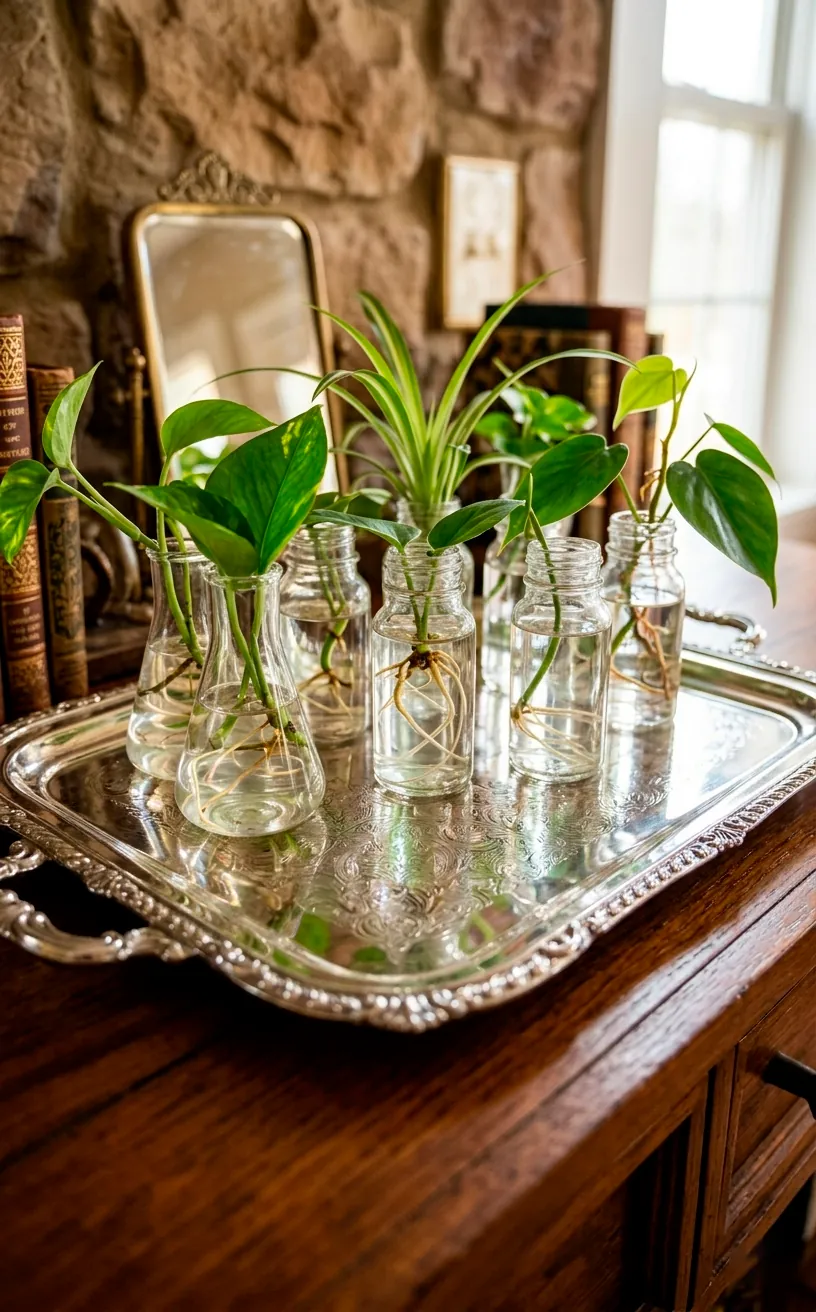
Silver Tray Propagation Station
Who actually uses silver serving trays for anything other than catching dust? I polished up a few thrifted silver platters and turned them into the base for my propagation jars. I use mismatched glass spice jars or small chemistry beakers to hold my plant clippings. The silver reflects the glass and the green leaves, making a tiny science experiment look like a high-end gallery display. It’s the easiest way to organize those random jars scattered around your house into one cohesive ‘luxe’ zone.
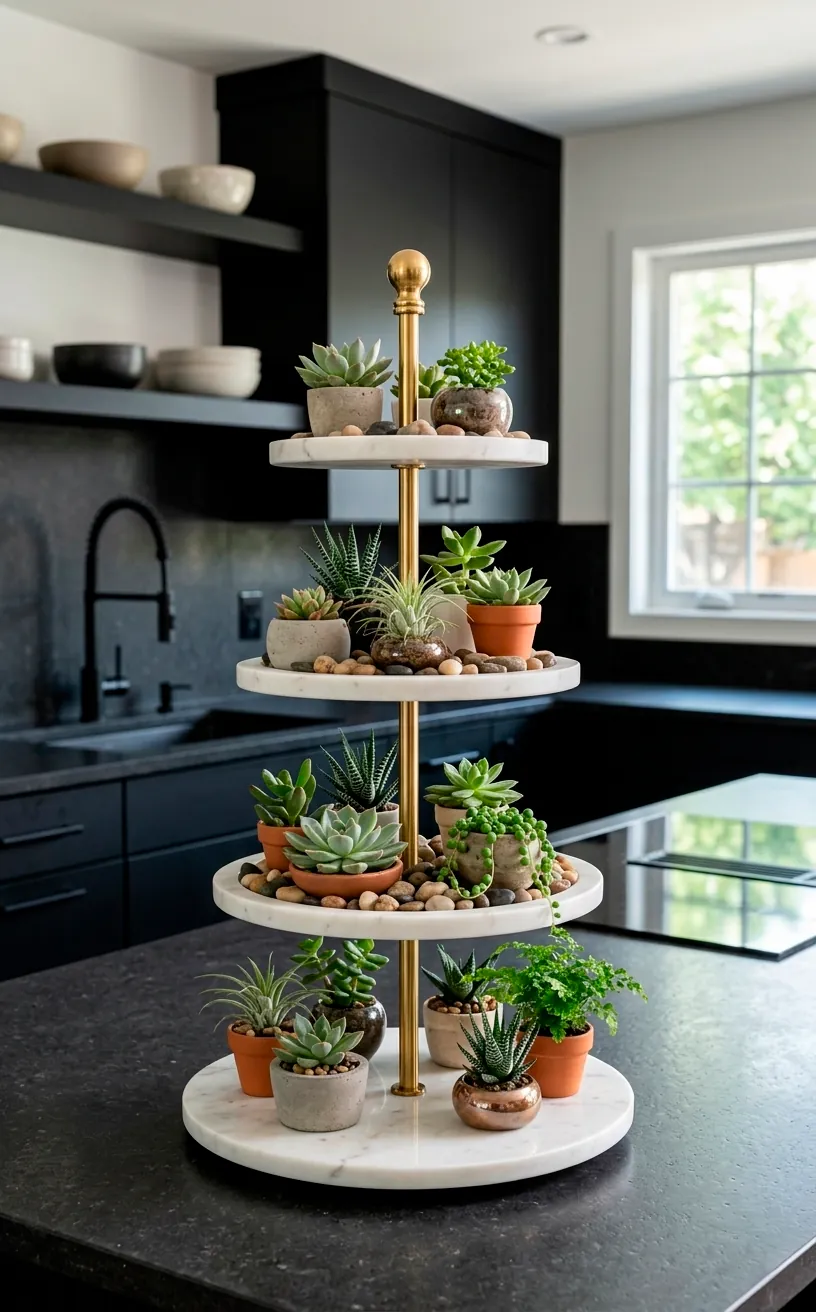
Refurbished Tiered Dessert Stand Greens
A three-tiered marble or slate dessert stand isn’t just for cupcakes. I use mine to create a vertical ‘micro-garden’ on my kitchen island. The stone tiers keep the soil cool and look incredibly sleek next to a modern faucet.
I usually put smaller, slower-growing plants like Haworthia or tiny Pilea on these. It keeps them off the counter where I’m actually trying to chop onions, which is a win-win for everyone involved.
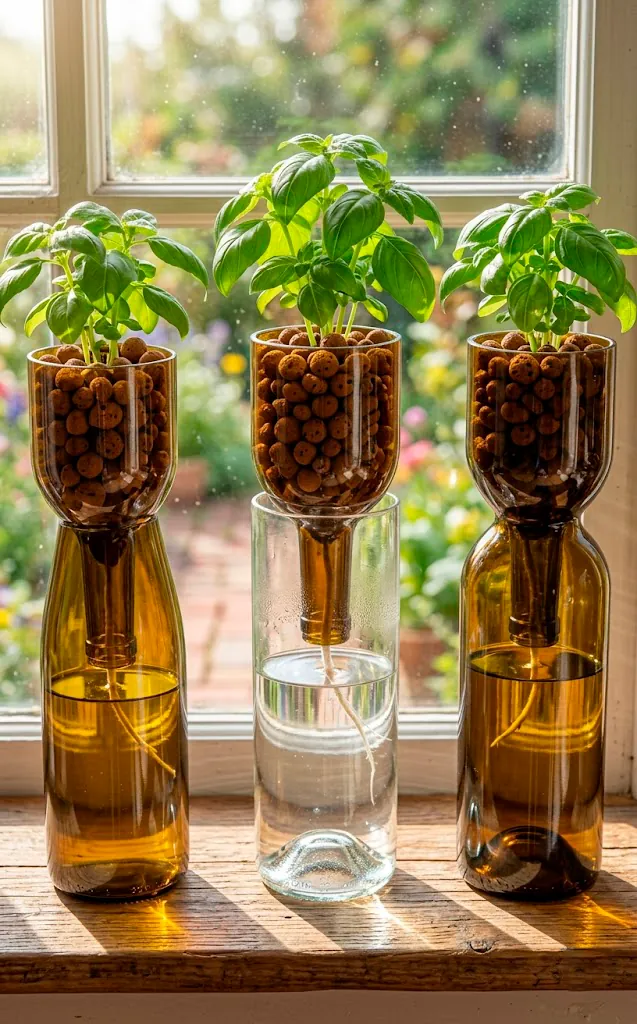
Upcycled Wine Bottle Hydroponics
Don’t throw away those dark green or amber wine bottles from last weekend. I used a glass cutter to remove the tops and flipped them to create a self-watering hydroponic system. The top half sits inverted in the bottom half, wicking water up to the roots.
It looks like something you’d buy at a boutique garden shop for fifty bucks. IMO, the darker glass actually helps prevent algae growth, which is a massive bonus if you’re lazy about cleaning.
DIY Hydroponic Checklist:
- Clean wine or spirit bottles
- Glass bottle cutter tool
- Cotton wicking cord
- Hydroton clay pebbles
I’ve had great luck growing herbs and even small leafy greens this way. It’s a clean, soil-free way to keep your kitchen looking sharp and feeling fresh.
If you’re worried about keeping your new setup alive during the darker months, check out these modern kitchen garden grow light ideas to keep things thriving year-round. It makes a huge difference, trust me! Which one of these are you trying first? Let me know in the comments!
Conclusion
Luxury doesn’t have to mean buying everything brand new from a catalog. By looking at your ‘stuff’ through a botanical lens, you can create a sustainable indoor garden that feels personal and high-end. I hope these ideas inspired you to dig through your storage and find some hidden gems. Happy planting, and may your thumb be ever-green! Now go find that old bar cart and get to work! ✨
Related posts
See All15 Vintage Circus Inspired Details for Playful Kids Bedroom Decor
Bring the magic of the big top home! Discover 15 playful, vintage circus-inspired decor details that will transform your kid's …
Read moreThe Complete Guide to Styling a Dining Room Credenza for Everyday Elegance
Give your dining room credenza the ultimate glow-up. Discover easy, elegant styling tips that balance everyday function with show-stopping design.
Read more15 Dried Citrus and Cinnamon Garlands for a Naturally Cozy Kitchen
Forget mass-produced decorations. Transform your kitchen into a naturally cozy, aromatic sanctuary with these 15 beautiful dried citrus and cinnamon …
Read moreThe Dog-Friendly Camper: Designing a Van Interior for Your Pets
Transform your camper van into the ultimate dog-friendly adventure mobile! Discover clever interior design hacks, durable materials, and cozy setups …
Read more