












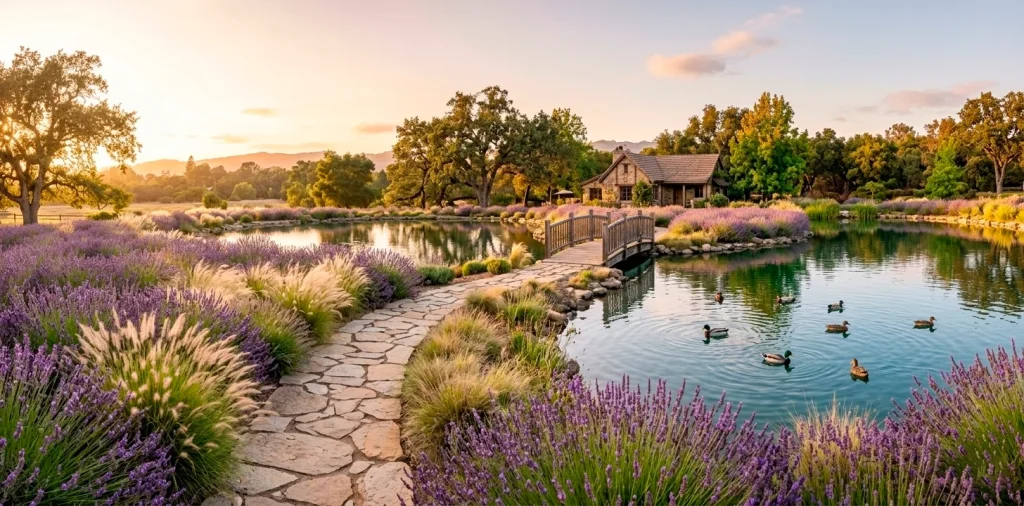

I finally stopped dreaming and started digging that duck pond I’ve always wanted. Honestly, watching my feathered friends splash around while the scent of lavender fills the breeze beats any generic lawn. I want to help you build a slice of this peace without the typical DIY headaches. We’ll blend functionality with that soft, purple aesthetic to create a space that looks like a high-end retreat. Ready to turn your backyard into a quack-tastic paradise?
The Master Plan for a Quack-Tastic Oasis
Planning your layout prevents a total disaster before you even pick up a shovel. I sketch everything on paper first because moving a line is easier than filling a hole. You need a deep center for exercise and shallow edges for easy exits.
- Heavy-duty liners stop annoying leaks.
- Biological filters manage the heavy waste ducks produce.
- Deep zones prevent the water from overheating in summer.
Does anyone really want to chase a duck out of a muddy puddle? I didn’t think so. FYI, bigger ponds stay cleaner longer because they balance themselves out better. 🙂
Choosing the Right Spot for Your Feathered Friends
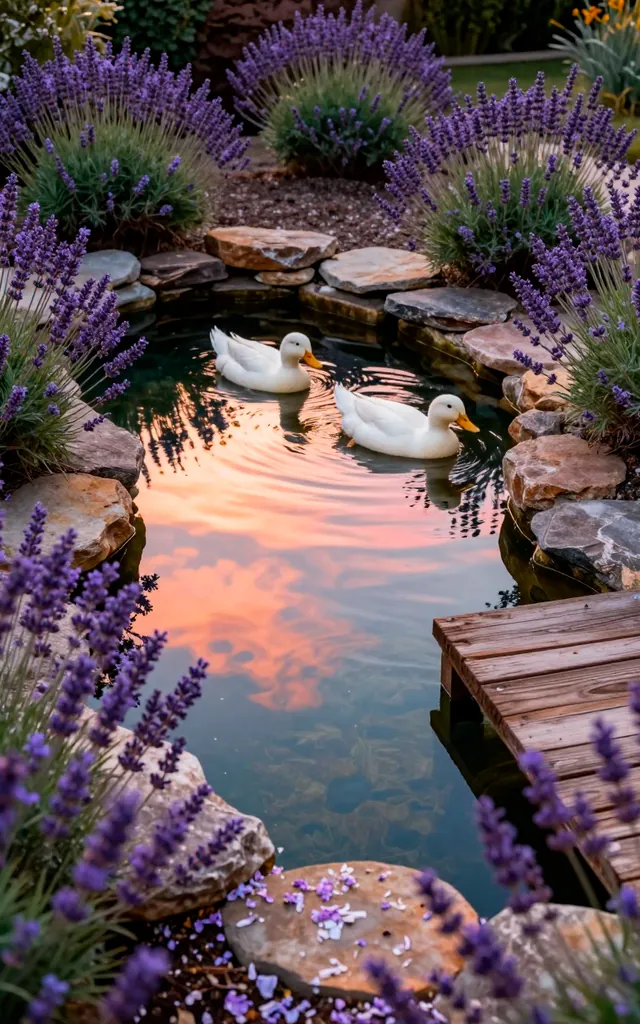
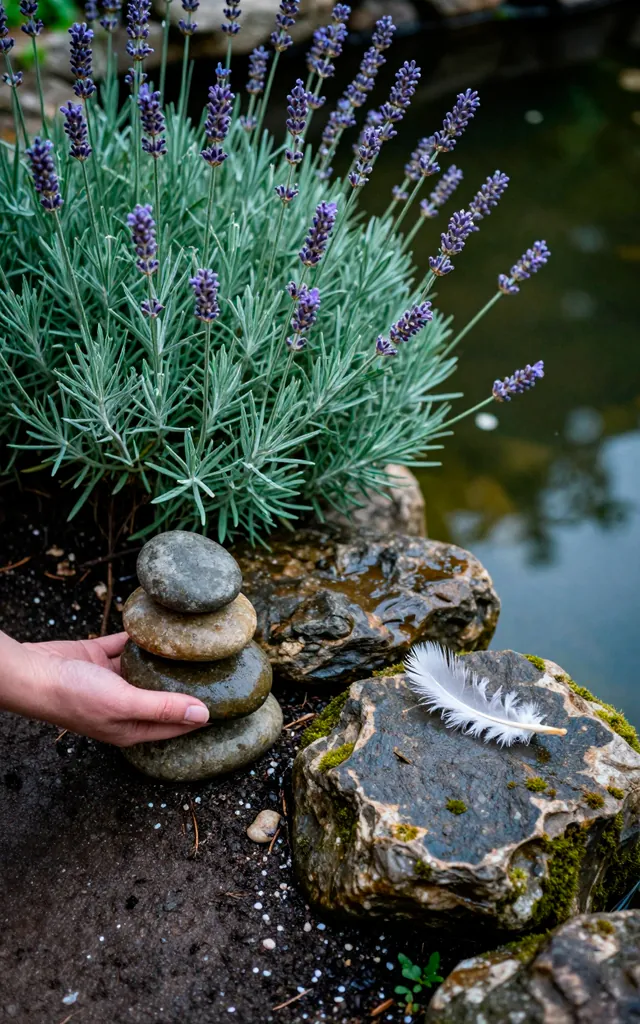
Location determines whether you enjoy your pond or resent its maintenance. I pick spots with partial sun to keep algae growth under control. You also want a view from your window so you can watch the duck-capades from your couch.
- Level ground saves you from complex retaining walls.
- Proximity to water makes refilling much easier.
- Natural drainage prevents your yard from turning into a swamp.
Why build something beautiful if you can’t see it from your kitchen? I keep mine close to the patio for maximum visibility and easier evening feedings.
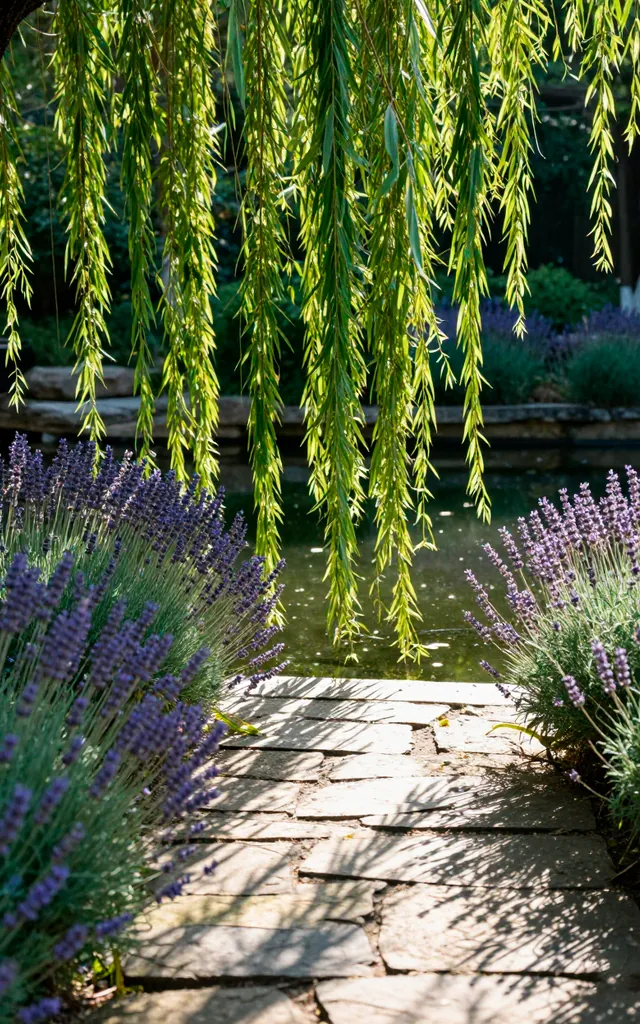
Lavender Varieties That Love the Water’s Edge
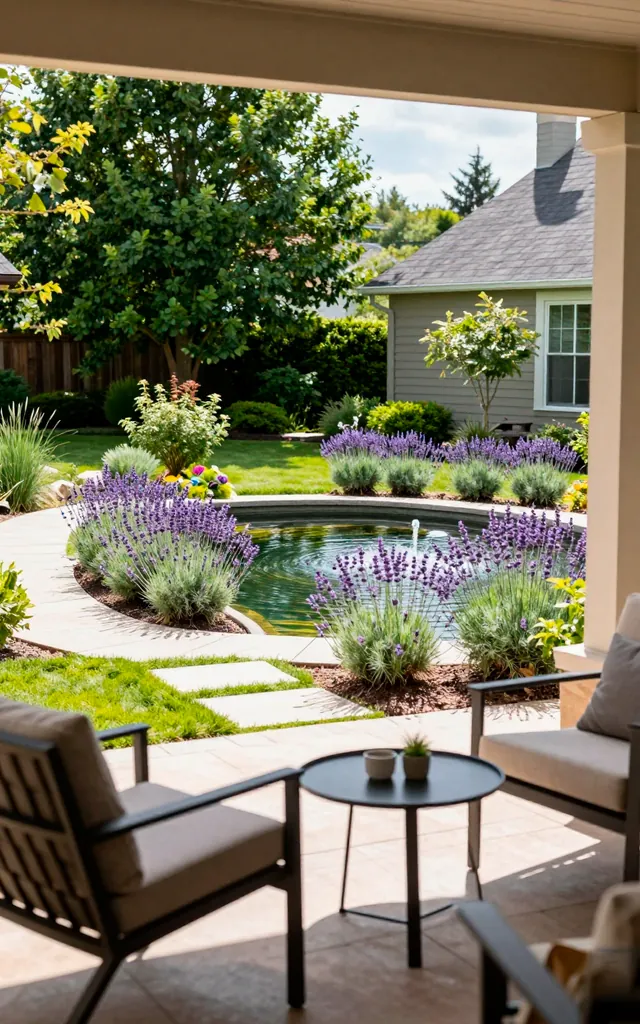
Not all lavender handles pond-side life the same way. I stick with Hidcote or Munstead because they stay compact and hardy. These varieties offer that punchy purple color that contrasts perfectly with blue water.
- English Lavender survives colder winters better.
- Well-drained soil is non-negotiable for root health.
- Gravel mulching keeps the plant bases dry.
Ever wondered why your plants turn yellow near water? They probably have ‘wet feet.’ I mound the soil slightly to ensure water drains away from the lavender roots while keeping the ducks nearby.
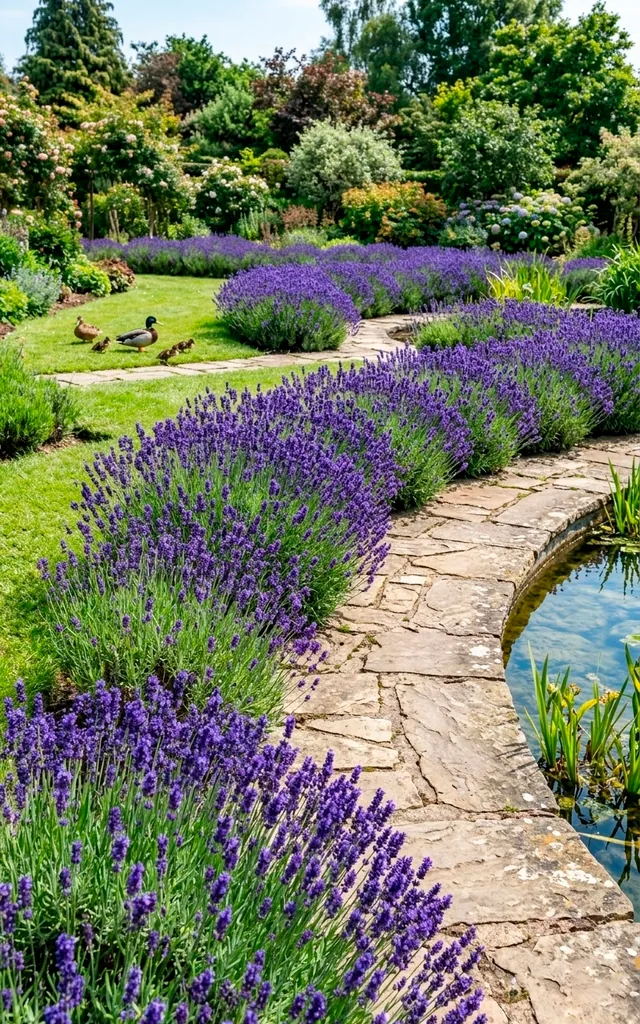
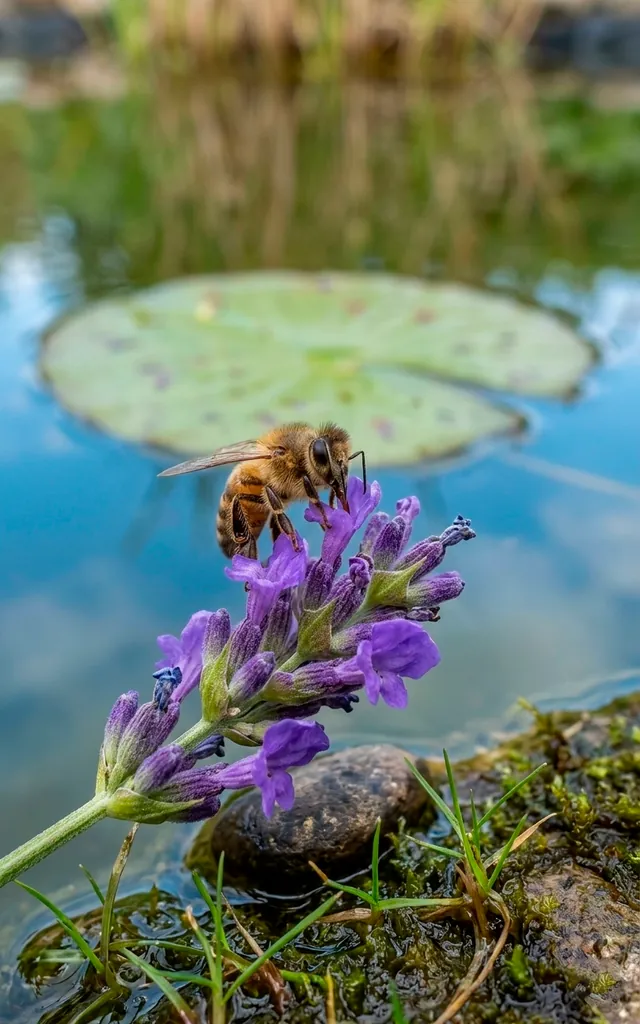
Keeping the Water Crystal Clear
Ducks are essentially adorable mud-making machines. I use a combination of mechanical filtration and ‘hungry’ plants to fight the muck. You want clear water so you can actually see the bottom—and your ducks’ orange feet paddling away!
- Water lilies provide shade and reduce algae.
- Aeration kits keep the oxygen levels high.
- Skimmer nets make quick work of fallen leaves.
Who wants a pond that looks like pea soup? Not me. I clean my filter pads once a week to keep the flow strong and the water sparkling.
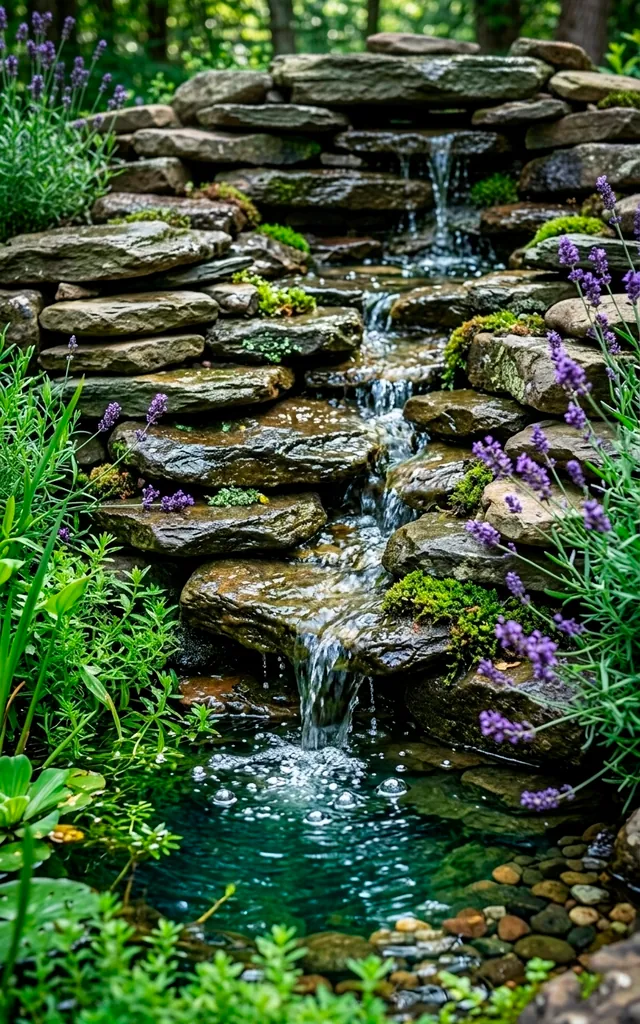
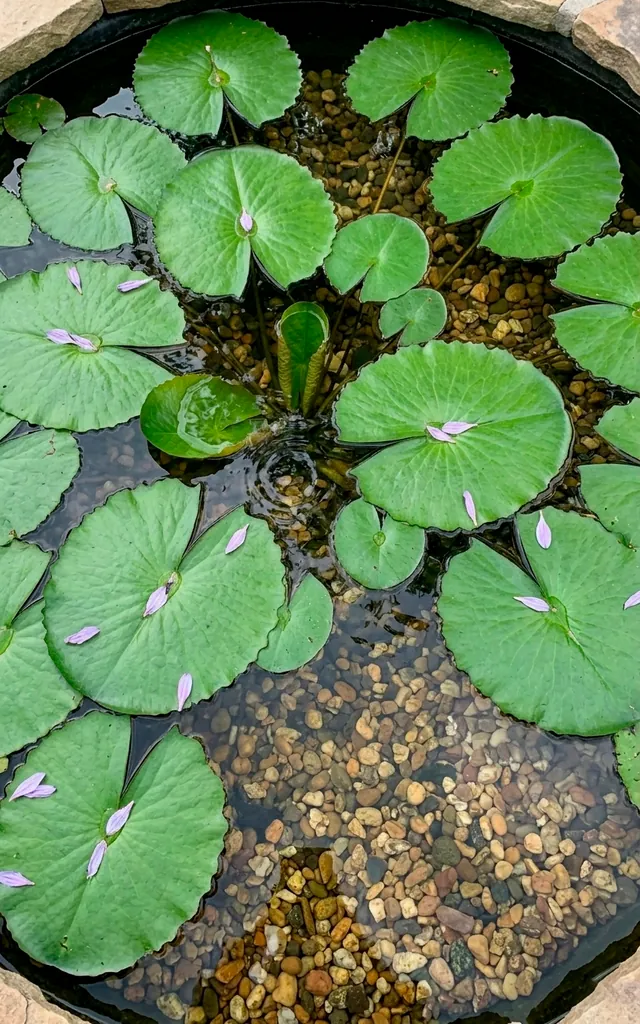
Designing the Perfect Slope for Duck Access
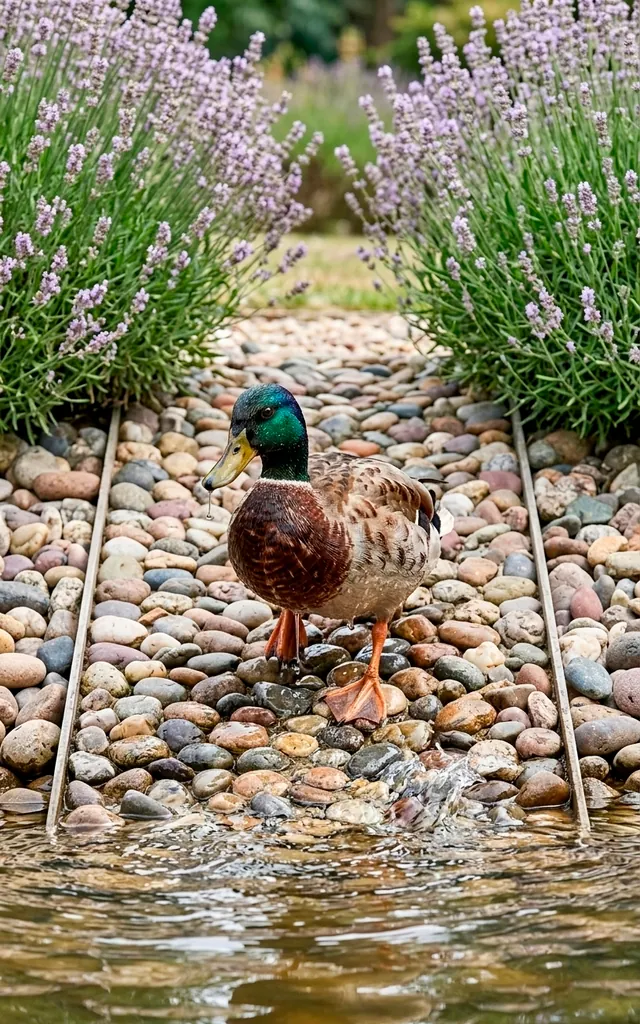
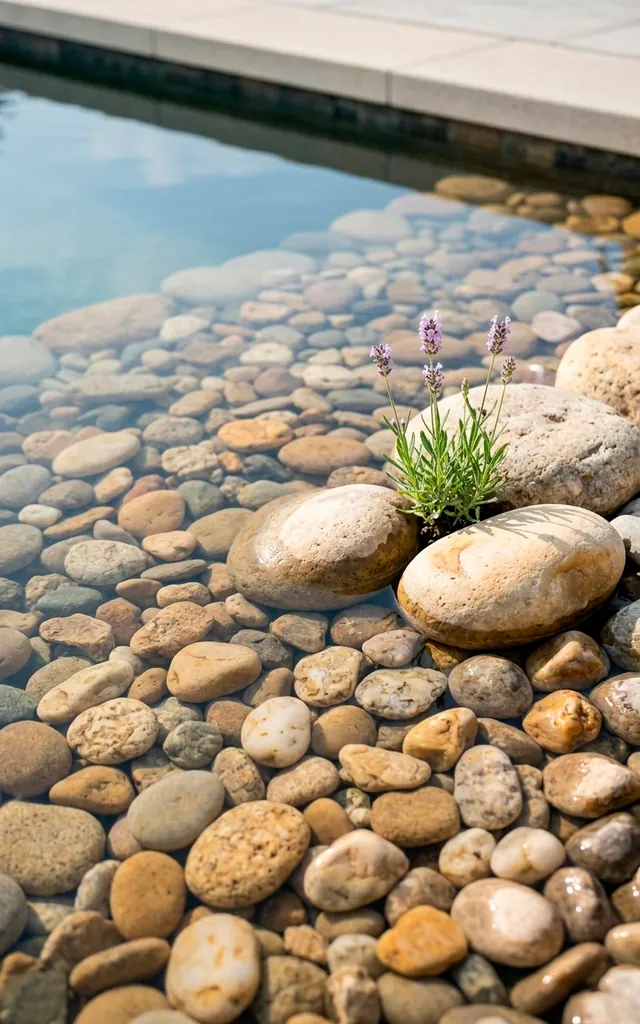
Steep edges are a death trap for ducklings and a struggle for older birds. I design gentle slopes using smooth river rocks to provide grip without hurting their webbed feet. Think of it as a VIP ramp for your feathered friends.
- Smooth pebbles prevent foot infections (bumblefoot).
- Shallow entries allow ducks to bathe safely.
- Textured liners provide extra traction under the water.
Do your ducks look like they’re climbing Mount Everest just to get out? If so, you need a ramp. I find that a 1:4 slope works best for most breeds.
Lavender Accents Beyond the Border
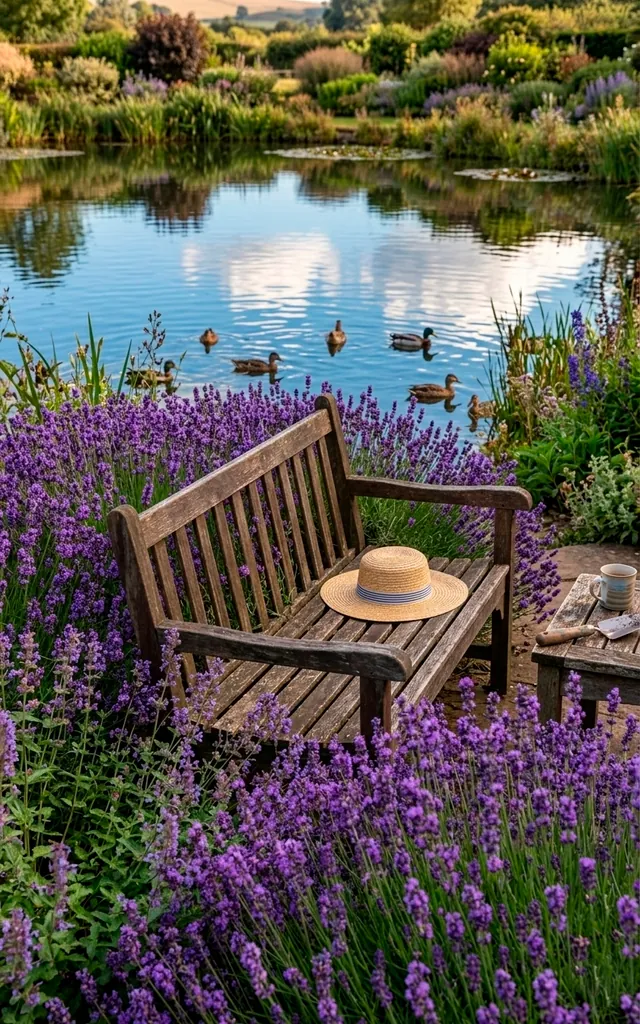
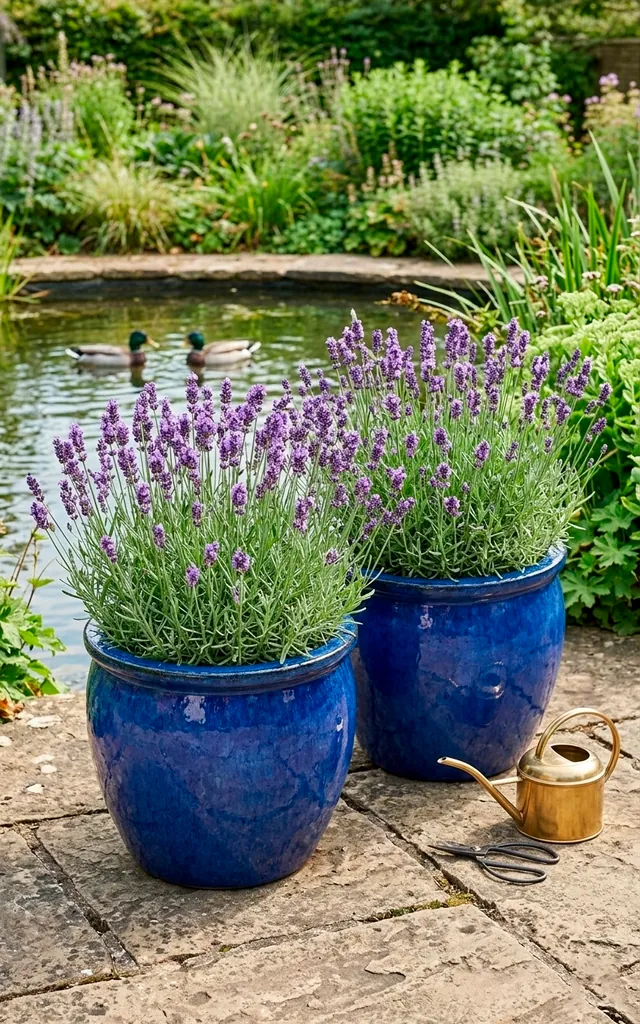
I don’t stop the purple at the water’s edge. I use lavender in pots and near benches to tie the whole garden together. It creates a cohesive look that makes the pond feel like part of a larger, intentional design.
- Cedar benches offer a place to sit and relax.
- Large planters allow you to move lavender to the sunniest spots.
- Scented paths release fragrance as you walk by.
Is there anything better than a sunset, a cold drink, and the smell of lavender? I doubt it. I place a few pots right next to my favorite seating area for maximum aroma. 🙂
Managing the Mess with Style
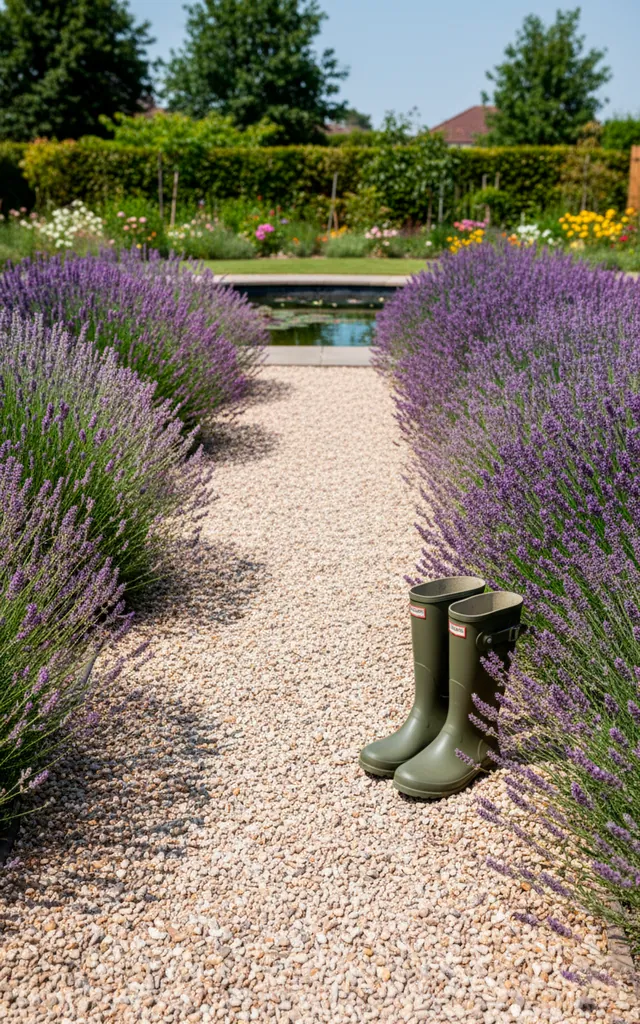
Let’s be honest: ducks are messy. I use gravel paths around the high-traffic areas to keep the mud under control. This keeps my shoes clean and the pond area looking sharp even after a rainy day.
- Pea gravel drains quickly and looks clean.
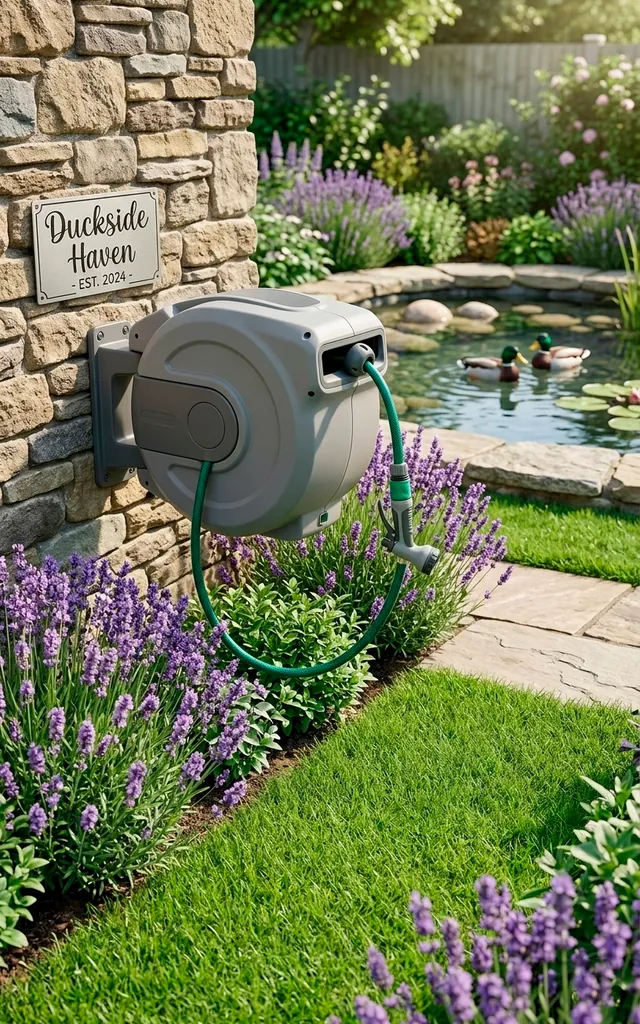
- Heavy-duty hoses make rinsing off rocks a breeze.
- Stiff brooms help clear away stray feathers and debris.
Ever tried walking through duck-muck in flip-flops? It’s a mistake you only make once. I keep a dedicated hose reel nearby to spray down the ‘splash zone’ every few days.
Conclusion
Building a duck pond with lavender accents isn’t just about the birds; it’s about creating a space where you actually want to hang out. By focusing on good drainage, smart plant choices, and easy access, you’ll save yourself a world of hurt. Now, go grab a shovel and start your transformation. Your ducks—and your Instagram feed—will thank you for it. Just try not to fall in the water like I did last summer!
Related posts
See AllStyling Macramé and Rattan for an Authentic Boho Balcony
Transform your boring balcony into an authentic bohemian oasis using the magic of macramé and rattan. Get practical styling tips, …
Read moreCapturing the Coastal Grandmother Essence: 10 Wedding Ideas
Ready to channel your inner Nancy Meyers for your big day? Discover 10 breezy, elegant Coastal Grandmother wedding ideas that …
Read more15 Matte Black and Cedar Porch Ideas for a Striking Modern Farmhouse Facade
Give your modern farmhouse facade a serious upgrade. Discover 15 striking matte black and warm cedar porch ideas to instantly …
Read more15 Sleek Concrete Mini Pond Ideas for an Industrial Chic Patio
Upgrade your patio with these edgy, modern concrete mini pond ideas. From fire-and-water bowls to brutalist troughs, discover how to …
Read more