












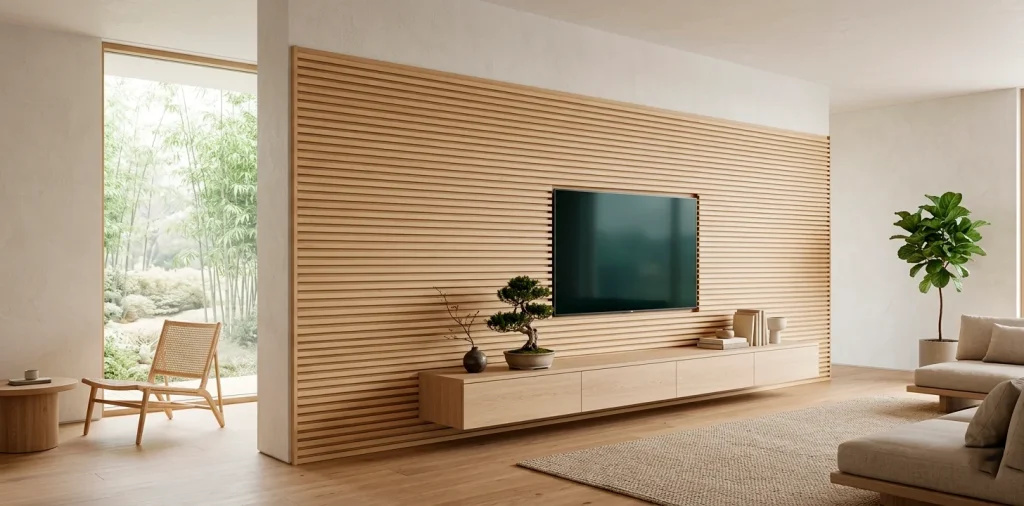

You want that insanely calming, minimalist vibe for your living room, right? Japandi style perfectly merges Japanese zen with Scandinavian warmth, but building a TV wall that looks good *and* respects the planet takes some thought. I recently overhauled my own media center, and finding eco-friendly materials that didn’t look like a science experiment was wild. Let’s explore the best sustainable options to create a space you actually want to stare at.
Why Japandi Craves Natural, Sustainable Vibes
Think about it. Japandi is all about intention, simplicity, and a deep connection to nature. Slapping toxic, mass-produced plastic laminates on your wall completely ruins that organic magic. You need materials that literally breathe life into the room.
Choosing eco-friendly options isn’t just a trend anymore; it is the ultimate way to respect the design philosophy itself. Plus, sustainable materials age beautifully, adding that highly coveted *wabi-sabi* character over time. If you want more inspiration on blending this aesthetic seamlessly across rooms, check out our ultimate guide to Japandi dining room design.
Bamboo: The Fast-Growing MVP
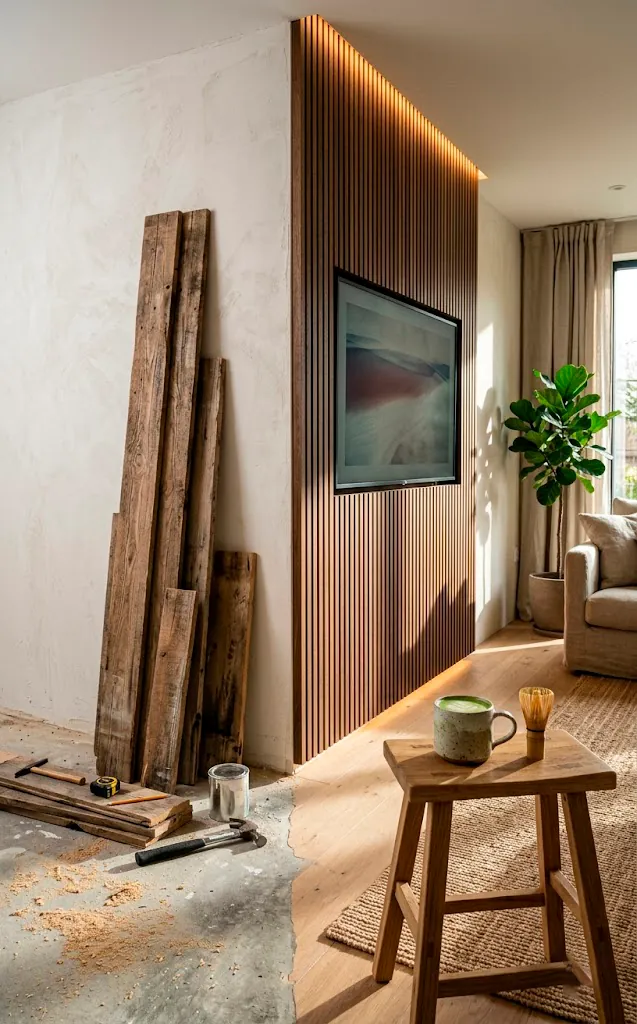
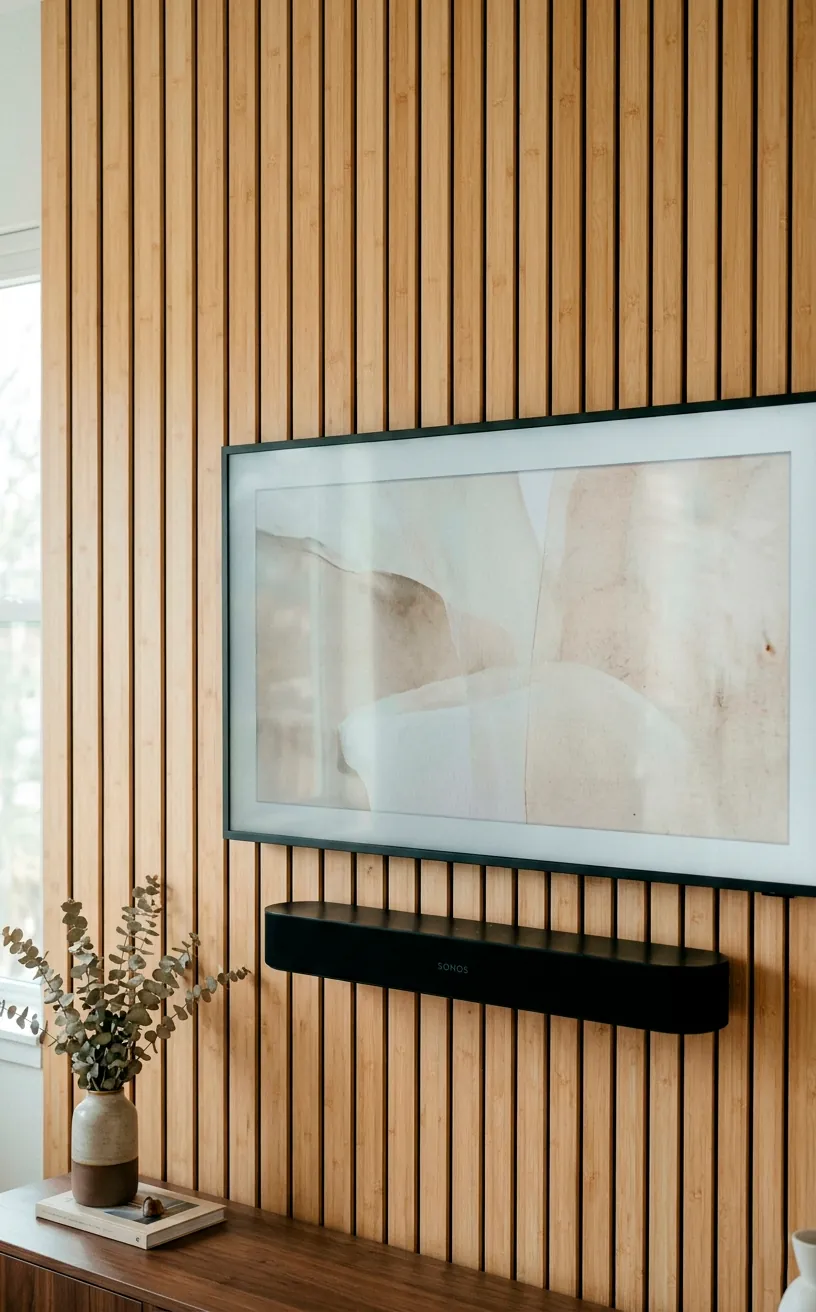
Bamboo totally steals the show when we talk about sustainability. It grows stupidly fast and releases more oxygen than most trees, making it a brilliant choice for your home. You can easily find bamboo in solid panels or trendy vertical slats that instantly give your TV wall that signature linear Scandinavian look. I absolutely love how light and airy it makes a room feel. It easily hides messy cables, too! 😉
Reclaimed Wood: Character With a Past
Do you prefer a slightly cozier, lived-in aesthetic?
Reclaimed wood brings unmatched history and warmth right into your living space. Using salvaged timber saves trees and keeps perfectly good materials out of the landfill.
The trick here is keeping it subtle so it doesn’t accidentally veer into a rustic farmhouse nightmare.
Look for muted, ash-toned reclaimed woods rather than heavily distressed barn doors. Sand those boards down to a smooth, matte finish. This ensures the wood retains its soul while maintaining the strict, clean lines that Japandi design demands.
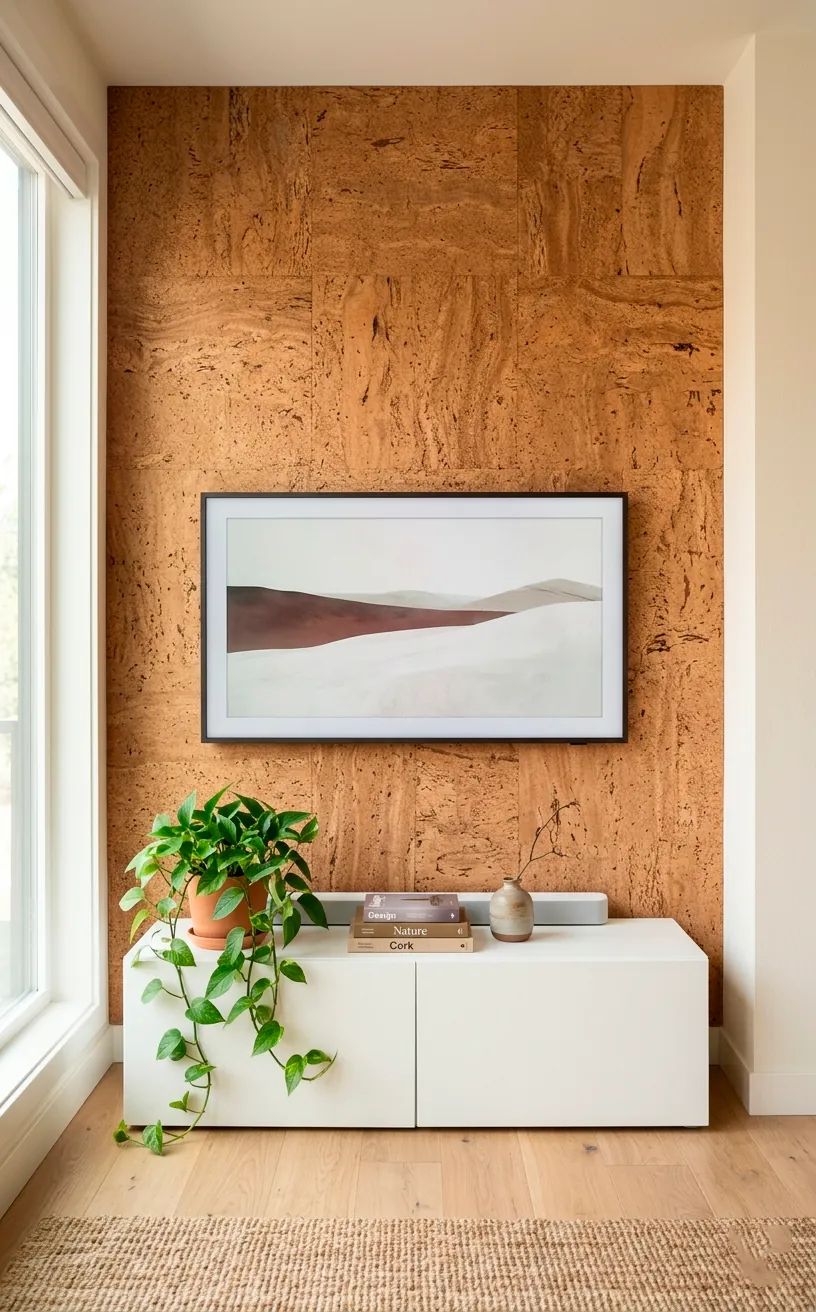
Cork Wall Tiles: Soften the Sound
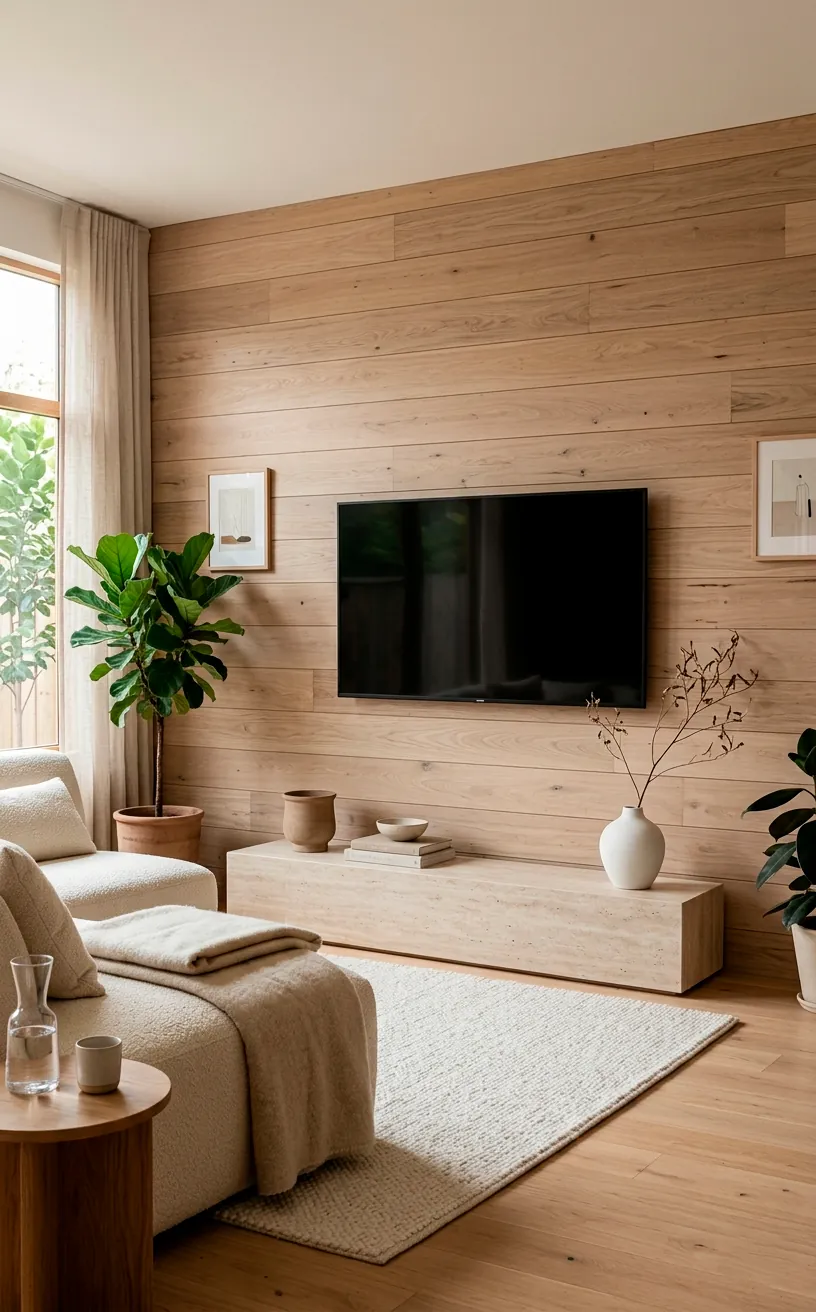
Cork completely flies under the radar, but it absolutely belongs on your design mood board. Manufacturers harvest cork from the bark of oak trees without harming the actual tree, making it incredibly renewable. It adds a stunning, soft texture that contrasts perfectly with sleek electronics. As a massive bonus, cork naturally absorbs sound. This drastically improves the acoustics of your movie nights without requiring ugly foam panels. IMO, it is the ultimate secret weapon for a cozy media room.
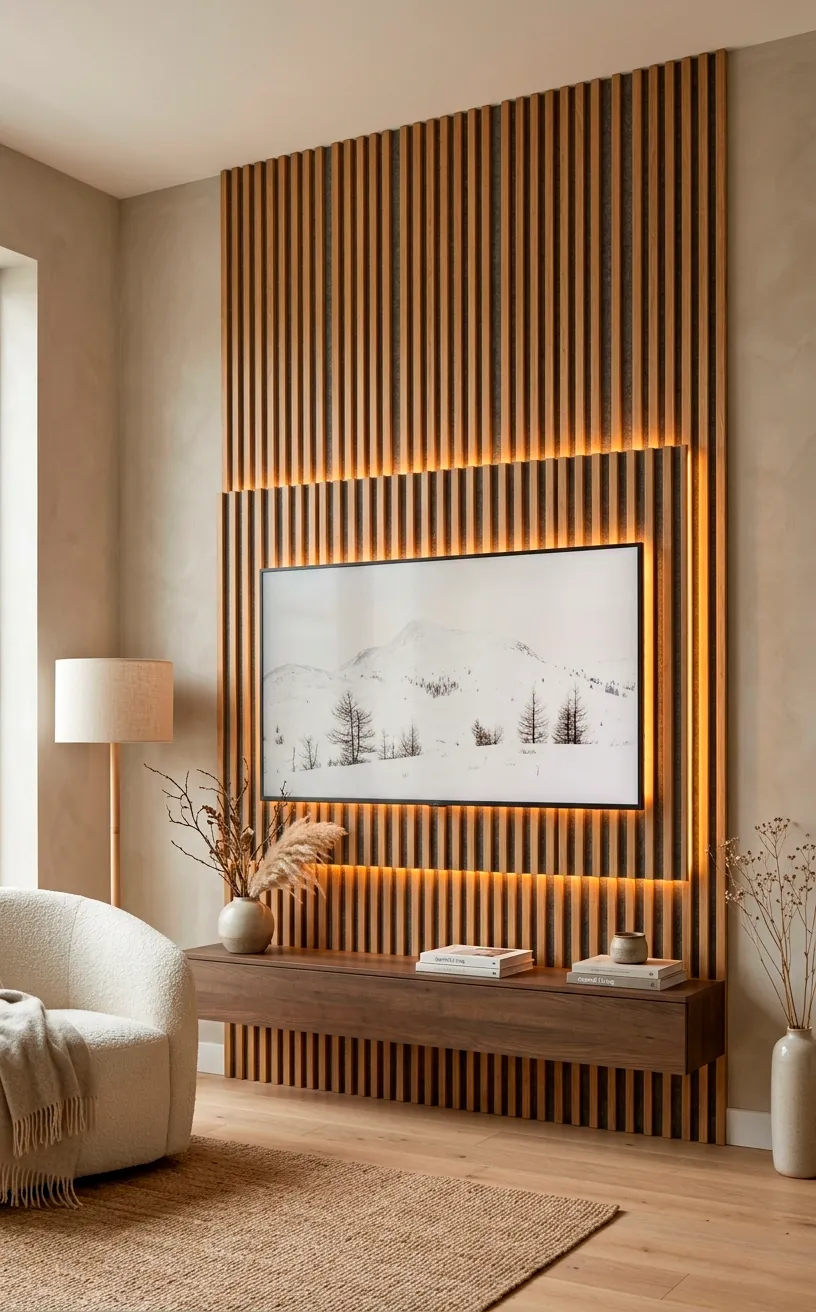
Recycled Wood Slats: That Classic Fluted Look
We cannot talk about Japandi without mentioning fluted walls.
Instead of buying virgin timber, you should definitely hunt down acoustic panels made from recycled materials. These panels look incredibly high-end and instantly upgrade any boring drywall. Here are the top features you should look for:
- Real wood veneer over recycled MDF
- High-density PET felt backing for sound absorption
- Zero-VOC adhesives
You get the classic ribbed texture, plus the felt dramatically reduces room echo. I installed these last year, and everyone constantly asks if I hired a custom carpenter!
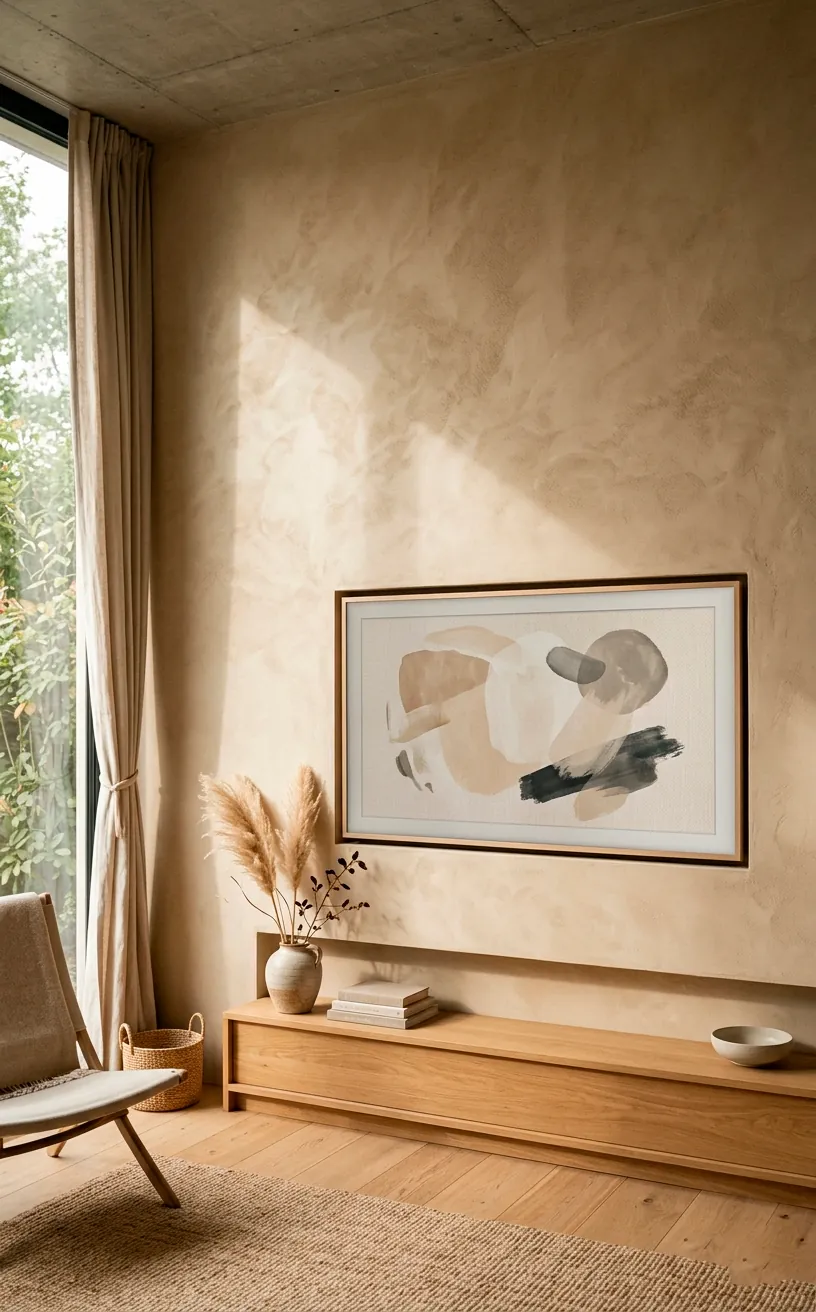
Hempcrete and Eco-Plaster: The Earthy Textures
Want to skip the wood altogether? Eco-plasters like Tadelakt or clay-based finishes offer an unbelievably smooth, stone-like appearance. These materials contain zero nasty VOCs and literally help regulate indoor humidity.
They create a seamless, monolithic backdrop that lets your television visually disappear when turned off. The subtle, cloudy texture of natural plaster captures daylight beautifully, turning a basic flat wall into a dynamic piece of art. If you want to elevate this look even further, check out our sophisticated guide to installing a backlit luxury TV wall.
Sustainable Finishes: What Goes On Top Matters
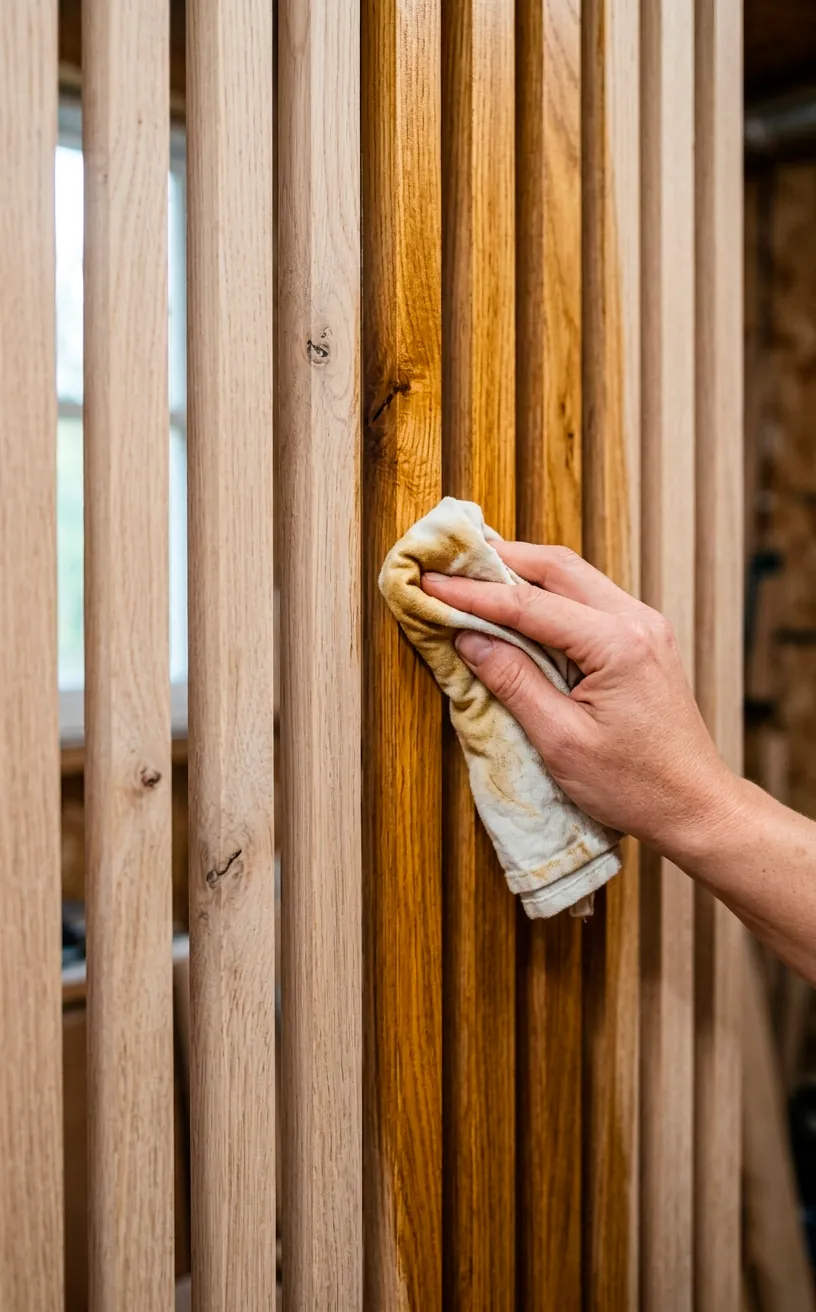
Choosing an eco-friendly base material completely loses its purpose if you immediately cover it in toxic polyurethane.
You absolutely must pay attention to the finishes.
Always opt for hardwax oils or water-based, zero-VOC sealers. Brands like Rubio Monocoat or Osmo use natural plant oils and waxes that protect the wood from within.
These natural finishes leave a gorgeous, matte sheen. They allow you to actually feel the grain of the wood, preserving that raw, tactile experience that defines true Japandi style. Plus, they smell earthy and pleasant instead of giving you a massive headache!
The Power of Integration
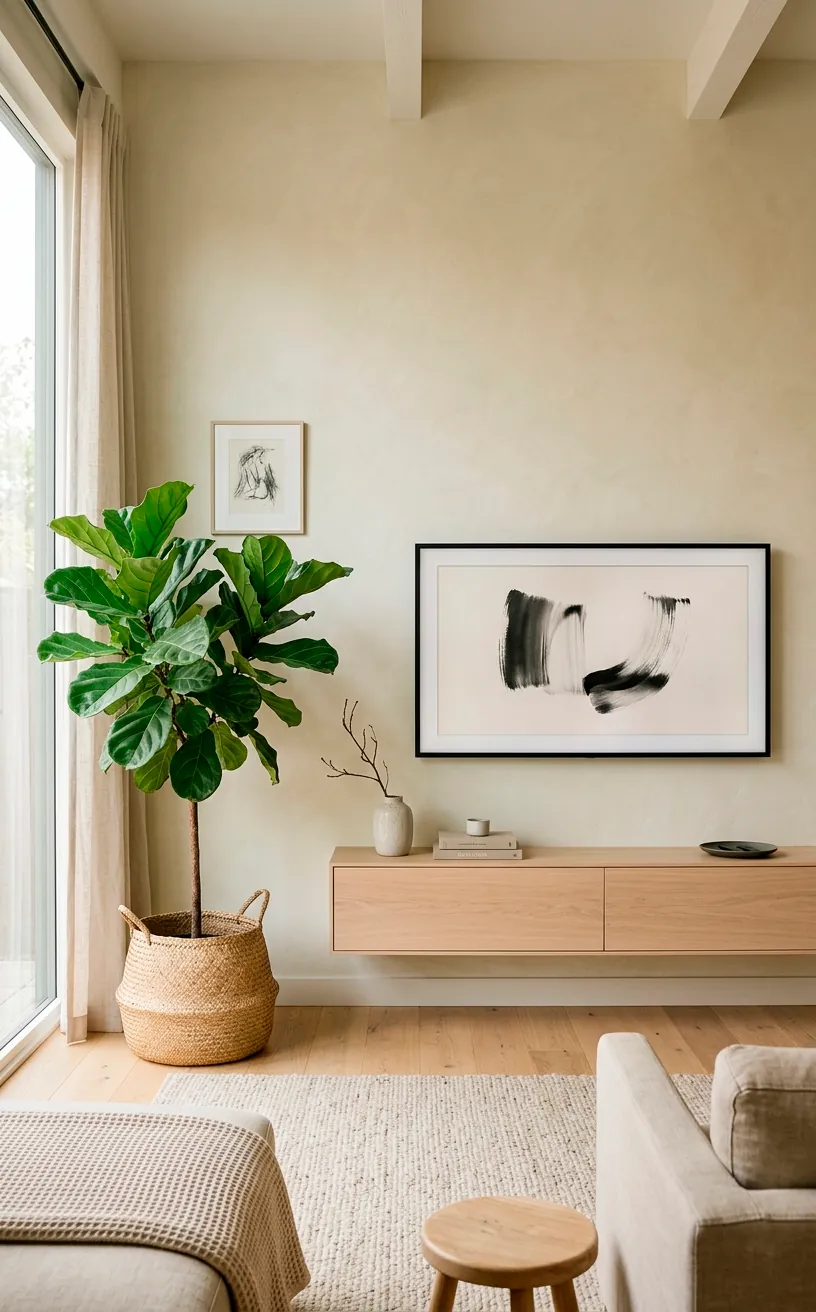
Great materials need a smart layout. Keep your design incredibly clean by hiding every single wire inside the wall. Let the sustainable textures do the heavy lifting aesthetically. You only need a simple, low-slung console table and a single piece of statement greenery to finish the entire look. Simplicity is the ultimate sophistication, especially when you know your beautiful space actively supports a healthier environment.
Biophilic Design Elements
What pairs perfectly with natural wood and eco-plaster? Literal nature.
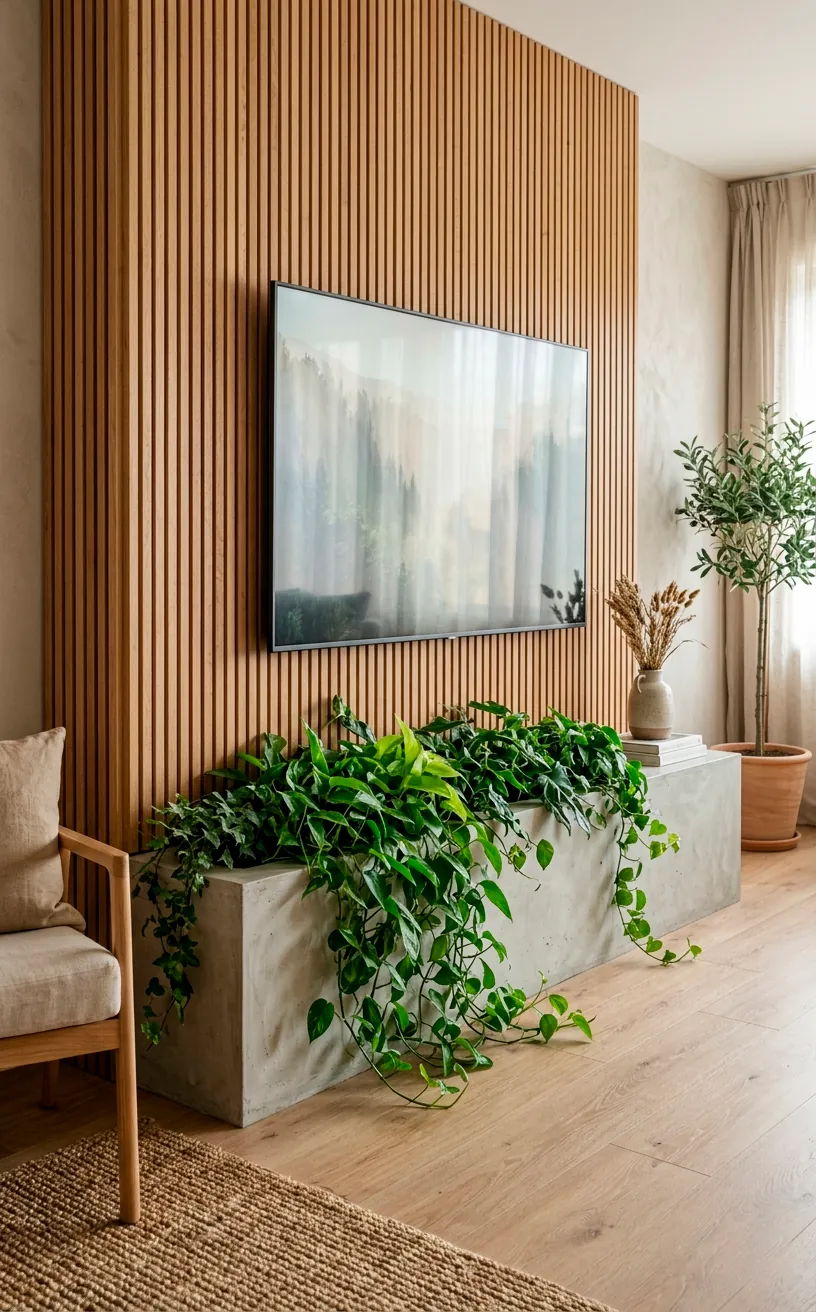
Biophilic design bridges the gap between your interior and the natural world, which is a massive pillar of the Japandi aesthetic. You can easily integrate built-in planter boxes at the base of your slatted wall.
Use sustainable, locally sourced stone or recycled concrete to craft these planters. This creates a striking visual break between the warm wood tones and the cool, grey floor. Trust me, watching live greenery drape over a smooth, eco-friendly concrete base feels incredibly rewarding.
Responsible Sourcing: Do Your Homework
Finding cool materials only solves half the puzzle. You must verify where these products actually come from. FYI, greenwashing completely plagues the home improvement industry right now.
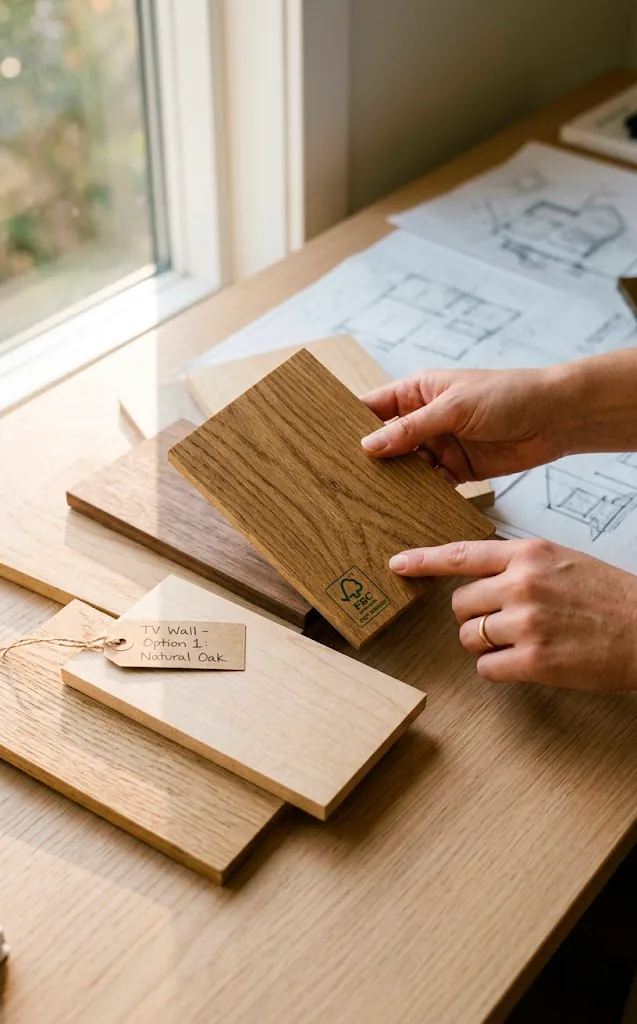
Always look for FSC (Forest Stewardship Council) certifications on any wood products you buy. This little logo guarantees that the timber comes from responsibly managed forests. Ask your suppliers direct questions about their supply chain. It takes five extra minutes, but it ensures your gorgeous new TV wall doesn’t secretly contribute to deforestation.
Conclusion
Building a sustainable Japandi TV wall completely transforms your living room from a basic media zone into a grounding, intentional retreat. By embracing fast-growing bamboo, soulful reclaimed woods, or earthy clay plasters, you create a stunning focal point that respects the earth. You get the minimalist aesthetic you crave, without compromising your environmental values. Which of these materials speaks to your home’s vibe the most? Let me know in the comments!
Related posts
See All15 Vintage Circus Inspired Details for Playful Kids Bedroom Decor
Bring the magic of the big top home! Discover 15 playful, vintage circus-inspired decor details that will transform your kid's …
Read moreThe Complete Guide to Styling a Dining Room Credenza for Everyday Elegance
Give your dining room credenza the ultimate glow-up. Discover easy, elegant styling tips that balance everyday function with show-stopping design.
Read more15 Dried Citrus and Cinnamon Garlands for a Naturally Cozy Kitchen
Forget mass-produced decorations. Transform your kitchen into a naturally cozy, aromatic sanctuary with these 15 beautiful dried citrus and cinnamon …
Read moreThe Dog-Friendly Camper: Designing a Van Interior for Your Pets
Transform your camper van into the ultimate dog-friendly adventure mobile! Discover clever interior design hacks, durable materials, and cozy setups …
Read more