












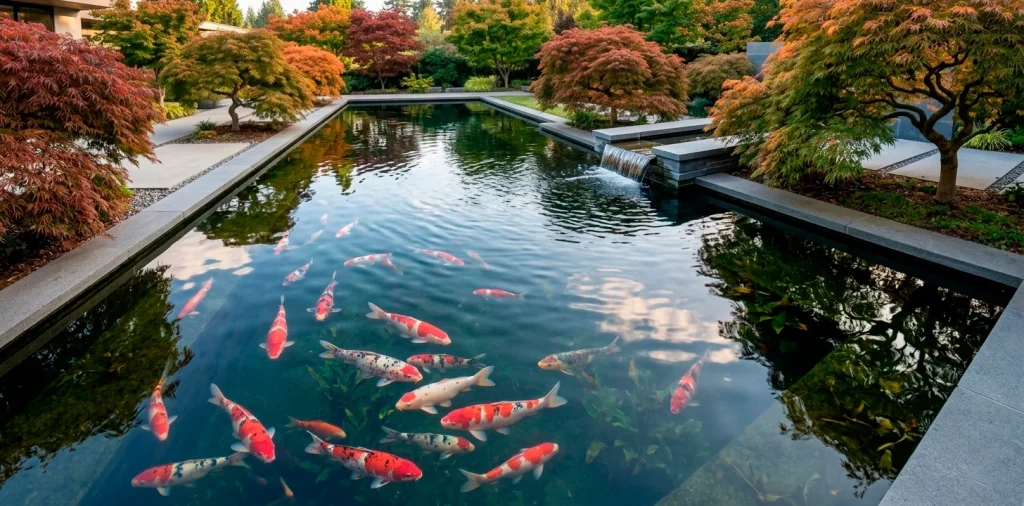

Forget those shallow garden puddles you see at the local nursery. If you want a pond that looks like a liquid jewel and keeps your ‘water puppies’ thriving, you need to think deep. Designing a high-end koi pond is part engineering and part art. I’ve spent years getting my hands wet to figure out what actually works. Ready to build something legendary?
Go Deep or Go Home
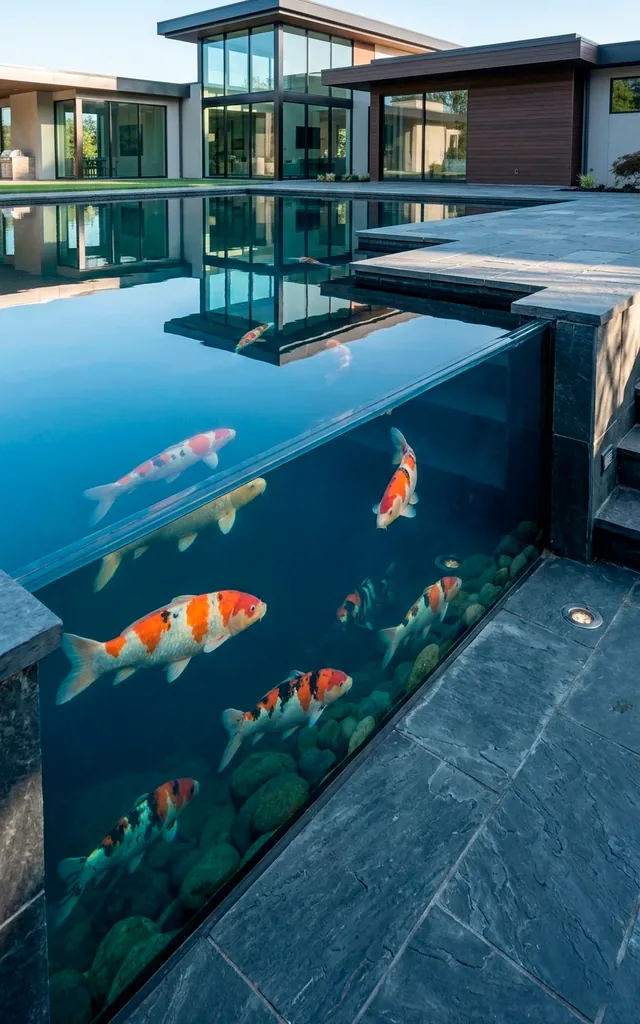
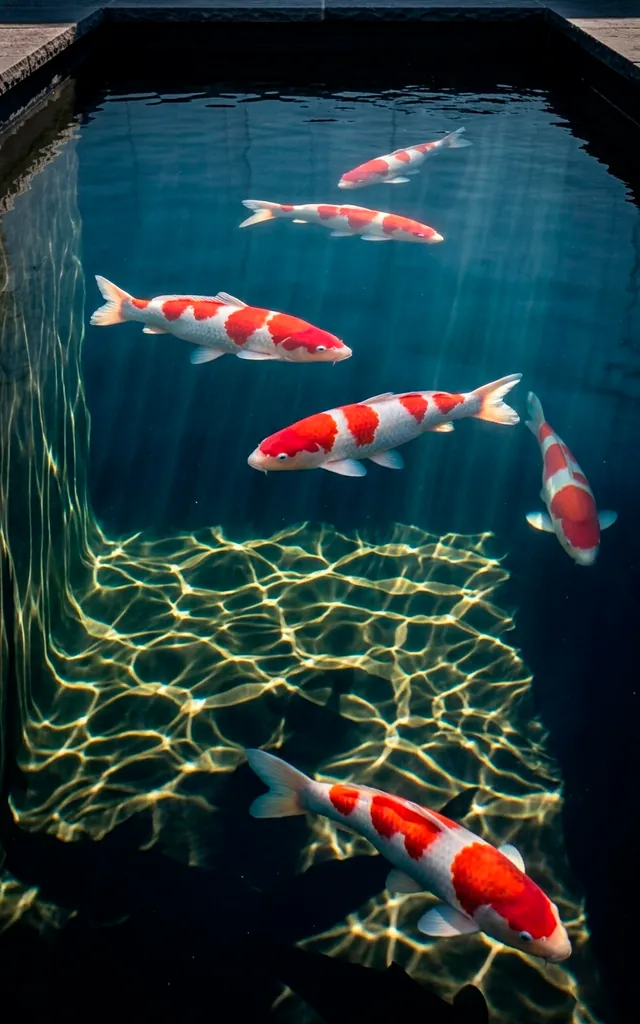
You wouldn’t live in a walk-in closet, so don’t force your koi into a puddle. A professional pond requires a minimum depth of four to six feet. This depth creates a vital thermal buffer, protecting your fish from the blistering summer sun and the icy bite of winter. Deep water also builds muscle; koi need vertical room to swim and grow into those massive monsters we love. Ever seen a heron snag a fish from a deep pond? Me neither. Depth provides a natural sanctuary from predators. Build it deep, or prepare for a very expensive bird feeder.
The Magic of Bottom Drains
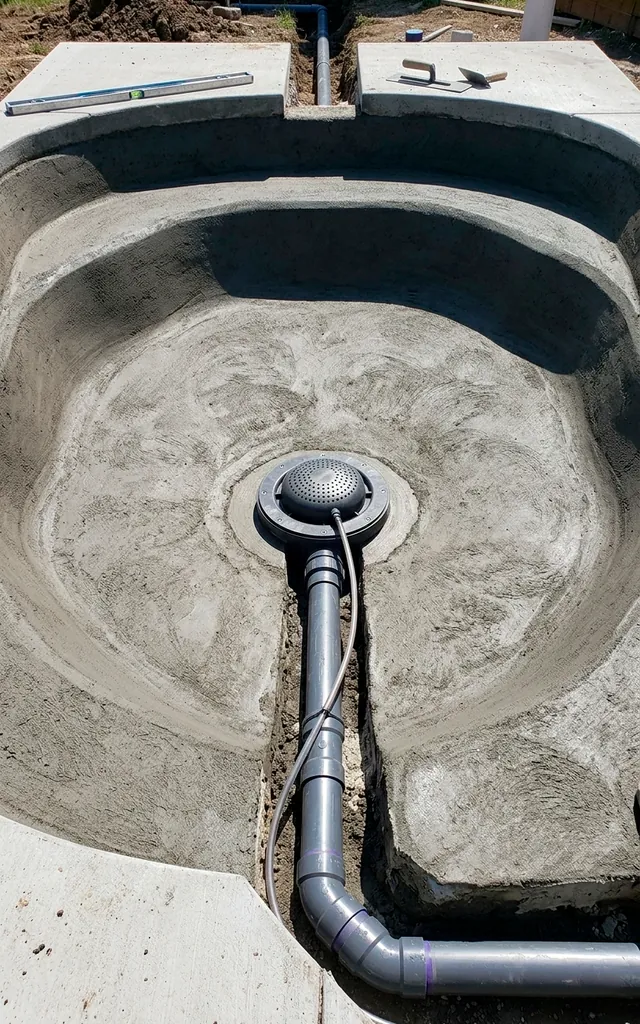
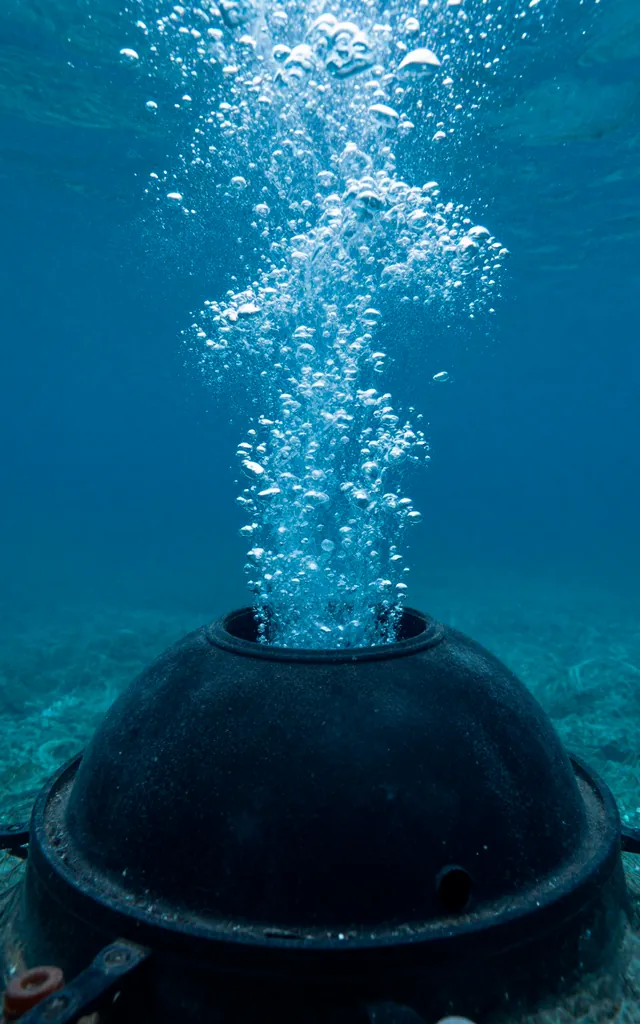
Stop using submersible pumps that just pureé fish waste and send it back to your filter. A gravity-fed bottom drain acts like a toilet for your pond. It sits at the lowest point and pulls heavy solids out before they can rot and ruin your water chemistry. You should always opt for an aerated bottom drain. The rising air bubbles create a current that pushes debris toward the drain, keeping the floor spotless. Why spend your weekends vacuuming muck when physics can do the heavy lifting? It is the single most important component for a maintenance-free life. 🙂
Mechanical Filtration: The Trash Collector
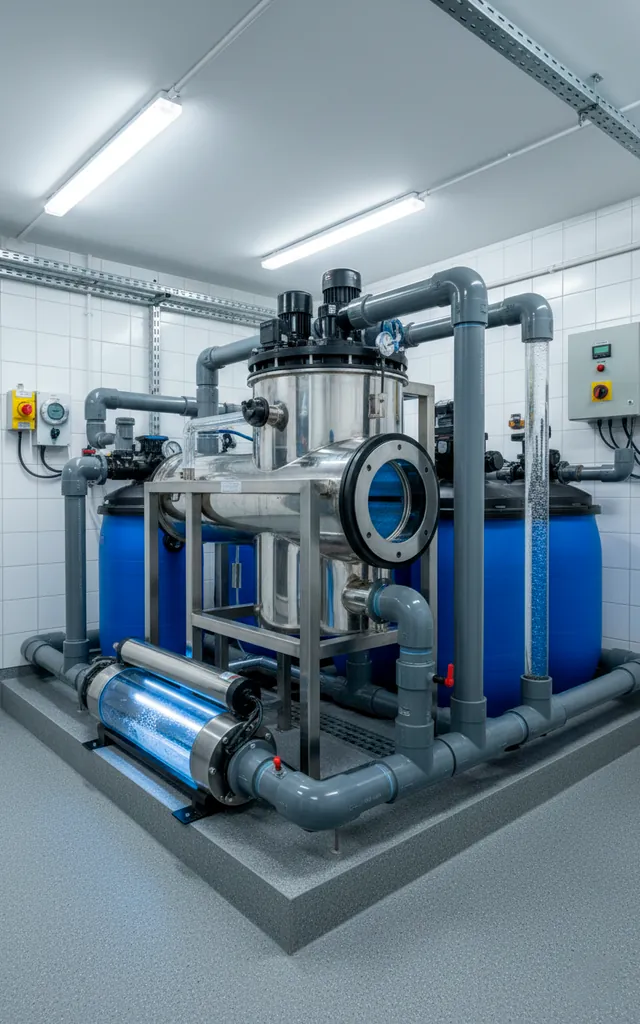
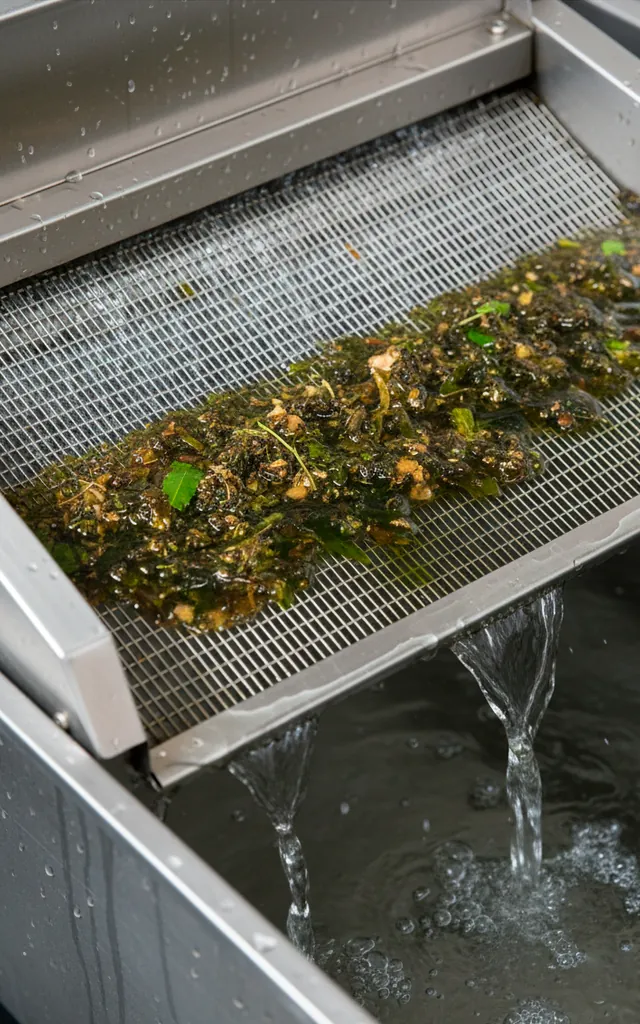
Nobody enjoys cleaning filter pads every three days. A Rotary Drum Filter (RDF) or a sieve filter changes the game by removing solids before they reach your biological stage. These machines literally flick the waste out of the system automatically. Ever wondered why some ponds look like pea soup? They lack efficient mechanical separation. IMO, an RDF is the ultimate flex for any serious keeper. It keeps your water polished to a high-gloss finish and saves your back from manual labor. Don’t cheap out here; your fish (and your schedule) will thank you.
Biological Filtration: The Nitrogen Party
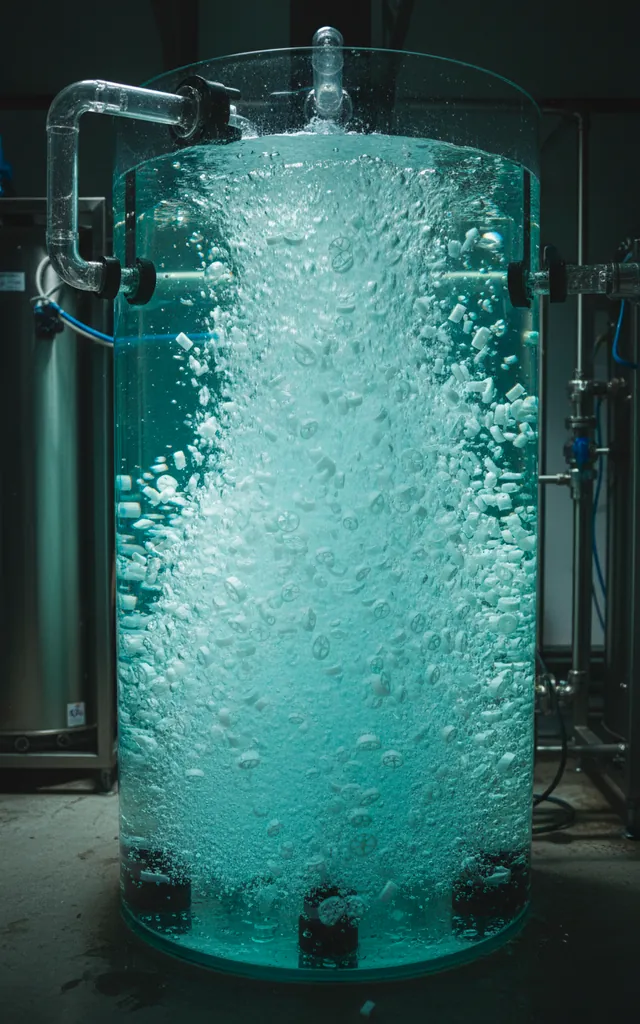
Your pond is a living chemistry set. You need a Moving Bed Bio Reactor (MBBR) filled with K1 media to house the beneficial bacteria that eat toxic ammonia. These bacteria turn fish waste into harmless nitrates, keeping your water safe. The constant movement of the media self-cleans the bed, so it never clogs. Why settle for old-school static filters that harbor nasty anaerobic pockets? A bubbling bio-filter looks cool and works harder than any other part of the system. Just ensure you provide enough oxygen to keep those hungry bacteria happy and healthy.
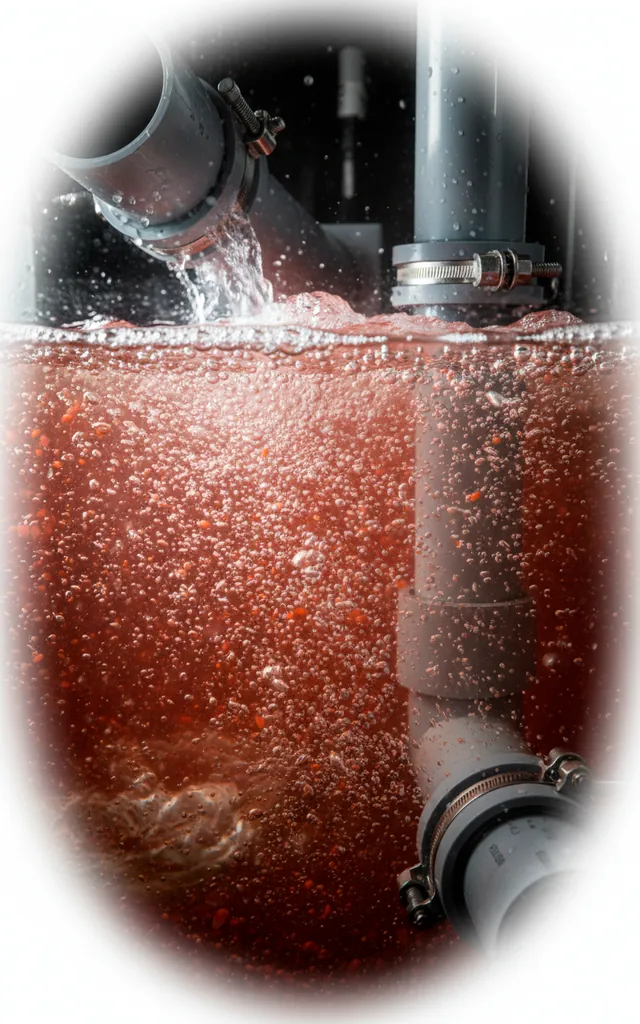
UV Clarifiers: The Sun in a Tube
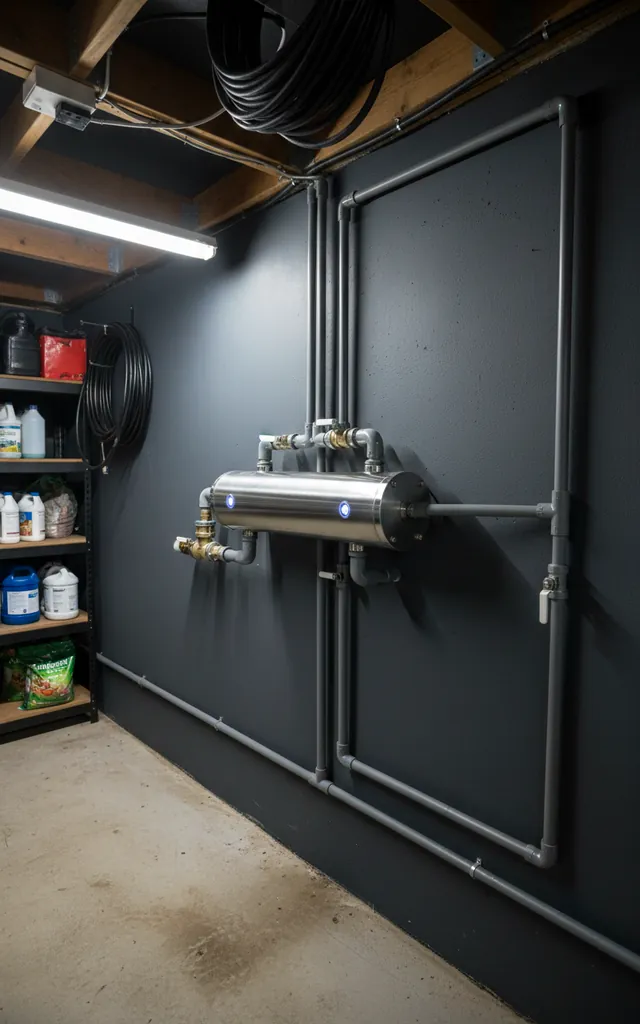
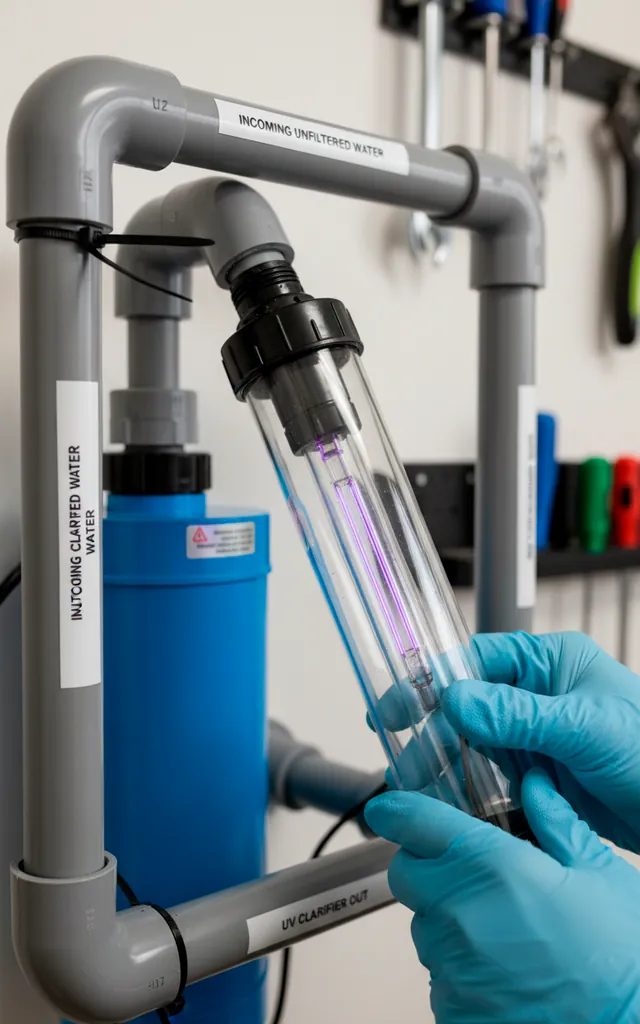
Do you like the look of a swamp? If not, buy a high-output UV Clarifier. These units use ultraviolet light to zap the DNA of single-celled algae, preventing that dreaded green water. A pro-level pond usually runs a stainless steel UV housing to maximize reflection and kill rates. I recommend at least 50 watts of UV power for every 2,000 gallons of water. It also helps control harmful pathogens, giving your koi an extra layer of health protection. It’s the closest thing to magic in the pond world. Just remember to change the bulb every spring! :/
Aeration: Breathing Room
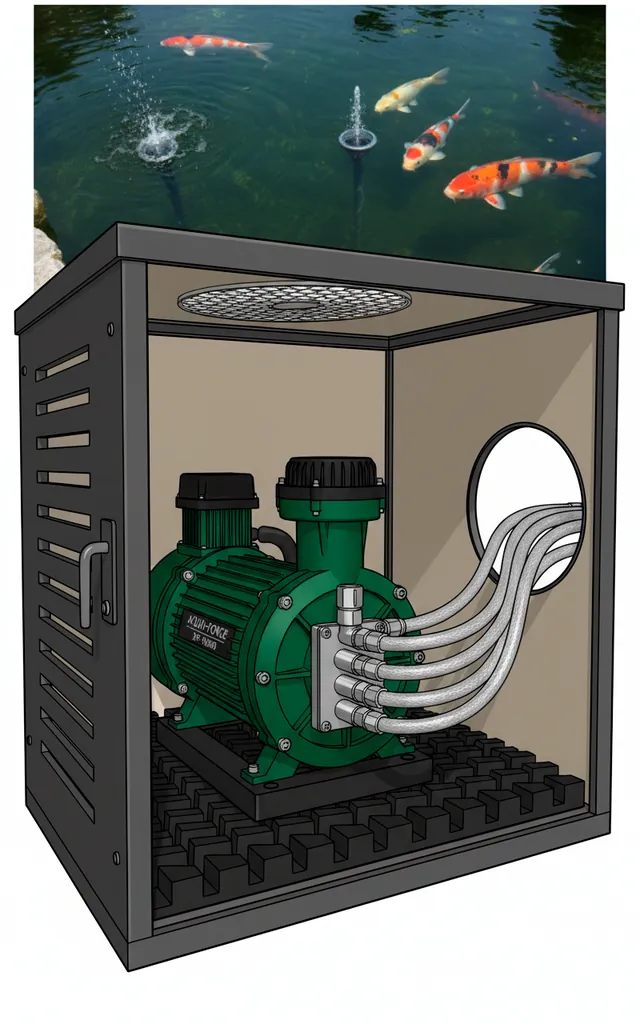
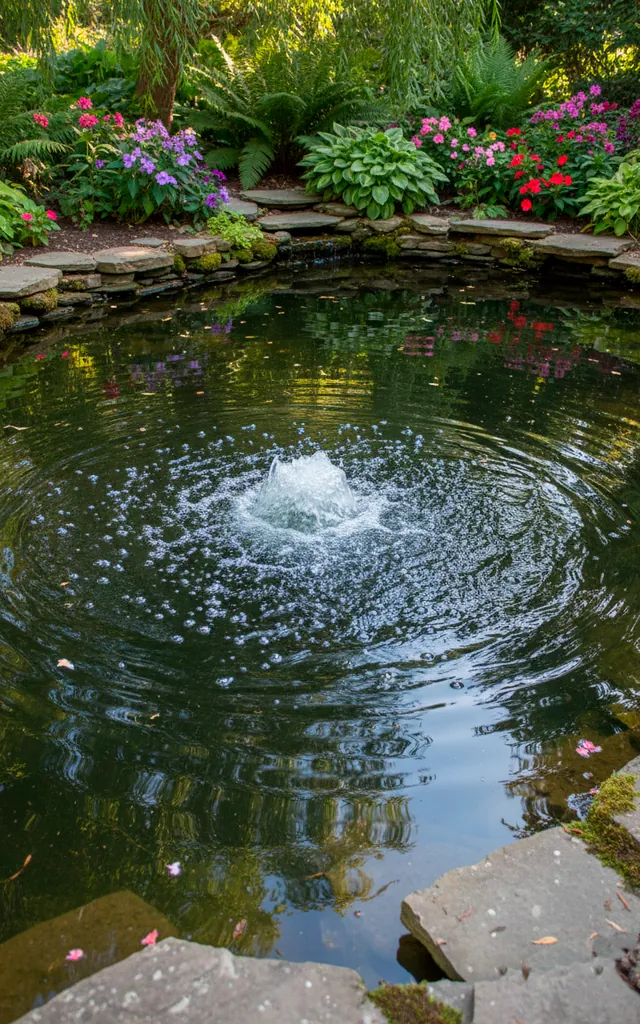
Oxygen is the fuel for your pond. Without it, your koi suffocate and your filters die. You must install a dedicated air pump feeding a bottom diffuser. This provides gas exchange at the surface and keeps the water circulating from top to bottom. High oxygen levels also lead to more active, hungrier koi with better color. Have you ever seen fish gasping at the surface on a hot day? That’s a cry for help. A professional setup ensures oxygen levels stay near saturation even during the hottest July heatwaves. Never underestimate the power of a good bubble.
Skimmers: Keeping the Surface Sexy
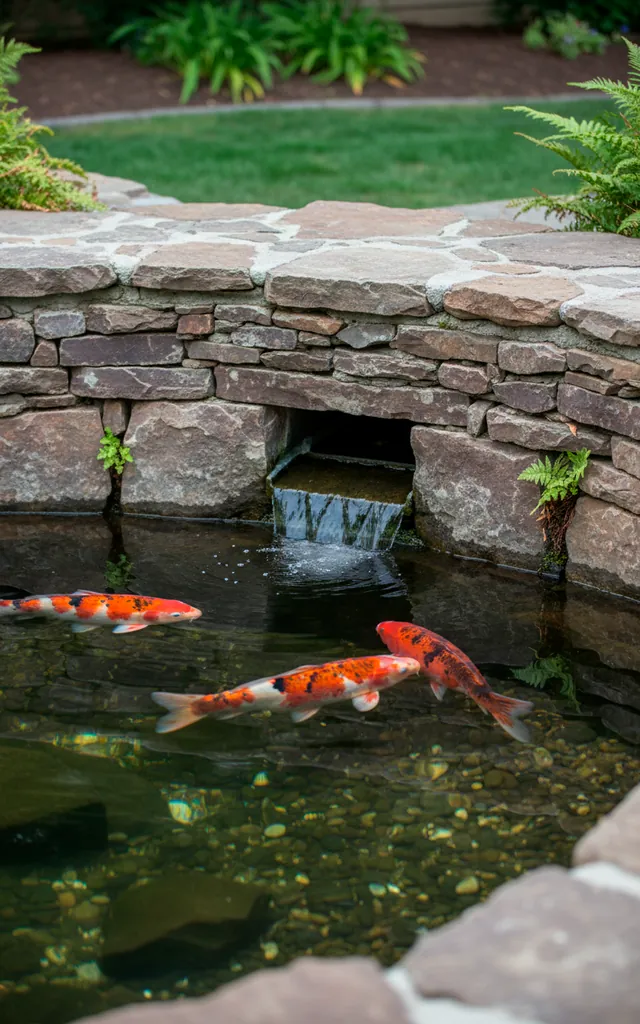
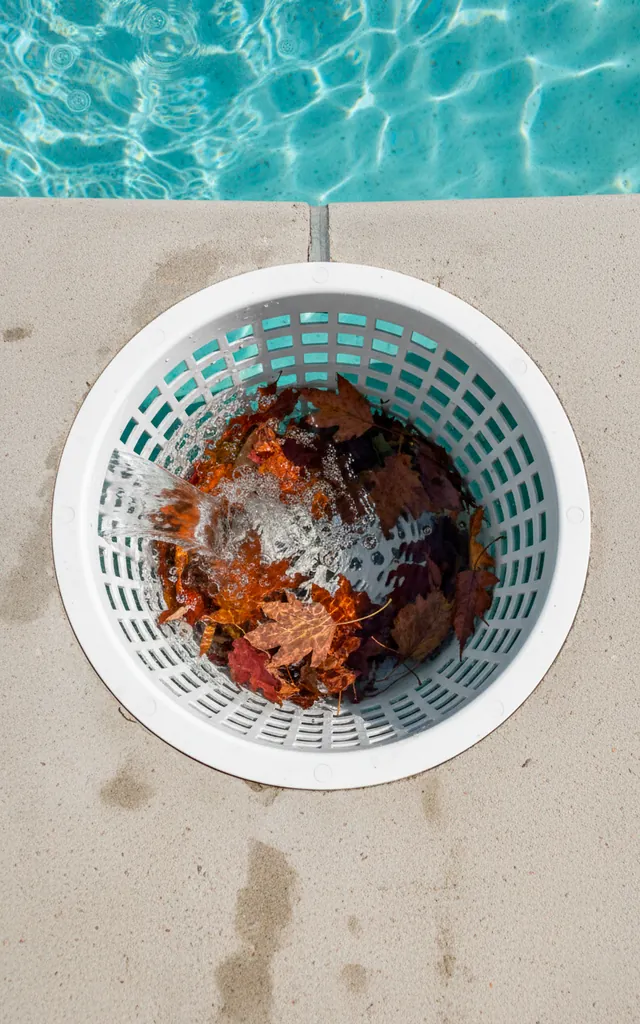
Leaves and dust belong in a compost pile, not floating on your pond. A professional-grade skimmer pulls debris off the surface before it sinks and turns into sludge. Look for a unit with a large basket and a wide weir door to handle wind-blown debris. I prefer a ‘no-niche’ or a wall-mounted skimmer that hides the plumbing behind the pond wall. This keeps the aesthetic clean and the water looking like glass. If you hate netting leaves by hand every afternoon, a high-flow skimmer is your new best friend. It’s the final touch for a truly polished pond.
The Bottom Line
Building a deep filtered koi pond isn’t just about digging a hole; it’s about creating a life-support system for living art. If you follow these professional steps—depth, bottom drains, and mechanical filtration—you’ll spend more time enjoying your fish and less time scrubbing algae. Ready to start digging? Your future koi are already waiting for their new home. Just remember: do it right once, and you’ll never have to do it again. Cheers to your new obsession! 🙂
Related posts
See AllStyling Macramé and Rattan for an Authentic Boho Balcony
Transform your boring balcony into an authentic bohemian oasis using the magic of macramé and rattan. Get practical styling tips, …
Read moreCapturing the Coastal Grandmother Essence: 10 Wedding Ideas
Ready to channel your inner Nancy Meyers for your big day? Discover 10 breezy, elegant Coastal Grandmother wedding ideas that …
Read more15 Matte Black and Cedar Porch Ideas for a Striking Modern Farmhouse Facade
Give your modern farmhouse facade a serious upgrade. Discover 15 striking matte black and warm cedar porch ideas to instantly …
Read more15 Sleek Concrete Mini Pond Ideas for an Industrial Chic Patio
Upgrade your patio with these edgy, modern concrete mini pond ideas. From fire-and-water bowls to brutalist troughs, discover how to …
Read more