












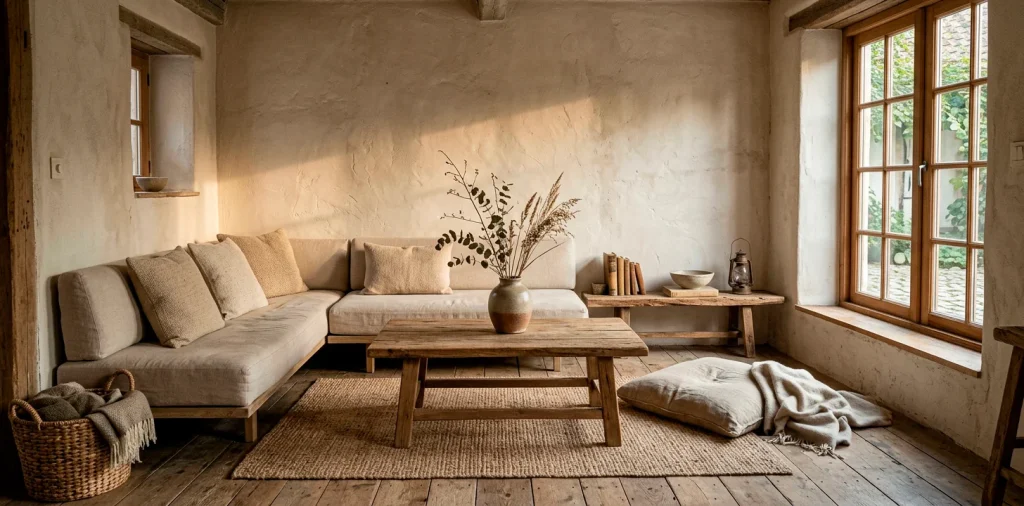

Tired of trying to make your tiny apartment look like a sterile museum? Enter wabi-sabi. This ancient Japanese philosophy focuses heavily on embracing imperfection, and honestly, it’s a total lifesaver for small spaces where hiding every flaw feels literally impossible. Let’s explore how you can turn those quirky little dings into a seriously stunning aesthetic.
What Exactly is Wabi-Sabi Anyway?
Wabi-sabi isn’t just some trendy design buzzword you toss around at dinner parties to sound sophisticated. It actually celebrates the beautiful, fleeting, and flawed nature of real life. Think less shiny new showroom, and more beautifully aged pottery with a visible chip. We appreciate the wear and tear of daily living.
In a cramped studio, this mindset completely flips the script. Instead of stressing over that scratched wooden floor, you highlight it. We let go of rigid perfection and invite authentic warmth in. You immediately feel the relief when you stop aiming for a catalog-perfect apartment.

The Magic of Decluttering with Purpose
Don’t confuse wabi-sabi with living in a messy junk drawer. You still need to clear the chaos, especially in a small room where a single pile of mail feels like a massive mountain. But instead of tossing everything into minimalist plastic bins, keep items that hold genuine meaning or utility. Display a few cherished items organically, and let your space breathe without suffocating it in heavy decor. True intention makes a tiny room feel surprisingly expansive. If you need inspiration for stashing the rest of your life, check out these clever small space furniture solutions.

Embracing Earthy, Grounding Color Palettes
Let’s talk colors, because neon pink just doesn’t scream zen vibes. We need a calmer approach for tight quarters.
You want shades that closely mimic nature. Think muted greens, soft terracottas, warm beiges, and deep, stormy charcoals.
These earthy tones actively blur the boundaries of a small room. They make the walls recede, giving you the grand illusion of a much larger, cozier sanctuary rather than a tiny box.
Earthy color palette ideas:
- Muted, dusty sage green
- Soft, sun-baked terracotta
- Warm, plaster-like beige
Plus, they perfectly complement raw materials. Ever noticed how a creamy wall makes an old stool look incredible?

Texture Over Everything
A flat, glossy wall has zero soul, and in a tiny apartment, it just feels cold. Wabi-sabi thrives on texture, which adds crucial depth to tight square footage without taking up actual physical space. Incorporate raw elements like a nubby linen throw, heavily textured limewash paint, or a rough-hewn wooden bowl. These tactile details catch the shifting light beautifully and give your eyes something fascinating to explore all day long. IMO, adding intense texture remains the absolute cheapest trick for achieving a ridiculously expensive look.

Choosing Furniture with History
Brand new furniture often lacks real character. Why buy a flimsy, mass-produced side table when you can hunt down a vintage wooden stool with an actual backstory?
A small space demands multi-functional pieces, but they don’t have to look sterile or boring. Look for reclaimed wood or hand-crafted joinery that wears its history proudly and serves multiple purposes.
Those little nicks and watermarks aren’t damage; they represent proof of life. They tell a unique story. For some seriously beautiful and functional ideas, explore these aesthetic storage coffee tables.

The Art of Kintsugi in Decor
Have you ever broken a favorite mug and felt completely devastated? Kintsugi is the famous Japanese art of repairing broken pottery with gold, and it translates perfectly to small-space decor.
You don’t literally need to glue your plates with real gold, but definitely adopt the broader concept. Highlight your home’s repairs instead of hiding them. Did your dog chew the leg of your chair? Sand it down and stain the raw wood for a striking visual contrast. It proves your home supports real life, rather than just existing as a sterile museum exhibit.

Bringing Nature Indoors
Wabi-sabi deeply respects the natural world and our ongoing connection to it. A cheap plastic fern just won’t cut it here, folks. Bring in real, asymmetrical branches, dried wildflowers, or a slightly wonky pothos plant trailing down a bookshelf. These organic shapes soften the harsh angles of a small room and bring an instant wave of tranquility to your daily routine. FYI, foraging for an interesting branch in your local neighborhood costs absolutely nothing and adds a brilliant personal touch to your design! 🍃

Mastering the Asymmetrical Layout
Forget everything you learned about achieving perfect symmetry. Matching nightstands and perfectly centered artwork feel incredibly rigid, especially when you barely have room to walk around.
Wabi-sabi embraces the delightfully off-kilter. Try hanging a single pendant light off to one side of your bed, or placing an oversized floor mirror casually leaning against an empty corner.
This relaxed approach completely stops the room from feeling like a tightly staged catalog shot. It guides the eye naturally and makes small spaces feel so much more dynamic and livable.

Lighting That Sets the Mood
Harsh overhead lighting acts as the ultimate enemy of true coziness. It washes out beautiful textures and aggressively exposes every single speck of dust in your tiny home.
Instead, focus entirely on soft, diffused, and low-level lighting to create an intimate atmosphere.
Lighting elements to consider:
- Oversized, delicate paper lanterns
- Hand-thrown ceramic table lamps
- Natural beeswax taper candles
Play with shadows intentionally. Let the soft light gently graze your textured walls, emphasizing the beautifully imperfect surfaces you’ve worked so hard to curate over time.

Let Your Space Evolve
Your home doesn’t exist as a static photograph; it thrives as a living, breathing environment. Wabi-sabi teaches us to deeply appreciate the natural aging process of our beloved surroundings.
Allow your soft linen sheets to wrinkle gracefully and your brass cabinet handles to develop a dark, moody patina over the years. Stop fighting the natural progression of time. When you fully accept that your space constantly changes, you finally experience true peace in your beautiful little haven. ✨

Conclusion
Adopting wabi-sabi in a compact home isn’t just a simple design choice; it’s a total mindset shift. You stop fighting for an impossible standard and finally start relaxing in the home you actually have. Embrace those beautiful flaws and let your space tell its own unique, evolving story. Which quirky, imperfect element are you highlighting first? Let me know in the comments!
Related posts
See All15 Vintage Circus Inspired Details for Playful Kids Bedroom Decor
Bring the magic of the big top home! Discover 15 playful, vintage circus-inspired decor details that will transform your kid's …
Read moreThe Complete Guide to Styling a Dining Room Credenza for Everyday Elegance
Give your dining room credenza the ultimate glow-up. Discover easy, elegant styling tips that balance everyday function with show-stopping design.
Read more15 Dried Citrus and Cinnamon Garlands for a Naturally Cozy Kitchen
Forget mass-produced decorations. Transform your kitchen into a naturally cozy, aromatic sanctuary with these 15 beautiful dried citrus and cinnamon …
Read moreThe Dog-Friendly Camper: Designing a Van Interior for Your Pets
Transform your camper van into the ultimate dog-friendly adventure mobile! Discover clever interior design hacks, durable materials, and cozy setups …
Read more