












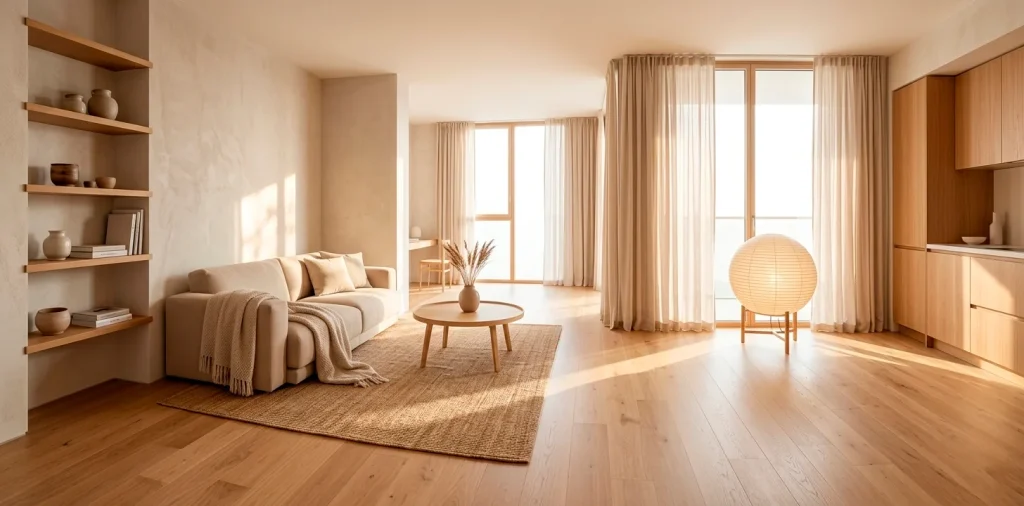

I once tried to fit a full-sized sectional into my first studio, and let’s just say my apartment looked like a game of Tetris gone wrong. If you’re tired of tripping over your own furniture, Japandi is your new best friend. It mixes Japanese Zen with Scandi hygge to create a space that actually breathes. Ready to stop living in a storage unit? 🧘
Embrace Low-Profile Furniture
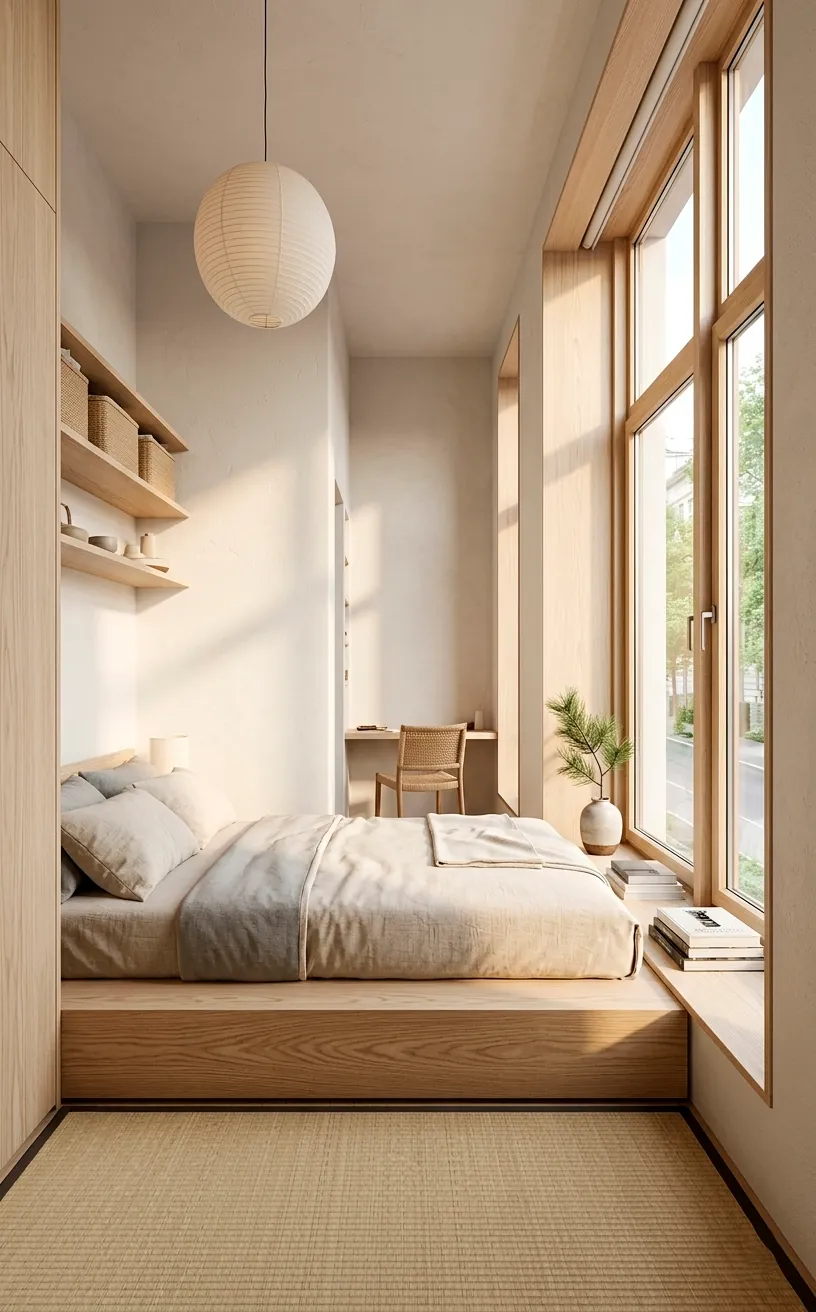
The first rule of small-space club? Keep it low. Standard-height furniture often acts like a visual wall, cutting your room in half and making those ceilings feel way lower than they actually are. I replaced my chunky bed frame with a sleek Japanese-style platform bed, and suddenly, I could actually see the floor again. This simple swap creates a continuous line of sight across the apartment, which tricks your brain into thinking the room is massive. Choose pieces with clean, horizontal lines to emphasize width rather than height. It’s basically like giving your studio a lung transplant; everything just feels lighter and more open. Plus, you’re much less likely to bruise your shins on a minimalist wooden frame than on a bulky Victorian monstrosity. Trust me on this one.
Define Zones Without Walls
Building a wall in a studio is a great way to live in a dark closet. Don’t do it.
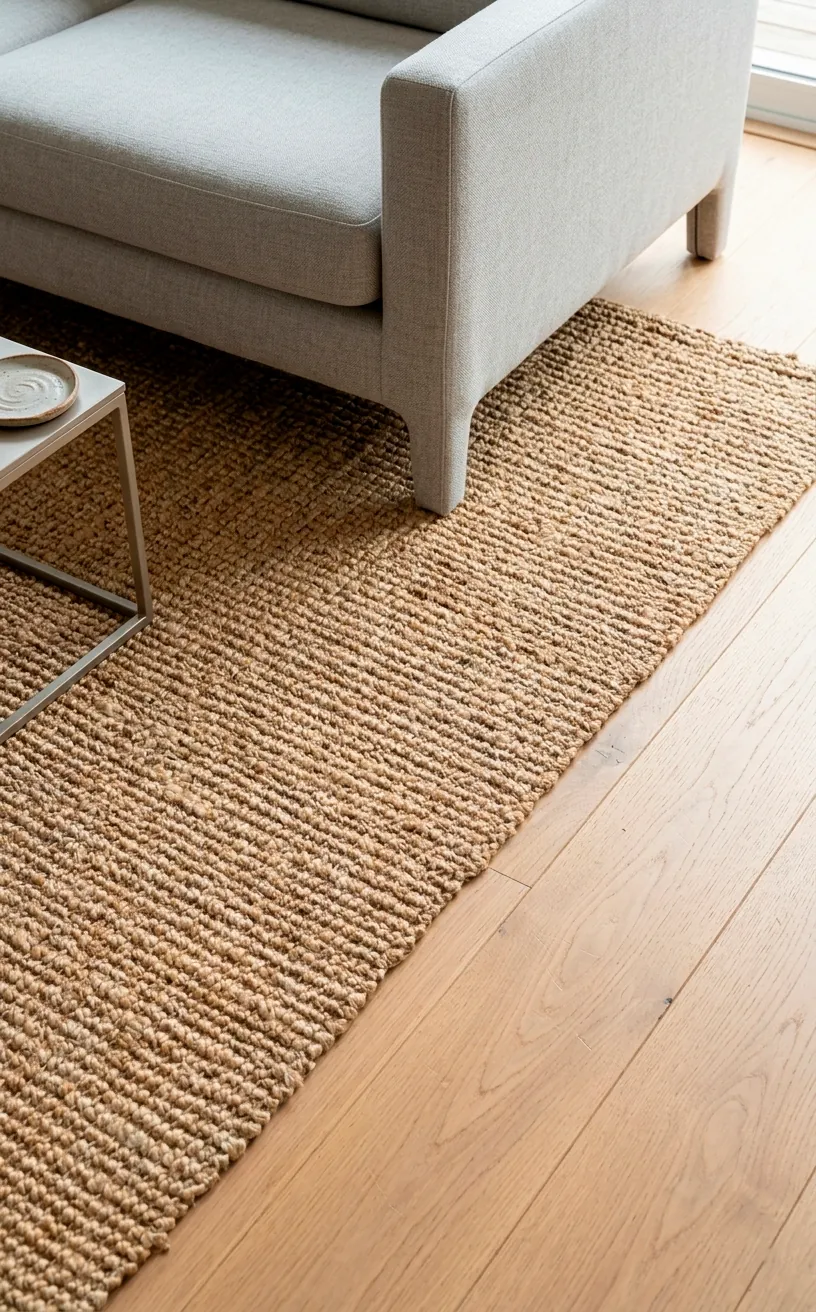
Instead, use low-pile rugs to tell your brain where the living room ends and the bedroom begins. I use a large jute rug under my sofa to anchor that specific area. It provides a clear visual boundary without blocking a single ray of sunshine.
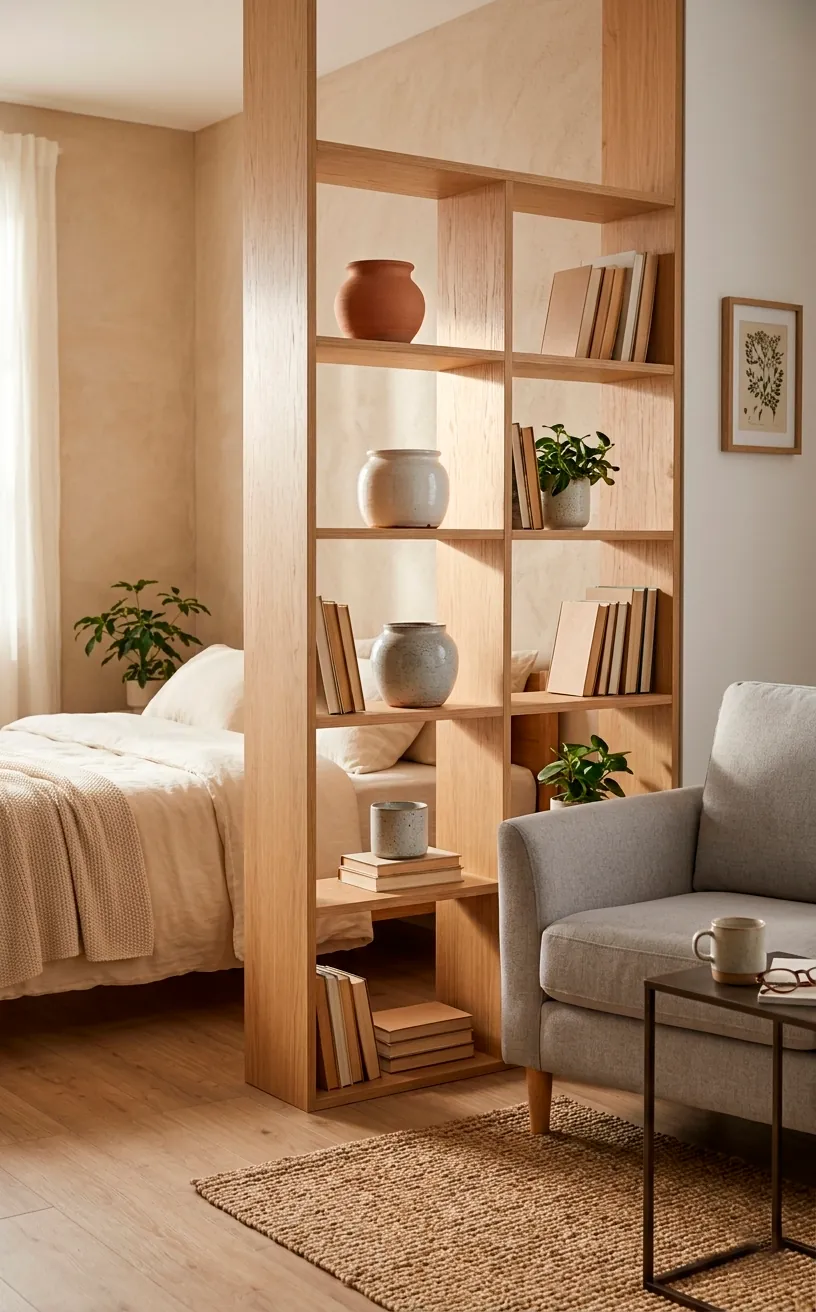
Open shelving also works wonders here. A slim, backless bookshelf acts as a transparent divider that holds your books while letting the light pass through freely. You get the privacy you crave without the claustrophobia. Isn’t that better than staring at a drywall? IMO, it’s the ultimate space-saving hack.
Master the Art of Ma
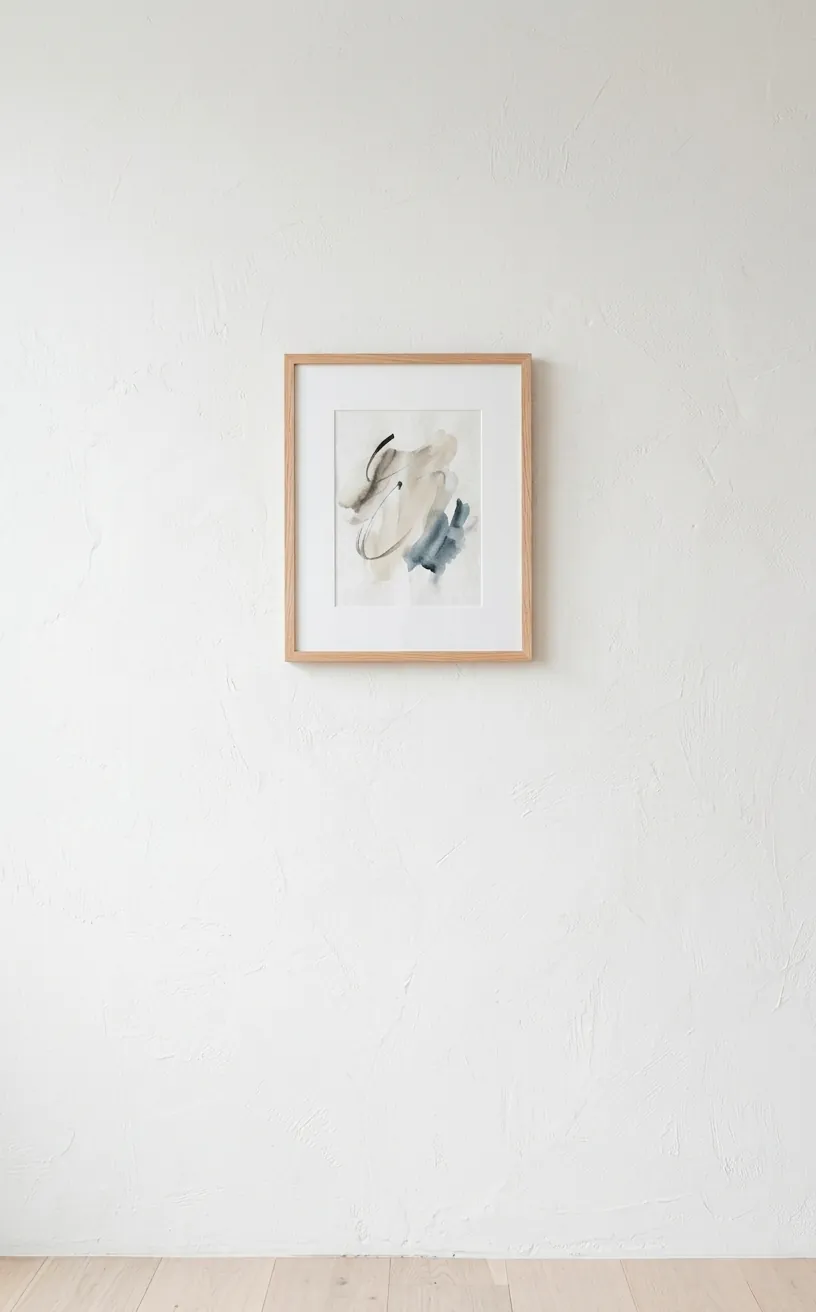
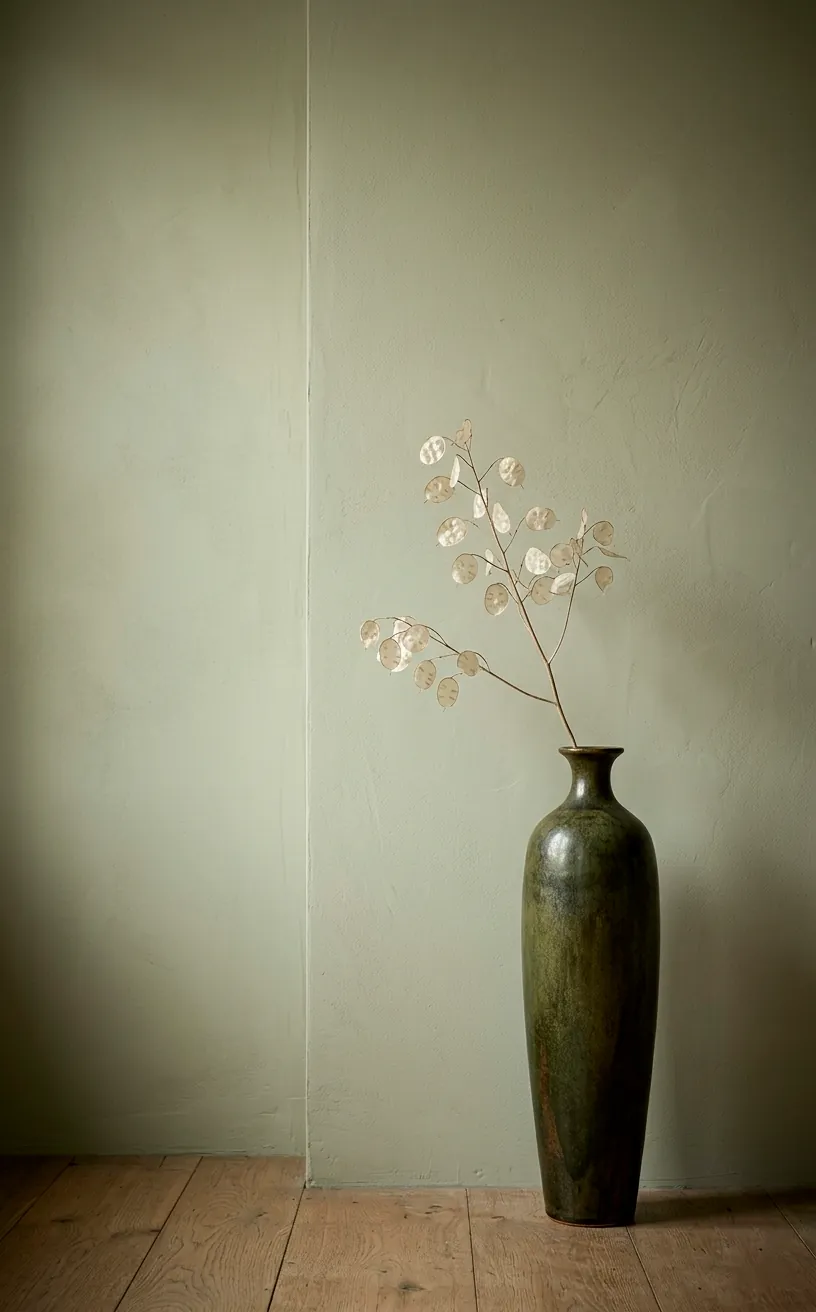
In Japanese design, the concept of ‘Ma’ refers to pure, empty space. We often feel the urge to fill every single corner with a plant or a lamp, but resist that impulse! Leaving a few areas completely empty gives your eyes a place to rest.
I deliberately left one corner of my studio totally bare, and it made the entire room feel more intentional. When you cram stuff into every square inch, the energy just feels stagnant and messy. By embracing negative space, you highlight the pieces you actually love. Why hide your beautiful walnut table behind a mountain of clutter? Let it shine.
Layer Natural Textures
Since Japandi relies on a neutral palette, you need textures to prevent your home from looking like a cold hospital wing.
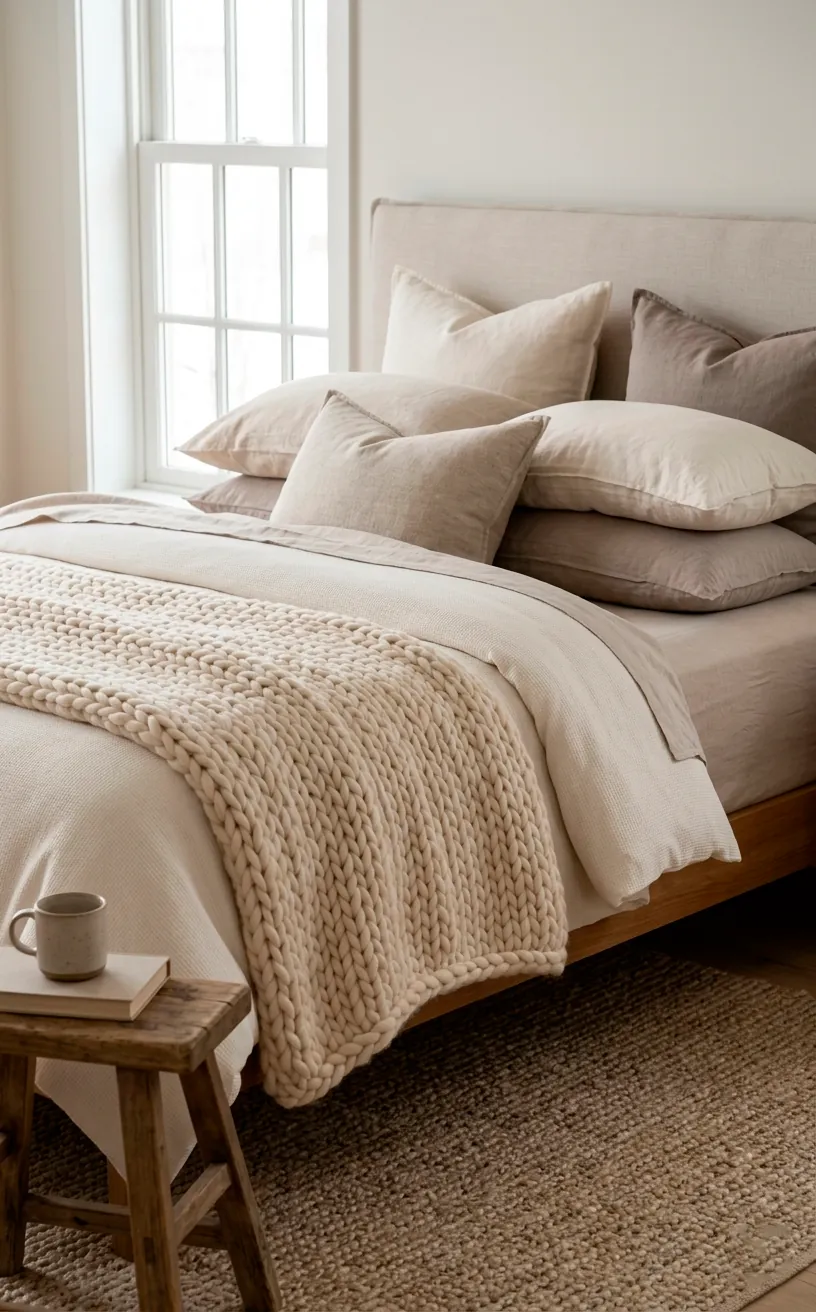
I love mixing light-colored wood with rough stone and soft linen. It creates a ‘tactile’ environment that feels incredibly cozy.
Think about adding these elements:
- Linen curtains that catch the breeze.
- A chunky wool throw for the sofa.
- Woven seagrass baskets for storage.
- Unfinished wood surfaces.
Does a room really feel like home if it doesn’t have a fuzzy blanket? I don’t think so. These layers add depth and warmth without needing a single drop of neon paint. Keep the colors muted but the textures rich to nail that sophisticated vibe. It’s all about balance, baby. 🌿
Hide Your Chaos with Smart Storage
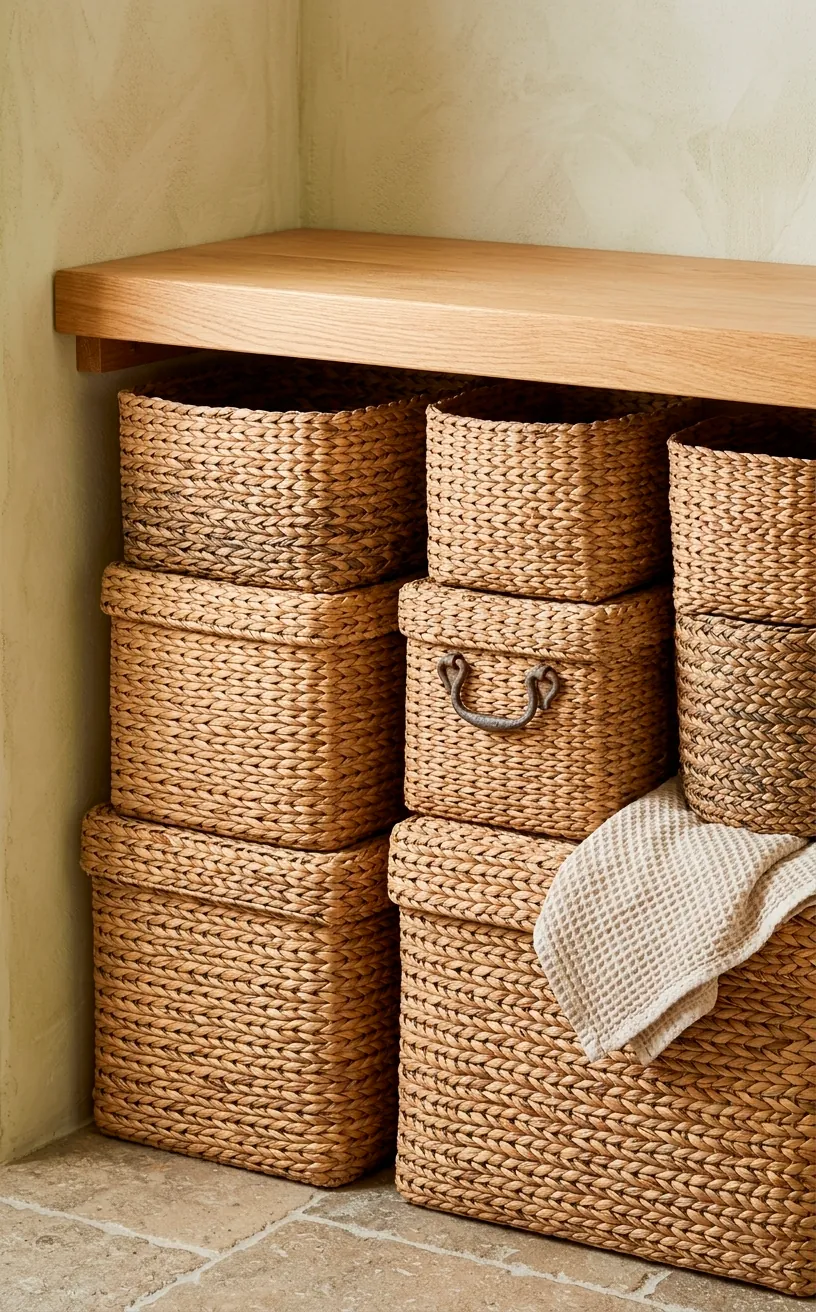
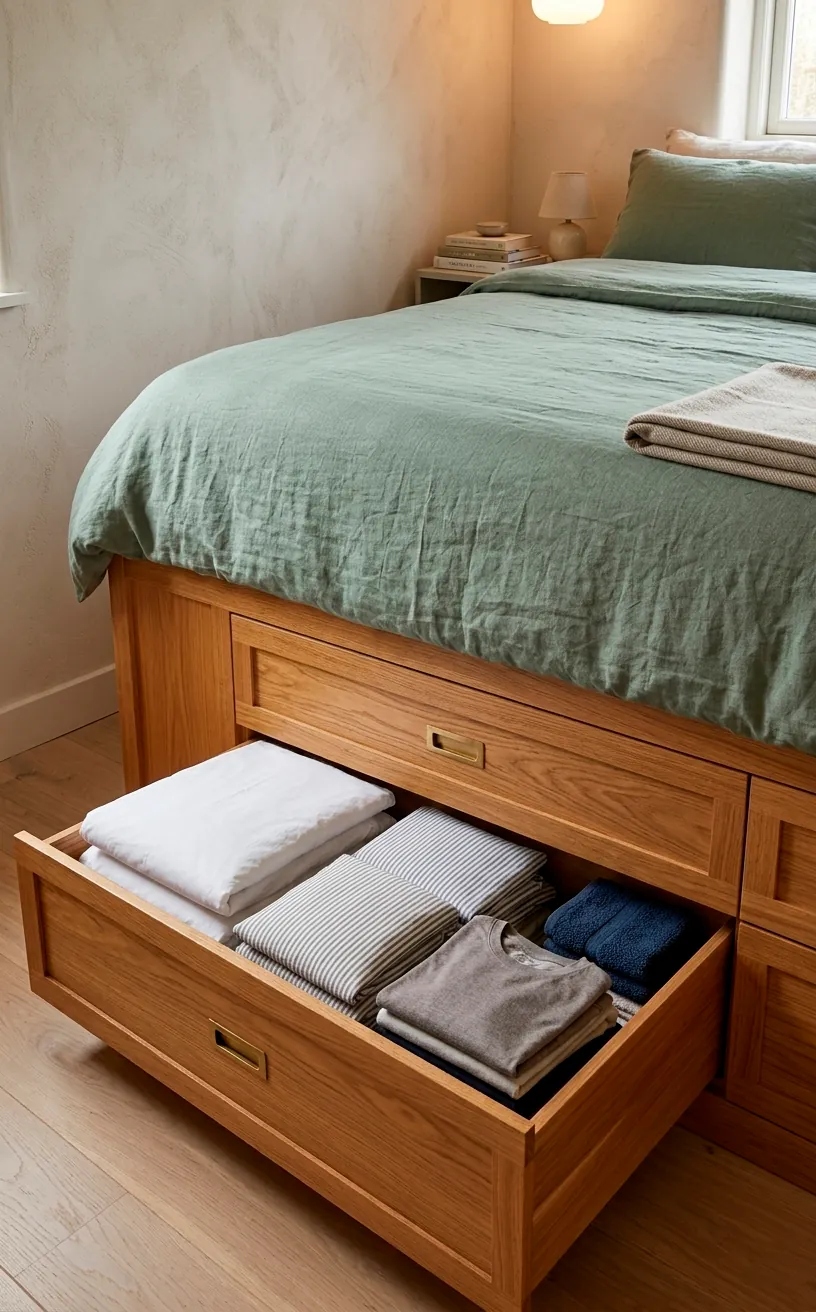
Clutter is the mortal enemy of the Japandi soul. If you have stacks of mail and random cables everywhere, the Zen vibe dies instantly. I swear by furniture that hides my mess, like ottomans with hidden compartments or beds with drawers. If I can’t see the junk, it doesn’t exist, right?
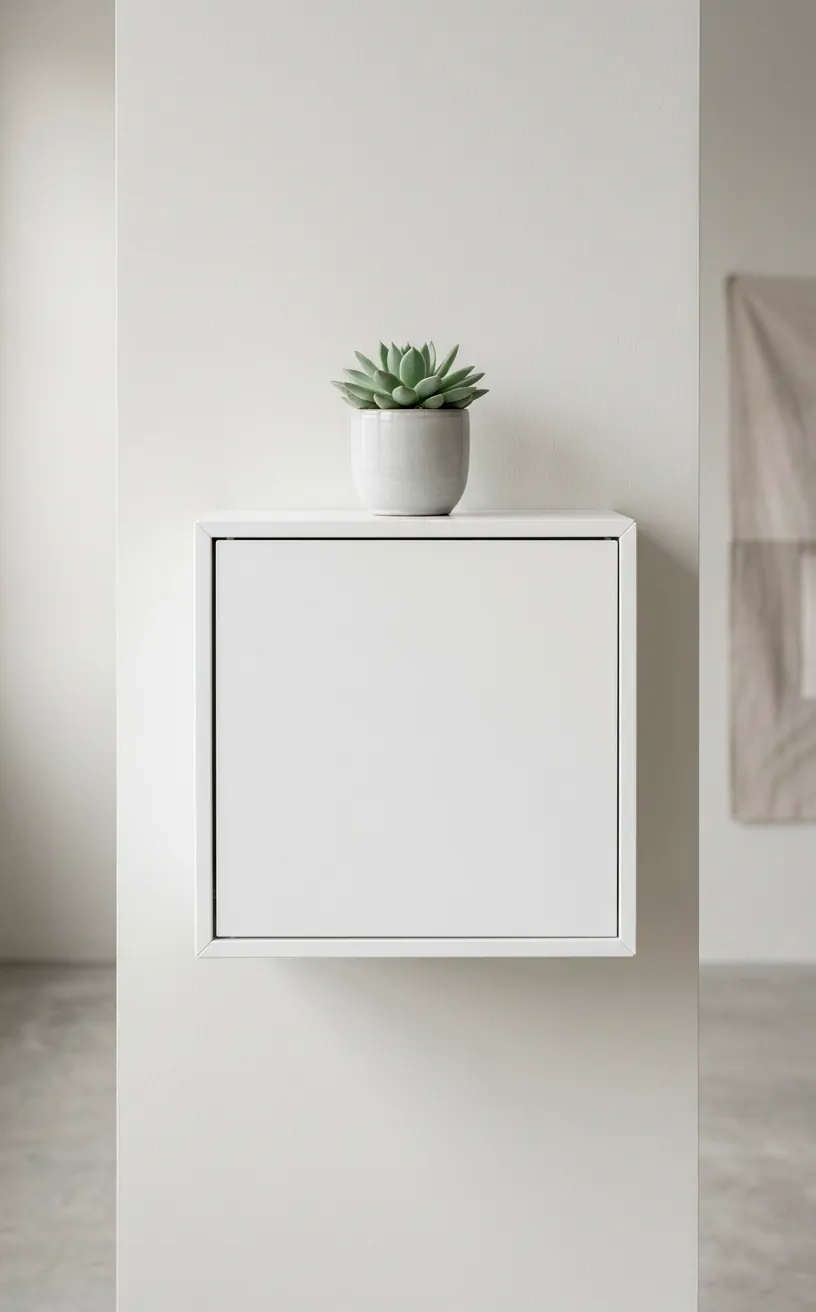
Wall-mounted cabinets are also a total lifesaver. They keep the floor clear, which makes the room look bigger while providing a home for your collection of unfinished craft projects. Invest in pieces with flat, handle-less fronts for that ultra-sleek look. Your future self will thank you when you aren’t digging through piles of stuff just to find a pen.
Diffuse the Light with Paper
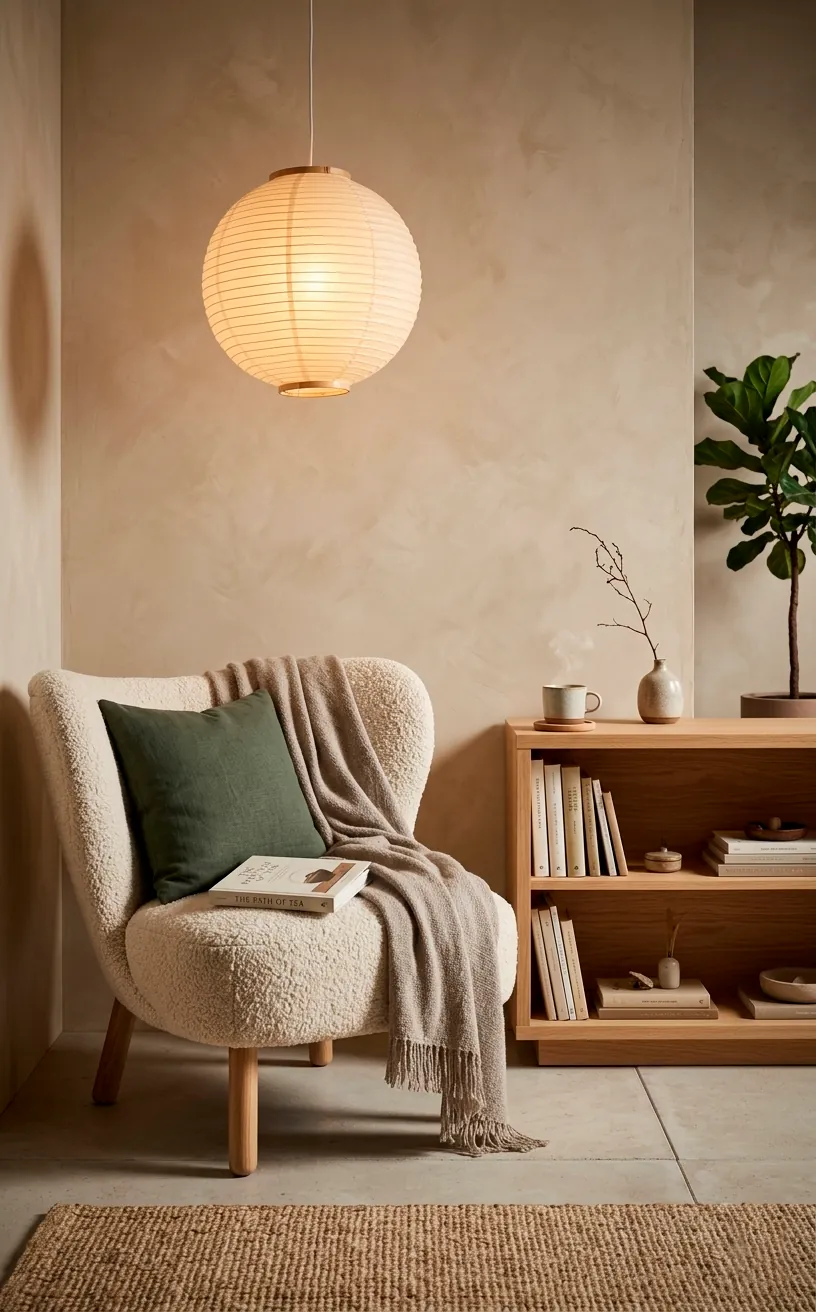
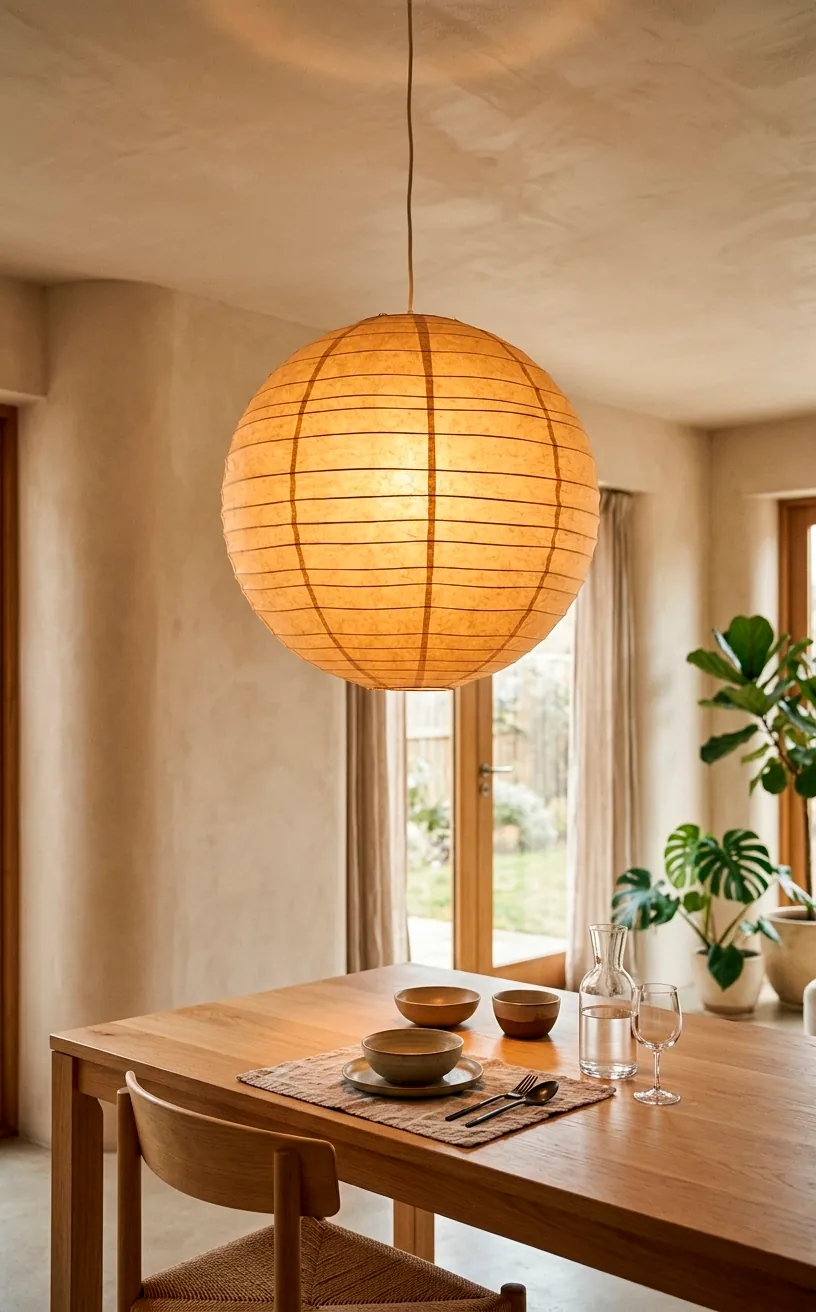
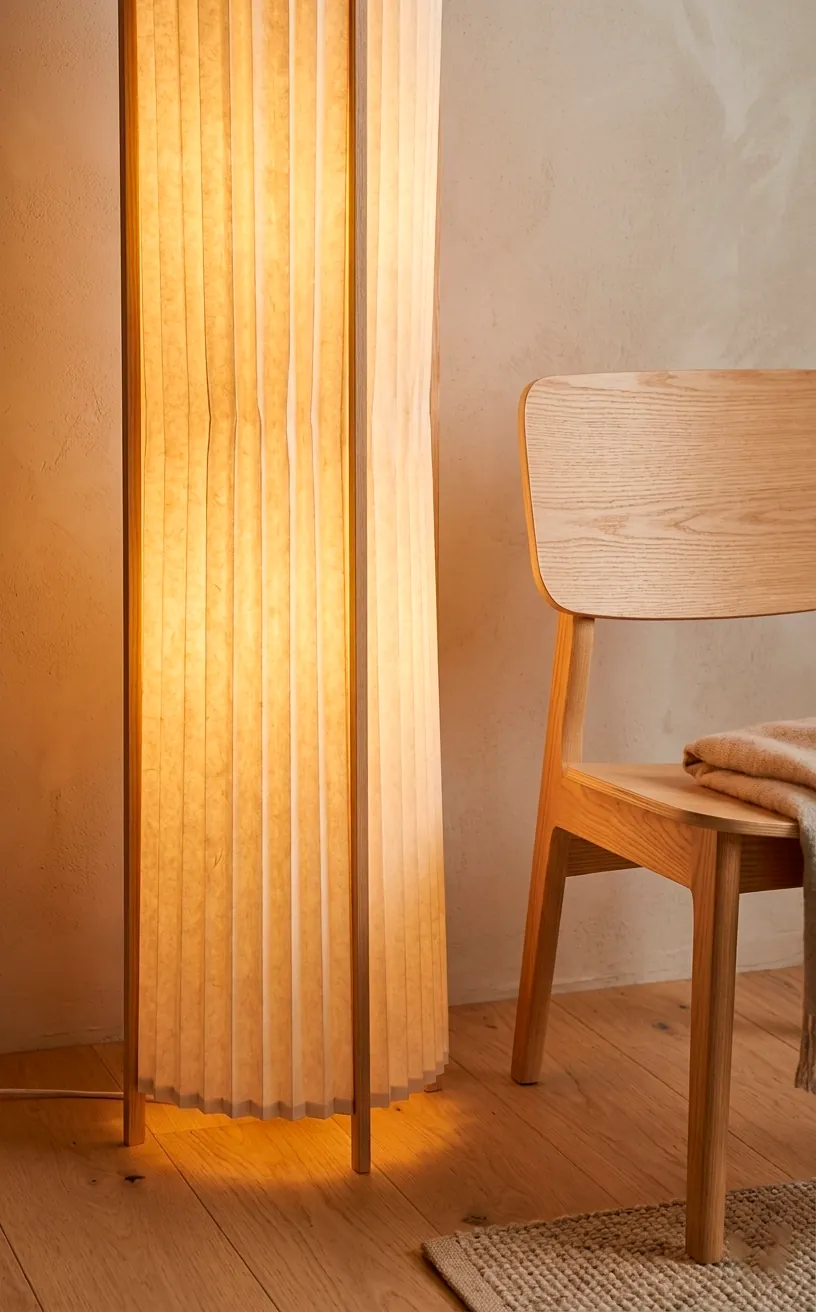
Harsh overhead lighting is the quickest way to ruin a mood. Japandi favors soft, diffused light that reminds you of a sunset in Kyoto. I replaced my ugly ceiling fixture with a large rice paper pendant, and the transformation was wild. It glows like a warm moon in the middle of the room. This kind of ambient lighting softens the hard edges of your furniture and makes the whole studio feel like a giant hug. Ever noticed how much better you look in soft light? Your apartment feels the same way.
Expand Space with Mirrors
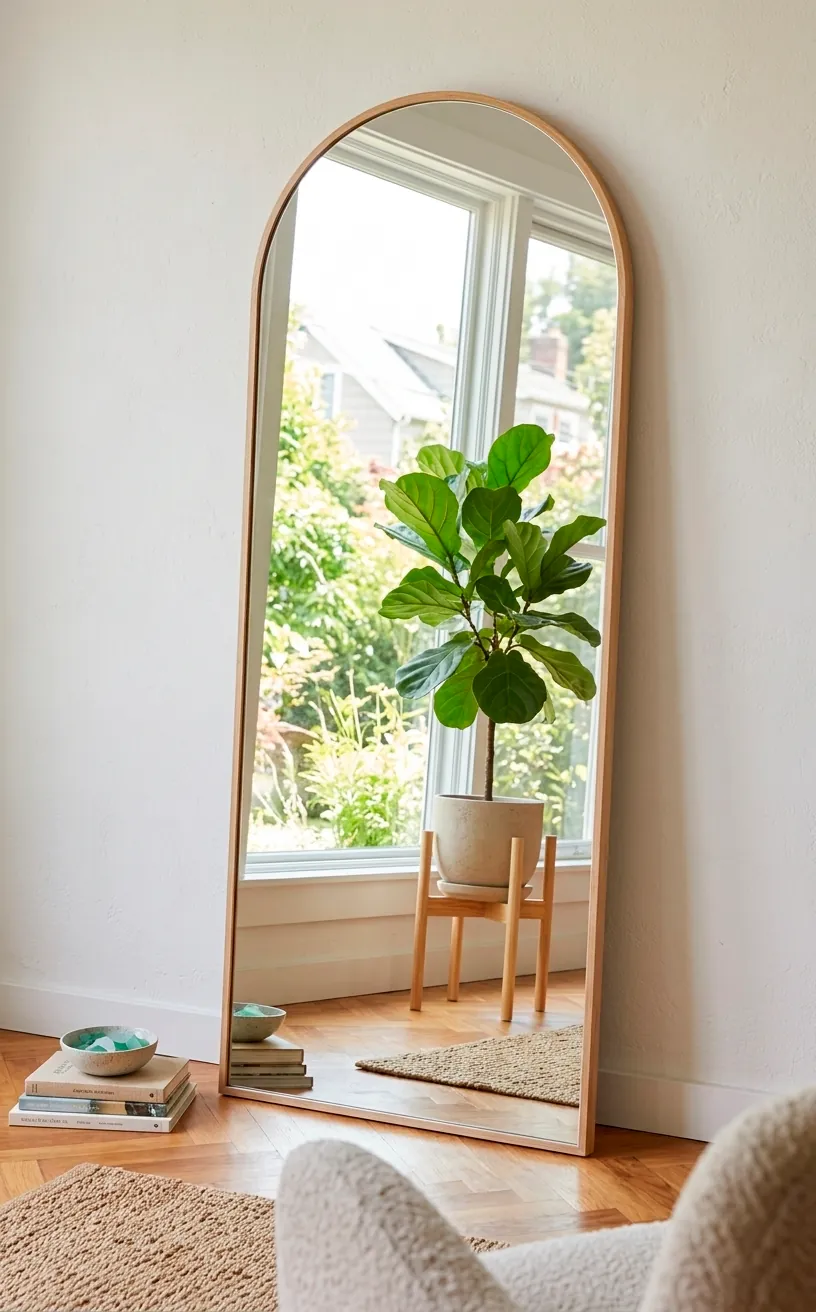
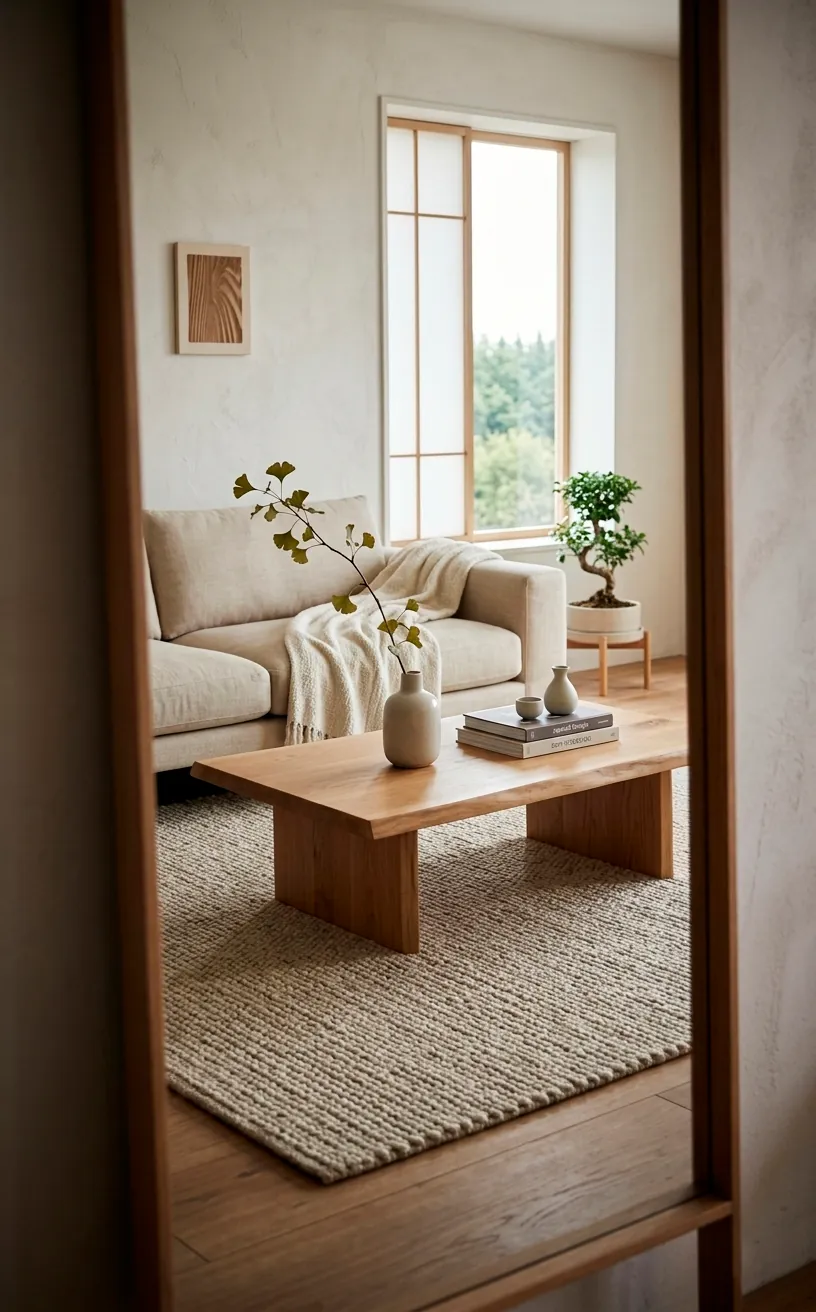
This is the oldest trick in the book because it actually works. A large floor mirror placed opposite a window reflects the outdoors and doubles your perceived square footage.
I opted for a mirror with a thin, light-wood frame to match my floor. It looks less like a decoration and more like a secret doorway to a second apartment.
Don’t just lean it anywhere, though. Position it where it will catch the most natural light to brighten up those dingy corners. It’s basically free real estate for your eyes. Why live in one room when you can trick yourself into thinking you have two?
Go Vertical with Your Greenery
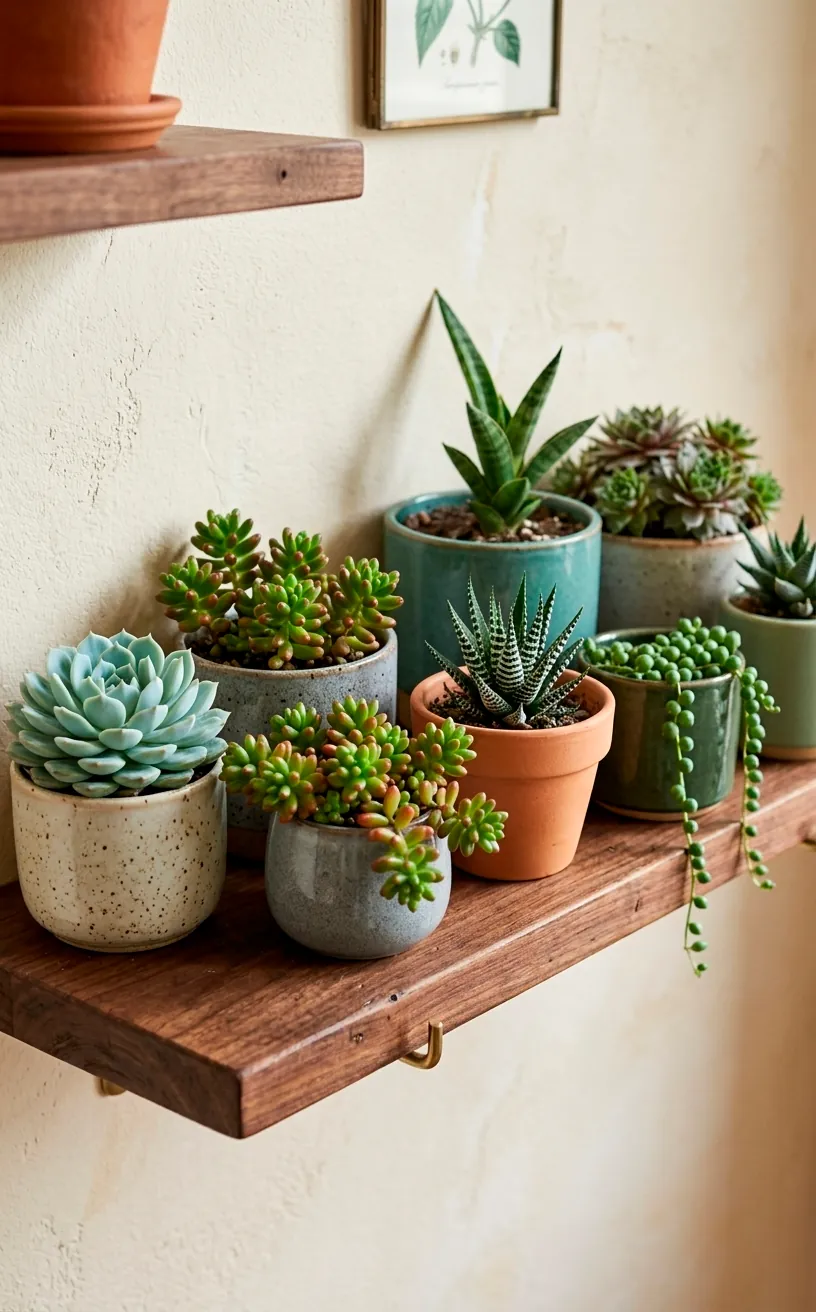
You don’t need a backyard to be a plant parent. In a studio, floor space is precious, so I stop putting pots on the ground and start hanging them.
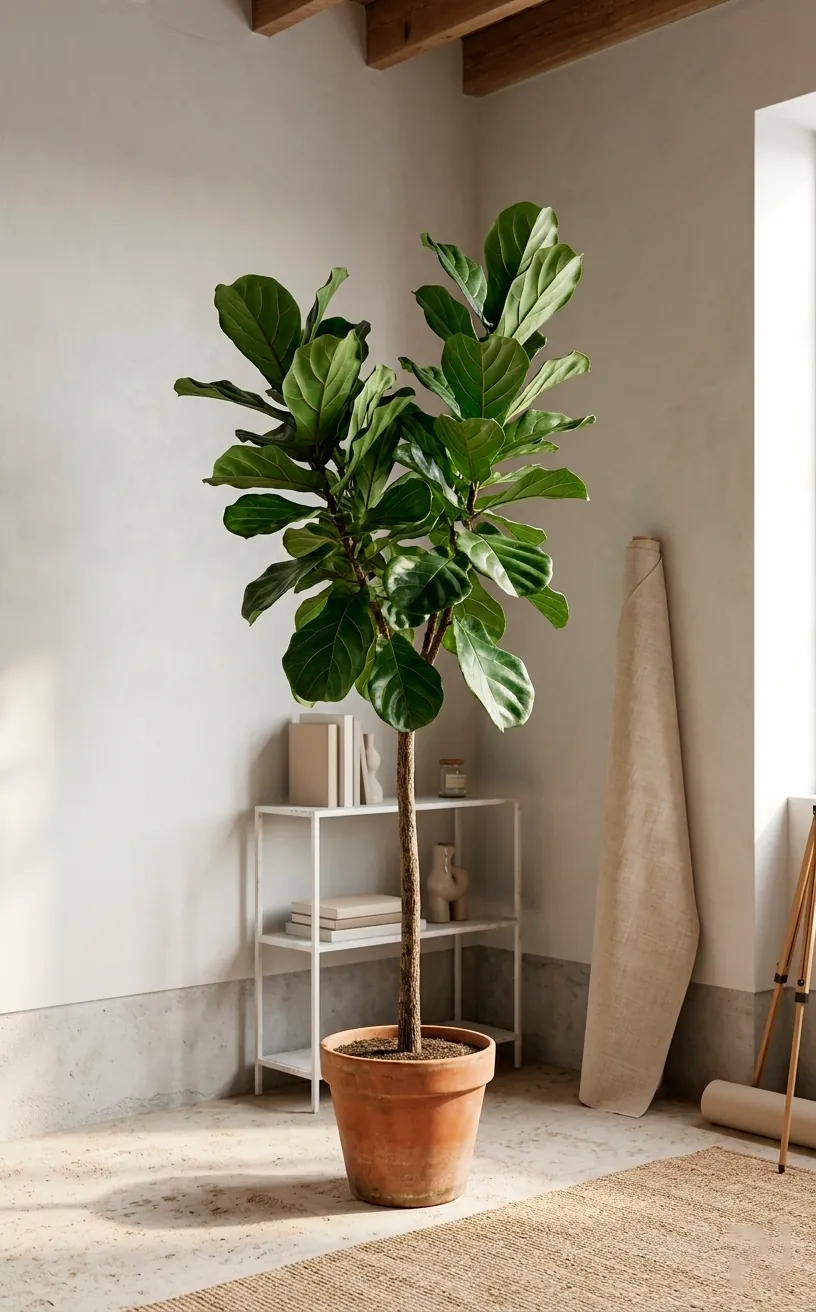
Wall-mounted planters or a single tall, slender tree like a Fiddle Leaf Fig can add life without taking up your walking path.
Keep these tips in mind:
- Use clay or ceramic pots for an earthy feel.
- Choose plants with structural leaves.
- Group them in odd numbers for a natural look.
- Avoid oversized pots that swallow the room.
Plants act as living art. They bring in that essential ‘outdoor’ element that makes Scandinavian and Japanese homes feel so connected to nature. Plus, they help clean the air, which is a major win for small spaces. Just don’t forget to water them, okay?
Pick Furniture That Multi-Tasks
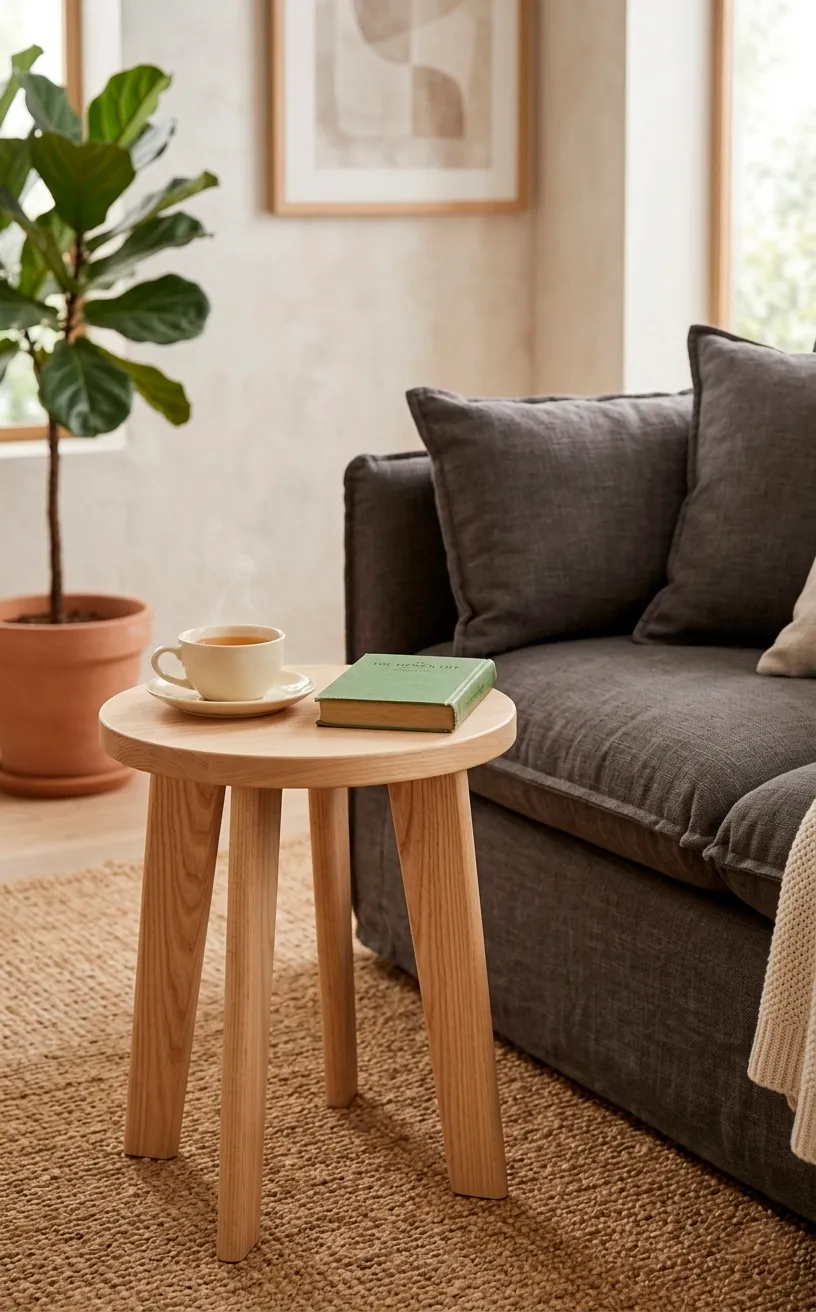
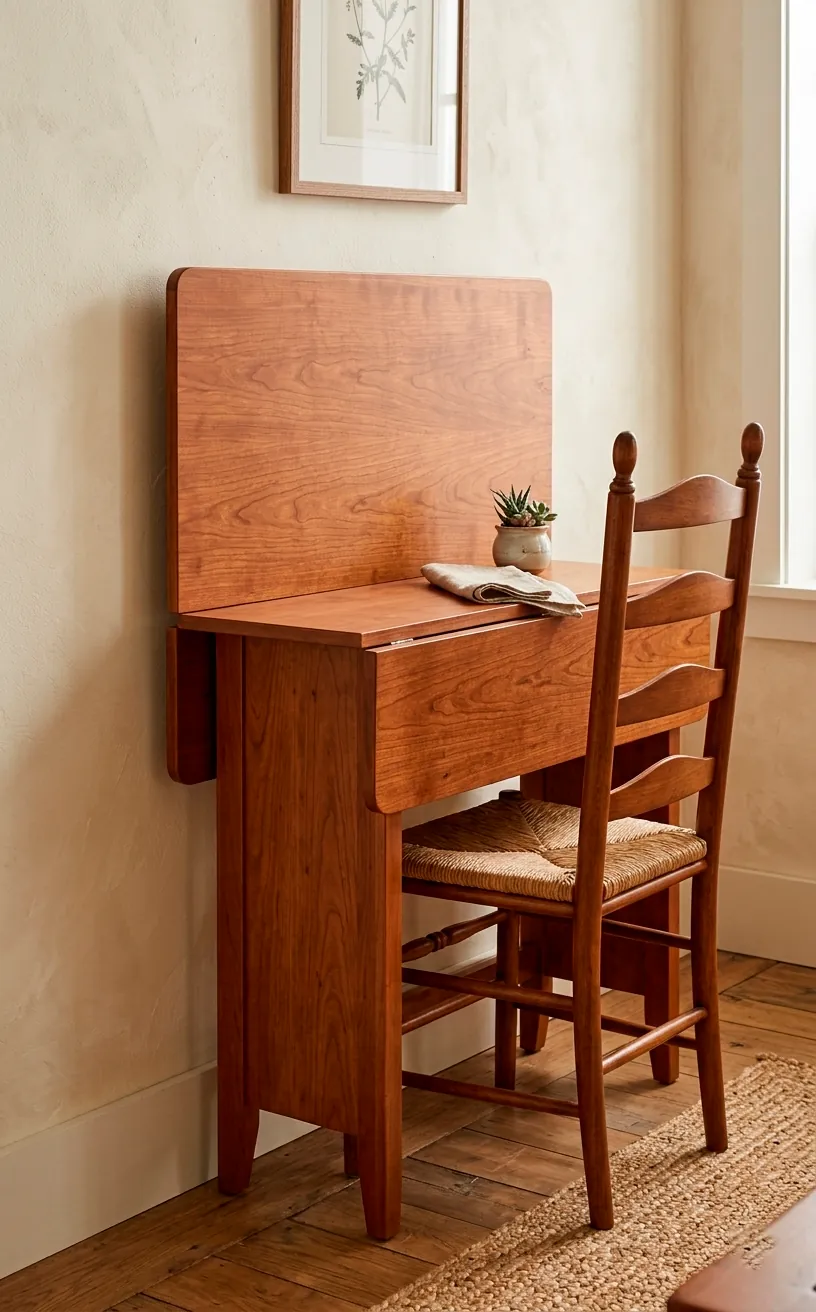
In a small apartment, every piece of furniture needs to earn its keep. I use a sturdy wooden stool that doubles as a side table when I’m lounging and an extra seat when friends come over. It’s functional, minimalist, and takes up zero visual weight. Look for nesting tables or a dining table that can fold down when you’re not hosting a dinner party. FYI, if a piece only does one thing, it better be doing it exceptionally well to justify the space it takes. Multi-functional design is the heartbeat of a successful Japandi layout. Why settle for a boring table when it can be so much more?
Stick to a Cohesive Palette
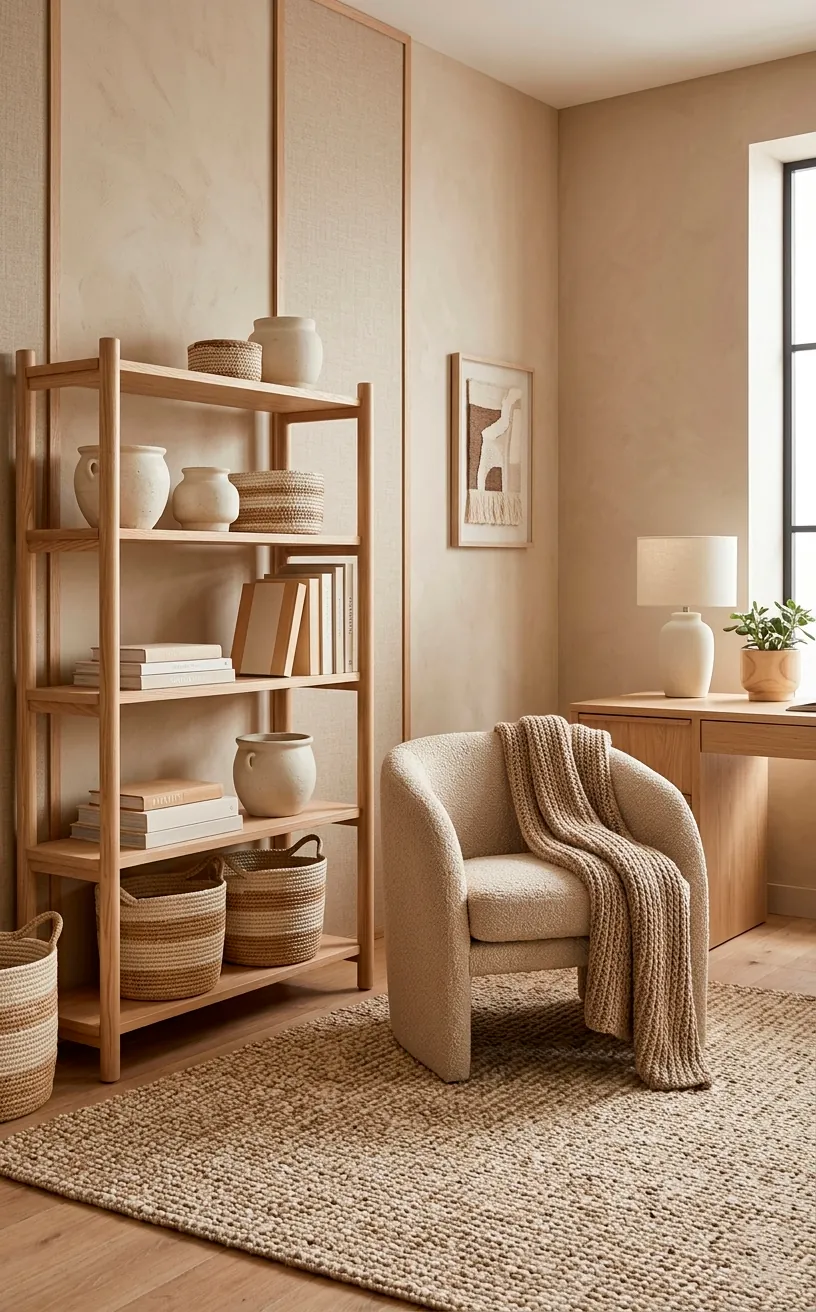
If you paint one wall red and another blue in a studio, the space will feel fractured and small. I stuck to a palette of oatmeal, stone, and light oak for my entire home.
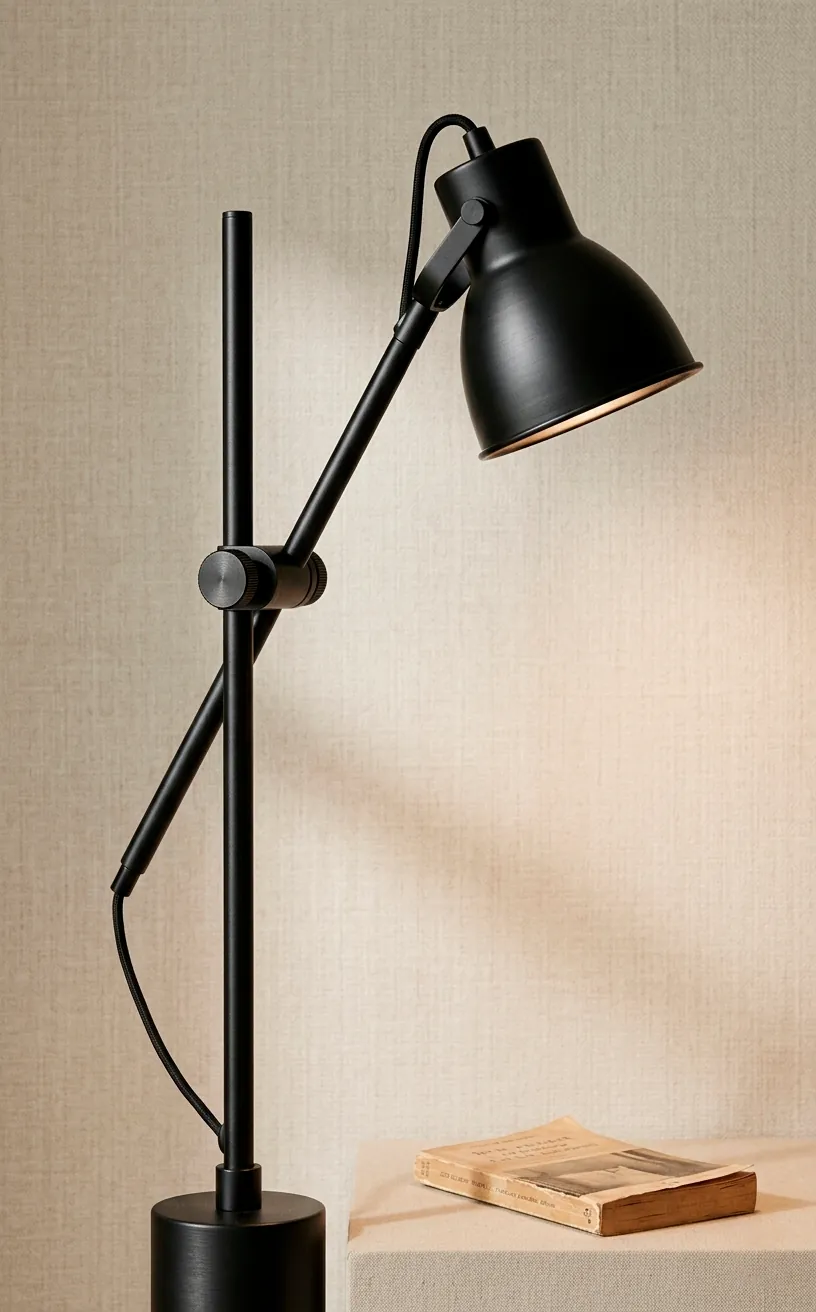
This color continuity makes the boundaries of the room disappear. When everything blends together harmoniously, the space feels like one large, airy hall instead of a series of cramped boxes. You can always add a pop of black or deep charcoal for contrast, but keep it subtle. A black lamp or a dark picture frame provides just enough ‘edge’ to keep things interesting without being overwhelming. It’s all about creating a calm, unified backdrop for your life.
Conclusion
Creating an airy Japandi studio doesn’t require a massive budget or a degree in architecture. By focusing on low furniture, natural textures, and intentional empty space, you can turn any tiny box into a peaceful retreat. Which of these tips are you going to try first this weekend? Let me know in the comments! Now go forth and conquer that clutter—your inner Zen master is waiting for you to clear the floor. 🌿
Related posts
See All15 Vintage Circus Inspired Details for Playful Kids Bedroom Decor
Bring the magic of the big top home! Discover 15 playful, vintage circus-inspired decor details that will transform your kid's …
Read moreThe Complete Guide to Styling a Dining Room Credenza for Everyday Elegance
Give your dining room credenza the ultimate glow-up. Discover easy, elegant styling tips that balance everyday function with show-stopping design.
Read more15 Dried Citrus and Cinnamon Garlands for a Naturally Cozy Kitchen
Forget mass-produced decorations. Transform your kitchen into a naturally cozy, aromatic sanctuary with these 15 beautiful dried citrus and cinnamon …
Read moreThe Dog-Friendly Camper: Designing a Van Interior for Your Pets
Transform your camper van into the ultimate dog-friendly adventure mobile! Discover clever interior design hacks, durable materials, and cozy setups …
Read more