












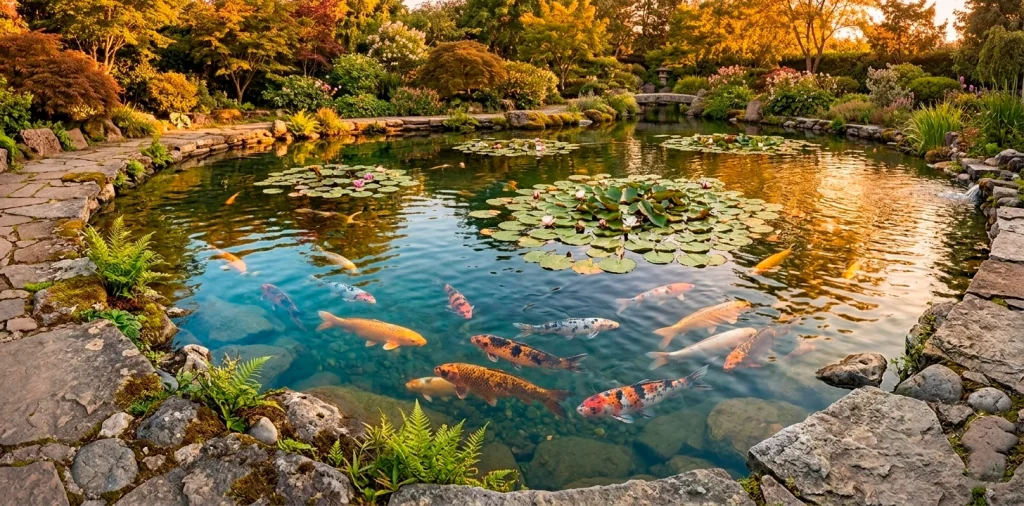

Most people think building a pond is the hard part, but wait until you try choosing the residents. You aren’t just buying pets; you’re casting a high-stakes aquatic Broadway show where nobody can skip their rehearsals. Whether you want a zen retreat or a splash of chaos, picking the right fish matters. Let’s get your pond popping, shall we?
The Majestic Koi: Kings of the Pond
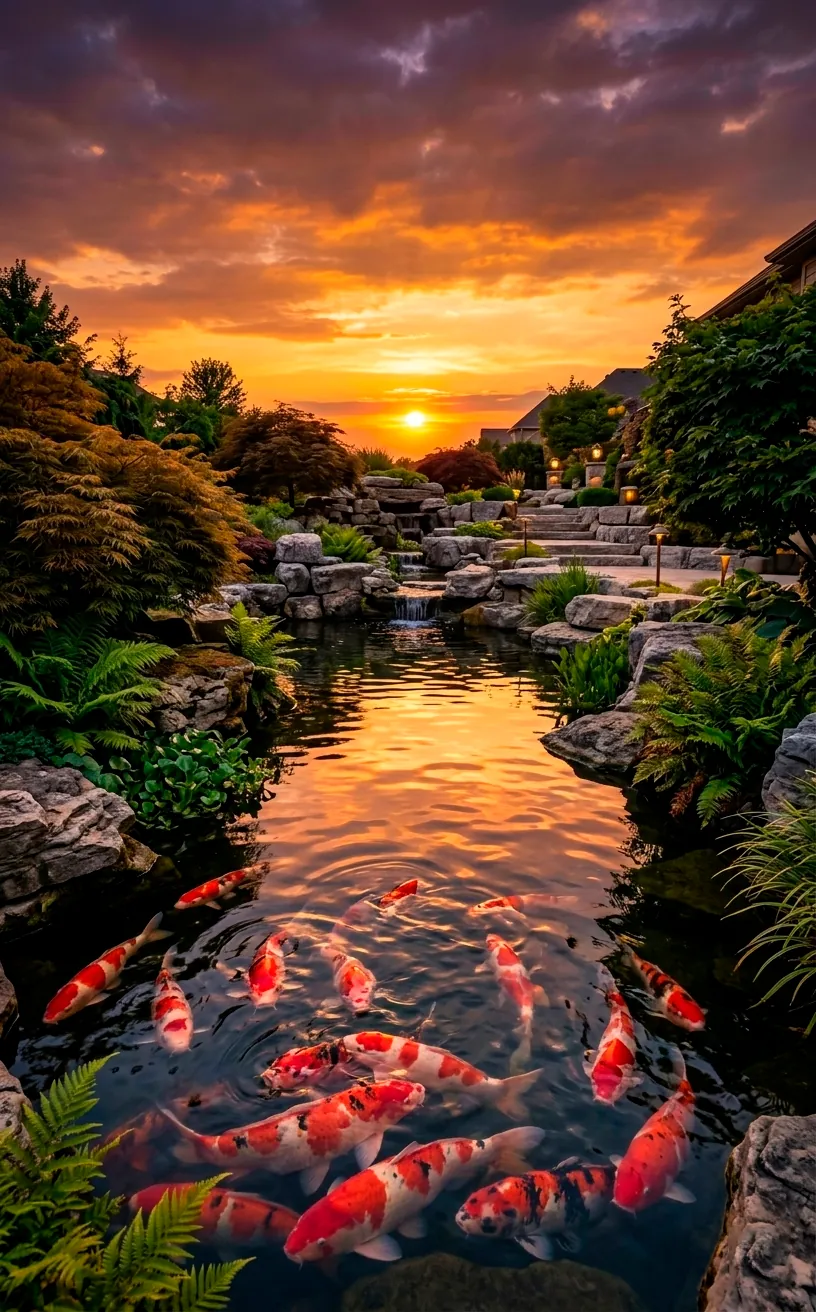
If you want the absolute celebrities of the water world, look no further than Koi. These guys grow massive and come with personalities that make some dogs look boring. I remember my first Nishikigoi; he basically demanded snacks like a tiny, wet emperor every time I walked past. They need space, though. Don’t go cramming a future two-foot monster into a puddle, okay?
Have you considered the filtration requirements for these heavy eaters? Koi produce a lot of waste, so you’ll need a robust system to keep that water from turning into pea soup. They live for decades, making them a serious long-term commitment for any enthusiast.
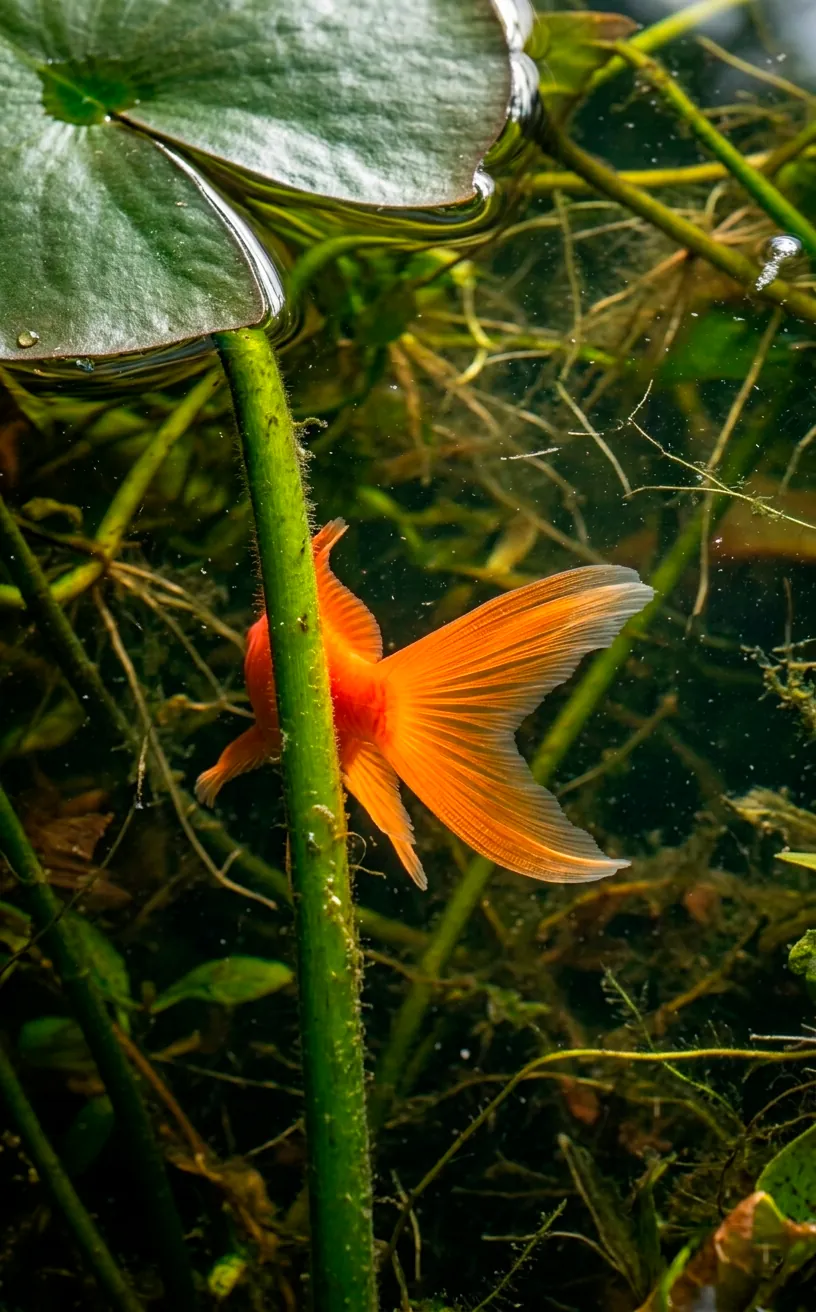
Hardier Heroes: Comet and Sarasa Goldfish
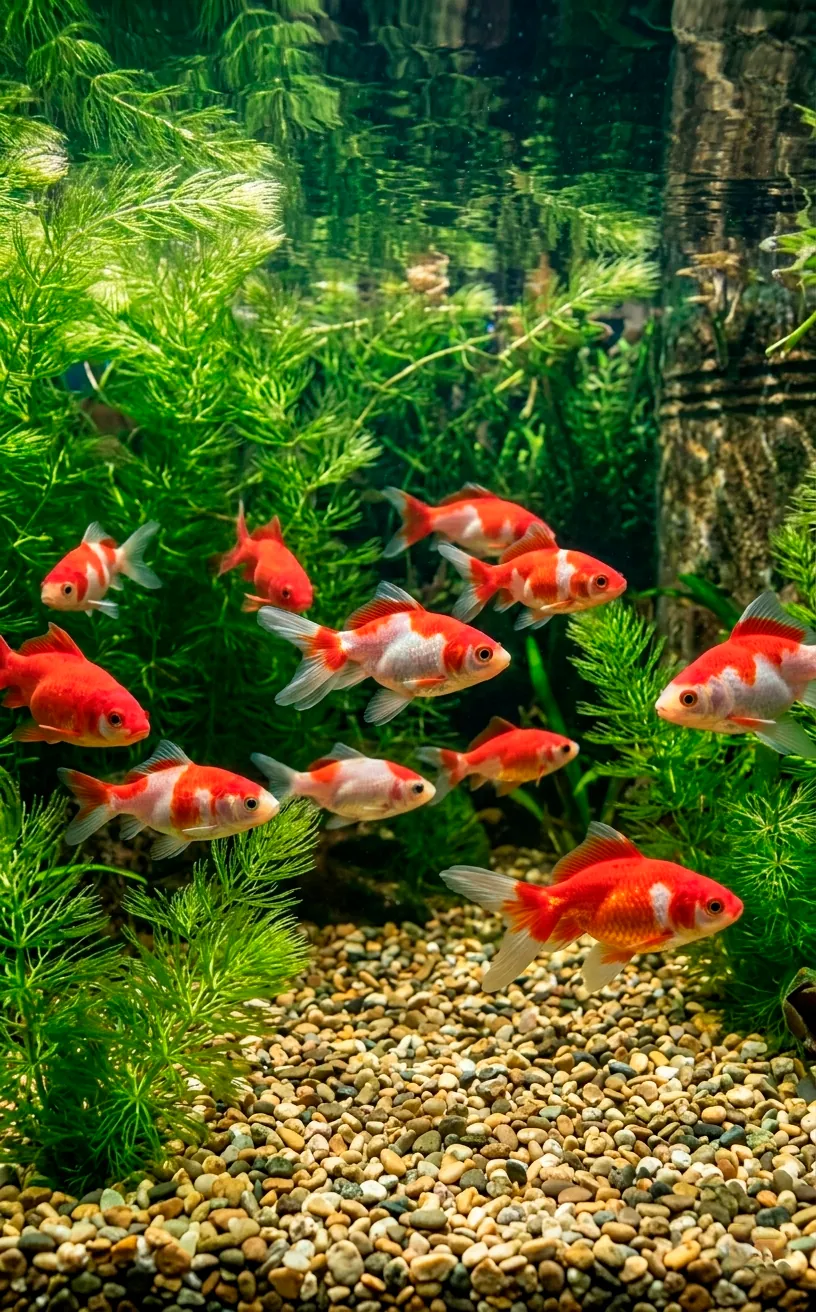
Forget those sad little bowls from the carnival; Comet and Sarasa goldfish are absolute tanks in a garden pond. They bring that classic goldfish look but with the stamina to handle outdoor temperature swings like pros. Sarasa goldfish, with their striking red and white patterns, offer a more premium vibe without the steep Koi price tag. Honestly, they’re the perfect starter fish for anyone who doesn’t want to babysit their pond 24/7. Plus, they stay smaller than Koi, so you don’t need a backyard lake to keep them happy. IMO, they’re the underrated MVPs of the pond world. 🐟
The Supporting Cast: Shubunkins and Rosy Reds
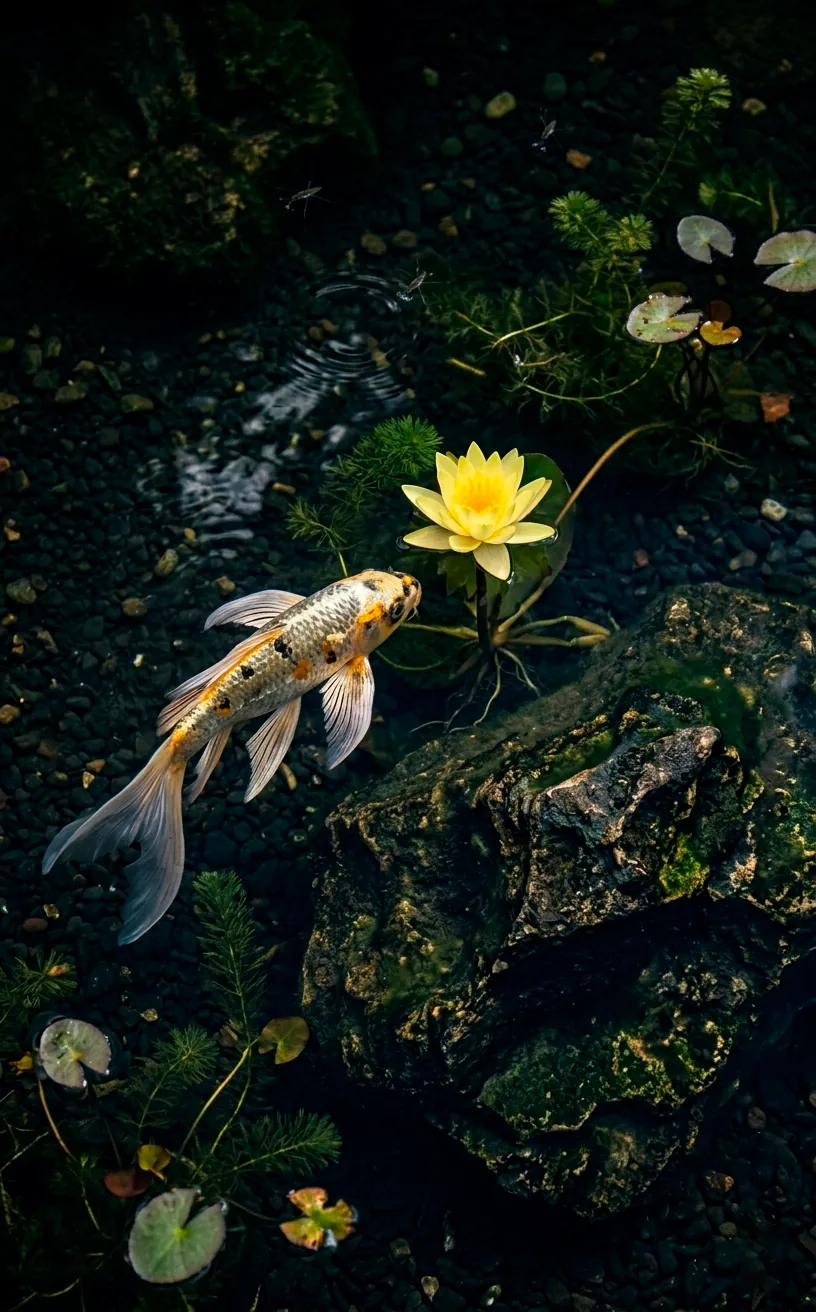
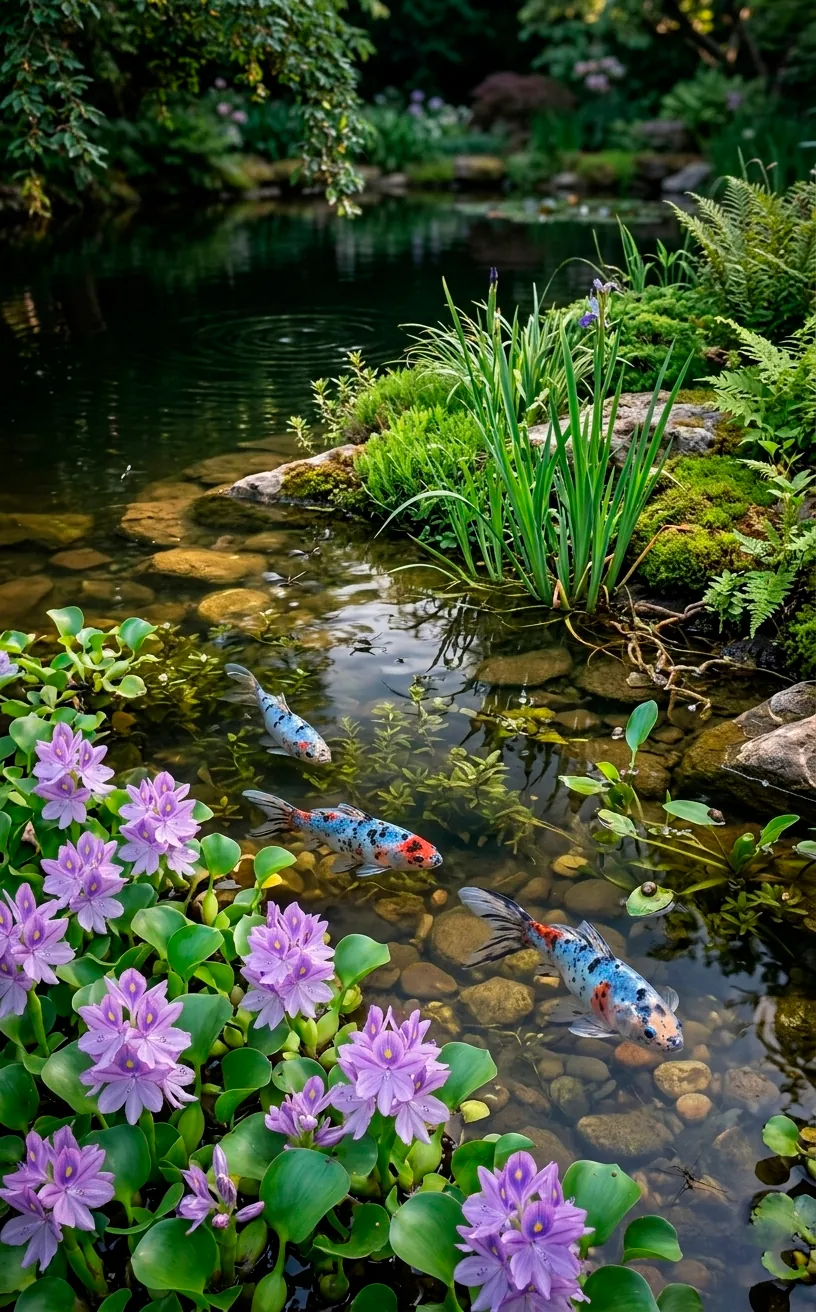
Want something that looks like a living watercolor painting? Shubunkins are your best bet. These calico beauties sport blue, orange, and black spots that really pop against a dark pond liner. Why settle for just one color when you can have a mottled masterpiece swimming around?
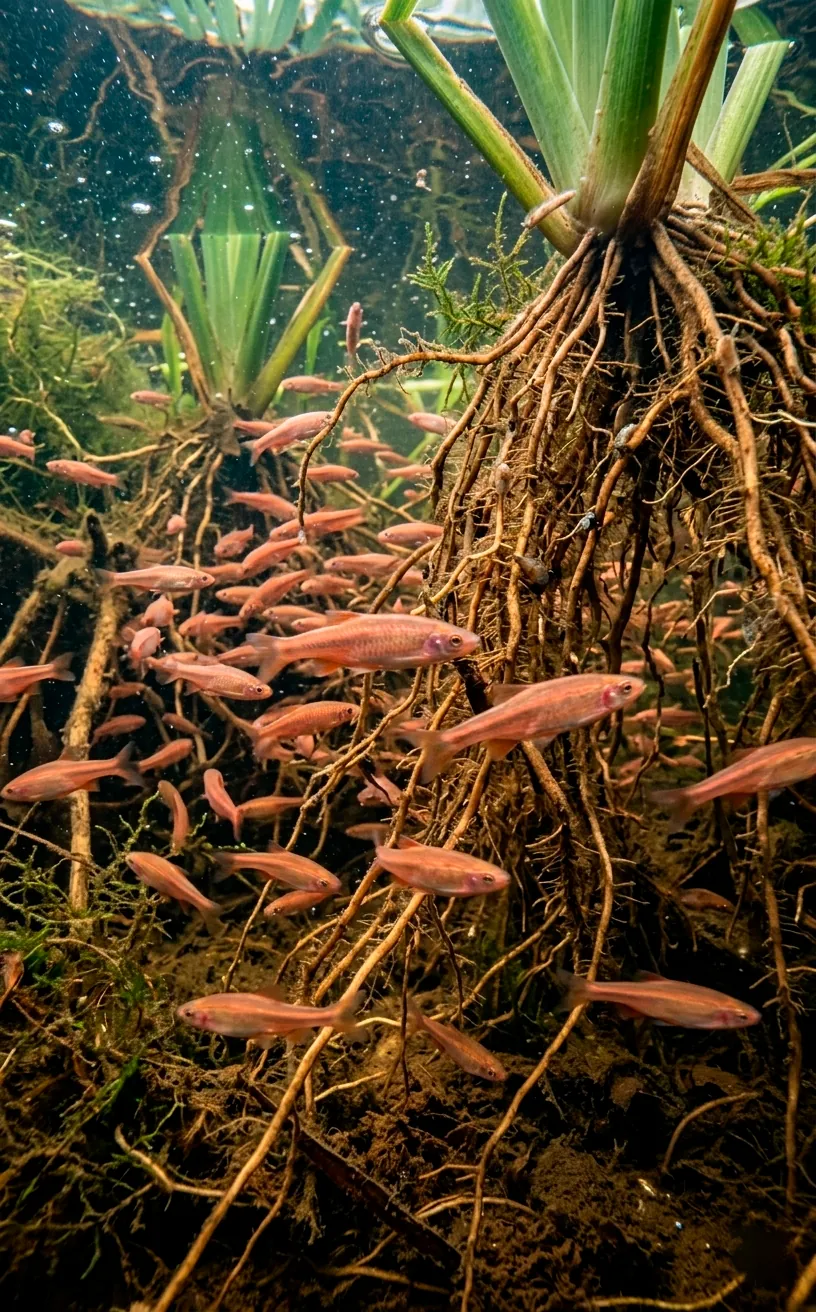
Then you have the Rosy Red Minnows. They aren’t showstoppers from a distance, but they work tirelessly behind the scenes eating mosquito larvae. Who doesn’t love a pet that handles pest control for free?
Common varieties to look for:
- London Shubunkins: These have more of a metallic finish.
- Bristol Shubunkins: Notable for their large, heart-shaped tails.
- American Shubunkins: Sleek and fast with pointed fins.
Cleaning Crew: Pond Loaches and Catfish
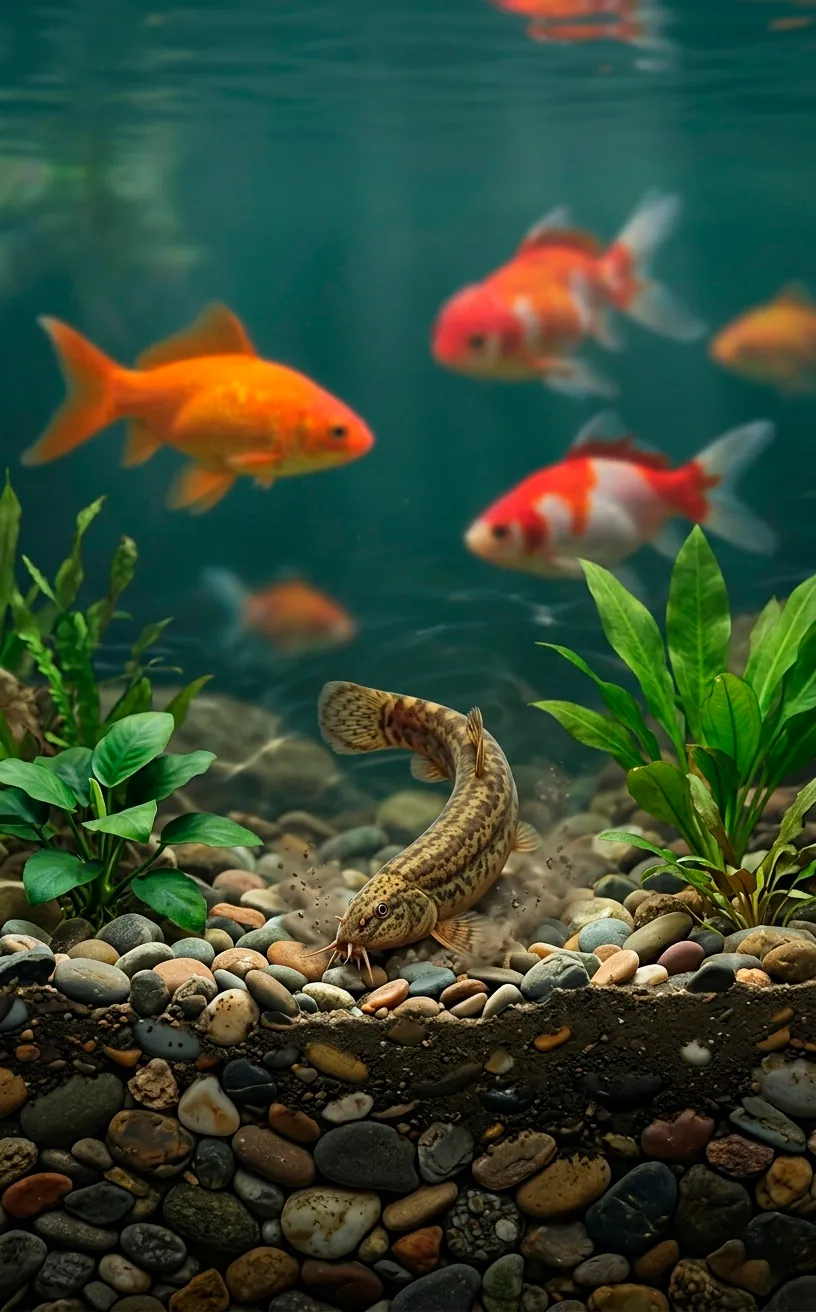
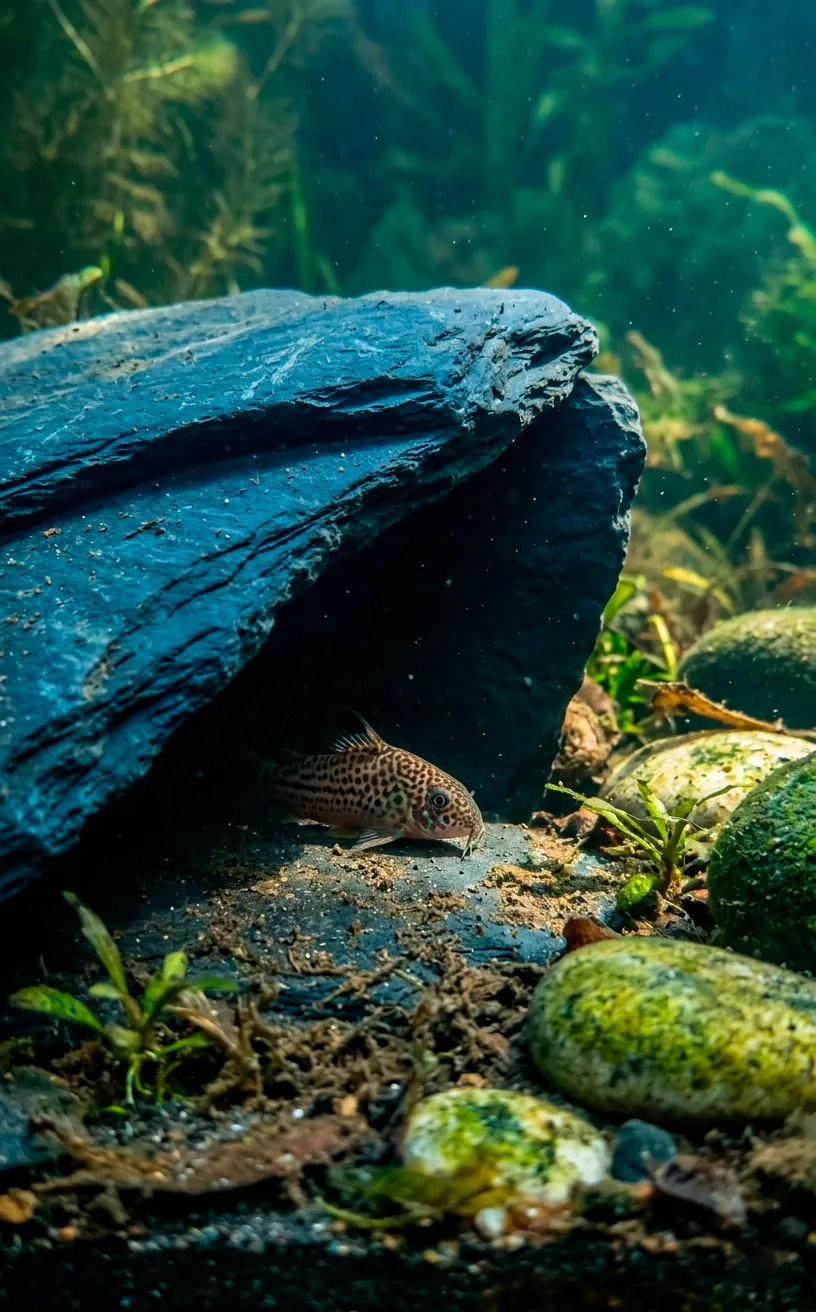
Every pond needs a janitor, and the Weather Loach is the quirky candidate for the job. They scavenge the bottom for leftover food, helping you maintain a healthy ecosystem. I find their eel-like movement mesmerizing, though they can be a bit shy during the day. Do you really want to spend every weekend scrubbing rocks?
Probably not. Adding bottom-dwellers keeps things balanced, but remember, catfish can grow surprisingly large. Stick to smaller species unless you want your other fish to mysteriously disappear one night. I always suggest checking the adult size of any ‘scavenger’ before you drop them into your setup.
Keeping the Water (and Fish) Sparkling
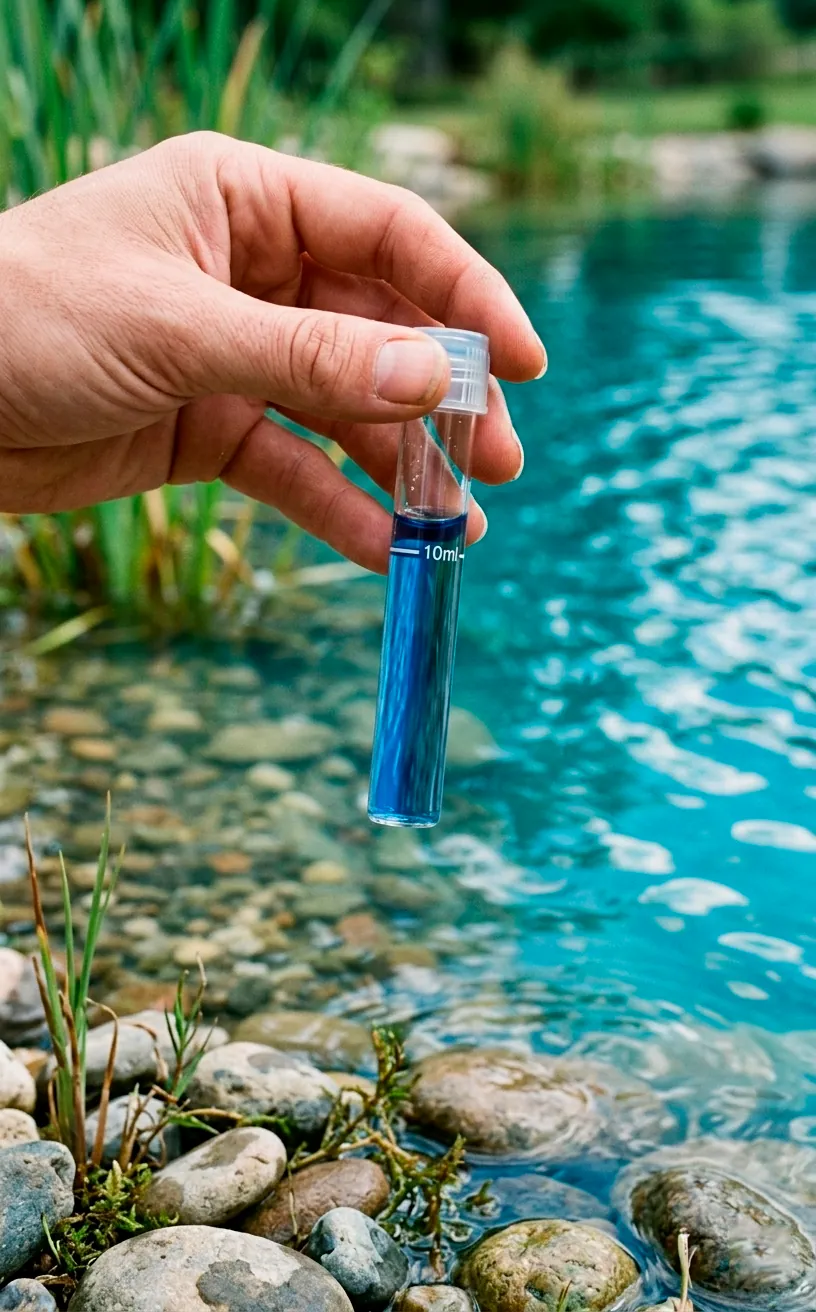
You can buy the most expensive fish on Earth, but if your water is trash, they won’t last a week. Ammonia and nitrites are the silent killers here. Test your water often! It takes five minutes and saves you from a total heart-break later.
Beneficial bacteria products act like a jumpstart for your pond’s biological filter. FYI, ‘new pond syndrome’ is a real thing and it’s definitely not fun to deal with.
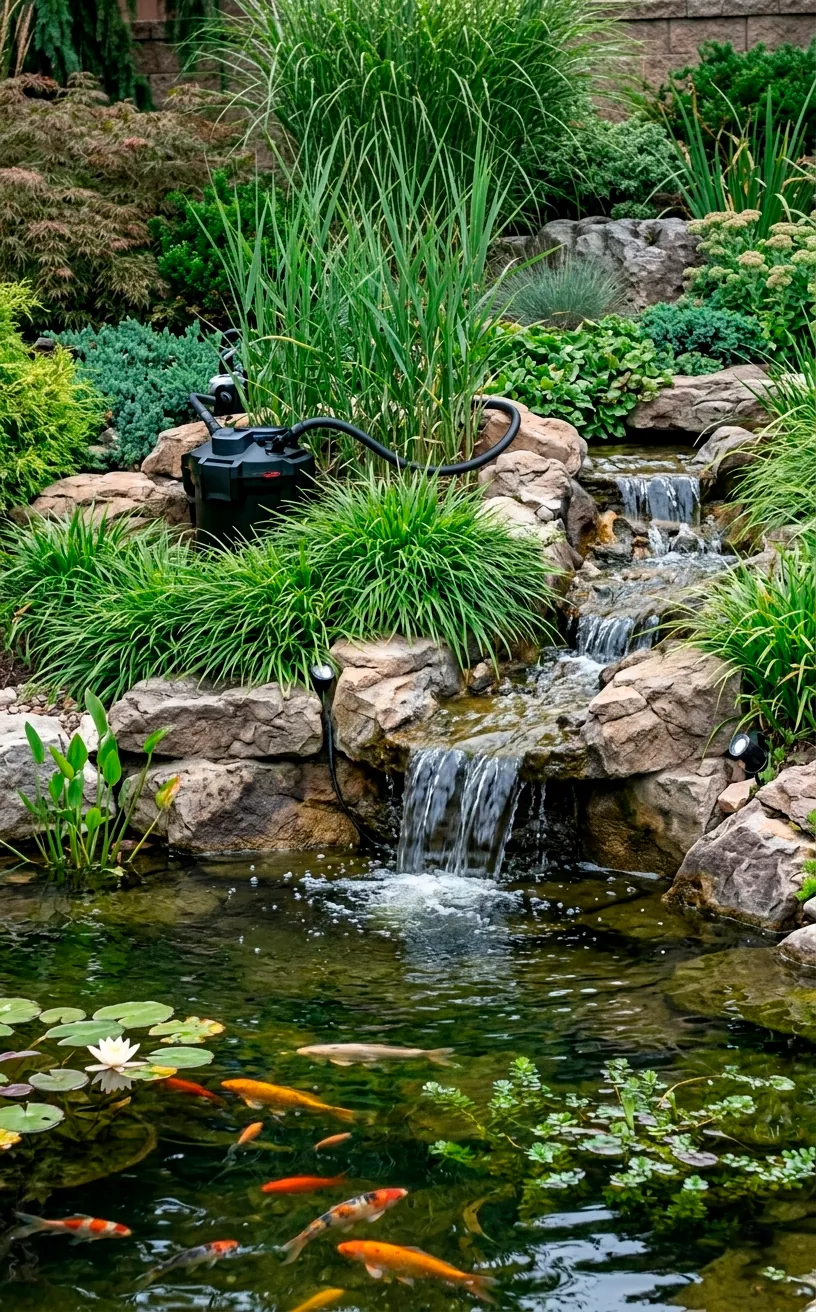
Is your pump powerful enough? Ensure your pump circulates the total volume of the pond at least once every hour. 💧
Proper maintenance kit includes:
- Liquid water test kit.
- Pond water dechlorinator.
- Sludge remover treatment.
Surviving the Chill: Winter Pond Care
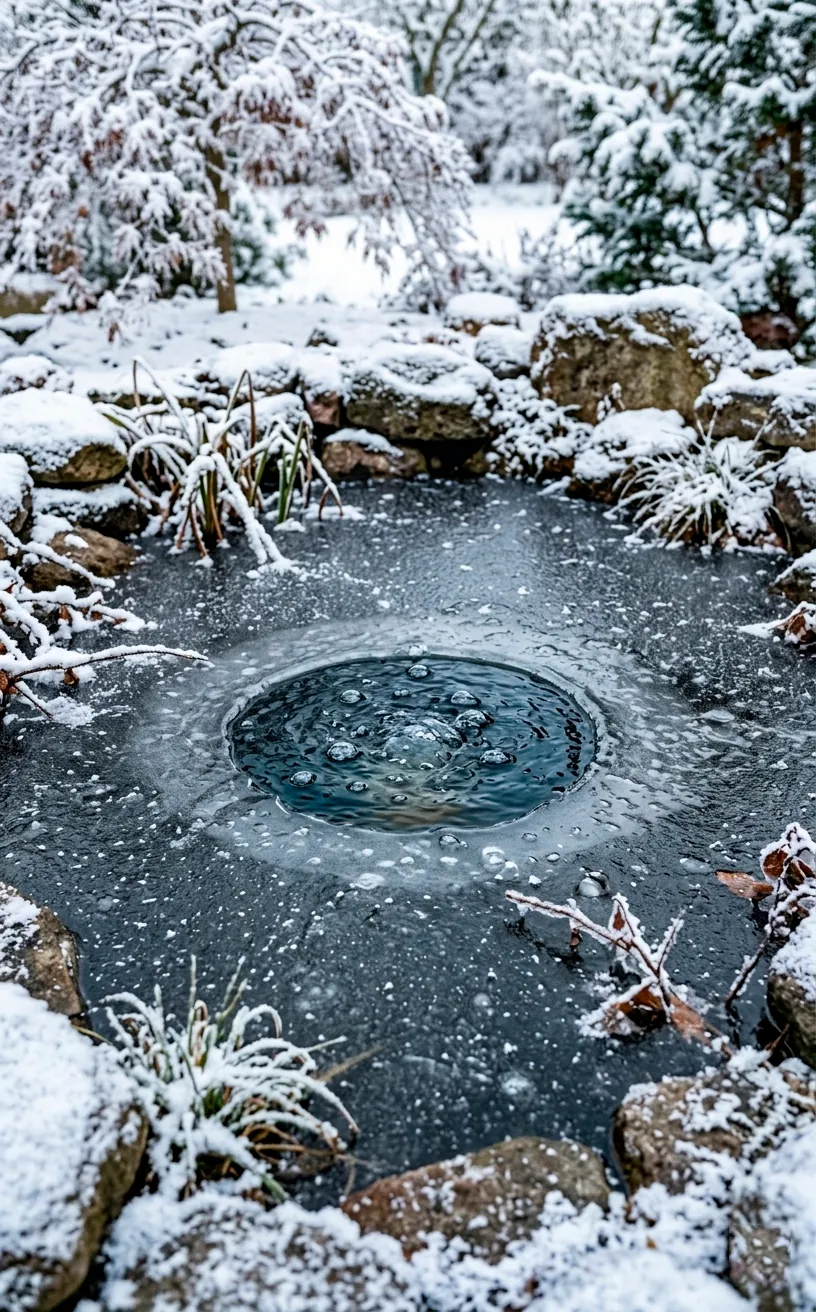
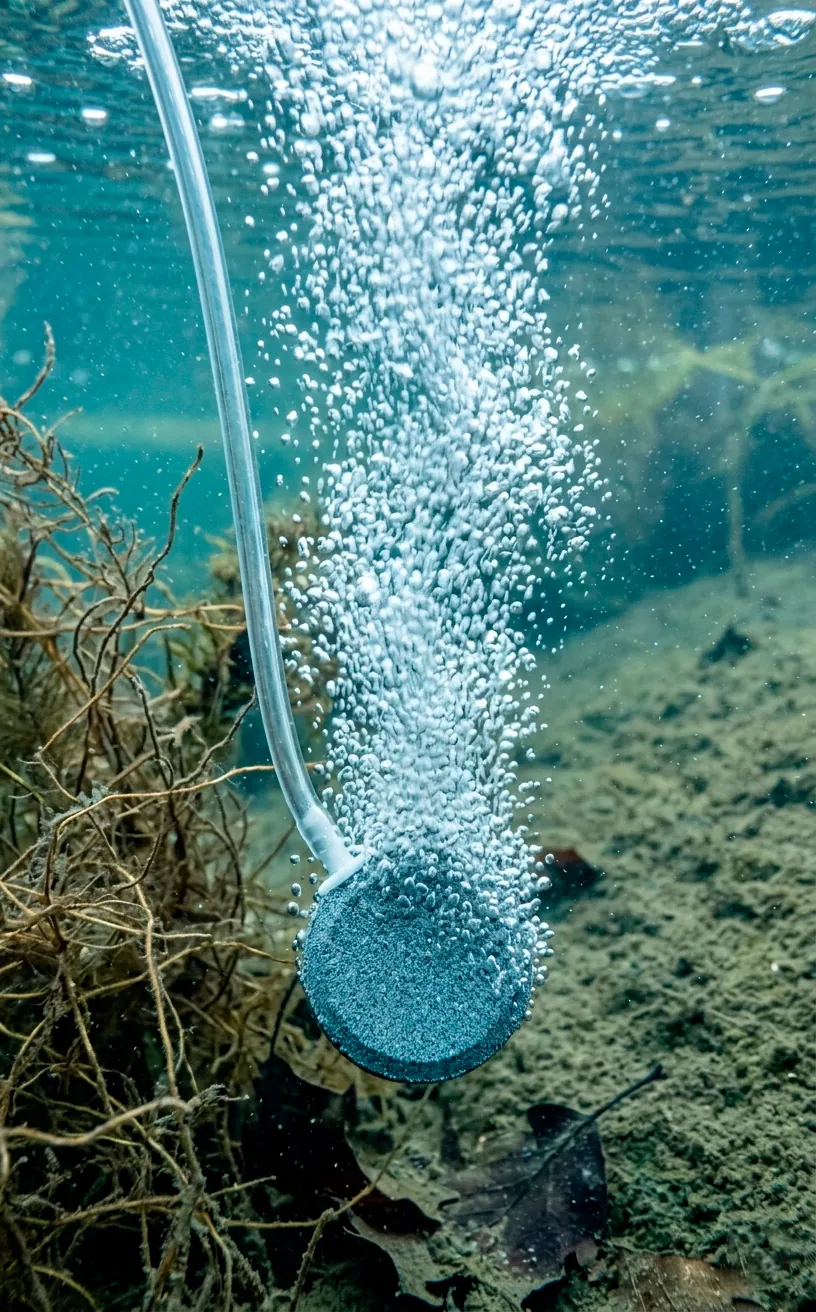
When the temperature drops, your fish basically hit the pause button on their metabolism. This stage, called torpor, means they stop eating and hang out at the bottom where the water is warmest. The biggest mistake you can make? Trying to feed them when it’s freezing. That undigested food will literally rot inside them. Just keep a small hole in the ice for gas exchange using a pond de-icer or bubbler. It’s not rocket science, but ignoring it turns your pond into a literal ice trap. Keep that oxygen flowing and they’ll be fine come spring!
Conclusion
Picking pond fish is all about balancing beauty with biology. Don’t rush into buying a massive Koi if your pond is the size of a bathtub, and always keep that water quality in check. Your future finned friends are counting on you to be a good landlord! So, which colorful swimmer are you bringing home first? Let me know in the comments!
Related posts
See AllStyling Macramé and Rattan for an Authentic Boho Balcony
Transform your boring balcony into an authentic bohemian oasis using the magic of macramé and rattan. Get practical styling tips, …
Read moreCapturing the Coastal Grandmother Essence: 10 Wedding Ideas
Ready to channel your inner Nancy Meyers for your big day? Discover 10 breezy, elegant Coastal Grandmother wedding ideas that …
Read more15 Matte Black and Cedar Porch Ideas for a Striking Modern Farmhouse Facade
Give your modern farmhouse facade a serious upgrade. Discover 15 striking matte black and warm cedar porch ideas to instantly …
Read more15 Sleek Concrete Mini Pond Ideas for an Industrial Chic Patio
Upgrade your patio with these edgy, modern concrete mini pond ideas. From fire-and-water bowls to brutalist troughs, discover how to …
Read more