












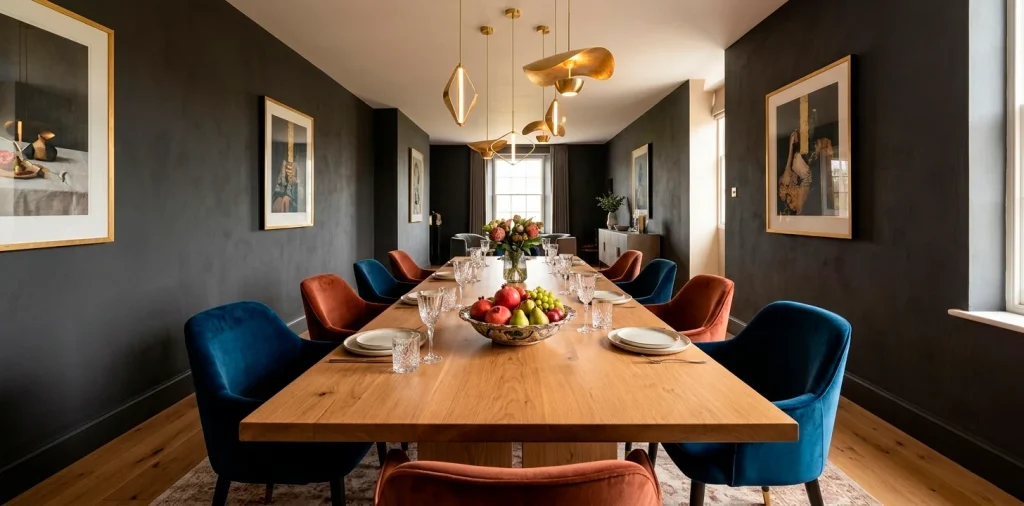

You want a dining room that feels like a high-end jazz club or a secret library, don’t you? Forget those safe, beige walls that scream ‘builder grade.’ I recently painted my own space a deep, inky charcoal, and the transformation literally stopped me in my tracks. It feels intimate, bold, and expensive. This guide helps you master the dark arts of decor without turning your home into a literal cave. Ready to take the plunge? 🖤
Breaking the Myth of the Shrinking Room
Everyone tells you that dark paint makes a room look smaller, right? Well, IMO, they simply lack vision. Dark colors actually blur the corners of a room, creating an illusion of infinite depth rather than a cramped box. When you wrap a space in charcoal or black, the walls recede. This effect creates a cozy atmosphere that invites long conversations over wine. I find that black paint acts like a tuxedo for your home; it instantly adds class where there was none before. Don’t let your fearful aunt convince you otherwise. If you worry about tight quarters, you should definitely learn how to work with dark colors in small spaces.
Choosing Your Weapon: Black vs. Charcoal
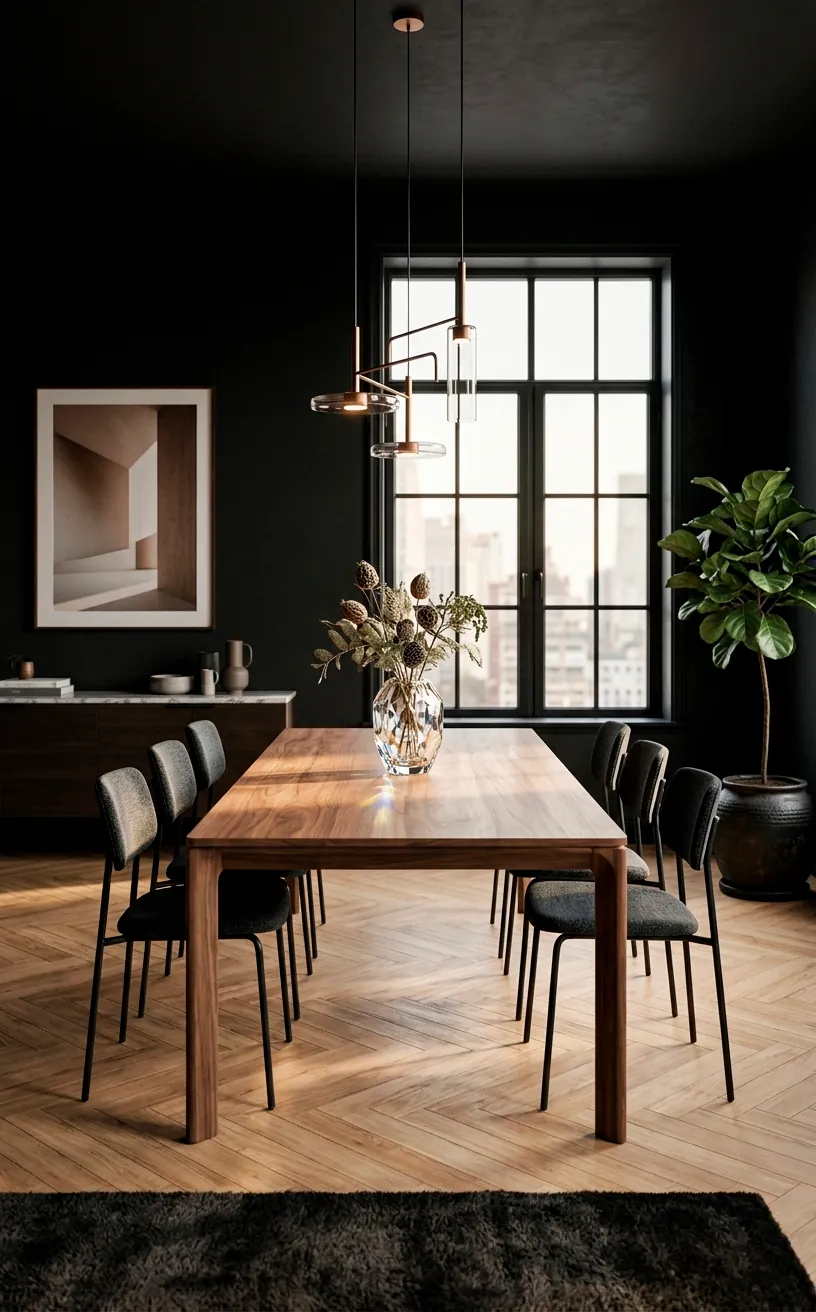
Selecting the right shade feels like a high-stakes gamble, but it doesn’t have to be. True black offers a dramatic, crisp look that works beautifully with modern architecture. It provides the ultimate contrast for bright art or metallic accents. If you want a ‘wow’ factor that hits guests the moment they walk in, go for the darkest ink you can find.
Charcoal, on the other hand, acts like black’s softer, more approachable cousin. It carries undertones of blue, green, or brown that shift throughout the day. I prefer charcoal when I want the room to feel a bit more lived-in and earthy. It hides dust slightly better than pure black too, which is a major win for those of us who aren’t cleaning gurus.
Ever noticed how some blacks look purple in the sun? Always test your swatches on different walls before committing. The light in your specific house determines the final vibe more than the tiny paper square at the hardware store. Trust your gut, but trust the sunlight more.

Lighting Is the Ultimate Game Changer
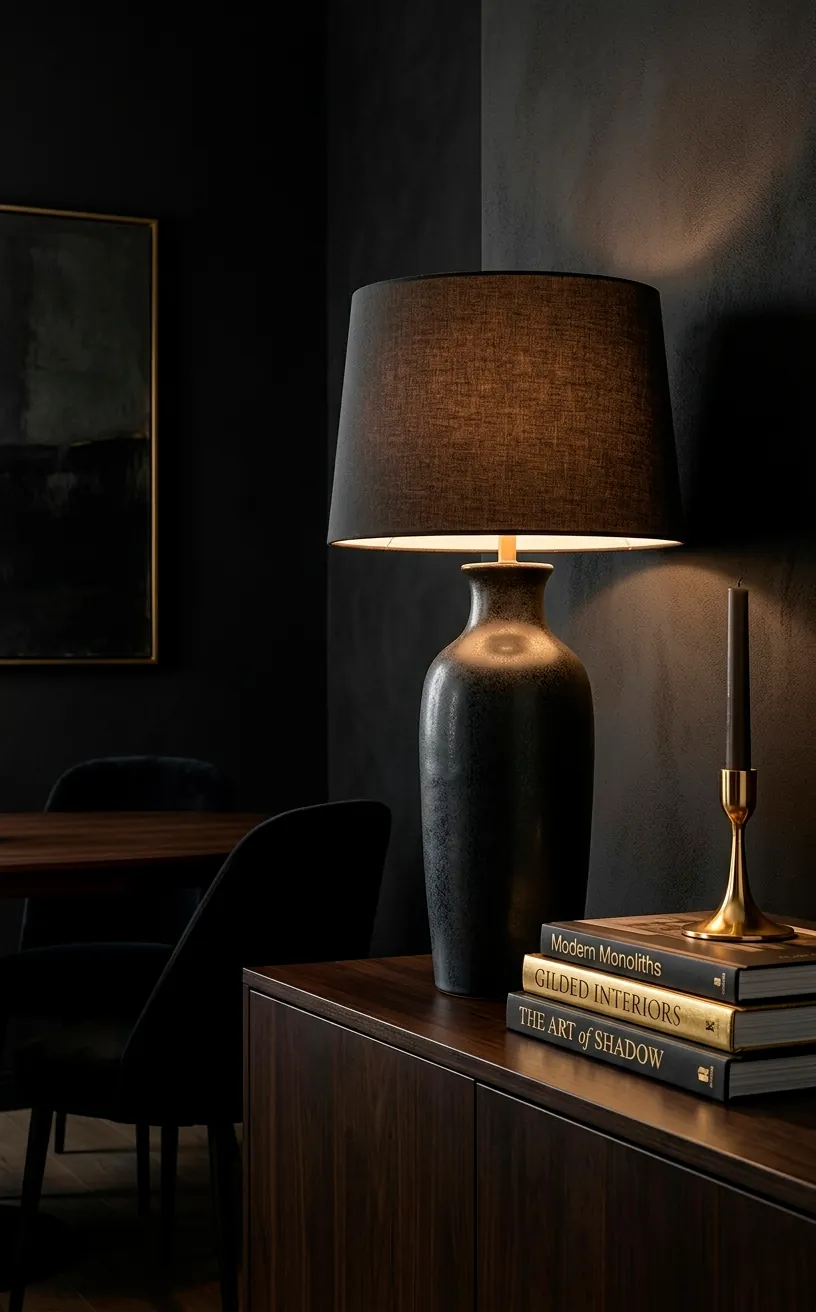
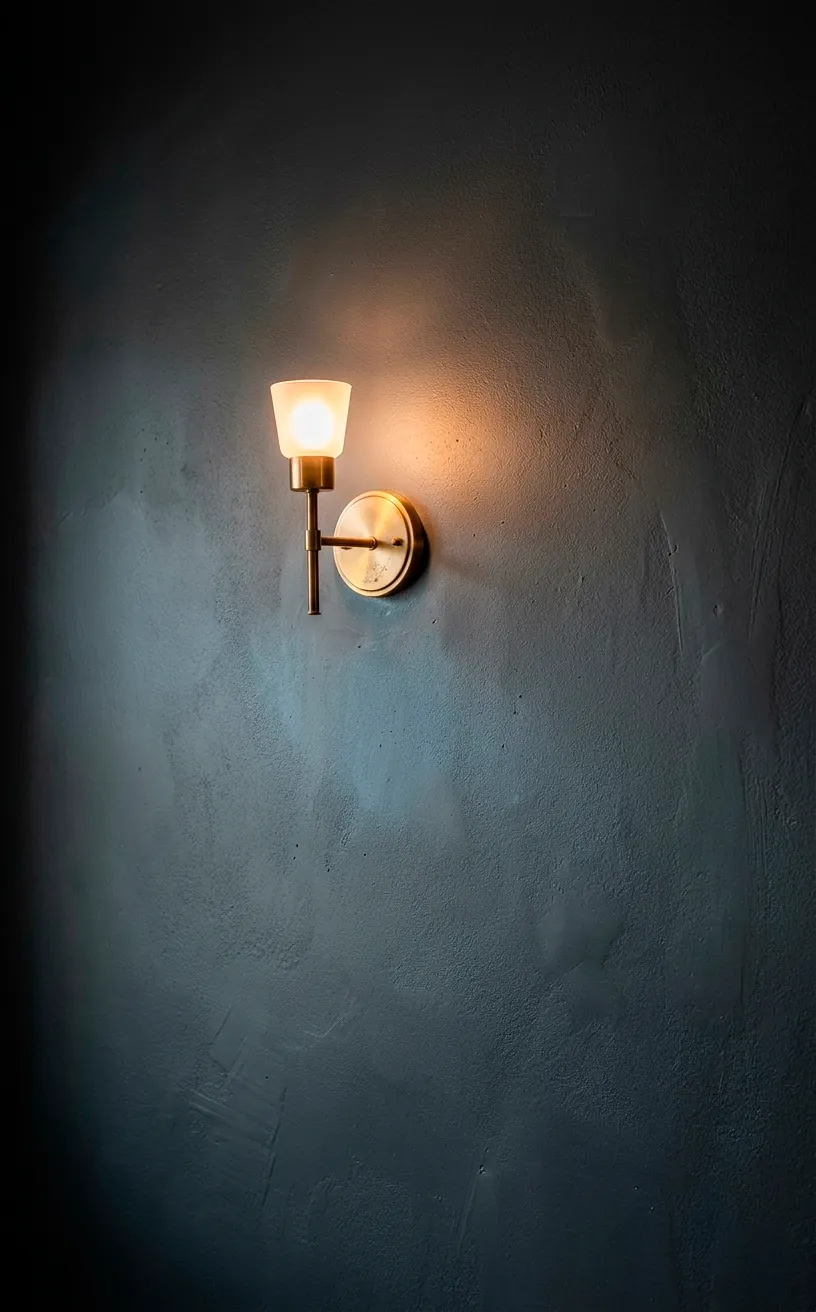
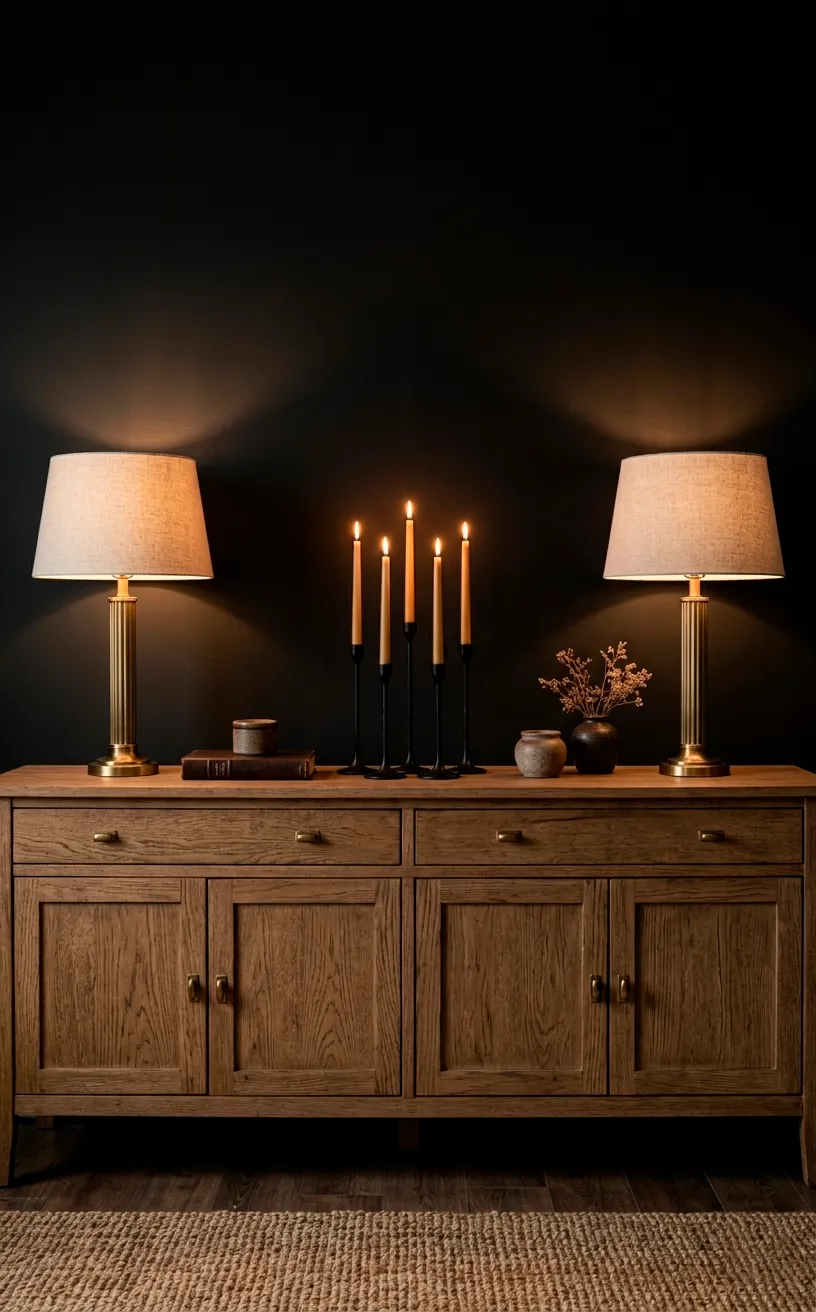
Dark walls eat light for breakfast, so you need a solid plan. If you rely on a single ‘boob light’ in the center of the ceiling, your room will look depressing. I recommend layering your light sources to create a warm, golden glow that bounces off the dark surfaces. Unless you’re actually a vampire, you need variety.
Think about a large, statement chandelier over the table as your primary source. Then, add floor lamps in the corners and candles on the table. This setup creates ‘pools’ of light that make the room feel expensive and intentional. FYI, dimmers are non-negotiable here. You want the ability to dial the mood from ‘bright breakfast’ to ‘mysterious dinner party’ with a single twist.

Texture and Furniture to Break the Void
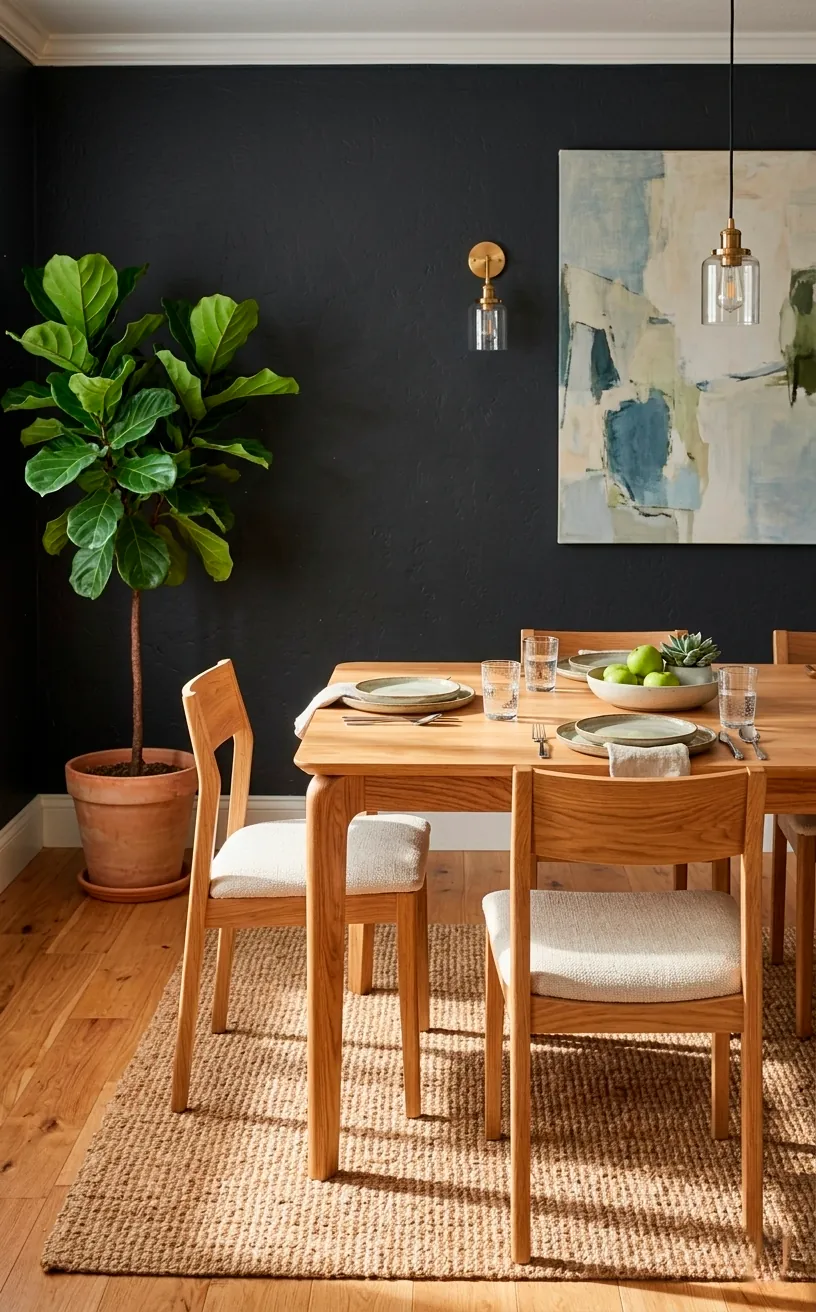
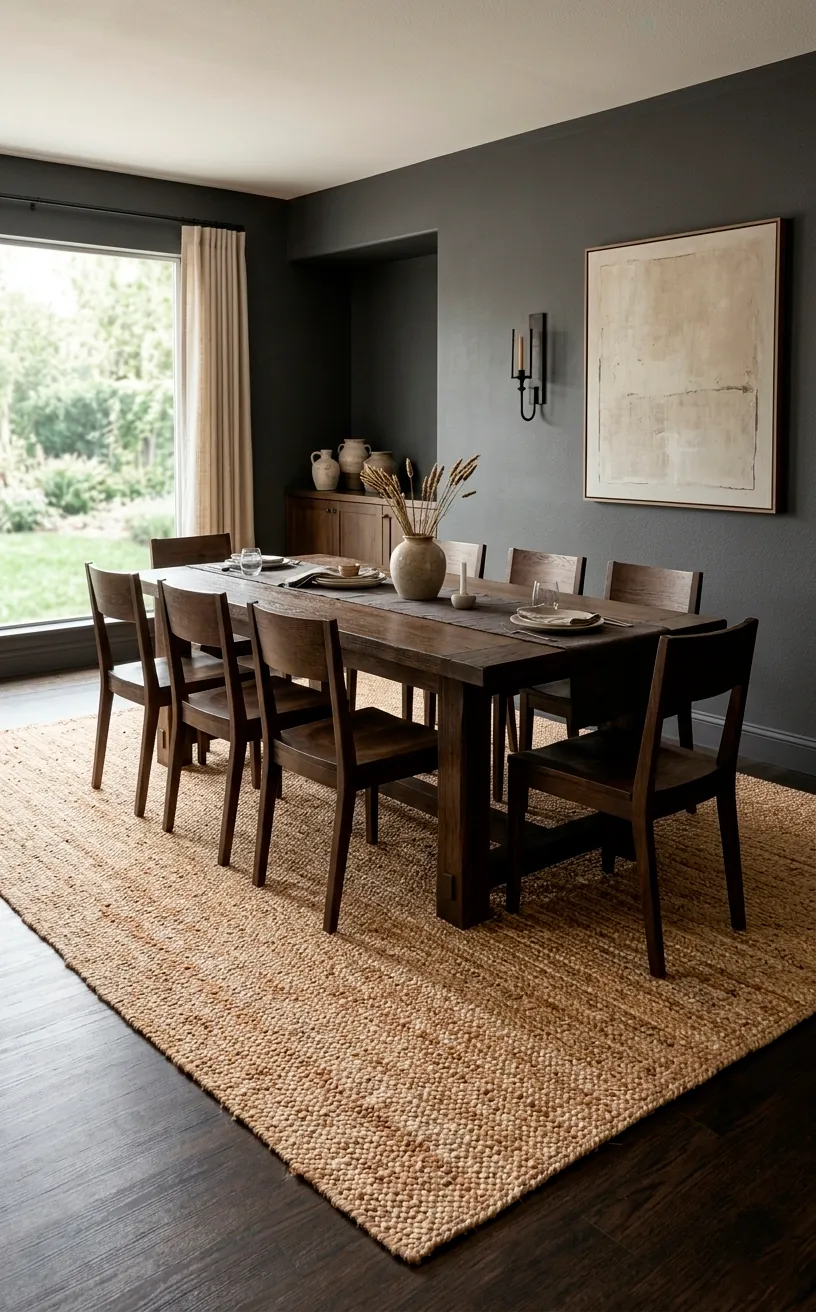
You don’t want a room that looks like a black hole. To avoid this, you must introduce contrasting textures and materials. Wood, leather, and velvet work like a charm against dark backdrops. I love how a light oak table practically glows against a charcoal wall.
Materials that pop:
- Natural Wood: Adds warmth and prevents the room from feeling cold.
- Brass or Gold: Provides a metallic ‘sparkle’ that breaks up the matte paint.
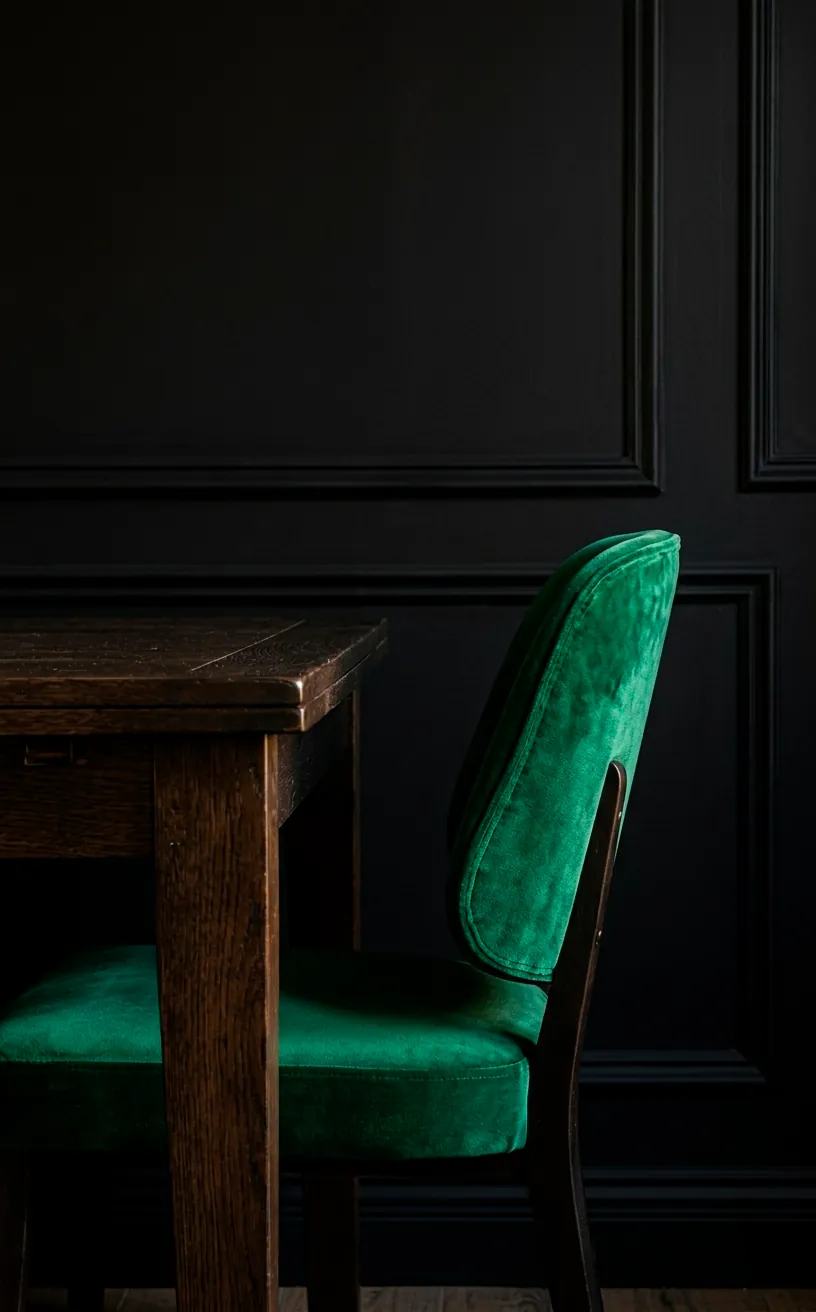
- Velvet Fabrics: Creates a rich, tactile experience in jewel tones like emerald or rust.
- Linen Curtains: Softens the hard edges of the room and adds a breezy contrast.
I once saw a room with black walls and a black table, and it looked like a scene from a gothic horror movie. Not exactly the vibe for eating spaghetti! Mix your colors. A tan leather chair or a cream rug provides the visual relief your eyes crave. Do you see how these elements pull the look together?
Keep your furniture legs slim if the room feels heavy. Chunky furniture in a dark room can make the space feel weighted down. Light, mid-century modern silhouettes usually offer the best balance for this specific aesthetic.
The Ceiling and Trim Dilemma
Should you paint the ceiling black too? If you have high ceilings and want a ‘jewel box’ effect, go for it! It creates a seamless, high-end look that feels incredibly architectural. However, if your ceilings are low, a crisp white ceiling provides a much-needed ‘escape hatch’ for the eye. I personally love a charcoal room with matching charcoal trim for a monochrome look. It feels modern and hides the clunky lines of standard baseboards.
White trim offers a more traditional, ‘preppy’ contrast that some people find comforting. It frames the dark paint like a piece of art. Just remember that high-contrast trim draws attention to the architecture, so make sure your trim is actually worth looking at. If it’s cheap and dented, just paint it dark and let it disappear.
Art That Actually Stands Out
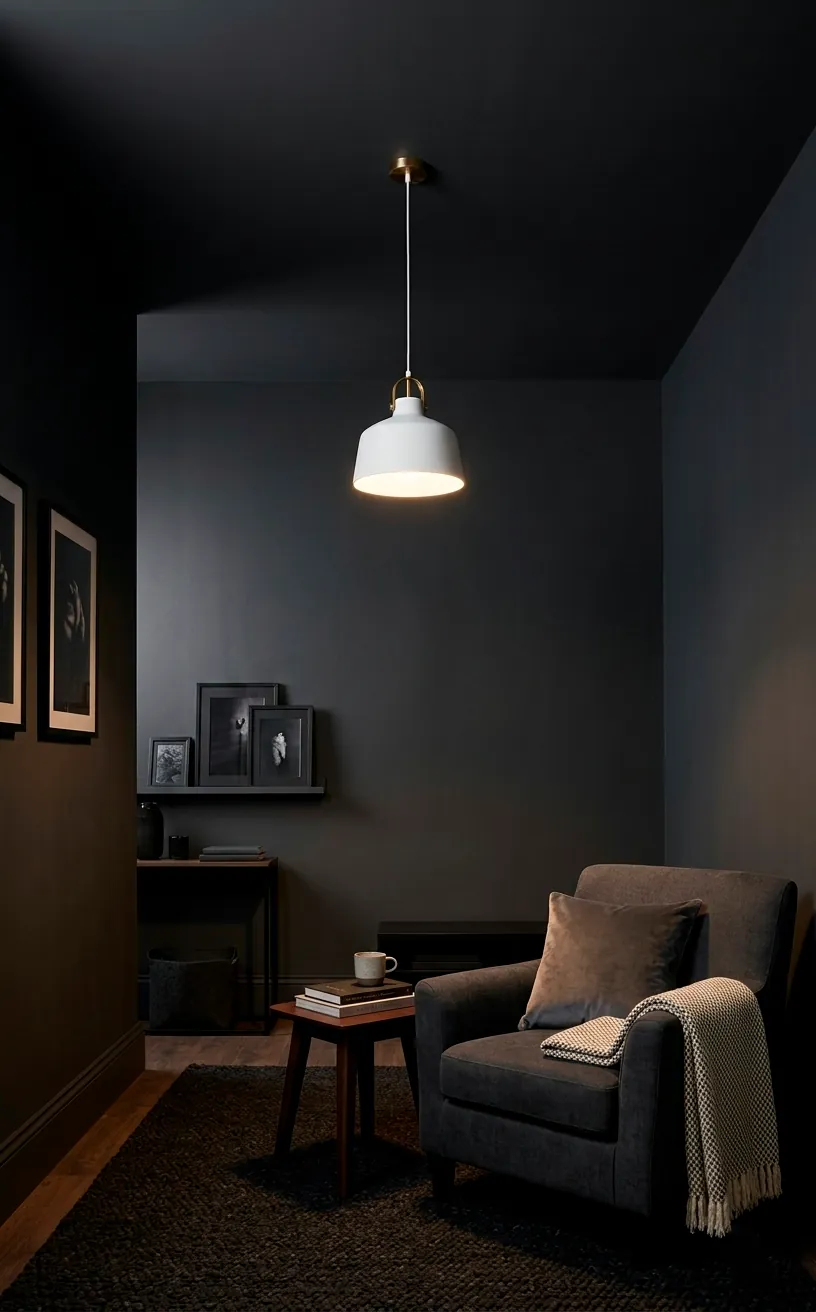
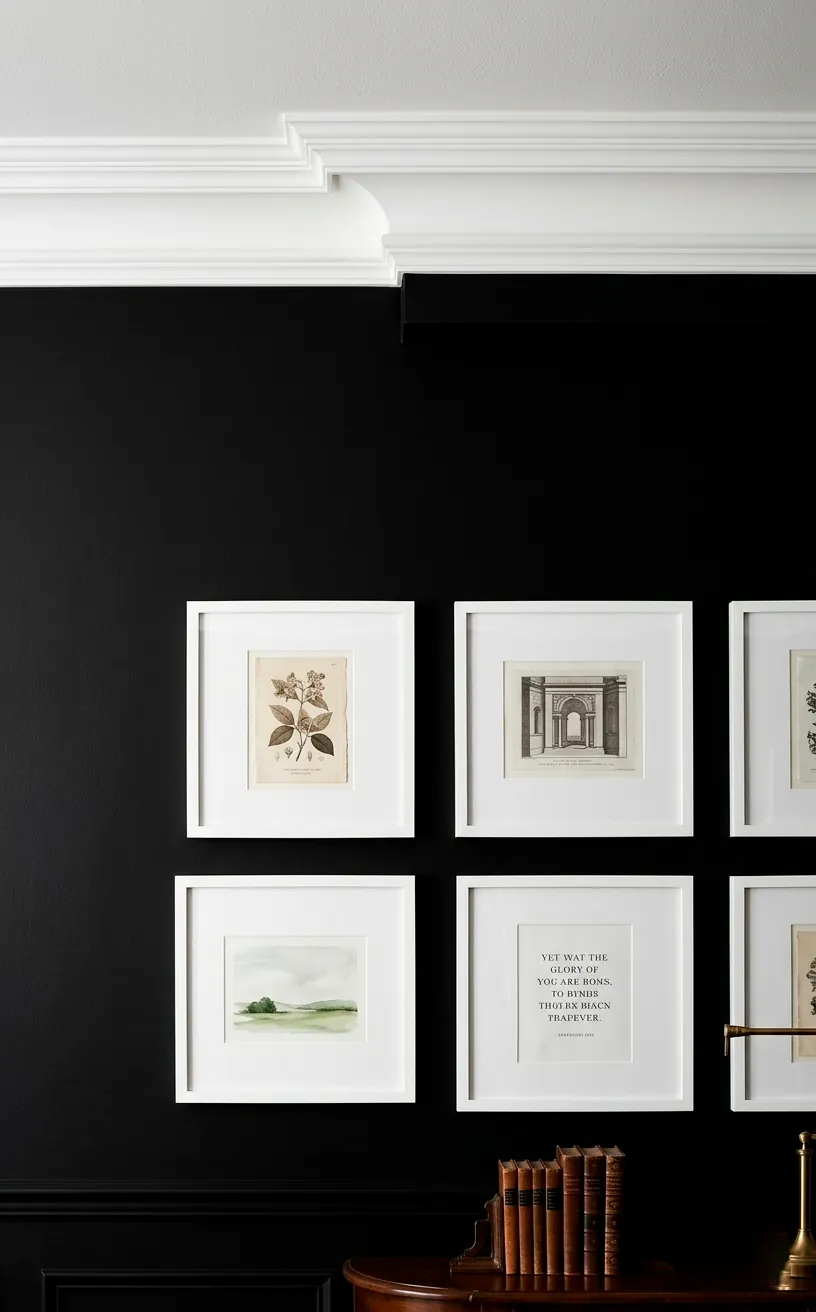
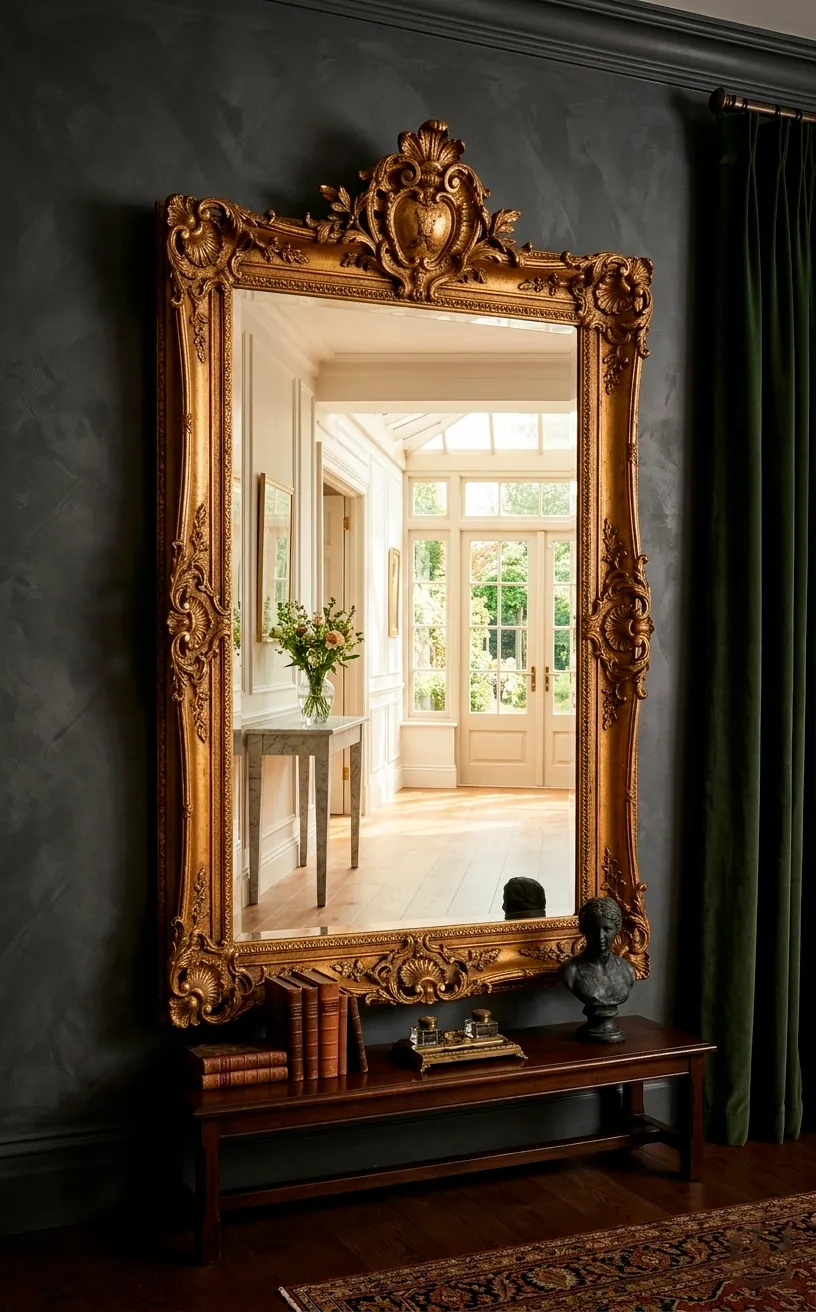
Dark walls provide the world’s best backdrop for art. Colors look more vibrant, and white frames practically vibrate with energy. I find that large-scale photography or abstract paintings with lots of white space prevent the room from feeling too heavy. If you love a minimalist look, try some scandi-noir living room art picks to keep things sophisticated. Mirrors also work wonders here; they reflect light back into the room and create ‘windows’ on solid dark surfaces. Use a gold or silver frame to add that much-needed metallic touch to your gallery wall.

Grounding the Space with Rugs
Don’t forget the floor! A dark room needs a rug to anchor the furniture and add another layer of texture. If you have dark floors and dark walls, a light-colored rug is your best friend. I usually suggest a jute rug for an organic feel or a plush Persian rug for a touch of luxury.
Natural fibers bring an earthy element that balances the ‘seriousness’ of black paint. It makes the room feel less like a museum and more like a home. Rugs also help with acoustics, which is great because dark, moody rooms should sound as soft as they look.
Patterns can work too, but keep them simple. A geometric rug in cream and gray adds interest without fighting for attention with your bold walls. Think of the rug as the foundation that holds the entire moody vibe together. Without it, your furniture might just look like it’s floating in space.

Final Thoughts on Going Dark
Painting your dining room black or charcoal is a daring move that pays off in pure style. You create a space that feels intimate, curated, and undeniably cool. Remember to layer your lighting, mix your textures, and don’t fear the dark! It’s just paint, after all, but it changes everything about how you experience your home. So, are you picking up the paintbrush this weekend? Let me know in the comments! 🏠✨
Related posts
See All15 Vintage Circus Inspired Details for Playful Kids Bedroom Decor
Bring the magic of the big top home! Discover 15 playful, vintage circus-inspired decor details that will transform your kid's …
Read moreThe Complete Guide to Styling a Dining Room Credenza for Everyday Elegance
Give your dining room credenza the ultimate glow-up. Discover easy, elegant styling tips that balance everyday function with show-stopping design.
Read more15 Dried Citrus and Cinnamon Garlands for a Naturally Cozy Kitchen
Forget mass-produced decorations. Transform your kitchen into a naturally cozy, aromatic sanctuary with these 15 beautiful dried citrus and cinnamon …
Read moreThe Dog-Friendly Camper: Designing a Van Interior for Your Pets
Transform your camper van into the ultimate dog-friendly adventure mobile! Discover clever interior design hacks, durable materials, and cozy setups …
Read more