












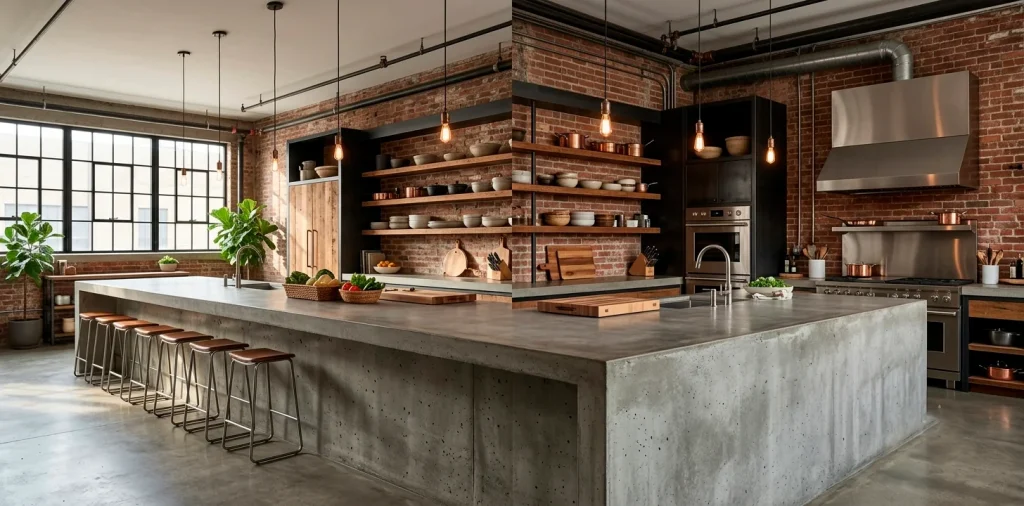

Tired of delicate marble that stains if you even look at a lemon? I completely get it. When I remodeled my kitchen, I wanted a surface that could survive a stray cast-iron skillet. Enter the world of concrete. It brings that raw, warehouse edge right into your home. Let’s explore twenty rugged concrete countertop ideas that balance grit with absolute style.
Raw Charcoal Matte Finish
I always recommend a raw charcoal matte finish if you want your kitchen to scream industrial loft. This deep, moody shade anchors the space instantly. It looks like it belongs in a converted commercial warehouse rather than a boring suburban kitchen.
The textured matte surface hides daily scratches beautifully, especially when protected with a high-quality matte concrete sealer. Why stress over tiny imperfections? This dark aesthetic transforms basic wooden cabinets into an edgy architectural statement when finished with industrial drawer pulls. It feels incredibly premium yet totally grounded. Ever wonder why top chefs love dark worktops? It keeps the focus entirely on the food.


Rok 5 Pack Matte Black Industrial Pipe Style Kitchen Cabinet Pulls - 5-1/32" (128mm) Center, 6 Inch Length - Farmhouse Hardware Handle P9022128MB
View on AmazonCERTAIN CONTENT THAT APPEARS ON THIS SITE COMES FROM AMAZON. THIS CONTENT IS PROVIDED “AS IS” AND IS SUBJECT TO CHANGE OR REMOVAL AT ANY TIME.
Embedded Metal Shavings
Want to catch the light without looking like a disco ball? Try embedding decorative brass shavings directly into the mix before the pour. I watched a friend do this last year, and the subtle industrial glint looks incredible under industrial pendant lights. Industrial countertops need that unexpected grit. As the concrete cures and gets polished with diamond polishing pads, these tiny metallic flecks emerge on the surface. They break up the solid gray mass without compromising the rugged vibe. It creates a completely unique pattern that you will never find in a generic laminate catalog. Truly spectacular.


1-lb Unique Naval Brass Shavings Filings Turnings Chips Science Orgone Art
View on Amazon
MgLoyht Pendant Lights, Farmhouse Pendant Lamp with Metal Shade (White Inside), Matte Black Industrial Pendant Lighting for Kitchen Island, Dining Room, Bedroom, Hallway
View on AmazonCERTAIN CONTENT THAT APPEARS ON THIS SITE COMES FROM AMAZON. THIS CONTENT IS PROVIDED “AS IS” AND IS SUBJECT TO CHANGE OR REMOVAL AT ANY TIME.
Integrated Concrete Sink
Nothing beats a completely seamless transition from counter to basin. A molded concrete sink eliminates those annoying seams where grime loves to hide.
I absolutely love the heavy, monolithic presence it creates. It functions like a professional workspace when paired with an industrial pre-rinse faucet, yet it retains a refined residential charm. You must apply a high-quality penetrating concrete sealer to the basin thoroughly to prevent coffee or wine stains from sinking into the porous surface.
Do you prefer a farmhouse apron style or a sharp drop-in look? Either way, the sheer weight of this design commands respect in any culinary space.


KRAUS Stainless Steel Matte Black Pull Down Kitchen Faucet KPF-1610SFSMB
View on Amazon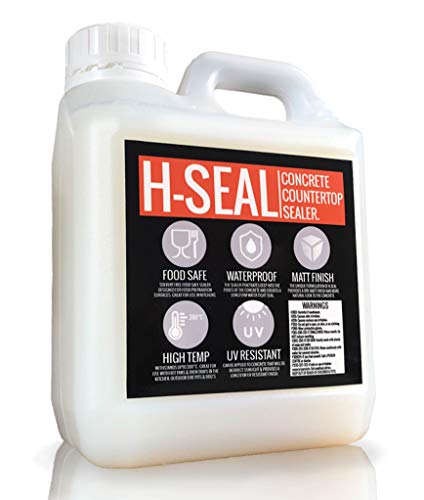
H-SEAL Concrete COUNTERTOP/WORKTOP Sealer | Food Safe/Grade | High Temp | Matte Finish | Waterproof | UV Resistant (1 Liter)
View on AmazonCERTAIN CONTENT THAT APPEARS ON THIS SITE COMES FROM AMAZON. THIS CONTENT IS PROVIDED “AS IS” AND IS SUBJECT TO CHANGE OR REMOVAL AT ANY TIME.
The Waterfall Edge Slab
Drop the concrete straight down to the floor on one side of your island, perhaps illuminated by a pair of industrial pendant lights. This technique creates a continuous, dramatic cascade of stone that looks incredibly architectural, highlighting the thickness of the material.
A waterfall edge frames your island cabinetry like a piece of industrial art. It works best in open-concept layouts where you can tuck a set of swivel metal bar stools underneath for a functional gathering spot. Plus, it protects the cabinet ends from rogue kicking feet and energetic pets.


SESIMENT Farmhouse Pendant Lighting for Kitchen Island,Black and Gold Dome Pendant Light Fixtures, Industrial Hanging Ceiling Light for Dining Room Foyer Cafe Kitchen Sink,2 Pack
View on Amazon
LOKKHAN Vintage Industrial Bar Stool-Rustic Swivel Barstools-Round Wood Metal Base-Kitchen Counter Height Adjustable Pipe Stool-Cast Steel Chairs 20-27 Inch (Set of 2)
View on AmazonCERTAIN CONTENT THAT APPEARS ON THIS SITE COMES FROM AMAZON. THIS CONTENT IS PROVIDED “AS IS” AND IS SUBJECT TO CHANGE OR REMOVAL AT ANY TIME.
Distressed Acid-Stained Patina
Uniform gray can feel a bit clinical. If you crave chaos, go for an acid-stained finish.
Chemical stains react directly with the minerals in the concrete. Applying a reactive concrete acid stain produces wild, mottled patterns that mimic oxidized metal or weathered stone.
No two countertops ever look identical with this method. It brings a chaotic, artistic energy to an otherwise sterile kitchen environment.
Just make sure you choose a professional for this job. It takes real skill to master the chemical application, and finishing with a quality food safe concrete sealer protects that vibrant, mottled look without ruining the underlying structural slab.


CC Concrete Coatings Vivid Acid Stain for Concrete | Coffee | 1-Gallon
View on AmazonCERTAIN CONTENT THAT APPEARS ON THIS SITE COMES FROM AMAZON. THIS CONTENT IS PROVIDED “AS IS” AND IS SUBJECT TO CHANGE OR REMOVAL AT ANY TIME.
Board-Formed Textures
Let's bring the texture of raw lumber to the stone. Pouring a specialized concrete countertop mix into wooden molds lined with rough-sawn planks leaves realistic grain lines on the edges. This board-formed edge marries organic warmth with industrial coldness. I love touching the ridges along the countertop rim while waiting for my coffee to brew. Pairing the wood-imprinted border with a thick end grain cutting board echoes that artisanal craftsmanship. It tells a story of how workers actually built the piece by hand and completely removes that plastic, manufactured feel that ruins so many modern kitchens.


Tech Mix Premium Concrete Countertop Mix - Kit for Building Counters, Kitchens, Benches, & More, Reverse-Cast, Cast in Place (50 Pounds, White)
View on Amazon
Sonder Los Angeles Alfred Cutting Board, End Grain Walnut, 17x13x1.5 in
View on AmazonCERTAIN CONTENT THAT APPEARS ON THIS SITE COMES FROM AMAZON. THIS CONTENT IS PROVIDED “AS IS” AND IS SUBJECT TO CHANGE OR REMOVAL AT ANY TIME.
Inlaid Copper Strips
Copper adds a warm, metallic contrast that elevates gray concrete instantly. Slice thin channels into the cured surface and press gleaming copper bars inside. Over time, the metal develops a gorgeous green-tinged patina that complements the industrial vibe beautifully.
This inlay serves as a built-in trivet for hot pans if you place them strategically near the stove. It merges practical utility with stunning high-end design. If you love this metal, check out how to use copper and exposed brick industrial design trends to finish the entire look.

Terrazzo Glass Aggregate
Do you want to recycle and decorate simultaneously? Grind down the top layer of concrete to expose colorful recycled glass aggregate underneath. It offers a playful twist on typical factory aesthetics.
Exposed glass bits add unexpected depth and color without feeling overly feminine. I prefer using amber or bottle-green glass to maintain that vintage workshop atmosphere.
It reflects overhead light beautifully. This technique ensures your heavy island doesn’t look like a depressing block of sidewalk pavement.

Ultra-Thick Chunky Slab
Standard countertops measure about one and a half inches thick. Forget standard. Crank that visual up to a massive five or six inches by using a clever drop-front apron edge. A thick profile provides instant industrial gravity. It anchors the entire room and makes your kitchen look like an architectural anchor point. Guests will automatically gravitate toward it because it looks so permanent and indestructible. Just ensure your floor joists can handle the massive weight before you commit to this beast. 😉

Stainless Steel Trim Inlay
Pairing two classic industrial materials always works. Wrap the outer perimeter of your concrete countertop in brushed stainless steel bands or place metal strips right through the center. It mirrors the look of commercial prep tables while keeping the tactile warmth of stone under your hands.
The steel trim protects vulnerable corners from chipping during heavy-duty cooking sessions. IMO, this combination offers the best balance of restaurant-grade durability and loft-style aesthetics for serious home chefs.

Exposed River Pebbles
Nature can handle the industrial look too.
By washing away the top paste during curing, you expose smooth, rounded river stones embedded inside.
This technique provides a highly tactile surface texture that feels incredible to touch. It breaks up the monochrome nature of concrete by introducing natural earthy tones like tan, brown, and quartz white.
It works brilliantly around prep areas. The bumpy texture hides minor crumbs and water spots perfectly between cleanings.

Floating Concrete Island Top
Create an optical illusion by creating a deep undercut beneath the countertop overhang. This cantilevers the slab so it appears to float effortlessly above the island base. The floating effect softens the heavy industrial mass. It introduces a modern, sleek element that pairs perfectly with black steel mesh or pipe legs underneath. It proves that industrial design can feel light and sophisticated when you play with shadow lines and scale. I always stop and stare when I see this executed well.

Weathered Barn-Wood Stamped
You can actually stamp the entire surface to mimic petrified wood. Special polyurethane stamps press deep, realistic grain patterns right into the wet concrete mix.
You get the rustic warmth of timber with the indestructible nature of stone. It never rots, splinters, or warps from moisture.
It works wonders in modern rustic warehouse designs. It fools almost everyone until they actually place their hands on the cool, solid stone surface.

Polished High-Gloss Graphite
Who says rugged can’t shine? Polish your concrete up to a high-gloss finish using fine diamond abrasive pads. The result looks like deep, reflective graphite or dark obsidian stone.
High-gloss finishes bounce ambient light around the room, preventing dark industrial kitchens from feeling like gloomy dungeons. It brings a clean, sophisticated executive-loft vibe to the space. Just keep a quality microfiber cloth handy to wipe away those unavoidable greasy fingerprints.

Pigmented Olive Green Concrete
Step away from the gray scale for a moment. Adding dry powder pigments during the mixing phase allows you to create muted, earthy tones like olive green or army drab. Pigmented concrete retains its raw industrial texture while injecting vital personality into the room. It pairs beautifully with black iron pipes and reclaimed brick walls. It reminds me of vintage military gear or old industrial machinery. It feels incredibly intentional and completely breaks the monotony of standard monochrome design schemes.

Chiseled Rough Edges
Perfect factory edges can feel a bit soulless.
Instead, have your craftsman purposely break and chisel the front edges of the countertop after it cures.
A chiseled edge showcases the raw inner structure of the concrete slab. It looks like a chunk of stone pulled straight from a quarry wall.
This rugged look contrasts beautifully with smooth cabinet doors. It adds a heavy dose of texture that instantly grabs attention when you walk into the room.

Bolt-Hole Details
Embrace the architectural construction process completely. Leave the circular tie-rod holes or bolt patterns from the wooden forms visible along the vertical faces of the counter. It mimics the look of massive cast-concrete highway bridges and brutalist structures.
These small details provide authentic structural character. If you appreciate pure, unadorned utility, this subtle nod to construction is unbeatable. Discover more ways to capture this look with these industrial design trends for a warehouse loft look today.

Dual-Tone Layered Concrete
Why settle for one color when you can layer two? Pour a dark charcoal layer on the bottom and cap it with a lighter cement gray on top.
The distinct horizontal split creates a striking visual contrast along the exposed edges. It looks like sedimentary rock layers forming over thousands of years.
This technique requires a steady hand during the pouring process. However, the final architectural statement rewards your extra effort beautifully.

Crackle Finish Faux-Fractures
Perfect is boring, FYI. Some artisans intentionally induce controlled micro-cracking on the surface before sealing it with a contrasting dark epoxy. This crackle finish celebrates beautiful imperfection in true wabi-sabi style. It looks like a well-loved workshop bench that has survived decades of hard labor. The sealer ensures the counter remains perfectly hygienic and smooth to the touch, so you don’t have to worry about food trapped in the crevices. It gives you all the vintage drama without any of the actual maintenance headaches.

Seamless Backsplash Flow
Extend your concrete countertop straight up the wall to create a continuous backsplash. Eliminating the junction between the counter and wall creates a clean, monolithic block of stone that looks incredibly powerful.
A matching concrete backsplash simplifies your design while amplifying the industrial weight. It completely eliminates the need for trendy tiles that might go out of style next year. It feels permanent, functional, and utterly badass. What more could you want?

Conclusion
Concrete countertops give your industrial kitchen an undeniable, heavy-duty soul. Whether you choose a raw matte finish or shiny graphite, you create a space that handles real life without breaking a sweat. So, which of these gritty ideas matches your kitchen vision best? Let me know in the comments below, and happy remodeling! 😎
Related posts
See All15 Vintage Circus Inspired Details for Playful Kids Bedroom Decor
Bring the magic of the big top home! Discover 15 playful, vintage circus-inspired decor details that will transform your kid's …
Read moreThe Complete Guide to Styling a Dining Room Credenza for Everyday Elegance
Give your dining room credenza the ultimate glow-up. Discover easy, elegant styling tips that balance everyday function with show-stopping design.
Read more15 Dried Citrus and Cinnamon Garlands for a Naturally Cozy Kitchen
Forget mass-produced decorations. Transform your kitchen into a naturally cozy, aromatic sanctuary with these 15 beautiful dried citrus and cinnamon …
Read moreThe Dog-Friendly Camper: Designing a Van Interior for Your Pets
Transform your camper van into the ultimate dog-friendly adventure mobile! Discover clever interior design hacks, durable materials, and cozy setups …
Read more